2027 Competency-Based Online International Business Master's Degrees

Co-Founder and Chief Data Scientist
Choosing an online international business master’s degree is not only a question of school reputation or tuition. It is also a question of format: do you want a traditional semester-based program, or would you learn better in a competency-based model where progress depends on demonstrated mastery?
Competency-based education, or CBE, is designed for learners who already bring professional experience, strong motivation, or clear career goals. Instead of moving through courses at a fixed pace, students complete assessments that prove they can apply graduate-level international business skills. For working professionals, military learners, career changers, and globally mobile students, that structure can make graduate study more flexible and potentially faster.
According to the Online Learning Consortium, 62% of graduate students report improved engagement and satisfaction in competency-based online programs compared to traditional models. This guide explains how competency-based online international business master’s programs work, what admissions teams look for, how GPA and prior learning are evaluated, what costs to expect, and how the degree may support career advancement in global business roles.
Key Benefits of Competency-Based Online International Business Master's Degree
- Competency-based online international business master's degrees offer flexible pacing, ideal for working professionals balancing careers and studies without fixed semester schedules.
- The model accelerates skill acquisition by allowing learners to progress upon mastery, often reducing program duration compared to traditional credit-hour systems.
- Students gain access to diverse, global peer networks and faculty, enhancing cross-cultural collaboration and expanding international career opportunities.
What is a competency-based international business master's degree, and how does it work?
A competency-based international business master’s degree is a graduate program built around measurable skills rather than a fixed number of classroom hours. Students move forward by proving they can apply concepts such as global market analysis, international finance, cross-border strategy, trade compliance, and multicultural leadership.
In a traditional program, students usually complete courses according to an academic calendar. In a CBE program, the central question is different: can the student demonstrate the required competency at a graduate level? If the answer is yes, the student may be able to move ahead without waiting for the rest of a cohort.
- Progress is based on mastery: Students complete assessments, projects, papers, simulations, or portfolios that show they understand and can apply each competency.
- Pacing is more flexible: Learners with strong professional backgrounds may move quickly through familiar material, while others can spend more time on complex topics.
- Coursework is usually modular: Programs often divide learning into focused units tied to specific outcomes, such as evaluating foreign market entry risks or building an international supply chain strategy.
- Faculty and mentors still matter: CBE is not independent study without support. Strong programs provide feedback, coaching, academic resources, and clear rubrics.
- The model fits experienced adult learners: Students who have managed teams, worked with global clients, handled budgets, or completed business training may be able to connect prior experience directly to program outcomes.
Enrollment in competency-based postsecondary programs has increased by more than 25% between 2019 and 2023, reflecting growing demand for flexible, skill-focused education models. Students comparing CBE graduate pathways with other business formats may also want to review affordable online MBA programs, especially if they are deciding between a broad MBA and a more internationally focused degree.
What are the admission requirements for a competency-based online international business master's program?
Admission requirements vary by school, but competency-based online international business master’s programs typically evaluate both academic readiness and practical experience. Because the model depends on self-direction and applied work, admissions teams often look for evidence that applicants can manage graduate-level learning without the structure of a traditional weekly classroom schedule.
- Bachelor’s degree: Applicants generally need a bachelor’s degree from an accredited institution. The degree does not always have to be in business, but applicants from unrelated fields may need to show quantitative, managerial, or international experience.
- Official transcripts: Schools use transcripts to evaluate academic preparation, prior coursework, and sometimes prerequisite knowledge in areas such as economics, accounting, statistics, or management.
- Professional experience: Relevant work experience is often helpful and may be strongly preferred. Experience in sales, logistics, finance, marketing, operations, consulting, procurement, entrepreneurship, or international trade can strengthen an application.
- GRE or GMAT policies: Many competency-based education programs waive GRE or GMAT requirements and place more weight on work history, writing ability, leadership potential, and demonstrated competencies.
- Resume or CV: A strong resume should show scope of responsibility, measurable achievements, international exposure, management duties, and technical skills.
- Statement of purpose: This essay should explain why the applicant wants an international business master’s degree, why CBE is a good fit, and how the program connects to career goals.
- Recommendations: Letters from supervisors, faculty, or senior colleagues can help confirm readiness for graduate study, communication ability, and professional maturity.
Applicants who are still building a business foundation may also compare graduate options with an undergraduate business management degree online before committing to a master’s-level international business program.
Students interested in accelerated or flexible online formats in other fields can review an online EdD guide to understand how fast-track models may differ across disciplines.
What is the minimum GPA requirement for an international business competency-based master's program?
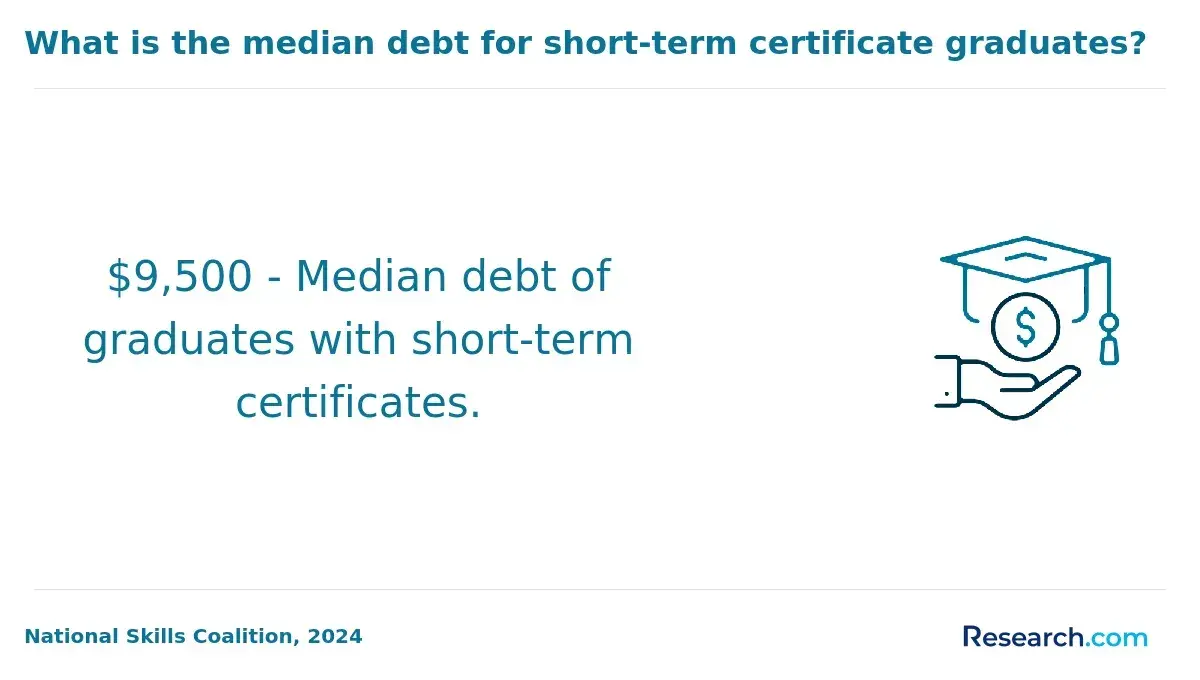
Many accredited international business CBE master’s programs use a minimum undergraduate GPA around 3.0 on a 4.0 scale, but GPA is rarely the only factor. Because competency-based programs are designed to measure applied mastery, some schools review applicants more holistically than traditional programs do.
- A 3.0 GPA is a common benchmark: Schools may use this threshold to screen for graduate-level academic readiness, especially in writing, analysis, and quantitative reasoning.
- Lower GPAs may not be automatic denials: Applicants below 3.0 may still be considered if they show substantial professional experience, recent academic success, certifications, leadership roles, or strong evidence of business competence.
- Older transcripts may need context: A GPA earned many years ago may not reflect a candidate’s current discipline, maturity, or professional capability. A clear statement of growth can help.
- Programs may use alternative evidence: Some admissions teams consider portfolios, competency assessments, interviews, writing samples, or prerequisite performance.
- Policies differ by institution: Applicants should confirm whether the GPA requirement is firm, conditional, or flexible before applying.
If your GPA is below the stated requirement, do not rely on hope alone. Contact admissions before submitting an application and ask whether the program allows conditional admission, probationary admission, supplemental materials, or a portfolio review. A focused application can explain what changed since your undergraduate record and why you are prepared now.
One professional who entered a competency-based online international business master’s program for a career change described the process this way: “It wasn’t just my transcript—they really wanted to see what I could do in real-world settings.” His experience shows why applicants with uneven academic records should document work achievements, global responsibilities, language skills, certifications, and measurable business results.
How long does it take to complete a competency-based international business master's degree online?
Completion time depends on the program design, the student’s weekly availability, prior learning, and how quickly the student can pass required assessments. Some students finish in as little as 12 months, while the average duration of competency-based online master’s programs in international business often ranges from 18 to 36 months.
- Faster completion is possible for prepared students: Learners with prior coursework or professional experience in business, finance, trade, logistics, or management may move quickly through familiar competencies.
- Working professionals may need a longer timeline: Full-time jobs, travel, caregiving, and unpredictable work schedules can slow progress, even in a self-paced format.
- Subscription tuition can reward speed: Programs that charge by term or subscription period may cost less overall if students complete more competencies within each paid period.
- Prior learning can shorten the degree: Transfer credit, portfolio review, and competency waivers may reduce the number of requirements a student must complete.
- Self-pacing still requires structure: Students who do not create weekly study blocks may lose momentum because there are fewer fixed class meetings to enforce progress.
Before enrolling, estimate how many hours per week you can realistically study during normal work periods, not during an ideal week. Also ask the school how often assessments are available, how long faculty feedback usually takes, and whether failed assessments can delay progress. These operational details often matter as much as the advertised completion timeline.
Students comparing online pacing across fields may find it useful to look at other flexible programs, including engineering degrees, to see how workload, technical requirements, and assessment structures can vary.
How much does a competency-based online international business master's degree cost?
The cost of a competency-based online international business master’s degree depends heavily on tuition structure. Some programs charge a flat rate for a term, allowing students to complete as many competencies as they can during that period. Others charge by credit, course, or competency. The best value depends on how quickly and consistently you can progress.
- Subscription-based tuition: Students pay a flat amount for a defined term. This can benefit motivated learners who can complete multiple competencies quickly.
- Per-credit or per-competency tuition: Students pay based on the number of credits or competency units completed. This may be easier to predict if the program has a fixed curriculum, but it may not reward acceleration in the same way.
- Fees beyond tuition: Technology fees, assessment fees, graduation fees, textbooks, software, international business databases, and exam proctoring costs can affect the total price.
- Financial aid options: Eligible students may be able to use federal loans, employer tuition reimbursement, scholarships, military education benefits, or payment plans, depending on the school and program.
- Opportunity costs: Students should consider whether the program will require reduced work hours, unpaid time off, or less availability for consulting, travel, or overtime.
A common mistake is comparing only tuition rates without considering completion speed. A subscription program may be affordable for a student who completes requirements quickly, but more expensive for someone who needs repeated terms. Conversely, a slower-paced per-credit program may cost more on paper but create less pressure for students with demanding jobs.
One graduate who used a flat-rate term model explained: “At first, I was worried about how fast-paced the program was and how it would impact my budget. But the flat-rate term pricing meant I could move quickly without worrying about extra costs each course.” She also noted that textbooks, software, and the challenge of balancing work and study still had to be included in her budget.
Which accrediting bodies recognize competency-based international business master's programs?
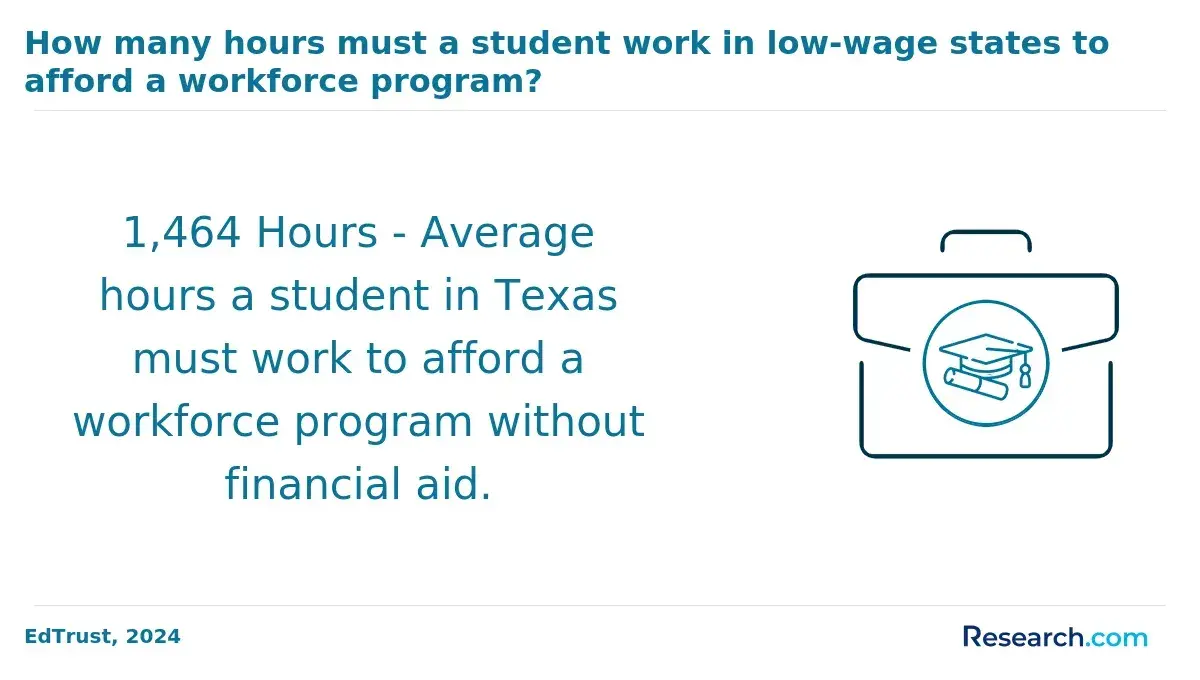
Accreditation is one of the most important checks when evaluating a competency-based international business master’s program. Because CBE is less familiar to some employers than traditional semester-based education, recognized accreditation helps confirm that the institution uses legitimate academic standards and reliable assessment methods.
- Institutional accreditation: Regional accrediting agencies such as the Higher Learning Commission (HLC), Southern Association of Colleges and Schools Commission on Colleges (SACSCOC), and WASC Senior College and University Commission (WSCUC) evaluate colleges and universities as whole institutions.
- Business accreditation: Some international business programs also hold specialized business accreditation from organizations such as the Accreditation Council for Business Schools and Programs (ACBSP) or the Association to Advance Collegiate Schools of Business (AACSB).
- Financial aid implications: Recognized accreditation is usually tied to federal financial aid eligibility. Students should verify this before assuming they can use federal loans.
- Employer recognition: Accreditation can affect whether employers, promotion committees, and other graduate schools view the degree as credible.
- Fraud prevention: Students should be cautious of institutions that advertise accreditation from agencies not recognized by the U.S. Department of Education or the Council for Higher Education Accreditation (CHEA).
Before applying, verify the school’s status through the U.S. Department of Education’s Database of Accredited Postsecondary Institutions and Programs (DAPIP). Do not rely only on marketing language on a program website. Also confirm whether the competency-based version of the program is covered under the institution’s accreditation and whether any specialized business accreditation applies to the specific school, college, or program.
What core competencies and curriculum areas are covered in an international business CBE master's program?
An international business CBE master’s program should prepare students to analyze global markets, manage cross-border operations, lead multicultural teams, and make decisions under political, legal, financial, and cultural uncertainty. Instead of listing only course titles, strong programs define the competencies students must prove before graduation.
- Global strategy: Students learn to evaluate market entry options, competitive positioning, international growth risks, and strategic partnerships.
- International finance: Curriculum may cover exchange-rate exposure, global capital markets, financial risk, budgeting across borders, and investment decision-making.
- Trade and regulatory environments: Students examine tariffs, trade agreements, sanctions, import/export rules, compliance obligations, and legal constraints affecting global operations.
- Supply chain and operations: Programs often include sourcing, logistics, vendor management, resilience planning, and global distribution strategy.
- Cross-cultural leadership: Students develop communication, negotiation, conflict management, and team leadership skills for multinational settings.
- Marketing and market research: Learners analyze consumer behavior, localization, international branding, pricing, and market segmentation.
- Ethics and corporate responsibility: Topics may include sustainability, labor practices, anti-corruption standards, stakeholder management, and responsible global expansion.
- Applied research and analytics: Students use business data, case analysis, and decision frameworks to support recommendations.
Prospective students should compare the program’s competency framework with their target roles. A student aiming for global supply chain leadership should look for strong logistics and operations assessments. A student targeting international market development should prioritize strategy, marketing analytics, and cross-cultural negotiation. The closer the assessments are to real business tasks, the more useful the portfolio may be after graduation.
What delivery formats and technology platforms are used in online international business CBE programs?
Online international business CBE programs rely on digital platforms to deliver content, track competency progress, collect assessments, and connect students with faculty or mentors. The technology experience matters because students often work independently and need clear visibility into what they have completed and what remains.
- Learning management systems: Programs may use Canvas, Blackboard, or proprietary platforms designed for competency-based education. These systems typically host readings, videos, assignments, rubrics, feedback, and progress dashboards.
- Asynchronous coursework: Most CBE programs emphasize self-paced learning, allowing students to study at times that fit work schedules and time zones.
- Live sessions: Some programs add synchronous webinars, group discussions, coaching sessions, or virtual presentations. These can improve interaction but may reduce schedule flexibility.
- Assessment portals: Students may submit papers, projects, simulations, presentations, or portfolios through dedicated assessment tools.
- Communication tools: Programs may use email, discussion boards, video conferencing, chat, and advising platforms to support student progress.
- Accessibility features: Strong platforms support closed captioning, screen reader compatibility, mobile access, and clear navigation.
- Technical support: Reliable help desk access is essential, especially when assessments, proctoring, or deadlines depend on the platform working correctly.
Ask for a platform demo before enrolling if one is available. During the demo, check whether you can easily find competency requirements, see feedback, track progress, access library resources, and understand assessment expectations. A program may be academically strong, but if the platform is confusing, progress can become frustrating.
Students comparing flexible online formats in other fields may find additional pacing context in guides that explain how long does it take to get a MSW online.
How are students assessed, and how is mastery demonstrated in international business CBE programs?
Assessment is the core of competency-based education. In an international business master’s program, students do not simply complete readings and take exams; they must show that they can apply graduate-level knowledge to realistic business problems. Mastery is usually evaluated with rubrics that define what acceptable, proficient, or advanced performance looks like.
- Case analyses: Students may evaluate a company’s international expansion, identify risks, and recommend a market entry strategy.
- Business simulations: Simulations can test decision-making in areas such as pricing, sourcing, exchange-rate risk, or competitive strategy.
- Strategic plans: Learners may create international marketing plans, supply chain proposals, or global business development strategies.
- Research projects: Students may analyze data, compare markets, assess policy environments, or evaluate industry trends.
- Presentations: Some assessments require students to defend recommendations in a format similar to executive briefings.
- Capstones and portfolios: A final project or portfolio can demonstrate cumulative mastery across multiple competencies.
- Revision and resubmission: Many CBE programs allow students to revise work that does not meet the required standard, which reinforces mastery rather than one-time performance.
The quality of assessment rubrics is important. Clear rubrics help students understand expectations before submitting work and help ensure evaluations are consistent. Prospective students should ask whether assessments are graded by course faculty, independent evaluators, or both, and how feedback is delivered.
This model can be useful for job searches because students may graduate with concrete work samples. A portfolio that includes a market entry analysis, global supply chain assessment, or international finance project can help explain the degree’s value to employers. Students evaluating reputable online institutions can also review best online schools as part of their broader research.
What transfer credit and prior learning assessment options exist for international business CBE programs?
Transfer credit and prior learning assessment can make a competency-based international business master’s program faster and more affordable, but policies vary widely. Students should confirm rules before enrolling, not after they have paid tuition.
- Graduate transfer credit: Schools may accept relevant graduate coursework from accredited institutions if it matches program competencies and was completed within the school’s allowed timeframe.
- Portfolio assessment: Students may submit evidence of professional learning, such as project reports, international market analyses, training records, certifications, presentations, or documented leadership responsibilities.
- Challenge exams: Some institutions allow students to test out of specific competencies by passing an internal assessment.
- Standardized exams: Programs often accept exams like CLEP (College-Level Examination Program) and DSST (DANTES Subject Standardized Tests), which evaluate knowledge in specific subjects, allowing students to bypass equivalent courses.
- Professional certifications: Business, finance, project management, supply chain, language, or trade-related credentials may support a prior learning review if the school recognizes them.
- Transfer limits: Most programs cap the amount of transfer or prior learning credit that can apply to the degree, so students should ask how many competencies must be completed through the institution.
To prepare for a prior learning review, collect documentation early. Useful materials may include transcripts, syllabi, certificates, job descriptions, supervisor letters, work samples, performance reviews, and evidence of international responsibilities. Ask whether there is a fee for portfolio evaluation and whether denied credits can be appealed.
The most important question is not only whether prior learning is accepted, but how it maps to required competencies. A school may value your experience but still require you to complete an assessment if the evidence does not align closely with the program’s outcomes.
What career outcomes and professional opportunities does an international business CBE master's degree unlock?
A competency-based online international business master’s degree can support advancement into roles that require global business judgment, cross-cultural communication, analytical ability, and strategic decision-making. It is not a guarantee of promotion or a specific salary, but it can help students document skills that employers value in international roles.
- International marketing manager: Leads market research, localization, campaign strategy, pricing decisions, and brand positioning across countries or regions.
- Global supply chain analyst: Evaluates sourcing, logistics, supplier risk, transportation costs, and operational performance across borders.
- Business development director: Identifies new markets, builds partnerships, negotiates deals, and supports international growth strategy.
- Export sales manager: Manages overseas sales channels, distributor relationships, compliance issues, and revenue growth in foreign markets.
- Consulting and strategy roles: Uses market analysis, competitive intelligence, and financial modeling to advise organizations on global expansion or operational improvement.
- Finance and risk roles: Supports decisions involving currency exposure, international investment, regulatory risk, and cross-border transactions.
Sectors such as multinational corporations, logistics, consulting, and finance actively recruit international business professionals. Mid-level positions typically offer salaries between $70,000 and $110,000 annually, with senior roles potentially exceeding $130,000 depending on experience and geography.
CBE graduates should be ready to explain the degree format clearly during interviews. Instead of saying only that the program was self-paced, describe the competencies mastered and show examples: a market entry plan, a supply chain risk analysis, a negotiation strategy, or a capstone project. This makes the degree more concrete for employers who may be less familiar with competency-based education.
Professional networking also matters. Alumni groups, employer partnerships, international business associations, conferences, and mentors can help graduates translate the credential into job leads, promotion opportunities, and consulting work.
What Graduates Say About Their Competency-Based Online International Business Master's Degrees
- Arisa: "Choosing a competency-based online international business master's program was a game changer for me because it allowed me to move at my own pace while balancing a demanding job. The affordable cost made it accessible without the usual financial stress of graduate education. This degree has significantly boosted my confidence in negotiating cross-border deals and expanded my career opportunities worldwide."
- Devin: "Reflecting on my experience, the flexibility of a competency-based format suited my busy lifestyle perfectly, letting me focus on mastering each skill thoroughly before moving forward. I appreciated how cost-effective the program was compared to traditional degrees without sacrificing quality. Now, as a professional, I've seen tangible growth in my strategic thinking and leadership in global markets."
- Valerie: "What stood out to me about the competency-based online international business master's degree was the immediate real-world application of what I learned. Knowing that the program was designed with an affordable price point encouraged me to invest time and effort fully. The practical knowledge I gained has been critical in driving my company's international expansion efforts efficiently."
Other Things You Should Know About International Business Degrees
In 2027, competency-based international business master's degrees are increasingly accepted due to their focus on practical skills and measurable competencies. Employers appreciate graduates who can demonstrate specific abilities, while some graduate schools may require proof of accreditation to ensure program quality.
Competency-based programs emphasize mastery of specific skills and knowledge, allowing students to progress at their own pace, often faster than the fixed schedules of traditional programs. Unlike credit-hour models, CBE assessments directly measure applied competencies relevant to international business roles. While traditional programs may focus more on theoretical knowledge delivered in semesters, CBE programs align curriculum closely with practical outcomes and real-world scenarios.
Pros include flexible pacing, the ability to leverage prior experience for credit, and a focus on real-world business skills important in global markets. This model suits self-motivated learners seeking to accelerate their studies and enter the workforce faster. On the downside, CBE programs require high self-discipline and may lack immediate cohort interaction, which some learners find isolating. Additionally, not all employers are equally familiar with this newer degree format.
References
- London School of International Business https://www.lsib.co.uk/2022/searchcourse1.aspx
- Master's in International Business Management (M.A.) - INU – Innovative University AG https://inu.de/en/product/masters-in-international-business-management-m-a/
- Master of Business Administration (Competency-Based) | University of Phoenix https://www.phoenix.edu/online-business-degrees/mba-competency-based-degree.html
- Prior Learning Assessment and Recognition (PLAR) - Brno Internationa Business School https://www.bibs.cz/bibs-faculty/prior-learning-assessment-and-recognition-plar/
- The Value of International Accreditation for Business Schools https://mbainternationalbusiness.net/2025/06/the-value-of-international-accreditation-for-business-schools/
- AACSB Accreditation https://www.econ.umk.pl/en/accreditation-activity-of-aacsb-international/
- Master in International Business: 2025/2026, Second-cycle programme, Full-time - PUEB Syllabus https://www.esylabus.ue.poznan.pl/en/13/1/2/105/151
- The benefits of learning about international business management at Masters level https://online.york.ac.uk/resources/the-benefits-of-learning-about-international-business-management-at-masters-level1/
- How is Mastery Defined in Postsecondary Competency-Based Education? - C-BEN https://www.c-ben.org/how-is-mastery-defined-in-postsecondary-competency-based-education/
- International MBA Online | Rome Business School https://romebusinessschool.com/master-of-business-administration/