2027 Competency-Based Online Cinematography Master's Degrees

Co-Founder and Chief Data Scientist
Many prospective students and career changers struggle to find flexible master's programs in cinematography that recognize prior skills and allow self-paced completion. Traditional credit-hour models often prolong study time and increase costs, which discourages those aiming for rapid advancement. Competency-based education (CBE) offers an alternative, with 64% of online master's degree seekers valuing programs that measure learning outcomes over seat time.
This shift facilitates tailored progress for busy professionals and non-traditional learners. This article explores how competency-based online cinematography master's programs function, their admission criteria, costs, duration, and how they differ from traditional formats to help readers make informed decisions.
Key Benefits of Competency-Based Online Cinematography Master's Degree
- Competency-based online cinematography master's degrees allow working professionals to study at their own pace, providing flexibility that accommodates demanding schedules and reduces interruptions to career progress.
- By focusing on mastery of skills rather than credit hours, these programs enable accelerated learning paths, helping students transition into advanced roles more quickly than traditional models.
- Access to global cohorts and industry mentors enhances networking opportunities, fostering collaborations and connections valuable for career changers entering competitive fields worldwide.
What Is a Competency-Based Cinematography Master's Degree, and How Does It Work?
For prospective students considering competency-based online cinematography master's programs, it is important to grasp how these degrees differ fundamentally from traditional formats. Competency-based education (CBE) centers on skill mastery rather than time spent in class, offering a more personalized and flexible approach to graduate study.
Below are key aspects that define how competency-based cinematography degrees work:
- Mastery Over Seat Time: Instead of progressing through fixed credit hours, learners move forward by demonstrating proficiency in specific skills via projects, exams, or portfolios. This ensures advancement reflects actual capability rather than classroom attendance.
- Self-Paced Learning: Students typically navigate through modular coursework at their own speed. This flexibility allows them to focus intensively on challenging competencies while quickly completing areas of strength, accommodating diverse learning preferences.
- Continuous Assessment: Regular evaluations include practical assignments that mirror professional cinematography tasks, allowing students to apply theory in real-world scenarios. This continuous feedback loop helps maintain rigorous standards.
- Faculty and Mentor Support: Despite its self-directed nature, CBE programs connect students with experienced faculty or mentors who provide guidance, feedback, and assistance to troubleshoot academic challenges, fostering an interactive environment.
- Alignment with Adult Learners: These programs are often tailored to working professionals balancing education with personal commitments, providing increased accessibility without compromising academic rigor.
Recent trends show a significant rise in the adoption of CBE models, with over 50 accredited institutions offering competency-based degrees across various disciplines.
This expanding recognition highlights CBE's growing role in higher education. Students exploring these innovative formats may also review SLP online programs as examples of flexible, competency-based approaches in other fields.
What Are the Admission Requirements for a Competency-Based Online Cinematography Master's Program?
Prospective students aiming for a competency-based online Cinematography master's degree should carefully consider the admission requirements, which emphasize demonstrated skills over traditional metrics. These criteria help programs assess candidates' readiness for a learning style focused on mastery rather than time spent in class.
Below are key admission elements commonly encountered in these programs.
- Bachelor's Degree and Transcripts: Applicants typically must hold a bachelor's degree from an accredited institution, ideally in cinematography, film studies, or a related field. Official transcripts verify academic records and GPA, although minimum GPA requirements for online cinematography master's programs tend to be flexible compared to traditional programs.
- Professional Experience: Relevant work experience in cinematography or allied creative fields is often preferred or required. This practical background not only supports competency-based learning but can also offset less conventional academic credentials.
- Letters of Recommendation: Most programs ask for two or three recommendation letters from academic or professional references who can validate applicants' skills, work ethic, and potential for success in advanced cinematography studies.
- Standardized Test Policies: Many competency-based education (CBE) programs waive GRE or GMAT requirements, unlike traditional admissions. They prioritize portfolios, documented experience, and direct competency demonstrations instead, lowering barriers for qualified candidates.
- Holistic Application Review: Admissions committees assess a blend of academic credentials, professional achievements, portfolio quality, and personal statements to select students aligned with the program's mastery goals.
To strengthen your application, highlight your technical skills, creative projects, and hands-on cinematography experience. A compelling portfolio showcasing real-world work is invaluable. For those exploring entry paths, reviewing the easiest online college options for foundational learning can also be beneficial.
What Is the Minimum GPA Requirement for a Cinematography Competency-Based Master's Program?
For prospective students considering a competency-based online cinematography master's program, knowing typical GPA requirements helps set realistic expectations during the application process. Below are some important factors regarding undergraduate GPA criteria and how programs may accommodate different academic backgrounds:
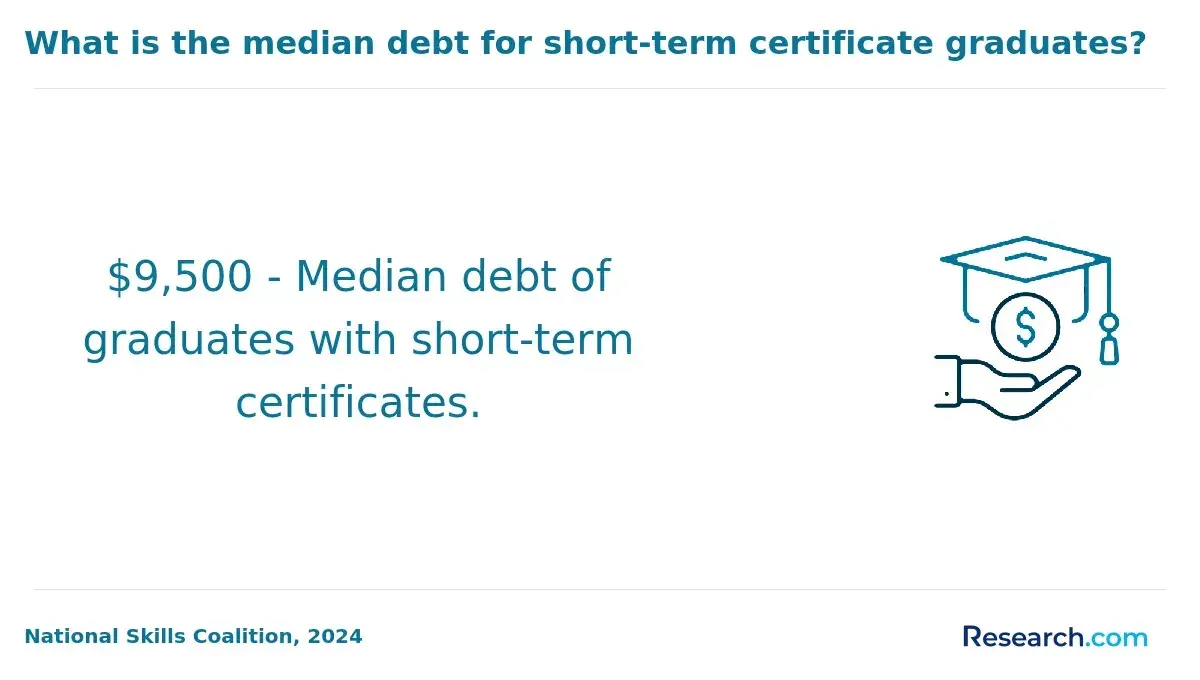
- Common GPA Thresholds: Most accredited programs seek applicants with an undergraduate GPA near 3.0 on a 4.0 scale, indicating sufficient academic preparation for graduate-level work.
- Weighing Professional Achievements: Applicants with lower GPAs might still be eligible if they provide strong evidence of relevant industry experience or accomplishments that demonstrate their skills.
- Alternative Assessments in CBE: Programs often use portfolios, competency evaluations, or practical assessments to measure applicant capabilities beyond GPA, allowing candidates to prove their filmmaking expertise directly.
- Institutional Variation: Eligibility criteria can differ significantly among schools, so thoroughly researching each program's specific standards is crucial.
- Importance of Admissions Communication: Prospective students are encouraged to contact admissions representatives to clarify GPA expectations and explore possible pathways when academic records do not fully align with standard thresholds.
One professional who enrolled in a competency-based online cinematography master's shared that their undergraduate GPA was below the typical cutoff, which initially caused uncertainty. They recalled, "I wasn't sure if my application would be competitive, but the program's portfolio review let me showcase the projects I had completed independently."
They also highlighted how direct conversations with the admission staff eased concerns and helped tailor their application. "It really made a difference to hear that my practical experience could complement my academic record," they explained, noting how this flexibility encouraged their decision to pursue the degree despite initial doubts.
Prospective students considering a competency-based online cinematography master's degree benefit from understanding the program's adaptable pacing and what factors influence its length. Highlighted below are important elements related to the typical duration for online competency-based cinematography master's programs.
- Flexible, Self-Paced Progress: Students advance by demonstrating mastery at their own speed, allowing quicker completion for those with more time or prior knowledge, while accommodating others balancing work and family.
- Typical Program Length: Motivated learners can complete the degree in about 12 months, whereas others may take two to three years, reflecting their unique schedules and commitments.
- Subscription-Based Tuition Structure: Many CBE programs charge tuition monthly or per term rather than by credit hour, encouraging students to finish sooner since costs accumulate only while actively engaged in coursework.
- Prior Learning Assessment and Transfer Credits: Students with previous training or experience in cinematography can often test out of certain competencies, shortening both time and tuition expenses.
- Setting Realistic Timelines: Establishing a study schedule that accounts for job hours, family duties, and familiarity with cinematography concepts helps maintain steady progress without risking burnout.
For those comparing degree formats or searching for accredited flexible programs, exploring executive MBA online programs can provide insights into alternative subscription tuition models and pacing options.
Prospective students evaluating competency-based online cinematography master's degrees need to understand the tuition frameworks and overall costs involved. Grasping these financial aspects helps in planning and making informed choices. Consider these key elements when assessing program expenses:
- Tuition Structures: These programs typically offer two payment models: a subscription-based plan charging a fixed fee per term, allowing unlimited competency completion within that period, and a per-competency or per-credit option that bills based on completed skills or credits.
- Cost Advantages: Competency-based degrees often have lower total costs compared to traditional master's programs due to faster progression and less campus-related overhead. Subscription fees usually range from $2,000 to $5,000 per term, while per-credit costs tend to sit between $400 and $700.
- Financial Assistance: Various aid options exist including federal student loans, employer tuition reimbursement programs, and scholarships tailored specifically for graduate students in cinematography, all of which can ease financial burdens.
- Additional Expenses: Beyond tuition, students should budget for mandatory technology fees, necessary software subscriptions, and textbooks or digital materials, which can collectively add several hundred dollars each term.
- True Cost Considerations: It's important to factor in opportunity costs such as reduced work hours and other indirect expenses to gauge full financial commitment accurately.
One professional who transitioned careers after earning her competency-based online cinematography master's shared that while managing costs was challenging, the subscription model's flexibility was critical. She emphasized how being able to accelerate coursework without worrying about extra tuition fees relieved financial stress.
Balancing study time with part-time work demanded careful budgeting, but employer assistance helped significantly. Reflecting on her journey, she noted, "The total cost wasn't just about tuition-it was about managing time and resources smartly. The financial aid options available made what seemed overwhelming quite manageable." This experience highlights the practical realities behind the numbers for many students pursuing this innovative degree path.
Prospective students looking into competency-based online cinematography master's programs should prioritize accreditation to ensure their degree is credible and widely recognized. Below are several key considerations regarding accreditation relevant to these programs.
- Regional Accreditation: The primary recognized accrediting bodies in the United States include agencies such as the Higher Learning Commission (HLC), Southern Association of Colleges and Schools Commission on Colleges (SACSCOC), and the WASC Senior College and University Commission (WSCUC). These organizations evaluate institutions on overall educational quality, including competency-based learning models.
- Programmatic Accreditation: Specialized accreditors focusing on film, media arts, or visual communications assess the rigor of cinematography curricula and student achievement, providing additional assurance of academic quality in competency-based programs.
- Credential Recognition and Financial Aid Impact: Accreditation affects whether employers recognize the degree's validity and if students qualify for federal financial assistance. Programs without proper accreditation may result in credentials that hold little professional or educational value.
- Verification of Accreditation Status: Applicants should use the U.S. Department of Education's Database of Accredited Postsecondary Institutions and Programs (DAPIP) to confirm the legitimacy and current standing of any program's accreditation.
- Caution With Unrecognized Accreditors: Some programs claim endorsement from organizations not recognized by official bodies like the Department of Education or CHEA. These unverified or predatory accreditors typically lack academic oversight, which can jeopardize degree validity and career prospects.
Prospective students pursuing a competency-based online cinematography master's degree benefit from programs structured around clearly defined, measurable learning outcomes that align with industry standards and professional expectations. These programs emphasize practical skills and real-world applications rather than traditional coursework.
Below are the core competency domains typically addressed in such programs:
- Analytical Reasoning and Visual Storytelling: Students cultivate critical analysis skills for interpreting scripts, storyboards, and lighting, enabling them to craft compelling visual narratives that effectively communicate creative concepts.
- Leadership and Collaboration: Training focuses on teamwork and leadership abilities essential for managing production crews, liaising with directors, and collaborating across varied roles in filmmaking environments.
- Domain-Specific Technical Skills: Mastery of camera operation, lighting techniques, lens selection, and post-production software prepares students to handle the technical demands of contemporary film and television production.
- Ethical Practice and Professional Standards: Coursework addresses intellectual property, workplace diversity, and responsible storytelling, fostering a strong ethical foundation vital for maintaining professional integrity.
- Applied Projects and Performance Assessments: Instead of traditional exams, students demonstrate competencies through hands-on projects that simulate industry challenges, such as producing short films or coordinating live shoots, ensuring readiness for real-world cinematography work.
Students are advised to review each program's competency framework carefully to confirm it aligns with their individual career goals and aspirations within cinematography.
Prospective students exploring competency-based online cinematography master's degree programs must understand the technology delivery methods for cinematography CBE programs to ensure a smooth and effective learning experience. The digital infrastructure supporting these programs is designed to balance flexibility with engagement. Key features include:
- Learning Management Systems (LMS) Integration: Programs typically use popular LMS platforms such as Canvas or Blackboard, or proprietary systems, to centralize course content, assessments, and communication. These systems serve as the primary access point for multimedia lectures, project submissions, and competency evaluations.
- Asynchronous Learning Components: A defining aspect of competency-based education, asynchronous coursework allows students to access cinematography content-like video tutorials and reading materials-at their convenience, accommodating diverse schedules and time zones.
- Synchronous Interaction Opportunities: Many programs supplement self-paced study with live sessions, virtual workshops, or real-time Q&A forums, providing opportunities for collaboration, creative critique, and mentorship essential in the arts and film industry.
- Accessibility and Mobile Compatibility: High-quality platforms ensure compliance with accessibility standards for students with disabilities and support mobile-friendly interfaces, enabling learning anytime via smartphones or tablets.
- Technical Support Services: Reliable technical assistance, including help desks and troubleshooting tutorials, helps students navigate LMS platforms, submit assignments without difficulties, and resolve connectivity or software issues promptly.
Students considering a competency-based master's in cinematography should request a demo or free trial period of the technology platform to verify it suits their learning style and device preferences.
For those comparing degree options, reviewing resources such as the master in library science programs can provide insight into affordable, well-structured online degrees that use similar technology infrastructures.
For students considering competency-based assessment methods in cinematography master's programs, the ways mastery is demonstrated differ significantly from traditional exams. In these online degrees, timed tests are replaced by authentic evidence gathering that better reflects real-world skills. Below are several key approaches used to measure mastery in cinematography CBE programs:
- Performance Tasks and Simulations: Students complete practical filmmaking assignments or realistic simulations requiring the application of core cinematography techniques. These tasks prioritize genuine skill exhibition over rote memorization.
- Faculty Evaluation Using Standardized Rubrics: Experienced instructors or competency assessors carefully review student work against detailed rubrics aligned with professional cinematography standards, ensuring objective and consistent outcomes.
- Capstone Projects and Portfolios: Many programs culminate in comprehensive capstone projects or portfolios that showcase cumulative technical and creative proficiency, providing tangible proof of mastery.
- Resubmission Opportunities: When students do not initially demonstrate competency, they are encouraged to revise and resubmit their work. This growth-oriented, non-punitive process supports continuous skill development.
- Employer-Relevant Evidence of Mastery: By emphasizing documented competencies and practical skills rather than traditional letter grades, these assessment methods often offer more valuable proof of ability to employers in the film and media industries.
Prospective learners evaluating how demonstrating mastery in online cinematography competency-based degrees works will appreciate these practical, flexible assessment methods. Students seeking flexible education may also explore other fields like LMFT programs, which use similar competency-based models.
For students pursuing a competency-based online cinematography master's degree, prior learning assessment (PLA) is a valuable option that recognizes existing skills and knowledge, enabling faster progress toward graduation. By validating previously acquired expertise, PLA provides a streamlined pathway to earn credit. Consider the following key aspects of PLA in these programs:
- Portfolio Evaluation: Many programs accept portfolios containing examples of professional projects, technical work, or creative achievements. This approach showcases practical abilities and helps students earn credit by proving mastery through real-world experience.
- Standardized Exams: Tests such as CLEP and DSST allow students to gain credit by demonstrating proficiency in relevant subjects. Some institutions also offer custom challenge exams focused on cinematography topics, creating additional opportunities to bypass traditional coursework.
- Transfer Credit Limits: Most competency-based programs restrict transfer and PLA credits to a percentage of total degree requirements, commonly between 30% and 50%, to ensure completion of core curriculum within the institution.
- Time and Cost Efficiency: Earning PLA credits can significantly shorten the length of study and lower tuition costs, which is especially beneficial for graduate students looking to minimize expenses while accelerating degree completion.
- Preparation and Communication: Prospective students should compile detailed evidence of their cinematography experience, certifications, and prior coursework before applying. Early engagement with admissions offices about PLA policies will clarify available options and any limitations.
Prospective students pursuing a competency-based online master's degree in Cinematography will benefit from understanding how this educational approach enhances career prospects. Employers now increasingly emphasize proven skills rather than formal credits or institutional prestige. Below are key career advantages associated with completing a CBE Cinematography program:
- Preference for Demonstrated Abilities: Media and film industry employers often favor candidates who can provide solid evidence of their expertise through skills portfolios and practical assessments, making CBE graduates stand out.
- Wide Range of Roles: Graduates are qualified for positions such as cinematographer, director of photography, camera operator, and video production specialist across film, television, advertising, and digital media sectors.
- Competitive Salary Range: Labor market statistics show that professionals with advanced credentials in Cinematography earn median salaries between $55,000 and $90,000 annually, with higher earnings possible in larger markets and senior roles.
- Effective Use of Portfolio Documentation: Competency-based learners leverage detailed portfolios showcasing validated projects and technical skills, which can be powerful differentiators during hiring processes.
- Networking and Industry Engagement: Active participation in Cinematography guilds, alumni networks, and professional associations supports career growth by offering mentorship, job leads, and collaborative opportunities.
What Graduates Say About Their Competency-Based Online Cinematography Master's Degrees
- Julia: "Choosing a competency-based online cinematography master's program was a game-changer for me because it allowed me to progress at my own pace while balancing a full-time job. The affordability of the program was also a huge plus, especially compared to traditional programs with hefty tuition fees. Since graduating, I've been able to apply the practical skills I gained directly to my film projects, making a noticeable difference in the quality of my work."
- Ashley: "What drew me to a competency-based online cinematography master's degree was the focus on mastering core skills rather than just completing credit hours. The cost-effectiveness meant I could earn a valuable credential without drowning in debt, which is rare in film education. Reflecting on my experience now, I appreciate how the program's flexibility and real-world application have elevated my professional portfolio and opened doors to new opportunities."
- Alina: "As a working professional, I needed a program that respected my limited availability and prioritized demonstrable skills over seat time, which the competency-based online cinematography master's provided perfectly. The lower overall cost made it feasible without sacrificing quality. Graduating from this program has not only enhanced my creative vision but also increased my credibility with industry clients and collaborators."
Other Things You Should Know About Cinematography Degrees
For a 2027 competency-based cinematography master's program, typical requirements include a bachelor's degree, a portfolio showcasing cinematography skills, letters of recommendation, and a personal statement. Some programs might also require relevant work experience or specific prerequisite courses.
Online competency-based cinematography programs typically offer a range of support services, including academic advising, tutoring, technical assistance, and career counseling. Students can also access virtual libraries and collaboration tools tailored to film production. Most programs emphasize personalized support to help learners navigate self-paced coursework and master digital filmmaking software efficiently.
Most programs require a demo reel, a resume, and a portfolio of 10 to 20 still images showing composition, lighting, and camera work. Some also ask for a statement of purpose and two letters of recommendation, plus official transcripts showing a bachelor’s degree from an accredited institution.
- MA Cinematography for Film and Television Production https://www.york.ac.uk/study/postgraduate-taught/courses/ma-cinematography-film-television/
- MFA Filmmaking Programs | ESRA International Film School https://international.esra.edu/programs/filmmaking-postgraduate-mfa/
- Why is studying a master's degree in film key to your future? https://taiarts.com/en/blog/por-que-estudiar-un-master-cinema/
- MA FILMMAKING FEES https://lfs.org.uk/full-time-study/ma-filmmaking/fees-2025_2026
- Degree in Cinematography - BANDEAPART https://www.bandeapart.org/en/degree-in-cinematography/
- The future of movies is digital filmmaking | Cinema8 https://cinema8.com/blog/digitalised-era-of-filmmaking-and-its-benefits
- World's Largest platform as University Common Application https://www.planstudyabroad.uniagents.com/course-details.php
- Master of Fine Arts in Digital Filmmaking (MFA) - Anaheim University https://anaheim.edu/schools-and-institutes/akira-kurosawa-school-of-film/2015-04-14-00-08-54.html
- What is Competency-Based Education (CBE)? | University of Phoenix https://www.phoenix.edu/blog/what-is-competency-based-education-and-how-does-it-work.html
- Accreditation and degree https://www.filmacademie.ahk.nl/en/master-of-film-artistic-research/master-of-film-artistic-research-in-and-through-cinema/programme/accreditation-and-degree/