
2027 Comparing Eight-Week and Sixteen-Week MLIS Courses

Co-Founder and Chief Data Scientist
Choosing an eight-week or sixteen-week MLIS course affects how you balance graduate work with a job, family responsibilities, and hands-on training. The decision matters for future librarians: U.S. Bureau of Labor Statistics projections show 2.6% employment growth for librarians and media collections specialists from 2025 to 2035, so practical experience and career preparation deserve attention alongside speed.
This guide compares weekly workload, online scheduling, program length, costs, and accreditation so you can choose a format you can sustain.
Key Things You Should Know
- An eight-week course compresses work into half the calendar time of a sixteen-week course; for comparable courses, plan for a substantially heavier weekly load.
- Shorter classes do not automatically mean a shorter MLIS: required-course sequencing, course availability, and how many classes you take at once determine your completion date.
- Compare the specific program's accreditation, total cost, and practicum requirements before choosing a schedule; course length alone says little about career eligibility.
What Are Eight-Week and Sixteen-Week MLIS Courses?
An eight-week MLIS course covers a graduate course within a shorter teaching period; a sixteen-week course spreads instruction across a longer term. Course length is not the same as credit value. Check the catalog to confirm the credits, learning outcomes, and requirements of the particular classes you are comparing.
Some programs use one format throughout, while others combine shorter and longer terms. The relevant distinction is not whether the degree is called an MLIS, MLS, Master of Science in Library Science, or another institution-specific title. It is how the program schedules its required courses, electives, and applied work.
How Do Eight-Week and Sixteen-Week MLIS Courses Compare?
For courses with comparable credits and assignments, the main trade-off is intensity versus time to absorb material. This comparison describes common scheduling implications, not a promise about every university's course design.
| Decision factor | Eight-week course | Sixteen-week course |
| Weekly pace | Readings, discussions, and assignments arrive closer together. | Work is distributed across more weeks. |
| Projects and feedback | Less time may be available to revise work before the next deadline. | More calendar time may support research, revision, and feedback. |
| Schedule fit | May suit focused study during a predictable period. | May suit students who need steadier weekly commitments. |
| Degree completion | Can enable sequential courses within a longer term if the program offers them. | May involve fewer term transitions; completion still depends on enrollment and sequencing. |
A shorter course is not necessarily easier, and a longer course does not necessarily require less total work. If you are considering a one year library graduate program, examine its full course sequence rather than assuming that eight-week classes alone make that timeline possible.
Which MLIS Course Format Is Better for Online Students?
Eight-week courses can work well online if you can protect regular study time and respond quickly to deadlines. Sixteen-week courses may be easier to combine with variable work shifts, caregiving, or a substantial research project. Neither format guarantees flexibility: an asynchronous course can still have frequent due dates, while a synchronous course may require attendance at set times.
Before enrolling, ask for a recent syllabus and confirm whether meetings are live, how group projects are scheduled, and when assignments are due in your time zone. Also ask whether required courses, electives, and any practicum follow the same calendar. An online lecture format does not establish that fieldwork can be completed remotely.
What Do Students Learn in MLIS Courses?
MLIS curricula commonly address information organization, research and reference services, information access, and the social responsibilities of information institutions. The course format changes the pace of learning, not the need to demonstrate those skills. A metadata assignment, for example, might ask students to describe digital objects so people can find and use them; an information-literacy project might involve designing instruction that helps patrons evaluate sources.
Match electives to your intended work rather than assuming that one relevant class constitutes a formal concentration. If you want to work with digital collections, look for documented coursework and applied projects in metadata, digital preservation, or repository work. Then check when those electives run: appearing in a catalog does not mean a class is available in the term you need it.
How Much Work Do Accelerated MLIS Courses Require?
If two courses carry similar credits and comparable total requirements, an eight-week version may demand roughly twice as much work per week as a sixteen-week version. Actual hours depend on the instructor, your preparation, and the assignments. Discussion posts, readings, and project milestones may also overlap, making the busiest weeks more demanding than an average suggests.
Review sample syllabi and map every deadline against your work calendar before registering for overlapping short courses. If maintaining that pace would require fewer paid work hours, include lost income in your budget. Students weighing that trade-off can also investigate financial aid for online library programs, while confirming their own eligibility with each school.
How Do MLIS Admission Requirements Differ by Program?
Graduate programs generally ask applicants to document a completed bachelor's degree, but GPA policies, recommendations, statements, and experience expectations vary. The length of a program's courses does not, by itself, tell you whether admission is more selective or whether prior library work is required.
If you have relevant professional experience or an unusual academic record, read the published admissions policy and ask the program how it evaluates your circumstances. Request an individual review where appropriate; do not assume that experience replaces a stated degree requirement. Applicants planning to study while employed should also ask whether the first term permits a lighter course load.
How Long and How Much Do MLIS Programs Take?
Program duration depends on required credits, how many you take each term, and whether prerequisite or required courses are available when needed. Back-to-back eight-week classes can support faster progress, but a missed course or an infrequently offered elective can change the timeline. Ask an adviser to map your intended enrollment pattern through graduation.
For a useful cost comparison, calculate required credits multiplied by the tuition rate that applies to you, then add mandatory fees, materials, and any travel or practicum expenses. Published tuition is not the total cost, and borrowing can add repayment costs. When comparing the cheapest shortest online library science programs, check the academic year and price basis of each estimate before treating it as a budget. Also distinguish the full program cost from what you would pay out of pocket after confirmed aid or employer support.
Does MLIS Accreditation Affect Library Career Opportunities?
Yes. Some professional librarian postings specify a master's degree from a program accredited by the American Library Association (ALA). A university's institutional accreditation is a separate matter and does not establish that its particular LIS master's program holds ALA accreditation. Check the current ALA directory for the specific program you intend to attend.
Accreditation does not verify that a desired elective is offered, that an internship can be done locally, or that every employer will accept the degree for every role. School librarian positions require particular care: state certification or endorsement rules are separate from graduate-program accreditation and vary by state. Confirm the requirements with the education authority in the state where you hope to work.
What Careers and Salaries Can an MLIS Degree Lead To?
An MLIS can prepare students for public or academic librarianship and may support work in archives, metadata, digital collections, or research support. Requirements differ by employer: some professional librarian roles specify an accredited LIS master's, while adjacent information-management jobs may accept other degrees or experience. Library technician positions are distinct from professional librarian roles and may not require an MLIS.
The following U.S. Bureau of Labor Statistics figures describe occupations, not outcomes for graduates of a particular program. Use them to understand the broader market, then examine local job postings for the qualifications you need.
| Occupation | Median annual pay, May 2025 | Projected employment change, 2025-2035 |
| Librarians and media collections specialists | $68,270 | +2.6% |
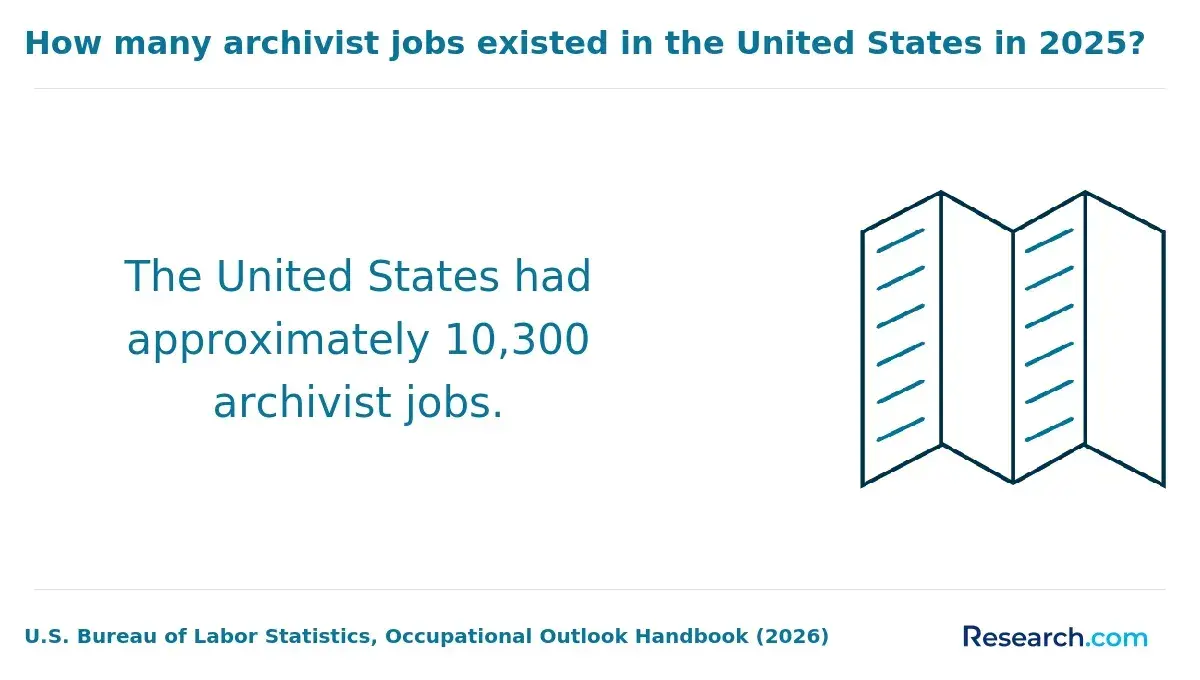
| Archivists | $64,550 | +3.4% |
The median is a midpoint across employed workers, not an expected starting salary or a return on tuition. If digital collections interest you, compare job descriptions and applied-learning options alongside broader digital curation career salary information. A project demonstrating metadata or preservation work may be more useful to your search than finishing courses quickly without relevant experience.
How Can You Choose a Reputable MLIS Program?
Start with the jobs you want, then compare programs using the same criteria: accreditation, required curriculum, relevant electives, actual course scheduling, applied experience, online attendance rules, and total cost. A reputable option is one whose documented requirements and delivery fit your goals - not simply the one with the shortest advertised course length.
Ask a program adviser to show how an eight-week or sixteen-week schedule would work for your enrollment plan, including required courses and practica. Request current tuition and fee information and verify where you can complete fieldwork. If location or tuition eligibility shapes your search, listings of library science programs with Southern access can be a starting point, but confirm the applicable rate and delivery rules directly with each university.
Other Things You Should Know About Library Science
Possibly. It depends on which sections the program offers and whether switching fits your degree plan. Ask an adviser before relying on a particular mix of formats.
Transcript formats vary by institution. Ask the registrar how course dates, terms, credits, and grades appear on the official record if that distinction matters to you.
They can, especially when shorter sessions run consecutively. Check the academic calendar rather than assuming you will have recovery time between classes.
Assessment depends on the course and instructor, not just its length. A syllabus will show whether you will complete exams, papers, discussions, projects, or a combination.
References
- Academic Years, Academic Calendars, Payment Periods, and Disbursements | 2025-2026 Federal Student Aid Handbook https://fsapartners.ed.gov/knowledge-center/fsa-handbook/2025-2026/vol3/ch1-academic-years-academic-calendars-payment-periods-and-disbursements
- Semester Course Load and Student Performance - PMC - NIH https://pmc.ncbi.nlm.nih.gov/articles/PMC7568764/
- MLIS Courses | Information School | University of Washington https://ischool.uw.edu/programs/mlis/curriculum/courses
- Courses | Library and Information Science | MLIS | Mizzou | Mizzou Online https://online.missouri.edu/degrees-programs/mu/education/library-and-information-science/mlis/courses
- MLIS Program Learning Outcomes - SJSU - School of Information https://ischool.sjsu.edu/mlis-program-learning-outcomes
- How 8-Week Terms Work | Ivy Tech Community College https://www.ivytech.edu/classes/how-8-week-terms-work/
- Curriculum & Specializations - Master of Library and Information Science (MLIS) - College of Information (INFO) https://info.umd.edu/academics/masters-programs/master-of-library-and-information-science/curriculum-specializations/
- What You'll Study in ODU's Online MLIS Program: A Look at the Core Courses | ODUGlobal https://online.odu.edu/resources/what-youll-study-odus-online-mlis-program-look-core-courses
- Time on Task in Online Courses | RIT https://www.rit.edu/teaching/time-task-online-courses
- Program: Library and Information Science, MLIS - Pitt Catalog https://catalog.upp.pitt.edu/preview_program.php


