2027 Cinematography Degree Programs With Rolling Admissions

Co-Founder and Chief Data Scientist
When a working adult weighs juggling a current job against the demanding schedules of cinematography programs, missing fixed admission deadlines can stall progress. Rolling admissions offer a crucial alternative, granting flexibility to apply throughout the year. Recent data from the National Center for Education Statistics shows a 7% annual rise in students enrolling via nontraditional schedules, indicating a shift toward adaptable entry points aligned with evolving career paths. For cinematography applicants, this can mean better timing to secure practical training slots, which are often batch-specific and competitive. This article explores how rolling admissions shape access and pacing in cinematography degree options to guide timely, informed decisions.
Key Benefits of Cinematography Degree Programs With Rolling Admissions
- Rolling admissions allow students to begin studies without fixed semester deadlines, enabling tailored project pacing crucial for practical cinematography skill development but may complicate cohort-based collaborative learning.
- Employers valuing adaptive problem-solving prioritize graduates from rolling admissions who demonstrate capacity to manage self-directed, on-demand learning that mirrors industry's fluctuating production timelines.
- Flexible entry lowers immediate financial pressure by spreading costs across variable start times, yet fluctuating class sizes can impact access to specialized equipment and mentorship vital to advanced cinematography training.
How Do Cinematography Degree Programs With Rolling Admissions Work?
Rolling admissions in cinematography degree programs represent a strategic balance between flexible student entry and resource-intensive program demands. This model adapts to the unpredictable, project-based nature of film production environments and aligns enrollment with fluctuating industry timing, but it also introduces nuanced operational challenges that influence student experience and institutional planning.
- Flexible Entry Timing: Rolling admissions allow candidates to apply throughout the year, providing crucial access points for students whose creative work or freelance projects disrupt traditional enrollment schedules. For example, a student delayed by post-production obligations on an independent film can still secure a place without waiting for the next fixed deadline.
- Resource Alignment: Cinematography programs demand costly equipment and specialized studio space, which fluctuate in availability. Rolling admissions help schools manage these resources efficiently by smoothing enrollment flow rather than overwhelming facilities with large cohorts all at once.
- Academic Planning Tradeoffs: Students admitted late in the cycle may face compressed onboarding and limited course section choices. This can delay hands-on skill acquisition critical in cinematography, potentially affecting early semester performance and foundational learning experiences.
- Workforce Readiness Connection: The staggered admissions mirror film industry realities, where production schedules rarely conform to academic calendars. Graduates familiar with adaptive academic timelines via rolling admissions are often better prepared to navigate irregular work cycles favored by many employers.
- Operational Complexity: Institutions must continuously assess seat availability against varying applicant quality and lab capacity, complicating scheduling compared to rigid deadline systems. This dynamic necessitates robust administrative strategies to sustain educational quality and mentoring standards.
- Contrast With Other Disciplines: Unlike theoretical fields with standardized deadlines, cinematography leverages rolling admissions to match its hands-on, collaborative learning needs. This continuous recruitment reduces the risk of unused practical slots and ensures optimal utilization of expensive resources critical for student success.
- Student Access Equity: By dispersing admission episodes, rolling admissions reduce gatekeeping barriers for nontraditional students balancing work, family, or other commitments. This inclusive approach broadens the pipeline for diverse talent essential to the evolving cultural narratives within film arts.
- Alignment With Short Degrees: The adaptability inherent in rolling admissions can complement pathways offered by short degrees that pay well, enabling students to pivot efficiently between education and workforce entry in a competitive entertainment industry.
What Are the Admission Requirements for Rolling Admissions Cinematography Programs?
Rolling admissions in cinematography programs function less as a timed gate and more as an ongoing filter, prioritizing readiness and the strength of an applicant's demonstrated skills over rigid deadlines. This continuous evaluation means delays in submitting complete, relevant materials can inadvertently place candidates behind peers in a highly competitive, skill-driven industry. Flexibility benefits students who face unpredictable schedules or recent career shifts, but they must balance that against the risk of missing cohort capacity or employer-relevant skill standards.
- Portfolio or Demo Reel: A critical component showcasing technical proficiency and artistic vision, portfolios largely determine admission decisions by evidencing practical mastery in camera operation, lighting, and visual storytelling.
- Transcripts: While academic records are required, GPA thresholds are often flexible, reflecting recognition that creative and professional potential can outweigh traditional metrics.
- Letters of Recommendation: Preferably from industry professionals or instructors familiar with hands-on work, these letters validate reliability and collaboration, traits highly valued in production environments.
- Personal Statement: An essay articulating cinematic influences and career objectives, this helps assess alignment with the program's instructional focus and the applicant's critical engagement with the medium.
- GPA Requirement: Often flexible or minimally enforced to accommodate diverse backgrounds emphasizing demonstrated practical skills over academic performance.
- English Proficiency: For non-native speakers, proof of English language competence ensures effective communication essential for teamwork in film production settings.
- Application Form: Typically includes standard personal information and educational history, allowing programs to organize and track submissions efficiently throughout the rolling cycle.
When Should You Apply for Rolling Admissions Programs?
Rolling admissions in cinematography degree programs function on a dynamic timeline where applications are evaluated as received instead of after a fixed deadline. This means early applicants gain a tangible edge through access to more available seats and better scholarship opportunities, since departments allocate resources and admit students on an ongoing basis. Over time, program capacity diminishes and fewer financial awards remain, directly impacting competitiveness for those applying mid- or late-cycle. In practice, admissions committees may invest more effort in reviewing early submissions thoroughly, while evaluations later in the cycle risk being rushed or more formulaic due to time constraints and limited openings in technical courses with fixed lab or equipment availability.
Applicants should therefore calibrate their submission timing not merely by when materials are ready but by strategic consideration of resource availability and program priorities. Early applicants with polished portfolios and strong recommendations can maximize enrollment chances and financial aid, whereas those who delay risk narrower course selections and reduced funding-even if admission remains open. However, rushing incomplete or weak applications upfront can backfire, as perceptions of preparedness influence subjective committee judgments in competitive environments. A staggered approach-applying once core credentials meet program expectations but before resources dwindle significantly-helps balance readiness against timing risks. Prolonged delays may also defer gaining practical industry experience, which dominates employability outcomes for cinematographers.
One graduate recalls wrestling with this timing dilemma: "I almost waited too long, wanting my portfolio to feel just right. But the program's rolling cycle meant some scholarships vanished before I applied. In the end, submitting when my work was solid, even if not perfect, opened doors I feared might close. It felt urgent and uncertain, but acting sooner kept me in the game rather than waiting for an ideal moment that might never come."
Are Rolling Admissions Common in Online Programs?
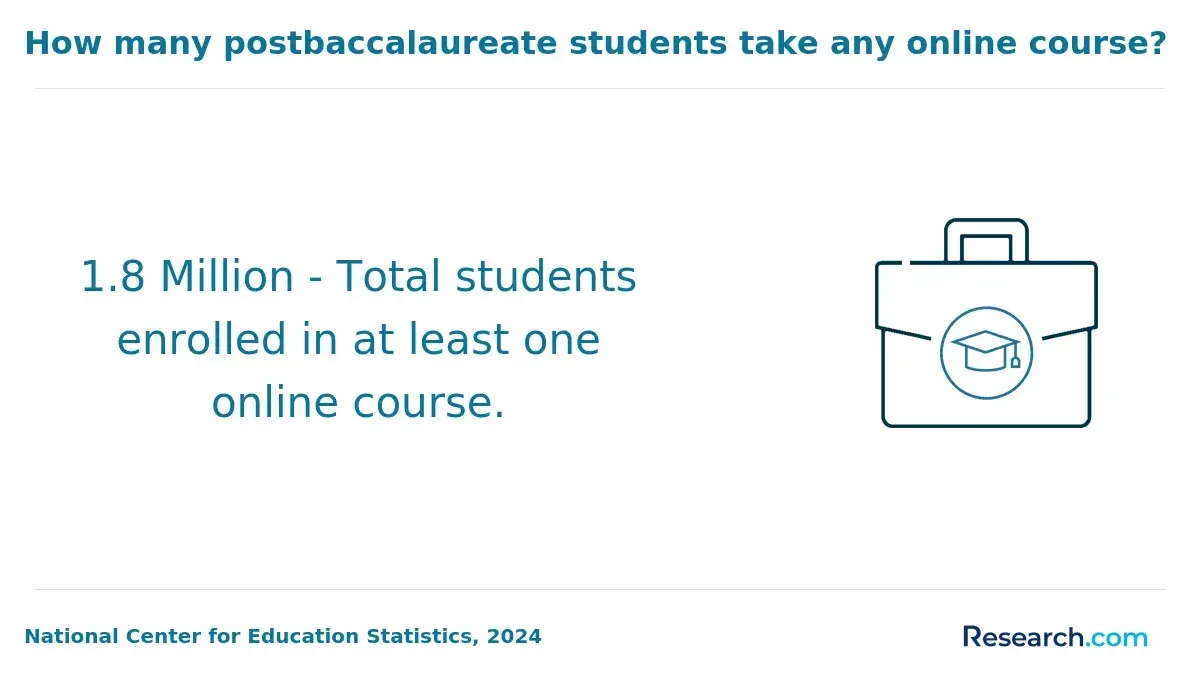
Rolling admissions are notably more prevalent in online cinematography degree programs than in traditional on-campus settings, reflecting the operational flexibility required to serve remote and diverse student populations. Many online programs adopt rolling admissions to offer multiple entry points throughout the year, which supports scalability and alleviates pressure on fixed semester deadlines. This scheduling adaptability allows students balancing creative careers or personal responsibilities to enroll promptly without waiting for standard term start dates. However, some institutions still prefer cohort-based admissions to foster structured peer collaboration, an essential aspect in hands-on fields like cinematography, underscoring that rolling admissions are not universally applied across all online programs.
From an administrative standpoint, rolling admissions enable online cinematography programs to moderate enrollment fluctuations and maintain manageable faculty-to-student ratios, particularly when demand spikes. Students benefit from accelerated entry possibilities but may encounter heightened competition during peak periods when program spots are limited. This dynamic emphasizes the practical tradeoffs between flexibility and predictability in cohort size and peer interaction quality, which can influence professional networking and collaborative learning outcomes. Approximately 40% of fully online bachelor's degrees nationwide use rolling or multiple admissions cycles annually, a trend indicative of broader shifts in remote higher education. Those considering flexible online pathways might also find value in exploring an accelerated master's program social work as a comparative model for managing rolling admissions effectively.
Do Rolling Admissions Schools Have Higher Acceptance Rates?
The notion that rolling admissions schools inherently have higher acceptance rates is a misconception rooted in how applications are processed rather than in actual selectivity. Rolling admissions denote a continuous review cycle where decisions are made as applications arrive, not after a set deadline. This approach does not guarantee easier entry; acceptance rates reflect broader institutional factors such as program capacity, cohort size, and demand. For example, a highly competitive cinematography program with limited seats will maintain rigorous standards regardless of its admissions timeline, as these operational constraints drive selectivity more than scheduling.
Application timing within a rolling admissions framework can influence admission chances indirectly. Applicants who submit early often encounter less competition and more available slots, which may improve their admission odds compared to those applying later when spots are scarce. However, this phenomenon is about availability rather than diminished selectivity. Variability exists across cinematography programs: some combine rolling admissions with stringent portfolio or interview requirements, while others use it to support wider access for nontraditional students. Ultimately, acceptance rates reflect complex program designs and demand dynamics, not simply the presence of a rolling admissions policy.
How Much Do Rolling Admissions Cinematography Programs Cost?
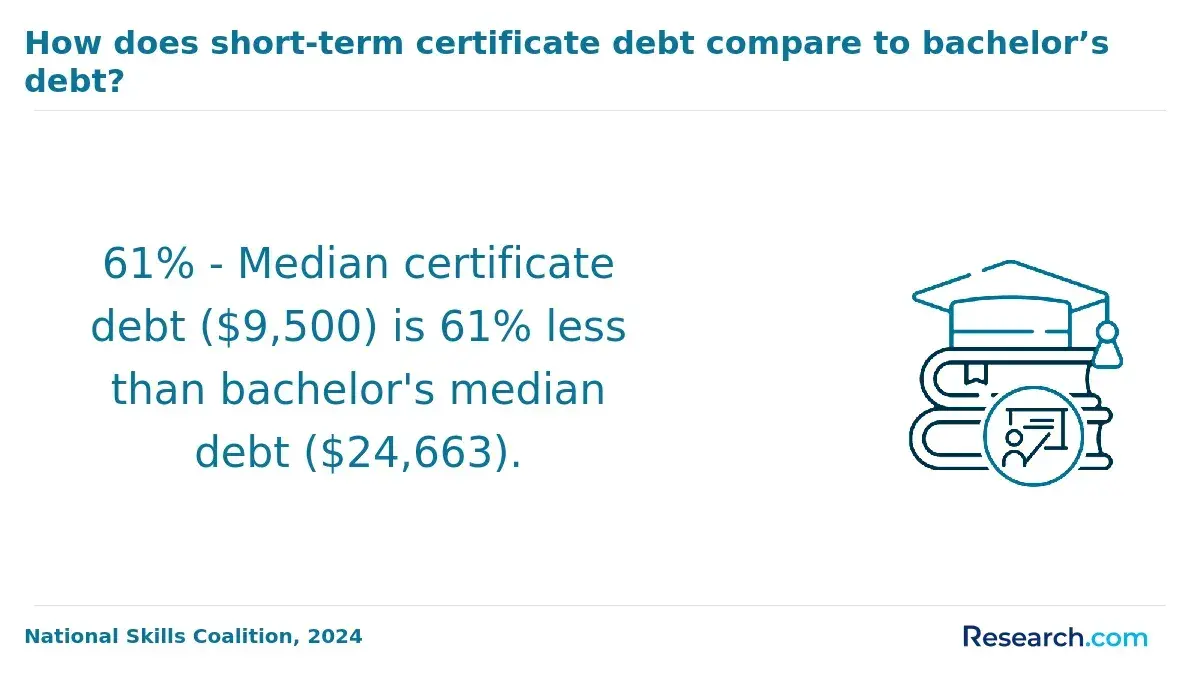
Costs for rolling admissions cinematography programs primarily depend on the tuition framework set by the institution rather than the admissions model itself. Tuition is commonly charged either on a per-credit-hour basis, spanning roughly from $350 to $800 depending on factors such as public versus private status and delivery mode (online, hybrid, or on campus), or as a flat rate per term ranging from approximately $4,000 to $10,000 in accelerated or cohort-based offerings. Although rolling admissions enable enrollment at multiple points during the year, this flexibility mainly influences the timing of payments, not the per-unit price. Beyond tuition, students should account for institutional fees that fund technology and equipment usage, which can add several hundred to over a thousand dollars annually, as well as occasional costs for course materials and lab fees, all of which together shape the real total cost of attendance. Prospective students evaluating rolling admissions cinematography program tuition costs need to consider these compounding factors to accurately anticipate financial outlays over time.
Program structure significantly shapes the overall cost experience and pacing of payments. Online or hybrid programs with rolling admissions often allow students to space coursework more evenly, potentially easing immediate financial pressure but sometimes extending total time to completion, which can increase aggregate costs. In contrast, accelerated tracks compress study periods, concentrating tuition due dates and requiring larger lump-sum payments within fewer terms. Cohort-based models promote synchronized course progression and predictable budgeting but reduce flexibility for those balancing other commitments. These tradeoffs are critical when comparing rolling admissions cinematography programs or related fields such as MSW programs, where flexible entry points serve varied student needs but do not inherently lower average cost of cinematography degrees with rolling admissions across institutions.
Are Career Outcomes Different for Rolling Admissions Students?
Choosing a cinematography degree program with rolling admissions does not inherently alter employment or career trajectory compared to traditional admission cycles. Rolling admissions function primarily as a flexible enrollment method allowing students to apply and enter programs at multiple points, without changing academic rigor or graduate preparedness. Career success depends far more on program accreditation, the depth of specialized cinematography training, opportunities for internships, hands-on learning, and industry networking. For instance, a National Association of Colleges and Employers (NACE) survey found that 62% of employers prioritize internship experience over academic metrics or enrollment timing, underscoring that practical experience holds greater weight than when a student was admitted.
There can be indirect advantages related to rolling admissions; students admitted earlier might start coursework sooner, potentially leading to earlier graduation and entry into the workforce. This timing can yield a modest edge in securing professional opportunities but varies significantly by institution policies and individual circumstances. Ultimately, job prospects are influenced more strongly by geographic factors such as local industry presence and labor demand than by admission methodology. Urban areas with active film industries provide richer employment pipelines, highlighting the importance of targeted networking and regional engagement over admission schedules themselves.
One cinematography graduate recalled applying late in the rolling admissions window after delaying her decision due to personal uncertainty. She described feeling pressured initially but found the flexible timeline eased her ability to prepare a stronger portfolio. Though waiting meant starting a semester later than ideal, this additional preparation resulted in a more confident entry into her studies. She noted that while timing influenced her initial start, the quality of instruction and internship placements directly shaped her early career path rather than the rolling admissions process itself.
Can Rolling Admissions Programs Lead to High-Paying Careers?
High-paying careers in cinematography are shaped more by specific skills, institutional reputation, and practical experience than by enrollment models such as rolling admissions. While rolling admissions programs provide flexibility by allowing students to apply and start their studies throughout the year, this advantage does not directly influence salary outcomes. Instead, factors like the quality of the program's training, availability of internships, real-world project work, and the strength of professional networks have a more substantial impact on employability and earning potential in the field. For example, a graduate from a well-connected program with robust industry partnerships in Los Angeles may access higher-paying opportunities than one from a lesser-known school, regardless of whether they enrolled via rolling admissions or a traditional cycle.
Timing benefits associated with rolling admissions-such as earlier enrollment and earlier graduation-can indirectly affect income by enabling quicker workforce entry. However, even this advantage is subject to variation depending on local job markets and individual career choices. Entry-level cinematography salaries commonly range between $30,000 and $60,000 annually, with significant disparities driven by employer type, geographic location, and demonstrated creative expertise rather than admissions format. Employers prioritize portfolios, technical proficiency, and demonstrated vision over how candidates initially entered their degree programs. Therefore, prospective students should weigh rolling admissions primarily for its convenience and scheduling flexibility, while recognizing that career earnings depend on a broader constellation of educational and professional factors beyond admission timing.
What Are the Disadvantages of Rolling Admissions Programs?
Rolling admissions in cinematography degree programs introduce practical challenges that affect applicant strategies and ultimately influence educational and career outcomes. The absence of a fixed deadline creates uncertainty, which often leads to applicants delaying their submissions in hopes of enhancing their portfolios or securing financial aid. This delay can backfire, as available seats tend to fill quickly, disadvantaging those who procrastinate. A 2022 National Student Clearinghouse report found that nearly 40% of rolling admissions applicants enroll in the first admitted cohort, underscoring how early applications improve chances-a crucial insight for students navigating the disadvantages of rolling admissions in cinematography degree programs.
- Unpredictable enrollment timelines prompt late applicants to miss critical orientation sessions and hands-on workshops, which are vital in a practice-intensive field like cinematography, thus hindering early skill acquisition and cohort integration.
- Financial aid uncertainty pressures students to apply early before fully evaluating their resources, potentially leading to suboptimal funding decisions or missed scholarship opportunities.
- Fluctuating cohort sizes and admission periods impair consistent peer networking and collaborative learning experiences, which employers value for practical preparedness and professional growth in film and cinematography students.
- Syncing coursework with internships or industry projects becomes difficult with rolling admissions, as many real-world opportunities align with established academic cycles, reducing timely access to workplace experience essential for early-career advancement.
These trade-offs require students to weigh flexibility against strategic preparation and competitive positioning. For those seeking adaptable timelines while maintaining structured career pathways, exploring programs such as a one year online master's in communication may offer alternative models with defined start times and clearer financial aid frameworks.
How Do You Choose the Best Cinematography Program With Rolling Admissions?
Evaluating cinematography programs with rolling admissions requires discerning how flexibility interacts with program quality and career outcomes. While extended application timelines ease enrollment pressures, the choice impacts your readiness for industry demands and job market entry. Rolling admissions can accommodate shifting schedules but prioritizing curriculum relevance and faculty expertise ensures that adaptability does not come at the expense of education rigor or professional networking.
- Curriculum relevance to current industry standards - Programs must regularly update courses to align with evolving filming techniques and technology, ensuring skills translate directly to today's production environments.
- Faculty industry experience and involvement - Instructors actively engaged in projects or research offer practical insights and connections vital for internships and job placements.
- Graduation and employment rates reflecting program efficacy - High completion and placement percentages indicate effective student support and credible employer relationships.
- Availability of experiential learning opportunities - Hands-on projects or internships are critical; they bridge academic theory with on-set realities and enhance job-market preparedness.
- Flexible delivery modes supporting varied student needs - Hybrid or online coursework can accommodate working students or those balancing other obligations without sacrificing access to quality instruction.
- Cost balanced with long-term career benefits - Lower tuition may reduce upfront expense but scrutinize resource availability and alumni success to ensure investment translates into employment advantages.
Students searching for the best cinematography programs with flexible rolling admissions should incorporate these considerations alongside practical application strategies. Programs offering a balance of academic rigor, industry engagement, and adaptable enrollment pathways often produce graduates who are better positioned to meet employer expectations. For those seeking condensed learning options, exploring 4 6 week certification programs online may provide additional flexible pathways relevant to accelerated media training.
What Graduates Say About Cinematography Degree Programs With Rolling Admissions
- Caiden: "Balancing a full-time job while enrolled in the cinematography program with rolling admissions was tough, but the ability to start whenever I was ready made the schedule manageable. I chose this path mainly because I needed to build a strong portfolio quickly rather than wait for a traditional semester start. After graduation, I secured an internship that directly valued the reel I developed, which ultimately opened the door to freelance work despite not having a formal license in the field."
- Remington: "Switching careers meant I had significant financial constraints, so the rolling admissions in cinematography offered a practical chance to enter the industry without missing a beat. The decision to enroll was grounded in the program's emphasis on real-world projects and networking opportunities. While the transition wasn't seamless-some employers still prefer certified credentials-I found that my hands-on experience and connections allowed me to land a junior cinematographer role with room to grow."
- Adrian: "Time was my biggest limitation, but the flexibility of the rolling admissions program let me balance family commitments and coursework. Choosing this format meant I could focus on skill development through intensive projects rather than extended theory, which aligned well with my learning style. Although I initially underestimated the competition in the field, the portfolio and internship I built during the program were critical in overcoming hiring challenges and eventually earning a spot on a production team."
Other Things You Should Know About Cinematography Degrees
Access to high-demand resources like cameras, lighting rigs, and sound stages can be uneven in programs with rolling admissions, as these resources are often allocated based on semester calendars. Students entering mid-cycle may face challenges booking time or may miss group-oriented technical labs. It is advisable to confirm how a program manages equipment scheduling and if it offers dedicated resources or alternative lab times to accommodate rolling applicants.
Programs with rolling admissions may offer more modular or self-paced course designs, which can affect the logical progression of skills development in cinematography. This flexibility sometimes comes at the expense of cumulative learning typical of cohort-based models, potentially risking gaps in foundational technique or theory. Prospective students should assess if the program includes well-integrated prerequisites and opportunities to revisit core competencies rather than relying exclusively on student-driven pacing.
Employers in film and media often emphasize the quality of hands-on experience, portfolio strength, and collaborative skills over admission type. However, rolling admissions programs that produce graduates with varied start dates might reflect diverse learning rhythms, which some employers value while others may question for consistency. It is beneficial to prioritize programs with strong industry ties, internships, or capstone projects that demonstrate applied skills regardless of enrollment flexibility.
References
- Learning Outcomes for Filmmaking - Champlain College https://www.champlain.edu/learning-outcomes-for-filmmaking/
- Bachelor of Arts in Cinema https://www.hartford.edu/academics/schools-colleges/arts-sciences/academics/departments-and-centers/communication/ba-in-cinema.aspx
- One year program Filmmaking | EICAR https://www.eicar.fr/en/filmmaking/programs/one-year-program-filmmaking
- Film School 2023 - Where's everyone applying to and why? https://www.filmschool.org/threads/film-school-2023-wheres-everyone-applying-to-and-why.30802/
- Why Students Choose AAFT for Direction & Cinematography https://aaft.com/blog/cinema/why-choose-aaft-direction-cinematography/
- Apply to the Film Production Program https://www.pointpark.edu/academics/schools/copa/applyingtotheconservatory/applyfilmproduction
- Admissions: Snyder School of Cinema & Media Arts - Biola University https://www.biola.edu/film/admissions
- Application Deadlines and Fees https://calarts.edu/admissions-aid/admissions/application-process/application-deadlines-and-fees
- Admissions Requirements https://www.nyfa.edu/admissions/admissions-requirements/
- Why Choose a Career in Film Making? Skills, Jobs & Future Opportunities https://indirauniversity.edu.in/blogs/why-choose-career-in-film-making