2027 Cheapest Accelerated Cinematography Degree Programs Online

Co-Founder and Chief Data Scientist
Balancing work, family, and education poses a significant challenge for many seeking a cinematography degree, especially amid rising tuition costs and demanding schedules. Online accelerated programs offer a flexible path, but understanding factors like affordability, credit transfer policies, and program pacing early is vital.
Nearly 68% of cinematography graduates report increased job opportunities and salary growth within two years, highlighting the career value of completing a degree efficiently. This article explores the cheapest accelerated cinematography degree programs online-helping prospective students navigate cost structures, accreditation, financial aid, and credit transfer to find a fast, affordable track toward career advancement without excessive debt.
Key Things to Know About the Cheapest Accelerated Cinematography Degree Programs Online
- Accelerated online cinematography programs reduce tuition and time-offering flexible scheduling, transfer credit acceptance, or fast-track formats to help students graduate faster and save money.
- Comparing accreditation, total costs, financial aid, and hidden fees is essential to accurately assess program affordability and avoid unexpected expenses.
- Verify transfer policies, pacing requirements, residency rules, and career or licensure outcomes before enrolling to ensure the program meets professional and personal goals.
What Are the Cheapest Accelerated Cinematography Degree Programs Online?
Accelerated online cinematography degree programs appeal to working adults and career changers seeking to minimize tuition costs and shorten graduation timelines. Studies show that accelerated degree completion rates improve affordability and student success by reducing the total time and expense required.
These programs cater especially well to cost-conscious learners balancing education with professional and personal responsibilities.
The following key categories highlight the cheapest accelerated cinematography degree programs online, tailored to nontraditional students seeking flexibility and fast-track options.
- Public University Online Programs: State universities offer affordable tuition rates-often subsidized for in-state residents-and incorporate accelerated terms that enable faster completion. Their regional accreditation assures quality and transferability of credits, making these options budget-friendly for adults aiming for prompt graduation.
- Competency-Based Education: This innovative model allows learners to progress by demonstrating mastery instead of fixed seat time. Students who already possess relevant skills can move quickly through familiar concepts, reducing tuition costs and shortening time to degree.
- Transfer-Friendly Accelerated Degrees: Designed for working adults with prior college credits, these programs accept transfer coursework to lower overall credit requirements. This flexibility accelerates degree completion while keeping expenses manageable, aligning with affordable fast-track online cinematography degrees with transfer credit.
- Fully Online and Hybrid Formats: Programs that combine asynchronous online classes with minimal onsite requirements offer cost savings in transportation and housing. These structures provide convenience for busy students seeking to balance studies alongside careers and families.
For those exploring affordable pathways in related fields, BCBA programs online also exemplify how accelerated, cost-conscious degree models serve working adult learners effectively.
How Much Does an Accelerated Online Cinematography Degree Cost?
Evaluating the total cost of accelerated online cinematography degree programs is crucial for working adults and career changers striving for faster, more affordable pathways. Recent data show that many students save significantly by choosing accelerated formats that reduce overall time enrolled and tuition spent.
With rising tuition prices, understanding key affordability factors helps pinpoint the cheapest accelerated online cinematography degree programs tailored to financial and scheduling needs.
Key cost considerations include:
- Public Institution Pricing: Public universities often provide the most budget-friendly tuition, especially for in-state students. Some states extend reduced online tuition rates to all students regardless of residency-lowering expenses substantially for accelerated programs designed to finish in about two years.
- Flat-Rate Tuition Models: Competency-based and some online institutions charge a flat rate per term instead of per credit, encouraging motivated students to complete more courses without extra financial burden. These models maximize course loads while controlling costs.
- Transfer Credit Savings: Transfer-friendly colleges accept many credits from community colleges or prior learning, cutting needed credits and thereby tuition costs. This is a significant factor for working adults with prior coursework looking to minimize expenses.
- Fully Online Program Fees: Online-only acceler accelerated study eliminates commuting and housing costs and often includes flexible schedules that accommodate employment commitments. These savings make long-distance learning financially viable for many candidates seeking an affordable accelerated cinematography degree cost online.
For individuals seeking affordable options, it is essential to consider accreditation, total tuition including fees, and credit transfer policies when selecting an accelerated degree path. More details on affordable pathways and program options are available at accelerated online bachelor's degree resources.
Are Cheap Accelerated Cinematography Degree Programs Accredited and Legitimate?
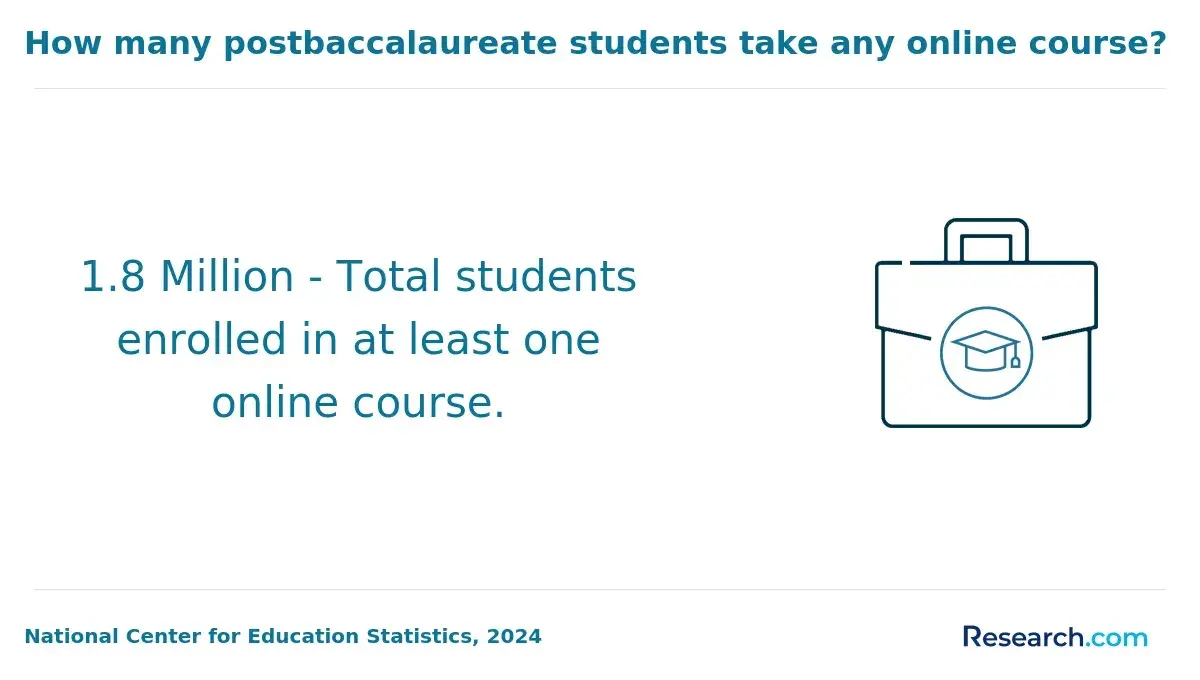
Accreditation and institutional trustworthiness are vital when assessing low-cost accelerated online cinematography degrees-especially as online higher education enrollment has surged over 40% in the past decade. Employers and transfer institutions increasingly scrutinize credentials, making it essential to understand which quality markers signal reliance and long-term value.
Key benchmarks to consider include:
- Regional Accreditation: Recognized by official U.S. educational entities, this accreditation confirms rigorous academic standards and facilitates credit transfer. Programs with regional accreditation generally provide degrees that carry weight with employers and qualify for federal financial aid-vital for working adults aiming for affordable yet reputable credentials.
- Nonprofit Versus For-Profit Status: Institutions operating as nonprofits tend to emphasize educational quality and student success over profit margins, often reflecting more transparent practices and better academic oversight. Conversely, some for-profit programs may prioritize speed and cost but lack institutional rigor, causing skepticism among employers and other colleges.
- Credit Transfer Policies: Accelerated programs that clearly articulate transfer credit acceptance allow students to leverage prior learning and reduce time and cost to completion. Transparent transfer agreements signal institutional legitimacy and respect within the academic community.
- Employer Recognition: Degrees from accredited, well-established schools generally hold greater credibility in hiring decisions. Employers increasingly seek verification of program quality beyond just accelerated timelines, emphasizing practical skills linked to degree authenticity.
A professional who completed his accelerated cinematography degree describes navigating concerns about program credibility while balancing full-time employment. "Initially, I worried a lower-cost program might be a shortcut without real value," he shared. "But knowing it held solid regional accreditation gave me confidence to commit.
The accelerated format was intense-I needed to manage tight deadlines alongside work-but the degree opened doors I hadn't imagined, proving that affordability doesn't mean sacrificing legitimacy."
What Are the Fastest Online Cinematography Degree Programs?
Accelerated online cinematography degree programs attract many working adults and career changers aiming to finish faster while managing work and life commitments. With online learning enrollment surging by over 20% in recent years, these fast-track programs offer effective pathways for busy, cost-conscious students.
Here are key models that drive the shortest timelines in the United States.
- Competency-Based Learning: These programs enable students to advance by proving skill mastery rather than completing set credit hours, often allowing degrees within 12 to 18 months. This format suits motivated learners with existing knowledge eager to accelerate their studies.
- Transfer Credit Optimization: Many programs reduce time-to-degree by accepting generous transfer credits-especially from previous general education or technical courses. This approach frequently shrinks degree duration to 18-24 months, benefiting those with prior applicable credits.
- Year-Round 8-Week Terms: Offering multiple start dates and condensed courses, these programs let students enroll continuously and take more classes annually. The intensive structure supports faster completion, typically within a two-year timeframe.
- Prior Learning Assessment (PLA): Recognizing professional experience or certifications for academic credit accelerates progress-appealing to professionals transitioning into cinematography. PLA combined with short terms can significantly cut total degree time.
Working adults pursuing the fastest online cinematography degree programs in the United States should also review accreditation and credit transferability to ensure long-term value. For adaptable scheduling and cost-conscious goals, exploring these accelerated options alongside resources like leadership doctoral programs can help structure an efficient educational path.
Which Online Cinematography Degree Programs Are Best for Working Adults?
More working adults are turning to online accelerated cinematography degree programs to juggle jobs, family, and advancing their careers. Studies show that over 40% of online students are adult learners seeking flexible, expedited paths to completion.
The options below spotlight key program types that meet these practical needs.
- Asynchronous Learning: This format lets students access coursework anytime, which suits those with irregular work hours. Though it demands discipline, it offers unmatched schedule freedom without live class obligations.
- Competency-Based Education: Students advance by demonstrating skills, not seat time, enabling quicker degree completion if prior knowledge exists. Such programs focus on mastery and often let learners move at their own pace while lowering overall costs.
- Transfer-Friendly Colleges: Institutions that accept existing credits or industry certifications save time and money. These programs benefit adults with prior coursework aiming to specialize without repeating learning they've already mastered.
- Accelerated Terms: Short, intensive sessions-typically 5 to 8 weeks-allow learners to finish degrees faster while syncing well with busy lives. This structure maintains momentum and keeps progress steady despite outside demands.
- Part-Time Flexibility: Many schools offer part-time options designed for working adults who cannot commit full-time. This balance helps maintain consistent advancement without becoming overwhelming.
When I asked a professional who built his career after completing an online cinematography degree about which programs worked best, he emphasized the importance of tailored pacing. He recalled nights spent editing projects between shifts and appreciated programs that respected real-life commitments without sacrificing quality.
"The ability to control when and how fast I moved through courses made all the difference," he shared. His experience highlights how structured flexibility in accelerated programs can powerfully support working adults pursuing this creative field.
What Flexible Scheduling Options Are Available in Accelerated Cinematography Programs?
Flexible scheduling ranks among the top reasons students opt for accelerated online cinematography programs, especially as enrollment of adult learners in online courses has grown by nearly 30% over recent years. These programs tailor course delivery to meet the complex demands of working adults, caregivers, and career changers.
Below are common scheduling models designed to help learners balance life commitments while progressing swiftly toward their degrees.
- Asynchronous Coursework: Courses allow students to engage with lectures and assignments anytime, giving learners the freedom to fit study around jobs and family duties without fixed online meeting times.
- Synchronous Evening and Weekend Classes: Real-time sessions scheduled outside regular work hours enable students to interact with instructors and peers live while managing daytime responsibilities.
- Competency-Based Progression: Students advance by demonstrating mastery of skills at their own pace-ideal for those with relevant experience seeking to accelerate degree completion without unnecessary repetition.
- Rolling Start Dates: Flexible enrollment periods allow students to begin courses year-round, reducing wait times between terms and maintaining momentum toward graduation.
- Condensed 8-Week Terms: Shorter semesters intensify study periods but let motivated students accumulate credits faster, balancing a fast-track approach with focused time management.
Which Accelerated Cinematography Degree Programs Accept the Most Transfer Credits?
Generous transfer-credit policies are crucial for accelerated online cinematography degree programs-especially since transfer students make up nearly 38% of all undergraduates nationwide, many seeking faster degree completion. Accepting the most transfer credits lowers costs and shortens time to graduation, making these programs ideal for working adults and nontraditional learners balancing multiple commitments.
Below are key features that characterize transfer-friendly accelerated programs.
- Community College Articulation: Programs partnered with community colleges through formal agreements often accept extensive lower-division credits-especially in visual arts and media production-allowing students to enter with junior status and accelerate progress.
- Prior Learning Assessments: Schools valuing PLAs award credits for real-world skills demonstrated via portfolios or challenge exams, helping military veterans, professionals, and self-learners translate experience into academic credit and reduce tuition.
- Military-Friendly Policies: Institutions using frameworks like the ACE Military Guide evaluate military training and certifications relevant to cinematography, enabling service members and veterans to gain credits and meet residency requirements faster.
- Online Credit Evaluation and Residency Flexibility: Advanced digital platforms streamline transfer credit reviews and provide generous residency waivers-often requiring minimal on-campus coursework-supporting accelerated enrollment and degree completion.
- Statewide Transfer Pathways: Cooperative transfer systems standardize credit equivalencies across public universities, simplifying the process for transfer students and expediting degree completion in accelerated online formats.
Maximizing transfer credits through such approaches allows accelerated cinematography students to reduce debt, avoid unnecessary coursework, and finish degrees on a schedule aligned with their career and financial goals.
Can Prior Learning or Work Experience Reduce the Time and Cost of a Cinematography Degree?
Many accelerated online cinematography programs recognize the value of prior learning and work experience-this approach helps reduce time and costs for busy adults pursuing a degree. Research shows that over 60% of adult learners use transfer credits or prior-learning assessments to accelerate degree completion. These pathways offer flexible, affordable options for working adults balancing education and career advancement.
Key routes to credit evaluation include:
- Transfer Credits: Accredited colleges often accept previously earned credits through formal transfer agreements or institution-specific policies, which can cover foundational and technical courses in cinematography programs. Such policies help reduce both tuition expenses and course load, benefiting transfer students and career changers.
- Competency-Based Education: Some online programs allow learners to test their mastery of cinematography skills through assessments, enabling them to bypass certain classes and progress faster. This model is ideal for those with significant professional experience seeking accelerated completion.
- Portfolio Assessment: By compiling detailed portfolios that document relevant work experience, training, and projects, students can earn academic credits based on demonstrated competencies-offering a practical way to leverage workforce experience to reduce online cinematography degree cost.
- Military Transcript Evaluations: Veterans may convert qualifying military training and transcripts into academic credits, thanks to partnerships between educational institutions and military education offices. This pathway can significantly shorten degree timelines and cost for service members.
Institutional policies, residency requirements, and accreditation status influence credit acceptance-nontraditional students should carefully verify these factors directly with schools. For adults looking for affordable and fast-track options, maximizing prior learning credit can be key.
Additional opportunities exist through relevant certifications-explore certificate programs that pay well to complement your degree journey.
What Financial Aid Options Are Available for Online Cinematography Students?
Financial aid remains a critical factor in reducing the cost of accelerated online cinematography degrees, even as these programs strive for affordability and flexibility. Recent data shows that roughly 40% of adult online learners utilize some form of financial aid, making access to funding essential for managing educational expenses.
Below are key financial aid opportunities that can help decrease costs for cost-conscious working adults, career changers, and nontraditional students.
- Federal Grants and Loans: Pell Grants and Federal Supplemental Educational Opportunity Grants (FSEOG) provide no-repay aid to eligible students-offsetting tuition fees substantially. Federal Direct Loans also offer manageable borrowing with fixed interest rates and adaptable repayment plans suited for accelerated online cinematography programs.
- Employer Tuition Assistance: Many working adults benefit from employer-sponsored tuition reimbursement programs that cover part or all of the degree cost. This financial aid often supports timely program completion through accelerated course formats.
- Institutional Scholarships: Accredited institutions frequently award scholarships based on merit or financial need specifically to online students. These renewable awards play an important role in lowering the net price of enrollment in accelerated programs.
- Military Education Benefits: Veterans and active-duty personnel can access GI Bill® benefits and tuition assistance to fund their cinematography education. These benefits come with the advantage of flexible scheduling that complements accelerated degree tracks.
Additionally, students maximizing transfer credits and opting for year-round or competency-based learning models reduce both program length and total tuition exposure-critical to limiting debt. Working adults interested in the online associate degrees pathway should explore these funding avenues to find the cheapest accelerated online cinematography degree financial aid options that align with their budget and career goals.
What Should Students Look for When Choosing an Affordable Accelerated Cinematography Program?
Choosing the right accelerated online cinematography program can greatly influence educational value, debt levels, and career prospects. Nearly 60% of online students report affordability and flexibility as top priorities when selecting accelerated degrees.
Below are key factors to consider for balancing cost with quality and pace.
- Accreditation: Verify the program holds recognized regional or national accreditation-this ensures academic legitimacy, easier credit transfers, and stronger employer acceptance. Without proper accreditation, students risk limited career mobility and wasted tuition.
- Total Cost Considerations: Look beyond sticker tuition to include fees, materials, and the availability of transparent financial information. Ultra-low prices may indicate compromised support or academic rigor, so factor in institutional reputation and outcomes.
- Transfer Credit Flexibility: Programs accommodating prior college credits or certifications let students bypass redundant courses-shortening degree completion time and cutting expenses, a critical benefit for transfer students and career changers.
- Accelerated Scheduling: Fast-paced formats like compressed terms or competency-based progression suit self-motivated learners but demand sustained effort. Assess your time commitment realistically to avoid burnout while maintaining learning quality.
- Online Support Services: Comprehensive advising, technical assistance, and career counseling improve student retention and job placement-vital for adults juggling work, studies, and other commitments with asynchronous learning options.
What Do Students Say About Cheap Accelerated Online Cinematography Degree Programs?
- Caiden: "Finding a program with a flexible schedule was a game changer for me, especially since I needed to balance work and study. The accelerated cinematography courses offered online allowed me to graduate faster without breaking the bank. Plus, the availability of financial aid made pursuing my passion much more affordable than I initially expected."
- Remington: "As someone switching careers, affordability was my top priority, and I found that many online accelerated cinematography programs offer surprisingly low tuition fees. I appreciated the thoughtful guidance on selecting programs that combine quality with cost-effectiveness. The option to get financial assistance helped me commit fully without worrying about student debt."
- Adrian: "I took a very strategic approach to choosing an affordable accelerated cinematography degree online, focusing on schools with strong reputations and reasonable prices. The flexible course timelines were perfect for adapting to my unpredictable work hours. It's reassuring that financial aid is available to support nontraditional students like me on this journey."
Other Things You Should Know About Cinematography Degrees
Yes, many accelerated online cinematography programs incorporate practical assignments, virtual labs, and project-based learning to simulate hands-on experience. Some programs also require on-site residencies or partnerships with local studios where students can gain real-world filmmaking practice. This blended approach helps ensure students build technical skills despite the accelerated timeline.
Many accelerated programs are designed for flexibility-enabling students to manage coursework with full-time employment. However, the intensity of accelerated pacing requires strong time-management skills to balance work responsibilities and rigorous study schedules. Part-time or evening course options may be limited due to the condensed semesters.
Students should be prepared to use industry-standard software such as Adobe Premiere Pro, Final Cut Pro, and DaVinci Resolve for video editing and post-production. Basic equipment like cameras, tripods, and lighting kits might be required, either through loan programs or personal purchase. Programs usually provide detailed technology requirements before enrollment.
References
- Tuition - The Los Angeles Film School https://www.lafilm.edu/admissions/tuition/
- Institutional Financial Aid: How to Apply https://www.nyfa.edu/student-finances/institutional-financial-aid/institutional-financial-aid-how-to-apply/
- Warsaw Film School https://study.gov.pl/warsaw-film-school
- Cinematography Tips for Students in 2026: Shoot Smarter, Look Pro https://aaft.com/blog/cinema/cinematography-tips-for-students/
- High demand for ESCAC's new Degree in Cinematography - ESCAC.COM https://escac.com/en/noticias/high-demand-for-escacs-new-degree-in-cinematography/
- Dynamic Scheduling For Film Production https://www.meegle.com/en_us/topics/dynamic-scheduling/dynamic-scheduling-for-film-production
- Types of Financial Aid | AFI CONSERVATORY https://conservatory.afi.com/types-of-financial-aid/
- Is Film School Worth It? The Truth About Filmmaking Careers https://www.insidetheedit.com/blog/is-film-school-worth-it
- Full Time Filmmaker - The Ultimate Online Film School https://www.fulltimefilmmaker.com/
- Top 12 Film Certificate Programs https://www.filmschool.org/articles/top-12-film-certificate-programs.189/