2027 Chemistry Degree Careers Ranked by Salary, Growth, and Work-Life Balance

Co-Founder and Chief Data Scientist
Choosing a career path with a chemistry degree often involves balancing salary potential, job growth, and work-life harmony-an intricate challenge for many graduates and professionals. For instance, roles in pharmaceutical research may offer high salaries but demand long hours, while teaching positions often provide better work-life balance with modest pay. According to the U. S. Bureau of Labor Statistics, employment in chemistry-related fields is projected to grow 5% through 2031, slightly slower than average, intensifying the need to choose wisely.
This article ranks chemistry degree careers by salary, growth outlook, and lifestyle to guide readers toward informed decisions.
Key Things to Know About Chemistry Degree Careers Ranked by Salary, Growth, and Work-Life Balance
- Salary varies widely-pharmaceutical chemists average $85,000 annually, while chemical engineers can exceed $110,000, reflecting industry demand and specialization.
- Projected job growth for chemists is 6% through 2032, aligning with the average for all occupations-biotech roles often grow faster due to innovation pressure.
- Work-life balance tends to be better in academic and regulatory jobs, with more predictable hours, whereas industrial roles may require overtime for project deadlines.
How Are Chemistry Degree Careers Evaluated and Ranked Across Salary, Growth, and Work-Life Balance?
A thorough ranking of chemistry degree careers requires looking beyond salary to assess three crucial pillars-salary, career growth, and work-life balance-that together provide a more accurate understanding of career quality and long-term satisfaction. Relying solely on salary overlooks vital factors such as job security, industry demand, and lifestyle sustainability.
Salary: This pillar draws on median wage data from the U.S. Bureau of Labor Statistics (BLS) Occupational Employment and Wage Statistics. Median salary figures offer an objective baseline to compare earnings potential across various chemistry-related professions, showing what a typical worker might expect to earn annually.
Career Growth: Predictions come from the BLS ten-year employment outlook, capturing expected changes in job opportunities for each chemistry career. This measure provides insights into the demand trends shaping job security and advancement prospects over time in the United States.
Work-Life Balance: This dimension is assessed using a combination of American Time Use Survey data, Glassdoor employee reviews, and industry-specific workforce satisfaction surveys. It considers factors like typical work hours, schedule flexibility, and job-related stress to reveal how sustainable and rewarding these careers are beyond financial compensation.
These three pillars together create a more complete ranking chemistry degree jobs by salary work-life balance and growth prospects, helping individuals make informed decisions based on their personal priorities-whether that means emphasizing family time, flexibility, or income. The rankings should serve as a decision-making guide rather than a rigid hierarchy.
The analysis focuses on five chemistry careers: analytical chemist, pharmaceutical chemist, chemical engineer, materials scientist, and environmental chemist. This evidence-based comparison will assist high school seniors, undergraduates, recent graduates, and mid-career professionals alike in navigating their options. For those interested in further study options related to chemistry fields, exploring pharmacy school online programs can be a valuable path.
Which Chemistry Degree Career Paths Offer the Highest Starting and Mid-Career Salaries?
The highest starting and mid-career salaries for chemistry degree holders in the US reveal significant variation based on industry demand, expertise, and job complexity. Data from the Bureau of Labor Statistics and NACE's annual salary survey highlight several top chemistry careers with the best salary growth in America, offering insights into both earning potential and career advancement trajectories.
- Pharmaceutical Chemist: Entry-level salaries range from $60,000 to $80,000, while mid-career professionals can earn $110,000 to $140,000. This premium pay reflects the advanced knowledge required for drug development and regulatory compliance, with high barriers to entry ensuring strong compensation for those contributing to healthcare innovation.
- Chemical Engineer: Starting salaries typically fall between $65,000 and $85,000, with mid-career earnings reaching over $120,000. Combining engineering skills and chemistry expertise, practitioners find opportunities in petrochemicals and manufacturing-sectors that value technical proficiency and safety oversight, which increase their economic value.
- Materials Scientist: New graduates earn about $55,000 to $75,000, and those in senior positions command $100,000 to $130,000 or more. The scarcity of specialists with in-depth knowledge of chemical and physical material properties drives demand and results in above-average pay.
- Analytical Chemist: Entry salaries average $50,000 to $70,000, growing to $90,000 to $115,000 mid-career. Analytical chemists are in steady demand across pharmaceuticals, environmental agencies, and food safety sectors, with good work-life balance and reasonable growth prospects.
- Environmental Chemist: Starting pay ranges from $48,000 to $68,000, increasing to $85,000 to $105,000 mid-career. Emphasis on sustainability and regulation supports demand; public sector jobs may offer stability, while private roles can be more lucrative.
Regional differences also affect salaries significantly-metros like New York, San Francisco, and Boston offer higher pay due to cost of living and industry concentration. Likewise, large private firms often outpace small businesses and government agencies in compensation, though the latter may provide better job security and lifestyle balance. Students and professionals evaluating their options should consider these factors alongside salary data, especially if they're comparing job offers or planning a pivot in their careers.
Those exploring how chemistry knowledge intersects with career opportunities might also find value in related fields-such as exploring health care programs through nurse practitioner courses-to broaden their professional prospects.
What Do the Bureau of Labor Statistics Job Growth Projections Reveal About the Future of Chemistry Degree Careers?
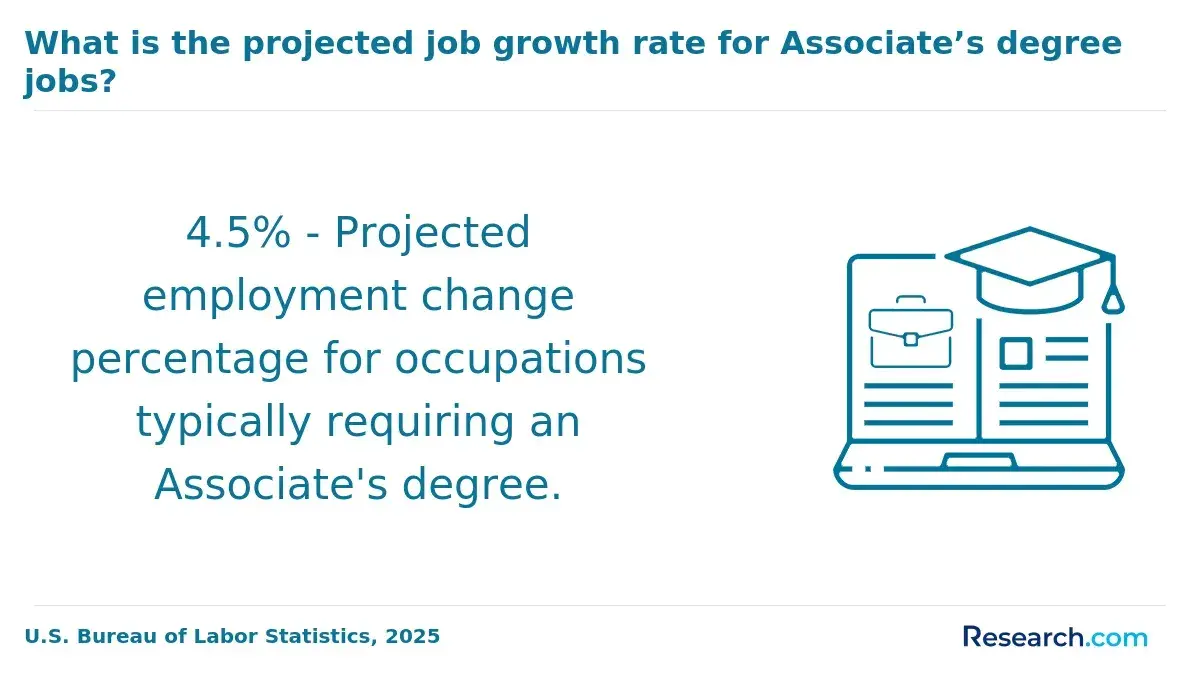
The Bureau of Labor Statistics projects diverse growth trends across careers for chemistry graduates over the coming decade, with an overall occupational growth average near 5% serving as a benchmark. Several fields related to chemistry are expected to outperform this average due to specific industry and societal factors.
- Pharmaceutical Scientists: Growth here is notably above average, fueled by the aging population's increasing need for innovative medications and sustained investment in drug development research.
- Chemical Engineers: These professionals should see growth close to the national average, supported by expanding use of advanced manufacturing technologies and a focus on sustainable energy solutions.
- Environmental Chemists: Rising regulatory demands and heightened awareness of climate change drive robust growth in this sector, boosting the need for expertise in pollution control and environmental sustainability.
- Materials Scientists: Accelerated growth stems from breakthroughs in electronics, nanotechnology, and renewable energy materials.
- Clinical Laboratory Technicians: With healthcare services expanding and diagnostic technology advancing, moderate growth is expected.
- Chemistry Professors and Researchers: Projected growth is stagnant or slightly declining due to limited funding and a shift toward adjunct positions, prompting many to diversify skills or pivot toward industry roles.
- Quality Control Analysts in Manufacturing: Growth is expected to be near or just below average, reflecting automation trends; those who specialize in regulatory compliance or advanced instrumentation maintain stronger prospects.
These projections represent national averages and don't fully capture regional or sector-specific nuances. For example, areas with strong pharmaceutical or energy industries may exhibit faster growth in corresponding chemistry roles. Subsequent analysis will delve into how these geographic and industry factors shape career opportunities.
When asked about the BLS projections' meaning, a chemistry graduate shared his perspective on navigating the job market. He described the journey as "challenging yet rewarding," emphasizing the importance of flexibility. "I realized early on that just having a degree wasn't enough-understanding industry trends and continuously developing specialized skills made all the difference." He recalled moments of uncertainty during job searches but found that focusing on growing sectors like pharmaceuticals and environmental science helped him find stable, fulfilling roles. His experience highlights how aligning one's career path with evolving market demands is critical to long-term success.
Work-life balance in chemistry degree careers relies on several measurable indicators, including average weekly hours worked, schedule predictability, the availability of remote or hybrid options, norms for paid time off, and employee satisfaction ratings from sources like Glassdoor, Indeed, and Payscale. These metrics combine to form a composite overview of how demanding or flexible different roles may be.
In assessing work-life harmony in US chemistry professions, industrial positions often show more consistent schedules and superior paid leave compared to academic roles, which typically feature longer hours and unpredictable workloads. Early-career professionals in pharmaceutical development and research may encounter heavier demands and less flexibility, but these pressures tend to ease with experience, offering more autonomy and improved balance.
- Weekly Hours: Typically range from 40 to 50 hours, though research scientists may exceed this during critical project phases.
- Schedule Predictability: More stable in industrial and regulatory roles; less so in lab-based research due to fluctuating priorities.
- Remote Work: Increasingly available in regulatory, data analysis, and administrative chemistry jobs, but limited for hands-on lab positions.
- Paid Time Off: Aligns with industry standards but can be restricted in startups or grant-funded environments.
- Employee Satisfaction: Highest where autonomy and flexible scheduling are offered.
Work-life balance also varies by employer type and career stage, with larger pharmaceutical firms usually providing better policies and resources than smaller companies or academia. Junior chemists often face more intense expectations than mid- or senior-level professionals who can negotiate improved conditions. Graduates and professionals can actively influence their work-life balance by carefully selecting employers, negotiating terms, and prioritizing roles that fit their lifestyle goals rather than assuming it is fixed by their career choice. Those exploring options might also consider online self paced colleges to expand flexible learning paths compatible with their career planning.
An equal weighting approach-assigning one-third importance each to salary, job growth, and work-life balance-offers a comprehensive lens for ranking chemistry career paths. This balanced method ensures that no single aspect overshadows the overall evaluation, highlighting roles that provide a well-rounded professional experience.
- Pharmaceutical Scientist: Excels with a lucrative salary, solid job growth, and a moderate yet manageable work-life balance, reflecting strong industry demand and innovation-driven opportunities.
- Materials Scientist: Offers competitive pay, excellent growth prospects, and a positive work-life balance thanks to expanding tech applications and sustainable material development.
- Analytical Chemist: While salary is moderate, this role shines with exceptional job growth and one of the best work-life balances, appealing especially to those valuing steady hours and job stability.
- Environmental Chemist: Presents moderate earnings and growth with outstanding work-life balance, ideal for those seeking meaningful work and flexible schedules driven by environmental regulations.
- Biochemist or Biophysicist: Combines strong compensation and solid growth with a moderate work-life balance, often requiring advanced degrees but rewarding with rich research opportunities.
- Quality Control Chemist: Known for predictable hours, steady growth, and adequate salary, making it attractive for professionals prioritizing balance in manufacturing or pharmaceuticals.
- Chemical Engineer: Commands among the highest salaries and robust growth; however, it demands a more intense work-life balance, suitable for those who prioritize income and career advancement.
Readers whose primary concern is income might lean toward chemical engineering or pharmaceutical science, where salary outweighs lifestyle compromises. On the other hand, those valuing flexibility and schedule consistency may favor environmental or analytical chemistry roles. Adjusting the weighting of these factors personally can help tailor career choices to unique life goals.
A professional established in her chemistry career reflected on choosing a path with balanced growth and lifestyle. She described the process as a series of "careful trade-offs," noting how early decisions involved juggling enticing salary offers against demanding hours. Over time, she appreciated careers that provided not only financial stability but also room for personal pursuits and reduced stress-a combination that kept her motivated and resilient. "It's not just about the paycheck or the title," she shared, "but finding a place where both your work and life can thrive simultaneously." Her journey underscored how personalized weighting of salary, growth, and balance is essential in navigating the complex landscape of chemistry careers.
Focusing on a specific chemistry specialization significantly impacts salary, career growth, and work-life balance-creating distinct professional paths compared to generalist roles. Data from the Bureau of Labor Statistics and industry surveys reveal how specialized expertise influences these three critical factors.
- Medicinal Chemistry: Typically commands higher median salaries and benefits from strong future demand fueled by pharmaceutical advancements. However, the workload often includes long hours and intense research periods, which can challenge work-life balance.
- Analytical Chemistry: Offers steady employment growth and competitive pay, usually accompanied by more predictable hours. Roles tend to focus on quality control and regulatory compliance, supporting a better balance between work and personal life.
- Environmental Chemistry: While salaries are generally lower, this field scores well for lifestyle quality and aligns with interests in sustainability. Growth remains steady, driven by evolving environmental regulations.
- Materials Science: Professionals enjoy solid compensation and face strong industry demand, particularly in electronics and manufacturing. Work can be project-driven, sometimes involving intense phases that affect personal time.
- Chemical Engineering: Although an engineering-focused discipline, many chemistry graduates enter this path. It offers some of the highest salaries and robust growth, but often at the expense of longer hours and greater workplace stress.
Specialization generally begins during undergraduate studies through targeted courses and research, with advanced degrees or certifications often necessary for senior roles. Early specialization decisions shape salary trajectories and career ceilings but may limit lateral movement. Alternatively, generalist chemists who cultivate broad strategic and management abilities can surpass specialists' earnings in senior leadership by leveraging cross-functional versatility.
A recent trend shows that chemical technologists and specialists experience employment growth rates roughly 7% faster than general chemists, highlighting the tangible benefits of focused expertise in today's job market.
Geographic location strongly influences median salaries, job growth, and work-life balance for chemistry graduates across the U.S., with notable differences between regions and metropolitan sizes. This variation is essential when considering career and lifestyle priorities.
- Northeast: Known for some of the highest median salaries, especially in Boston and New York City's metro hubs, this region's high living costs often reduce overall purchasing power. Employment growth remains moderate, led by pharmaceuticals and biotech industries.
- Southeast: Offering affordable living and steady job growth in chemical manufacturing and environmental labs, cities like Atlanta and Raleigh provide balanced salaries with strong work-life benefits due to lower housing costs and shorter commutes.
- Midwest: Stable employment in industrial chemistry and agriculture sectors, combined with competitive salaries adjusted for cost of living, makes smaller metro areas financially attractive despite varying growth rates.
- Southwest: Expanding urban centers such as Dallas and Austin, driven by biotech and petrochemical industries, show rising wages and maintain work-life balance through hybrid work options despite higher living expenses.
- West: The West Coast-San Francisco and Seattle-leads in high-paying specialized chemistry roles connected to tech and biotech. However, expensive housing markets limit net financial gains, though remote work increasingly allows professionals to earn West Coast salaries while living affordably inland.
Remote and hybrid work arrangements have partially broken the tie between salary and location for some chemistry roles, especially in research and analysis. This shift enables professionals to combine high wages linked to major markets with the affordability and lifestyle benefits of smaller cities or rural regions. Choosing the optimal location depends on chemistry career concentration, industry presence, and personal priorities such as community, housing costs, and family proximity, making geographic strategy a crucial element in career planning.
Salary: Public sector chemistry careers generally offer lower base salaries than private sector roles across entry, mid, and senior levels. Entry-level public chemists often earn 10 to 20 percent less than their private-sector peers. However, this gap narrows at mid and senior levels, particularly when factoring in the comprehensive benefits public employees receive. Defined-benefit pension plans, eligibility for student loan forgiveness, and typically more generous health coverage add significant total compensation value in the public sector. For many chemists, these benefits mitigate the apparent salary shortfall and provide greater long-term financial security compared to often more volatile private-sector pay structures.
Growth: Job growth for chemists in the public sector is concentrated in agencies involved with environmental protection, public health, and infrastructure renewal-such as the Environmental Protection Agency and state health departments-which are expanding due to increased regulatory emphasis and investment in clean energy and pollution control. In contrast, the private sector shows its strongest chemistry hiring in pharmaceuticals, biotechnology, and advanced materials manufacturing-fields driven by innovation, product development demand, and global competition. While federal and state hiring can be influenced by shifting policy priorities and budget constraints, private sector growth tends to follow market cycles but currently offers broader geographic and industry diversity for chemistry graduates. This public sector vs private sector chemistry careers salary comparison highlights that growth potential varies significantly depending on sector focus.
Work-Life Balance: Public sector chemistry roles typically feature more predictable work schedules, structured leave policies including generous vacation and family leave, and higher overall employee satisfaction scores in government workforce surveys. This stability appeals especially to those seeking consistent hours and job security. Private sector positions may demand longer hours or more variable shifts depending on the company and project deadlines, though some high-tech firms are adopting flexible schedules and remote work options. Work-life balance varies considerably within both sectors, affected by job function, agency or company culture, and career stage, but government positions are often viewed as more accommodating to a sustainable work-life blend.
Those pursuing advanced roles or leadership positions in either sector might consider further education such as a doctorate in healthcare administration to enhance career growth opportunities and qualifications.
Advanced degrees and certifications significantly impact salary, career growth, and work-life balance for chemistry professionals navigating career decisions. Evaluating each credential's return on investment helps in targeting the qualification best aligned with one's career goals.
- Master's Degree: Offers a 15-25% salary premium over a bachelor's, according to NACE data. Typically requires 1-2 years full-time study with variable tuition costs. It unlocks specialized roles such as process development, quality control leadership, and regulatory affairs, enhancing career progression velocity.
- Doctoral Degree (PhD): Yields the highest salary increase-often 30-50% over bachelor's holders-reflecting advanced research expertise. The 4-6 years needed plus opportunity costs are substantial, but the PhD opens senior scientific, academic, and industry leadership roles. These positions may involve longer hours and elevated stress, potentially reducing work-life balance despite pay gains.
- Professional Certifications (e.g., Certified Chemical Technician, Project Management Professional): Provide moderate salary boosts of 5-15% with less time and financial input than degrees. They expand career pathways in project management, safety, and compliance sectors critical within the industry, often improving schedule flexibility by qualifying holders for supervisory roles.
Choosing advanced credentials should be a strategic decision focused on maximizing one's preferred career dimension-whether salary premium, career acceleration, or work-life balance. Some advanced roles offer greater autonomy and better balance, while others correspond to high-pressure environments. Beware of accumulating credentials without clear purpose.
Considering credentials is essential when exploring options in the advanced degrees impact on chemistry career growth in the US. Mid-career professionals pondering a pivot should assess how chosen qualifications affect long-term growth and lifestyle sustainability.
For those balancing time commitments and credential benefits, exploring online ABSN programs offers one example of how accelerated education shapes career speed-a principle relevant across disciplines including chemistry.
Certifications remain a pragmatic way to improve salary and work-life balance in chemistry professions, delivering measurable returns with less sacrifice than extended academic programs.
Remote and hybrid work arrangements now influence many chemistry career paths, though their availability varies significantly. According to the 2023 Owl Labs State of Remote Work report, about 35% of science and technology roles-including numerous chemistry jobs-offer some level of location flexibility, with specific fields differing in how much remote work they allow.
- Location Flexibility: Careers in analytical chemistry, pharmaceutical research, and chemical data analysis often offer hybrid or fully remote positions because data-driven tasks can be managed digitally. Conversely, roles involving hands-on laboratory work-such as synthetic chemistry and quality control-generally require on-site presence at labs or manufacturing settings.
- Salary Effects: Remote-eligible chemistry positions usually have salaries similar to those on-site; however, some specialized remote roles provide salary premiums due to skill scarcity or urgent project deadlines. Geographic arbitrage also enables professionals living in lower-cost areas to gain enhanced purchasing power while earning market-level pay remotely, effectively increasing real compensation.
- Career Advancement: Data from LinkedIn Workforce Insights reveals that remote or hybrid chemistry workers may face slower promotions because of reduced visibility and networking opportunities. Still, sectors such as chemical informatics are adapting to distributed teams, making remote work less detrimental to upward mobility.
- Work-Life Balance: Remote arrangements offer substantial benefits through eliminating commutes and increasing schedule control, aspects highly valued by many chemistry professionals. However, challenges like blurred lines between work and personal time can lead to stress and burnout, notably in busy or caregiving-intensive home environments.
Overall, remote work in chemistry is an evolving landscape-offering a mix of opportunities and trade-offs shaped by job type, specialization, and individual circumstances.
Chemistry degree careers that deliver strong work-life balance alongside competitive salaries and growth prospects are consistently recognized across multiple data sources, including Glassdoor, PayScale, and the BLS American Time Use Survey. These roles typically feature stable work schedules, manageable stress levels, and steady demand, making them ideal for professionals seeking longevity without compromising financial stability or advancement.
- Analytical Chemist: Employed mainly in pharmaceutical companies, environmental agencies, and quality control labs, analytical chemists enjoy structured hours with minimal on-call requirements.
- This position benefits from regulated lab settings and predictable 9-to-5 shifts.
- The routine nature of testing and data analysis reduces overtime, supporting a balanced personal life and median salaries above $60,000 annually.
- Strong sector growth ensures career resilience.
- Regulatory Affairs Specialist: Found in healthcare, chemical manufacturing, and consumer product companies, this role centers on compliance and documentation rather than hands-on lab work.
- Flexible office hours and growing remote work options enhance work-life balance.
- Salaries range from $65,000 to $90,000, with increasing regulatory requirements driving job growth.
- Work demands usually avoid emergency tasks, allowing steady workflows.
- Material Scientist: Working in research institutions and manufacturing, material scientists manage project-driven workloads that permit time management control.
- Project-based schedules replace shift work, facilitating personal time organization.
- Median pay exceeds $70,000, with employment expanding due to technological innovation in sectors like aerospace and electronics.
- Telecommuting and skill development incentives help retain talent.
Individual experiences with work-life balance vary greatly depending on management approach, workplace culture, and personal boundaries. These rankings offer a useful framework to identify potential careers but should be complemented by thorough company-level research. Recent trends highlight that flexibility and employer support are among the top factors boosting job satisfaction in chemistry-related fields.
What Graduates Say About the Chemistry Degree Careers Ranked by Salary, Growth, and Work-Life Balance
- Johann: "Graduating with a degree in chemistry opened my eyes to just how rewarding this field can be in terms of salary-especially in pharmaceutical and materials science sectors where compensation often outpaces many other sciences. Long-term career growth in chemistry surprised me with its diversity, allowing professionals to transition into research, management, or education with considerable ease. However, the day-to-day work-life balance varies widely depending on the role; lab research demands can be intense, but many positions offer predictable hours that help maintain personal time."
- Cedric: "Reflecting on my journey, salary was not my only driver when ranking chemistry careers-I found that the potential for long-term career growth mattered even more as it promised continuous learning and advancement. The work-life balance in chemistry careers is nuanced; some lab-based roles require irregular hours, but roles in quality control or regulatory affairs often provide more stability. Overall, chemistry is a field where dedication can lead to both financial security and a fulfilling, balanced lifestyle if you find the right niche."
- Marie: "From a professional standpoint, careers stemming from a chemistry degree exhibit varied salary benchmarks, with industrial and analytical chemistry often leading the pack. The long-term career growth is promising if you stay adaptable-many graduates find themselves evolving into leadership or specialized expert roles over time. In terms of daily work-life balance, it truly depends on the employer and sector, but flexible options in certain industries allow chemists to thrive both professionally and personally."
Other Things You Should Know About Chemistry Degrees
The industry sector greatly influences salary, job growth, and work-life balance for chemistry graduates. For example, pharmaceutical and biotech sectors generally provide higher pay and stronger career growth compared to academia or government roles. However, sectors like academic research often offer better work-life balance due to more predictable hours, while industrial jobs might demand longer shifts and higher intensity.
Chemistry graduates can improve their long-term outcomes by selecting roles that offer skill development and networking opportunities early on-even if initial salaries are modest. Pursuing internships, certifications, or advanced degrees related to high-growth sectors may lead to better-paying jobs and leadership positions. Additionally, choosing employers with flexible work policies and supportive cultures can help maintain healthier work-life balance over time.
No, but many licensure-track jobs prefer an American Chemical Society-approved chemistry degree because it includes about 400–500 chemistry-related credit hours and a required lab sequence. State licensing boards, not ACS, set the legal rules for any job that requires professional registration or certification.
- Maintaining that Ph.D. Work/Life Balance: Why it Matters – ACS Younger Chemists Committee https://acsycc.org/maintaining-that-ph-d-work-life-balance-why-it-matters/
- Work-Life Balance in Remote Working and How to Maintain It https://cuckooworkout.com/how-to-maintain-work-life-balance-in-hybrid-and-remote-work/
- Chemistry BS Jobs and Chemistry Major Salary Averages | HCU https://hc.edu/articles/careers-in-chemistry/
- Identifying the work-life balance https://www.chemistryworld.com/careers/identifying-the-work-life-balance/3010874.article
- 11 Careers in Chemistry (And the Qualifications You’ll Need) https://careercenter.emmanuel.edu/blog/2024/09/27/11-careers-in-chemistry-and-the-qualifications-youll-need/
- What drives the geography of new graduates? - Centre for Cities https://www.centreforcities.org/reader/great-british-brain-drain/drives-geography-new-graduates/
- The Rise of Hybrid Work: Redefining Work-Life Balance https://blog.radancy.com/2025/02/06/the-rise-of-hybrid-work-redesigning-work-life-balance/
- Top 10 Highest Paying Chemistry Jobs & Careers 2025 (Inc Salaries) | Nexford University https://www.nexford.edu/insights/highest-paying-chemistry-jobs
- Career in Chemistry: Opportunities, Placements, and Future Prospects https://www.lingayasvidyapeeth.edu.in/career-in-chemistry/
- The State of Jobs in Analytical Chemistry: A Deep-Dive into the Latest Trends in Salaries, Jobs, and Career Growth in Chromatography | LCGC International https://www.chromatographyonline.com/view/the-state-of-jobs-in-analytical-chemistry-a-deep-dive-into-the-latest-trends-in-salaries-jobs-and-career-growth-in-chromatography