
2027 Most Recession-Resistant Careers You Can Pursue With a Chemistry Degree

Co-Founder and Chief Data Scientist
Facing economic uncertainty, chemistry graduates often wonder which careers withstand recessions best-especially when industries cut back on research and development. Recent data show that employment in pharmaceutical and environmental science roles, two fields tightly linked to chemistry skills, is expected to grow by over 10% despite broader labor market declines.
This trend highlights the demand for professionals who can adapt technical knowledge to critical sectors like healthcare and sustainability. Staying competitive requires not only mastering core chemistry concepts but also developing interdisciplinary expertise and regulatory knowledge. This article explores recession-resistant careers for chemistry graduates and strategies to secure stable, in-demand positions in evolving markets.
Key Points About Recession-Resistant Chemistry Careers
- Analytical chemistry roles in pharmaceuticals show high stability due to constant demand for drug development and quality control, even during economic downturns.
- Environmental chemists benefit from increasing regulations, as their expertise ensures compliance and sustainability—boosting job security.
- Food chemists maintain essential positions in safety testing and product formulation, with employment projected to grow 8% in recession-proof sectors.
What is the employment outlook for graduates of Chemistry?
The employment prospects for chemistry graduates in the United States remain positive, with job growth and demand trends for chemistry degree holders showing steady expansion.
Employment for chemists is projected to increase by about 7% over the next decade-slightly above the national average-reflecting a strong hiring landscape across various sectors.
Below are key factors driving this sustained demand:
- Pharmaceutical Innovation: Continuous advancements in pharmaceuticals and biotechnology create a robust need for chemists who contribute to drug development and testing.
- Environmental Regulation: Growing emphasis on environmental monitoring and compliance demands skilled chemists to support industries in meeting stringent standards.
- Materials Science: The evolution of manufacturing and new materials relies heavily on chemistry expertise to develop and improve products.
- Interdisciplinary Flexibility: Chemistry graduates benefit from adaptable skills that allow transitions between sectors like energy, agriculture, and cosmetics, enhancing career resilience.
Compared to many other fields, chemistry graduates experience lower unemployment rates due to consistent hiring in healthcare, environmental protection, and quality control.
A 2025 industry report revealed that 85% of chemistry professionals surveyed felt confident about job stability, reinforcing the reliability of careers in this area.
Those exploring additional education options may consider affordable programs such as the 4 week online course for medical coding and billing cost, which can complement chemistry backgrounds towards broader employment opportunities.
What are the most recession-resistant careers for Chemistry degree graduates?
Certain roles within the field of chemistry and adjacent industries are naturally shielded from economic volatility due to their essential or regulatory nature. Employment growth for chemists in healthcare and environmental sectors is projected to outpace the national average, highlighting the stability these fields offer.
Below are five of the most recession-resistant careers you can pursue with a chemistry degree.
- Pharmaceutical Scientist: Pharmaceutical scientists research and develop new medications and vaccines essential for public health. Because healthcare and drug development remain top priorities during recessions, pharmaceutical companies maintain steady funding to comply with stringent government regulations and meet ongoing demand.
- Environmental Chemist: Environmental chemists analyze pollutants and devise ways to reduce environmental impact. Their work is frequently legally mandated, making their expertise indispensable for companies and governments regardless of economic conditions, ensuring continuous employment.
- Quality Control Analyst: Quality control analysts verify that products, especially in manufacturing and food industries, meet safety and quality benchmarks. Since companies face significant penalties and financial risks for defective products, these roles are preserved even in budget cuts to prevent costly recalls.
- Chemical Safety Officer: Chemical safety officers develop and enforce protocols to protect workers and communities from hazardous substances. Legal requirements for workplace safety force organizations to maintain these positions, as neglect risks fines and operational stoppages during economic downturns.
- Forensic Chemist: Forensic chemists assist law enforcement by analyzing physical evidence critical to investigations. Public safety demands and continuous criminal justice operations protect funding for these roles, making them resilient against economic fluctuations.
Choosing one of these top chemistry jobs with economic stability can provide vital security for graduates planning a future-proof career. Those interested in blending their scientific career with complementary fields may also explore options like nursing schools without TEAS, which offer pathways in healthcare that intersect with chemistry expertise.
In which industries can Chemistry degree holders find work?
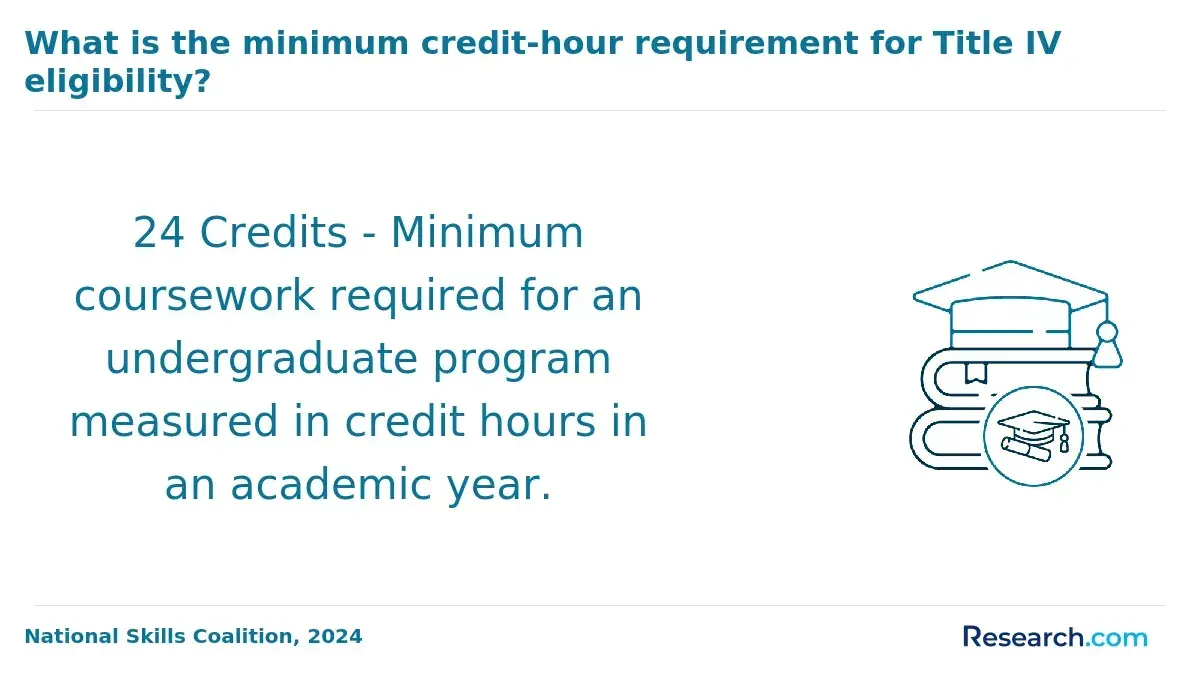
Chemistry graduates possess versatile skills that extend beyond traditional labs, allowing them to navigate various sectors less affected by economic downturns. Employment in fields linked to chemistry is expected to grow by 6% over the coming years, reflecting ongoing demand for expertise in innovation, compliance, and sustainability.
Below are some key industries where chemistry degree holders can establish stable careers.
- Pharmaceuticals: Chemistry professionals contribute to drug formulation, analytical testing, and regulatory compliance. Positions like formulation scientists and regulatory affairs specialists focus on ensuring medication efficacy and safety amid continuous innovation.
- Environmental Science: With rising environmental regulations, chemists serve as consultants in pollution control, water quality, and waste management. Their work supports sustainability goals at both corporate and governmental levels.
- Manufacturing: Specialty chemicals and materials science offer roles for chemists in developing new materials and improving production processes. Job titles include process chemists and materials scientists working to enhance quality and efficiency across industries such as electronics and automotive.
- Food and Beverage: Food chemists and quality analysts play vital roles in maintaining product safety, ensuring regulatory compliance, and developing flavors in a sector consistently needed regardless of economic shifts.
When asked about where chemistry degree holders can find work, a professional who completed an online bachelor's program reflected on his transition from study to industry roles.
He described the challenge of translating academic knowledge into practical skills during remote lab work but emphasized the valuable problem-solving experience gained. "Adapting to virtual experiments required extra persistence," he said, noting that the analytical and critical thinking skills honed online proved essential.
He now applies these abilities in a manufacturing environment, highlighting how flexible training paths allow graduates to enter diverse, resilient fields.
Positions in the public sector-such as those in government labs, universities, and nonprofit organizations-generally offer stronger job security for chemistry graduates compared to private industry roles.
These jobs benefit from stable, long-term funding sources, including grants and government budgets, which help protect employees during economic downturns.
By contrast, private sector jobs, found in industries like pharmaceuticals and biotech startups, tend to fluctuate with market conditions, increasing the likelihood of layoffs or hiring freezes when revenues decline.
While public sector roles provide a dependable work environment and steady career pathways, they may come with slower advancement opportunities and more limited salary growth due to structured promotion systems.
On the other hand, employment in the private sector often allows for quicker professional development and exposure to innovative technologies, but this comes with greater job insecurity-especially in startups, where risk and reward are both amplified.
Research indicates that during recessions, public sector chemistry employment decreases by less than 3%, whereas private industry positions can drop by over 10%.
These trends underscore how graduates must weigh their personal preferences: those valuing stability and predictable progression may find the public sector more suitable, while those seeking rapid career growth and willing to accept higher risks might prefer the private sector. Aligning choices with one's tolerance for uncertainty and ambition level is key to a fulfilling chemistry career.
Location significantly influences job stability for chemistry graduates, as certain states serve as key centers for specific industries. The following highlights three states with strong, resilient markets for chemistry professionals.
- California: Boasting a thriving pharmaceutical and biotech presence mainly in the San Francisco Bay Area and San Diego, California demands chemistry graduates skilled in drug development, quality assurance, and materials science.
- Texas: Texas benefits from a large oil refining and petrochemical sector concentrated along the Gulf Coast, driving steady demand for chemists in process improvement and optimization. Additionally, expansion in renewable energy research diversifies chemistry-related career paths in the state.
- New Jersey: Home to numerous top pharmaceutical firms, New Jersey offers abundant roles for medicinal and analytical chemists. The state's focus on life sciences manufacturing and research, supported by strong educational and workforce programs, ensures ongoing opportunities for chemistry graduates.
Labor trends show chemical employment growth in these states surpasses the national average of 5%, indicating their resilience during economic fluctuations and making them prime options for those seeking recession-proof careers in chemistry.
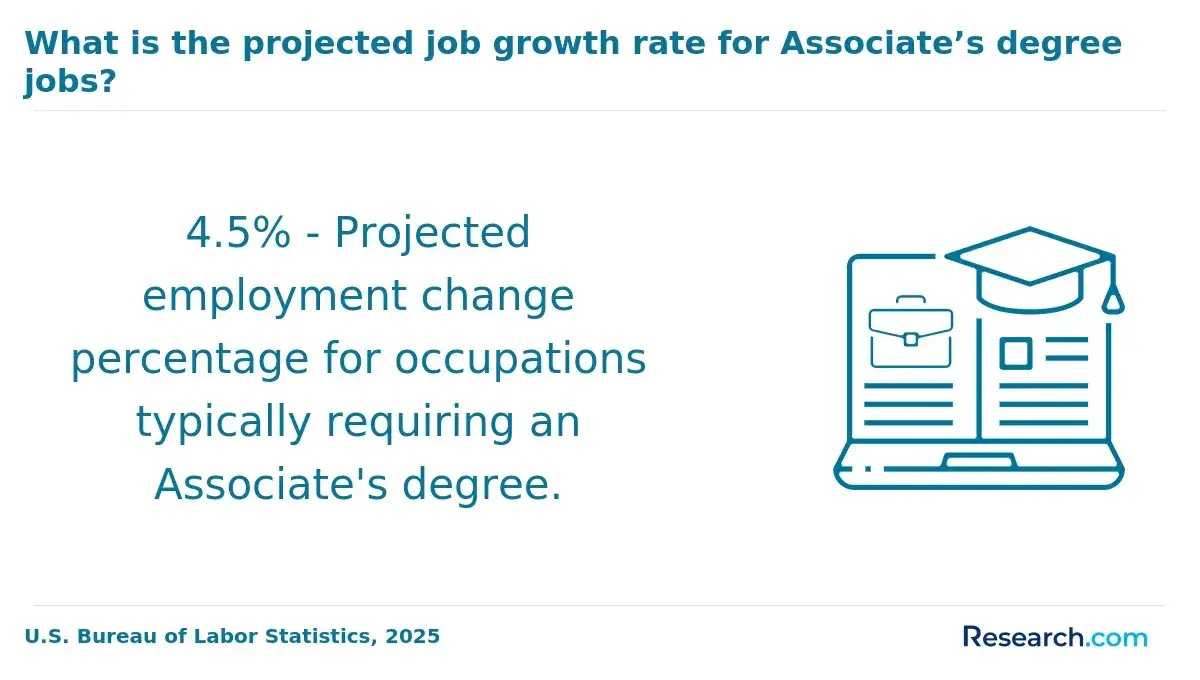
Post-graduate credentials and continuing education can act as a layoff shield by validating specialized, high-demand expertise that employers prioritize during tough economic times. Research shows jobs requiring certifications see employment growth of about 6% during recessions-twice the average for all occupations.
The following certifications are among the top recession-proof certifications for chemistry graduates.
- Certified Chemical Technician (CCT): Offered by the American Chemical Society, this credential confirms proficiency in laboratory techniques and safety protocols. It prepares professionals for roles in pharmaceuticals, environmental testing, and manufacturing sectors known for stable demand regardless of economic fluctuations.
- Project Management Professional (PMP): This certification benefits chemistry professionals managing research projects or process improvements by highlighting their ability to deliver timely, cost-effective results. It supports positions such as research chemists or quality control managers, where skilled management remains essential even in budget constraints.
- Certified Hazardous Materials Manager (CHMM): Valuable for those interested in regulatory and environmental fields, this credential focuses on environmental compliance and safety. Chemists with this certification are sought after for navigating regulations and reducing environmental risks, areas that maintain steady demand.
- Remote Sensing Specialist Certification: Reflecting increasing use of analytical chemistry in resource management and climate studies, this niche certification opens access to emerging job markets less vulnerable to recession pressures.
Investing in these certifications can strengthen job security in chemistry careers by aligning skills with critical, stable industry needs. For students exploring educational paths that merge science and career resilience, pursuing a nutritionist degree online can complement chemistry knowledge and expand opportunities in health-related fields.
Continuously developing new skills makes professionals less replaceable during company reorganizations caused by economic downturns. honing these capabilities is especially crucial for chemistry graduates seeking to fortify their careers.
Here are essential skills to enhance job security in chemistry-related fields:
- Advanced Laboratory Techniques: Expertise in methods like chromatography, spectroscopy, and mass spectrometry ensures immediate contribution to research and quality assurance. These foundational analytical skills remain vital across diverse sectors including pharmaceuticals and manufacturing.
- Computational Chemistry and Data Analysis: Proficiency in handling large datasets and applying molecular modeling software broadens career versatility. Employers increasingly require chemical professionals who can integrate data-driven insights, making this skill critical for recession resistant careers in chemistry fields.
- Regulatory Expertise: Knowledge of chemical safety standards, environmental laws, and compliance procedures positions graduates for roles in regulatory affairs and quality control. These areas tend to be stable even during economic slowdowns due to stringent industry requirements.
- Project Coordination and Communication: The ability to manage interdisciplinary projects and clearly convey technical information enhances employability beyond bench work. Such skills are pivotal in consultancy, manufacturing, and pharmaceutical development roles.
- Sustainable Chemistry Practices: Familiarity with green synthesis, waste minimization, and energy-efficient processes attracts employers focused on environmental responsibility. Specialists in sustainability contribute to innovation within industries adapting to eco-friendly standards.
By integrating these competencies, chemistry graduate skills for job security improve significantly. For those interested in expanding their qualifications further, resources on medical billing and coding certification also offer pathways to adjacent fields with stable employment prospects.
Graduating from a prestigious institution can provide a significant edge in securing recession-resistant careers with a chemistry degree.
Employers often associate well-known schools with rigorous academic standards and strong preparation, making their graduates more attractive candidates in competitive job markets. This perceived credibility can translate into greater job stability and higher starting salaries.
The right school also offers valuable networking opportunities that can be crucial for career advancement. Connections to alumni, industry leaders, and faculty experts often open doors to internships, research projects, and exclusive job openings.
These networks serve as an ongoing resource for mentorship and professional growth, helping chemistry graduates navigate job transitions more effectively.
Nevertheless, graduates from any accredited chemistry program can maintain competitiveness through demonstrated skills and achievements.
Proven performance-such as research experience, technical expertise, and effective communication-remains essential. Success depends less on the name of the institution and more on the individual's ability to deliver results in scientific roles.
Aligning academic knowledge with the shifting requirements of the chemistry field is critical for enhancing both employability and long-term job stability. Being proactive about career readiness ensures that students develop the skills employers currently demand.
Below are targeted ways to prepare effectively:
- Hands-On Experience: Seek out internships or cooperative programs where you can gain practical industry exposure. Real-world laboratory work complements classroom learning and demonstrates your ability to apply concepts.
- Applied Research: Engage in projects tackling tangible challenges, illustrating how theoretical knowledge translates into practical solutions. This involvement helps build problem-solving and critical thinking abilities.
- Certification Attainment: Earn credentials focused on lab safety, quality assurance, or specialized equipment operation. Certifications validate your expertise and signal professionalism to employers.
- Networking Opportunities: Join professional associations and attend scientific conferences to connect with industry peers. These interactions keep you informed about emerging trends and can open doors to job prospects.
- Complementary Skills: Broaden your capabilities by learning programming, machine learning, or business fundamentals. These interdisciplinary skills increase your versatility and appeal in various chemistry-related sectors.
When asked about how students can meet today's job market demands, a professional who earned an online chemistry bachelor's degree reflected, "Adjusting to remote learning while juggling work and family was a real challenge-I had to develop strong time management."
"What helped most was actively seeking internships online and using virtual labs to gain hands-on skills. Staying connected with mentors and peers through forums gave me valuable insights into industry expectations," he continued.
He added that persistence and adaptability were key throughout his journey, emphasizing that "beyond grades, showing initiative and continuous learning made a difference when applying for positions."
Professionals holding a chemistry degree earn an average annual salary ranging from $65,000 to $85,000 in stable, recession-resistant sectors such as pharmaceuticals, environmental science, and materials research.
These fields demonstrate a salary growth rate of about 3.5% annually, outpacing the national average. This steady financial outlook makes the average pay for chemistry degree jobs attractive compared to many other careers.
Recession-resistant chemistry careers offering lucrative income include research and development, regulatory compliance, and industries that value specialized certifications like analytical techniques or industrial safety.
While some roles in environmental chemistry or materials science may offer somewhat lower salaries, they still provide considerable job stability. Additionally, interdisciplinary careers blending chemistry with data science or biotechnology are emerging, further enhancing earning potential.
The income of chemistry professionals varies significantly depending on industry, company size, geographical location, and the academic credentials earned over time.
Many employers reward advanced certifications and qualifications with higher salaries and bonuses, contributing to better real wage growth. For those considering broader career pathways, pursuing an MBA in healthcare management can also complement a chemistry background and lead to expanded opportunities and income stability.
What Graduates Say About Their Career After Getting a Degree in Chemistry
- Weston: "Pursuing a degree in chemistry was driven by my fascination with how substances interact at a molecular level, which opened the door to problem-solving roles in pharmaceuticals. The rigorous lab work and analytical skills I developed gave me a solid foundation to adapt swiftly and innovate in a constantly evolving field. This background has been essential in landing a recession-resistant position where scientific knowledge and precision are valued above all."
- Anne: "Reflecting on my journey, studying chemistry provided me with critical thinking skills that extend far beyond the lab. It prepared me to approach complex challenges methodically, which has been invaluable in the energy sector's unpredictable market. Thanks to my degree, I secured a stable role that thrives regardless of economic downturns by emphasizing sustainable and essential technologies."
- Sheldon: "My decision to earn a chemistry degree was motivated by the diverse career paths it offers, especially in environmental science. The degree equipped me with both technical expertise and an adaptable mindset, which proved crucial for securing a job in a field resilient to economic shifts. I'm grateful that the solid scientific foundation has allowed me to contribute meaningfully while maintaining job security."
Other Things You Should Know About Chemistry Degrees
Chemistry professionals often find it feasible to transition into related scientific fields such as biochemistry, pharmacology, or environmental science. Their strong foundation in laboratory techniques, data analysis, and scientific principles provides versatile skills applicable across various disciplines. This flexibility can offer additional job security during economic challenges.
Continuing education can significantly enhance the recession resistance of a chemistry career by keeping skills current and relevant. Advanced training in emerging technologies, regulatory affairs, or data science increases employability and adaptability in changing job markets. Employers in chemistry-related industries favor candidates who actively pursue lifelong learning.
Clinical laboratory scientists, pharmacists, and some environmental chemists need state licensure or certification to keep working. A common route includes an accredited degree, supervised experience, and passing exams such as ASCP, AMT, or state board tests. Licensing rules are set by state boards and can protect job access during downturns.
- Public vs. Private Sector Jobs: Choosing a Career Path https://tsengcollege.csun.edu/blog/public-vs-private-sector-jobs-choosing-a-career-path
- Top 15 Highest‑Paying Pharmacy Jobs in the UK 2025 (Including Salaries) https://apexlearning.org.uk/highest-paying-chemistry-jobs-2025/
- Career outlook https://each.ut.ee/EACH/career-outlook/
- Job Security in an Uncertain Economy: Why the Specialty Chemical Industry Is a Safe Bet https://www.element-staffing.com/2025/01/28/job-security-in-an-uncertain-economy-why-the-specialty-chemical-industry-is-a-safe-bet/
- Professional services https://www.strath.ac.uk/science/chemistry/studywithus/careersinchemistry/
- What Can You Do With a Chemistry Degree? https://www.park.edu/blog/what-can-you-do-with-a-chemistry-degree/
- Executive Search and Outplacement Services for the Engineering, Architecture, Construction, and Manufacturing Industries https://www.davron.net/recession-proof-skills-2026/
- Best jobs to have during economic recession. https://talk.collegeconfidential.com/t/best-jobs-to-have-during-economic-recession/500797
- The State of Jobs in Analytical Chemistry: A Deep-Dive into the Latest Trends in Salaries, Jobs, and Career Growth in Chromatography | LCGC International https://www.chromatographyonline.com/view/the-state-of-jobs-in-analytical-chemistry-a-deep-dive-into-the-latest-trends-in-salaries-jobs-and-career-growth-in-chromatography
- The Best Jobs in the Chemical Industry https://www.reagent.co.uk/blog/the-best-jobs-in-the-chemical-industry/


