2027 Cheapest Patient Safety & Quality Degree Programs for Working Adults

Co-Founder and Chief Data Scientist
Balancing a full-time job, family obligations, and the pursuit of higher education can overwhelm many adult learners aiming to advance in patient safety & quality careers. With rising tuition costs and limited time, finding an affordable, accredited program that allows asynchronous study and recognizes prior college credits becomes essential.
Notably, employment in healthcare quality roles is projected to grow 14% through 2032, emphasizing demand for qualified professionals. This article explores the cheapest patient safety & quality degree programs designed specifically for working adults, highlighting crucial factors like flexibility, cost structure, and long-term career benefits to help readers make informed educational choices.
Key Things to Know About the Cheapest Patient Safety & Quality Degree Programs for Working Adults
- Cheapest patient safety & quality degrees often feature low tuition, entirely online formats, generous transfer credit policies, and flexible scheduling to accommodate working adults balancing multiple responsibilities.
- Low-cost programs increase accessibility but may have tradeoffs in accelerated pacing or limited employer recognition; accreditation remains essential to ensure program quality and career value.
- Prospective students should evaluate total costs, financial aid options, in-state eligibility, institutional accreditation, robust student support, and potential career outcomes before enrolling.
What Are the Cheapest Accredited Patient Safety & Quality Degree Programs Online?
Accredited online patient safety & quality degree programs offer working adults flexible and affordable pathways to advance their careers. These programs vary by tuition structure, transfer credit policies, delivery format, and institutional accreditation, all of which impact overall cost and convenience. With nearly 40% of online students being adult learners, affordability and accessibility are key factors for those balancing work and family commitments.
Several important aspects should be considered when comparing the cheapest accredited patient safety & quality degree programs online:
- Accreditation Status: Accreditation by recognized bodies ensures that the program meets quality standards, which affects credit transferability and employer recognition. Choosing accredited programs helps working adults avoid wasting time and money on subpar education.
- Tuition and Fee Structure: Affordable online healthcare degrees often offer flat-rate tuition per term or discounted rates for online learners. Transparent pricing without hidden fees enables better financial planning, especially for adults managing household budgets.
- Transfer Credit Acceptance: Programs that accept relevant previous credits allow students to shorten their study period and reduce tuition costs. This flexibility benefits working adults who have completed prior coursework or certifications in healthcare.
- Scheduling Flexibility: Asynchronous course delivery that does not require live attendance allows learners to study on their own time. This format is vital for those juggling work shifts, family, and other responsibilities.
- Financial Aid Opportunities: Availability of scholarships, grants, and employer tuition assistance can lower the overall cost burden. Many programs collaborate with employers to provide practical funding options for working adults pursuing patient safety & quality degrees.
How Much Does an Online Patient Safety & Quality Degree Cost for Working Adults?
The cost of an online Patient Safety & Quality degree for working adults varies significantly based on tuition structures, school types, transfer credits, residency status, and program formats. Affordability and flexible scheduling are often key factors influencing enrollment decisions for adult learners juggling work and family commitments.
According to the National Center for Education Statistics, over 40% of undergraduate online students are adult learners seeking convenient options to advance their education. Total educational expenses often extend beyond tuition to include fees and materials. Factors shaping the overall cost typically include:
- Tuition Models: Most programs charge per credit hour, so total costs depend on required credits and course load. Full-time enrollment usually involves a more concentrated expense, while part-time students pay over extended periods.
- Transfer Credits: Acceptance of previously earned credits can reduce tuition significantly by lowering needed coursework. Policies vary widely, so confirming transfer options early helps optimize affordability.
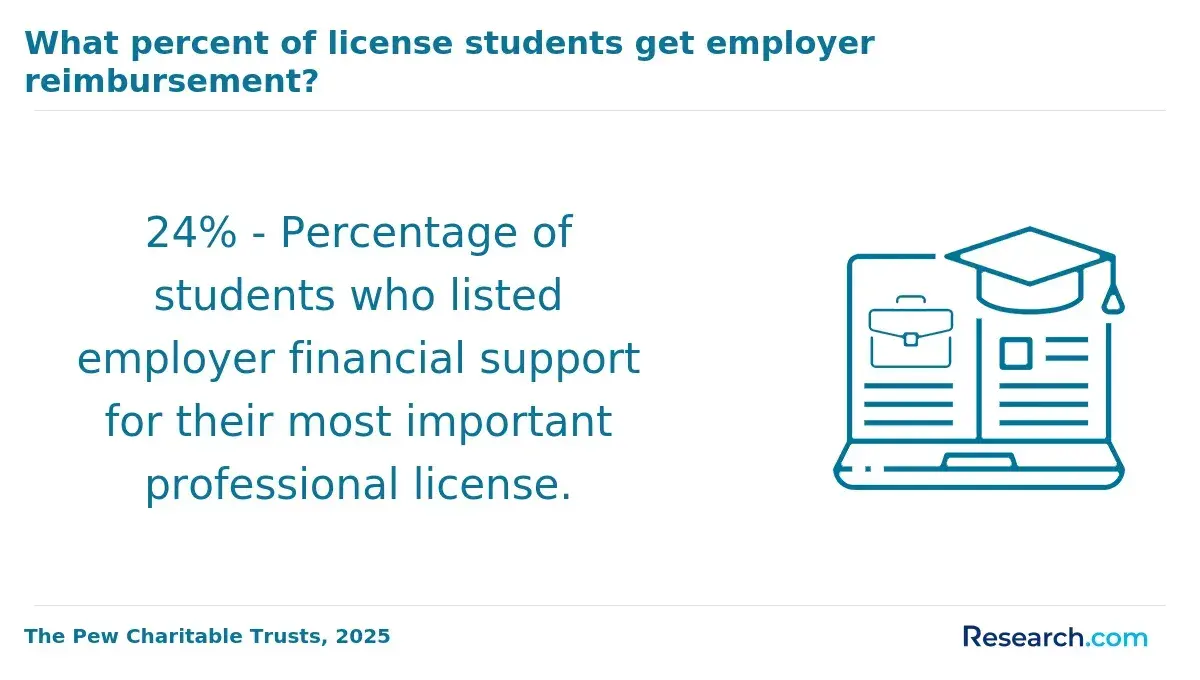
- Financial Aid Opportunities: Accreditation plays a vital role since eligible programs often qualify for federal aid, scholarships, and employer tuition reimbursement, easing financial burdens for adult learners.
- Technology and Fees: Additional costs such as technology access, course materials, and student services may add up, influencing the total investment required beyond tuition.
- Accelerated Program Formats: Self-paced or accelerated courses offer flexible scheduling and faster completion, potentially lowering expenses related to extended enrollment time while accommodating work-life balance.
For those seeking affordable options, exploring the healthcare administration courses online can provide insight into related fields offering scalable learning and cost benefits. Choosing the cheapest accredited online Patient Safety and Quality degree programs for working adults requires balancing price, flexibility, and transfer credit policies to match individual goals and financial situations.
Are Cheap Patient Safety & Quality Degree Programs Legitimate and Respected by Employers?
Affordable patient safety & quality degree programs can be credible and valued by employers when they meet important standards beyond just cost. Accreditation, institutional reputation, curriculum rigor, and alignment with workforce needs often shape employer perceptions of both online and low-cost degrees.
Notably, over 35% of adult learners take at least one online course, reflecting growing acceptance of accredited online education in many industries. Key aspects influencing the legitimacy and respectability of these programs include:
- Institutional Accreditation: Accreditation by recognized regional or national agencies signifies that the school maintains academic quality and integrity, which employers and transfer institutions commonly trust.
- Programmatic Quality: Specialization within the program that meets patient safety and quality competencies ensures course content stays relevant and prepares students for real-world challenges.
- Employer Recognition of Online Learning: As online education becomes more widespread, employers increasingly value degrees from institutions with transparent outcome reporting and established online credentials.
- Faculty Expertise: Instructors with professional experience in healthcare and patient safety bring practical insights that enhance learning outcomes and student readiness for industry demands.
- Transfer Credit Policies: Programs that accept prior college credits or professional training can reduce cost and time to graduation, which is especially important for working adults balancing job and study.
A patient safety & quality degree graduate shared that beyond technical knowledge, the program helped develop critical soft skills like communication, problem-solving, and adaptability. He described balancing work and study as demanding but rewarding.
He said, "Learning to coordinate with diverse healthcare teams and manage unexpected safety issues was challenging but built my confidence." These interpersonal skills, he noted, were crucial in advancing his career and earning employer trust in complex healthcare environments.
What Are the Best Patient Safety & Quality Degree Programs for Working Adults?
The best patient safety & quality degree programs for working adults are identified not just by affordability but by how well they accommodate flexible schedules, hold accreditation, and accept transfer credits. Online and hybrid learning pathways have greatly expanded access for nontraditional learners balancing work and family, with nearly 40% of U.S. undergraduates aged 25 or older pursuing education tailored to their needs.
Key factors that often define strong programs for working adults include:
- Accreditation Standards: Accredited programs ensure that the curriculum meets recognized academic quality benchmarks and are valued by employers. This recognition supports credit transferability and the practical worth of the credential in healthcare settings.
- Flexible Scheduling: Programs offering asynchronous courses allow students to study at convenient times, enabling balance between work, family, and education. Part-time enrollment and accelerated options further reduce time to degree completion.
- Transfer Credit Policies: Accepting previously earned credits lowers the overall cost and duration of the degree. Clear and generous transfer policies help adult learners avoid repeating coursework and accelerate their progress.
- Affordability and Financial Aid: Cost-effective tuition combined with scholarships or financial aid opportunities makes programs accessible to working students. Transparent pricing and modular course selections assist in managing educational expenses.
- Academic Support Services: Tutoring, advising, and career counseling specifically designed for adult learners promote retention and successful application of knowledge in the healthcare workforce. These resources help working adults stay engaged and meet their career goals effectively.
Programs that combine these elements provide affordable patient safety & quality degree programs for working adults while enhancing workforce relevance and flexibility. For those exploring certification or career advancement options, understanding differences such as those between CPC certification and other credentials is also valuable in aligning education with professional aspirations.
Which Patient Safety & Quality Degree Programs Offer the Most Flexible Schedules?
Flexible scheduling significantly benefits working adults pursuing patient safety & quality degrees by allowing them to balance education with job and family demands. Online and hybrid learning formats have broadened access to programs that adapt to various lifestyles, though the degree of flexibility varies by institution and program design.
Approximately 70% of adult learners in higher education enroll in at least one online course, indicating a growing reliance on flexible learning methods. The following features often contribute to adaptable patient safety & quality degree programs:
- Asynchronous Coursework: This approach lets students engage with lectures and assignments at their own convenience, eliminating the need to attend live sessions and making it easier to juggle study with other responsibilities.
- Part-Time Enrollment: Offering the option to take fewer courses per term helps students manage their workload and extend the duration of the degree to fit their schedules without becoming overwhelmed.
- Multiple Start Dates: Programs that begin in various terms throughout the year give students the ability to start when it suits them best, rather than waiting for a traditional fall semester.
- Transfer Credit Flexibility: Accepting prior college coursework or relevant professional experience can shorten time to degree completion by avoiding redundant classes.
- Hybrid Delivery Models: Combining online study with occasional evening or weekend in-person sessions provides a balance between flexibility and hands-on learning experiences.
A professional with a patient safety & quality degree recalled that balancing work and family was challenging, especially when juggling deadlines and household duties. They appreciated programs offering asynchronous classes, which allowed late-night study sessions after the kids were asleep.
The option to enroll part-time reduced stress during heavier work periods, and having several start dates meant they didn't have to pause their education if life events interrupted their plans. Although some in-person components required occasional evening attendance, this hybrid format enhanced their practical skills without overwhelming their schedule. The flexibility built into the program was crucial for completing their degree while maintaining employment and family commitments.
What Are the Fastest and Cheapest Patient Safety & Quality Degree Programs?
Many accredited patient safety & quality degree programs cater specifically to working adults by offering flexible and affordable pathways that enable faster completion. With online formats and transfer credit options becoming increasingly popular, nearly 40% of adult learners now choose accelerated or competency-based programs to balance education with their careers.
Selecting a program that combines speed, cost efficiency, and quality can significantly impact successful degree completion for nontraditional students. The following features are commonly found in patient safety & quality degrees designed for working adults seeking timely and affordable studies:
- Asynchronous Scheduling: Programs often allow students to access course materials and complete assignments on their own time. This flexibility helps learners integrate study with work and family commitments without strict deadlines.
- Accelerated Coursework: Shortened terms, usually 5 to 8 weeks long, enable students to complete more courses annually. This structure can reduce time to degree by allowing continuous enrollment and increased course load.
- Transfer Credit Acceptance: Many programs recognize prior college courses, certifications, or professional training, decreasing the number of required credits. This not only lowers tuition costs but also shortens the path to graduation.
- Competency-Based Models: Focusing on mastering essential skills instead of fixed class hours, these programs let motivated students advance quickly by demonstrating their knowledge. This approach can accelerate degree completion by tailoring pacing to individual progress.
- Multiple Annual Start Dates: Availability of several enrollment periods throughout the year prevents delays caused by traditional semester schedules. This feature helps students begin or continue their studies without waiting months between sessions.
Which Schools Accept the Most Transfer Credits for a Patient Safety & Quality Degree?
Transfer credit policies can significantly reduce both the time and cost for working adults earning a patient safety & quality degree by accepting prior college coursework, military training, professional certifications, or other relevant learning. Transfer flexibility differs based on institutional accreditation, program structure, and evaluation procedures.
According to the National Student Clearinghouse Research Center, about one-third of undergraduates transfer at least once during their education, underscoring the increasing importance of credit transfer pathways for adult learners. Several factors influence how many transfer credits a patient safety & quality program may accept for working adults:
- Accreditation Compatibility: Institutions accredited by recognized regional bodies generally accept credits from similarly accredited schools, facilitating smoother credit transfer and maintaining academic standards important for degree integrity.
- Transfer Equivalency Evaluations: Schools perform detailed course-by-course assessments to determine which prior credits meet program requirements, which directly impacts how much previous learning applies toward graduation.
- Prior Learning Assessments (PLAs): Programs that offer PLAs recognize workforce experience, military training, and professional certifications to award academic credit, enhancing affordability and flexibility for working adults.
- Articulation Agreements: Formal partnerships with community colleges and other institutions guarantee acceptance of specific courses, helping students avoid redundant coursework and speed degree completion.
- Residency Requirements: Many programs mandate completion of a minimum number of credits directly through the awarding institution, which can limit transfer credits but ensure that core competencies align with program standards.
What Financial Aid Options Are Available for Patient Safety & Quality Students?
Financial aid opportunities can greatly reduce the costs for working adults pursuing a patient safety & quality degree, offering options like grants, scholarships, and employer assistance. With more than 85% of undergraduates nationally receiving some form of federal aid, addressing affordability concerns remains crucial for adult learners balancing education with work and family obligations.
Availability and eligibility for aid may vary depending on the school, accreditation status, and enrollment type. Common financial aid and affordability resources for patient safety & quality students include:
- Federal Grants and Loans: Programs such as Pell Grants and Direct Loans provide need-based financial support and low-interest loans that help minimize out-of-pocket expenses. These federal aids are a primary source of funding that makes education accessible for many students nationwide.
- Scholarships for Adult Learners: Merit- and need-based scholarships specifically designed for working adults or nontraditional students can reduce the total loan amount needed. These scholarships may be offered through educational institutions or organizations focusing on healthcare and quality improvement.
- Employer Tuition Assistance: Many employers offer tuition assistance plans that cover part or all of a student's tuition costs. This support incentivizes degree completion while enabling flexible scheduling aligned with job requirements, easing financial strain for working adults.
- Military and Veteran Benefits: Benefits including the GI Bill and Tuition Assistance provide substantial funding for servicemembers and veterans pursuing degrees in patient safety & quality. These benefits typically include flexible enrollment options suited for adult learners managing complex schedules.
- Institutional Payment Plans and Credit Transfers: Payment plans allow students to spread out tuition payments over time, reducing immediate financial pressure. Additionally, transfer credit acceptance and prior learning assessments can shorten time to degree completion and lower tuition costs by recognizing previous coursework or experience.
Working adults interested in exploring flexible, affordable options may also consider programs such as the online PhD in healthcare management, which can align with long-term career goals in related healthcare fields.
What Jobs Can You Get With a Patient Safety & Quality Degree?
A patient safety & quality degree equips working adults with the skills needed to pursue a variety of career opportunities ranging from entry-level to specialized roles depending on their background, certifications, and long-term ambitions. Affordable and flexible degree programs, including those that accommodate transfer credits, help nontraditional students balance education with work while advancing their careers.
The U.S. Bureau of Labor Statistics projects a 14% employment growth in healthcare quality professions through 2032, reflecting strong demand in this field. The following are common job pathways available to graduates with a patient safety & quality degree:
- Support and Administrative Roles: These positions often serve as accessible entry points for working adults, including roles like patient safety coordinators or quality improvement assistants. Responsibilities include tracking compliance, managing data, and supporting adherence to healthcare regulations.
- Technical and Specialized Positions: Graduates may become healthcare quality analysts or risk managers, applying clinical knowledge and data analysis to identify safety risks and recommend improvements. These jobs typically require a deeper understanding of healthcare systems and safety protocols.
- Management and Leadership: Roles such as patient safety managers or quality directors involve supervising teams and leading strategic initiatives to enhance patient care quality. These paths demand strong leadership and the ability to drive organizational change.
- Community-Based Careers: Jobs in public health agencies or nonprofit organizations focus on health education, policy development, and partnerships to improve community health outcomes. These roles emphasize outreach and cross-sector collaboration to promote safety standards.
Working adults interested in progressing their healthcare careers should explore affordable and flexible programs that fit their schedules, such as BSN to MSN online degrees, which often include patient safety and quality concentration options to support career mobility in healthcare administration and related fields.
What Should Working Adults Look for When Choosing a Patient Safety & Quality Degree Program?
Working adults often weigh affordability, flexibility, accreditation, and career relevance when choosing a patient safety & quality degree program, balancing these factors alongside work and family obligations. The rise of online and hybrid learning pathways has broadened opportunities for nontraditional students, with around 40% of postsecondary learners enrolling exclusively in distance education courses.
These developments make it easier for adults to access higher education on their terms. Key considerations include:
- Accreditation Status: Ensures the program meets industry standards and is respected by employers, enhancing professional credibility and academic quality.
- Scheduling Flexibility: Programs offering asynchronous courses or part-time options help students manage their studies around work and personal commitments, supporting steady progress.
- Transfer Credit Policies: Accepting prior college credits or certifications can reduce coursework and shorten time to degree completion, saving money and effort.
- Affordability and Financial Aid: Transparent tuition rates and financial support options alleviate financial pressures, making education accessible to those budgeting carefully.
- Student Support Services: Access to advising, career counseling, and technical help promotes academic success and smooth navigation of program requirements.
What Do Students Say About Affordable Patient Safety & Quality Degree Programs?
- Esteban: "Balancing a full-time job while pursuing my degree was challenging, so I prioritized programs with flexible schedules that allowed me to study evenings and weekends. I also made sure the patient safety & quality program was fully accredited, which gave me confidence that employers would value my degree. Finding an affordable option without sacrificing quality was crucial, so I researched transfer credit policies to save both time and money."
- Alexis: "Choosing the right patient safety & quality degree meant digging deeper than just the price tag-I learned to verify the legitimacy of the programs by checking employer recognition and accreditation status. Flexibility was non-negotiable for me as a nontraditional student working several jobs, so I sought out programs with asynchronous classes. Reflecting on my journey, I see now how important it is to align your long-term career goals with the curriculum and resources offered."
- Eli: "Affordability was the first thing I looked at, but I quickly realized low cost alone didn't guarantee a respected degree in patient safety & quality. I appreciated programs that allowed me to transfer credits from previous coursework, reducing my overall time and expense. The flexibility to adapt around my work schedule was also key, especially for courses that offered multiple start dates throughout the year."
Other Things You Should Know About Patient Safety & Quality Degrees
Yes, many affordable patient safety & quality degree programs are designed with working adults in mind. These programs often offer evening, weekend, or asynchronous online classes to accommodate varying work schedules. This flexibility helps students manage their professional responsibilities while progressing toward their degree.
Cheaper patient safety & quality programs commonly focus on core competencies such as risk management, healthcare quality improvement, compliance, and patient advocacy. These skills prepare students to implement safety protocols and enhance clinical outcomes, ensuring they can contribute effectively to healthcare organizations regardless of program cost.
While prior healthcare experience can be beneficial, it is not always required for enrollment in affordable patient safety & quality degree programs. Some programs cater specifically to students new to the field, providing foundational knowledge and skills, while others may offer advanced tracks for those with existing healthcare backgrounds.
References
- 9784 jobs found for patient safety https://www.jobs.nhs.uk/candidate/search/results
- Scholarships and Financial Aid for Healthcare Students: How to Fund Your Education https://explorehealthcareers.org/resources/scholarship-financial-aid/
- 5 Healthcare Programs You Can Complete in Less than a Year https://www.invest529.com/blog/5-healthcare-programs-you-can-complete-in-less-than-a-year/
- Patient Safety and Quality https://www.rmu.edu/academics/certificates/school-health-professions/psychology-and-health-sciences/patient-safety-and
- Career Paths https://healthsci.queensu.ca/hqprograms/programs/master-science-healthcare-quality/career-paths
- 25 Most Affordable Online MPH Programs - MPH Online https://www.mphonline.org/most-affordable-online-mph-programs/
- Certificate in Healthcare Quality & Safety https://www.snhu.edu/online-degrees/certificates/graduate-patient-quality-and-safety
- Patient Care and Safety are Top Priorities for Residents Who Choose to Work Additional Hours Under Flexible Schedules - American Board of Surgery https://www.absurgery.org/resources/news/first-trial-patient-safety-priority/
- Certified Professional in Patient Safety (CPPS) TM https://www.ihi.org/learn/certifications/cpps
- Patient Safety and Healthcare Quality https://www.fastweb.com/directory/scholarships-for-patient-safety-and-healthcare-quality-majors