2027 Cheapest Accelerated Patient Safety & Quality Degree Programs Online

Co-Founder and Chief Data Scientist
Many working adults and nontraditional learners face rising tuition costs alongside demanding schedules when pursuing a patient safety & quality degree online. Balancing family obligations, full-time work, and potential military commitments requires programs that offer accelerated pacing, flexible formats, and clear transfer credit policies. With tuition inflation impacting financial aid eligibility, understanding hidden fees and residency rules early helps manage total expenses and avoid delays. Research shows graduates with this degree see median salaries near $70,000 nationwide, reflecting strong ROI in healthcare sectors. This article explores how to identify the most affordable accelerated patient safety & quality programs online and navigate key factors to graduate faster and save money.
Key Things to Know About the Cheapest Accelerated Patient Safety & Quality Degree Programs Online
- Accelerated online patient safety & quality programs reduce time and tuition costs through flexible scheduling, transfer credits, or fast-track formats, often allowing completion up to 50% faster than traditional routes.
- Comparing accreditation, total program costs, financial aid options, and hidden fees is crucial to accurately evaluate real affordability and long-term investment value.
- Verify transfer policies, pacing requirements, residency rules, and career or licensure outcomes to ensure a low-cost, accelerated patient safety & quality degree supports professional goals effectively.
What Are the Cheapest Accelerated Patient Safety & Quality Degree Programs Online?
Accelerated online patient safety & quality degree programs appeal to students aiming to cut tuition costs and finish sooner-benefiting cost-conscious working adults, career changers, and nontraditional students. Studies show that accelerated degree formats can reduce time to graduation by up to 40%, offering substantial savings. Below are key affordable pathways that combine speed, flexibility, and value.
- Public Universities: State institutions generally provide the most affordable tuition-especially for in-state students-while offering accelerated online degrees. Many utilize modular or hybrid terms that let students complete courses faster, often with transfer-friendly policies to shorten time and costs.
- Competency-Based Programs: These schools focus on mastered skills rather than seat time, enabling students with professional experience to progress at their own pace. This model minimizes redundant coursework and expedites degree completion without sacrificing quality.
- Transfer-Friendly Schools: Institutions with generous credit acceptance-including military, CLEP, and certifications-allow students to leverage prior learning. This flexibility helps speed degree attainment and reduce tuition expenses effectively.
- Community College Pathways: Starting at a community college with patient safety & quality certificates or associate degrees-then transferring to a public university bachelor's program-is a low-cost, accelerated route. Seamless transfer agreements make this a strategic option for many.
- Workforce-Focused Programs: Some online programs partner with healthcare employers to tailor accelerated curricula for working professionals. These emphasize practical skills and often accept military or work experience credits, easing rapid progression at affordable rates.
For students exploring options, consider schools recognized for high acceptance rate nursing schools to maximize transfer credits and pace. This strategy often leads to the cheapest accelerated online patient safety & quality degrees that balance cost and speed high acceptance rate nursing schools.
How Much Does an Accelerated Online Patient Safety & Quality Degree Cost?
The total cost of accelerated online Patient Safety & Quality degree programs is a critical factor for cost-conscious working adults, career changers, and nontraditional students. With online tuition rates for many programs averaging under $10,000 annually, affordability has improved significantly-especially in fully online, accelerated tracks.
Understanding these cost drivers can help students select programs that align with both their financial needs and fast-track goals.
- Public University Tuition: Public institutions typically offer the most affordable tuition rates, often charging under $10,000 annually for accelerated online Patient Safety & Quality degree programs. Many extend discounted tuition to out-of-state students through flat-rate pricing or regional agreements, enhancing accessibility.
- Competency-Based Pricing: Competency-based education models, such as those used by Western Governors University, charge flat tuition per term rather than per credit. This structure rewards students who progress quickly-reducing time to degree and cutting overall costs.
- Transfer Credit Savings: Schools with generous transfer policies allow students to apply existing college credits from community colleges or prior degrees. This flexibility shortens the path to completion and significantly lowers tuition expenses for those with prior coursework.
- Online Delivery Savings: Fully online programs eliminate commuting and campus-related fees, further reducing total cost. Some programs enhance affordability by awarding credit for prior professional experience, allowing students to accelerate completion and minimize tuition.
These pricing factors are critical when evaluating typical tuition and fees for accelerated patient safety & quality degrees online-balancing affordability with program quality and flexibility. For those seeking detailed information about the most cost-effective options, it is worthwhile to explore resources covering affordable online healthcare degrees, which often include accelerated Patient Safety & Quality pathways tailored to working adults.
Are Cheap Accelerated Patient Safety & Quality Degree Programs Accredited and Legitimate?
Choosing an affordable accelerated patient safety & quality degree online demands careful scrutiny of accreditation and institutional credibility-especially as online enrollment surged by over 200% in the past decade. Accreditation not only safeguards academic quality but also influences employer trust and credit transferability. Key considerations include:
- Regional Accreditation: Recognized as the highest standard, regional accreditation applies to entire institutions, assuring consistent quality across programs, faculty, and student services. Degrees from regionally accredited schools typically enjoy broader acceptance among employers and other colleges, enhancing long-term value.
- Specialized Accreditation: Some programs obtain niche accreditation from agencies focused on healthcare quality and safety, demonstrating curriculum alignment with industry-specific competencies. This boosts credibility for roles requiring specialized knowledge.
- State Authorization: Legitimate institutions hold approval from state education boards, ensuring compliance with consumer protection laws such as transparent disclosure of graduation rates and costs, which protects students against misleading claims common in accelerated programs.
- Institutional Model and Transparency: Nonprofit versus for-profit status impacts program integrity and student outcomes, with greater transparency in program policies and performance indicators acting as a quality signal beyond just accreditation.
What Are the Fastest Online Patient Safety & Quality Degree Programs?
Accelerated online patient safety and quality degree programs appeal to working adults and career changers seeking to complete their education efficiently while managing job and home responsibilities. With adult student enrollment in online programs increasing steadily-by over 30% in recent years-these programs offer flexible options that reduce overall time-to-degree.
Below are key models fostering fast-track degree completion without sacrificing credibility.
- Competency-Based Learning: This approach lets students advance by proving mastery of skills rather than spending fixed hours in class, enabling completion in as little as 12 to 18 months. It suits motivated learners and those with relevant experience who wish to accelerate through familiar content.
- Transfer Credit Optimization: Programs that accept substantial transfer credits-from accredited community colleges or healthcare-related courses-dramatically shorten timelines. These pathways often provide advising to help students maximize credit acceptance and finish within 12 to 24 months.
- Year-Round Enrollment: Offering multiple start dates and condensed 8-week courses, institutions eliminate long breaks between semesters to maintain a steady pace, often compressing degree programs into 1 to 2 years.
- Prior Learning Assessment (PLA): Many accelerated programs grant academic credit based on relevant work experience, certifications, or military training, cutting down course requirements and overall time and cost.
For those exploring accelerated patient safety and quality degree completion online, it is crucial to consider programs balancing speed, flexibility, and accreditation. Prospective students can also review guides on self paced degrees to identify options aligning with their career and financial goals.
Which Online Patient Safety & Quality Degree Programs Are Best for Working Adults?
More working adults are turning to online accelerated patient safety & quality degree programs as they juggle jobs and family duties-especially since online enrollment for adult learners grew by over 20% in recent years. These programs offer tailored flexibility and speed, helping students earn credentials without sacrificing their personal or professional lives. The following key features highlight the best options for working adults.
- Asynchronous Learning: Courses delivered entirely online without fixed meeting times allow students to set their own study schedules. This flexibility is crucial for those balancing irregular work hours or caregiving responsibilities while progressing steadily.
- Competency-Based Progress: Programs that assess learning through demonstrated skills enable learners to move faster by applying prior experience-cutting down on time and costs compared to traditional credit-hour models.
- Transfer-Friendly Policies: Schools that accept numerous transfer credits from community colleges or prior coursework reduce redundant classes, saving both time and money for busy adults aiming to finish sooner.
- Part-Time and Flexible Formats: Options designed for part-time attendance with predictable course offerings across semesters make it easier to maintain steady progress without overwhelming commitments, supporting better balance and retention.
What Flexible Scheduling Options Are Available in Accelerated Patient Safety & Quality Programs?
Flexible scheduling remains a key driver for enrollment in accelerated online patient safety & quality degree programs, meeting the needs of nearly 75% of adult learners balancing work and personal obligations. As demand grows for adaptable education paths, these programs offer varied formats allowing learners to tailor their pace and timing. Below are some common flexible scheduling options available.
- Asynchronous Coursework: Students can access lectures and assignments at any time, providing essential flexibility for those managing jobs or families. This option lets learners progress on their own schedules within set term deadlines, maximizing control over pacing.
- Synchronous Evening and Weekend Classes: These live sessions fit outside traditional business hours, supporting real-time interaction without conflicting with typical work hours. They also promote networking while accommodating full-time employment or caregiving duties.
- Competency-Based Pacing: This model emphasizes mastery over seat time, letting students accelerate by testing out of known content. It suits motivated learners who want to complete degrees faster without waiting for fixed terms.
- Rolling Start Dates: Allowing multiple enrollment points throughout the year, rolling starts increase flexibility by letting students begin studies when convenient. This approach avoids delays tied to rigid academic calendars.
- Condensed Terms: Programs often use 8-week courses to intensify focus and support quicker progression. While demanding strong time management, these shortened sessions help students move through curricula more rapidly.
Which Accelerated Patient Safety & Quality Degree Programs Accept the Most Transfer Credits?
Generous transfer-credit policies are essential in accelerated online patient safety & quality programs because they significantly shorten degree completion times and reduce tuition costs-benefits crucial for adult learners balancing work and family. Approximately 70% of college students transfer credits from other institutions or prior learning assessments, underscoring the importance of flexible credit acceptance.
Below are key categories of transfer-friendly programs tailored for working adults and nontraditional students.
- Community College Partnerships: Programs with formal articulation agreements accept extensive credits from associate degrees and relevant coursework, including general education and healthcare foundations. This pathway eases transfer students' transition and accelerates their progress toward a patient safety & quality degree.
- Military-Friendly Colleges: Institutions that recognize military training accept Joint Services transcripts, military occupational specialties, and service-related certifications, often combined with CLEP or DSST exams. This enables veterans and active-duty learners to capitalize on prior experience and complete degrees faster and more affordably.
- Competency-Based Programs: These programs award credits through assessments that measure knowledge and skills attained outside traditional classrooms-such as work experience or technical training. The competency model offers high flexibility and speed, allowing students to graduate sooner with less accumulated debt.
- Prior Learning Assessment (PLA) Schools: Schools that formally evaluate portfolios, certifications, and industry credentials support accelerated completion by awarding credit for verified prior learning. This reduces the need for repetitive coursework and lowers overall program costs.
Can Prior Learning or Work Experience Reduce the Time and Cost of a Patient Safety & Quality Degree?
Many accelerated online patient safety & quality programs recognize prior academic coursework, work experience, military training, and professional certifications to reduce time and cost for degree completion. Around 64% of adult learners benefit from transfer credits or prior learning assessments, which help accelerate graduation and lower tuition expenses.
These credit recognition pathways provide affordable options for nontraditional students-especially those balancing work and family-with flexible evaluation methods. Key credit-earning options include:
- Transfer Credits: Colleges frequently accept previous college credits from accredited institutions through transfer agreements or statewide systems. This credit acceptance helps working adults shorten program lengths and reduces tuition by lessening required courses.
- Competency-Based Education: CBE programs award credits based on skill mastery demonstrated at a student's own pace rather than on seat time. This model benefits students who have relevant work experience and can leverage that knowledge to progress quickly.
- Examinations: Tests like CLEP and DSST enable students to earn college credits by passing assessments related to patient safety & quality fields. These exams allow skipping introductory classes, speeding up degree timelines and lowering costs.
- Portfolio Assessments: Some schools offer portfolio reviews where students submit evidence of prior learning-such as certifications and work experience-for academic credit. This assessment supports learners with healthcare or safety background seeking credit recognition.
- Military Training Evaluations: Veterans and active-duty personnel can translate military training into academic credit under American Council on Education (ACE) guidelines. These evaluations make accelerated online patient safety & quality degrees more accessible to military-affiliated learners.
Institutional policies vary widely on credit limits, residency, and recognition of workforce certifications. Adult learners pursuing work experience credit for accelerated patient safety & quality programs should confirm credit transfer and acceptance to maximize affordability.
Exploring affordable pathways-including CBE models and prior credit assessments-can help reduce both degree duration and tuition burdens. For those interested in allied health and quality care areas, finding the right program can be simplified by reviewing online Rad Tech programs that serve as cost-effective options alongside patient safety degrees.
What Financial Aid Options Are Available for Online Patient Safety & Quality Students?
Financial aid is essential even in affordable accelerated online patient safety & quality programs, as many students still rely on external support to manage costs. About 60% of adult online learners utilize some form of financial assistance such as grants or employer tuition aid to minimize debt impacts. Below are key financial aid options helping cost-conscious working adults, career changers, and nontraditional students.
- Federal Grants and Loans: Federal Pell Grants offer gift aid that requires no repayment and are widely available based on financial need, while Direct Loans provide manageable repayment options. Accelerated programs often shorten schooling time-making loan repayment quicker and less burdensome.
- Institutional Scholarships: Many universities award merit- and need-based scholarships specifically designed for online students and transfer learners. These scholarships help reduce overall tuition costs and work well with accelerated formats that emphasize credit for prior learning and transfer-credit optimization, an important factor for affordable financial aid programs for online patient safety & quality students.
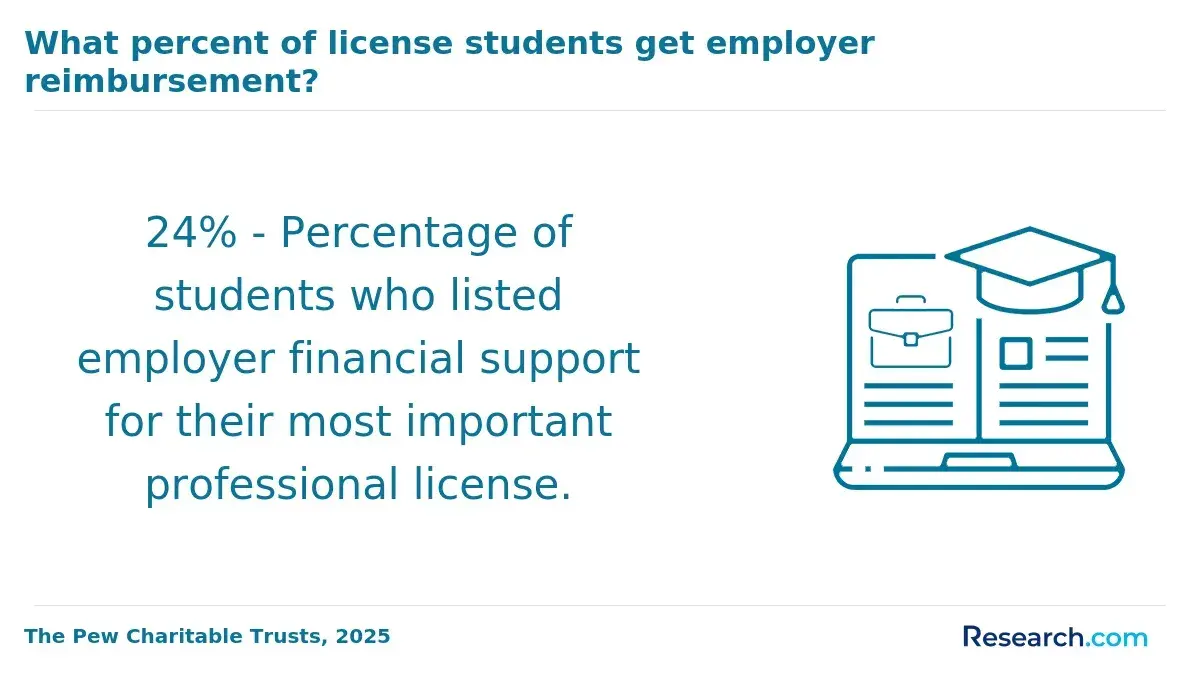
- Employer Tuition Assistance: Working adults can often access employer-sponsored tuition reimbursement programs that substantially lower immediate expenses. This benefit complements other aid types, empowering students to advance their careers while managing education costs efficiently.
- Military Education Benefits: Veterans, active-duty military, and their families are eligible for GI Bill® benefits and tuition assistance under federal and state initiatives. These robust resources increase affordability for those pursuing accelerated patient safety & quality degrees online.
Strategically combining these resources is crucial to reduce loan balances and total expenses throughout the program. Students should also explore options like workforce retraining programs and verify aid eligibility, renewal policies, and accreditation. Nontraditional learners can find competitive options similar to those in RN to BSN pathways, where scheduling flexibility and accelerated pacing meet financial aid strategies tailored to their needs.
What Should Students Look for When Choosing an Affordable Accelerated Patient Safety & Quality Program?
Choosing the right accelerated online patient safety & quality degree can greatly influence debt levels, graduation speed, and career prospects. Nearly 70% of online learners cite affordability and flexibility as top factors in program selection. The following highlights key criteria to consider when comparing cost-effective options tailored for busy and diverse students.
- Accreditation Status: Confirm programs hold recognized accreditation to ensure academic integrity, access to federal aid, and employer acceptance-this safeguards degree value and future opportunities.
- Total Tuition and Fees: Examine all costs beyond base tuition-including technology and administrative fees-to gauge true affordability. Transparent breakdowns help prevent unexpected expenses and manage debt.
- Transfer-Credit Policies: Prior college or professional credits can shorten time-to-degree and reduce costs. Programs with generous, clear policies for credit acceptance offer valuable flexibility.
- Scheduling Flexibility: Look for asynchronous formats and competency-based models that accommodate work commitments and accelerate completion without sacrificing quality.
- Student Support Services: Robust online advising, tutoring, and career resources boost graduation rates and enhance job readiness-critical for nontraditional students balancing multiple demands.
What Do Students Say About Cheap Accelerated Online Patient Safety & Quality Degree Programs?
- Esteban: "As someone balancing a full-time job and family responsibilities, the flexible schedules offered by accelerated patient safety & quality degree programs were a game-changer. I was able to complete courses in less time without sacrificing my income. Plus, the availability of financial aid specifically for online students helped me manage costs without taking on too much debt."
- Alexis: "Switching careers was daunting, especially when budget constraints were a major concern. I appreciated how carefully researching affordable accelerated patient safety & quality programs allowed me to find quality education without breaking the bank. The streamlined coursework and financial support made it possible for me to transition smoothly and confidently into my new field."
- Eli: "As a nontraditional student, affordability and time efficiency were at the top of my list. The cheapest accelerated patient safety & quality programs I found provided not only accessible tuition rates but also robust financial aid options. Their flexible pacing let me maintain my work-life balance while earning my degree faster than I expected."
Other Things You Should Know About Patient Safety & Quality Degrees
Graduates of accelerated patient safety & quality programs often enter roles in healthcare quality management, risk assessment, and compliance. Common positions include patient safety coordinators, quality improvement specialists, and healthcare compliance officers. These roles focus on enhancing care processes and reducing errors in clinical environments.
Many online programs integrate practical training through virtual labs, case studies, and local internship placements arranged by the school. Students typically complete clinical or project-based experiences at healthcare facilities near their residence, ensuring hands-on learning despite the online format. This hybrid approach maintains real-world application alongside online coursework.
Most accelerated patient safety & quality programs follow a structured schedule with set deadlines to maintain academic rigor and timely progression. However, some programs offer a degree of flexibility through asynchronous coursework, allowing students to complete assignments within a defined window. This balances accelerated pacing with the needs of working adults.
References
- Enhancing Patient Safety through medical education - A crucial imperative - ESAIC https://esaic.org/enhancing-patient-safety-through-medical-education-a-crucial-imperative/
- SCHOLARSHIPS & OTHER OPTIONS - Med College https://medcollege.edu/financial-aid/scholarships-other-options
- Flexible Scheduling Options in Healthcare (and How to Find Them) | INNOVA People https://innovapeople.com/2026/03/16/flexible-scheduling-options-in-healthcare-and-how-to-find-them/
- Flexible Work Schedule: Why It Matters in Healthcare https://clinishift.com/flexible-work-schedule/
- Flexible Scheduling in Healthcare: The Key to a Happier, More Productive Workforce - Staffbot Flex https://staffbotflex.com/flexible-scheduling-in-healthcare-the-key-to-a-happier-more-productive-workforce/
- The Ultimate Guide to Flexible Scheduling Strategies for Nurse Managers | Shiftmed Blog https://www.shiftmed.com/insights/knowledge-center/flexible-scheduling-strategies-for-nurse-managers/
- Focused Certificate in Healthcare Quality & Safety | ISQua https://isqua.org/focused-certificate-qips/
- Private healthcare and public healthcare: whats the difference? https://www.virtual-college.co.uk/resources/private-healthcare-and-public-healthcare-whats-the-difference
- Government vs. Private Sector Healthcare Careers https://www.aroragroup.com/2026/01/28/government-vs-private-sector-healthcare/
- Online Health Science Degrees with Financial Aid https://www.edumed.org/online-schools/health-science-degrees/financial-aid/