2027 Cheapest Online Legal Services Associate Degree Programs That Pay Well: Tuition, Duration, and Career Outcomes

Co-Founder and Chief Data Scientist
Choosing a cheap online legal services associate degree is really a cost-versus-career decision: can the credential lead to stable legal support work without unnecessary debt? The payoff can be meaningful, but it varies by role and location. The U. S. Bureau of Labor Statistics reported a May 2024 median pay of $61,010 for paralegals and legal assistants, making low-cost programs worth comparing carefully. This guide helps prospective students evaluate tuition, duration, accreditation, transfer options, and realistic career outcomes before enrolling.
Key Things You Should Know
- The strongest low-cost options are usually public community colleges with online paralegal, legal studies, or legal assisting associate degrees; in-district or in-state tuition can be far lower than private online tuition.
- For salary planning, use role-specific data: BLS May 2024 median pay was $61,010 for paralegals and legal assistants, but entry-level offers may be lower and vary by state, firm size, and experience.
- The best ROI is rarely based on tuition alone; compare total credits, fees, transferability, internship access, ABA approval where relevant, and whether the degree prepares you for jobs that require only an associate credential.
Which Are the Cheapest Online Legal Services Associate Degree Programs That Lead to Well-Paying Careers?
The cheapest online legal services associate degree programs that can support well-paying career paths are typically career-focused paralegal or legal assisting programs at public colleges. A legal services associate degree usually covers legal research, civil litigation, contracts, torts, legal writing, ethics, law office technology, and document preparation. It is not a law degree and does not qualify graduates to practice law, but it can prepare students for legal support roles in law firms, courts, corporations, insurance companies, government agencies, and compliance departments.
The table below highlights affordable online or substantially online program types students commonly compare. Tuition changes frequently, so use the listed cost logic as a starting point and verify the current catalog, residency rules, online fees, and required credits before applying.
| Program or school type to compare | Common online degree name | Why it may be affordable | Best-fit career goal | Cost and value caution |
| California community colleges with online paralegal or legal studies options | AA, AS, or Certificate-to-Associate pathway in Paralegal Studies or Legal Studies | Resident per-credit tuition at California community colleges is among the lowest public rates in the U.S. | Paralegal assistant, legal assistant, law office support, transfer to a bachelor's degree | Nonresident tuition and local availability can change the real price substantially. |
| Large public community colleges with online legal assisting programs | AAS in Paralegal, Legal Assisting, or Legal Support | Community colleges often charge lower tuition and may accept transfer or prior-learning credits | Direct entry into law office, court, government, or corporate legal support roles | AAS degrees may be less transfer-friendly than AA or AS degrees unless an articulation agreement exists. |
| State university system community colleges | AS in Legal Studies or Paralegal Studies | State systems may offer consistent tuition, online student support, and transfer pathways | Students who want an affordable associate degree now and a bachelor's option later | Some legal studies degrees are more academic than job-focused, so check required paralegal courses. |
| Online public colleges with accelerated terms | AAS or AS in Legal Support Services | Short terms can help motivated students finish faster and reduce opportunity cost | Working adults who can handle compressed coursework | Accelerated does not always mean cheaper if tuition is charged per credit and fees are high. |
| Private nonprofit or private career colleges | AA or AAS in Paralegal Studies, Legal Support, or Legal Studies | May offer frequent starts, structured online delivery, and adult-student advising | Students who need high scheduling predictability or extensive online support | Often costs more than public colleges; compare net price after grants, not sticker tuition. |
Students comparing legal services with adjacent public safety fields may also want to review the best online associate degree programs in criminal justice, especially if their target roles involve courts, corrections, probation support, victim advocacy, or law enforcement administration rather than law office work.
A cheap program is most likely to lead to better-paying legal support work when it combines low tuition with employer-recognized coursework. Before you treat any school as a top-value choice, confirm that the curriculum includes legal research platforms, litigation procedure, legal writing, ethics, document drafting, and an internship or capstone that produces work samples.
How Much Does an Online Legal Services Associate Degree Cost?
Online legal services associate degree costs vary because schools price tuition by residency, credit load, program type, and online fees. Most associate degrees require about 60 to 65 credits, so a $100 difference in per-credit tuition can change the final bill by $6,000 or more before books and fees.
The most useful way to compare price is to calculate total program cost, not the tuition line on a marketing page. The table below shows the cost categories that typically affect the final amount a student pays.
| Cost factor | What to check | Why it matters for affordability |
| Per-credit tuition | Resident, nonresident, online, military, and out-of-district rates | The cheapest advertised rate may apply only to local or in-state students. |
| Required credits | Total degree credits plus any prerequisite or developmental courses | A 64-credit program can cost more than a 60-credit program even with similar tuition. |
| Online and technology fees | Per-course or per-credit online charges | These fees can erase the savings of a low tuition rate. |
| Books and legal research tools | Textbooks, database access, citation manuals, and software | Legal courses may require specialized resources beyond standard textbooks. |
| Residency and transfer policies | Maximum transfer credits and minimum credits that must be completed at the school | Generous transfer rules can reduce both cost and time to completion. |
| Graduation, transcript, and exam fees | One-time administrative charges | Small fees matter when comparing very low-cost programs. |
As a practical benchmark, public two-year colleges are often the lowest-cost starting point. College Board's 2024 pricing data placed average published tuition and fees for public two-year in-district students at $4,050 for an academic year. That figure is not a program-specific legal services price, but it helps explain why community colleges often appear at the top of affordability comparisons.
To calculate your own estimate, use a consistent formula before comparing schools. This prevents a low advertised rate from hiding extra charges.
- Multiply required credits by the tuition rate that applies to your residency and online status.
- Add mandatory online, technology, course, graduation, and student service fees.
- Estimate books, legal research tools, software, and exam preparation costs.
- Subtract grants, scholarships, employer tuition assistance, military benefits, and accepted transfer credits.
- Compare the final net cost with realistic first-year earnings for your target job, not only median career wages.
Students who are weighing legal services against a broader justice-related credential can also compare the typical criminal justice degree price to see how tuition, fees, and online delivery costs differ across related programs.
How Long Does It Take to Complete an Online Legal Services Associate Degree?
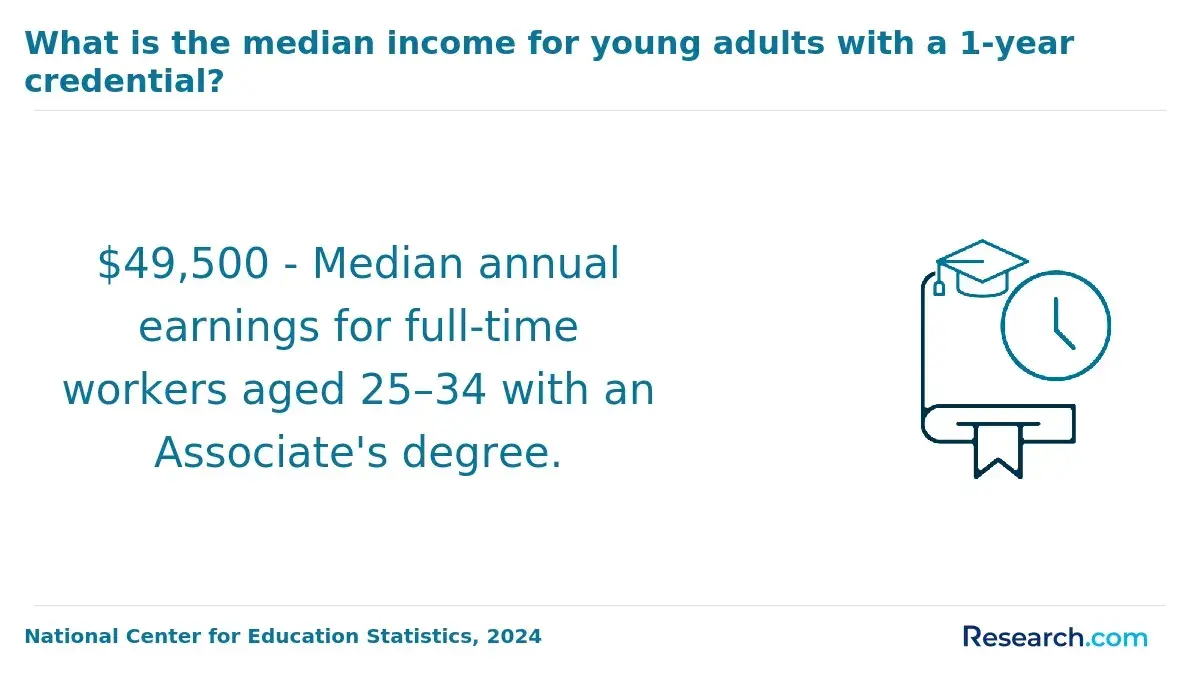
Most online legal services associate degrees take two years of full-time study, but actual completion time depends on enrollment intensity, transfer credits, course availability, and whether the program uses traditional semesters or accelerated terms. Part-time students commonly need longer because legal writing, research, and procedure courses are sequential in many curricula.
The table below compares common completion formats so students can evaluate time as part of ROI. A faster program can improve value if it helps you enter the workforce sooner, but only if the pace is realistic.
| Enrollment format | Typical pace | Who it fits best | ROI consideration |
| Full-time traditional online | About 4 regular semesters | Students who can take 12 to 15 credits per term | Often the best balance of speed, workload, and financial aid eligibility. |
| Part-time online | Often 3 to 4 years | Working adults, parents, and students with unpredictable schedules | Lower term-by-term cost but delayed earnings and possible fee accumulation. |
| Accelerated online | Shorter terms with year-round courses | Organized students with strong reading and writing skills | Can reduce opportunity cost, but compressed legal assignments can be demanding. |
| Transfer-heavy completion pathway | Varies by accepted credits | Students with prior college, military training, or related certificates | Usually the fastest low-cost route if credits apply directly to the degree. |
| Internship-based pathway | May require an additional term or scheduled field hours | Students seeking practical legal office experience | May take longer, but can improve employability and local networking. |
Do not assume the shortest program is automatically the best deal. Legal services courses require careful reading, citation, drafting, and deadlines similar to law office work. If an accelerated schedule causes course withdrawals or repeated classes, the cheaper-looking option can become more expensive.
The highest-paying careers connected to an online legal services associate degree are usually specialized legal support roles rather than general office jobs. Paralegal and legal assistant roles are the clearest fit, but graduates may also pursue court, compliance, claims, title, records, contract, or government support positions depending on local hiring requirements.
The table below uses BLS May 2024 national wage data where available. National medians are useful for comparing occupations, but students should still check local job postings because entry-level wages can be lower and some employers prefer bachelor's degrees or prior legal experience.
| Career path | How the associate degree helps | May 2024 median pay | Important limitation |
| Paralegal or legal assistant | Directly aligned with legal research, document preparation, litigation support, and client file management | $61,010 | Some competitive firms prefer experience, internships, or bachelor's-level education. |
| Court, municipal, or legal records support | Builds familiarity with legal documents, court processes, confidentiality, and case management | Varies by government classification | Public-sector pay scales and civil service rules differ by jurisdiction. |
| Claims, insurance, or title support specialist | Legal terminology and document review skills can support contracts, claims files, and property records | Depends on occupational classification | Industry knowledge or licensing may be required for some insurance roles. |
| Compliance or contract assistant | Legal writing, research, and records skills can transfer to regulated business settings | Often depends on employer and industry | Higher-level compliance analyst roles frequently require a bachelor's degree. |
| Legal secretary or administrative assistant | Prepares students for law office procedures, legal formatting, scheduling, and file systems | Role-specific pay varies by setting | Administrative roles may pay less than paralegal roles unless specialized. |
AI and automation are changing legal support work, but they have not removed the need for trained staff who can manage documents, deadlines, confidentiality, and attorney supervision. Students should prioritize programs that teach legal technology, e-discovery basics, document management, ethical AI awareness, and professional legal writing because these skills are increasingly relevant in law firms and corporate legal departments.
If your long-term goal is management in public agencies, court administration, or policy work, an associate degree may be only the first step. Some students eventually move from legal services or criminal justice into graduate public administration programs, including a 1 year MPA online, but that route normally requires completing a bachelor's degree first.
The affordable online legal services associate degree with the best return on investment is the one that minimizes net cost while preserving job readiness and future education options. A $3,000 cheaper program may not be the better investment if it lacks transferable credits, legal research training, internship access, or employer recognition in your area.
Use the table below to think about ROI by student goal rather than by sticker price alone. The strongest choice depends on whether you want immediate employment, bachelor's transfer, or a flexible way to change careers while working.
| Student goal | Best degree structure | Why it may produce stronger ROI | Watch out for |
| Start working in a law office quickly | AAS in Paralegal Studies or Legal Assisting | Usually includes practical legal courses, office procedures, and career-focused assignments | May not transfer cleanly into a bachelor's program. |
| Transfer to a bachelor's degree | AA or AS in Legal Studies, Paralegal Studies, or related transfer pathway | General education credits may apply more easily to a four-year degree | May include fewer hands-on paralegal courses unless carefully selected. |
| Keep costs as low as possible | Public community college with online delivery and resident tuition | Lower tuition can reduce debt and make entry-level wages more manageable | Residency rules, fees, and limited course rotation may affect the final cost. |
| Change careers while employed | Part-time online program with evening, asynchronous, or accelerated terms | Allows continued income while building legal support skills | Longer completion time can delay career benefits. |
| Move into compliance or government work later | Transfer-oriented associate degree with strong writing and research requirements | Creates a foundation for bachelor's completion and career advancement | Associate-only job options may be narrower in competitive markets. |
A simple tuition-to-earnings comparison can help you avoid overpaying. If a program's net cost is close to or higher than a realistic first-year salary for your target local job, look for a lower-cost public option, more transfer credits, employer assistance, or a different pathway.
Common ROI mistakes include comparing median wages to entry-level offers, ignoring local job demand, assuming online study eliminates all expenses, and choosing the cheapest school without checking whether employers recognize the credential. The best low-cost option should make your next step easier, not just your first bill smaller.
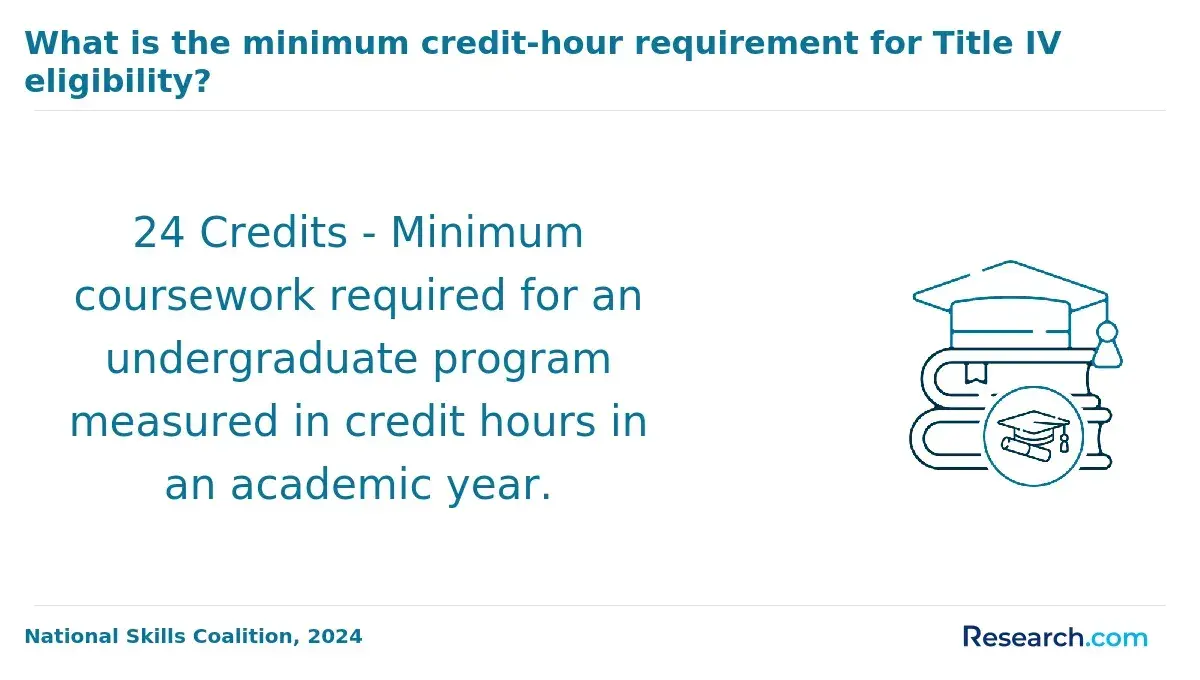
Financial aid can substantially reduce the cost of an online legal services associate degree, especially at accredited public colleges. The most important distinction is between the advertised price and the net price after grants, scholarships, employer benefits, and accepted transfer credits.
Students should investigate several aid sources before deciding that a program is too expensive. The options below are especially relevant for online associate degree students.
- Federal Pell Grants: Available to eligible undergraduate students who complete the FAFSA and attend qualifying accredited institutions.
- State grants: Many states offer need-based aid for community college students, but residency and enrollment rules vary.
- Institutional scholarships: Public colleges and private schools may offer awards for adult learners, first-generation students, legal studies students, or high academic performance.
- Employer tuition assistance: Law firms, courts, insurers, banks, and government employers may help pay for job-related coursework.
- Military and veteran benefits: Eligible service members, veterans, and dependents may use federal or state education benefits at approved schools.
- Transfer and prior-learning credit: Accepted credits reduce the number of courses you must pay for, which can be more valuable than a small scholarship.
Federal Student Aid reported that the maximum Pell Grant for the 2024-2025 award year is $7,395. For a low-cost community college student, that amount can cover a meaningful share of tuition and fees, but eligibility depends on financial need, enrollment intensity, and school participation.
Before borrowing, ask the financial aid office for a program-level cost estimate based on your exact credits, residency, and course plan. If you must use loans, keep borrowing tied to a realistic employment plan and avoid taking extra debt for living expenses unless necessary.
Accreditation and program quality affect whether an online legal services associate degree is worth the price. At minimum, the college should hold institutional accreditation from an agency recognized by the U.S. Department of Education. Without recognized accreditation, students may lose access to federal financial aid, transfer options, employer acceptance, and bachelor's-degree pathways.
Legal services students should also understand the difference between institutional accreditation and program-level recognition. Some paralegal programs have American Bar Association approval, but not all strong programs do, and availability varies. ABA approval can be valuable in some legal markets, yet many employers still consider graduates from non-ABA programs if the school is accredited and the curriculum is rigorous.
Use the following checks to separate genuine affordability from a risky low price.
- Verify institutional accreditation through official databases, not only the school's website.
- Ask whether the legal services program is ABA-approved, state-recognized, or aligned with local employer expectations.
- Review required courses for legal research, legal writing, ethics, civil litigation, contracts, and law office technology.
- Confirm that online students receive access to library databases, tutoring, career services, and faculty support.
- Ask for graduation, retention, transfer, and job placement information if available.
- Check whether credits transfer to public four-year institutions or only count as electives.
Red flags include vague accreditation language, pressure to enroll quickly, unclear tuition pages, no published curriculum, limited faculty information, and promises of high salaries. A trustworthy program explains what the degree can and cannot do.
Flexible and accelerated online legal services associate degrees are best for students who need to balance school with work, caregiving, military service, or an unpredictable schedule. Flexibility can improve completion odds, but only when the structure matches how you actually learn.
The features below are worth comparing because they directly affect both convenience and cost. A flexible program should help you finish, not simply let you enroll.
- Asynchronous courses: Useful if you need to complete weekly assignments without scheduled live class meetings.
- Multiple start dates: Helpful for students who do not want to wait for a fall or spring semester.
- Accelerated terms: Best for students who can manage heavy reading, writing, and discussion deadlines in shorter sessions.
- Part-time degree maps: Important for working adults who need a predictable two-course or three-course schedule.
- Summer availability: Can shorten completion time if required legal courses are offered year-round.
- Online internships or local placement options: Valuable when the program requires field experience but you do not live near campus.
- Transfer-friendly advising: Essential for students bringing prior college credits or planning a bachelor's degree later.
Do not choose accelerated study just because it sounds efficient. Legal services courses are document-heavy, deadline-driven, and detail-oriented. If you are new to college or returning after a long break, a steady full-time or part-time schedule may produce a better return than rushing through courses and risking lower grades or withdrawals.
An online legal services associate degree can support career advancement, but its ceiling depends on your target role. It can help you enter legal support work, qualify for promotions from general administrative roles, or build a foundation for bachelor's study. It does not qualify you to become an attorney, and it may not be enough for higher-level compliance, policy, or management roles.
Students who may want a bachelor's degree should choose the associate program differently from students seeking immediate employment. AA and AS degrees are often more transfer-oriented because they include more general education courses, while AAS degrees are often more career-oriented because they include more technical and applied coursework.
The table below shows how common legal services associate pathways connect to longer-term goals. Transfer rules vary by school, so students should request written confirmation before enrolling.
| Pathway | Best first degree | Possible next step | Decision point |
| Paralegal employment first | AAS in Paralegal Studies or Legal Assisting | Work experience, professional certification, or bachelor's completion later | Choose practical coursework and internship access over general electives. |
| Bachelor's transfer | AA or AS in Legal Studies, Criminal Justice, Political Science, or related field | BA or BS in legal studies, criminal justice, public administration, or business | Confirm articulation agreements and how many credits transfer into the major. |
| Law school long-term | Transfer-oriented AA or AS | Bachelor's degree, LSAT or other admissions requirements, then JD application | An associate degree is only an early step and does not reduce the need for a bachelor's degree. |
| Court or public agency advancement | Legal studies, criminal justice, or public administration-aligned associate degree | Bachelor's degree or agency-specific training | Match the curriculum to public-sector hiring requirements in your state or county. |
If your interests span courts, public safety, and legal systems, an online criminal justice degree may offer a broader path than a legal services degree, especially for roles outside law firms. The better choice depends on whether you want legal document work, justice system operations, or public agency advancement.
How Should Students Choose the Cheapest Online Legal Services Associate Degree for Their Career Goals?
Students should choose the cheapest online legal services associate degree by matching price to a specific career or transfer goal. The right program is not simply the one with the lowest tuition; it is the one that gives you the strongest combination of affordability, completion likelihood, employer relevance, and future flexibility.
Use this step-by-step process to compare programs before applying. It turns tuition, duration, and salary information into a practical decision.
- Define your target outcome: immediate paralegal work, legal administrative support, court support, compliance support, or bachelor's transfer.
- Check local job postings to see whether employers request an associate degree, a bachelor's degree, paralegal certificate, ABA-approved program, experience, or specific software skills.
- Calculate total net cost using required credits, your exact tuition category, mandatory fees, books, technology, and expected aid.
- Compare completion time based on the schedule you can realistically maintain, not the fastest advertised option.
- Review curriculum quality, including legal research, writing, ethics, litigation, contracts, technology, and practical assignments.
- Verify accreditation, transfer agreements, internship options, online student support, and access to legal research tools.
- Ask whether credits transfer into a bachelor's degree as major, general education, or elective credits.
- Compare projected debt with realistic entry-level local wages, not only national median salaries.
- Look for red flags such as unclear costs, weak transfer policies, limited faculty information, or salary promises.
- Choose the program that best supports your next two steps, not only your first semester.
A low-cost associate degree is a good fit for students who want affordable entry into legal support work, need an online schedule, or plan to transfer later without paying four-year tuition from the start. It may be a poor fit for students whose target jobs require a bachelor's degree, licensure, attorney credentials, or graduate education.
When in doubt, ask each school direct questions: What is my total cost to graduate? Which credits will transfer? Are online students eligible for internships? What legal software will I learn? What jobs do recent graduates pursue? Clear answers are a sign of a program that respects both your time and your money.
Other Things You Should Know About Legal Services
No. An associate degree in legal services can prepare you for legal support work, but becoming a lawyer requires a separate legal education pathway, usually including a bachelor's degree, law school, and state bar admission.
It depends on your background. A certificate may be faster if you already have college credits or a degree, while an associate degree can be better if you need both general education and legal career preparation.
Some programs require an internship, while others offer a capstone or optional field experience. An internship can be valuable because legal employers often care about document skills, professionalism, confidentiality, and office experience.
AI is changing legal research and document review, but it also increases the need for workers who understand legal ethics, accuracy, confidentiality, and attorney supervision. Programs that teach legal technology and careful writing are likely to remain more useful.
- Average Cost of Law School [2025]: Tuition + Expenses https://educationdata.org/average-cost-of-law-school
- Online Degree vs. Traditional: Choosing the Right Path https://beal.edu/online-degree-vs-traditional/
- Law School Rankings by Median Salary https://www.ilrg.com/rankings/law/median
- Law Degree Careers and Salary in Europe - StudyinEurope.eu https://www.studyineurope.eu/legal-sciences/law-degree-careers-salary-europe/
- 2025 Most Affordable Online Associate Degrees https://www.onlineu.com/most-affordable-colleges/associate-degrees
- NALP | Public Interest Law Firm Employment for New Law Graduates https://www.nalp.org/0223research
- Associate Degree - Human Services - Online | Monroe University https://www.monroeu.edu/academics/undergraduate-programs/school-criminal-justice/online-associate-degree-human-services
- Law School Cost: How Much Does it Cost to Attend Online Law School? https://www.purduegloballawschool.edu/tuition
- Pros and Cons of Getting a Legal Degree Online https://onlinemasteroflegalstudies.com/mls-degrees/pros-and-cons-of-online-legal-degrees/
- Polish Graduate tracking system - articles https://ela.nauka.gov.pl/en/labor-market/young_lawyers_after_graduation