2027 Cheapest English as a Second Language Degree Programs for Working Adults

Co-Founder and Chief Data Scientist
Balancing a full-time job and family responsibilities leaves limited time and funds for adults seeking to advance their education. For many, pursuing an English as a second language degree might seem financially and logistically out of reach.
However, accredited programs offering asynchronous courses and generous transfer credit policies are making it easier to fit learning into busy lives. Approximately 60% of ESL professionals report that affordable, flexible degree options significantly impacted their career progression.
This article examines the cheapest English as a second language degree programs for working adults, highlighting key factors like affordability, accreditation, and scheduling flexibility to guide informed decisions.
Key Things to Know About the Cheapest English as a Second Language Degree Programs for Working Adults
- Most affordable English as a second language degree programs offer online formats, flexible scheduling, and credit transfer options to accommodate working adults balancing multiple responsibilities.
- Low-cost programs provide accessibility and accelerated paths but may involve tradeoffs in employer recognition and program length, making accreditation a crucial quality marker.
- Prospective students must assess total costs, financial aid, state residency rules, institutional accreditation, and support services for favorable career outcomes before enrolling.
What Are the Cheapest Accredited English as a Second Language Degree Programs Online?
Accredited online English as a second language degree programs offer working adults affordable and flexible paths to advance their education. Factors such as tuition structure, transfer credit policies, delivery format, and institutional accreditation can greatly affect overall cost and convenience.
With nearly one-third of all postsecondary students enrolled exclusively in distance education courses, affordability and online accessibility play key roles for adults balancing work and family commitments.
When comparing the cheapest accredited online English as a second language degree programs, consider these important factors:
- Accreditation Status: Accreditation ensures a program meets quality standards and qualifies students for federal financial aid. It also increases recognition among employers and other institutions, which supports long-term career and educational goals.
- Tuition and Fee Structure: Some programs offer flat-rate tuition per term or charge by credit hour, impacting how predictable and manageable education costs are. Out-of-state students may find varying tuition rates, so understanding fee structures helps in budgeting effectively.
- Transfer Credit Acceptance: Programs with flexible transfer policies allow adult learners to apply previous coursework toward their degree, reducing both time and expenses. This feature can be especially valuable for those seeking affordable ESL degree programs for working adults online.
- Scheduling Flexibility: Many online options provide asynchronous courses, letting students access materials and complete assignments on their own schedules. This flexibility is essential for working adults coordinating study with job and family demands.
- Financial Aid and Support Services: Availability of scholarships, grants, employer tuition assistance, and academic advising can ease financial pressure and support student success. These resources are vital in helping learners stay on track throughout their studies.
For those interested in healthcare education alongside language studies, exploring online PharmD programs may be worthwhile, given their increasing accessibility and affordability.
How Much Does an Online English as a Second Language Degree Cost for Working Adults?
The cost of an online English as a Second Language degree for working adults varies widely based on factors like tuition structure, school type, transfer credits, residency status, and program format. Affordability and scheduling flexibility are crucial for nontraditional learners balancing work and family.
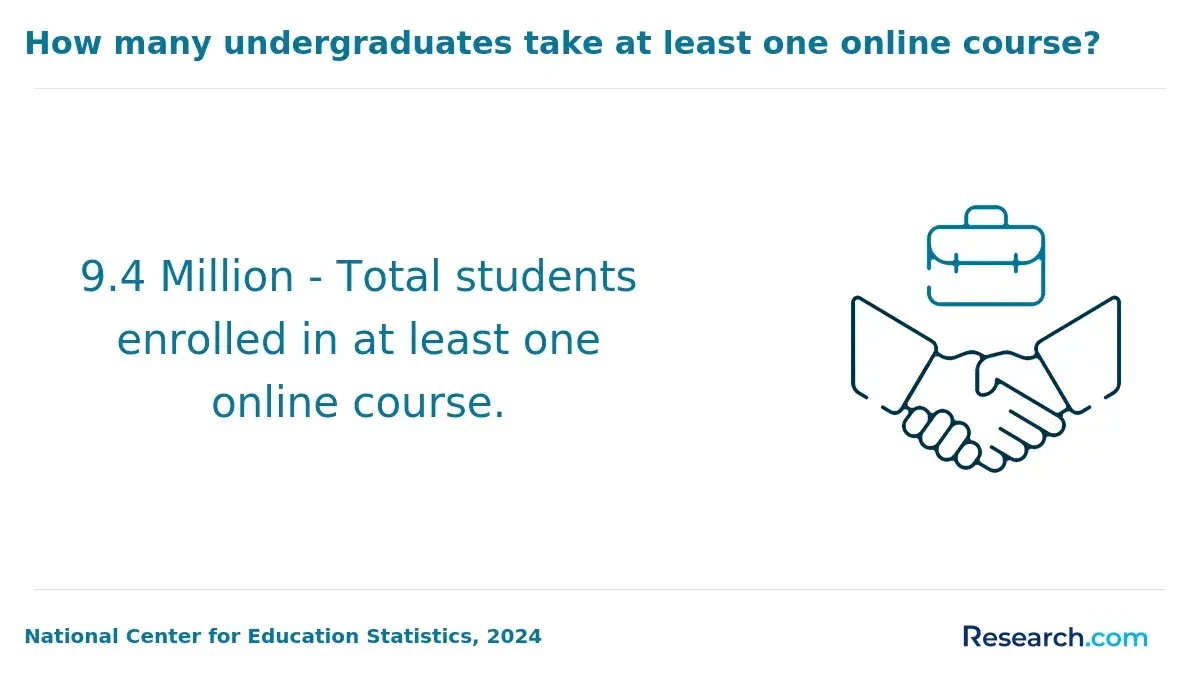
Over 60% of undergraduates took at least one online course in 2020, illustrating the growing demand for flexible, affordable education options. Total expenses often include more than tuition, such as fees and materials.
Several key factors influence the overall cost of these programs:
- Tuition Models: Tuition may be charged per credit hour, as a flat rate, or via subscription models. Public in-state institutions usually offer the most affordable per-credit rates, while private schools tend to be higher but may include additional resources.
- Transfer Credits: Programs that accept transfer credits can reduce the total number of required courses, lowering tuition expenses and shortening time to degree completion for working adults.
- Financial Aid Opportunities: Scholarships, grants, and employer tuition assistance can significantly offset costs. Many adult learners rely on these options to make affordable online English as a second language degree programs for adult learners more accessible.
- Technology and Fees: Additional charges for online platform access, digital resources, or proctoring services often apply. These fees vary by institution but can add to the total cost beyond tuition.
- Program Format and Enrollment: Full-time enrollment may increase short-term expenses but accelerate completion, while part-time study spreads costs over a longer period. Accelerated pathways can further reduce overall tuition by shortening degree timelines.
Working adults seeking affordable online degrees should also explore flexible options like those offered in nurse practitioner online programs that demonstrate similar patterns in balancing cost and schedule flexibility.
Are Cheap English as a Second Language Degree Programs Legitimate and Respected by Employers?
Affordability alone does not determine the legitimacy or quality of English as a second language degree programs. Institutional accreditation, reputation, curriculum rigor, and alignment with workforce needs often shape how employers view online and low-cost credentials.
Notably, recent data shows that over 70% of employers value accredited online degrees as equal to traditional on-campus degrees, reflecting a growing acceptance of flexible learning paths.
Several factors help working adults assess whether affordable programs will be respected by employers:
- Institutional Accreditation: Degrees from schools accredited by recognized agencies confirm adherence to academic standards, reassuring employers that the education meets industry expectations rather than being a low-cost shortcut.
- Curriculum and Workforce Relevance: Programs that incorporate up-to-date teaching methods and skills aligned with current workforce demands prepare graduates to contribute effectively, increasing employer confidence in their abilities.
- Faculty Qualifications: Experienced instructors with proper credentials ensure the instruction is credible and thorough, which reflects positively on the program's overall quality.
- Credit Transfer Policies: Affordable degrees that recognize prior college credits offer flexibility, helping working adults avoid repetition and complete their studies more efficiently.
- Employer Recognition of Online Learning: As employer familiarity with online education grows, accredited online programs increasingly gain equal footing, though institutional reputation and delivery quality remain key to perception.
A graduate of an English as a second language degree shared that beyond academic knowledge, the program helped strengthen collaboration and problem-solving skills, essential in diverse workplace environments. "I was initially worried about juggling work and coursework," he recalled, "but the flexibility taught me discipline and time management."
The experience also increased his cultural sensitivity, which he describes as invaluable for communication and teamwork in his career. These soft skills developed alongside academic learning provided practical benefits that employers often notice but may not explicitly list in job descriptions.
What Are the Best English as a Second Language Degree Programs for Working Adults?
Top English as a second language degree programs for working adults are typically evaluated based not only on affordability but also on flexible scheduling, accreditation, transfer credit acceptance, student support, and career relevance.
Online and hybrid options have broadened access to degree completion for nontraditional students, with nearly 40% of college students classified as adults balancing multiple responsibilities.
The following key features often distinguish strong programs for working adults:
- Flexible Scheduling: Programs that offer asynchronous coursework allow students to study at convenient times, supporting adults who juggle work and family commitments. This flexibility reduces stress and helps maintain steady progress toward the degree.
- Accreditation and Credit Transfer: Regionally or nationally accredited programs ensure academic standards are met and facilitate transfer credit acceptance. This reduces redundant coursework and shortens time to graduation for students with prior college credits.
- Affordability and Financial Aid: Competitive tuition rates combined with accessible financial aid or scholarships make programs manageable for adults on tight budgets. Accelerated pathways can also lower overall costs by enabling faster completion.
- Student Support Services: Robust tutoring, advising, and technical support services address the unique needs of adult learners. Such resources enhance retention by helping students overcome common academic and logistical challenges.
- Workforce Alignment: Curricula designed around current language teaching demands increase degree relevance and employer recognition. Programs that prepare students for real-world applications provide long-term career benefits.
For those seeking more options, including the best accelerated programs may offer additional pathways tailored to adult learners.
Which English as a Second Language Degree Programs Offer the Most Flexible Schedules?
Flexibility in scheduling plays a crucial role for working adults pursuing an English as a second language degree, enabling them to juggle job duties, family care, and other obligations. Online and hybrid program formats have expanded the range of options.
Reports from the National Center for Education Statistics note that more than 40% of postsecondary students now take at least one distance education course, underscoring the rising demand for adaptable learning.
The following features illustrate how ESL programs support flexible scheduling for adult learners:
- Asynchronous Coursework: Many programs offer online lessons and assignments that students can access anytime, helping those with unpredictable schedules manage their studies without fixed class times.
- Part-Time Enrollment: Options to take fewer courses per term extend the duration of the program, making it easier for students to balance education with work and family responsibilities.
- Multiple Start Dates: Having the option to begin courses in several semesters throughout the year allows learners to align their studies with personal and professional timelines.
- Hybrid Classes: Combining online learning with in-person sessions, often available during evenings or weekends, accommodates students who work standard business hours but still value face-to-face interaction.
- Transfer Credit Acceptance: Programs that recognize previous coursework can shorten degree completion times, reducing redundancy for adult learners who have prior academic experience.
A professional with an English as a Second Language degree shared that managing a full-time job alongside coursework was initially daunting. She appreciated programs with asynchronous options, stating, "Being able to study on my own time meant I wasn't forced to choose between work and education."
She also highlighted how multiple start dates allowed her to pause and resume studies as family needs shifted. Reflecting on her experience, she noted that such scheduling flexibility was essential not only for completing the degree but also for maintaining her well-being throughout the process.
What Are the Fastest and Cheapest English as a Second Language Degree Programs?
Many accredited English as a second language degree programs are tailored to help working adults complete their studies both swiftly and affordably. These programs often combine flexible scheduling, accelerated coursework, transfer credit options, and online learning formats to meet the unique demands of nontraditional students.
Notably, online education for adult learners has increased by 45% over the past decade. The key program features that support fast and cost-effective degree completion include:
- Accelerated Coursework: Shortened terms, commonly 8 to 12 weeks, allow students to earn credits faster than traditional 16-week semesters. This structure can significantly reduce the time required to finish a program without sacrificing academic rigor.
- Transfer Credit Acceptance: Many programs recognize previous college coursework, including ESL classes, enabling learners to bypass redundant courses. This often lowers tuition expenses and decreases the total credit load necessary for graduation.
- Asynchronous Learning: Courses available anytime provide maximum flexibility, allowing students to study around work and personal commitments. This format supports self-paced progress without the constraints of scheduled class times.
- Competency-Based Education: Some programs let students advance by proving mastery rather than spending fixed seat time. This option can shorten completion timelines, particularly for those with relevant experience or prior knowledge.
- Multiple Start Dates: Frequent enrollment opportunities throughout the year minimize delays between terms and let students begin their studies when it best fits their schedule.
Which Schools Accept the Most Transfer Credits for a English as a Second Language Degree?
Working adults seeking an English as a second language degree can greatly reduce both time and costs by transferring previously earned college credits, military training, professional certifications, or relevant prior learning. Institutions vary widely in their transfer credit policies, influenced by factors such as accreditation standards and program requirements.
Approximately 60% of postsecondary students utilize some form of transfer credit to accelerate degree completion, highlighting the importance of flexible transfer options.
The following key factors affect how many transfer credits an English as a second language program may accept for working adults:
- Accreditation Compatibility: Schools accredited by recognized regional or national agencies are more likely to accept transfer credits from institutions with similar accreditation. This compatibility ensures coursework meets academic standards and eliminates the need to retake equivalent classes, boosting affordability and accessibility.
- Transfer Equivalency Evaluations: Prompt and clear evaluations allow students to understand which prior credits count toward their degree before enrolling. Early credit assessment supports better academic planning and helps avoid paying for unnecessary courses, which is crucial for managing tight budgets and schedules.
- Residency Requirements: Many programs mandate that students complete a certain number of credits directly at their institution. Programs with lower residency thresholds offer greater flexibility by accepting more transfer credits, enabling faster progression for working adults balancing education with other responsibilities.
- Articulation Agreements: Formal partnerships between community colleges and universities streamline credit transfers by recognizing specific coursework. These agreements reduce transfer barriers for community college graduates and other students, facilitating smoother transitions into english as a second language programs.
- Prior Learning Assessments (PLAs): PLAs validate applicable military experience, certifications, or professional skills as academic credits. This option increases affordability and scheduling flexibility for adult learners by turning existing knowledge into degree progress without repeating coursework.
What Financial Aid Options Are Available for English as a Second Language Students?
Financial aid opportunities can significantly reduce the cost of earning an English as a second language degree for working adults, helping to manage tuition and related expenses. About 42% of undergraduate students utilize some form of financial aid, highlighting its importance in postsecondary education affordability.
The common financial aid options for English as a second language students include:
- Federal Grants and Loans: Pell Grants and Stafford Loans provide essential need-based aid and low-interest borrowing options. Pell Grants often do not require repayment, easing out-of-pocket costs for working adults balancing family and job responsibilities.
- Employer Tuition Assistance: Many employers offer tuition reimbursement or assistance for employees pursuing degrees related to their career, including English as a Second Language studies. This aid often encourages degree completion and supports scheduling flexibility.
- Scholarships for Adult Learners: A variety of scholarships are available through institutions, nonprofit groups, and professional associations targeting adult students or those studying language education. Scholarships reduce overall debt since repayment is not required.
- Military and Veteran Benefits: Programs such as the Post-9/11 GI Bill help active-duty personnel and veterans with tuition, fees, and stipends for books and housing. These benefits make higher education more accessible without financial strain for those transitioning from military service.
- Institutional Affordability Measures: Payment plans allow tuition to be spread over manageable installments, and prior learning assessments can reduce course requirements, shortening degree timelines and lowering costs for nontraditional students.
For those aiming to discover affordable options that fit their schedule and budget, examining the best DNP programs online can provide insights into flexible learning models and support services.
What Jobs Can You Get With a English as a Second Language Degree?
An English as a second language degree equips working adults with skills essential for a wide range of career opportunities, from entry-level to specialized roles. Employment in adult basic and secondary education is projected to grow 10% from 2022 to 2032, reflecting strong demand for professionals in this field.
The common career pathways associated with an English as a second language degree include:
- Entry-Level Roles: Positions such as instructional assistants or language support specialists help learners improve their English skills in schools, workplaces, or community programs. These jobs emphasize interpersonal communication and provide a foundation for further career growth.
- Curriculum Development and Consulting: Mid-level roles involve designing and implementing educational programs that address diverse learner needs. Adults pursuing this pathway benefit from the theoretical knowledge and practical experience the degree provides.
- Administrative and Management: Roles like program coordinators or ESL program directors oversee language education initiatives and staff, leveraging leadership and organizational skills gained through the degree.
- Community-Based Careers: Working with immigrant or refugee populations, professionals provide language assistance and cultural orientation, requiring strong advocacy and cultural competence skills.
- Specialized Positions: Emerging roles such as speech-language pathology assistants or technology integrators combine language expertise with healthcare or tech skills, expanding career options.
For working adults seeking affordable, accredited, and flexible degree programs, exploring the cheapest online nutrition degree pathways can provide insight into balancing cost and quality while pursuing credential attainment and career mobility.
What Should Working Adults Look for When Choosing a English as a Second Language Degree Program?
Working adults often assess English as a second language degree programs by balancing factors like affordability, flexibility, accreditation, career relevance, and long-term value while managing employment, family, and other commitments.
The rise of online and hybrid learning models has notably improved access for nontraditional students, with recent data showing that 59% of postsecondary students have taken at least one online course.
Several key aspects bear consideration when selecting an ESL degree program:
- Accreditation: Ensuring the program is accredited by recognized agencies confirms educational standards and facilitates credit transfer, which is crucial for degree legitimacy and future employer recognition.
- Scheduling Flexibility: Programs offering asynchronous or part-time options help learners juggle studies with work and personal responsibilities, reducing scheduling conflicts and supporting degree completion.
- Transfer Credit Policies: Accepting prior coursework or credentials can shorten the time and reduce the cost needed to earn a degree, making education more efficient for experienced learners.
- Affordability and Financial Aid: Competitive tuition rates combined with available financial aid or payment plans can ease the financial burden often faced by working adults.
- Online Learning Accessibility: Fully online or hybrid offerings remove geographic and time constraints, enabling greater participation among part-time and working students.
What Do Students Say About Affordable English as a Second Language Degree Programs?
- Jason: "When I decided to pursue an english as a second language degree, I focused heavily on finding affordable programs accredited by recognized institutions. It's crucial for working adults like me to ensure the degree will be respected by employers and not just the cheapest option available. Balancing work, family, and studies meant selecting programs with flexible schedules and options to transfer my previous credits, which made the entire process manageable and worth the effort."
- Camilo: "As a nontraditional student returning to education, my biggest challenge was finding a program that fit around my unpredictable work shifts. Fortunately, I discovered several english as a second language programs that offer highly flexible course formats, including asynchronous classes that allowed me to study on my own time. I also learned the importance of researching a program's legitimacy to avoid wasting time on degrees that wouldn't help my long-term career prospects."
- Alexander: "Reflecting on my experience, I realize how important it was to thoroughly verify the accreditation status of the english as a second language programs I considered, especially since cost was a major factor. Affordable doesn't always mean reputable, so I made sure my chosen school's credentials were recognized in the job market. I'm glad I prioritized transfer credit policies too, which saved me time and money, aligning well with my goal of advancing professionally without overextending myself."
Other Things You Should Know About English as a Second Language Degrees
Yes, many of the cheapest English as a second language degree programs are designed with working adults in mind. These programs often offer part-time enrollment, evening, and weekend classes or asynchronous online courses, allowing flexibility around work schedules. It is important to confirm a program's delivery format and time requirements before enrolling.
Practical teaching experience, such as student teaching or practicum placements, is a crucial component of most accredited ESL degree programs, even the more affordable ones. However, the depth and duration of these experiences can vary. Working adults should ensure the program includes hands-on teaching elements to meet certification and job market expectations.
In 2027, cost-effective ESL degrees typically involve tuition ranging from $5,000 to $20,000 annually, depending on the institution and program format (online or on-campus). Additional costs may include books, resource materials, and tech fees. It's crucial to research and compare programs to ensure they meet professional and budgetary needs.
Online ESL degree programs, including the most affordable options, typically employ qualified instructors who follow standardized curricula approved by accrediting agencies. They use interactive tools, assessments, and student support services to maintain academic rigor. Prospective students should review accreditation status and course syllabi to confirm program quality before enrollment.
References
- How to Consider an English As A Second Language Course | NCC https://www.northwestcareercollege.edu/blog/how-to-consider-an-english-as-a-second-language-course/
- Our programmes and pricing | British Council Poland https://www.britishcouncil.pl/en/english/adults/classes/programmes-pricing
- Best English as a second language Programs https://www.summerapply.com/popular-programs/english-as-a-second-language/
- Best ESL courses for adults | ITTT TEFL & TESOL https://www.tesolcourse.com/ia/best-esl-courses-for-adults/
- Study Intensive English as a Second Language in the USA | Study in the USA https://www.studyusa.com/en/field-of-study/505/intensive-english-as-a-second-language
- Why a Flexible English Schedule Can Lead to Better Language Mastery https://ilcentres.com/post/why-a-flexible-english-schedule-can-lead-to-better-language-mastery-2
- TEFL Certification Cheap: Affordable Paths to Teaching | TEFL Institute https://teflinstitute.com/blog/tefl-certification-cheap-options/
- 20 Most Affordable Online Masters in TESOL Adult Learning Programs https://www.bestcollegesonline.org/most-affordable/online-masters-tesol-adult-learning/