2027 Cheapest Accredited Online Hospitality Management Master's Programs With No Out-of-State Tuition Surcharge

Co-Founder and Chief Data Scientist
An online hospitality management master's can be a practical route to leadership roles without relocating, but advertised tuition can hide residency premiums, fees, and required travel. The U.S. Bureau of Labor Statistics projects employment of lodging managers to grow 3% from 2023 to 2033, creating openings as experienced managers retire or change occupations.
This guide helps working hospitality professionals compare accredited, residency-neutral programs, calculate their real cost, verify quality, and decide whether a low-price degree supports their career goals.
Key Things You Should Know
- A true no-out-of-state-surcharge program charges the same published online tuition to eligible students regardless of where they live, but it is not automatically the lowest-total-cost option after fees, travel, and required credits.
- Institutional accreditation is the essential baseline to verify; hospitality-specific recognition can add value for some career paths, but it does not replace institutional accreditation.
- Compare net cost, not tuition alone: graduate Direct Unsubsidized Loans are generally limited to $20,500 per academic year, so employer aid, scholarships, completion time, and transfer policies can materially affect borrowing.
What Does No Out-Of-State Tuition Surcharge Mean for an Online Hospitality Management Master's Program?
A no-out-of-state-tuition-surcharge policy means an institution does not add a higher nonresident tuition rate because an online student lives outside the university's home state. Schools may call this "flat online tuition," "one rate," "distance-learning tuition," or "same tuition for all online students." It usually applies to tuition, not necessarily to every fee.
This model benefits professionals who want to keep working where they live, including hotel supervisors, food-service managers, event professionals, destination-marketing staff, and tourism operators. It can be especially valuable when a public university's ordinary nonresident rate is substantially higher than its resident rate. Still, a flat rate may exceed a public university's in-state rate, so a local resident should compare both options.
The table distinguishes common pricing models. Ask the program - not just the university's general admissions office - which model applies to the exact online master's degree and your intended start term.
| Tuition model | How residency affects tuition | Best fit | Important limitation |
| Flat online tuition | Eligible online students pay one tuition rate | Students living outside the institution's state | Program, technology, and course fees may still vary |
| In-state and out-of-state rates | Nonresidents pay a higher published rate | Residents of the university's state | Moving solely for tuition savings may not be worthwhile |
| Online tuition waiver | Some nonresidents receive a reduced rate | Students meeting stated waiver conditions | Eligibility can be limited by program, term, or enrollment level |
| Private-university tuition | Usually one published rate regardless of residency | Students prioritizing predictable pricing | The starting rate may be higher than public in-state tuition |
Do not treat "no out-of-state tuition" as a promise of free tuition, a residency classification, or permanent price protection. Tuition schedules can change by academic year, and a school may reserve the right to revise rates for future terms.
How Can Students Verify Accreditation for an Affordable Online Hospitality Management Master's Program?
Start with institutional accreditation. This confirms that the university has been reviewed by an accrediting agency recognized by the U.S. Department of Education or the Council for Higher Education Accreditation. Institutional accreditation matters for federal aid eligibility, employer confidence, credit transfer, and later doctoral study.
Hospitality management does not have one universally required programmatic accreditor for every management role. Some schools pursue hospitality, business, tourism, or culinary-focused recognition; others rely on institutional accreditation and industry-aligned curriculum. Programmatic recognition can be a useful differentiator, particularly for a specialized career goal, but it should not be mistaken for a substitute for recognized institutional accreditation.
Use this verification sequence before paying an application fee. It protects against a common mistake: relying on a logo, marketing language, or a school's claim without confirming the accreditor and the program's delivery status.
- Find the university's institutional accreditor on its official accreditation page and confirm that the accreditor is recognized by the U.S. Department of Education or CHEA.
- Confirm that the specific hospitality management master's degree is offered by the accredited institution, rather than by an unaccredited partner or third-party provider.
- Ask whether the online format, concentration, and state where you live are included in the program's authorization to enroll students.
- If the school cites specialized recognition, ask what organization granted it, what it covers, and when the recognition expires.
- Request written confirmation of accreditation, tuition, and degree requirements for your intended entry term.
Accreditation does not by itself prove that a program is affordable or career-focused. Also examine faculty industry experience, capstone or internship expectations, employer connections, student services for online learners, and whether the curriculum covers revenue management, operations, analytics, leadership, guest experience, finance, and hospitality technology.
How Much Does the Cheapest Online Hospitality Management Master's Program Cost in Total?
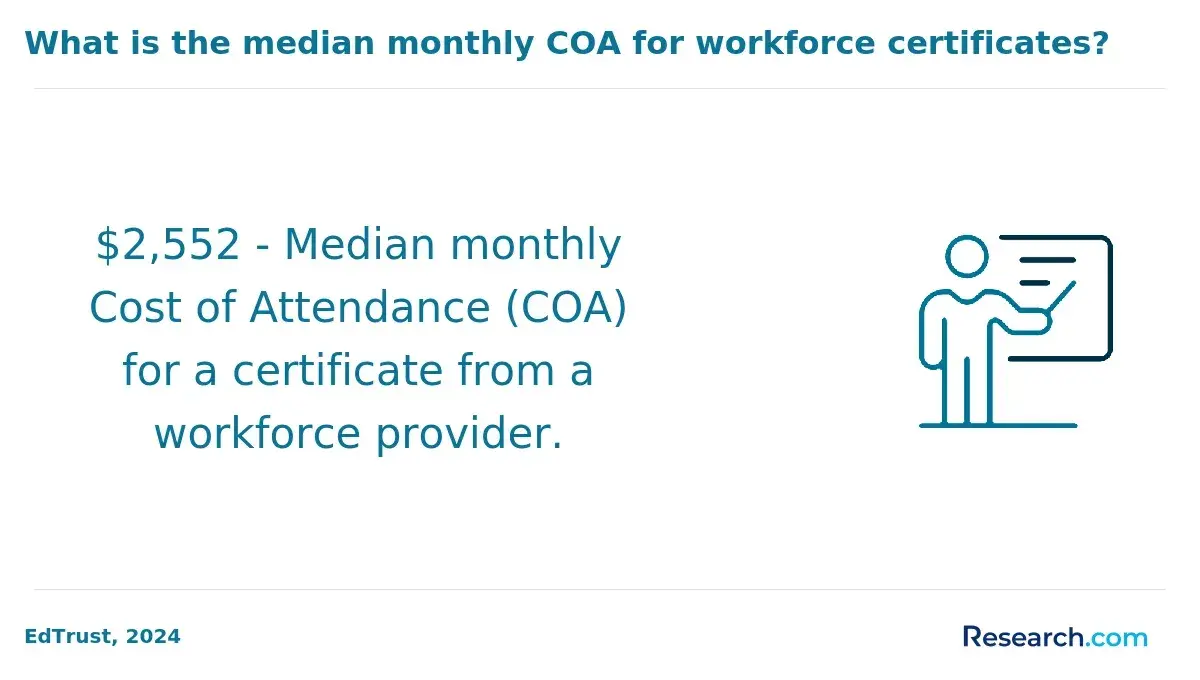
The cheapest program is the one with the lowest total amount you must pay to complete the degree, not necessarily the lowest advertised per-credit rate. Total cost begins with required credits multiplied by the applicable tuition rate, then adds mandatory fees and unavoidable educational expenses. A 30-credit program with a modestly higher per-credit price may cost less than a 36-credit program with a lower advertised price.
Before comparing schools, build one estimate for every program using the same categories. This framework prevents a low tuition figure from obscuring recurring online fees, books, a required on-campus experience, or an internship-related expense.
| Cost component | How to calculate it | What to confirm |
| Tuition | Required credits × published online rate | Whether the rate is identical for nonresidents and locked for continuing students |
| Mandatory fees | Per-credit, per-course, or per-term fees × expected enrollment | Technology, distance-learning, student-service, application, and graduation fees |
| Books and course materials | Estimate by course sequence | Inclusive-access charges, simulations, cases, and required software |
| Travel and residency costs | Transportation, lodging, meals, and missed work | Campus visits, orientation, capstone presentations, and internships |
| Financing cost | Interest and fees if borrowing | Whether part-time enrollment changes loan eligibility or repayment timing |
For example, calculate tuition from the exact number of credits required after any approved transfer credit, then add every mandatory term-based charge. Request a written program-cost worksheet from each school and save the tuition-page date. This is more reliable than using a generic graduate-school price or an online tuition calculator that may not include hospitality course fees.
Programs marketed as 12-month master's programs online may reduce living and opportunity costs for students who can study intensively, but an accelerated calendar does not automatically reduce tuition. Confirm whether the price is per credit, per term, or a cohort-wide amount.
Do Online Hospitality Management Master's Students Have to Establish Residency to Receive the Lowest Tuition Rate?
Usually, no - if the program has a genuine flat online tuition policy. Eligible online students pay the same listed tuition without establishing state residency. However, students in residency-based public programs generally must meet the institution's and state's residency rules to receive the in-state price. Those rules can involve physical presence, intent to remain, financial independence, timing, and documentation.
Never assume that living in a state, using a local mailing address, or taking all classes online establishes residency. Residency rules are administrative and can differ from voting, tax, employment, or driver-license rules. Some institutions also exclude certain graduate, certificate, executive, or partner-delivered programs from standard residency tuition.
Ask admissions or student accounts these questions in writing before enrolling:
- Is the listed online tuition rate available to students in every state where the program enrolls students?
- Does my citizenship, military affiliation, employer, or program format affect eligibility for a tuition waiver?
- Are there separate tuition tables for online, on-campus, cohort, and executive students?
- Will the tuition rate change if I take fewer credits in a term or pause enrollment?
- Are any residency, orientation, practicum, or internship visits required?
A residency-neutral option is usually strongest for out-of-state students seeking predictable pricing. A nearby public university with a resident rate can be a better value when its total cost is lower and its schedule, accreditation, and curriculum still meet the student's goals.
How Do Public and Private Universities Compare on the Cost of an Online Hospitality Management Master's Degree?
Public and private nonprofit universities can both offer strong value. Public institutions often have the lowest starting price for state residents, while private nonprofit institutions commonly use one tuition rate for all students. The better choice depends on total cost, aid, required credits, service quality, and whether the program accommodates a working hospitality schedule.
Private does not mean for-profit, and nonprofit status does not automatically make one program better or cheaper. Compare the exact degree rather than making a decision based on institutional category alone. Students also comparing undergraduate pathways can review options described in this guide to the cheapest online college programs.
This comparison highlights the trade-offs to test with each institution's current tuition sheet and financial-aid offer.
| Institution type | Potential cost advantage | Potential drawback | When it may make sense |
| Public university | Often favorable for qualifying in-state residents | Nonresident rates or limited online waivers may increase cost | You qualify for resident tuition or the program uses flat online pricing |
| Private nonprofit university | Commonly offers residency-neutral tuition and predictable terms | Published tuition can be higher before institutional aid | Scholarships, employer partnerships, or a shorter curriculum lower net cost |
| For-profit institution | May offer frequent starts and flexible pacing | Price, transferability, aid, and outcomes require especially close review | You have verified accreditation, total cost, and employer acceptance |
Ask each school whether institutional scholarships are available to online graduate students. A higher published price paired with a renewable scholarship can be less expensive than a lower-priced program with no aid, but only compare awards that are confirmed in writing and do not require unrealistic enrollment conditions.
Can Financial Aid Reduce the Cost of a Cheap Online Hospitality Management Master's Program?
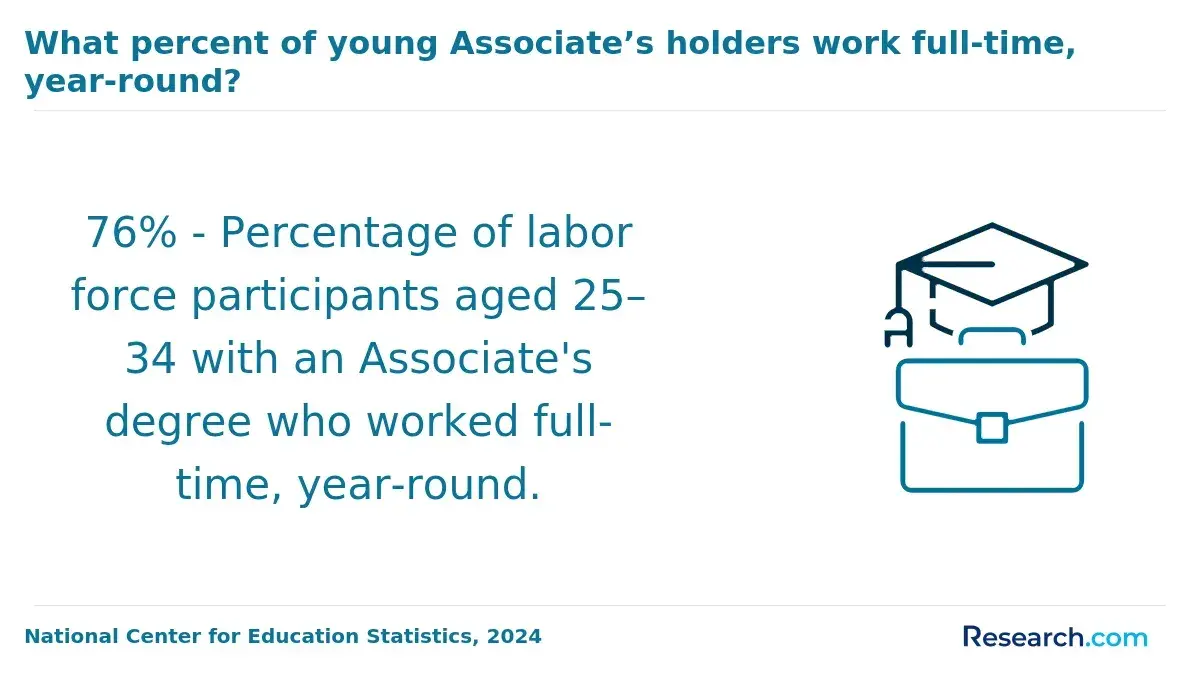
Yes. Financial aid can reduce what you pay now or spread costs over time, although loans do not reduce the degree's underlying price. U.S. graduate students may generally borrow up to $20,500 per academic year through Direct Unsubsidized Loans, subject to federal eligibility and aggregate limits. That limit means students in higher-cost programs may need savings, employer funding, scholarships, payment plans, or additional borrowing.
Complete the FAFSA even when you expect to use employer assistance. It can establish eligibility for federal loans and may be used by schools to determine institutional aid. Review award letters carefully because a package can contain loans rather than grants.
Prioritize funding sources in an order that limits avoidable debt:
- Ask your employer whether tuition assistance covers graduate tuition, fees, books, and courses taken while working full time.
- Apply for university scholarships reserved for online, graduate, hospitality, tourism, business, military-affiliated, or alumni students.
- Compare any grant or scholarship renewal rules, including minimum enrollment, GPA, and completion requirements.
- Use federal aid options for which you qualify before considering private education loans.
- Calculate the remaining out-of-pocket amount by subtracting confirmed grants, scholarships, and employer payments from the full estimated program cost.
A common error is treating tuition reimbursement as guaranteed. Many employers require preapproval, a minimum grade, continued employment, or repayment if you leave soon after reimbursement. Obtain the policy and reimbursement timeline before relying on it to cover a tuition bill.
How Do Program Format and Completion Time Affect the Cost of an Online Hospitality Management Master's Degree?
Format affects both direct and indirect costs. Fully online asynchronous programs can reduce travel and scheduling barriers for shift-based hospitality workers. Hybrid programs may offer stronger in-person networking or experiential learning, but required campus visits can add transportation, lodging, and time-away-from-work costs. Synchronous classes may be less suitable for managers working evenings, weekends, or peak travel seasons.
Most hospitality management master's programs are professional degrees designed around leadership and applied business skills. An MA may emphasize service, tourism, culture, or organizational leadership; an MS may emphasize analytics, operations, revenue management, or research.
Generalist programs suit broad management advancement, while specialized tracks can fit hotel development, events, tourism, food and beverage, or luxury-brand roles. Thesis options are more research-oriented, while capstones are more common for working professionals.
Completion speed should be evaluated alongside workload and course availability. Accelerated terms can reduce the time you spend paying recurring fees and can bring a credential sooner, but they may make it harder to maintain full-time employment or absorb difficult quantitative coursework. Students weighing a business-focused alternative can also compare a fastest MBA program, particularly if they want broader finance, strategy, or general-management preparation.
The table shows how delivery choices change the financial comparison.
| Format | Likely cost effect | Best fit | Check before enrolling |
| Fully online, asynchronous | Can limit travel and missed-work costs | Working professionals with variable schedules | Course availability, group-work expectations, proctoring, and internship requirements |
| Fully online, synchronous | Travel may be low, but schedule rigidity can create opportunity cost | Students who want live faculty interaction | Time zone, attendance policy, and evening or weekend meeting times |
| Hybrid | Tuition may be similar, but travel can raise total cost | Students seeking in-person networking or facilities access | Number, location, and duration of required visits |
| Accelerated cohort | May reduce time-related expenses, not necessarily tuition | Students with dependable time and employer support | Withdrawal policy, lockstep sequence, and ability to pause |
Choose the fastest format only when you can complete it successfully without excessive borrowing or lost income. For many managers, a part-time program with a stable workload is the less expensive path in practice.
How Much Can Transfer Credits Reduce the Cost of an Online Hospitality Management Master's Degree?
Transfer credit can reduce total tuition only when a school accepts credits that replace required degree coursework. Graduate transfer policies vary widely: some programs accept a limited number of recent, regionally compatible graduate credits; others use cohort curricula with no transfer option. Prior professional experience, industry certifications, and prior learning may be valuable in admissions but do not automatically reduce required credits.
Ask for a preliminary transfer evaluation before you commit. The most important number is not the maximum transfer credits stated in a catalog; it is the number of credits the program will actually apply to your approved plan of study and the resulting completion cost.
Gather these materials to make the evaluation more accurate:
- Official transcripts for prior graduate coursework.
- Course descriptions, syllabi, reading lists, and learning outcomes for potentially equivalent classes.
- Documentation of relevant credentials or professional training if the school considers advanced standing.
- A written estimate showing remaining credits, required sequence, and any effect on financial-aid eligibility.
Do not enroll in courses elsewhere merely because they appear similar. Obtain written preapproval first, since a hospitality program may require specific content in finance, analytics, strategic management, or operations. Learners exploring a different creative field should also recognize that portfolio-driven graphic design programs use different transfer and admissions standards than hospitality management master's programs.
Is a Cheap Online Hospitality Management Master's Degree Worth the Cost for Career Advancement?
A low-cost accredited degree can be worthwhile when it helps you qualify for leadership responsibilities that align with your experience and employer opportunities.
Hospitality management graduates may pursue roles such as hotel operations manager, lodging manager, revenue manager, food and beverage director, event manager, tourism manager, guest-experience leader, or corporate hospitality analyst. Responsibilities often include staffing, budgets, service standards, pricing, safety, vendor relationships, operations analysis, and customer-experience improvement.
The degree is most useful when it fills a specific gap: moving from property-level supervision into regional leadership, gaining finance and revenue-management capability, transitioning from another business field into hospitality, or preparing for graduate-level advancement. It is less likely to justify its cost if your employer values a particular certification, work record, or internal leadership program more than a master's credential.
Hospitality employers increasingly use property-management systems, customer-data tools, revenue-management platforms, mobile service technology, and automation. A program should therefore teach data-informed decision-making alongside people leadership. Career outcomes vary by local market, employer, property type, prior experience, and economic conditions; no degree guarantees a promotion or salary increase.
Use this return-on-investment test before enrolling:
- Identify two or three target roles and review their actual education and experience expectations in your market or organization.
- Ask your employer whether a master's degree changes promotion eligibility, pay bands, or leadership-development access.
- Compare the program's total net cost with the income you may forgo through reduced work hours, travel, or overtime.
- Evaluate whether the curriculum, alumni network, internships, and career support directly connect to your target segment of hospitality.
- Choose the least expensive program that still meets your career, scheduling, accreditation, and support requirements.
Students considering another long professional education route should budget for duration as carefully as price; this overview of how long does it take to study architecture illustrates why program timelines should be verified rather than assumed.
How Should Students Compare the Cheapest Accredited Online Hospitality Management Master's Programs?
Use a consistent comparison sheet for every school. The goal is to identify the best-value program for your circumstances, not to select a school solely because it advertises the lowest tuition. A credible choice combines recognized accreditation, a confirmed residency-neutral rate or favorable resident rate, manageable total cost, a fitting curriculum, and a completion schedule you can sustain.
These are the core categories to compare side by side before applying or accepting admission.
| Comparison factor | What to record | Decision value |
| Accreditation | Institutional accreditor and any relevant specialized recognition | Supports aid, transfer, employer confidence, and future study planning |
| Tuition policy | Per-credit or flat price, required credits, residency treatment, and annual increases | Shows whether nonresident pricing is truly competitive |
| Total estimated cost | Tuition, mandatory fees, books, travel, and financing assumptions | Prevents misleading per-credit comparisons |
| Format and duration | Asynchronous or live classes, full- or part-time pacing, and required visits | Indicates whether the degree fits work and family commitments |
| Curriculum | Revenue management, operations, finance, analytics, leadership, tourism, or events content | Connects learning to target roles |
| Transfer and aid | Approved transfer credits, scholarships, employer arrangements, and loan eligibility | Determines realistic net price |
| Career support | Industry projects, alumni access, internship support, and job-search resources | Helps assess value beyond the credential |
Red flags include a school that will not provide a written tuition estimate, unclear accreditation language, a broad "online rate" that excludes your program, unexplained fees, pressure to enroll before receiving a transfer evaluation, or required travel disclosed only after admission. Also verify state authorization if you live outside the institution's state.
After narrowing your choices, contact financial aid and program advising with the same questions. Request a written cost estimate, confirm the required credits after transfer review, ask whether tuition is charged per credit or per term, and verify every residency, practicum, and graduation requirement. This documentation gives you a defensible basis for choosing an affordable online hospitality management master's program.
Other Things You Should Know About Hospitality Management
Requirements vary. Many professional online programs welcome applicants with business, tourism, events, food service, or hotel experience, while others accept students from unrelated bachelor's degrees. Applicants without hospitality experience may need prerequisite coursework or should choose a program with foundational operations and finance courses.
An MBA is usually broader and may fit professionals targeting general management, finance, consulting, or entrepreneurship across industries. A hospitality management master's is often better for students who want specialized knowledge in lodging, tourism, revenue management, guest experience, events, or food and beverage operations.
Some do, particularly when applied learning is central to the curriculum. Experienced professionals may be allowed to complete a workplace project instead. Confirm whether an internship is required, who arranges it, whether it can be completed at your employer, and whether travel or unpaid hours are involved.
Hospitality management roles generally do not require a single universal professional license. Certain jobs may require local food-safety, alcohol-service, gaming, real-estate, or event-related credentials depending on duties and location. Check the requirements for your intended role and state rather than assuming the degree alone meets every regulatory requirement.
References
- Hospitality Jobs Prospects with a Hospitality Management Degree https://hrc-international.com/blog/value-hospitality-management-degree-career-salary
- Graduate degrees pay - but it's complicated | Brookings https://www.brookings.edu/articles/graduate-degrees-pay-but-its-complicated/
- Average Cost of a Master's Degree: 2025 Analysis https://educationdata.org/average-cost-of-a-masters-degree
- The Difference Between Bachelor's and Master's Degrees | PI Hospitality Academy https://pihospitalityacademy.com/blog/the-difference-between-bachelors-and-masters-degrees/
- A Guide to Getting Financial Aid for Graduate School | Elmhurst University Elmhurst University Blog https://www.elmhurst.edu/blog/a-guide-to-getting-financial-aid-for-graduate-school/
- Tuition Info - CIA School of Graduate and Professional Studies https://masters.culinary.edu/tuition-info/
- Best Graduate Scholarships for 2026: Apply Now to Fund Your Degree https://www.fastweb.com/college-search/articles/the-latest-and-greatest-for-grad-students
- AHLA Foundation Self-Nominated Scholarships https://www.ahlafoundation.org/ahla-foundation-self-nominated-scholarships/
- 2025 Most Affordable Online Master's Programs https://www.onlineu.com/most-affordable-colleges/masters-degrees