2027 Cheapest Accredited Online Food Industry Management Degree Programs That Accept FAFSA

Co-Founder and Chief Data Scientist
Choosing an online food industry management degree is mainly a cost-and-fit decision: the lowest tuition does not always mean the lowest final bill. Federal Student Aid lists the maximum Pell Grant at $7,395 for eligible undergraduates in the 2024-25 award year, which can materially reduce borrowing for FAFSA-eligible programs. This guide is for students comparing online food business, foodservice, hospitality, restaurant, and food science management pathways. You will learn how to identify accredited programs, estimate net cost after aid, compare value, and avoid paying more than necessary.
Key Things You Should Know
- The most affordable FAFSA-eligible online options are usually public universities with online hospitality, foodservice, restaurant, or food science industry programs; published undergraduate online tuition can vary widely by residency, fees, and transfer credits.
- FAFSA participation means the school can process federal aid, but it does not guarantee Pell Grant eligibility, full tuition coverage, scholarships, or low debt.
- For ROI, compare total out-of-pocket cost with realistic food industry roles; the BLS reported a May 2024 median annual wage of $63,060 for food service managers, making debt control especially important.
Which Are the Cheapest Accredited Online Food Industry Management Degree Programs That Accept FAFSA?
The cheapest accredited online food industry management degree programs that accept FAFSA are typically not labeled with one single name. Schools may use titles such as hospitality management, food and beverage entrepreneurship, restaurant management, food science and industry, food business, or hospitality and tourism management. For students, the practical question is whether the curriculum prepares them for the part of the food industry they want: restaurants, hotels, catering, food manufacturing, product development, compliance, purchasing, or food entrepreneurship.
The table below highlights affordable, regionally accredited U.S. institutions that offer online bachelor's-level or bachelor's-completion pathways related to food industry management and participate in federal student aid programs. Tuition and fees change, so use the figures as comparison prompts and confirm current cost directly with each school before applying.
| School | Online degree pathway | Best fit | Accreditation and FAFSA status | Affordability note |
| Fort Hays State University | Online BBA in Tourism and Hospitality Management | Students seeking low-cost preparation for hospitality, foodservice, lodging, event, and service operations roles | Regionally accredited public university; participates in federal student aid | Often among the lower published online undergraduate tuition options for out-of-state distance learners |
| Florida International University Online | Online BS in Hospitality Management | Students interested in restaurant, hotel, beverage, event, and hospitality business management | Regionally accredited public university; participates in federal student aid | Can be especially competitive for Florida residents, while nonresident tuition may be substantially higher |
| University of Alabama | Online BS in Hospitality Management | Students who want a broad foodservice, event, lodging, and hospitality operations degree from a large public university | Regionally accredited public university; participates in federal student aid | Flat online tuition can simplify cost planning, but students should still add fees and course materials |
| Western Kentucky University | Online hospitality management-related bachelor's pathway | Students seeking foodservice, lodging, tourism, and hospitality business coursework with public-university aid access | Regionally accredited public university; participates in federal student aid | Value depends heavily on transfer credits, residency classification, and online fee structure |
| Kansas State University Online | Online BS in Food Science and Industry | Students focused on food production, food safety, quality assurance, product development, and food industry operations | Regionally accredited public university; participates in federal student aid | May cost more per credit than the lowest hospitality programs but can be better aligned with manufacturing and technical food roles |
| Arizona State University Online | Online BS in Food and Nutrition Entrepreneurship | Students interested in food ventures, wellness-oriented food businesses, nutrition entrepreneurship, and consumer-facing food products | Regionally accredited public university; participates in federal student aid | Not usually the lowest advertised tuition, but the brand, online support, and entrepreneurial focus may justify comparison |
| Johnson & Wales University Online | Online BS in Food and Beverage Entrepreneurship | Students pursuing food business ownership, beverage operations, culinary entrepreneurship, and hospitality ventures | Regionally accredited private nonprofit university; participates in federal student aid | Private nonprofit pricing can be competitive after institutional aid, but students should request a written aid estimate |
A low-cost shortlist should include both tuition and curriculum match. A hospitality management degree can be excellent for foodservice leadership, but it may not include the chemistry, microbiology, or regulatory coursework needed for technical food science roles. A food science and industry degree may be more expensive, but it can be the better fit for quality assurance, food safety, product development, and production supervision.
How Does FAFSA Eligibility Work for Online Food Industry Management Degree Programs?
FAFSA eligibility starts with the institution, not the marketing page for the degree. A school must participate in federal Title IV student aid programs, and the student must enroll in an eligible degree or certificate program. Most accredited bachelor's degrees at Title IV schools are eligible, but students should still verify the specific online program before assuming aid applies.
The FAFSA is the application used to determine eligibility for federal grants, federal student loans, and some state or institutional aid. For online students, the aid rules are generally similar to campus students, but enrollment intensity, program length, satisfactory academic progress, prior borrowing, dependency status, and degree-seeking status can all affect the award.
Use this sequence before committing to any program because it separates real aid eligibility from advertising language:
- Confirm that the institution is listed as a federal student aid participant and has a valid school code.
- Ask the financial aid office whether the exact online food industry management, hospitality, food science, or food entrepreneurship program is Title IV eligible.
- Request the total cost of attendance, not just tuition, including fees, online course charges, books, technology costs, and estimated living expenses if you will borrow for them.
- Submit the FAFSA as early as possible and compare official aid offers from multiple schools before enrolling.
- Check renewal rules, including minimum credits, satisfactory academic progress, and annual FAFSA filing requirements.
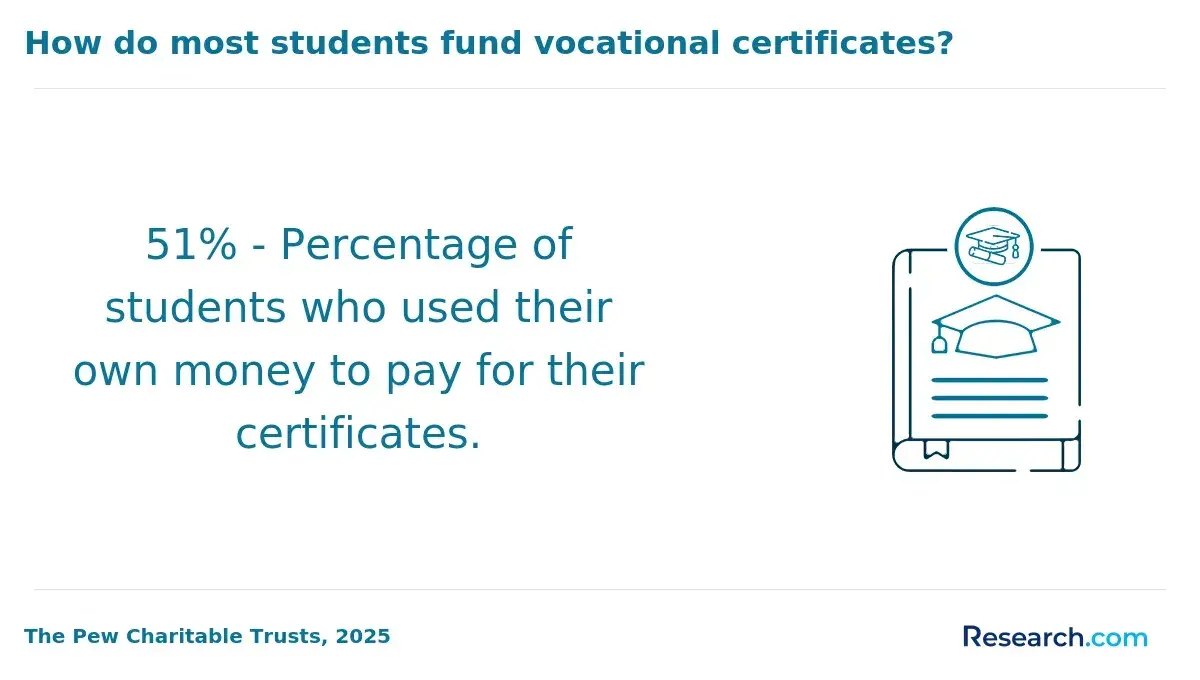
The biggest mistake is assuming that "accepts FAFSA" means "affordable for everyone." FAFSA eligibility only opens the door to federal aid. Whether you receive a Pell Grant, subsidized loans, unsubsidized loans, work-study, state grants, or institutional scholarships depends on your financial profile and the school's aid policies.
How Much Does an Online Food Industry Management Degree Cost After Financial Aid?
The cost after financial aid is the net price: tuition and required expenses minus grants and scholarships that do not need to be repaid. Loans can help you pay the bill, but they do not reduce the price of the degree; they shift the cost into repayment. This distinction matters for food industry management because many entry-level roles are operational and may not support high monthly loan payments immediately after graduation.
The 2024-25 maximum Pell Grant is $7,395 for eligible students. For a low-tuition public online program, that amount can cover a meaningful share of annual tuition; for a higher-cost private or nonresident program, it may only reduce part of the bill. Students comparing programs in other fields face the same net-price issue, which is why guides such as the most affordable online psychology degree can be useful models for comparing advertised tuition against real out-of-pocket cost.
The following table shows how different aid scenarios can change the cost picture. It is not a promise of aid; it is a decision model you can use when reading financial aid letters.
| Cost factor | Why it matters | How it can change your final bill |
| Published tuition per credit | This is the price schools advertise most often | A low per-credit rate helps, but it may not include required fees or course materials |
| Total credits required | Bachelor's degrees often require about 120 credits, while completion programs may require fewer credits taken at the transfer school | Students entering with an associate degree or prior college credit may pay for far fewer credits |
| Residency pricing | Some public universities charge different rates for in-state and out-of-state online students | An in-state student may find a public program far cheaper than a nonresident student in the same degree |
| Grants and scholarships | These reduce the amount you must pay or borrow | Need-based grants, institutional awards, and state grants can make a higher-tuition school cheaper than a lower-tuition school |
| Loans | Loans increase access but add repayment costs | A program that requires heavy borrowing may be less affordable even if the monthly tuition payment seems manageable |
| Employer tuition assistance | Foodservice, retail, hospitality, and grocery employers may reimburse approved coursework | Employer aid can lower net cost, but reimbursement rules may require minimum grades or continued employment |
To estimate your own cost, build a simple calculation: credits you still need multiplied by tuition per credit, plus required fees and books, minus grants, scholarships, employer assistance, and cash payments. Then separate the remaining balance into what you can pay now and what you would need to borrow.
Which Affordable Online Food Industry Management Degree Programs Offer the Best Value?
The best value is not always the lowest sticker price. A program with slightly higher tuition may be the better financial choice if it accepts more transfer credits, offers stronger career-relevant coursework, provides better advising, has a clearer online format, or awards institutional scholarships that reduce net cost.
For food industry management, value usually depends on how closely the degree matches your target segment of the food economy. Restaurant leadership, hotel food and beverage, catering, procurement, food entrepreneurship, and food manufacturing do not require identical coursework. Students who later want executive or general management roles may also consider graduate business pathways, including options such as the best MBA programs without GMAT, but the undergraduate degree should first be affordable enough to avoid unnecessary debt.
Compare programs using these value signals after you confirm FAFSA eligibility:
- Curriculum fit: Look for courses in foodservice operations, food safety, purchasing, accounting, supply chain, hospitality law, quality assurance, menu management, entrepreneurship, or food product development depending on your goal.
- Transfer friendliness: A school that accepts more credits can be cheaper than a school with lower tuition but stricter transfer limits.
- Online format: Asynchronous courses can help working adults, while synchronous classes may be better for students who need scheduled interaction.
- Industry relevance: Internships, applied projects, faculty experience, employer partnerships, or recognized food safety training can improve practical value.
- Student support: Online advising, tutoring, career services, and financial aid counseling can affect completion, especially for adult learners.
- Net price transparency: Strong programs make it easy to estimate total cost before enrollment and do not rely only on broad tuition ranges.
A more expensive program may be worth choosing when it provides a substantially better match for technical food industry roles, accepts a large block of prior credits, or offers enough grant aid to lower the net price. It is usually not worth paying more only for a familiar name if the curriculum does not match your career plan or if the debt would be difficult to manage.
Are the Cheapest Online Food Industry Management Degree Programs Properly Accredited?
Yes, the cheapest online food industry management programs can be properly accredited, but students must verify this before applying. For federal financial aid, institutional accreditation from a recognized accrediting agency is the key baseline. This is often called regional accreditation, although federal terminology has shifted toward institutional accreditation.
Programmatic accreditation is a separate issue. Some hospitality, business, nutrition, or food science programs may have specialized recognition, but it is not always required for employment in foodservice management. For technical food science, quality assurance, dietetics-adjacent, or regulatory roles, program content and any relevant professional standards may matter more.
Use this accreditation checklist before you pay an application fee:
- Search the institution in the U.S. Department of Education accreditation database or ask the school for the name of its institutional accreditor.
- Confirm that the school is eligible to participate in federal student aid programs.
- Ask whether the online program appears on the same institutional accreditation as the campus programs.
- Check whether the degree title on your transcript will match the advertised online program.
- For food science, nutrition, or safety-focused programs, ask whether the curriculum meets any employer, certification, or graduate-school prerequisites you care about.
Red flags include vague claims such as "fully approved" without naming an accreditor, pressure to enroll before receiving a financial aid estimate, unclear transfer policies, no published tuition, or a degree title that differs from what admissions representatives describe. A low price is not a bargain if the credential is not recognized by employers, graduate schools, or federal aid systems.
What FAFSA Grants and Federal Aid Can Pay for an Online Food Industry Management Degree?
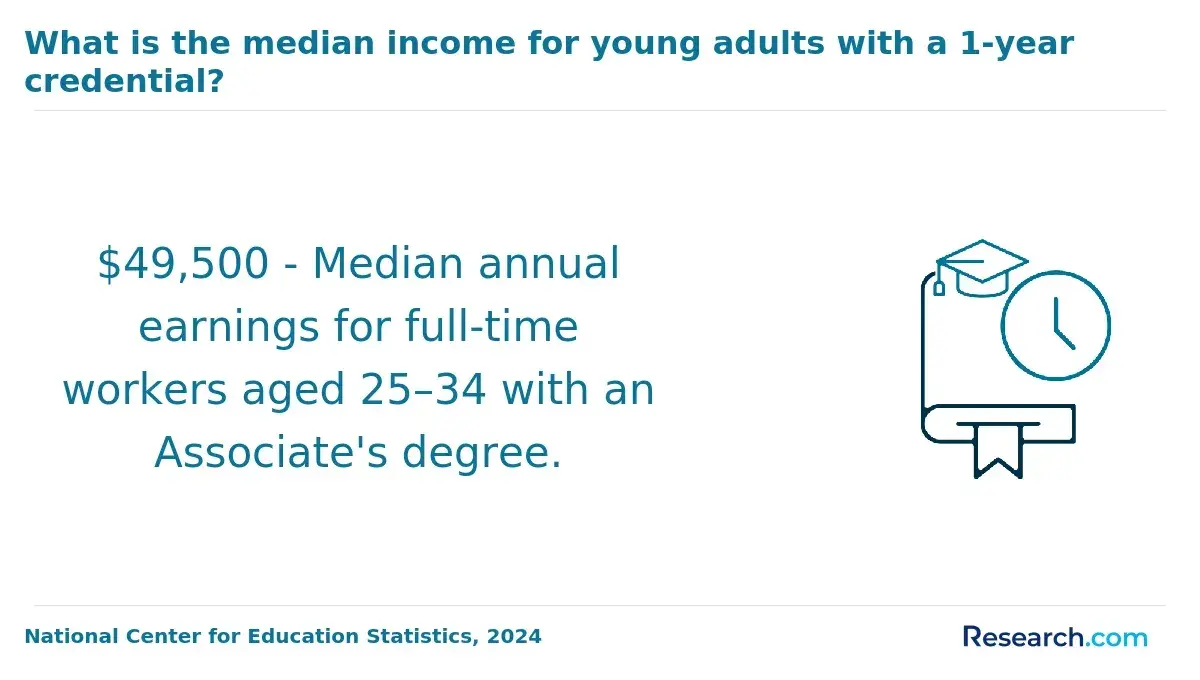
Federal aid can reduce the immediate cost of an online food industry management degree, but each aid type works differently. Grants and scholarships reduce net price. Loans make enrollment possible but must be repaid. Work-study can help with living or education expenses, but availability varies by school and may be harder to use for fully online students who live far from campus.
The most relevant federal aid options for undergraduate degree-seeking students include the following:
- Federal Pell Grant: Need-based aid for eligible undergraduates that does not have to be repaid if enrollment and academic requirements are met.
- Federal Supplemental Educational Opportunity Grant: Campus-based need aid for students with significant financial need, available only at participating schools with limited funds.
- Direct Subsidized Loans: Need-based federal loans where the government pays interest during certain in-school and deferment periods.
- Direct Unsubsidized Loans: Federal loans that are not based on financial need and begin accruing interest after disbursement.
- Federal Work-Study: Part-time work funding offered by some schools, though placement options may vary for online students.
- Parent PLUS Loans: Federal loans parents of dependent undergraduates may use, subject to credit requirements and repayment obligations.
The most common mistake is counting loans as "aid" without considering repayment. When comparing offers, separate free aid from borrowed aid. A school that offers a larger total package may still be more expensive if most of that package is unsubsidized loans.
Students should also ask about state grants, institutional scholarships, food industry scholarships, hospitality association awards, employer tuition reimbursement, union education benefits, and military-connected education benefits. These can be especially valuable when federal grants do not cover enough of the program cost.
How Do Transfer Credits Lower the Cost of an Online Food Industry Management Degree?
Transfer credits can be the fastest way to lower the cost of an online food industry management degree because they reduce the number of credits you must buy from the four-year institution. This is especially important for adults who already completed general education courses, an associate degree, culinary coursework, hospitality credits, military training, or industry certifications.
Students evaluating affordability in specialized online degrees should look beyond tuition and ask how much prior learning the school will actually accept. Similar cost-saving logic applies across fields, including career-specific graduate options such as child psychology masters programs, where transfer and prerequisite rules can change the final cost.
Ask each school these questions before you assume your prior credits will count:
- What is the maximum number of transfer credits accepted toward the bachelor's degree?
- Will my associate degree satisfy general education requirements as a block?
- Do culinary, hospitality, business, nutrition, or food science credits transfer into the major or only as electives?
- Does the school award credit for military training, professional certifications, food safety credentials, or prior learning assessment?
- What minimum grade is required for transfer credit?
- How many upper-division credits must be completed at the university?
- Will transfer credits affect my financial aid timeline or satisfactory academic progress calculation?
The trade-off is that the school with the lowest tuition may not always be the cheapest for a transfer student. If Program A costs less per credit but accepts only 45 credits, while Program B costs more per credit but accepts 75 credits, Program B may require fewer remaining courses and a lower total bill. Always compare remaining cost, not just tuition rate.
Which Students Benefit Most From a Low-Cost Online Food Industry Management Degree With FAFSA?
A low-cost FAFSA-eligible online food industry management degree is especially useful for students who need flexibility, want to keep working, and are aiming for roles where practical business and operations skills matter as much as the diploma. The strongest fit is usually a student who has a clear food industry target and can use financial aid, transfer credits, or employer assistance to reduce borrowing.
This pathway often benefits working foodservice employees, restaurant supervisors, culinary graduates, hospitality workers, grocery or retail food managers, veterans, adult learners with prior college credits, and students near a public university with favorable resident tuition. It can also work for entrepreneurs who need structured training in accounting, operations, marketing, food safety, and purchasing before launching a food venture.
Students should be cautious about choosing primarily on low cost if they need a credential that leads to a regulated profession, a technical laboratory role, or a nutrition pathway with strict prerequisites. In those cases, curriculum alignment matters more than the lowest tuition. Students who are mainly trying to find a simpler graduate route should compare options carefully; broader resources on the easiest masters degree can help frame workload and admissions expectations, but "easy" should not replace career fit.
This degree may not be the right investment if you already qualify for your target role through experience, if your employer values certifications more than a bachelor's degree, or if the program would require high borrowing without a clear salary upside. In those cases, a certificate, associate degree, employer training program, food safety credential, or business course sequence may be a better first step.
How Does the Cost of an Online Food Industry Management Degree Affect Career ROI?
Career ROI depends on total cost, debt, time to completion, and the role you pursue after graduation. Food industry management can lead to restaurant management, food and beverage supervision, catering management, purchasing, hospitality operations, food production supervision, quality assurance coordination, food entrepreneurship, or graduate study. The degree can be valuable, but the wage range is broad, so cost discipline matters.
The BLS reported a May 2024 median annual wage of $63,060 for food service managers. That figure is useful because it reflects a common management path for this degree area, but it does not represent every outcome; technical food science, corporate hospitality, supply chain, sales, and entrepreneurship roles can follow different pay patterns. Students comparing majors should also recognize that some bachelor degrees that pay well are in fields with higher median salaries, so a food industry degree should be judged against realistic career goals rather than broad bachelor's-degree averages.
Use these ROI questions before enrolling:
- How much will I need to borrow after grants, scholarships, transfer credits, employer aid, and cash payments?
- What roles does this exact curriculum prepare me for: restaurant operations, hospitality leadership, food manufacturing, food safety, product development, entrepreneurship, or supply chain?
- Does the program include internships, applied projects, industry software, or food safety training that employers recognize?
- Can I complete the degree while working, or would reduced work hours increase my opportunity cost?
- Will a bachelor's degree help me move into management with my current employer, or do I need to change employers to see a return?
- What monthly loan payment would I face under standard and income-driven repayment options?
The cheapest accredited program is not automatically the highest-ROI program. The best ROI usually comes from the lowest net cost that still provides the coursework, flexibility, credibility, and career alignment needed for your target role.
How Should Students Choose the Cheapest FAFSA-Eligible Online Food Industry Management Degree?
Choose the cheapest FAFSA-eligible online food industry management degree by comparing total value, not just tuition. The right program should be accredited, aid-eligible, affordable after grants and scholarships, transfer-friendly, realistic for your schedule, and aligned with the food industry segment you want to enter.
A good comparison process looks like this:
- Define your career target first: restaurant management, hospitality food and beverage, food entrepreneurship, food production, quality assurance, food safety, purchasing, or product development.
- Build a list of accredited schools with online programs that match that target.
- Verify federal aid participation and confirm that the exact online program is eligible.
- Request a written cost estimate that includes tuition, fees, books, online charges, and any required campus visits.
- Submit the FAFSA and compare official aid offers, separating grants and scholarships from loans.
- Send transcripts early and ask for a formal transfer credit evaluation before deciding.
- Compare remaining credits, net price, estimated borrowing, course format, student support, and career services.
- Choose the lowest net-cost program that still meets accreditation, curriculum, and career-readiness requirements.
When reviewing schools, watch for red flags: no clear accreditation information, unclear tuition, vague FAFSA claims, pressure to enroll quickly, weak transfer answers, no sample degree plan, or refusal to provide total cost in writing. Students comparing affordability across fields will notice similar patterns in other online degree searches; the key is always to compare net price, not marketing price.
The final decision should answer one practical question: "Can I complete this degree with manageable debt and a credential that fits my next food industry role?" If the answer is unclear, ask the school for more documentation or compare additional options before enrolling.
Other Things You Should Know About Food Industry Management
Yes, if the school participates in federal student aid and the specific online degree is an eligible program. Always confirm eligibility with the financial aid office before enrolling.
Not always. Hospitality management often covers restaurants, hotels, events, and guest services, while food industry management may also include food production, safety, quality, supply chain, or entrepreneurship depending on the program.
Many are fully online, but some programs may require internships, labs, practicums, or in-person experiences. Ask whether any residency, lab, or field requirement adds travel or housing costs.
An associate degree can support entry-level or supervisory roles, a bachelor's degree is more common for management advancement, and a master's degree may fit students targeting corporate, executive, academic, or specialized leadership paths.
References
- WFIAEF Scholarship Programs https://wafood.org/WFIAEF/scholarships
- Study Food Industry Management in the USA https://www.studyusa.com/en/field-of-study/395/food-industry-management
- Campus | US Foods https://careers.usfoods.com/us/en/Campus
- Land O'Lakes Student Internships and Programs https://careers.landolakesinc.com/us/en/students
- Food Business Management https://www.ciachef.edu/cia-new-york-food-business-management-bachelors-degree-program/
- Hire a Hospitality Intern https://www.ciaalumninetwork.com/s/898/17/interior.aspx
- World Food and Agribusiness Schools & Programs https://www.ifama.org/schools-and-programs
- New Data on Completion Rates | HESA https://higheredstrategy.com/new-data-on-completion-rates/
- MSc in Food Industry Management - UNISG - University of Gastronomic Sciences https://www.unisg.it/en/course/msc-in-food-industry-management/
- The 4 Best Online Colleges that Accept FAFSA https://joinjuno.com/financial-literacy/financial-aid/online-colleges-accept-fafsa