2027 Can You Get Financial Aid for an Online Electrical Engineering Bachelor's Degree?

Co-Founder and Chief Data Scientist
Many prospective students wonder if they can secure financial aid for an online electrical engineering bachelor's degree, given the program's flexible format yet often significant tuition costs. Working adults and returning learners especially struggle with managing out-of-pocket expenses while balancing life commitments. Despite perceptions that online degrees lack access to grants or loans, nearly 60% of students in online engineering programs receive some form of financial aid. Understanding the availability and types of funding is crucial before committing to enrollment. This article explores the financial aid options tailored to online electrical engineering students and offers practical guidance to make these programs more affordable.
Key Benefits of Financial Aid for an Online Electrical Engineering Bachelor's Degree
- Financial aid significantly reduces upfront costs, making an online electrical engineering bachelor's degree more affordable without the immediate burden of full tuition payments.
- It increases access to education by enabling students from diverse economic backgrounds to enroll in accredited programs otherwise financially out of reach.
- Financial support helps minimize student debt, allowing graduates to start their engineering careers with less financial pressure and better long-term economic stability.
Can You Get Financial Aid for an Online Electrical Engineering Bachelor's Degree?
Financial aid is commonly accessible to students enrolled in online electrical engineering bachelor's degree programs who meet eligibility criteria. Many accredited institutions offering these programs participate in federal and state financial aid initiatives, allowing learners to receive funding comparable to that for traditional on-campus students. According to the National Center for Education Statistics, approximately 40% of undergraduate students taking exclusively online courses benefit from some form of financial aid, highlighting its broad availability.
This support helps address affordability concerns for those pursuing an online electrical engineering degree. Awareness of key eligibility factors can further guide students seeking to finance their education. Access to financial aid for online electrical engineering bachelor's students typically hinges on several important considerations. Enrollment status plays a critical role, with qualifying students usually needing to maintain at least half-time participation in their program.
Additionally, the institution must participate in federal and state aid programs to ensure students can utilize available funding. General aid eligibility requirements, such as citizenship or eligible non-citizen status and satisfactory academic progress, also influence aid access.
Exploring financial aid options early is essential, especially given that nearly 40% of all online learners rely on such support to help make degrees, including fields like electrical engineering or even the easiest online masters, more affordable and attainable.
Do Online Electrical Engineering Bachelor's Programs Need to Be Accredited for Financial Aid?
Online electrical engineering bachelor's programs must hold proper accreditation for students to qualify for federal financial aid, including grants and loans. Nearly 99% of students receiving such aid attend programs accredited by agencies recognized by the U.S. Department of Education or the Council for Higher Education Accreditation (CHEA), highlighting the essential role of accreditation in financial aid eligibility.
Several accrediting agencies are widely accepted for ensuring the quality of online electrical engineering programs and enabling students to access financial aid. These agencies have recognition that meets federal requirements:
- ABET (Accreditation Board for Engineering and Technology): ABET is recognized by the U.S. Department of Education and specializes in accrediting engineering and technology programs. Its accreditation certifies that a program's curriculum meets industry and licensing standards, which is often required for professional certification and financial aid eligibility.
- Middle States Commission on Higher Education (MSCHE): MSCHE holds recognition from both the U.S. Department of Education and CHEA. It accredits degree-granting institutions primarily in the Mid-Atlantic region, confirming that schools meet rigorous educational quality standards important for financial aid.
- Southern Association of Colleges and Schools Commission on Colleges (SACSCOC): Recognized by both federal and CHEA authorities, SACSCOC accredits institutions in the southern U.S. Its regional accreditation is key for students to access state and federal financial aid for online electrical engineering degrees.
- Higher Learning Commission (HLC): Covering the central United States, HLC maintains recognition from both the U.S. Department of Education and CHEA. Accreditation from HLC assures educational quality and validates eligibility for financial aid programs.
- Western Association of Schools and Colleges Senior College and University Commission (WSCUC): WSCUC accredits institutions mainly on the U.S. West Coast and is recognized nationally and by CHEA. Its accreditation supports the credibility of online electrical engineering bachelor's degree programs and access to financial aid.
Prospective students seeking an online engineering degree should confirm both programmatic accreditation through ABET or an equivalent agency and regional accreditation to ensure financial aid eligibility. This approach helps maximize access to funding while enhancing the value and recognition of the degree.
Are International Students Eligible for Aid for Online Electrical Engineering Bachelor's Degrees?
Access to financial aid remains a significant barrier for international students pursuing an online electrical engineering bachelor's degree. Since many federal and state programs require U.S. citizenship or permanent residency, funding options are often limited for these learners.
According to the Institute of International Education, fewer than 10% of international students in U.S. institutions receive any form of financial aid, underscoring the scarcity of support.
- Federal Aid Restrictions: Most federal financial assistance programs exclude non-U.S. citizens and non-permanent residents, meaning international students generally cannot benefit from FAFSA-based grants or loans.
- Institutional Scholarships: Some universities provide scholarships specifically for international applicants to online electrical engineering programs, though these awards tend to be competitive and demand strong academic credentials or demonstrated financial need.
- Alternative Funding: Private scholarships from foundations or international organizations serving STEM fields offer additional avenues, as do scholarships or tuition assistance programs sponsored by students' home countries.
- Visa & Residency Factors: Fully online students without U.S. visas rarely qualify for aid linked to residency status, though those enrolled in hybrid programs that include campus visits may access broader financial support.
- Program-Specific Aid: Certain online electrical engineering programs sometimes set aside funds for international learners, but availability is limited and varies widely by institution.
Financial aid plays a critical role in making an online electrical engineering bachelor's degree more affordable and accessible. Knowing the main categories of aid can help students develop a funding plan tailored to their needs and circumstances. This knowledge is especially important for students seeking financial aid options for online electrical engineering bachelor's programs.
The primary forms of financial support fall into several categories, each offering distinct advantages.
- Grants: These are funds that do not require repayment and are typically awarded based on financial need. Many federal and state programs provide grants to help cover tuition and expenses, which can be a significant benefit for students studying online electrical engineering.
- Scholarships: Although detailed scholarship types are beyond this scope, many scholarships target STEM disciplines like electrical engineering. These merit-based awards can reduce costs without the burden of repayment, and various scholarships for electrical engineering students studying online are available.
- Work-Study Programs: These combine financial aid with part-time employment, often related to the student's field of study. Work-study allows students to earn income and gain practical experience while managing educational expenses.
- Student Loans: Loans provide necessary funds but come with the obligation of repayment plus interest. They can help cover substantial costs but require careful planning to ensure manageable repayment after graduation.
Students weighing financial options for an electrical engineering degree may also explore related fields; for example, valuable funding insights are available for construction degrees that may share some aid structures or resources useful for comparison.
Scholarship opportunities play a crucial role in easing the financial burden for students enrolled in online electrical engineering bachelor's degree programs. With increasing competition and rising educational expenses, securing aid can substantially improve accessibility and affordability. Recent data from the National Center for Education Statistics shows that close to 40% of undergraduates receive scholarships or grants, a trend reflected among online learners as well.
Scholarship options for online electrical engineering students include:
- Institutional Awards: Many colleges extend scholarships specifically to students enrolled in their online electrical engineering programs, helping to level the funding landscape between remote and on-campus pupils.
- Merit-Based Scholarships: These honors recognize academic excellence and extracurricular achievements, rewarding high-performing students regardless of where they study.
- Need-Based Aid: Financial assistance targeted at students demonstrating economic need is often available, providing crucial support to those balancing education with limited resources.
- Program-Specific Funding: Numerous scholarships focus on STEM fields like electrical engineering to encourage participation and innovation, sometimes prioritizing underrepresented groups to promote diversity.
- Eligibility Requirements: Criteria typically include enrollment in accredited programs, satisfactory GPA maintenance, and a commitment to the electrical engineering discipline, ensuring candidates align with scholarship goals.
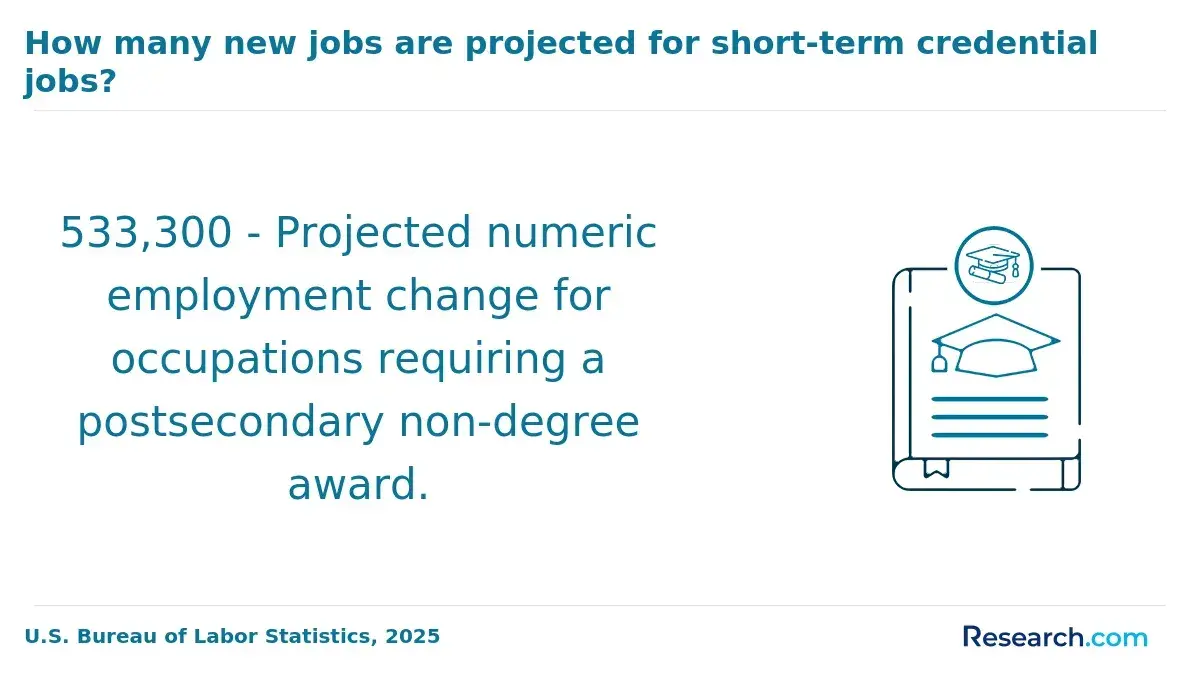
Student loans play a crucial role for many who seek to finance an online electrical engineering bachelor's degree, helping to close the gap between tuition fees and personal funds. These loans are a popular form of financial support because they provide access to higher education that might otherwise be unaffordable. Nearly 43% of undergraduate students in the United States rely on some form of borrowing to cover their college costs, reflecting the widespread dependence on these resources.
This reliance underscores the importance of understanding loan options when pursuing an online degree. Loans help make education attainable despite rising tuition expenses and living costs.
Student loans for online electrical engineering programs generally follow similar principles whether federal or private. Federal loans typically offer lower interest rates and borrower protections, with eligibility often tied to the institution's participation in federal aid programs.
In contrast, private loans usually come with higher rates and less flexibility, often requiring co-signers and posing greater repayment challenges. Borrowers must remember that loan repayment obligations apply equally to online and campus students, impacting future credit regardless of study mode.
Accessibility to loans depends on enrollment status, program accreditation, and satisfactory academic progress, factors commonly met by reputable online electrical engineering degrees.
Employer tuition assistance is a valuable option for working students pursuing an online Electrical Engineering bachelor's degree, helping to ease the financial burden of higher education while accommodating their busy schedules. Nearly 60% of U.S. employers offer some form of tuition support or reimbursement to encourage employee growth and skill development. This assistance plays a key role in aligning employee education with organizational objectives.
Here are important aspects of how employer tuition assistance works:
- Program Structures: Tuition assistance typically follows either a direct payment or reimbursement model. Employers may pay the educational institution directly, or employees might initially cover costs and later request reimbursement after successfully completing courses.
- Eligibility Requirements: Employees often must meet criteria such as achieving minimum grades, maintaining employment for a specified period, or selecting degree programs relevant to their job or career path within the company.
- Workforce Development: These programs support employee retention and upskilling, ensuring that the skills gained through an electrical engineering degree are aligned with industry needs and help businesses remain competitive.
- Organizational Policies: Employers usually set annual limits on financial support and define which programs qualify, often requiring accreditation and relevance to the company's field, making online electrical engineering degrees a common fit.
By leveraging employer tuition assistance, students can significantly reduce out-of-pocket expenses, while employers benefit from a more skilled and motivated workforce.
Students often wonder whether financial aid can fully cover tuition for online electrical engineering bachelor's programs because the cost of higher education remains a significant barrier for many. According to the National Center for Education Statistics, approximately 40% of full-time undergraduates experience unmet financial need even after funding is applied, highlighting the affordability challenge.
This leads prospective students to consider what aid options truly support full tuition coverage. Several key factors help explain why full tuition coverage through financial aid is relatively rare for these programs.
- Varied Aid Sources: Financial aid packages typically combine federal grants, state aid, institutional scholarships, and private awards. Each source contributes partially, but rarely sums to completely cover tuition for online electrical engineering degrees.
- Institutional Differences: Tuition rates and the availability of financial aid vary widely across schools offering online electrical engineering programs. This affects how much aid reduces actual costs for students.
- Partial Support Focus: Most financial aid is designed to offset a portion of expenses, not provide total tuition remission. Federal Pell Grants, for example, have capped amounts that usually fall short of full tuition costs.
- Online Program Structures: Online electrical engineering programs sometimes have distinct tuition models and fewer institutional grants than on-campus options, which influences aid packaging and coverage.
- Financial Aid Complexity: Because aid is often a patchwork of multiple funding streams, many students still manage some tuition balance after aid is applied, even with full tuition financial aid options for online electrical engineering degrees.
For students exploring broader affordable degree pathways, options like the MBA for entrepreneurs can also provide insights into managing education costs effectively.
Timing plays a crucial role when planning financial aid applications for online electrical engineering bachelor's degrees. Many institutions structure their financial aid cycles around enrollment periods, making early submission key to securing assistance. Students who delay their applications risk missing deadlines that could affect their ability to enroll affordably.
According to the National College Attainment Network, nearly 40% of students who miss financial aid deadlines ultimately forgo aid opportunities, underscoring the importance of timely applications and early awareness for those wondering when should I apply for financial aid for online programs in the United States.
Financial aid timelines vary widely between schools, with some programs offering rolling admissions or different semester and quarter-based schedules. This variability can affect the best time to submit applications, particularly for online electrical engineering degrees where flexibility is often emphasized. Early planning helps students stay ahead of deadlines, gather required documents, and update any necessary financial information promptly.
Prospective students may also explore related educational paths to compare options, such as learning what can I do with an environmental science degree for additional career insights.
Students pursuing an online electrical engineering bachelor's degree often inquire about the time it takes to receive financial aid approval because it directly impacts their ability to plan enrollment and manage education expenses. Knowing the timeline helps them avoid last-minute financial uncertainties and ensures they can meet tuition deadlines.
Approximately 30% of students face delays caused by processing backlogs or required verifications, according to recent national data. This variability makes understanding wait times essential for maintaining a balanced budget and academic schedule.
Approval periods vary significantly due to differences in institutional policies, the types of aid available, and administrative demands. Schools may process federal grants, institutional aid, or other funding differently, leading to inconsistent timelines. Additionally, financial aid offices often juggle a range of verification tasks and enrollment confirmations, which can cause delays, especially during peak periods.
Some institutions may also offer streamlined support for online learners, contributing to faster or slower processing depending on their resources and systems.
What Graduates Say About Financial Aid for an Online Electrical Engineering Bachelor's Degree
- Ramon: "Applying for financial aid was essential for me because balancing work and studies made it difficult to cover tuition upfront. I chose a federal grant combined with scholarships specifically targeted at online electrical engineering students, which really eased my financial burden. This support allowed me to focus more on learning and less on finances, ultimately boosting my confidence as I advanced in my career."
- Marcos: "When I started my online electrical engineering bachelor's degree, I was unsure about how to finance it while supporting my family. The financial aid I received through subsidized loans and employer tuition assistance programs made it possible to continue without significant stress. Reflecting back, this aid was a key enabler in allowing me to gain new skills that led to a promotion in my engineering role."
- Silas: "With a full-time job and no immediate savings, I applied for financial aid to lessen the economic pressure of earning an online electrical engineering degree. Merit-based scholarships combined with work-study options helped me navigate the costs effectively. This financial support not only made education accessible but also positioned me well for professional growth in emerging technology sectors."
Other Things You Should Know About Electrical Engineering Degrees
Complete the FAFSA to be considered for federal grants, loans, and many state or school aid programs. Use the school’s financial aid office for any extra application forms, and submit the FAFSA as soon as it opens for the year; many programs award funds on a first-come basis.
Yes, enrolling part-time can impact the amount and type of financial aid you receive. Many federal aid programs require at least half-time enrollment to qualify for full benefits. Students taking fewer credits may see reduced aid amounts or lose eligibility for certain grants and loans.
Students with disabilities pursuing an electrical engineering degree may access specialized financial resources, including federal programs like the Pell Grant and vocational rehabilitation funds. Some institutions also offer additional scholarships and support services designed to assist students with disabilities, but availability varies widely.
- Find a Center https://www.brighthorizons.com/employers/benefits/employer-tuition-assistance
- Getting Your Employer to Pay for Your Online Masters https://www.onlinemastersdegrees.org/financial-aid/employer-tuition-assistance/
- 1307 Undergraduate Electronic Engineering Scholarships available https://www.hotcoursesabroad.com/study/international-scholarships/all/undergraduate/electronic-engineering/cid/2/g7/scholarship115.html
- Financial Aid For Online Colleges https://www.affordablecollegesonline.org/financial-aid/financial-aid-for-online-colleges/
- Financial Aid for Online Colleges: What You Need to Know https://joinjuno.com/financial-literacy/financial-aid/financial-aid-online-colleges
- Guide to Employers Who Subsidize Online Education https://www.onlineeducation.com/features/employers-who-subsidize-higher-ed
- How to Use Your Employer’s Tuition Assistance Program https://www.straighterline.com/blog/four-steps-to-using-your-employers-tuition-assistance-program
- Online Engineering Degree Scholarships - Eligibility, Rewards & Deadlines https://www.onlineengineeringprograms.com/features/online-engineering-degree-scholarships
- Can you get a student loan for online degrees? https://www.whatuni.com/money/student-finance/can-you-get-a-student-loan-for-online-degrees/
- Can I get financial aid for an online degree? | edX https://www.edx.org/resources/can-i-get-financial-aid-for-an-online-degree