2027 Can You Get a Political Science Bachelor's Degree After 30?

Co-Founder and Chief Data Scientist
Adult learners over 30 pursuing a political science bachelor's degree often face unique challenges-balancing family, work, and education while navigating programs designed mostly for younger students. Nearly 35% of political science undergraduates are now aged 25 and older, reflecting a growing trend of mature students seeking career shifts and advancement. However, these learners may struggle with finding flexible schedules, understanding credit transfer options, and managing financial constraints.
This article explores strategies and resources tailored for adult learners, offering data-driven insights on enrollment, program types, time-to-completion, financing, and employer perceptions to guide readers toward earning a political science degree successfully after 30.
Key Things to Know About Getting a Political Science Bachelor's Degree After 30
- Admission often requires a high school diploma or GED-many programs offer credit for prior learning or military experience, accelerating degree completion for students over 30.
- Financial aid options include scholarships for adult learners and employer tuition assistance-balancing coursework with family demands calls for flexible scheduling and online program availability.
- Completing a political science degree after 30 can increase earning potential by up to 15% over time-career changers benefit from expanded opportunities in public policy and administration.
Can You Really Get a Political Science Bachelor's Degree After 30?
Adult learners aged 25 and older are enrolling in bachelor's degree programs at steadily increasing rates, according to the National Center for Education Statistics (NCES). This growth includes many pursuing political science degrees, reflecting a wider societal trend toward lifelong education and career adaptability. For those considering earning a political science bachelor's degree after 30, this option is not only viable but has become common as universities develop programs tailored to adult learners.
Many institutions now offer flexible formats such as online classes, evening courses, accelerated programs, and credit for prior learning or military service. These adaptations help working adults, parents, and veterans navigate the demands of family and employment while completing their education. This article covers key considerations for adults pursuing political science degrees, including time commitments, financing, career outcomes, program choices, and support services, providing a comprehensive guide to making an informed decision.
- Enrollment Trends: Adults over 30 increasingly make up a significant share of bachelor's students, highlighting institutional efforts to accommodate their unique needs.
- Time Management: Many political science programs offer flexible schedules and part-time options, making it easier to balance education with work and family responsibilities.
- Financial Planning: Adult learners can access scholarships, veteran benefits, and other financial aid designed to reduce barriers.
- Career Impact: A political science bachelor's degree can open doors to roles in government, nonprofits, consulting, and more, providing strong long-term ROI.
- Support Systems: Specialized advising, peer networks, and adult learner services improve success rates and retention.
For those seeking accelerated postgraduate options after completing their bachelor's, exploring masters degrees may be beneficial.
Adults earning a political science bachelor's degree after 30 have access to a range of pathways-and millions are demonstrating that age is no barrier to academic and career advancement.
Why Are More Adults Over 30 Pursuing a Political Science Bachelor's Degree?
Recent data from the Lumina Foundation and the National Center for Education Statistics (NCES) reveal a notable rise in adults over 30 pursuing bachelor's degrees, especially in political science-related fields. This growth reflects a wider trend among adult learners pursuing political science degrees and validates the choices of career changers, military veterans, parents, and transfer students who seek flexible, career-enhancing credentials later in life.
Several key factors underpin this momentum:
- Career Transitions: Adults over 30 often aim to move into more stable or meaningful careers. Political science offers pathways into public policy, nonprofit leadership, and government sectors-appealing options for those seeking second careers.
- Employer Tuition Benefits: Increasingly, employers provide tuition reimbursement or education assistance plans, enabling working adults to afford schooling without jeopardizing income.
- Layoffs and Economic Shifts: Post-pandemic workforce disruptions have left many adults unemployed or underemployed. Earning a political science credential enhances competitiveness in new fields and fosters long-term career resilience.
- Online Program Availability: The expansion of accredited online political science programs enables busy adults to balance education with work and family responsibilities, removing traditional barriers.
- Wage Premiums: Research consistently links bachelor's degree attainment to higher lifetime earnings. In political science, credentials correlate with better salaries and promotion opportunities.
The post-pandemic environment also accelerated demand for professionals skilled in policy analysis, governance, and social research. Institutions now offer tailored support services such as prior learning assessments and streamlined transfer processes to help adult learners complete their degrees faster and more affordably. For those interested in continuing further, programs like a doctorate in organizational leadership online complement political science studies effectively. These developments affirm that the infrastructure for adults pursuing political science degrees after 30 has never been stronger or more accessible.
What Are the Most Common Challenges Adults Over 30 Face When Pursuing a Political Science Degree?
Time Constraints: Adult learners often struggle to allocate sufficient time for their political science studies due to demanding commitments like full-time employment, parenting, or caregiving. This juggling act complicates maintaining a steady study routine.
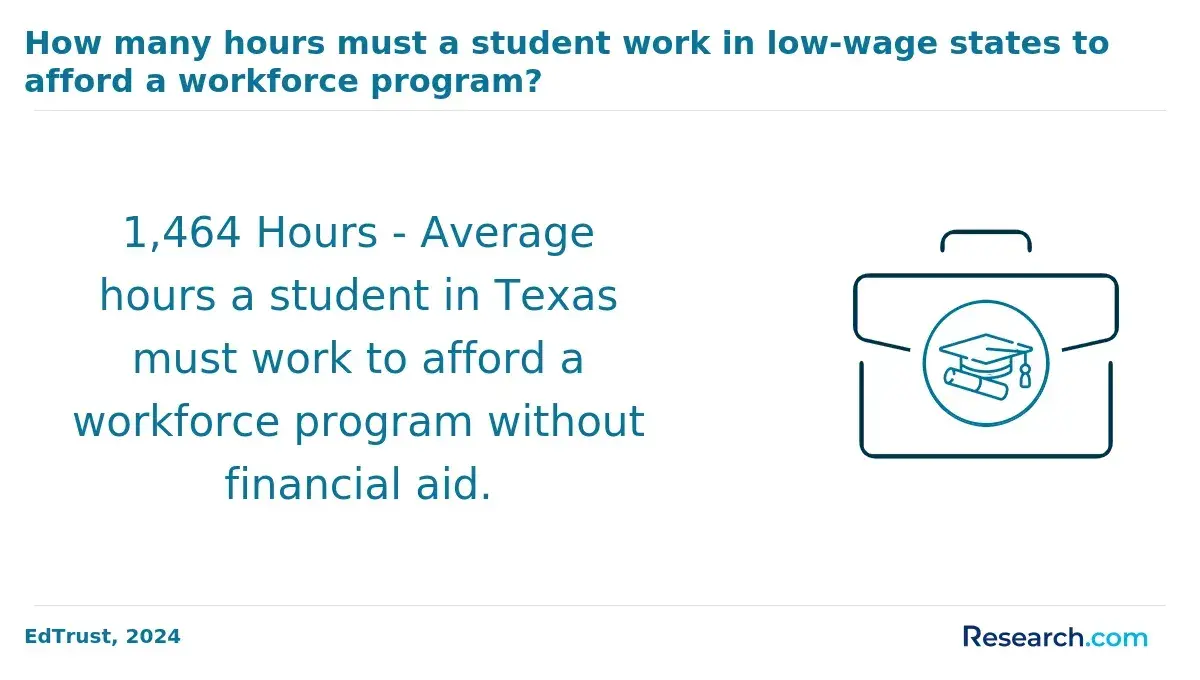
- Financial Pressures: Many face the challenge of affording tuition while managing household expenses-research from the Bill & Melinda Gates Foundation identifies financial stress as a leading factor for adults pausing or discontinuing their education.
- Technology Gaps: Adapting to new digital platforms and online learning tools essential in modern political science programs can be intimidating for some mature students, potentially causing frustration and slower progress.
- Imposter Syndrome: Feelings of self-doubt, especially when surrounded by younger peers, can erode confidence and motivation, making it harder for adult students to fully engage academically.
- Academic Bureaucracy: Navigating complex procedures like course registration, credit transfers, and degree requirements poses a significant hurdle. Data from Complete College America links unclear institutional policies to higher rates of adult student stop-outs.
Encountering at least two or three of these obstacles simultaneously is a common experience for adult political science students. Recognizing that these difficulties are widespread helps diminish feelings of isolation and self-doubt, setting the stage for effective strategies to transform these challenges into manageable steps.
Reflecting on these realities, a professional who returned to complete a political science bachelor's degree after 30 shared insights into the journey. He described the initial overwhelm juggling work, family, and classes but emphasized the motivation to establish a new career path kept him focused. "At times, I doubted if I belonged," he confessed, highlighting the impact of imposter syndrome. He also noted that navigating campus bureaucracy required patience but became easier once he connected with academic advisors. His experience underscores that perseverance paired with supportive resources can help overcome these hurdles.
Adult learners seeking a bachelor's degree in political science benefit from diverse program formats tailored to busy schedules and varied learning preferences. The fully online format provides unparalleled flexibility, allowing students to complete coursework at their convenience. Schools like Western Governors University (WGU) excel in this model with competency-based education, enabling progression based on skills rather than seat time.
- Hybrid: Blending online instruction with occasional on-campus classes, hybrid options offer flexibility combined with face-to-face interaction. These programs typically feature evening or weekend sessions, accommodating working adults who value networking without full-time campus attendance.
- Evening and Weekend On-Campus: These traditional formats meet outside standard working hours, suited for professionals and parents who prefer routine but can manage physical presence. The paced schedule balances steady progress with other responsibilities.
- Competency-Based Education (CBE): Focusing on mastery over credit hours, CBE programs accelerate completion for motivated students, especially those with prior experience. WGU's robust infrastructure for adult learners exemplifies this approach.
- Accelerated Cohort Models: Designed for groups moving together through condensed terms, these programs foster peer support and swift degree attainment yet demand concentrated effort, ideal for those ready to devote focused time.
For students over 30 exploring the best flexible political science degree options, selecting the right format depends on their career timeline and lifestyle. Some may also consider related fields such as video game design programs if their interests evolve over time.
Adults pursuing a political science bachelor's degree often take between two and six years to finish, largely influenced by enrollment status and previously earned credits. Full-time students without credits generally graduate in about four years, while many working adults study part-time, extending this to five or six years. Prior learning assessments (PLA) such as CLEP exams, military credits, and professional experience evaluations can drastically reduce degree length by converting existing knowledge into college credits.
According to National Center for Education Statistics data, adult learners using transfer credits or PLA complete degrees substantially faster-sometimes cutting their study time by up to half. Flexible program formats like accelerated or online courses offer condensed schedules, including eight-week terms, enabling ambitious students to graduate in less than three years. Personal timelines should factor in current credit holdings, weekly commitment, and preferred pacing to optimize completion.
- Credit Recognition: PLA and credit transfers allow many students to bypass foundational courses, speeding up degree completion.
- Enrollment Status: Full-time attendance usually takes around four years; part-time commonly requires five to six years.
- Program Flexibility: Online and accelerated options cater to busy adults with condensed semester structures.
- NCES Insights: Transfer credit users typically graduate significantly faster than those starting fresh.
- Individual Planning: Customizing a schedule based on existing credits and availability supports timely graduation.
A professional who earned her political science bachelor's degree after 30 shared that balancing family responsibilities and work initially made her timeline feel daunting. She found that leveraging military credits and CLEP exams eased her course load, allowing her to focus intensively during shorter terms. "It wasn't just about finishing faster," she noted, "but making each semester count toward my goals while managing real-life constraints." Her experience highlights how strategic credit use and flexible pacing can transform a challenging path into an achievable journey.
A common misconception is that financial aid is reserved for traditional-aged students; however, data from the Federal Student Aid office confirms that FAFSA eligibility extends to learners of all ages, including working adults, veterans, and parents returning to education.
- Federal Financial Aid: Adults can access Pell Grants, which are need-based and require no repayment. Subsidized federal loans offer lower interest rates without accruing interest during enrollment, while unsubsidized loans accumulate interest from disbursement.
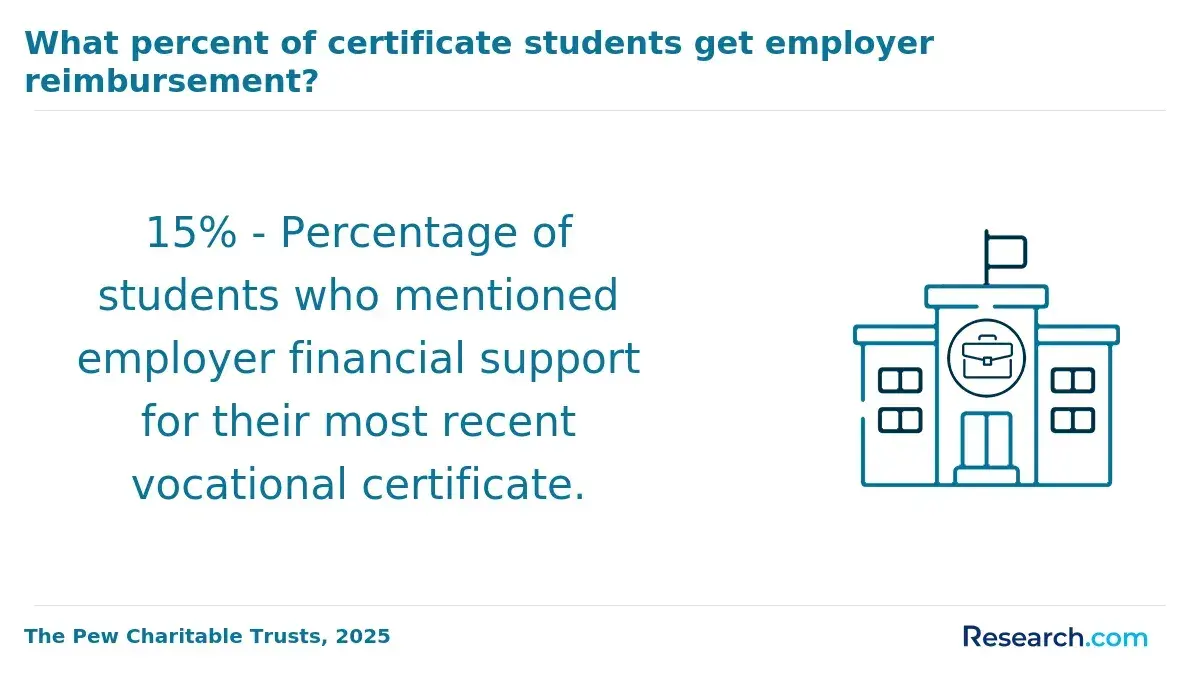
- Employer Tuition Assistance Programs: Many employers provide tuition reimbursement for degrees related to an employee's field. Contacting your HR department may reveal opportunities to reduce educational expenses significantly.
- State Adult Learner Grants: Numerous states offer grants specifically targeting adult learners with flexible eligibility standards. Researching your state's higher education resources can identify these opportunities.
- Scholarships From Political Science Associations: Some professional organizations award scholarships aimed at undergraduates committed to Political Science, combining financial aid with potential networking advantages.
- Income-Share Agreements (ISAs): As an alternative to traditional loans, ISAs allow students to pay a percentage of future income instead of upfront tuition, appealing to those hesitant about debt.
Cost differences between program types are significant. Online Political Science degrees may be more affordable than on-campus options, and public institutions usually offer lower tuition than private ones. Choosing accelerated or transfer-friendly programs can further reduce time and cost.
To maximize aid before borrowing, adults should start by completing the FAFSA early, exploring employer benefits, applying for relevant scholarships, and checking state adult learner grants. Evaluating transfer credits or prior learning assessments can also shorten degree completion and lower expenses.
Nearly 40% of undergraduates are now classified as adult learners, underscoring the increasing availability of tailored financial support and flexible pathways for those aged 30 and above pursuing Political Science degrees.
Employers consistently value a political science bachelor's degree earned after age 30 just as much as one earned earlier-especially when obtained from a regionally accredited institution. Data from the Society for Human Resource Management (SHRM) and the National Association of Colleges and Employers (NACE) show that hiring managers prioritize the credential itself, regardless of the graduate's age or time to completion. What truly matters is the knowledge, skills, and professional maturity that adult learners bring to the table.
- Employer Perceptions: Adult learners are often seen as assets because they demonstrate perseverance and bring real-world work experience, professional maturity, and a strong work ethic that benefit political science roles such as public policy analysis and government relations.
- Industry Standards: In key sectors like government agencies, non-profits, and political consulting firms, a political science bachelor's degree is a non-negotiable baseline. Whether earned at 22 or after 30, the degree opens doors equally.
- Resume Impact: Hiring processes and credential verification focus solely on the degree and institution-not the graduate's age or duration of study. This means your qualification speaks for itself without age bias.
- Workforce Trends: LinkedIn Workforce Insights reports a growing trend of professionals earning degrees later in life, showing broad acceptance of non-traditional educational paths in political science and related fields.
- Career Transition: For career changers, military veterans, and parents reentering the workforce, earning a political science degree after 30 reflects lifelong learning and advancement-qualities highly respected by employers.
Adults seeking a political science bachelor's degree after 30 often leverage prior work experience credit for political science degree programs to accelerate their studies and reduce tuition costs. Institutions recognize that professional skills and knowledge gained through careers, volunteering, or military service can reflect academic learning in political science, enabling credit conversion through several key mechanisms.
- Prior Learning Assessment (PLA): This method reviews portfolios, interviews, or challenge exams to evaluate learning from work or service, determining if it meets college-level standards.
- Portfolio Evaluation: Adult learners prepare comprehensive portfolios detailing relevant job roles, certifications, or policy-related accomplishments for faculty review and potential academic credit.
- CLEP and DSST Exams: Standardized tests that measure knowledge in political science topics allow students to earn credit via exam without traditional classroom attendance.
- ACE-Recommended Credit: The American Council on Education endorses certifications and military training programs, many of which political science programs accept as credit.
Schools like Excelsior College, Thomas Edison State University, and Charter Oak State College maintain strong PLA programs to serve adult learners well. According to the Council for Adult and Experiential Learning (CAEL), those using PLA average 15 to 30 credits-nearly a semester-toward their degrees. This makes how adult learners use work experience toward political science bachelor's programs a crucial strategy for time and cost savings.
Admissions offices appreciate that non-traditional applicants bring relevant expertise and assess work histories based on alignment with political science competencies. Adult political science students enhance their applications by framing job duties, leadership, and policy tasks as academic assets rather than gaps. Years of professional experience in government, advocacy, or related fields can substantially shorten degree completion timelines.
For career changers and parents reentering the workforce, combining prior experience credit with flexible program options-including opportunities like the online master's degree in counseling-can create tailored, efficient pathways to new credentials.
Admission requirements for political science bachelor's programs designed for adult learners over 30 often differ from traditional undergraduate tracks-reflecting the diverse experiences these students bring. Many institutions adopt flexible approaches recognizing that adult students may have nontraditional academic backgrounds.
- Minimum GPA: Most programs seek a 2.0 to 2.5 GPA from prior college work when applicable. However, some waive strict GPA minimums if applicants demonstrate professional or military experience or submit strong personal statements.
- Standardized Test Waivers: Applicants over 25 commonly qualify for SAT or ACT waivers. Many adult-friendly and open admission schools do not require these scores, focusing instead on holistic criteria aligned with admission of adult students in political science degrees.
- Letters of Recommendation: While not always mandatory, some programs ask for one or two letters ideally from employers, professors, or supervisors to attest to academic potential and readiness.
- Personal Statement: A well-crafted statement is often vital for adult learners to express their motivation, life experience, and study goals-especially if earlier academic records are less competitive.
- Residency and Transfer Credits: Policies vary, but many institutions accept transfer credits from accredited colleges and some grant credit for military training or prior learning assessments, accelerating degree completion.
- Open or Rolling Admissions: Schools serving adult learners frequently use open or rolling admissions, reducing barriers by welcoming a broad range of academic profiles and prioritizing flexibility over selectivity.
- Low GPA Options: Prospective students with low prior GPAs should explore academic renewal, grade forgiveness policies, or conditional admission tracks allowing enrollment contingent on earning minimum grades in key courses.
Honest self-assessment helps adult learners realistically gauge their admissibility and target political science programs that fit their academic history and career goals. For career changers, veterans, or parents reentering the workforce, identifying suitable pathways is key to completing a political science degree on their terms. Understanding how programs accept prior credit, military experience, and jobs for environmental science majors offers insight into flexible options and long-term ROI.
Caregiving obligations such as child or elder care significantly reduce the available time adult political science students can dedicate to their studies, often extending the duration needed to complete their degrees. Full-time employment further limits scheduling flexibility, making structured approaches like block scheduling essential for balancing work and academics. Financial pressures add complexity, as tuition and living costs contribute to higher dropout rates among this group without adequate support.
Successful adult learners frequently use time management strategies such as dividing study time into shorter, focused sessions and planning flexibly week-to-week to accommodate unexpected responsibilities. Employer accommodations-including flexible hours or remote work-enhance a student's ability to meet academic demands. Family involvement, particularly shared caregiving duties, plus campus services like childcare centers and emergency financial aid, provide crucial stability.
Before enrolling, adults are encouraged to assess their personal and institutional support systems carefully. Early communication with their school's adult learner services office can offer customized guidance and resources tailored to their unique challenges, boosting the chances of degree completion in political science.
- Caregiving Impact: Family responsibilities reduce study time, often leading to prolonged completion timelines for adult students.
- Employment Constraints: Full-time work requires disciplined time-blocking to manage coursework efficiently.
- Financial Challenges: Balancing tuition with household expenses increases dropout risk without financial aid.
- Support Systems: Employer flexibility, family help, and campus childcare mitigate logistical barriers for adult learners.
- Proactive Planning: Evaluating support networks and engaging school services early helps overcome potential obstacles.
Data from Complete College America underscores that intensive advising dramatically boosts degree completion rates among adults over 30. When evaluating political science programs, several institutional supports are crucial for adult learners balancing complex commitments.
- Dedicated Adult Learner Advisors: These advisors specialize in the unique circumstances of non-traditional students, offering tailored guidance on course planning, degree pathways, and effective time management strategies.
- Prior Learning Assessment Offices: Recognizing life and work experience as potential academic credit accelerates progress. PLA offices evaluate these experiences, enabling learners to reduce the time and cost required to earn a degree.
- Flexible Tutoring and Academic Support: Access to tutoring during evenings and weekends, coupled with online options, ensures that learners can engage in academic assistance without compromising work or family obligations.
- Virtual Library Access: Robust digital research tools provide 24/7 access to scholarly materials-vital for students studying remotely or with limited physical campus engagement.
- Career Services for Career Changers: Customized counseling helps identify transferable skills, craft effective resumes, and locate internships or job opportunities aligned with new career goals.
- Peer Networks for Non-Traditional Students: Creating connections with other adult learners fosters community and support, both academically and emotionally, which is key to persistence and success.
Prospective students should inquire explicitly about these support services. Institutions demonstrating strong commitment to adult learner infrastructure reliably increase the likelihood of timely degree completion and satisfaction in political science programs.
What Graduates Say About Getting a Political Science Bachelor's Degree After 30
- Westin: "Going back to school for a political science bachelor's degree after 30 felt daunting, but the financial support options made it accessible and manageable. The program's flexible schedule allowed me to balance work and studies without feeling overwhelmed. I truly appreciated how the accreditation opened doors in the public sector where I now work."
- Peter: "Reflecting on my time enrolled in the political science program after 30, I realize the value of the rigorous accreditation process that assured me of the program's quality. Additionally, the financial aid I received eased my worries and let me focus on learning instead of expenses. Today, I'm proud to have transitioned into a fulfilling career in policy analysis thanks to that foundation."
- Andrew: "Starting a political science bachelor's degree program after 30 was a strategic move that paid off professionally. The thoughtful financial support options allowed me to invest in my education without stress. Most importantly, the career services ensured I was prepared for various roles in government and advocacy, which expanded my opportunities significantly."
Other Things You Should Know About Political Science Degrees
Earning a political science bachelor's degree after 30 can positively influence long-term earning potential by opening doors to mid-level and senior roles in government, nonprofit organizations, and private sectors. While starting salaries may vary, this degree often enables career advancement and higher pay over time, especially when combined with relevant work experience. Employers tend to value the maturity and transferable skills adults bring to these positions.
Yes, many institutions offer accelerated political science bachelor's degree programs that acknowledge prior work and life experience through credit-for-experience policies. These programs are designed to reduce time to completion by awarding credits for relevant professional or military experience, making them a practical option for adults over 30. Online and hybrid formats also provide flexible scheduling to accommodate work and family responsibilities.
Many programs require a minimum 2.0 to 2.5 GPA for transfer or adult admission, and some ask for official transcripts from every college attended. Selective universities may require a higher GPA, plus writing samples or placement in English and math before enrollment.
Adults over 30 should consider program flexibility, credit transfer policies, and support services when selecting a political science degree. It is important to review whether the program offers part-time, online, or accelerated options that fit personal circumstances. Accreditation and alignment with career goals-such as public policy, international relations, or law-should also guide the decision-making process.
- 10 Top Degrees for a Career in Politics: Explore Your Best Options https://www.publicservicedegrees.org/features/degrees-for-a-career-in-politics/
- Chart of the Month: Who is driving the rise in political science degree completions? Women. - https://politicalsciencenow.com/chart-of-the-month-who-is-driving-the-rise-in-political-science-degree-completions-women/
- When employers drop degree requirements, here's what happens https://standtogether.org/stories/future-of-work/employers-are-removing-degree-requirements-heres-why
- Political Studies - Admissions https://admissions.usask.ca/political-studies.php
- Top 7 Highest Paying Political Science Degree Jobs https://www.greatvaluecolleges.net/highest-paying-political-science-degree-jobs/
- Search study programs in Europe | Study.eu https://www.study.eu/search
- 2025's Best Online Master’s Programs in Political Science https://www.onlinemastersdegrees.org/best-programs/political-science/
- Political Science https://rekrutacja.amu.edu.pl/en/studies-cataloge/political-science,366
- Changing bachelor's to Political Science B.S. https://talk.collegeconfidential.com/t/changing-bachelors-to-political-science-b-s/1918883
- Admission Requirements https://www.preview.ualberta.ca/en/political-science/graduate-programs/admission-requirements.html