
2027 Business Law Degree vs Bootcamp vs Certificate: Which Path Leads to Better Career Outcomes?

Co-Founder and Chief Data Scientist
The main decision is not whether a business law degree, bootcamp, or certificate is “better” in general. It is which credential best matches your timeline, budget, target job, and tolerance for long-term career trade-offs. A business law degree usually carries stronger employer recognition and broader advancement potential, while bootcamps and certificates can help learners add practical skills faster and at lower cost.
The differences matter because outcomes are not equal. Graduates with a business law degree typically earn 20% higher salaries than bootcamp or certificate holders within five years of graduation. Employers often prefer degree credentials for leadership roles, while bootcamps may support faster job transitions in specialized or technology-adjacent roles. Certificates can be useful for focused upskilling, but they usually work best as a supplement rather than a complete substitute for a degree.
This guide compares the three pathways across cost, time to completion, salary, employer preferences, admissions barriers, curriculum depth, return on investment, job placement, networking, geography, and graduate perspectives. It is designed for recent graduates, career changers, working adults, and part-time learners who need a practical way to choose the credential with the strongest fit.
Key Things to Know About Which Path Leads to Better Career Outcomes: Business Law Degree, Bootcamp, or Certificate
- Business law degree holders report 20% higher average starting salaries than bootcamp or certificate completers-employers favor degrees for long-term roles requiring comprehensive legal knowledge.
- Bootcamps offer faster job placement-typically within six months-but yield lower networking access and limited career advancement compared to degree programs.
- Certificates suit working professionals seeking specific skills with a strong return on investment but rarely match degrees' influence on salary growth or executive roles.
How Does Business Law Degree Compare to Bootcamps and Certificates in Total Program Cost and Time to Completion?
A business law degree is the most expensive and time-intensive option, but it also provides the broadest academic credential. Bootcamps are faster and cheaper, with a narrower focus on job-ready skills. Certificates are usually the most flexible and affordable, but they carry less independent weight in hiring unless paired with relevant work experience or another credential.
A business law degree, whether an associate's or bachelor's, typically requires two to four years of full-time study. According to the National Center for Education Statistics (NCES) and Integrated Postsecondary Education Data System (IPEDS), the average annual tuition at public institutions ranges from $10,000 to $30,000, with private schools often charging much higher rates. Total program costs can exceed $100,000, depending on residency and institution. The higher cost reflects not only coursework, but also access to faculty, advising, internships, career services, alumni networks, and a credential that many employers still recognize as a hiring baseline.
Bootcamps usually run between 8 and 26 weeks and are designed for concentrated training. Based on reports from aggregators like SwitchUp and Course Report, costs often fall between $5,000 and $15,000. A bootcamp can make sense for learners who already have a degree or work experience and need to add practical knowledge in areas such as contracts, compliance, legal operations, or legal technology. The trade-off is depth: a bootcamp typically does not provide the same foundation in legal reasoning, business context, research, writing, and ethics that a degree program covers.
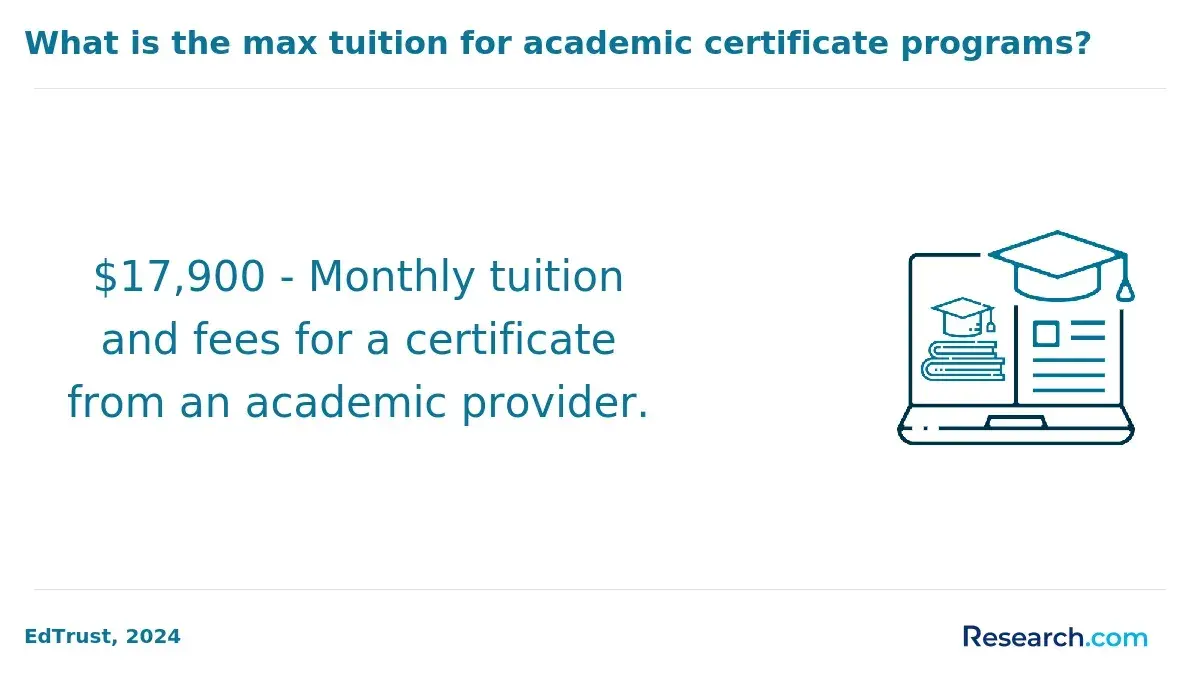
Professional certificates from providers such as Coursera, Google, or industry associations are usually the lowest-cost route, often costing under $3,000. Completion time ranges from a few weeks to several months, depending on pacing and course load. Certificates are useful for learners who want to test interest in business law, add a targeted skill, or strengthen a resume without committing to a full program. They are less likely to qualify someone for roles where employers expect a degree.
Cost should be weighed against opportunity cost as well. A full-time degree may delay entry into the workforce, while bootcamps and certificates can often be completed while working. Students comparing affordable credential options may also want to review a business degree online if they want a recognized academic path with more flexibility than a traditional campus schedule. Those interested in accelerated options can also compare degrees you can get online that pay well with bootcamp and certificate formats.
What Career Outcomes Can Business Law Degree Graduates Expect Compared to Bootcamp and Certificate Completers?
Business law degree graduates generally have the strongest access to traditional legal, compliance, contracts, and corporate support roles. Data from the Bureau of Labor Statistics (BLS) and the NACE Early Career Salary Survey show median starting salaries for degree holders ranging from $55,000 to $70,000 within six months of graduation, with employment rates above 85%. Common roles include paralegal, legal analyst, and compliance officer. These positions often provide clearer pathways into supervisory, specialist, or management roles over time.
Bootcamp completers can achieve faster transitions into applied roles, especially when programs have strong employer partnerships and career coaching. Studies by Course Report show employment rates that sometimes approach 75% within six months, while median starting salaries typically range from $40,000 to $50,000. Common titles may include legal technologist, contract specialist, or compliance technician. These outcomes can be attractive for career changers, but bootcamp data should be reviewed carefully because it is often self-reported and may be affected by survivorship bias or selective disclosure. Programs with independent audits or CIRR membership are easier to evaluate.
Certificate completers usually experience employment rates near 70% and median salaries between $45,000 and $55,000. Certificates can help candidates qualify for legal assistant, compliance coordinator, or administrative legal support roles, particularly when combined with prior business, finance, HR, or operations experience. On their own, however, certificates may not carry enough weight for employers that require formal academic credentials.
The practical conclusion is straightforward: a degree tends to provide the strongest long-term career platform, a bootcamp may provide the fastest skills-based transition, and a certificate is best for incremental career improvement or exploration. Learners who want a shorter path but still need an academic credential may also compare accelerated bachelor degree programs before choosing a nondegree option.
Which Business Law Pathway - Degree, Bootcamp, or Certificate - Offers the Highest Starting Salary for Graduates?
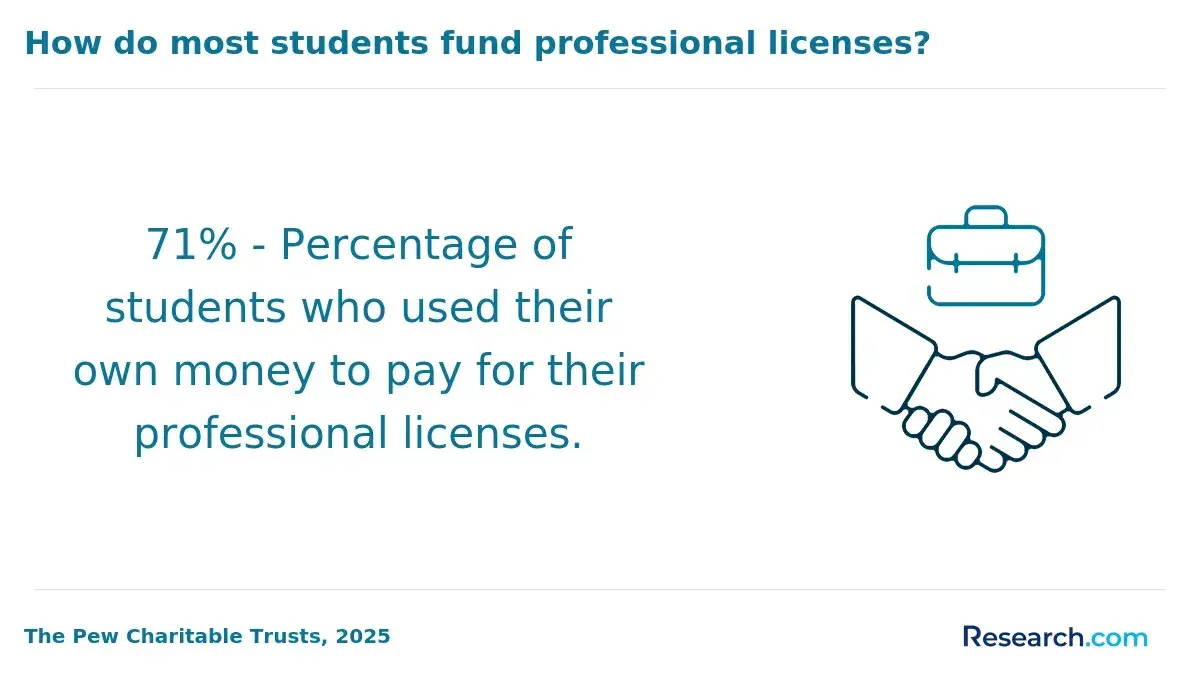
The highest starting salaries typically go to bachelor's degree holders or higher. Entry-level salaries for degree holders usually range from $55,000 to $70,000, depending on employer type, location, industry, prior experience, and program reputation. Larger employers in finance, technology, pharmaceuticals, and other heavily regulated sectors are more likely to offer salaries at the upper end of that range.
Bootcamp and certificate completers generally start between $45,000 and $58,000. Specialized bootcamps in legal technology, compliance tools, or contract operations may approach the mid-$50,000 range, but they rarely exceed degree-holder starting pay in traditional business law roles. Certificates may produce stronger salary outcomes for learners who already have a related background and are using the credential to move internally or specialize.
- Employer preferences: Degree credentials remain favored for roles that require broad legal and business knowledge, especially in larger organizations with structured hiring policies.
- Industry differences: Regulated industries often value degrees because the work involves contracts, compliance, risk, documentation, and internal controls. Startups and smaller firms may be more open to bootcamp or certificate candidates if they can demonstrate practical ability.
- Location: Urban markets with higher living costs usually pay more across all pathways, but degree holders may benefit more from established alumni networks and employer recognition.
- Salary progression: Some bootcamp or certificate completers can start near degree-level salaries, especially with prior experience. Over five to seven years, degree holders often have an advantage for senior, managerial, or policy-heavy roles.
- Individual variation: Median salary ranges do not guarantee outcomes. Work history, internships, specialization, interview performance, and willingness to relocate can materially change results.
One business law degree graduate described the payoff as broader than the first paycheck. The coursework and internship schedule were demanding, but the credential created access to employers that might not have considered a bootcamp-only applicant. In his words, “Landing a higher starting salary wasn't just about the degree itself-it was the networks and credibility it brought that boosted my opportunities.”
How Do Employers Actually Evaluate Business Law Credentials: Does a Degree Still Outrank a Bootcamp or Certificate?
In many business law hiring decisions, a degree still outranks a bootcamp or certificate. This is especially true in large corporations, government agencies, law-related departments, healthcare, finance, insurance, and other regulated industries. Employers in these settings often use a degree as evidence of broad preparation, sustained academic performance, legal reasoning, writing ability, and readiness for compliance-sensitive work.
- Degree preference: Business law degrees remain highly valued in legal departments, compliance teams, consulting firms, and corporate operations roles. They are often expected for mid-level and senior roles.
- Skills-based hiring: Some employers, especially in technology and startups, evaluate practical skills more heavily. Candidates with bootcamp portfolios, contract review samples, compliance projects, or legal technology experience may compete well for entry-level or specialized roles.
- Bootcamps and certificates: These credentials can strengthen a resume, but they are usually more persuasive when attached to evidence of applied work. A certificate alone rarely carries the same screening power as a degree.
- Policy versus practice: Even when employers advertise degree-optional hiring, hiring managers may still favor degree holders when the applicant pool is competitive.
- Best combined strategy: Adult learners and career changers often gain the most by combining a degree or prior professional experience with a bootcamp or certificate in a focused area such as compliance, contract management, or legal operations.
For learners planning beyond entry-level roles, credential stacking can matter. A degree may establish the baseline, while targeted certificates show current skills. Those exploring broader leadership preparation can also review PhD leadership online programs as part of a longer-term career strategy.
What Are the Admission Requirements and Academic Barriers for Business Law Degree Programs Versus Bootcamps and Certificates?
Business law degree programs usually have the most formal admissions process. Applicants may need a minimum GPA, usually between 2.5 and 3.0, along with prerequisite coursework in areas such as economics or foundational law. Some programs request standardized test scores such as the SAT, ACT, LSAT, or GRE. Letters of recommendation, personal statements, transcripts, and fixed application deadlines can also be required.
Bootcamps are typically easier to enter. Many use open enrollment or light screening, such as a basic skills assessment, interview, or short application. They usually do not require a formal GPA or standardized test score. This accessibility is useful for working adults and career changers, but it also means students should investigate program quality carefully before enrolling.
Certificate programs generally have the fewest barriers. Many require only a high school diploma or equivalent, and some allow immediate enrollment. This makes certificates a practical entry point for learners who want exposure to business law without navigating a competitive admissions process.
- Degree programs: Minimum GPA, prerequisite courses, standardized tests, recommendations, essays, transcripts, and strict deadlines may apply.
- Bootcamps: Open enrollment is common, though some programs use interviews or skills checks.
- Certificate programs: A high school diploma or equivalent may be sufficient, with simple application requirements.
The admissions barrier can be both a disadvantage and a signal. Degree programs are harder to enter, but that selectivity may reinforce employer confidence. Bootcamps and certificates are more accessible, but students must evaluate instructor quality, curriculum rigor, employer partnerships, career support, and outcome reporting before assuming the credential will pay off.
One bootcamp graduate said the low-friction admissions process made the path possible while balancing work and family. “I didn't have to worry about test scores or lengthy applications,” she explained. “That accessibility let me start learning immediately while balancing work and family.” For her, the bootcamp worked because it matched her schedule and career goal, not because it replaced every advantage of a degree.
How Does Curriculum Depth Differ Between a Business Law Degree, a Bootcamp, and a Certificate Program?
A business law degree provides the deepest and broadest curriculum. Students typically study legal foundations, contracts, corporate governance, intellectual property, compliance, ethics, research, writing, and business principles. Degree programs may also include general education courses, electives, internships, capstone projects, or research assignments. This breadth can feel slower than a bootcamp, but it develops the reasoning and communication skills employers often expect for complex roles.
Bootcamps prioritize speed and applied skills. Instead of building a full academic foundation, they focus on practical tasks such as contract drafting, regulatory basics, dispute resolution, legal operations workflows, compliance documentation, or legal technology tools. This format can be effective for learners who need immediate workplace skills, but it may leave gaps in advanced theory, research methods, policy analysis, and broader business context.
Certificate programs vary widely. Some introduce business law basics for beginners, while others provide advanced specialization for professionals who already have experience. Their value depends heavily on the provider, curriculum, assessment rigor, employer recognition, and how clearly the certificate aligns with a target job.
- Degree programs: Best for learners who need broad legal-business knowledge, transferable skills, and a credential that supports long-term advancement.
- Bootcamps: Best for learners who need concentrated, practical training for a specific role or career pivot.
- Entry-level certificates: Best for exploring the field or adding basic terminology and concepts.
- Advanced certificates: Best for experienced professionals who need specialized knowledge recognized by employers or industry groups.
The key curriculum question is whether you need foundation, specialization, or speed. A degree builds the foundation. A bootcamp trains toward a narrower job outcome. A certificate adds a defined skill, but usually does not replace broader preparation.
Which Business Law Path Produces the Fastest Return on Investment: Degree, Bootcamp, or Certificate?
The fastest return on investment usually comes from the pathway that lets you improve earnings without taking on unnecessary tuition or lost income. For some learners, that is a bootcamp or certificate. For others, especially those entering the field early and targeting long-term advancement, the degree may produce stronger value over time even though it takes longer to pay off.
ROI should include direct costs such as tuition, fees, books, software, and commuting, but also opportunity cost. Opportunity cost is the income you give up while studying. This matters most for full-time degree students who leave the workforce for two to four years. It matters less for part-time learners who continue working.
The estimated cumulative salary premium attributable to credentials over five- and ten-year periods, combined with National Center for Education Statistics (NCES) tuition data, National Association of Colleges and Employers (NACE) salary benchmarks, and bootcamp outcome reports provide the basis for these ROI calculations.
- Recent high school graduate: A degree often has the strongest ten-year ROI because there may be little or no prior income to give up, and the credential can support higher salary growth. Bootcamps and certificates allow faster workforce entry but may limit long-term advancement.
- Mid-career professional leaving a $50,000 salary: A full-time degree can be expensive once lost wages are counted. The opportunity cost may include an estimated $100,000 loss over two years. A bootcamp or certificate can produce faster short-term ROI if it improves job prospects without requiring a long career pause.
- Part-time learner maintaining employment: Continuing to work reduces opportunity cost. In this case, a degree can become more financially realistic, although completion may take longer. The best choice depends on career goals and how much credential recognition the target role requires.
Five-year ROI may favor shorter credentials because they cost less and finish faster. Ten-year ROI may favor degrees when employers use them for promotion, salary bands, or leadership eligibility. The right calculation should compare not only tuition, but also time, lost income, likelihood of completion, and the credential expectations in your target labor market.
How Do Business Law Bootcamps and Certificate Programs Compare to Degree Programs on Job Placement Rates?
Job placement rates are difficult to compare because programs do not always define “placement” the same way. A degree program may count only full-time roles related to business law, while a bootcamp may include adjacent positions, contract work, or any job obtained after graduation. Certificate programs may not report placement at all because many students enroll for upskilling rather than direct job placement.
- Degree programs: Placement data may come from institutional career services, graduate surveys, and sources such as IPEDS graduate outcomes. These figures can be more structured, but they may also appear more conservative because they focus on field-related employment.
- Bootcamps: Business law bootcamp placement claims often rely on self-reported outcomes. Some programs follow CIRR standards or use third-party verification, which improves transparency. Students should check whether reported placements include business law roles, legal technology roles, administrative roles, internships, contract positions, or unrelated employment.
- Certificate programs: Placement data may be limited, unverified, or blended across learners with very different backgrounds. Certificates are often designed to improve skills rather than guarantee a job transition.
Career services can change outcomes across all three pathways. Strong programs provide resume support, mock interviews, employer introductions, internship access, alumni referrals, and guidance on building work samples. Weak career support can limit results even when the curriculum is solid.
Before enrolling, ask for placement data broken down by role title, salary range, employment type, time-to-placement, completion rate, and whether outcomes are independently verified. Avoid relying on one headline percentage. For a comparison point on how career-focused credentials can differ by field, you can also review best bookkeeping certification programs.
What Role Does Networking and Alumni Access Play in Business Law Degree Programs Versus Bootcamps and Certificates?
Networking can be as important as coursework in business law because many opportunities depend on referrals, internships, employer relationships, and professional reputation. Degree programs usually offer the strongest long-term network because they combine faculty access, alumni associations, career fairs, student organizations, internships, and institutional employer relationships.
The value of a degree network depends on the school. A well-known university with a large alumni base and strong regional employer ties may open doors for years after graduation. A smaller or less connected program can still be valuable, but students should examine internship pipelines, alumni activity, and local employer recognition before enrolling.
Bootcamps offer smaller, more concentrated networks. Their strongest advantage is often the cohort model: learners work closely with peers, instructors, mentors, and employer partners focused on immediate hiring. This can be especially useful in legal technology, compliance operations, e-discovery, contract analytics, and other specialized areas. The limitation is that bootcamp networks may be newer, narrower, and more dependent on the program’s local employer relationships.
Certificate networks are usually the least structured. Some providers maintain online communities, discussion forums, or professional groups, but many certificates do not provide deep alumni access or direct hiring connections. Certificates tied to industry associations may offer stronger networking value than general short courses.
Students should ask direct questions before choosing a pathway: How active is the alumni network? Are graduates willing to refer current students? Which employers recruit from the program? Are internships or projects built into the curriculum? Are networking events local, remote, or both? For learners considering tech-integrated legal roles, comparing pathways such as an accelerated bachelor's degree computer science online can also help clarify how program networks affect employability.
How Does Geographic Location Affect Which Business Law Pathway - Degree, Bootcamp, or Certificate - Leads to Better Outcomes?
Location can strongly influence which business law credential performs best. In large markets such as New York, San Francisco, and Chicago, employers may value degrees because competition is intense and many organizations have formal hiring requirements. At the same time, bootcamps and certificates can perform well in these cities when they have strong employer partnerships and focus on in-demand specialties.
In mid-sized regional markets, outcomes are more mixed. A degree may remain the safest credential because local employers understand it and use it as a screening tool. Bootcamps can compete when they are known by regional companies or have direct placement relationships. Certificates can help with internal promotion or lateral moves, but they may be less persuasive for candidates without related experience.
In smaller or rural markets, a degree may provide the most reliable signal because employers may be less familiar with bootcamp or certificate providers. Fewer local business law roles can also make placement harder for short-term programs unless remote work is a realistic option.
- Bootcamp concentration: Many bootcamps operate near dense employer markets, which can improve access to hiring events and referrals.
- Relocation risk: A bootcamp’s employer network may be less useful if a graduate moves away from the program’s main market.
- Remote work: Remote roles can expand access for all credential types, but they also increase competition from candidates nationwide.
- Local recognition: The best credential is often the one employers in your target region already trust.
Recent data indicates approximately 35% of tech and business bootcamp alumni nationwide secured employment within six months, underscoring how important geography and employer proximity can be. Before enrolling, compare job postings in your preferred location and note which credentials appear repeatedly in actual requirements.
What Do Business Law Industry Professionals and Hiring Managers Actually Prefer When Reviewing Resumes?
Hiring managers usually read a business law resume in layers. First, they check whether the candidate meets basic requirements such as degree level, work authorization, relevant experience, and location. Then they look for evidence of applied ability: internships, contract review experience, compliance projects, writing samples, software tools, case studies, and measurable results.
Large corporations and government bodies often treat business law degrees as mandatory filters. They may require a bachelor's or higher because of internal policy, regulatory expectations, or standardized job classifications. In these settings, bootcamps and certificates are usually viewed as additions rather than replacements.
Small businesses, startups, agencies, and some technology-focused employers may be more flexible. They often care about whether a candidate can perform the work quickly: organize contracts, interpret basic compliance requirements, support legal operations, use relevant platforms, communicate clearly, and solve business problems. For these employers, a strong portfolio or relevant experience can help a bootcamp or certificate candidate compete.
Despite many major firms officially dropping degree requirements for business law roles, actual hiring remains degree-preferential, especially for mid- to senior-level positions, according to Indeed's hiring manager research. This does not mean alternative credentials lack value. It means candidates should understand where those credentials are most likely to be accepted.
The most reliable research method is to study real hiring patterns. Review job postings for your target role, identify the credentials held by recently hired employees, and conduct informational interviews with hiring managers or alumni. Published requirements are useful, but the profiles of people actually getting hired often reveal the true credential mix.
What Graduates Say About Which Path Leads to Better Career Outcomes: Business Law Degree, Bootcamp, or Certificate
- : "Choosing the business law degree was a game changer for me. Its strong employer credential recognition improved my job placement opportunities, and the broader curriculum gave me the confidence to handle more complex work. Bootcamps can be faster, but for my goals, the degree created stronger salary outcomes and better long-term career growth. —Lawrence"
- : "The business law bootcamp worked because I needed a focused and practical route into a new area. The pace was intense, and salary growth was slower than what some degree holders experienced, but the hands-on projects and networking access helped me move faster than a certificate alone would have. —Yitzchok"
- : "The certificate gave me a useful introduction to business law, but I learned quickly that it was not the same as a deeper credential. It helped me balance work and study, test my interest, and build a foundation. I see it as a stepping stone, not the finish line. —Cameron"
Other Things You Should Know About Business Law Degrees
Business Law degree holders generally experience stronger long-term career growth due to their comprehensive education and access to advanced roles. Bootcamp and certificate completers often see faster entry into the workforce but may face limitations advancing to senior or specialized positions without further education. Employers typically value degrees more highly for leadership and strategic roles, while certificates and bootcamps are better suited for immediate skill acquisition.
Recent high school graduates benefit most from enrolling in Business Law degree programs because they provide foundational knowledge and broad accreditation. Career changers may prefer bootcamps or certificates, which offer shorter, focused training meant to quickly update skills and facilitate transition. These flexible formats better accommodate those already in the workforce or seeking specific expertise without committing to a multi-year program.
Prospective students should evaluate factors like career objectives, cost, duration, and learning preferences. Each path offers unique benefits: degrees provide comprehensive knowledge; bootcamps deliver intensive, practical skills quickly; and certificates offer specialization and flexibility. Consider job market demands and personal career plans when choosing.
Business Law degrees come from accredited institutions and carry widely recognized legitimacy, providing a solid foundation for licensure and advanced study. Bootcamps and certificates vary greatly in accreditation-most are not institutionally accredited but may offer industry-specific recognition. This difference affects employer acceptance, with degrees holding clear advantages in credential credibility and professional standing.
References
- Is Business Law a Good Career? Weigh These Pros and Cons | Rasmussen University https://www.rasmussen.edu/degrees/business/blog/is-business-law-a-good-career/
- College vs. Bootcamp: Which Learning Model to Choose - tripleten.com/blog https://tripleten.com/blog/posts/college-vs-bootcamp-which-learning-model-to-choose
- ROI on degrees, certificates https://www.ccdaily.com/2024/10/roi-on-degrees-certificates/
- Do Employers Verify Degrees? How (and How Often) They Do It https://validgrad.com/blog/do-employers-verify-degrees/
- Top 10 business law careers for aspiring candidates https://ema.education/en/blog/top-10-business-law-careers-for-aspiring-candidates/
- Here Are the Law Degrees Offering the Most Money After Graduation https://www.recruiter.com/recruiting/here-are-the-law-degrees-offering-the-most-money-after-graduation/
- These law schools have the best return on investment, analysis says https://www.abajournal.com/news/article/these-law-schools-have-the-best-return-on-investment-analysis-says
- Top 10 High-Paying Law Jobs for Fresh Graduates - https://lexmatter.org/blog/
- The Business Benefits of Law Firm Alumni Networks https://www.aluminati.net/law-firm-alumni-networks/
- The Importance of the Alumni Network https://www.accessmba.com/articles/view/mba-alumni-networks





