2027 Biotechnology Practicum Requirements Explained

Co-Founder and Chief Data Scientist
Students pursuing a biotechnology degree often face significant challenges securing practicum or internship positions that meet rigorous licensing and accreditation standards. Many programs require specific practicum hours, supervised by qualified professionals in approved settings, alongside background checks and minimum GPA thresholds. These layered requirements can delay graduation or hinder eligibility for certification if not understood early.
ecent data shows that 67% of STEM students report difficulty aligning fieldwork opportunities with academic schedules and licensure demands. This article clarifies biotechnology practicum requirements nationwide-highlighting supervision criteria, placement settings, and documentation-to help students plan effectively, maintain progress, and streamline certification pathways.
Key Things To Know About Biotechnology Practicum Requirements
- Completing practicum training provides hands-on skills essential for bridging academic concepts with real-world biotechnology applications-enhancing both competence and confidence.
- Field experience and internships offer critical exposure to laboratory environments and industry protocols, making candidates more competitive for professional roles.
- Supervised clinical placements develop problem-solving abilities under expert guidance-preparing students for regulatory standards and complex biotechnological processes.
What Is A Practicum In Biotechnology Program?
A practicum in a biotechnology program is a critical, supervised work experience that connects academic theory with practical application in professional settings. These practicums are integrated into many U.S. higher education curricula to encourage hands-on learning and prepare students effectively for biotechnology careers. Research indicates that over 70% of biotechnology employers prefer graduates with direct experiential training, underscoring the value of practicum requirements for biotechnology programs.
Unlike internships, clinicals, or capstone projects, a practicum is typically a structured academic component focusing on direct fieldwork and applied learning. Key aspects of the biotechnology practicum role and structure include the following:
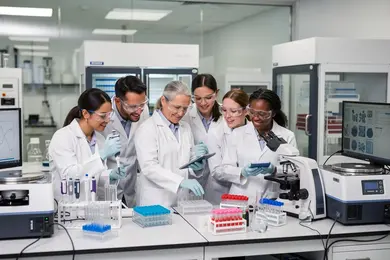
- Fieldwork Expectations: Students engage in laboratory work or industry environments, completing tasks such as sample analysis and quality control. This promotes development of technical skills while familiarizing students with professional protocols.
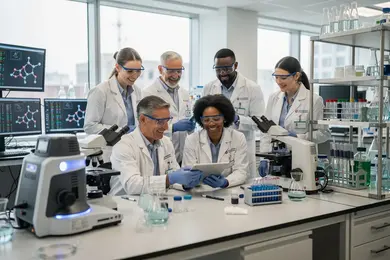
- Supervised Learning: Qualified supervisors from industry or academia oversee placements, providing ongoing evaluation and constructive feedback that enhances student performance and career readiness.
- Placement Timing: Practicums usually occur after core coursework is completed, ensuring students have foundational knowledge before practical application.
- Hours and Immersion: Requirements often range from 100 to 200 hours, giving students the opportunity to gain meaningful experience and competence under close guidance.
- Assessment and Certification: Completion of the practicum is essential for graduation and program accreditation. Evaluations combine supervisor input and academic review to confirm skill development.
Including a practicum in a biotechnology degree helps students build competencies and professional networks that improve employability outcomes. For those exploring health-related fields, accelerated medical assistant programs offer similar practical experience paths in shorter timeframes.
What Are The Eligibility Requirements For Biotechnology Practicum?
Practicum eligibility standards in biotechnology programs safeguard student safety and academic integrity while ensuring that students are professionally prepared for supervised fieldwork. Over 70% of STEM programs enforce rigorous approval processes, underscoring the demand for well-prepared students to meet complex industry challenges. These requirements also enhance academic retention and boost employer confidence in graduates' workforce readiness.
Below are common criteria students must meet before starting a biotechnology practicum-
- Minimum GPA: A cumulative grade point average of 2.5 or higher is typically required. This benchmark confirms that students have established a solid academic foundation sufficient to handle the demands of practicum tasks.
- Prerequisite Coursework: Completion of essential courses such as molecular biology, genetics, and biochemistry is necessary. These classes build the technical knowledge and skills needed to succeed in practicum settings and prepare students for advanced specialization.
- Competency Demonstration: Students often must prove proficiency in laboratory techniques, data interpretation, and safety protocols. This is usually verified through exams or practical assessments before placement approval.
- Faculty or Department Approval: Formal endorsement by academic advisors or practicum coordinators is required to validate that students meet curricular and professional standards for experiential learning.
- Administrative Compliance: Health screenings, immunization records, background checks, and drug testing may be mandatory. Students also frequently must submit liability waivers and complete placement-specific onboarding to satisfy site regulations and ensure workplace safety.
Meeting these eligibility requirements ensures students gain the most from their biotechnology practicum, bridging classroom theory and real-world application. Students interested in related healthcare fields can also explore nursing online options, which may have similar experiential learning standards.
How Many Practicum Hours Are Required For Biotechnology Program?
Practicum hours in Biotechnology programs ensure students gain hands-on experience essential for workforce readiness, with requirements varying based on institution policies, state regulations, and accrediting bodies. Industry reports indicate that employers highly value candidates who complete at least 120 supervised practicum hours, aligning with national standards for experiential learning.
Several factors shape how practicum hours are structured and mandated across programs:
- Typical Hour Ranges: Most curricula mandate between 120 and 160 total practicum hours, providing a balanced timeframe for students to develop practical laboratory and technical skills crucial to the field.
- Training Phases: Hours often split between initial observation and progressively active participation. For example, students may dedicate 40 to 60 hours shadowing professionals before advancing to hands-on responsibilities under supervision.
- Phased Structure: Many programs organize practicums into multiple rotations or stages, exposing students to diverse specializations like molecular analysis, quality assurance, or bioinformatics to build comprehensive competencies.
- Supervision and Verification: Oversight typically involves experienced mentors who monitor progress, confirm task completion through logs, and conduct evaluations to ensure skill mastery and accountability.
- Weekly Time Commitments: Most practicums run across one or more semesters with a minimum weekly commitment of around 8 to 12 hours, balancing academic coursework with immersive field experience.
Reflecting on his practicum experience, a professional who pursued a Biotechnology degree shared that completing around 140 hours felt both demanding and rewarding. He described early phases as challenging due to unfamiliar techniques and strict protocols but emphasized that steady supervision and structured rotations helped build his confidence. Maintaining detailed logs and regular feedback sessions proved crucial in tracking his progress and overcoming initial uncertainties. Ultimately, those practicum hours not only honed his technical skills but also expanded his professional network, proving invaluable as he transitioned into a full-time role in the industry.
What Courses Must Be Completed Before Starting Practicum?
Before beginning practicum experiences, students must complete foundational coursework essential to their readiness for applied learning. Programs require this preparation to ensure students possess both theoretical knowledge and practical skills-studies indicate that well-structured experiential learning increases successful practicum outcomes by more than 30%. Curriculum sequencing plays a crucial role in aligning academic progression with fieldwork eligibility, especially in disciplines like Biotechnology practicum prerequisite coursework in the United States.
Common prerequisite courses generally include the following key areas:
- Core Science Coursework: Students engage in classes such as molecular biology, genetics, and biochemistry that provide the scientific understanding necessary for laboratory techniques and analysis. These courses build the analytical skills required to navigate complex biotechnological processes during field experience.
- Professional Ethics: Coursework in this area ensures students are familiar with responsible conduct, regulatory compliance, and industry standards. Ethical training promotes safe, legal, and conscientious practice throughout practicum activities.
- Research Methods: Students learn to design, execute, and evaluate experiments systematically-critical skills that support evidence-based decision-making and effective contribution to research projects during practicum.
- Communication Skills: Foundational training in written and oral communication equips students to document results clearly, collaborate with peers, and present findings to diverse audiences, which is vital in interdisciplinary Biotechnology practicum prerequisite coursework in the United States environments.
- Applied Competencies: Depending on the discipline, additional coursework covers assessment principles or specific laboratory techniques. For example, nursing, psychology, and allied health programs may require tailored classes that refine hands-on skills and professional judgment essential for successful practicum performance.
These prerequisite structures vary by field but share a common goal: to prepare students thoroughly for the supervised, real-world applications of their studies. For detailed workforce insights related to healthcare fields, see the PhD in nursing salary for context on how preparatory coursework supports career advancement.
How Does The Biotechnology Practicum Placement Process Work?
The practicum placement process in biotechnology programs ensures students gain critical hands-on experience by connecting academic knowledge with supervised industry settings. Institutions work closely with external organizations to facilitate placements that align with learning goals-helping students transition from classroom concepts to applicable skills. According to a 2023 report, more than 80% of biotechnology employers prefer candidates who have completed practical training through internships or practicums.
The process typically involves several key steps and coordination points:
- Eligibility Verification: Students must satisfy defined academic criteria such as minimum GPA benchmarks, prerequisite coursework, and sometimes specific safety or lab certifications before qualifying to apply for a practicum.
- Application and Matching: After meeting eligibility, students submit detailed profiles or applications to the placement office, which then matches them to host sites considering interests, competencies, and availability.
- Host Communication: Institutions collaborate with certified biotech firms, research facilities, or healthcare providers who agree to offer placements that meet educational and regulatory standards.
- Interview and Screening: Students often undergo interviews or other screening conducted by host organizations to assess fit and clarify mutual expectations prior to placement confirmation.
- Institutional Oversight: Faculty coordinators review placements and ensure all paperwork-like liability waivers and insurance-is correctly completed before students begin their practicum.
- Onboarding and Compliance: Students complete orientation sessions covering facility rules, safety protocols, and documentation to ensure readiness and adherence to industry regulations.
- Ongoing Evaluation: During the practicum, students maintain logs or reflective journals supervised by designated mentors, with faculty monitoring progress to verify required hours and skill development.
Reflecting on her own experience, a professional who completed a biotechnology degree and its practicum explained that navigating the placement was both challenging and rewarding. She recalled the uncertainty around matching preferences and the intensity of preparing for interviews but emphasized how institutional guidance helped smooth the process. "It was daunting at first, managing paperwork and meeting strict prerequisites, but the supervision during the placement was invaluable," she said. Her practicum not only strengthened her technical abilities but also provided insights into workplace expectations, significantly shaping her early career path in the biotech field.
What Documents And Paperwork Are Required Before Practicum?
Completing the necessary documentation before starting a practicum is essential in biotechnology programs to ensure students meet eligibility criteria and comply with safety and professional standards. Studies show that around 85% of health and science programs require thorough paperwork, helping institutions maintain regulatory compliance and ready students for practical field placements. These documents also facilitate proper coordination between schools and practicum sites.
The following are commonly required forms and approvals students must submit prior to beginning their practicum:
- Application Forms: These initiate the placement process by collecting student details, academic records, and preferred locations. Timely submission is critical to allow verification, scheduling, and supervisor assignment before the practicum start date.
- Medical Clearances: Health evaluations and immunization documentation confirm students meet site-specific safety protocols, protecting both students and host environments from potential health risks.
- Background Checks: Criminal history assessments and professional conduct verifications are standard prerequisites that safeguard facilities and assure ethical compliance, particularly when working with sensitive data or vulnerable populations.
- Liability Waivers and Consent Agreements: Students acknowledge possible risks and authorize the institution and practicum site to oversee their activities, reducing legal exposure and clarifying responsibility.
- Confidentiality Agreements: These ensure students commit to protecting private or proprietary information encountered during practical work, aligning with professional ethical standards.
- Site Onboarding Documents: Some locations require additional paperwork such as safety training certifications and procedural acknowledgments, confirming students understand and will adhere to specific operational guidelines.
What Background Checks, Immunizations, Or Clearances Are Needed?
Pre-practicum health, safety, and legal clearances are essential in biotechnology programs to protect students and the communities where they complete fieldwork. These protocols help reduce risks related to infectious diseases and ensure compliance with regulatory standards. Over 90% of healthcare-related practicum programs require standardized screenings to meet institutional and legal requirements.
Common pre-practicum compliance measures include:
- Criminal Background Checks: Students typically undergo thorough criminal history reviews-often including fingerprinting and state registry searches-to protect vulnerable populations and comply with legal and institutional policies. These may vary by state and placement site.
- Immunizations and Tuberculosis Testing: Documentation of immunizations such as hepatitis B, MMR (measles, mumps, rubella), and influenza is required alongside tuberculosis screenings. These prevent contagious disease transmission in laboratory and clinical environments.
- CPR and Drug Screenings: Certification in cardiopulmonary resuscitation (CPR) and drug testing verify readiness for emergencies and promote workplace safety. Occupational health clearances may also be needed depending on the placement.
- Compliance Documentation and Renewal: Maintaining current certifications and clearances requires submitting proper forms and renewing them regularly-typically on an annual basis. Policies differ by placement type, such as healthcare, research labs, or social services.
- Placement Eligibility: Meeting all screening and immunization requirements is crucial to secure practicum placements. Delays or incomplete documentation can affect graduation timelines and career progression.
What Should Students Expect During Biotechnology Practicum Placement?
Practicum placements in biotechnology programs serve as essential pathways for applying academic theory in supervised real-world settings. These experiences not only deepen technical understanding but also foster professional skills critical for workforce readiness. Studies show that over 80% of STEM employers prioritize candidates with documented experiential learning, highlighting the growing importance of practicum participation in graduate preparedness.
Students can expect several key elements during their biotechnology practicum placement that contribute to both skill acquisition and career development:
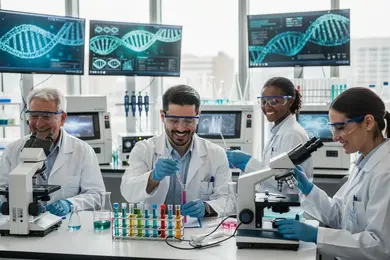
- Day-to-Day Responsibilities: Students engage in routine laboratory tasks such as sample preparation, data recording, and equipment upkeep. These activities reinforce proficiency in standard biotechnological procedures and promote consistent application of scientific methods, reflecting typical biotechnology practicum placement daily responsibilities.
- Supervision and Mentorship: Practicums provide close guidance from experienced professionals who oversee technical protocol adherence and professional norms. Regular feedback sessions aim to enhance skills and support continual growth, focusing on effective supervision and evaluation in biotechnology practicum settings.
- Professional Conduct: Adherence to lab safety, confidentiality, and ethical standards is mandatory. Developing punctuality, teamwork, and communication skills cultivates a professional demeanor necessary for successful integration into workplace culture.
- Performance Evaluation: Assessments often combine direct observation, project documentation, and competency checklists to ensure benchmarks are met. This structured evaluation delivers personalized advice supporting student learning and practical improvement.
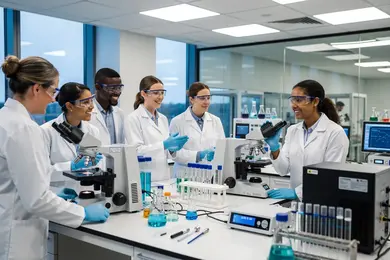
- Practical Skill Development: Hands-on experience with biotechnological instruments enhances technical proficiency and problem-solving abilities. Students learn to troubleshoot experimental challenges-strengthening adaptability vital for career success.
- Workplace Communication: Effective verbal and written communication within teams and with supervisors is emphasized. Mastering these skills builds confidence and clarity in scientific discourse.
For students seeking additional online educational resources related to health technologies, exploring ultrasound tech online programs can complement biotechnology experience and broaden career options.
How Are Practicum Students Supervised And Evaluated?
Supervision and evaluation in biotechnology practicum experiences are essential to guide student development and maintain academic accountability. These processes ensure students gain hands-on skills while meeting curriculum standards essential for workforce readiness. A 2023 survey by the National Association of Colleges and Employers found that 78% of employers prioritize experiential learning outcomes when evaluating recent graduates' preparedness.
Key components of how practicum students are supervised and evaluated include:
- Supervisor Roles: Industry or lab supervisors provide daily oversight, fostering proper technical skill use and safe practices. They set clear expectations early on and maintain regular communication to support students' growth and learning confidence during the practicum.
- Faculty Advisors: Academic mentors coordinate with site supervisors to ensure practicum activities align with program objectives and degree requirements. Through progress discussions, assignment feedback, and sometimes site visits, faculty connect theoretical knowledge with practical experience.
- Feedback Delivery: Structured and ongoing feedback is delivered both verbally and in writing. This assessment helps trainees adjust their performance and professional behavior continuously, reinforcing learning outcomes and competency development.
- Assessment Methods: Students' skills are evaluated via direct observation, competency checklists, reflective journals, and formal performance reviews. Final evaluations balance laboratory proficiency, problem-solving ability, and professional conduct to determine readiness.
- Institutional Variations: Supervision and evaluation approaches may differ based on disciplinary focus or accreditation standards. Nevertheless, comprehensive, multi-source assessment remains a common goal to ensure biotechnology practicum student supervision methods meet academic and industry benchmarks.
Students pursuing biotechnology degrees should view practicum placements not only as academic requirements but as strategic career assets that build job-relevant competencies and professional networks. For those interested in related pathways, programs such as the cheapest BSN to MSN online offerings demonstrate the expanding landscape of accessible experiential learning options.
How Does Practicum Help With Licensure Or Certification Requirements?
Practicum placements are essential for biotechnology students aiming to meet licensure or certification requirements, as they provide supervised, hands-on experience that integrates classroom learning with industry expectations. Over 70% of biotechnology employers now prioritize candidates with licensure or certification supported by documented practicum training, reflecting its increasing value in professional readiness. These experiences ensure students develop the competencies necessary for regulated biotech roles while complying with established standards.
The following key components illustrate how practicums fulfill licensure and certification criteria:
- Fieldwork Hours: Students must complete a specified number of supervised practical hours that satisfy the clinical or field experience quotas mandated by certifying bodies. These hours expose students to essential lab techniques, quality assurance procedures, and safety protocols under professional supervision.
- Competency Benchmarks: Practicum programs set clear performance goals aligned with licensure competencies. Progress depends on demonstrating skills in sample handling, equipment use, and regulatory adherence, ensuring readiness for certification.
- Supervision and Alignment: Accredited mentors oversee practicum activities to guarantee they meet professional and ethical standards. These supervisors perform formal evaluations assessing technical ability, professionalism, and compliance with industry regulations.
- Documentation and Validation: Educational institutions keep thorough records documenting practicum completion and assessments. This verification is vital for licensure applications and may be reviewed by regulatory agencies.
- Discipline-Specific Requirements: Biotechnology specializations such as pharmaceutical production, bioinformatics, and healthcare technology tailor practicum experiences to meet unique credentialing pathways, ensuring graduates fulfill specialized licensure criteria.
What Do Students Say About Their Biotechnology Practicum Experience?
- Tristan: "My practicum experience in biotechnology really challenged my ability to meet the eligibility requirements-initially, I underestimated the need for specific lab safety certifications. However, once I completed those, the placement exceeded my expectations by giving me hands-on exposure to gene editing techniques I had only studied in theory. The supervision was thorough and constructive, with regular evaluations that helped me improve both technically and professionally."
- Jesiah: "Reflecting on my practicum journey, I faced a few hurdles regarding the application deadlines and prerequisite courses that weren't clearly communicated at first. Despite these setbacks, the placement itself was rewarding, and it aligned well with what I hoped to learn about industrial biotech workflows. My mentor provided detailed feedback during weekly check-ins, which made me feel supported and allowed me to track my progress effectively."
- Christopher: "Throughout my biotechnology practicum, I appreciated the professional environment where expectations were clearly set from the beginning-this clarity reduced stress and kept me focused. One challenge was adapting to the fast pace of data analysis tasks, but the supervisors offered targeted evaluations that helped me refine my skills quickly. Overall, the experience confirmed my passion for the field and strengthened my confidence in pursuing a biotech career."
Other Things You Should Know About Biotechnology Degrees
Most biotechnology programs allow students to earn academic credit only if they complete a minimum number of practicum hours set by the institution. Part-time practicum involvement may qualify if the accumulated hours meet or exceed this threshold within a given term. It is essential to confirm with the program coordinator whether part-time schedules align with credit eligibility.
Biotechnology practicum placements typically occur at accredited laboratories, research institutions, or biotech companies that meet academic standards. Programs may specify acceptable organizations to ensure relevant hands-on experience. Students usually cannot complete practicum hours at unrelated or non-industrial sites unless approved by their program advisor.
The practicum focuses on developing technical competencies such as laboratory techniques, data analysis, and troubleshooting experimental protocols. Soft skills like communication, teamwork, problem-solving, and professional conduct are also critical components assessed during the placement. These combined skills prepare students for immediate workforce integration.
References
- What is a Counselling Practicum and Why It Matters? - Yorkville https://www.yorkvilleu.ca/blog/macp/what-is-a-counselling-practicum-and-why-it-matters/
- Background Checks and Security Clearances for Federal Jobs https://gogovernment.org/application-process/background-checks-and-security-clearances-for-federal-jobs/
- IIMCB https://www.iimcb.gov.pl/en/15-news/2179-iimcb-launches-internship-program-for-students
- Internship Guide: Biotechnology - How to Land Your First Biotechnology Internship https://www.sira.now/internship-guide/biotechnology
- MACP Practicum Portal https://practicum.yorkvilleu.ca/students/practicum-information/
- Everything You Need to Know About BITP 2026 – The Biotech Internship That Gets You Job-Ready https://blalbiotech.com/blog/everything-you-need-to-know-about-bitp-2026-the-biotech-internship-that-gets-you-job-ready
- iprospectcheck.com: Verifying that you are not a robot... https://iprospectcheck.com/healthcare-background-checks/
- Biotechnology Practicum https://programsandcourses.anu.edu.au/2027/course/biol8707
- BSc Biotechnology - Wydział Biotechnologii https://biotech.uwr.edu.pl/en/bsc-biotechnology/
- Entry level roles at BioNTech https://www.biontech.com/int/en/home/careers/entry-level-roles.html