2027 Online Kinesiology Degrees With Strength and Conditioning Career Alignment

Co-Founder and Chief Data Scientist
Practitioners seeking to enter or advance within strength and conditioning face a pressing challenge: securing a robust educational foundation while balancing work, certification timelines, and evolving employer expectations.
The growing demand for flexible learning reflects this dilemma; recent data from the National Center for Education Statistics shows that over 40% of adult learners prefer online modality, emphasizing the need for accessible, accredited kinesiology degrees adaptable to professional schedules. This shift signals a broader redefinition of how credentials serve workforce readiness, making selecting the right online program crucial for aligning academic rigor with practical career outcomes.
This article examines accredited online kinesiology degrees aligned with strength and conditioning careers, focusing on program features that optimize employability, scheduling flexibility, and industry relevance to guide informed enrollment decisions.
Key Things You Should Know
- Online kinesiology degrees averaged 22% lower tuition in 2024 than in-person, yet extended practicum and internship scheduling delays hinder swift strength and conditioning certification, delaying market entry by 6-9 months.
- Employer surveys from the National Strength and Conditioning Association indicate 63% prioritize applied experience over purely academic credentials, exposing a key risk in online-only degree pathways lacking robust fieldwork integration.
- Programs aligned with NSCA standards and offering integrated certification prep see 18% higher graduate placement in professional roles, highlighting the premium on dual academic and credential alignment amid tightening job market demands.
What is an online kinesiology degree with a strength and conditioning focus?
Focusing on strength and conditioning within an online kinesiology degree program builds specific competencies essential for roles demanding applied knowledge of biomechanics, exercise physiology, and injury prevention.
Employers in collegiate athletics and private training centers typically expect graduates to demonstrate practical skills in program design and performance data analysis, which online kinesiology degree programs with strength and conditioning specialization emphasize through virtual labs combined with in-person internships or certification pathways.
The tradeoff between reduced tuition-median annual costs near $9,000 in 2026-and limited hands-on access often requires students to proactively secure external practical opportunities. This is especially relevant given that industry recognition and salary progression strongly depend on certifications like the CSCS and demonstrable experience, not just academic credentials.
Students considering strength and conditioning career paths with an online kinesiology degree must weigh how well a program aligns with professional standards and local facility partnerships to fulfill practical training requirements. Cost savings compared to traditional campus programs can be significant but entail additional planning to meet employer expectations.
Key considerations:
- Evaluate program accreditation and alignment with certification bodies like CSCS for career credibility.
- Plan for practical skill acquisition through partnerships or local facilities.
- Weigh the tradeoff between tuition savings and potential limitations of virtual lab access.
For those evaluating related health science pathways, see this resource on online ASN programs for comparison.
How do online kinesiology programs compare to campus programs for strength and conditioning?
Online kinesiology degree programs for strength and conditioning deliver equivalent theoretical coursework as campus-based options but fall short in replicating essential hands-on training. Practical experience-such as human movement analysis, laboratory testing, and direct coaching supervision-is vital to mastering skills employers demand.
Campus programs typically embed lab work, internships, and immediate access to specialized equipment, whereas online students must independently secure practicum sites, often leading to uneven practical opportunities.
Those choosing campus versus online kinesiology education in strength and conditioning careers face notable tradeoffs. Campus students benefit from institutional networks that coordinate observation and practicum placements, smoothing transitions into athletic departments or rehabilitation centers. In contrast, online learners must proactively arrange these experiences themselves, a challenge that can prolong credentialing and entry into the workforce.
For working professionals, online programs provide flexibility to continue employment while studying but require self-discipline to meet practical hour requirements.
Graduates from campus programs generally enter the job market better prepared, whereas online candidates may need additional training or internships. Evaluating these pathways involves realistic consideration of workforce expectations, employer standards, and access to quality supervised experience.
Prospective students should also explore complementary options, including accelerated healthcare programs, which can intersect with kinesiology roles in healthcare administration or management.
Which accreditations and program quality standards matter for these online degrees?
Selecting an online kinesiology degree without robust accreditation standards for online kinesiology programs in the US risks producing graduates ill-prepared for licensure or certification in strength and conditioning careers.
Realistically, regional accreditation from bodies like the Higher Learning Commission or the Southern Association of Colleges and Schools is only the baseline; programmatic accreditation such as from the Commission on Accreditation of Allied Health Education Programs (CAAHEP) aligns curricula with industry expectations and workforce readiness.
Employers, particularly within collegiate and professional sports, prioritize candidates who have completed programs adhering to the National Strength and Conditioning Association (NSCA) standards, as these graduates typically command salaries in the $60,000-$85,000+ range, according to Concordia University Chicago's 2024 analysis.
Programs that meet quality assurance criteria for kinesiology degrees with strength and conditioning focus generally require synchronous lab components or local clinical practicums. Students unable to fulfill these practical elements because of geographic or scheduling constraints often find their job prospects limited, as hands-on training is a decisive factor in employer selection.
When weighing options, consider that convenience and cost savings associated with online study may be offset by diminished career outcomes if program quality and field experience are insufficient.
Those pursuing a strategic career pivot should investigate if combined theoretical and applied requirements are verifiable, ensuring their credentials translate to competitive employment. For alternatives emphasizing accelerated coursework combined with healthcare management, the accelerated healthcare management degree online offers a practical comparison point.
What courses and concentrations are typical in online kinesiology strength and conditioning programs?
Online kinesiology strength and conditioning curriculum integrates detailed courses in human anatomy, exercise physiology, biomechanics, and motor learning with sport-specific concentrations such as injury prevention and sports nutrition.
Typical courses in kinesiology strength and conditioning programs emphasize evidence-based exercise prescription and program design, which directly apply to enhancing athletic performance through periodization, power development, and recovery strategies. This focus aligns with employer demands for graduates capable of translating scientific principles into practice.
Hands-on practical skills, including resistance training methodologies and movement analysis, remain critical even in online formats. Students often face logistical challenges securing local facilities to fulfill required practicum or internships, which are essential for clinical or coaching credentials.
For example, those pursuing collegiate strength coaching must develop advanced biomechanical evaluation skills, while rehabilitation specialists concentrate on injury risk mitigation and adaptive exercise programming.
Workforce data for 2025 show that 85% of kinesiology bachelor's graduates find employment within six months, with 90% entering health-related fields, underscoring the value of targeted curricular tracks. Certifications like CSCS significantly enhance employment prospects and earning potential.
Prospective students should evaluate programs' practical training components and market-relevant credentials carefully. For those comparing pathways, exploring cheapest MSN online programs may provide insight into alternative health science advancement routes.
What admission requirements and prerequisites do online strength and conditioning programs have?
Online strength and conditioning programs routinely set a high school diploma or equivalent as the minimum entry point, with many bachelor's tracks demanding coursework in biology, anatomy, physiology, and introductory psychology. These foundational requirements reflect employers' expectations for basic scientific literacy in exercise science roles.
For those with associate degrees in related health fields, certain general education mandates can be waived, shortening the academic timeline and allowing faster workforce entry. Conversely, individuals lacking formal prerequisites often rely on relevant professional experience-such as personal training or rehabilitation-to qualify for certificate or graduate-entry pathways.
Securing a supervised internship is frequently mandatory and often verified during admissions, since practical, hands-on experience remains a non-negotiable for certification bodies like the National Strength and Conditioning Association. This requirement can pose significant logistical challenges for remote learners balancing full-time employment, necessitating early planning and realistic assessment of available placements.
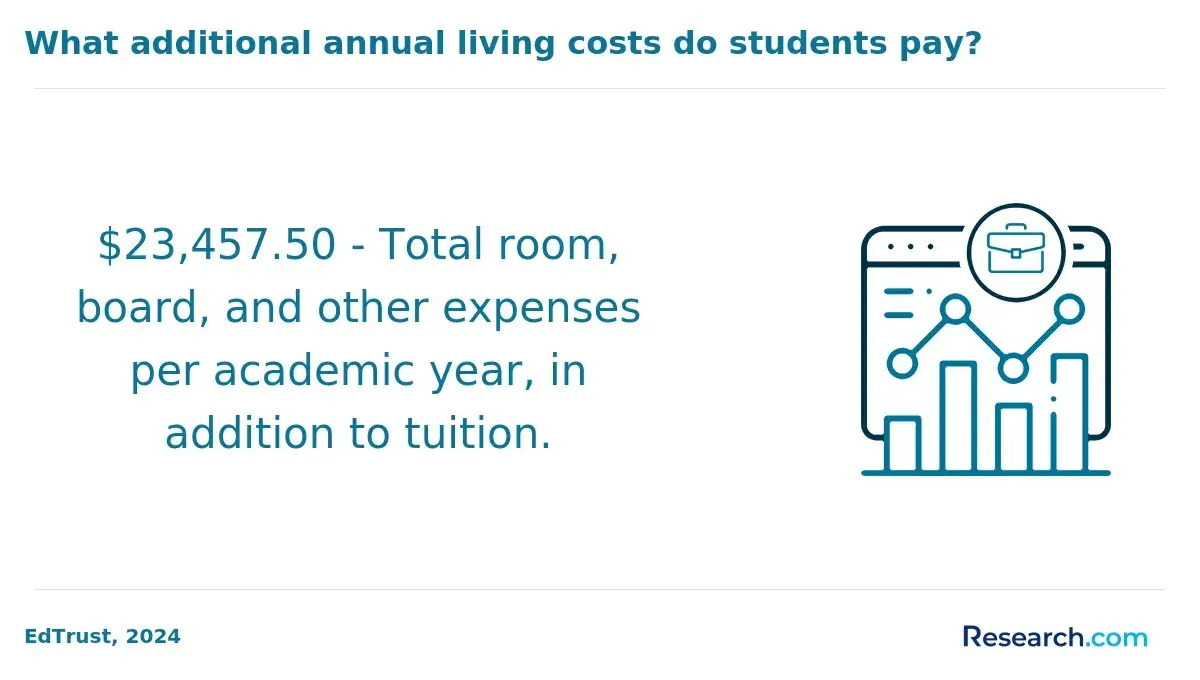
Cost differences between online and traditional pathways are substantial: while a four-year on-campus kinesiology bachelor's program averages $50,000, an online associate program costs under $2,500. This disparity encourages a stepwise educational progression, particularly crucial for career changers without the luxury of upfront investment.
How long do online kinesiology strength and conditioning degrees take and what do they cost?
Completing an online kinesiology strength and conditioning degree involves navigating critical tradeoffs between duration, cost, and career timing. A traditional bachelor's degree usually requires 2 to 4 years and 120 to 130 credit hours, with full-time students entering the workforce sooner-often by age 22-positioned to take certification exams and access entry-level roles.
Part-time or extended programs delay workforce entry, compressing early earning potential. Accelerated associate degrees may expedite completion and reduce upfront costs but risk limiting access to employer-preferred qualifications, as many hiring managers now favor candidates with bachelor's degrees complemented by recognized certifications.
Tuition typically ranges from $15,000 to $50,000, with public institutions offering lower rates for in-state students. Students must also factor in practical requirements like internships or clinical hours, which often demand summer or weekend commitments, complicating schedules especially for working adults balancing personal responsibilities.
Key considerations include:
- Whether prior credits in exercise science can transfer to shorten time and expense.
- The impact of program length and format on timely certification and subsequent salary trajectories, with NSCA data showing certified strength and conditioning coaches earn between $60,527 and $84,575 annually.
- Employer expectations increasingly emphasize bachelor's degrees aligned with evidence-based training and injury prevention practices.
What strength and conditioning careers can an online kinesiology degree prepare you for?
Online kinesiology degrees position graduates for roles such as strength and conditioning coaches, performance trainers, rehabilitation specialists, and exercise physiologists, but the degree alone seldom meets employer requirements for independent practice.
For example, strength and conditioning coaches generally require certifications like the NSCA Certified Strength and Conditioning Specialist (CSCS) alongside documented hands-on experience. This creates a significant barrier for those relying solely on theoretical instruction, highlighting the necessity of integrated internships or applied learning within programs.
Employers emphasize not just knowledge of biomechanics and physiology, but the ability to design sport-specific, periodized training programs informed by real-world contexts. Performance trainers working in professional sports or clinical rehabilitation must reconcile their online coursework with substantial practical experience, often demanding professional certification paths layered onto their degree.
Exercise physiologists who emerge from online kinesiology curricula encounter scope-of-practice limitations tied to state licensure laws, steering many toward clinical or corporate wellness roles rather than direct patient care without further credentialing.
Balancing the theoretical-heavy coursework with opportunities for applied competence is critical; lacking that risks diminished job competitiveness despite possessing a relevant degree.
Key considerations for prospective students include:
- The degree's limited standalone credential value in regulated or high-demand environments.
- The necessity to pursue concurrent certifications and practical experiences to bridge employability gaps.
- The variability of state regulations impacting practice scope and career trajectory.
Data from a 2024 PubMed study of Canadian kinesiology programs shows coaching and exercise training roles feature prominently, indicating strong industry alignment but also a shared expectation of combining theory with applied skillsets.
Choosing an online kinesiology program with robust applied components and verified employer engagement substantially influences post-graduation outcomes.
What certifications (like CSCS) align with online strength and conditioning degrees?
Employers in competitive sports programs overwhelmingly require the Certified Strength and Conditioning Specialist (CSCS) certification, with over 80% of NCAA Division I strength coach roles mandating it. Holding an online kinesiology degree alone without CSCS significantly restricts access to these positions.
Candidates must navigate this credential as a baseline, supplemented by practical experience that online programs rarely provide directly. This gap forces students to secure internships or mentorships externally to meet certification prerequisites and employers' expectations.
Complementary certifications like the NSCA-CPT and USA Weightlifting Sports Performance Coach enhance expertise but rarely replace CSCS for sports team employment.
For those shifting toward clinical or rehabilitation roles, pairing CSCS or NSCA credentials with exercise physiology certifications such as the ACSM-EP broadens opportunities in healthcare settings, illustrating a clear bifurcation in credential value based on sector.
From a cost perspective, bachelor's-level online kinesiology degrees offer roughly $2,000 annual savings compared to on-campus programs, presenting a financial advantage. However, this must be weighed against challenges in obtaining the hands-on experience crucial to certification and field readiness.
- To maximize employability for elite sports coaching roles, prioritize CSCS certification while planning early for practical training.
- Clinical pathways require additional exercise physiology credentials to remain competitive.
- Cost savings of online degrees come with the tradeoff of securing meaningful, supervised practical hours independently.
What is the salary potential and job outlook in strength and conditioning and related fields?
Salary progression in strength and conditioning roles commonly ranges from $55,000 to above $80,000 annually, though reaching the upper tier typically requires 5 to 10 years of experience combined with recognized certifications.
Holding a master's degree in kinesiology enhances prospects significantly, particularly for positions linked to high-performance sports or clinical exercise physiology. Employers expect a blend of theoretical knowledge and applied skills to improve athlete performance or support rehabilitative care.
Employment growth for exercise physiologists is projected at 12% over the next decade, outpacing average occupational growth, but opportunities vary notably by sector. Sports organizations tend to offer competitive pay but with limited job openings, whereas healthcare settings demand clinical credentials and provide more consistent employment albeit with capped salary ceilings.
Candidates face crucial strategic decisions regarding specialization: focusing on sports science narrows target roles to athletics, while clinical rehabilitation credentials open broader healthcare pathways. Geographic mobility also impacts earning potential, as metropolitan areas with robust sports or medical markets deliver higher wages and advancement possibilities.
Maintaining earning power requires ongoing professional development and certification, a necessity given the seasonal, contract-based nature of many strength-related positions. These realities emphasize the importance of carefully assessing program focus, career goals, and market dynamics before committing to a graduate kinesiology path.
How can students choose a reputable online kinesiology program for strength and conditioning?
Choosing an online kinesiology program without verified accreditation from agencies such as CAAHEP or regional bodies risks investing in a curriculum that lacks rigor and industry alignment, potentially limiting employer recognition.
Programs emphasizing applied biomechanics, exercise physiology internships, and mentored practicum hours-especially within collegiate athletics or rehab clinics-offer critical hands-on experience often missing from fully remote models.
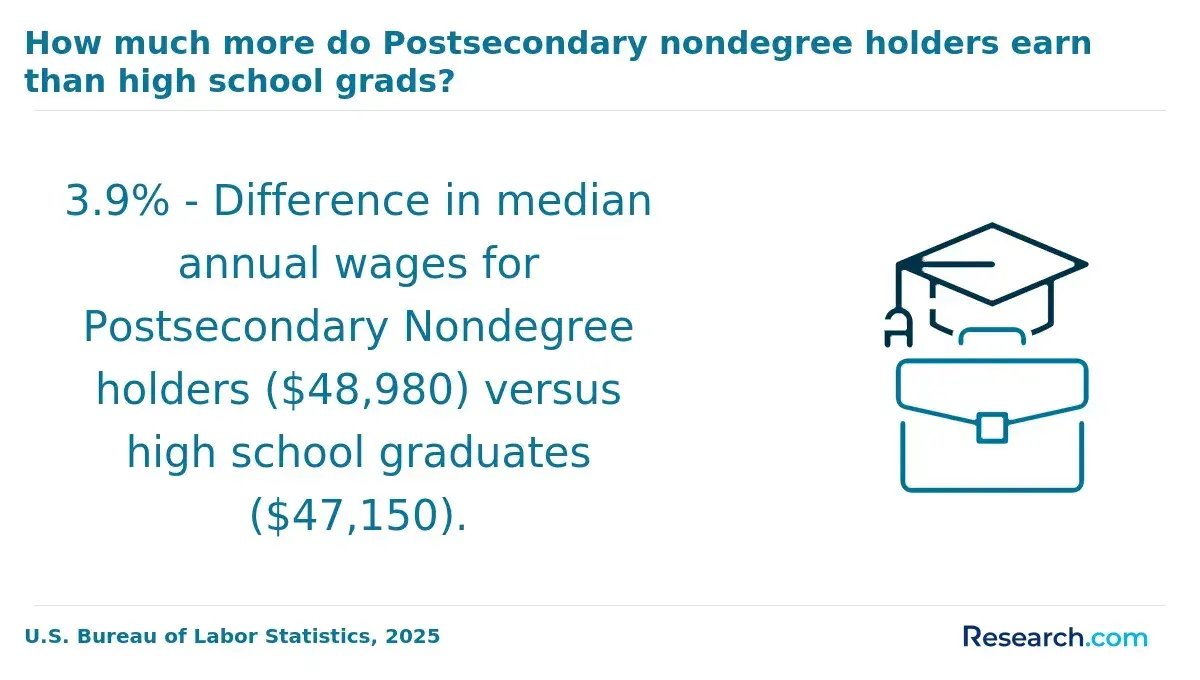
Employment projections and wage data from the U.S. Bureau of Labor Statistics indicate that careers in kinesiology with a strength and conditioning focus yield median earnings around $59,800, notably above the national median of $48,060, with growth rates surpassing many other sectors through 2033. This underscores the value of practical skills over purely theoretical knowledge when selecting a program.
Key factors for prospective students include faculty expertise, ideally holding CSCS certifications or equivalent, and transparent career outcomes like job placement rates and employer networks. Students must distinguish between general kinesiology programs and those specializing in strength and conditioning, as the latter better suit paths in athletic training and performance coaching.
Finally, evaluating program flexibility is vital for working professionals, particularly regarding synchronous clinical practicums and their geographic feasibility through approved affiliates.
Other Things You Should Know About Kinesiology
A practicum or internship is critical for developing applied skills and networking in strength and conditioning, which employers prioritize over classroom-only experience. Online degrees with integrated, supervised practicals in recognized settings lead to significantly better job placement rates. When evaluating programs, prioritize those that facilitate local partnerships allowing you to complete hands-on hours in your community without additional travel burdens.
Earning an online degree in kinesiology does not alone qualify graduates to independently supervise athletes or clients due to industry certification and licensure requirements. Strong employers expect recognized certifications such as the CSCS alongside relevant degree completion. It is crucial to select programs that align coursework with certification eligibility and allow time for exam preparation to meet employer standards immediately after graduation.
Employer perceptions of online kinesiology degrees vary based on program reputation, accreditation, and candidate experience. Graduates from programs with robust practicum integration and regional recognition face fewer barriers. When choosing an online program, prioritize those with established employer connections and demonstrated graduate success in strength and conditioning placements to mitigate concerns about online education quality.
References
- Bachelor's in Kinesiology Program Online | Montreat College https://www.montreat.edu/online/kinesiology/
- Online Bachelor of Science in Kinesiology https://calbaptist.edu/academics/programs/online-bachelor-of-science-kinesiology/
- Strength and Conditioning Coach Salary: What You Need to Know in 2026 - Create https://create.fit/strength-and-conditioning-coach-salary/
- CSCS Certification | Certified Strength & Conditioning Specialist https://www.nsca.com/certification/cscs/
- Strength & Conditioning Certification Guide 2026 https://ironcoaching.app/blog/strength-and-conditioning-certification
- Best strength and conditioning certification guide (Updated) https://www.ptpioneer.com/personal-training/certifications/strength-and-conditioning-certifications/
- What Can You Do With a Kinesiology Major? | USAHS https://www.usa.edu/blog/what-can-you-do-with-a-kinesiology-major/
- European Online University Accreditation Explained - MIA Digital University https://miauniversity.com/european-online-university-accreditation/
- Kinesiology and Sports Studies (BS) Strength and Conditioning Concentration | East Texas A&M University, ETAMU https://www.etamu.edu/programs/strength-and-conditioning-bs/