2027 Best Online Kinesiology Programs for Professionals Seeking Wellness Program Leadership

Co-Founder and Chief Data Scientist
Healthcare professionals aiming to lead wellness programs face a narrow window to upskill amid tight work schedules and growing industry demands. Recent data from the National Center for Education Statistics reveals that over 60% of adult learners now prefer online programs that offer flexible pacing, signaling a significant shift in how professionals accommodate education alongside full-time roles.
This transition challenges prospective students to find programs balancing rigor, credibility, and real-world applicability without compromising accessibility or delaying career advancement.
This article evaluates top online kinesiology programs tailored for professionals seeking wellness program leadership, providing critical insights to navigate enrollment timing, curriculum relevance, and career outcomes.
Key Things You Should Know
- Program length and credit requirements vary widely, with accelerated 12- to 18-month options reducing opportunity costs but often sacrificing depth in biomechanics, per data from the National Center for Education Statistics 2024.
- Employers prioritize practical leadership experience over certifications alone; 62% of wellness program directors surveyed by the International Health, Racquet & Sportsclub Association in 2024 value internships integrated within curriculum.
- Rising tuition, averaging $23,500 for fully online kinesiology master's programs in 2024 according to EduData, pressures candidates to weigh ROI versus non-degree alternatives like industry certifications or employer-sponsored training.
What is an online kinesiology degree focused on wellness program leadership?
The practical value of an online kinesiology degree for wellness leadership lies in its capacity to bridge scientific expertise with organizational management, a critical intersection increasingly valued in health promotion careers. Employers prefer candidates who can not only interpret biomechanical and physiological data but also deploy these insights through cost-conscious, behaviorally informed program designs across corporate, clinical, or community settings.
Professional kinesiology programs in wellness management are distinct from traditional kinesiology tracks by emphasizing leadership competencies such as strategic planning, interdisciplinary team coordination, and navigating regulatory and budgetary constraints.
For instance, in corporate wellness programs, graduates must tailor interventions to align with organizational culture while collaborating closely with human resources to ensure compliance and optimize outcomes. This dual focus mitigates a common industry challenge where scientific knowledge alone falls short of producing scalable, sustainable health initiatives.
Students pursuing this specialty develop skills in critical areas:
- Data-driven health metric assessment
- Behavior-change strategy rooted in behavioral economics
- Technology-enabled wellness solutions
Healthcare jobs related to kinesiology wellness leadership are forecasted to grow 8% from 2024 to 2034, outpacing average occupational growth and reflecting strong organizational investment in population health management. Prospective students should consult resources like the best online kinesiology programs to evaluate program alignment with workforce demands and personal career objectives.
How do online kinesiology programs prepare graduates for wellness program leadership roles?
Online kinesiology programs tailored for wellness leadership development integrate applied science with management skills critical to health promotion initiatives. Graduates gain expertise in human movement, physiology, behavioral health, and program design, alongside data analytics and risk management needed to implement evidence-based wellness strategies in corporate, clinical, or community environments.
A common workforce scenario involves a wellness director at a midsize firm who must align physical activity programs with stress reduction interventions while tracking biometric data to demonstrate return on investment. This dual focus on kinesiology principles and leadership skills exemplifies the practical expectations behind career preparation through online kinesiology degrees in wellness management.
Programs emphasize navigating regulatory frameworks, ethical challenges, and interdisciplinary collaboration to address reality-based issues such as securing stakeholder support and managing diverse employee populations. Preparing for hybrid work models in health education roles also factors into curriculum design.
Workforce data highlight a 4% projected growth for health education specialists from 2024 to 2034, with median annual wages exceeding $63,000, indicating stable demand yet requiring professionals to continuously update competencies relating to evolving wellness technologies and policies.
Prospective students should critically assess accreditation status, internship availability, and alumni success metrics as proxies for practical exposure and effective network building, key for leading scalable, impactful wellness programs. More detailed insights into accelerated administrative pathways are available through accelerated healthcare management degree online.
What types of online kinesiology degrees support careers in workplace and community wellness?
Workplace and community wellness leadership increasingly demands kinesiology graduates who can translate theory into measurable outcomes, particularly in injury reduction and productivity enhancement. Online kinesiology degree programs for workplace wellness leadership commonly focus on applied skills in exercise science, ergonomics, and behavioral health interventions, preparing graduates to design and implement evidence-based wellness programs within diverse organizational contexts such as manufacturing facilities or schools.
Community wellness kinesiology degree options online often offer concentrations in occupational health or health promotion, emphasizing the integration of physical activity initiatives with chronic disease management and mental health support. Programs with hands-on components like virtual internships or case studies engaging corporate or municipal clients improve readiness for practical challenges by exposing students to real-world constraints.
Graduates of Oregon State University's online Bachelor of Science in Kinesiology earn a median salary of $60,964, ranking them among the top 25% nationally. This data suggests viable financial returns when kinesiology education aligns with workplace wellness leadership roles.
However, students without prior health science background should account for additional coursework in foundational biology and physiology, potentially extending program length and increasing costs.
Evaluating program accreditation and interdisciplinary training options in public health or business is critical for professional flexibility. In some cases, pursuing an online MBA healthcare management can complement kinesiology expertise by developing strategic leadership and analytics skills essential for senior wellness positions.
How do online kinesiology programs compare with campus-based options for aspiring wellness leaders?
Choosing between online kinesiology programs versus campus-based wellness leadership courses requires assessing how each format aligns with career realities and employer expectations. While large-scale online programs like Arizona State University Online serve tens of thousands, demonstrating the flexibility and career outcomes of online kinesiology degrees for wellness professionals, they often mandate that students independently secure local internships or clinical placements to gain hands-on experience valued by employers.
Campus-based programs streamline access to supervised labs and group practicum, fostering interpersonal skills critical for wellness leadership roles. In contrast, online learners face logistical challenges coordinating equivalent fieldwork, which can entail additional time and expense. These practical discrepancies influence hiring decisions since employers consistently prioritize demonstrated applied competencies alongside academic credentials.
Networking further distinguishes these pathways. Campus students benefit from immediate, organic connections to peers, faculty, and industry insiders, enhancing internship placement and job referral prospects. Online students must actively engage virtual forums and pursue targeted local networking, which can limit real-time industry access but may develop unique self-directed skills.
Given these tradeoffs, prospective students should evaluate programs offering structured practicum support and consider hybrid strategies to combine online coursework with meaningful field experience. For detailed comparative insights on professional nursing degrees reflecting similar tradeoffs in online education, see WGU vs Chamberlain comparisons.
What courses and specializations are common in online kinesiology programs emphasizing wellness leadership?
Wellness leadership in online kinesiology programs demands integration of science and applied management skills, reflecting a workforce seeking professionals who navigate both physiology and organizational behavior. Graduates often must balance advanced anatomy, exercise science, and nutrition with competencies in health promotion strategy and leadership execution.
For example, in corporate wellness roles, success hinges on the ability to combine behavioral science with leadership to foster sustainable employee health outcomes-requiring training beyond standard kinesiology curricula. Programs incorporating health informatics and data evaluation equip students to justify wellness initiatives through measurable impact, responding to employer insistence on ROI and evidence-based results.
Key challenges for students include managing interdisciplinary coursework and practicum demands, which often necessitate coordination with external partners. Navigating these complexities can distinguish graduates in a competitive job market where strong nutrition knowledge correlates with financial upside, as seen in the $73,850 median salary for dietitians and nutritionists reported by the U.S. Bureau of Labor Statistics.
Effective program completion hinges on mastering both rigorous scientific foundations and leadership capabilities tailored to workforce trends emphasizing holistic health management. Career outcomes depend on one's ability to translate theory into measurable wellness program improvements across workplace and community settings.
What accreditation and program quality standards matter for online kinesiology degrees?
Regional institutional accreditation recognized by the U.S. Department of Education remains the essential benchmark for validating online kinesiology degrees and enabling access to federal aid. Yet, accreditation alone does not guarantee program quality or employability.
Employers in exercise science prioritize graduates from programs incorporating verified practical training, such as local clinical partnerships or supervised fieldwork. Without such components, purely theoretical online degrees may restrict access to roles requiring hands-on competencies, like wellness program leadership or rehabilitation.
Consider a healthcare facility recruiting a wellness leader: candidates are expected to demonstrate real-world client assessment skills and program design experience. These proficiencies rarely emerge from programs that omit experiential elements or fail to align with rigorous standards set by bodies like the Commission on Accreditation of Allied Health Education Programs (CAAHEP) or the National Strength and Conditioning Association (NSCA).
Employment for exercise physiologists is projected to expand 9% from 2024 to 2034, outpacing average job growth, with a median salary near $58,160 annually. This growth emphasizes the value of programs that integrate accreditation with practical learning to enhance job market readiness.
Prospective students must evaluate whether online kinesiology degrees provide:
- Paths to recognized certification exams
- Meaningful experiential learning opportunities
- Accreditation acknowledged by relevant employers and by industry standards varying by state
Balancing these factors against cost and flexibility helps determine the actual return on investment and career trajectory in exercise science fields.
What are typical admission requirements for online kinesiology programs for working professionals?
Admission to online kinesiology graduate programs for working professionals requires more than academic credentials; it demands relevant experience and demonstrated competencies aligned with employer expectations. Typically, candidates need a bachelor's degree in kinesiology or related fields like exercise science or health sciences, paired with a cumulative GPA of around 3.0.
Practical experience, generally 1-2 years in wellness, rehabilitation, or fitness environments, is not merely a formality but foundational for applying theoretical knowledge to real workplace challenges.
Standardized tests like the GRE may be optional depending on the program's selectivity but strong professional or academic recommendations remain vital to validate leadership potential. Applicants must also articulate in personal statements how advanced kinesiology skills will translate into actionable wellness leadership or innovation roles, particularly in healthcare or corporate settings.
Prerequisite courses in anatomy, physiology, and statistics are common and often required upfront or concurrently, reflecting the field's scientific rigor and the analytical demands of data-driven wellness programs. Candidates without this foundation face additional time and financial investment before benefiting from graduate-level study.
Financially, programs cluster in the $20,000 to $23,000 total tuition range, such as Louisiana State University's fee of roughly $639 per credit hour for 36 credits. Professionals weighing this cost should consider realistic salary growth or role pivots within organizations focused on health optimization, where such credentials can differentiate candidates amid competitive talent pools.
How long do online kinesiology programs take and what do they usually cost?
Online kinesiology programs require significant time investments that vary by degree level and enrollment status, directly impacting working professionals' ability to balance education and employment. Bachelor's degrees typically span four years full-time, though some offer accelerated or part-time options extending to five years, useful for those maintaining jobs.
Master's programs commonly last 18 to 24 months, with intensive one-year options available, which can be vital for professionals targeting swift skill acquisition. Doctoral paths, demanding a three-to-six-year commitment, center on research focus and institutional design, often challenging to pursue part-time alongside full employment.
Cost structures differ notably by institution type and degree level, influencing accessibility and return on investment. Public universities charge $5,000 to $15,000 annually for in-state bachelor's candidates, with out-of-state tuition doubling these figures.
Graduate programs average between $15,000 and $30,000 overall, but private or specialized concentrations can exceed $40,000, mandating careful financial planning especially accounting for additional fees like technology or clinical practicum expenses.
A working athletic trainer earning a median $60,250 should weigh program flexibility over minimal cost alone, prioritizing options that allow workforce continuity. Industry demand indicates an 11% employment growth through 2034 for such roles, signaling that accredited credentials coupled with strong faculty engagement align more reliably with career progression.
The practical implication is clear: time-efficient, evidence-aligned education models offer superior long-term value despite potentially higher upfront costs.
What careers, salaries, and advancement opportunities follow an online kinesiology degree in wellness leadership?
Graduates with an online kinesiology degree targeted at wellness leadership face practical tradeoffs stemming from industry dynamics and evolving employer expectations. Public sector roles typically offer steady funding and reliable benefits but limit upward mobility, whereas private-sector positions may yield faster progression and higher wages alongside greater job instability.
For example, a corporate wellness manager might advance from coordinating fitness programs to shaping comprehensive health policies that reduce costs and improve productivity, requiring skills beyond kinesiology fundamentals such as data analytics and organizational leadership.
The median annual wage for health education specialists stood at $63,000, above the national median, indicating clear employer demand for professionals who can design and oversee wellness initiatives across diverse environments like corporations, schools, and healthcare systems.
However, candidates must complement kinesiology expertise with practical experience, often gained through internships or practicums, and certifications in public health, business, or human resources to remain competitive.
Employers expect measurable outcomes and leadership capabilities, alongside proficiency in health data software. Graduates should anticipate continuous skill development within this field to keep pace with shifting health promotion priorities. Navigating these factors effectively is essential for those using an online kinesiology degree to pivot toward or advance within health education and wellness program leadership.
Are certifications or licenses needed for wellness program leadership with a kinesiology background?
Credentials significantly affect leadership opportunities in kinesiology-related wellness roles, with requirements varying widely across sectors. Corporate wellness programs typically insist on certifications like Certified Wellness Practitioner (CWP) or Certified Health Education Specialist (CHES) to validate expertise beyond academic qualifications.
Public health and hospital systems often demand licenses or registrations tied to clinical or health education fields. In contrast, fitness centers and recreational programs frequently consider a kinesiology degree sufficient, though they favor additional credentials in exercise physiology, personal training, or health coaching to mitigate liability and meet professional standards.
This divergence shapes the career trajectory and earning potential of kinesiology graduates. Those without industry-specific certifications often find themselves confined to entry or mid-level roles rather than strategic leadership positions. For example, a wellness program director role in healthcare usually necessitates relevant licensure or public health certification, illustrating how credentials function as gatekeepers for advancement.
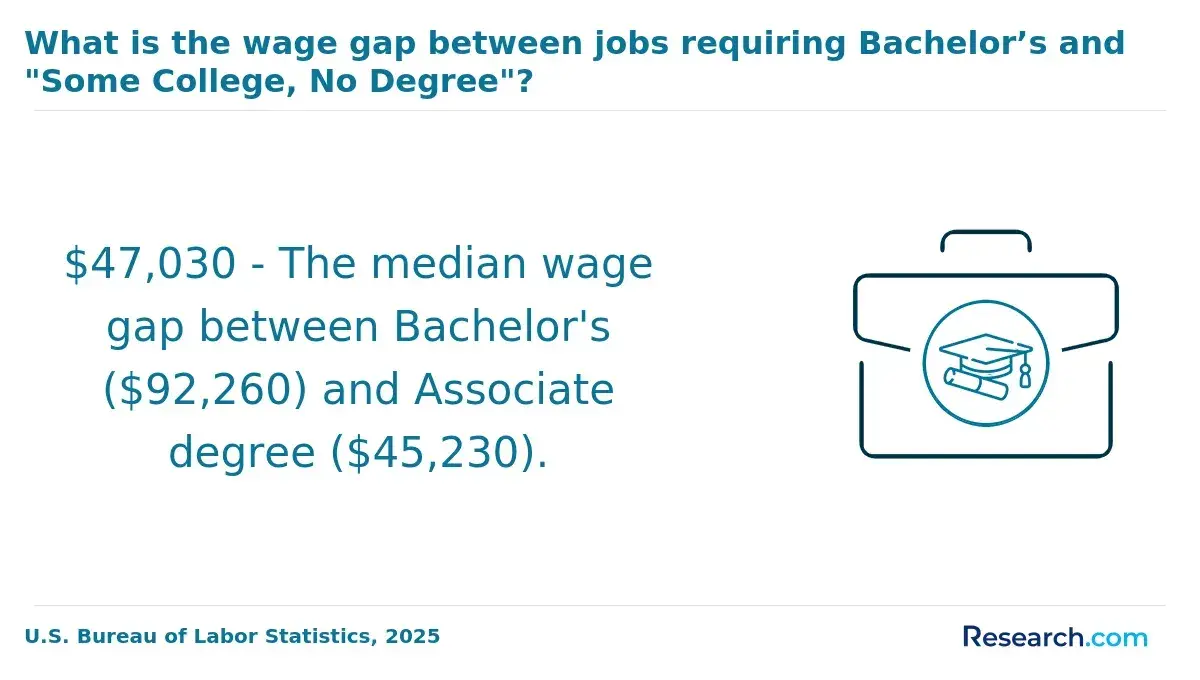
According to Bureau of Labor Statistics data, median wages for exercise physiologists, athletic trainers, dietitians, and related professions consistently exceed the U.S. median wage of $49,500, reflecting the premium placed on validated applied skills.
Effective career planning requires early identification of sector expectations and targeted investment in certifications aligned with intended roles. Employers prioritize credentials demonstrating practical competence in policy management, risk assessment, and outcome measurement, key factors in managing wellness initiatives successfully.
Other Things You Should Know About Kinesiology
Many working professionals underestimate the rigorous time commitment required, especially in programs with synchronous sessions or interactive components. Managing coursework while maintaining a leadership role demands strong time management and clear support systems. Programs offering flexible asynchronous formats can ease scheduling conflicts but may require more self-discipline. Candidates should weigh program structure rigor against their current job demands to avoid burnout and ensure sustainable progress.
Employers increasingly accept online kinesiology degrees but may prefer hybrid or programs with some on-site practicum for leadership candidates. Hybrid models signal an ability to engage both virtually and face-to-face, which aligns with the mixed modalities used in workplace wellness. Choose programs with documented practicum or fieldwork components and a strong track record of graduate placement to improve employer confidence. Purely online degrees without real-world experience risk being viewed as less comprehensive.
Specializations such as behavioral health, occupational wellness, or fitness management affect employability across sectors differently. For strategic career shifts, prioritize specializations with broader applicability in corporate, clinical, or community wellness settings. Narrow fields may limit future mobility or confine professionals to certain employer types. Assess the labor market demand for each specialization and select programs offering flexible pathways to adapt to evolving wellness industry trends.
References
- American Kinesiology Association | Careers in Kinesiology https://americankinesiology.org/careers-in-kinesiology/
- Kinesiology, B.S. - NCCU Online https://nccuonline.nccu.edu/programs/bachelor-of-science-b-s-in-kinesiology/
- Kinesiology - Wellness Management (BS) | Houston Christian University https://hc.edu/nursing/degrees/kinesiology-wellness-management/
- Quality Standards and Accreditation of Distance Education Programs in a Pandemic - OJDLA https://ojdla.com/articles/quality-standards-and-accreditation-of-distance-education-programs-in-a-pandemic
- Bachelor's in Kinesiology Program Online | Montreat College https://www.montreat.edu/online/kinesiology/
- Online Bachelor of Science in Kinesiology https://calbaptist.edu/academics/programs/online-bachelor-of-science-kinesiology/
- Exercise science program accredited by national organization | Lipscomb University https://lipscomb.edu/news/exercise-science-program-accredited-national-organization
- Careers in Kinesiology https://www.angelo.edu/career/career-exploration/majors/kinesiology.php
- Kinesiology Online Master's: See & Compare Top Programs https://www.edumed.org/online-schools/kinesiology-degrees/masters/