2027 Biology Degree vs Bootcamp vs Certificate: Which Path Leads to Better Career Outcomes?

Co-Founder and Chief Data Scientist
Choosing between a biology degree, bootcamp, or certificate often confuses learners aiming for better career outcomes-especially when balancing salary, employer preferences, job placement rates, and long-term growth. For instance, a recent labor market survey shows that 62% of employers favor candidates with traditional degrees for advanced research roles, yet bootcamp graduates report 25% faster job placement in biotech startups. Each pathway offers unique networking opportunities, return on investment, and skill acquisition fitting various learner profiles-from recent high school graduates to working professionals.
This article explores these dimensions comprehensively, providing data-driven insights to guide informed, personalized educational choices in the biology field.
Key Things to Know About Which Path Leads to Better Career Outcomes: Biology Degree, Bootcamp, or Certificate
- Biology degree holders generally earn higher salaries long-term-median annual wage is around 70% higher than certificate holders-reflecting employer preference for comprehensive scientific training in research and healthcare roles.
- Bootcamps offer rapid job placement with 60-75% success in biotechnology tech roles, ideal for learners seeking quick entry but with limited networking compared to degree pathways.
- Certificates provide strong return on investment for skill-focused adults, enhancing employer credentials in specialized fields-yet they often lack broader career growth and theoretical foundations essential for advancement.
How Does Biology Degree Compare to Bootcamps and Certificates in Total Program Cost and Time to Completion?
Prospective students choosing a path into biology face a meaningful decision-pursuing a multi-year degree or opting for faster, lower-cost alternatives like bootcamps or professional certificates. Each route offers a distinct way to build skills and credentials that align with various career goals, but neither suits every learner automatically.
A traditional biology degree usually means completing an associate's (about two years) or a bachelor's degree (typically four years full-time). Data from the National Center for Education Statistics (NCES) and the Integrated Postsecondary Education Data System (IPEDS) show total costs-including tuition, fees, and living expenses-can range from $40,000 to over $100,000 for bachelor's degrees, varying by public or private institutions. Part-time study extends timelines and often increases cost due to longer living expenses. The biology degree delivers a broad, deep education combining lab work, general education, and specialized courses essential for foundational knowledge.
Bootcamps offer concentrated training over 8 to 26 weeks, mainly full-time but sometimes part-time, focused on practical skills like bioinformatics or data analysis relevant to biological fields. Tuition typically ranges from $7,000 to $15,000, based on aggregated data from bootcamp review platforms such as SwitchUp and Course Report. These programs emphasize hands-on skill acquisition and often include career support but lack the comprehensive curriculum of degrees.
Professional certificates-available through platforms like Coursera, Google, or industry bodies-range from a few weeks to several months, often self-paced or instructor-led. They cost from a few hundred to a few thousand dollars. Certificates enable targeted skill development without the extensive time or cost burdens of degrees or bootcamps.
- Time To Completion: Biology degrees require 2 to 4 years full-time; bootcamps typically last 8-26 weeks; certificates vary widely, often completed in under 6 months.
- Total Cost: Biology degrees range from $40,000 to over $100,000; bootcamps between $7,000 and $15,000; certificates generally cost a few hundred to a few thousand dollars.
- Format And Depth: Degrees provide broad and deep scientific knowledge; bootcamps focus on applied skills in short timeframes; certificates offer flexible, targeted learning options.
This cost and duration data offer a baseline for comparing biology degree vs bootcamp cost and duration, but other outcomes matter substantially. Employer recognition, job placement rates, salary trajectories, networking access, and long-term growth distinguish these pathways. For some learners, combining credentials or exploring alternatives like a DNP program without clinical hours may also fit career plans. This guide will explore these factors in depth to help readers find the best pathway fit for their individual ambitions.
What Career Outcomes Can Biology Degree Graduates Expect Compared to Bootcamp and Certificate Completers?
Employment rates within six months of completion tend to be highest among biology degree graduates, with Bureau of Labor Statistics (BLS) data showing placement rates often above 85%. Bootcamp completers report employment rates around 75%-80%-according to Course Report-though outcomes can vary significantly by program and location. Certificate holders typically exhibit similar variability, influenced by the specialization of their credential. These distinctions illustrate that career outcomes in biology are somewhat field-dependent, with degree holders retaining a notable advantage in job placement.
- Median Starting Salary: The National Association of Colleges and Employers (NACE) Early Career Salary Survey places biology degree graduates' median starting salaries between $45,000 and $55,000. These roles often include research assistants, lab technicians, or environmental scientists. Bootcamp participants-frequently trained in computational biology or bioinformatics-may start near $50,000, benefiting from technology-oriented positions. Certificate completers generally have broader salary ranges from $35,000 to $50,000, reflecting entry or support-level positions.
- Job Title Level: Degree program alumni more often assume roles requiring extensive scientific expertise, such as laboratory scientists or clinical research coordinators. By contrast, bootcamp completers typically enter more technical positions with a focus on data analysis or specialized software. Certificate holders usually occupy technician or assistant roles, which might limit immediate upward mobility.
- Skills-Based Hiring Trends: Shifts toward demonstrated skillsets in hiring processes have improved prospects for bootcamp and certificate graduates-especially when they present strong portfolios and practical projects. However, biology remains degree-centric due to accreditation and industry standards, sustaining the competitive edge of degree graduates within many employers' credential preferences.
- Data Reliability: It is important to approach bootcamp outcome data with caution, as figures are often self-reported and may be affected by survivorship bias or selective disclosure. Prospective learners should seek programs that offer independently audited results or participate in CIRR-Council on Integrity in Results Reporting-for greater transparency.
- Contextual Factors:
- Portfolio quality and proven experience can sometimes compensate for lack of a biology degree.
- Networking opportunities-more accessible through degree pathways-play a significant role in hiring success.
- Geographic variability influences both demand and salary expectations across regions.
- Industry sectors differ significantly in their credential requirements and growth potential.
Career outcomes are not determined by credentials alone. Readers evaluating their options-whether considering a biology degree graduate salary comparison or exploring alternative pathways-should use this framework to ask informed questions rather than assume one route guarantees success. For adult learners weighing part-time study paths or current students thinking about supplementing education with bootcamps or certificates, understanding these nuances is critical.
For those researching educational options outside traditional biology degrees, exploring fields such as online nursing programs may offer additional career perspectives worth considering.
Which Biology Pathway - Degree, Bootcamp, or Certificate - Offers the Highest Starting Salary for Graduates?
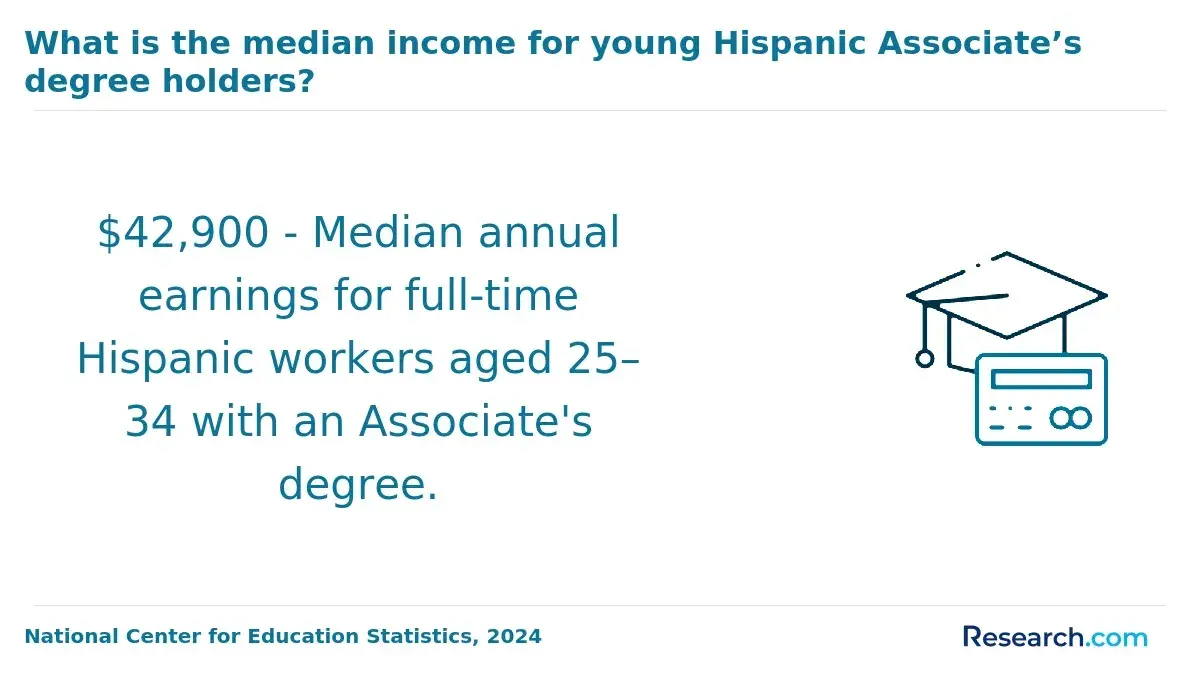
Data from the Bureau of Labor Statistics, NACE, LinkedIn Salary Insights, and Glassdoor illustrate clear salary distinctions among entry-level biology professionals based on educational pathways. Graduates holding bachelor's degrees in biology or related life sciences typically see starting salaries between $45,000 and $60,000, with some reaching up to $70,000 within their first five years. These degrees remain a standard requirement for many roles in research, clinical, and environmental biology sectors.
- Degree Holders: Generally earn higher initial pay due to their comprehensive theoretical and practical training, favored by large organizations and government bodies.
- Bootcamp Completers: Often specialized in niche skills like bioinformatics or biotechnological techniques, bootcamp alumni tend to start around $40,000 to $50,000, finding opportunities mostly at startups or tech-focused companies where hands-on skills take precedence.
- Certificate Earners: Those with certificates usually supplement existing credentials or pivot within the biology field. Their entry salaries hover near $40,000 but vary depending on the certificate's focus, spanning laboratory methods to data analysis.
Employer type, geographic location, and sector specialization heavily influence these salary trends. Enterprise-level and government employers prioritize formal degrees for advancement roles, while startups often emphasize technical expertise regardless of credential. Major metropolitan areas may offer elevated pay but also demand higher qualifications.
Long-term salary growth favors degree holders, who typically advance faster into management or specialized technical positions-pathways often gated by degree requirements. Although bootcamp and certificate completers may enter the workforce at comparable starting salaries in some cases, their progression tends to be slower without formal academic credentials.
Readers should note these figures reflect median salaries rather than guarantees. Individual earnings vary widely due to factors such as previous experience, specialization, program reputation, and job market flexibility. For a detailed cost-adjusted earning analysis, refer to the ROI section.
A professional who completed a biology degree shared that the initial years involved navigating coursework, research projects, and internships, which felt demanding but essential for building a solid foundation. He recalled that securing his first position required perseverance and leveraging university networks, but the degree's credibility opened doors in established organizations. "It was challenging balancing academics with gaining practical experience," he said, "but that combination really made a difference in establishing my career path."
Employers in biology-related fields still prioritize formal degrees-especially for roles demanding scientific rigor and regulatory compliance. Data from LinkedIn Talent Insights and SHRM hiring surveys show that bachelor's or advanced degrees remain a primary screening tool in government agencies, major pharmaceutical companies, and academic research settings. In these sectors, degrees signal comprehensive training and the ability to manage complex protocols.
- Degree Preference: Large corporations, federal bodies, and tightly regulated industries typically require biology degrees for both entry-level and experienced positions, valuing verified credentials as a hiring standard.
- Bootcamp and Certificate Competitiveness: Startups, biotech consultancies, and some environmental groups are increasingly open to applicants with bootcamp or certificate qualifications-particularly when candidates exhibit strong practical skills and relevant portfolios.
- Skills-Based Hiring Shifts: Although leading tech firms and certain state governments have adopted skills-focused hiring policies, research indicates these approaches have not yet significantly changed employer preferences in biology jobs, where degree holders still dominate.
- Sector Variance: Life sciences areas centered on innovation and rapid experimentation are more receptive to bootcamp graduates, while clinical research, regulatory work, and public health sectors uphold strict degree requirements.
- Credential Signaling: Degrees generally represent the highest credibility standard, while certificates and bootcamps function as useful enhancements rather than full substitutes in many hiring scenarios.
For prospective hires, understanding how employers rank biology degrees versus bootcamps is crucial to making informed decisions aligned with specific subsectors. Adult learners and degree students may benefit from supplementing their education with targeted credentialing. Exploring the job outlook for medical billing and coding offers additional insight into similar credential-based hiring dynamics across health-related roles.
Admissions for accredited biology degree programs typically enforce clear academic standards that confirm a student's preparedness-serving both as a barrier and a marker of program quality. These standards include:
- GPA Minimums: Often requiring a high school GPA around 3.0 or higher to demonstrate consistent achievement.
- Prerequisite Coursework: Completion of core science subjects like chemistry, biology, and math is usually expected prior to admission or enrollment.
- Standardized Tests: Some colleges still request SAT or ACT scores, although many are moving toward test-optional policies.
- Letters of Recommendation: Evaluations from teachers or counselors help assess motivation and potential.
- Application Timelines: Fixed annual cycles with deadlines often months before program start dates structure admissions.
Bootcamps and certificate programs in biology break from these traditional barriers, frequently offering open enrollment or requiring only basic eligibility like a high school diploma or relevant experience. This flexibility enables faster access but shifts quality indicators away from selectivity toward factors such as job placement outcomes, instructor qualifications, curriculum depth, and program accreditation.
- Open Enrollment: Allows immediate sign-up without GPA or test requirements.
- Minimal Prerequisites: Prior biology knowledge is recommended but rarely mandatory.
- Flexible Start Dates: Many accept participants year-round to accommodate diverse schedules.
Lower barriers make bootcamps and certificates especially advantageous for career changers, working adults, and underrepresented learners facing challenges like cost, location, family care, or lost income. Yet, the admission rigor of biology degrees can signal credibility to employers, while non-degree programs rely on demonstrated outcomes to validate their value.
A biology professional who completed a degree program recalled the admission process as "demanding but clarifying," noting the pressure to maintain a strong GPA and secure recommendations was initially stressful but ultimately helped build discipline. She valued the structured timeline and clear expectations, saying, "It felt like a gateway that proved my seriousness," which eased her path into research roles and employer networks afterward.
Biology Degree: Degree programs combine a wide academic scope with depth, embedding core subjects such as genetics, ecology, and molecular biology alongside broad general education in chemistry, physics, mathematics, and humanities. This structure supports the development of transferable skills in scientific reasoning and experimental methods. Elective options allow for targeted specialization, while research projects or a thesis cultivate critical thinking and deepen theoretical knowledge. The comprehensive curriculum readies students for diverse, long-term career paths but often means a longer path before entering the workforce compared to shorter alternatives.
Bootcamp: Intensive and succinct, bootcamp curricula focus heavily on practical, job-ready skills-laboratory practices, data analytics with relevant software, and applied problem-solving dominate the content. These programs emphasize outcomes through projects or portfolios that showcase functional competencies for immediate employment. While excellent for quickly acquiring specific biology skills geared toward entry-level roles, bootcamps generally exclude foundational science education, limiting conceptual understanding and adaptability in broader biology careers.
Certificate Programs: Certificates range from foundational offerings via platforms like Coursera or Google, introducing essential biology concepts or adjacent technical skills, to advanced certifications issued by professional organizations that target niche expertise such as bioinformatics or lab safety. Entry-level certificates suit newcomers or those augmenting existing knowledge, enhancing employability in focused roles. Higher-level certifications support professional shifts or specialization but lack the research exposure and curriculum breadth of degree programs, restricting eligibility for positions demanding comprehensive biological theory.
Calculating the return on investment (ROI) for Biology education pathways requires accounting for all costs, including tuition, fees, materials, and especially opportunity cost-the income foregone while studying. For example, pursuing a two- or four-year degree involves not only direct expenses but also the salary a student misses during that time, which can significantly affect the true ROI compared to shorter options like bootcamps or certificates.
Evaluating three learner profiles highlights how ROI varies based on individual situations rather than credential type alone:
- Recent High School Graduates: These learners face minimal opportunity cost due to little or no prior income. Biology degrees generally deliver the highest cumulative salary premium over five and ten years, reflecting strong employer preference and access to advanced roles. Bootcamps and certificates offer earlier salary gains, but those tend to be smaller and plateau sooner.
- Mid-Career Professionals: Individuals leaving a $50,000/year job encounter considerable opportunity cost when enrolling in a degree program. Bootcamps-usually lasting a few months-provide a faster route to recoup costs and achieve higher five-year ROI despite lower long-term salary increases. Certificates may boost earnings too but typically less than bootcamps.
- Part-Time Learners: Maintaining employment during study minimizes opportunity cost. Their ROI depends primarily on program price and salary lift. Degree programs still yield higher premiums at ten years, but bootcamps and certificates offer competitive returns over five years because of lower initial investment.
While bootcamps often generate the fastest five-year ROI, a learner prioritizing employer credentialing, deep biology knowledge, or specialized skills might find a degree more advantageous-even with slower early returns. This overview, based on NCES data, NACE salary benchmarks, and bootcamp reports, underscores that ROI alone doesn't define the best pathway.
Job placement rates reported by biology degree programs, bootcamps, and certificate programs vary due to distinct methodologies and definitions of "placement." Degree programs often rely on institutional sources like IPEDS graduate outcomes surveys or career services reports, capturing employment in roles closely related to biology-such as scientific research, healthcare, environmental science, or education. These data are usually independently audited or derived from third-party surveys, ensuring a more precise reflection of relevant career outcomes.
- Degree Programs: Biology degree placement rates focus on graduates employed in directly related fields.
- This approach emphasizes relevant employment, though details like salary and time-to-placement might differ in availability.
- Strong career services-offering employer connections, resume coaching, mock interviews, and alumni networks-boost placement success.
- Bootcamps: Placement rates here often come from self-reported data, sometimes verified by organizations like CIRR, but may encompass broadly adjacent roles such as lab technicians, data analysts, or even non-science jobs.
- This broader definition can inflate placement numbers and obscure direct biology career outcomes.
- Prospective students must request breakdowns by job role, salary range, and time-to-employment for a clearer picture.
- Career support quality-including employer partnerships and targeted coaching-plays a crucial role in outcomes.
- Certificate Programs: These vary widely, from short professional development courses to extended programs supplementing biology degrees, often lacking standardized or independently verified placement data.
- Some programs report any employment improvement while others focus narrowly on biology-related advancement.
- Evaluating the robustness of career services and alumni success stories is key to understanding their impact.
When comparing biology bootcamps job placement comparison and career outcomes of biology certificate programs versus degree programs, it's essential to analyze each pathway's reported data critically. Request detailed placement information segmented by role, salary, and time-to-placement rather than relying on aggregate figures that can mask variations. This level of scrutiny helps align choices with career goals.
For learners exploring the best options-including those considering a nutritional science degree online-understanding these distinctions ensures informed decisions on return on investment, networking access, and long-term career growth.
Networking and alumni access represent some of the most valuable assets a learner can gain from any biology educational pathway-often surpassing the direct value of formal instruction for advanced career growth. These connections grow over time and compound in their benefits, impacting job placement, mentorship, and long-term professional opportunities.
- Biology Degree Programs: They typically boast extensive networking infrastructure, including active alumni associations, career fairs, faculty mentorship, and involvement in Greek or professional societies focused on the life sciences. The prestige and geographic footprint of the degree-granting institution significantly influence the breadth and influence of the network, easing access to employers, specialized research communities, and leadership roles within biology fields. These advantages embody the core of biology degree networking advantages, helping graduates tap into influential circles throughout their careers.
- Bootcamps: These programs usually emphasize a cohort model that fosters collaboration and peer-to-peer networking during their intensive, short-term training. While their alumni communities are smaller and newer, some well-established bootcamps have cultivated strong referral cultures and robust employer partnerships-especially in tech-adjacent biology fields like bioinformatics or computational biology. These networks provide meaningful hiring support and targeted connections that accelerate career entry and growth in specialized niches.
- Certificate Programs: Networking potential varies widely depending on the credential provider. Platforms tied to industry leaders or professional associations may offer access to online communities, mentors, and hiring managers, though these connections are generally less comprehensive than those associated with traditional degrees or bootcamps. Many certificate learners maximize benefits when combining credentials with existing professional networks or further education. For those looking for accelerated progression in healthcare-related biology fields, exploring accelerated PMHNP programs can complement certificate pathways effectively.
Alumni access impact on biology careers clearly favors degree programs for breadth and longevity, but bootcamps and certificates serve specific learner profiles by offering rapidly accessible, focused networking suited to niche specialties. Selecting the right pathway requires balancing career goals with the quality and accessibility of professional networks each educational route provides.
Geography strongly influences career outcomes for biology graduates-whether they hold degrees, complete bootcamps, or earn certificates. In major tech and business hubs like San Francisco, Boston, and New York, the dense concentration of employers and networks benefits bootcamp graduates particularly, as many programs are based in these cities. Staying local often results in higher job placement and salary offers, while relocating elsewhere typically lowers these returns.
Mid-sized regional markets show more varied results. Degree holders often see steadier success due to wide recognition of formal academic credentials. In contrast, bootcamp and certificate earners face greater variability since some local employers remain less familiar with these alternative pathways. Smaller or rural areas frequently lack enough employers or credential awareness to support strong outcomes for non-degree biology professionals.
The growth of remote work has reshaped this landscape by enabling candidates of all credentials to pursue positions tied to metropolitan salary scales. This widens access but also increases competition nationwide, making strong skills and robust professional networks more important than ever.
- Bootcamp Concentration: Programs centered in urban tech hubs deliver better local placement but see diminished outcomes for graduates moving away from those markets.
- Credential Recognition: Traditional degree pathways retain consistent value across regions, supporting career stability in diverse labor markets.
- Remote Work Impact: Allows biology professionals from all credentials to compete for high-paying roles remotely but intensifies nationwide competition.
- Employer Density: Dense markets favor all training routes, whereas sparsely populated areas reward degree-qualified biology graduates more consistently.
Data from Course Report in 2023 shows over 70% of bootcamp graduates who stay near their program's city find employment within six months, compared to roughly 50% of those who relocate far from their bootcamp's ecosystem.
Hiring preferences for biology candidates vary significantly across employer types and organizational maturity, according to data from sources such as LinkedIn Talent Insights and SHRM surveys. Large corporations and government entities tend to maintain strict bachelor's degree requirements as initial filters, reflecting a reliance on formal education to ensure foundational knowledge and compliance with regulatory or scientific rigor.
- Degree Preference: Established employers emphasize traditional biology degrees-often bachelor's or advanced levels-as a baseline credential, particularly in regulated or high-complexity roles.
- Skills-Centric Evaluation: Smaller companies, startups, and innovative biology-focused organizations prioritize demonstrable skills. They focus on portfolios, hands-on lab experience, and successful completion of technical challenges rather than formal degrees.
- Change Since 2020: Although many large employers publicly removed degree requirements from job listings amidst evolving hiring philosophies, actual hiring data shows a gradual, incremental shift. Degree holders still dominate new hires in conventional sectors, while credentials from bootcamps and certificate programs are slowly gaining footholds primarily as complementary qualifications.
- Credential Nuances: Non-degree certifications and bootcamp credentials often bolster candidates' portfolios but rarely replace degrees entirely, especially where regulatory standards or complex methodologies govern hiring decisions.
- Research Approach for Applicants: Instead of solely trusting published job criteria, candidates should conduct informational interviews with hiring managers and analyze LinkedIn profiles of recent hires to gauge the true credential mix that succeeds in targeted biology roles and industries.
What Graduates Say About Which Path Leads to Better Career Outcomes: Biology Degree, Bootcamp, or Certificate
- Adam: "Choosing a biology degree truly opened doors for me in terms of long-term career growth-employers consistently value the depth of knowledge and research experience the degree provides. While the initial salary might seem modest compared to tech bootcamps, the return on investment improves significantly over time with advanced opportunities. Plus, the networking access through university alumni channels has been invaluable for my professional development."
- Colsen: "Opting for a bootcamp was a game-changer-I fast-tracked into the workforce with higher immediate salary outcomes compared to my peers pursuing a traditional biology degree. Employers in my field prefer these practical credentials for certain roles, which boosted my job placement rates significantly. However, I do reflect that the bootcamp suits learners who thrive in immersive, fast-paced environments rather than those seeking a comprehensive scientific foundation."
- Gertrude: "My experience earning a certificate gave me the flexibility I needed while still allowing me to enhance my qualifications-this path is perfect for professionals balancing work and study. The credential is respected enough to improve employer interest and job placement, though it doesn't carry the same weight as a full biology degree. For those focused on a strategic return on investment and targeted skill development, certificates are an efficient pathway that fits diverse learner profiles."
Other Things You Should Know About Biology Degrees
Yes, but only if the college accepts them. Regionally accredited universities often review certificates course by course, and many require a grade of C or better for transfer. Career schools and noncredit bootcamps usually do not award transferable semester credit.
Recent high school graduates benefit most from pursuing a Biology degree as it provides a broad, structured curriculum essential for foundational knowledge. Career changers often find certificates or bootcamps more efficient for transitioning, especially if they already have prior education or relevant experience. These shorter programs allow focused skill acquisition tailored to specific job markets.
In tough economic conditions, Biology degree holders typically have a stronger advantage due to employer preference for formal qualifications and deeper expertise. Bootcamps and certificates may offer quicker entry but can be more vulnerable when the labor market contracts. Employers tend to prioritize candidates with degrees for stability and advanced positions during recessions.
Biology degrees are accredited through recognized universities and are universally accepted as legitimate credentials. Bootcamps and certificates vary widely-accreditation depends on the provider and industry recognition, which can affect employer perception. Degrees carry more weight for roles requiring formal qualifications, while certificates and bootcamps are often seen as supplementary or entry points.
- The Value of Certificates vs. Degrees: What’s Right for You? https://www.calmu.edu/the-value-of-certificates-vs.-degrees-whats-right-for-you
- Top 15 Highest‑Paying Pharmacy Jobs in the UK 2025 (Including Salaries) https://apexlearning.org.uk/highest-paying-biology-degree-jobs-2025-2026/
- ROI on degrees, certificates https://www.ccdaily.com/2024/10/roi-on-degrees-certificates/
- Biology Bachelor's Degree | Salem University Career Paths & Flexible Programs https://www.salemu.edu/biology-bachelor-degree-career-paths-salem-university/
- What Biotech Recruiters Actually Look For (and How to Make Your Resume Stand Out) https://www.bioscaley.com/what-biotech-recruiters-actually-look-for-and-how-to-make-your-resume-stand-out
- I Spoke to 10 Life Sciences Recruiters About What Makes a Great Resume https://pharmalogicsrecruiting.com/2022/01/27/life-sciences-what-makes-a-great-resume/
- Bootcamp Certification vs. Degree: The Importance of Accreditation in Education https://www.qahe.org/article/bootcamp-certification-vs-degree-the-importance-of-accreditation-in-education/
- Alumni Networks: Universities vs. Corporations – Alumni Reach https://alumnireach.com/alumni-networks-universities-vs-corporations/
- 10 college degrees with the best return on investment https://qz.com/college-degrees-highest-best-return-on-investment
- Which degrees give the best financial return? https://www.weforum.org/stories/2016/01/which-degrees-give-the-best-financial-return/