2027 Best Value Online Health Informatics Degree Programs: Affordable Accredited Options with the Strongest ROI

Co-Founder and Chief Data Scientist
Budget-conscious students and working adults face growing challenges when choosing online health informatics degree programs-rising tuition costs collide with the need for flexible schedules and accredited credentials recognized by employers. Nearly 70% of health informatics graduates report salary increases within two years of completing their degrees, underscoring the importance of evaluating total program costs, hidden fees, transfer credit options, and financial aid opportunities early in the decision process.
Understanding how accreditation, graduation timelines, and student support services impact long-term career outcomes is essential. This article provides a practical guide to comparing affordable, accredited online health informatics programs with the strongest return on investment for sustained financial and professional growth.
Key Things to Know About the Best Value Online Health Informatics Degree Programs
- The best value online health informatics programs combine low tuition, financial aid, transfer credits, and flexible formats to minimize total education costs for working adults.
- Accreditation, graduation rates, student support, pacing, and career outcomes are essential factors in assessing program value and ROI.
- Review hidden fees, residency rules, transfer policies, salary data, and employer recognition to ensure long-term financial stability and career growth.
What Are the Best Value Online Health Informatics Degree Programs?
More adult learners and working professionals seek value-driven online health informatics degree programs that combine strong accreditation, affordability, and career-focused outcomes. With student debt concerns rising and employer demand growing for qualified health informatics graduates, choosing programs with a proven return on investment is critical.
Data shows that well-designed online degrees can reduce costs by up to 40% compared to traditional formats. The following categories highlight the best value options for budget-conscious students.
- Public Regional Universities: Offering some of the lowest tuition rates-especially for in-state learners-these schools maintain regional accreditation recognized nationwide. Their online health informatics degrees emphasize transfer-friendly policies and efficient course pacing to help students complete their education without excessive financial burden.
- Competency-Based Education Programs: These programs allow students to advance by demonstrating skills rather than time spent in class, enabling faster graduation and lowered costs. Many are regionally accredited and crafted to align with workforce needs, enhancing graduates' long-term earnings and career prospects.
- Transfer-Friendly Private Nonprofits: Although tuition may be higher, select nonprofit universities offer generous transfer credit acceptance and robust student support. Their value lies in practical skill-building, employer connections, and accessible pricing for students with prior credits.
- Flexible Hybrid Models: By blending online study with limited on-campus experiences, these programs balance hands-on learning with convenience. Hybrid options often include targeted practicum opportunities without significantly increasing overall costs, appealing to learners seeking applied experience.
Adult learners looking for affordable accredited online health informatics degrees with strong ROI will find these categories represent the best balance of cost, quality, and flexibility. For those exploring similar educational paths, programs such as the easiest DNP programs illustrate another segment of accessible, career-focused degrees tailored to busy professionals.
How Do You Choose an Affordable Accredited Online Health Informatics Degree?
Balancing affordability, accreditation, flexibility, and long-term ROI is crucial for students comparing online health informatics degree programs, especially as the average debt for bachelor's graduates exceeds $30,000 and employers increasingly prioritize accredited online credentials. Finding a program that delivers value without sacrificing quality helps budget-conscious students and working professionals maximize their investment.
Key factors to consider include the following:
- Accreditation and Credibility: Students should prioritize programs with regional or national accreditation recognized by the Council for Higher Education Accreditation (CHEA) or the U.S. Department of Education to ensure academic quality and eligibility for federal aid. Accredited programs enhance employer recognition and reduce risks associated with non-recognized institutions.
- Tuition and Cost Transparency: Clear pricing models-including all fees and technology costs-are essential to avoid unexpected expenses. Public universities often provide lower in-state tuition, while nonprofit institutions may charge more but offer enhanced support services.
- Transfer Credits and Flexibility: Programs that accept flexible transfer credits from previous accredited coursework save time and money. Competency-based, self-paced options accommodate career-oriented adult learners balancing education with work responsibilities, enhancing affordability through accelerated completion.
- Student Support and Outcomes: Comprehensive advising, career counseling, and graduation rates offer insights into a program's ability to support diverse learners toward timely degree completion and strong employment prospects.
Budget-conscious students seeking the best value online health informatics degrees for career-oriented adult learners should weigh these factors carefully. For more information on affordable accredited options, explore programs like the health administration degree online offerings that emphasize quality, flexibility, and economic value.
Which Online Health Informatics Degree Programs Offer the Highest ROI?
Return on investment has become a critical factor for students comparing online health informatics degree programs, especially as the average student debt in the U.S. now exceeds $30,000 and healthcare technology roles report steady salary growth. Identifying programs that balance cost, completion rates, and career outcomes helps learners maximize both their educational and financial commitments.
Key elements influencing ROI include:
- Transparent Tuition: Programs with clear and affordable tuition structures reduce financial uncertainty and debt accumulation. Lower overall costs allow students to focus on education without excessive financial stress, benefiting working adults managing multiple responsibilities.
- Graduation Success: High graduation rates and accelerated degree timelines limit opportunity costs and enable faster workforce entry. Institutions showcasing strong completion statistics typically provide effective support systems that enhance student persistence.
- Labor Market Alignment: Degrees aligned with employer needs and industry standards boost post-graduation earnings and job placement. Programs partnering with healthcare organizations or providing certification pathways ensure graduates meet current workforce demands.
- Flexible Online Delivery: Online formats that accommodate part-time learners and transfer credits increase accessibility for adult students. Flexibility in course scheduling and credit recognition often correlates with higher retention and timely graduation.
A professional who recently earned his health informatics degree shared that juggling work and studies was daunting but manageable thanks to his program's straightforward tuition and adaptable online schedule. He noted, "The transparency in costs helped me budget effectively, and the curriculum's focus on real-world skills made the commitment worthwhile."
"Finishing on time and having industry-recognized credentials opened doors I hadn't anticipated." This experience underscores the importance of selecting programs that combine affordability, completion support, and career relevance for lasting value.
Evaluating the total cost of an online health informatics degree is crucial for students weighing flexible program options and potential debt load. Tuition rates for these programs generally fall between $10,000 and $40,000 for a full bachelor's or master's degree, with public universities often offering lower prices than private counterparts.
This overview highlights several key factors influencing affordability and overall educational value.
- Institution Type: Public colleges tend to have more affordable tuition-especially for in-state residents-while private schools usually charge higher rates. Out-of-state students may encounter extra fees, though some states participate in reciprocity agreements that reduce these costs.
- Flat-Rate Tuition: Many universities employ flat-rate tuition models, charging a fixed price per term regardless of credit load. This benefits students who can take heavier course loads or accelerate completion, helping reduce total expenses.
- Transfer Credits: Programs with liberal transfer credit policies enable learners to apply prior college coursework toward their degree, effectively lowering required credits and minimizing duplicated tuition payments.
- Additional Costs: Online health informatics programs may include separate technology fees, materials, or graduation charges beyond tuition. Prospective students should investigate these extra expenses to plan their budgets accurately.
- Accelerated Options: Flexible scheduling and accelerated degree paths allow working professionals to graduate faster-cutting down indirect costs like lost wages and living expenses while maintaining affordability.
Budget-conscious students interested in affordable online health informatics degree programs should also consider institutions with transparent fee structures and efficient delivery. For those looking for online schools no application fee options, several accredited programs provide cost-effective pathways that support career-focused adult learners without burdensome upfront costs.
Employer perception plays a crucial role for students weighing affordable online health informatics degree programs, especially as online education enrollment has surged by over 150% in the past decade. Accreditation and institutional credibility remain top factors shaping employer confidence, often outweighing cost considerations or program format.
The following key elements influence how employers value these degrees.
- Regional Accreditation: Employers place greater trust in degrees from regionally accredited public or nonprofit universities, as this status signals rigorous academic standards and adherence to federal quality measures.
- Workforce Alignment: Programs with curricula designed in collaboration with healthcare and tech industry partners better prepare graduates with relevant skills, reassuring employers about job readiness.
- Institutional Reputation and Transparency: Schools that openly share graduation rates and employment outcomes demonstrate accountability-a critical aspect that enhances employer respect for their graduates.
- Transfer Credit Policies: Flexible acceptance of transfer credits not only supports adult learners but also indicates practical program design aligned with career advancement.
- Nonprofit Status: Degrees from nonprofit institutions tend to carry more weight with employers compared to for-profit counterparts, as nonprofits often maintain higher educational standards and sustained institutional quality.
A professional who built her career after completing an affordable online health informatics degree recounted initial apprehensions about employer perceptions. She recalls, "I wondered if being from an online program might limit my opportunities." However, as she advanced, the practical skills gained and the program's solid reputation within industry circles opened doors.
"My employers valued my competency more than the delivery mode-once I demonstrated the knowledge, my degree background became secondary," she reflected, emphasizing the importance of choosing programs rooted in quality and transparency.
Accreditation is a key indicator of quality and credibility when selecting an online health informatics degree. Over 85% of employers prioritize degrees from accredited institutions, making this factor crucial for career advancement and educational investment.
Below are essential accreditation aspects to consider.
- Regional Accreditation: This designation ensures that the institution meets high academic and administrative standards recognized nationwide. It also plays a vital role in securing federal financial aid and facilitates smooth credit transfers between colleges.
- Programmatic Accreditation: Look for accreditation from specialized bodies such as CAHIIM, which validates that the health informatics curriculum meets industry standards and employs qualified faculty. This accreditation boosts employer confidence and supports graduate school admission.
- Nonprofit Institutional Status: Programs offered by nonprofit schools generally emphasize educational integrity and student success more consistently than for-profit providers. Nonprofit status often correlates with transparent reporting on graduation rates and employment outcomes.
- Transparency and Student Support: Accredited programs provide comprehensive services tailored for online learners-including advising and career counseling-and openly share data on student achievement to help applicants make informed choices.
Choosing a program with these accreditation indicators ensures a reputable education that aligns with workforce expectations while maximizing flexibility and financial value for budget-conscious learners.
Working adults increasingly seek online health informatics degree programs that prioritize scheduling flexibility, accelerated completion, and long-term value. With online education enrollment growing by over 30% among adult learners in recent years, these programs address the need for career advancement without sacrificing work or family commitments.
Below are key features that define the best pathways for busy professionals.
- Asynchronous Learning: This format lets students access lectures and assignments anytime, making it ideal for those working irregular hours or managing family duties. Flexibility in pacing reduces stress and promotes steady progress.
- Competency-Based Progression: Programs focused on mastery enable learners to move forward by demonstrating skills rather than spending fixed time in class. This approach can shorten degree timelines and lower tuition expenses.
- Transfer-Friendly Policies: Institutions that accept prior college credits minimize redundant coursework, allowing students with some previous education to save both time and money.
- Employer-Aligned Curriculum: Degree offerings developed with healthcare employers ensure students gain relevant, up-to-date skills. Such alignment enhances job market readiness and networking opportunities.
- Part-Time and Accelerated Options: Flexible enrollment lets students adjust course loads based on changing personal or professional demands, while shorter terms maintain academic momentum without overload.
With rising concerns about student debt, over 40 million Americans carry student loans-budget-conscious learners increasingly seek affordable online health informatics degrees offering strong return on investment (ROI). Financial aid and tuition-reduction strategies play a crucial role in making these programs accessible, especially for working professionals balancing career and education.
Below are key options to consider when evaluating affordable scholarships and grants for health informatics degrees.
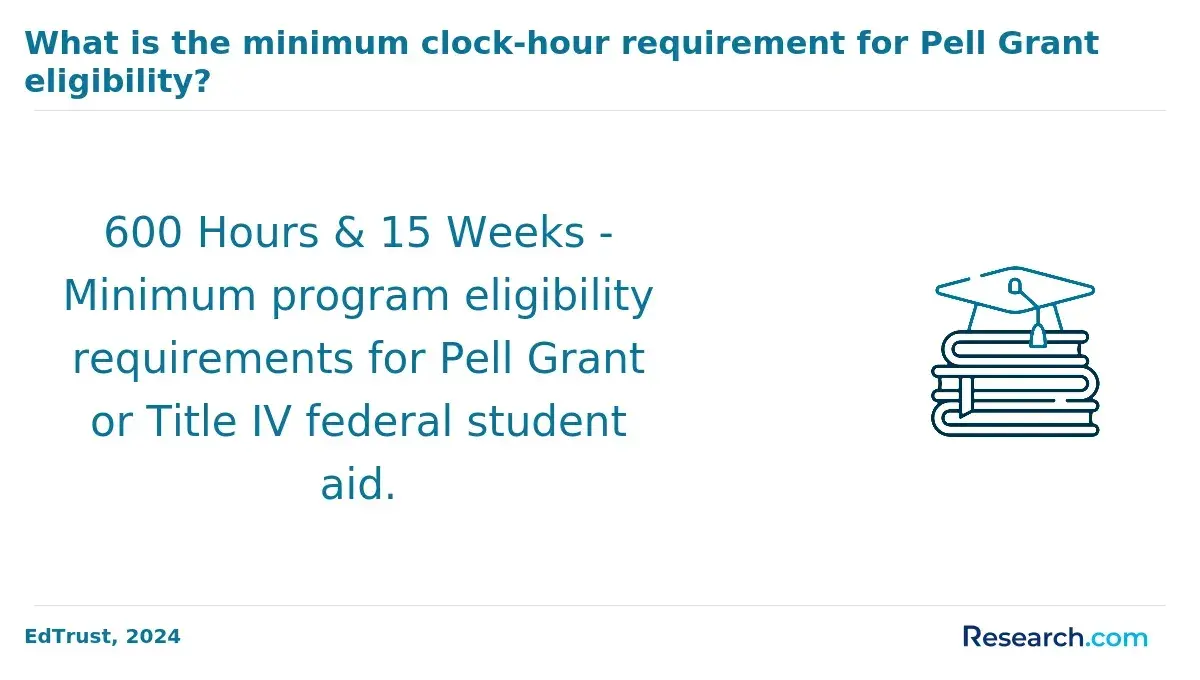
- Federal Aid: Eligible students can access Pell Grants that do not require repayment and Federal Direct Loans with low interest and income-driven repayment plans. Enrollment status and satisfactory academic progress impact aid amounts, so understanding these criteria is vital.
- Employer Tuition Assistance: Many professionals benefit from employer tuition reimbursement programs, which may cover partial or full tuition costs. Confirming eligibility for online health informatics degrees ensures you can leverage this significant cost-saving opportunity.
- Institutional Scholarships: Accredited schools often offer merit-based and need-based scholarships specific to online learners in health-related fields. Early application and researching each program's criteria can maximize chances of receiving aid.
- Transfer Credit Savings: Applying prior credits from community colleges or certificate programs toward your degree can reduce overall costs and shorten completion times, making accredited accelerated biology degree online options worth exploring for some students.
- Military and Veteran Benefits: Active-duty members and veterans may use the GI Bill and other benefits to significantly offset tuition and receive allowances for housing and books when pursuing online health informatics degrees.
Considering institutional accreditation, critical for federal aid eligibility, and enrollment intensity helps students optimize financial aid packages. Careful evaluation of these affordable scholarships and grants for health informatics degrees in conjunction with individual circumstances supports strong long-term ROI.
Students increasingly pursue online health informatics degrees to access flexible career pathways, competitive salaries, and strong long-term advancement opportunities. The U.S. Bureau of Labor Statistics projects faster-than-average growth for health information specialists, with degree holders often earning well above median wages in healthcare technology.
Below are key career areas that highlight the value of affordable, accredited programs for budget-conscious students, working professionals, and career-focused adult learners.
- Entry-Level Roles: Positions such as health data analyst, clinical informatics specialist, and electronic health record technician offer accessible starting points. These roles provide valuable experience and competitive pay, making them ideal for recent graduates entering the field.
- Management and Leadership: With professional growth, graduates may advance to roles like health information manager or informatics director, overseeing data operations and leading digital health initiatives that shape organizational strategy and policy.
- Specialized Industry Careers: Opportunities abound in hospitals, insurance companies, and pharmaceutical firms that require expertise blending healthcare knowledge with IT skills. These sectors often offer stable careers with strong earning potential.
- Remote and Flexible Work: Many health informatics jobs, especially in data analysis and consulting, offer remote or hybrid options. This flexibility supports working adults and career changers seeking balance without sacrificing advancement.
Affordable accredited online programs enable learners to develop skills aligned with workforce demands-boosting access to the best-paying health informatics jobs in the United States. For students balancing budgets and career goals, exploring best online registered dietitian programs alongside health informatics can provide additional allied health opportunities.
Salary potential plays a crucial role when selecting an online health informatics degree program-especially for budget-conscious and career-focused learners. National data shows median earnings for professionals in this field often range from $70,000 to $90,000, reflecting rising demand and wage growth in healthcare technology roles.
The following factors notably influence graduates' long-term income prospects.
- Industry Specialization: Focused expertise in areas like electronic health records or data security tends to command higher salaries. Professionals who develop targeted skills aligned with healthcare technology needs can access more lucrative roles.
- Geographic Location: Salaries vary significantly by region, with urban and high-cost areas offering greater compensation but also increased living expenses. Remote and hybrid opportunities expand options for flexible, well-paid positions across various locations.
- Experience and Advancement: Entry-level roles typically start between $50,000 and $65,000, but with experience and managerial certifications, earnings often surpass six figures. Career progression in leadership roles is tightly linked to higher pay.
- Educational Accreditation: Graduates from regionally accredited online programs with recognized institutional credibility tend to have better employer recognition-boosting salary offers and career mobility.
- Workforce Alignment: Programs emphasizing practical skills and workforce-ready competencies enhance employability and salary potential. Institutional data on graduate outcomes can provide insight into return on investment beyond tuition costs.
What Graduates Say About Best Value Online Health Informatics Degree Programs
- Ramon: "As a budget-conscious student, I found that selecting an affordable accredited online health informatics degree program was crucial. I focused on programs with a strong ROI to ensure my investment would lead to meaningful career opportunities. The flexibility and cost-effectiveness made it possible for me to pursue my goals without compromising quality."
- Marcos: "Working full-time while advancing my education meant I had to find an online health informatics degree program that fit both my schedule and financial constraints. I appreciated universities that balanced affordability with accreditation, ensuring my degree holds value in the job market. The highest ROI programs often opened doors to roles like clinical analyst and data manager, which aligned well with my career ambitions."
- Silas: "Deciding on an online health informatics degree was a strategic choice to enhance my career prospects in healthcare technology. After researching the best value programs, I prioritized those with strong reputations and accreditation that offered competitive tuition rates. The degree has empowered me to pursue leadership roles in health data management and improve patient outcomes through technology."
Other Things You Should Know About Health Informatics Degrees
Most programs require a reliable laptop, broadband internet, webcam, microphone, and current software for word processing, spreadsheets, and data analysis. Some courses also use learning platforms such as Canvas or Blackboard and may require access to Microsoft Office or statistical tools for assignments and virtual labs.
Yes-many online health informatics programs are designed with flexible scheduling to accommodate working professionals. Asynchronous coursework, recorded lectures, and extended deadlines enable students to progress without sacrificing job responsibilities. However, successful time management remains essential for balancing studies and employment.
Certifications such as Registered Health Information Administrator (RHIA) or Certified Health Data Analyst (CHDA) can significantly enhance a graduate's credentials. These certifications demonstrate specialized expertise beyond the degree-boosting job prospects and validating skills in health data management, privacy, and analytics. Many training resources for these exams align well with online curricula.
- 2025-2026 Master of Science in Health Informatics and Healthcare Administration Costs https://www.une.edu/sfs/online/costs/master-science-health-informatics
- Best Health Informatics Master’s Degree Programs, Jobs, and Salaries https://careerkarma.com/blog/health-informatics-masters-degrees/
- Health Informatics Salary: How Much Can You Earn? https://www.uopeople.edu/blog/health-informatics-salary/
- 50 Most Affordable Bachelor’s Degrees in Health Informatics https://www.mba-healthcare-management.com/best/affordable-bachelors-degrees-in-health-informatics/
- Master's in Health Informatics (MSHI) Online | USF Health https://www.usfhealthonline.com/programs/masters-degree/ms-health-informatics/
- Grants: The Guide To Finding Free Money To Finance Your Health Informatics Degree https://mastersinhealthinformatics.com/masters-in-health-informatics-college-grants/
- Health Science Degrees Online with Financial Aid https://www.edumed.org/online-schools/health-informatics-degrees/financial-aid/
- Health Informatics Careers and Jobs https://www.publichealthdegrees.org/careers/health-informatics/