2027 Best Online Media Communication Master's Programs at Nonprofit Universities

Co-Founder and Chief Data Scientist
Choosing an online media communication master's program means weighing more than a school's name: you need a credible degree, manageable total cost, and coursework that matches the communication work you want to do. The U.S. Bureau of Labor Statistics projects 6% employment growth for public relations specialists from 2023 to 2033, reflecting continuing demand for professionals who can shape messages across digital channels. This guide helps prospective graduate students compare nonprofit online options by accreditation, curriculum, tuition, delivery, support, and career fit before applying.
Key Things You Should Know
- Strong options include institutionally accredited nonprofit universities with clearly defined online degrees, such as the University of Florida, West Virginia University, the University of Kansas, and Liberty University; nonprofit status is useful context but does not replace accreditation and outcome research.
- Most online media communication master's programs require about 30 to 36 credits and can take roughly 18 to 24 months full time; part-time students often need longer but gain more scheduling flexibility.
- Use salary data as career context rather than a promise: the U.S. Bureau of Labor Statistics reported a $69,780 median annual wage for public relations specialists in May 2024, while outcomes depend on experience, location, portfolio quality, and role.
Which Nonprofit Universities Offer the Best Online Media Communication Master's Programs, and How Were They Selected?
The best online media communication master's program is the one that supports your target role without creating unnecessary debt or schedule conflict. A nonprofit university reinvests revenue into its educational mission rather than distributing profits to owners. Both public universities and private colleges can be nonprofit institutions, so applicants should not assume that nonprofit means private, low-cost, or automatically high quality.
The programs below are useful starting points because they are offered by established nonprofit institutions, have recognizable communication-related graduate curricula, and provide online or substantially online study paths. Availability, concentrations, state authorization, residency expectations, and tuition can change, so confirm the current catalog before applying.
| Nonprofit university | Online degree option | Typical academic emphasis | Published credit structure to verify | Best fit |
| University of Florida | Master of Arts in Mass Communication, Digital Strategy | Digital audiences, strategy, analytics, content | 36 credits | Marketing and digital communication professionals |
| West Virginia University | Master of Science in Integrated Marketing Communications | Brand strategy, research, digital and integrated campaigns | 30 credits | Professionals moving toward strategic communication leadership |
| University of Kansas | Master of Science in Digital Content Strategy | Content planning, audience engagement, digital strategy | 30 credits | Content, social media, and audience-development professionals |
| Liberty University | Master of Science in Strategic Communication | Strategic messaging, communication leadership, media | 33 credits | Working adults seeking a broad strategic communication degree |
Selection should not be treated as a universal ranking. These programs differ in specialization, faculty expertise, academic calendar, and price. A communications professional seeking analytics and campaign measurement may prefer a digital strategy curriculum, while a writer or journalist may gain more value from a program with reporting, storytelling, or multimedia production.
Use the following comparison standards when narrowing a shortlist. They separate a reputable online graduate option from a program that only appears convenient on paper.
- Verify institutional accreditation through the U.S. Department of Education or the Council for Higher Education Accreditation databases and confirm the school is authorized to enroll students in your state.
- Compare total required credits, per-credit tuition, mandatory fees, technology charges, books, and any travel costs for residencies or capstones.
- Match required courses and electives to a specific job target, such as public relations, digital content strategy, corporate communication, media analytics, or marketing communications.
- Review delivery details, including live-session requirements, course deadlines, group work, internship expectations, and the availability of part-time enrollment.
- Ask for graduation, retention, career-service, and alumni-network information rather than relying on rankings or marketing claims alone.
Why Choose a Nonprofit University for an Online Media Communication Master's Degree?
A nonprofit university can be a sensible choice when you want an established academic department, transparent governance, access to federal financial aid, and a credential employers are more likely to recognize. Public nonprofit universities may offer lower tuition for residents or competitively priced online rates, while private nonprofit universities may provide smaller cohorts, distinctive professional networks, or more frequent start dates.
Institution type is only one part of value. A nonprofit school can still be expensive, offer limited specialization options, or have a rigid format. Conversely, a lower-cost public institution may be an excellent fit if its curriculum and support align with your goals. Compare the educational return, not the nonprofit label alone.
For professionals deciding between a communication degree and a management-focused credential, an affordable online MBA may make more sense when the desired outcome is broad business leadership rather than media strategy, writing, audience engagement, or communication management.
Online study also differs from a campus program in practical ways. Students commonly complete the same graduate-level assignments, readings, discussions, and capstone work, but they may participate through asynchronous modules, video meetings, digital collaboration tools, and remote faculty office hours.
The strongest format for you depends on whether you need fixed meeting times for accountability or asynchronous access around work and caregiving.
What Accreditation Should an Online Media Communication Master's Program Have?
Institutional accreditation is the first credential to verify. It indicates that the university as a whole has undergone review by an accrediting organization recognized by the U.S. Department of Education and/or the Council for Higher Education Accreditation. For an online master's degree, this matters for degree recognition, federal aid eligibility, credit transfer decisions, and employer confidence.
Communication programs generally do not require programmatic accreditation for graduates to work in media, public relations, content, or corporate communication. However, specialized recognition can add context.
Journalism and mass communication units may pursue accreditation through the Accrediting Council on Education in Journalism and Mass Communications, but its absence does not automatically indicate a weak online master's program.
Before enrolling, complete these verification steps. They help prevent a common mistake: confusing a school's marketing language with formal accreditation.
- Find the university's institutional accreditor in the official accreditation directory and confirm the institution's current status.
- Check the program page and graduate catalog to make sure the exact online degree, concentration, and delivery format are still offered.
- Ask whether your state is eligible for enrollment and whether any internship, practicum, or residency has location-specific requirements.
- Request clarification if the school uses terms such as "licensed," "approved," or "recognized" without identifying an accreditor.
Media communication is usually not a licensed profession, unlike counseling, teaching, or clinical fields. Still, students who hope to use the degree in a regulated setting should confirm employer and state requirements separately. A communication master's degree does not independently qualify a graduate for licensure in another profession.
How Much Does an Online Media Communication Master's Degree at a Nonprofit University Cost?
Total cost is more useful than advertised tuition. The College Board reported average published tuition and fees for graduate students of $12,596 at public institutions and $29,931 at private nonprofit institutions for the 2024-25 academic year. These national averages are not program quotes: online rates, residency policies, required credits, and institutional aid can move an individual program far above or below them.
The cost comparison below shows why applicants should calculate the full degree price using each school's current graduate tuition schedule rather than comparing one per-credit figure in isolation.
| Cost component | What to confirm | Why it affects value |
| Tuition | Online per-credit rate and required degree credits | A 30-credit program can cost less overall than a 36-credit program even when its per-credit rate is higher. |
| Mandatory fees | Online learning, student services, graduation, and technology fees | Fees may be charged by term, course, or program and are often excluded from promotional estimates. |
| Residency and travel | Campus intensives, optional networking events, or capstone travel | A mostly online program may still require transportation, lodging, and time away from work. |
| Course materials | Books, software subscriptions, production equipment, and research tools | Media production and analytics coursework can involve costs beyond tuition. |
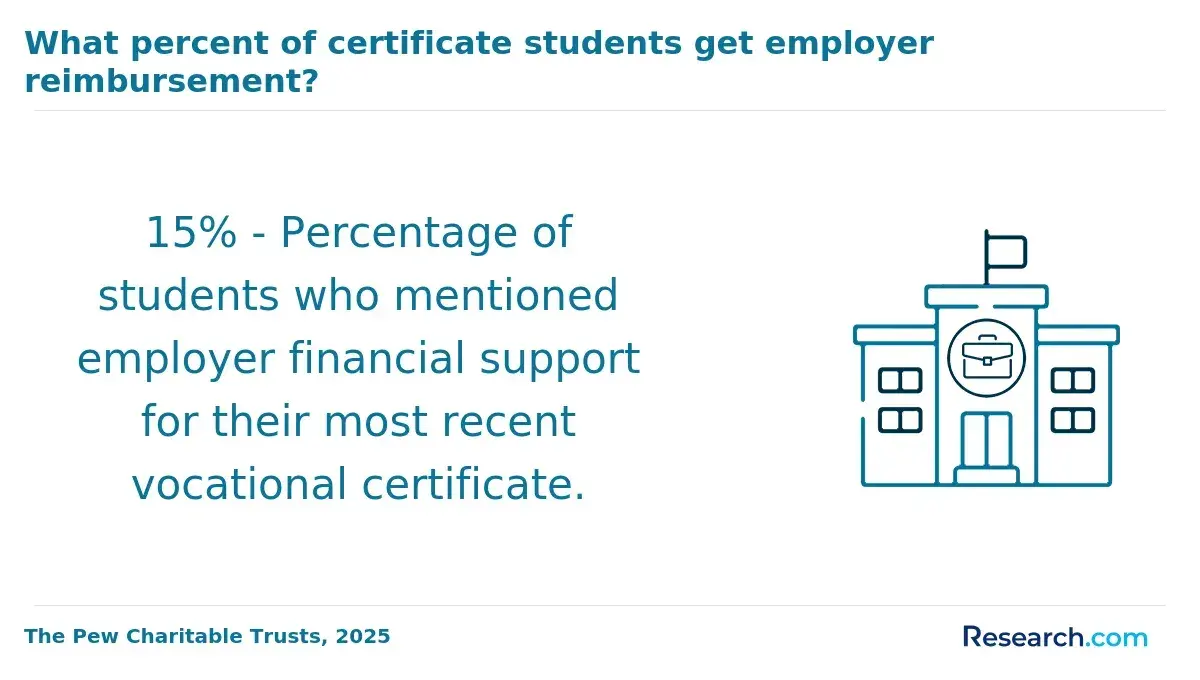
| Financial aid | Scholarships, employer reimbursement, assistantships, and federal Direct Unsubsidized or Grad PLUS loan eligibility | A lower sticker price is not always the lower net price after confirmed aid. |
Ask each admissions or financial-aid office for a written estimate covering all required terms. Do not assume in-state tuition applies to online learners, and do not borrow based solely on projected salary. Students comparing technical career pathways can use a similar total-cost approach when reviewing a cheapest online computer science degree.
A practical affordability test is to compare the estimated amount you would need to borrow with your expected ability to keep working, your employer's tuition benefit, and the career change the degree is intended to support.
Programs with lower tuition but weak course alignment can be poor value; premium programs need especially convincing evidence of relevant faculty, networking, and career support.
What Are the Admission Requirements for Online Media Communication Master's Programs?
Admission requirements vary, but most nonprofit universities expect a completed bachelor's degree from an accredited institution, official transcripts, an application, and evidence that you can succeed in graduate-level writing and analysis. Many programs welcome applicants from fields outside communication, including business, journalism, humanities, education, and public service.
Applicants should prepare the following materials early because references, transcript processing, and writing samples can take time to arrange.
- Official undergraduate transcripts and evidence of a completed bachelor's degree.
- A statement of purpose connecting your professional goals to the program's concentration and curriculum.
- A current résumé that identifies communication, content, research, marketing, leadership, or related experience.
- Letters of recommendation when required, preferably from people who can discuss your writing, initiative, and professional judgment.
- A writing sample, portfolio, interview, or prerequisites if the individual program requests them.
Do not assume a missing communication major disqualifies you. Instead, show readiness through work samples, relevant coursework, campaign results, research experience, or a thoughtful statement of purpose. Conversely, avoid applying without checking GPA thresholds, test policies, international transcript rules, and deadlines; requirements may differ by concentration and start term.
What Will You Study in an Online Media Communication Master's Program?
An online media communication master's program develops advanced skills for planning, producing, evaluating, and leading communication across digital, organizational, and public-facing environments. Degree titles vary widely: mass communication, strategic communication, integrated marketing communications, digital content strategy, media studies, and communication management can overlap while emphasizing different career paths.
Core coursework commonly combines theory with applied work. The curriculum areas below can help you distinguish a broad communication degree from one with a sharper professional specialization.
| Curriculum area | Skills developed | Career relevance |
| Communication strategy | Audience analysis, messaging, planning, stakeholder communication | Corporate communication, public relations, campaign planning |
| Digital content and storytelling | Editorial planning, multimedia narrative, content governance | Content strategy, social media, publishing, brand communication |
| Media research and analytics | Research design, metrics interpretation, audience insights | Communication analysis, digital marketing, audience development |
| Ethics and law | Media ethics, privacy, copyright, risk awareness | Editorial leadership, communication management, public-facing organizations |
| Capstone or applied project | Client research, campaign development, portfolio presentation | Demonstrable work sample for employers or advancement discussions |
Generative AI, platform changes, misinformation, privacy expectations, and audience fragmentation are influencing communication work. Look for courses that teach critical evaluation, editorial judgment, research ethics, measurement, and responsible use of new tools rather than promising that a particular platform or software will remain dominant.
Before choosing a specialization, map at least three required or elective courses to the job descriptions you want. A future public relations manager may prioritize crisis communication and stakeholder strategy; a content strategist may value audience research, SEO-informed editorial planning, and analytics; an aspiring academic researcher may need stronger research-methods training.
How Flexible Are Online Media Communication Master's Programs, and How Long Do They Take?
Many online media communication master's degrees require 30 to 36 credits. Full-time students can often finish in about 18 to 24 months, while part-time students may take two to three years or more. Accelerated calendars can shorten elapsed time, but they increase weekly reading, writing, group-project, and deadline demands.
"Online" does not always mean self-paced. Review the delivery model carefully because it determines whether the program fits your work schedule and learning preferences.
| Format | How it works | Best for | Watch for |
| Asynchronous online | Recorded materials and deadlines without regular live class meetings | Students in different time zones or with variable work hours | Frequent weekly deadlines and substantial independent work |
| Synchronous online | Live video classes at scheduled times | Students who prefer real-time discussion and structure | Time-zone conflicts and required attendance |
| Hybrid or low-residency | Mostly online study with occasional campus or regional meetings | Students seeking face-to-face networking or production experiences | Travel expense and required dates |
| Accelerated online | Shorter terms and concentrated course pacing | Experienced professionals with dependable study time | Limited ability to recover from work or family disruptions |
Ask for a sample syllabus and a typical weekly workload before committing. If rapid completion is your main goal, compare pacing rather than relying on the word "accelerated"; students evaluating another applied field can see how format comparisons work in an online construction management degree search.
Choose part-time study if preserving job performance, income, or caregiving capacity is more valuable than finishing quickly. Choose an accelerated or full-time path only when you can reliably meet the workload and do not need extensive flexibility during the program.
What Student Support, Faculty Access, and Networking Do Online Media Communication Master's Programs Offer?
Online students should expect more than a learning-management system. Strong programs provide access to faculty, librarians, writing assistance, disability services, technical support, career guidance, and a professional community. The quality and availability of these services can matter as much as course delivery, particularly for students changing careers or building a portfolio.
Ask each program how online students use the following resources. Specific answers are more useful than a general statement that services are "available remotely."
- Faculty office hours, response-time expectations, and opportunities for feedback on major projects.
- Career coaching, résumé review, mock interviews, job boards, and employer or alumni events available to online learners.
- Portfolio support, client-based projects, internships, capstones, or opportunities to publish work.
- Alumni communities, student organizations, virtual networking sessions, and optional campus events.
- Library research support, software access, accessibility accommodations, and evening or weekend technical help.
Faculty background also matters. Review whether instructors bring relevant scholarly expertise, agency, newsroom, corporate communication, nonprofit, or public-sector experience to the subjects they teach. A program may be especially valuable when its capstone allows you to solve a real communication problem and leave with work you can discuss in interviews.
What Jobs, Salaries, and Career Outcomes Can You Expect From an Online Media Communication Master's Degree?
A media communication master's degree can support advancement into strategic, analytical, editorial, and leadership-oriented work, but it is not a required credential for every communications job. Employers often weigh writing quality, portfolio depth, campaign results, industry experience, and professional relationships alongside education.
According to the U.S. Bureau of Labor Statistics, public relations specialists had a median annual wage of $69,780 in May 2024. That figure describes the middle wage across the occupation, not the likely starting pay for a new graduate, and it does not isolate master's degree holders. Location, industry, responsibilities, and experience strongly affect compensation.
The following roles show how a degree can connect to different communication career directions.
| Potential role | Typical responsibilities | Useful graduate emphasis |
| Public relations specialist | Media relations, messaging, reputation support, stakeholder communication | Public relations, crisis communication, writing |
| Content strategist | Content planning, audience research, editorial governance, measurement | Digital strategy, analytics, storytelling |
| Communications manager | Internal and external communication planning, team coordination, campaign oversight | Leadership, organizational communication, strategy |
| Social media or community manager | Channel planning, community engagement, reporting, content coordination | Digital media, audience behavior, analytics |
| Marketing communications specialist | Campaign messaging, brand alignment, cross-functional communication | Integrated marketing communications, research, measurement |
Build an outcome plan before enrollment: identify target roles, collect 10 to 15 job postings, note recurring skills, and choose a program whose assignments can become portfolio pieces.
Career changers considering substantially different professional paths should evaluate salary and training requirements separately; for example, this overview of SLP salary illustrates why licensed clinical careers require a different return-on-investment analysis.
Is an Online Media Communication Master's Degree From a Nonprofit University Worth It?
An online media communication master's degree from a nonprofit university can be worth it when it fills a clear skills gap, supports a realistic career transition or promotion, and can be completed at a sustainable net cost. It is often most valuable for professionals who already have some communication, marketing, writing, journalism, business, nonprofit, government, or digital-content experience and need advanced strategic or analytical capability.
It may be less valuable if you mainly need entry-level experience, a basic portfolio, or a short technical skill upgrade. In those cases, supervised work, targeted certificates, individual courses, employer training, or a lower-cost degree may provide better value.
Students interested in clinical relationship and family work should not substitute a communication degree for qualifying professional preparation; compare appropriate online MFT programs if that is the actual career direction.
Use this final decision check before accepting an offer. A "yes" to most of these questions suggests the program has a defensible fit.
- Is the university institutionally accredited and authorized to enroll students where you live?
- Does the curriculum directly develop skills requested in your target job postings?
- Can you explain the full estimated cost, financial-aid package, and borrowing amount in writing?
- Does the schedule work with your employment and personal responsibilities without relying on unrealistic study assumptions?
- Will the program provide portfolio work, faculty feedback, networking, or career support that you cannot easily obtain elsewhere?
- Have you compared at least two alternatives using the same criteria rather than choosing only by ranking, brand, or advertised tuition?
The best fit is not necessarily the fastest, cheapest, or most prestigious option. It is the accredited nonprofit program whose specialization, delivery model, total cost, and professional connections make sense for your next career step.
Other Things You Should Know About Media Communication
Employers generally focus on the university's accreditation, reputation, the relevance of your coursework, and your demonstrated skills rather than whether the degree was completed online. List the degree accurately on your résumé and be prepared to discuss projects, research, campaigns, and results.
Often, yes. Many programs admit students from related and unrelated undergraduate majors. You may need to demonstrate writing ability, professional experience, or readiness for research and graduate-level coursework. Check whether the program requires prerequisite courses.
Some are fully online, while others include optional or required residencies, internships, client projects, or capstones. Read the academic catalog and ask admissions for all in-person and fieldwork requirements before applying, especially if you live far from campus.
Some universities accept a limited number of eligible graduate transfer credits, but policies vary by school, course age, grade, accreditation, and degree fit. Obtain a written transfer-credit evaluation before assuming that previous coursework will shorten your program.
References
- Explore Master's Degrees in Media and Communications at Full Sail - The Hub https://hub.fullsail.edu/articles/explore-masters-degrees-in-media-and-communications-at-full-sail
- Flexible Learning Opportunities https://www.monroeu.edu/our-formula-success/flexible-learning-opportunities
- Online Master's in Communications: 2025's Top Programs https://www.onlinemastersdegrees.org/best-programs/communications/
- Master's in Communication Specializations and Concentration Options https://www.mastersincommunications.com/specializations/
- Online Master's in Media Communication Programs in 2025 https://www.mastersincommunications.org/online-media-communication/
- The Best Online Master's in Communications Programs https://www.onlinecolleges.net/rankings/best-online-masters-communications/
- Scholarships for Online Grad School | OEDb.org https://www.oedb.org/graduate-scholarship/
- Which Communications Degree Path Fits You? https://www.trade-schools.net/communication-studies/
- Financing Your Degree https://aspph.org/student-journey/financing-your-degree/
- Fully Funded Master's Programs in Communications and Journalism | ProFellow https://www.profellow.com/fellowships/fully-funded-masters-programs-in-communications-and-journalism/