Best online MBA in Sustainability programs for international applicants

Co-Founder and Chief Data Scientist
An online sustainability MBA can let you study at a US business school without leaving your job or country - but "online" does not always mean you can enroll from anywhere or avoid campus visits. For international applicants, the strongest choice depends on the sustainability curriculum, recognition of the degree, time-zone demands, total cost, and where you intend to work afterward. This guide compares a focused shortlist, explains what to verify directly with each school, and helps you decide whether an MBA offers more value than a narrower qualification.
Key Things You Should Know
- Start with a focused shortlist: Southern New Hampshire University and the University of Maine offer online MBA pathways tied to sustainability; Bard's MBA in Sustainability is a hybrid option only if travel is feasible.
- Before applying from abroad, confirm overseas enrollment eligibility, live-session times, any required US visits, international payment options, and whether the concentration appears on your academic record.
- The US median annual wage for management occupations was $126,520 in May 2025, according to the Bureau of Labor Statistics (BLS); it is not an expected salary for sustainability MBA graduates.
What are the best online MBA in sustainability programs for international applicants?
There is no defensible universal winner: the best program depends on whether you need fully remote study, environmental compliance coursework, or intensive interaction with a sustainability-focused cohort. This shortlist considers an identifiable MBA, a named sustainability pathway or curriculum, and the practical distinction between online and hybrid attendance. It is a fit-based comparison, not a ranking; program details and overseas enrollment policies should be confirmed with each school before applying.
The table separates the academic reason to consider each option from the condition most likely to change an international applicant's decision. It does not treat a hybrid MBA as interchangeable with a fully online one.
| Program | Sustainability fit | International-applicant consideration |
| Southern New Hampshire University online MBA, Sustainability and Environmental Compliance concentration | A named concentration for applicants interested in connecting business decisions with environmental and compliance concerns. | Confirm that the concentration is currently available to students studying from your country and ask how its courses are scheduled. |
| University of Maine online MBA, Sustainability concentration | A named pathway for applicants who want sustainability study within a general-management MBA. | Confirm current concentration courses, delivery requirements, and whether any collaborative activities require attendance at difficult local hours. |
| Bard MBA in Sustainability | A sustainability-centered MBA rather than a conventional MBA with a smaller concentration. | Its hybrid, low-residency design involves in-person participation. Consider it only after confirming travel requirements and whether you can meet them. |
If remaining abroad throughout the degree is nonnegotiable, investigate SNHU and Maine first, then obtain written confirmation that every required course can be completed from your location. Bard may be a better academic fit for someone seeking deeper sustainability immersion, but it is not a substitute for a no-travel online program.
Compare current course catalogs rather than relying on the word "sustainability" alone. The broader guide to choosing online MBA in sustainability can help you build an initial list, but your final comparison should use each school's current requirements and international-student guidance.
How do international applicants evaluate accreditation for online sustainability MBAs?
Check institutional accreditation first: it concerns the university that awards the degree. Then check whether its business school or MBA also holds specialized accreditation, such as AACSB, ACBSP, or IACBE. These are different claims, and specialized accreditation is not the same thing as a university's legal authority to award degrees. Verify current status in the accreditor's directory and ask which institution's name appears on the diploma.
Recognition outside the United States is a separate question. An accredited US degree may still face country-specific rules for public-sector hiring, further study, or professional recognition. If you plan to return home, ask the relevant employer, university, or credential-recognition authority about the specific MBA and its online mode of delivery before paying a deposit.
Prior graduate coursework may reduce cost only if the school accepts it and applies it toward the MBA's requirements. Compare MBA degree plans with accepted credits, then ask the school separately whether foreign credits can transfer and whether they replace core courses, concentration courses, or neither.
What are the admission requirements for an online MBA in sustainability?
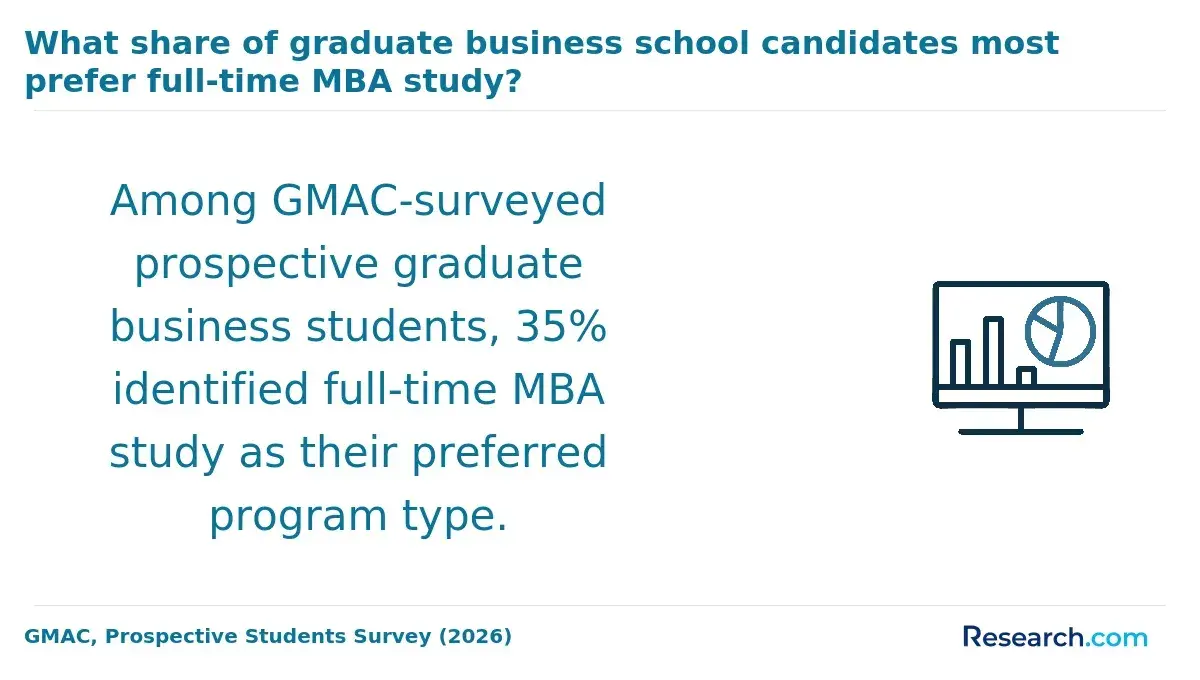
Requirements are set by each university, not by the sustainability concentration as a field. Applicants commonly prepare transcripts showing a completed bachelor's degree, a résumé, and any statements or recommendations the school requests. Schools vary in their expectations for work experience and GMAT or GRE scores. A science degree is not inherently required for an MBA focused on sustainability.
International applicants may also need a credential evaluation, certified translations, and evidence of English proficiency if applicable. Ask whether the school accepts your undergraduate qualification, which evaluation service it requires, and whether previous study in English qualifies you for a language-test waiver. A test-optional policy for the GMAT or GRE does not automatically waive English-language requirements.
To avoid paying for unnecessary tests, compare the school's current policy with affordable graduate business education gmat required options before scheduling an exam. Also ask whether admission to the MBA automatically permits enrollment in the sustainability concentration or requires a separate declaration.
An MBA in sustainability combines a general-management core - typically areas such as finance, operations, strategy, and leadership - with courses applying business decisions to environmental and social challenges. Depending on the school, that specialized work may address environmental compliance, resource use, sustainable operations, governance, or evaluating the business case for an initiative. A concentration usually represents a defined group of courses; one sustainability elective does not.
Read course descriptions to judge depth. A project that weighs emissions-reduction options against costs and operational constraints builds managerial judgment. It does not, by itself, qualify a graduate to perform environmental engineering, conduct a technical audit, or provide legal compliance advice. Applicants targeting those functions may need a specialized master's degree, technical training, or relevant work experience instead.
If you need substantial training in both management and a technical discipline, consider whether separate qualifications serve that goal better than a concentration. Some business-school options for online MBA programs mba programs involve dual degrees, but verify that both components are available in a format and location you can actually attend.
Online study can preserve your current employment and eliminate a move to the United States, making it particularly useful if you plan to apply new skills with an employer in your home country. Its trade-off is that US-based live classes, group work, recruiting events, or residencies may be hard to attend. Ask for the time zone of required meetings and a calendar of every in-person obligation - not simply whether lectures are recorded.
A campus MBA may offer easier access to local employers, face-to-face projects, and recruiting activities, but those advantages depend on the school and program. Online students should not assume they receive identical internship access or career services. Conversely, attending a campus program does not guarantee a US job.
Enrollment and immigration are separate decisions. Completing a US online MBA from abroad does not itself grant permission to enter or work in the United States. If US employment is central to your plan, discuss the particular program's attendance model and your circumstances with the school's international-student office and a qualified immigration adviser before choosing a format.
Completion time depends on required credits, course availability, and whether you study part time or at an accelerated pace. A concentration can also affect sequencing if its courses are not offered every term. Ask each school for a degree plan based on your intended course load and location rather than assuming its advertised fastest completion time is realistic for you.
For a usable cost comparison, request a written estimate covering total required tuition, mandatory fees, course materials, and any travel. Confirm the currency and payment methods accepted from your country, whether tuition differs for overseas students, and whether your employer can pay the institution directly. Published tuition alone may omit substantial expenses, especially for a hybrid program requiring US trips.
If you already have significant management experience and are comparing formats, executive MBA options by total cost provide another reference point. An executive MBA is not automatically a sustainability specialization, so compare its actual curriculum and required travel as well as its price.
The most plausible next role builds on work you already know. An operations professional might pursue sustainable supply-chain initiatives; a finance professional might work on investment or reporting decisions involving environmental risks; a compliance professional might move toward broader program management. In each case, the MBA adds business breadth to existing functional knowledge rather than replacing it.
Potential titles include sustainability manager, ESG program manager, responsible-sourcing manager, and corporate-strategy or operations manager with sustainability responsibilities. Titles are inconsistent across employers: inspect job descriptions for required industry experience, technical methods, reporting knowledge, and authority to manage budgets or teams. For a substantial career change, seek an employer-sponsored project or relevant professional assignment while studying; the degree alone may not establish credibility in a new function.
There is no single reliable US salary figure for "sustainability MBA graduates." Schools, industries, prior experience, job functions, and work authorization can produce very different outcomes. For context, BLS reports a $126,520 median annual wage for US management occupations in May 2025. That figure covers management workers broadly - not MBA graduates, sustainability specialists, new graduates, or applicants entering the US labor market.
Use the pay range for your target occupation and location when judging a program's affordability. If you expect to work outside the United States, US wages are an especially poor basis for calculating your personal return. Compare likely earnings with tuition and forgone income in the market where you are actually authorized and intend to work.
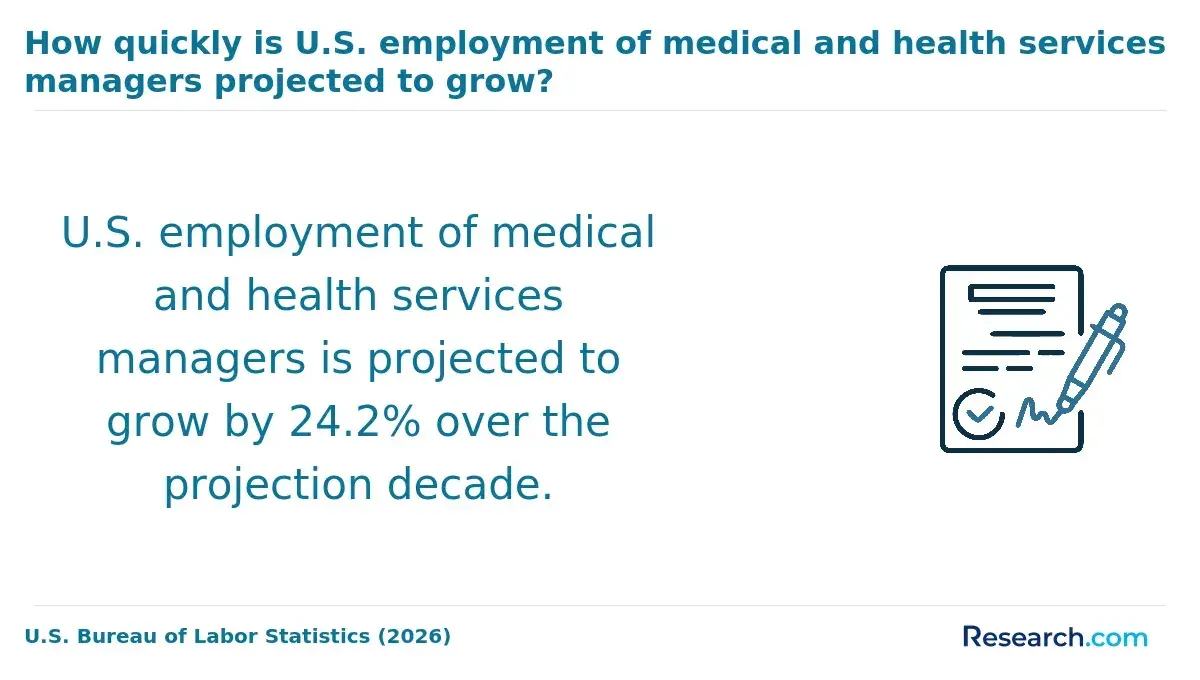
There is no single BLS occupation covering all sustainability and ESG professionals, so a broad growth projection cannot establish demand for this particular MBA. BLS projects management occupations overall to grow faster than the average for all occupations from 2025 to 2035, with about 1.1 million openings per year on average from growth and replacement needs. Those openings span many unrelated management jobs; they are not sustainability vacancies.
Assess demand at the role level instead. Review recent postings in your intended US industry for recurring requirements - such as supply-chain experience, data analysis, reporting, or regulatory knowledge - and note whether employers seek managers or technical specialists. If you intend to work in the United States, weigh those findings alongside your actual employment-authorization options; market demand does not remove hiring or immigration constraints.
Which sustainability certifications benefit international MBA graduates?
A certification is most useful when it fills a specific gap between MBA coursework and a target role. For example, the Global Reporting Initiative's training can support work involving sustainability disclosures, while the CFA Institute's Sustainable Investing Certificate is more relevant to investment-related roles. Neither substitutes for an MBA's general-management education, and neither guarantees that an employer will recognize your experience.
Check whether a credential's exam, assessment, or continuing-education requirements are accessible from your country. Then compare its syllabus with job postings and the MBA's courses. If employers seek a narrow reporting or investment skill and you do not need broader management training, targeted education may be the more direct and less costly choice.
Other Things You Should Know About MBA
Diploma wording varies by university. Ask the registrar for a sample diploma and transcript description if that distinction matters to an employer or credential evaluator.
Possibly, but project rules vary. Ask whether overseas organizations qualify, whether the school must approve a supervisor, and what information your employer would need to share.
That depends on the school's declaration rules and course availability. Confirm the latest point at which you can select it without delaying graduation.
Ask about leave-of-absence limits, reentry rules, and whether moving countries affects access to courses or student services. Get the applicable policy before enrolling.
- 9 FAM 402.5 (U) STUDENTS AND EXCHANGE VISITORS | state.gov https://fam.state.gov/fam/09FAM/09FAM040205.html
- Overview of Accreditation in the United States | ed.gov http://www.ed.gov/laws-and-policy/higher-education-laws-and-policy/college-accreditation/overview-of-accreditation-united-states
- The Value of Accreditation | AACSB https://www.aacsb.edu/educators/accreditation/value-of-accreditation
- Admissions Requirements | Berkeley Graduate Division https://grad.berkeley.edu/admissions/application-process/requirements/
- International Steps to Admission | Financial Aid and Scholarship Office https://www.sjsu.edu/admissions/graduate/want-to-apply/international-steps-to-admission/index.php
- Admissions | Robert H. Smith School of Business https://www.rhsmith.umd.edu/programs/online-mba/admissions
- Online Flexible MBA Program | jhu.edu https://carey.jhu.edu/programs/mba-programs/mba-flexible
- Business Administration (Online MBA) - San Antonio https://online.utsa.edu/programs/master/mba/
- Estimated Expenses for International Students | ISSS | Miami University https://miamioh.edu/global-initiatives/international-student-scholar-services/resources/money-matters/tutition-fees/index.html
- Online MBA in Environmental Social Governance | WP | WPUNJ https://online.wpunj.edu/degrees/business/mba/esg/