Is an online MBA in Data Science for Business worth it for nonbusiness bachelor's graduates?

Co-Founder and Chief Data Scientist
A nonbusiness bachelor's degree can be an advantage in an analytics-focused career, but it does not tell you whether an MBA is the right next credential. An online MBA in data science for business combines management education with the use of data to make business decisions; its value depends on your experience, career goal, and the program's actual curriculum. This guide helps you assess that fit, identify preparation gaps, compare costs and alternatives, and decide what to verify before enrolling.
Key Things You Should Know
- It can be worth it if you want to lead data-informed business decisions and can apply the coursework in your current field; it is less direct preparation for a hands-on data scientist role.
- A nonbusiness degree is not an automatic barrier. Schools set their own experience and foundation-course policies, while your prior discipline may supply useful industry or quantitative knowledge.
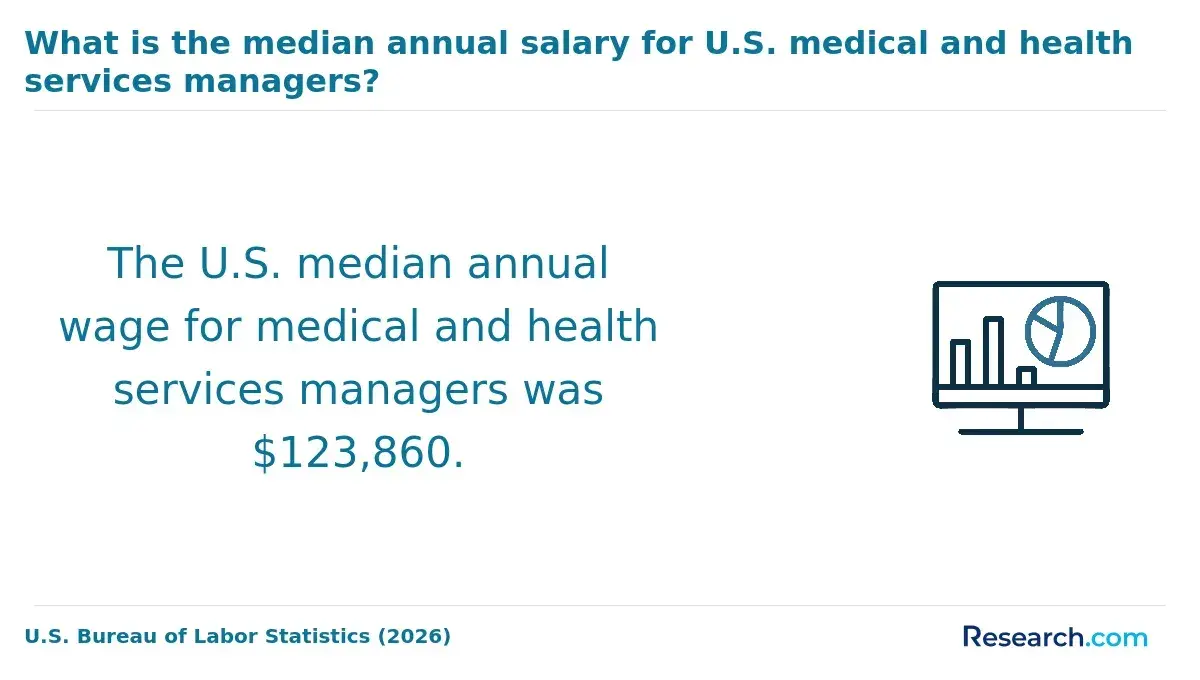
- Do not use occupational pay as an MBA payoff estimate. The US Bureau of Labor Statistics reports a $126,520 median annual wage for management occupations in May 2025, not for graduates of this specialization.
Is an online MBA in data science for business worth it without a business degree?
Yes, conditionally. An online MBA in data science for business is most likely to be worthwhile for a nonbusiness graduate who already understands a field - such as healthcare, engineering, education, or the sciences - and wants to make or lead better decisions within it. The MBA can add accounting, finance, strategy, and organizational leadership to that existing expertise. An analytics concentration may teach you to frame questions, interpret evidence, and manage analytics work, but it is not necessarily advanced training in statistical modeling or data engineering.
The degree's value changes with your starting point. A professional seeking promotion into analytics management may use both existing experience and new business skills. Someone trying to move straight from an unrelated role into technical data science faces a larger skills and hiring gap. For a new graduate with little work experience, the immediate benefit may also be uncertain if prospective employers expect demonstrated business judgment or project responsibility.
The alternatives below serve different goals. Compare them against the work you want to do, rather than against the appeal of an MBA title.
| Goal | Potentially better fit | Key limitation to check |
| Lead analytics-informed teams or business decisions | MBA with substantial analytics coursework | Whether the courses go beyond introductory tools and offer applied projects |
| Build models or data systems as a primary job | Specialized data science or statistics master's degree | Required math and programming preparation |
| Add a specific skill to an established role | Focused courses, a certificate, or employer training | Less broad management education and potentially less career support |
For a financial decision, compare the program's total cost plus forgone earnings or time with a realistic change in compensation or opportunity - not with a published MBA salary. Employer tuition assistance, the ability to remain employed, and access to projects or recruiting can change that calculation substantially. Value can also be nonfinancial: stronger budgeting skills or the ability to communicate with executives may matter even without an immediate promotion.
What careers can you pursue with an online MBA in data science for business?
Your previous work is the starting point for a career plan. A laboratory professional might move toward analytics operations in a life-sciences organization; an engineer might pursue product or operations analytics. In both cases, familiarity with the industry can be more persuasive than the concentration name alone.
These paths differ in how much technical and managerial experience employers are likely to expect.
| Potential role | How the MBA may help | Experience to demonstrate |
| Business or operations analyst | Connect analysis to costs, processes, and recommendations | Data analysis, clear reporting, and knowledge of the operating environment |
| Analytics product or project manager | Set priorities and communicate among technical and business teams | Project delivery, stakeholder management, and relevant product or industry knowledge |
| Analytics manager | Allocate resources and oversee decisions informed by data | Prior team leadership and responsibility for results |
| Data scientist | Provide business context for modeling work | Substantial programming, statistics, and model-development ability beyond many MBA concentrations |
An MBA does not itself confer managerial authority or qualify someone for a technical opening. Ask programs whether online students can access career coaching, alumni contacts, employer events, and applied projects relevant to your target role. If you already hold substantial leadership responsibility, online MBA programs for experienced leaders online executive MBA programs may be another format to compare, though their schedules and admissions expectations can differ.
What are the admission requirements for nonbusiness bachelor's graduates?
A nonbusiness bachelor's degree generally does not rule out MBA admission. Individual schools determine their requirements. Common application components include transcripts, a résumé, essays or a statement of purpose, and recommendations; policies on professional experience, interviews, and GMAT or GRE scores vary. Check the current requirements for the particular online program rather than assuming a policy applies across MBA programs.
Use your application to connect your original discipline to a business problem. For example, describe a process you improved, a budget you influenced, or evidence you used to persuade stakeholders. If your record does not yet show business or quantitative work, relevant projects and introductory study may strengthen your case without being formal admission requirements.
An online MBA can let you keep working and apply lessons immediately, reducing the need to leave a job. A campus program may offer easier access to in-person collaboration and recruiting, particularly for a substantial career switch. Neither format is uniformly better: access to classmates, employers, and faculty depends on how the specific program operates.
Check whether online classes are asynchronous or require live attendance, whether group projects span time zones, and whether residencies or campus visits are mandatory. Then compare those commitments with the campus program's timetable and career services. If scheduling is the deciding constraint, MBA programs with adaptable schedules can provide options to investigate; confirm each program's current deadlines and required live activities before treating it as self-paced.
The MBA core usually provides broad preparation in areas such as accounting, finance, marketing, operations, strategy, and leadership. Data science for business coursework may cover business statistics, data visualization, predictive analytics, decision modeling, and the ethical use of data. Names and depth vary: one school may offer a formal concentration, while another offers only analytics electives.
Read course descriptions for the level of work required. A course focused on interpreting a model for executives is different from one requiring students to build and test models in code. For a nonbusiness graduate, the most useful applied assignment may be one that joins both sides: analyze data from your field, explain its limitations, and defend a business recommendation. Also check whether a capstone is required and whether it involves a real organization or a classroom case.
Not necessarily. Some schools build accounting, economics, and quantitative foundations into the MBA; others assign introductory modules or courses before or alongside the core. Prior preparation differs, too: an engineering graduate may be comfortable with statistics but new to financial statements, while a humanities graduate may have strong communication skills and want more practice with quantitative analysis.
Before applying, compare your transcript and work experience with each program's published prerequisites. Ask whether foundation work carries graduate credit, costs extra, and extends the completion timeline. Independently of formal rules, practice interpreting financial statements and working with spreadsheets or the software named in course descriptions. If your goal requires much deeper technical training than the MBA supplies, investigate a specialized degree; online MBA programs mba programs offering dual-degree options are another possibility, but require a separate comparison of added coursework and cost.
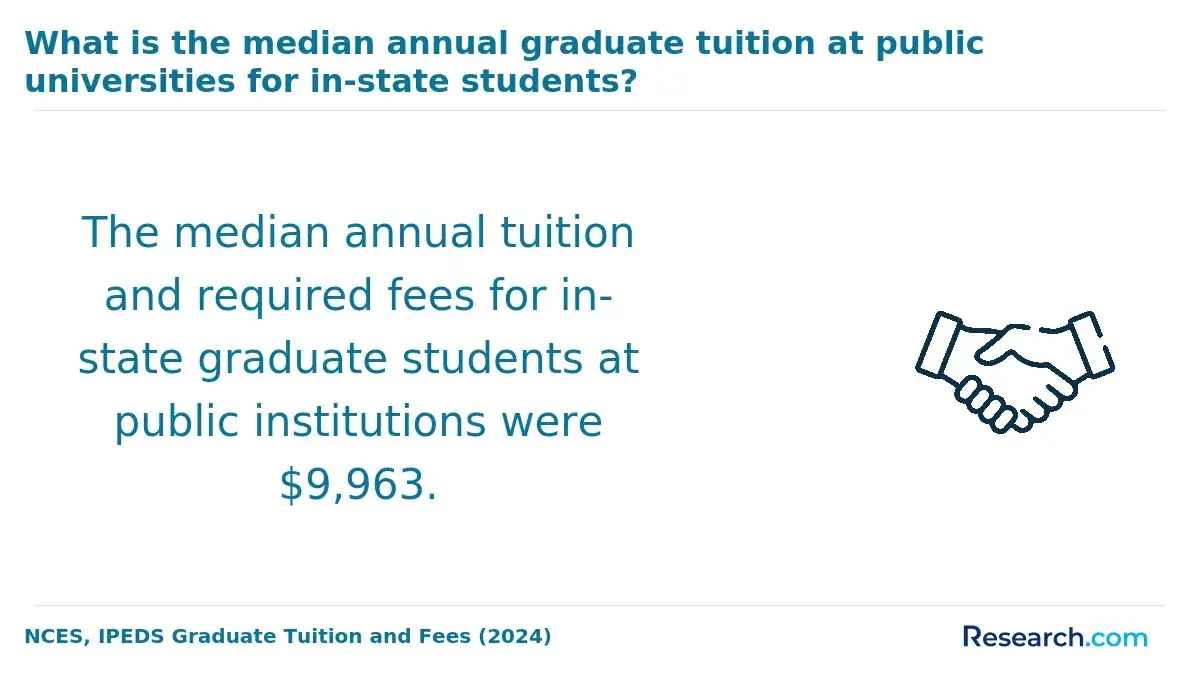
Completion time and price depend on required credits, enrollment pace, foundation courses, fees, and any travel requirements. Part-time online study can preserve employment income but extend the period during which you pay tuition and balance school with work. Accelerating may shorten that period while making group work and quantitative courses harder to manage.
There is no defensible single salary for "data science MBA graduates." Earnings depend on the occupation, location, employer, responsibilities, and experience someone brings to the degree. The Bureau of Labor Statistics reports that US management occupations had a $126,520 median annual wage in May 2025. That figure covers the occupational group, not new MBA graduates, and includes experienced managers who may never have earned an MBA.
For a useful personal estimate, examine pay for the specific roles you could realistically pursue with your current experience and proposed new skills. Compare those opportunities with your existing compensation and the full program cost. Treat a promotion you have discussed with your employer differently from a career change that depends on winning an external hire.
Demand for data-informed decisions supports opportunities across business functions, but it does not make every analytics job equally accessible. The Bureau of Labor Statistics projects that US management occupations overall will grow faster than the average for all occupations from 2025 to 2035, with about 1.1 million openings annually on average from growth and worker replacement. This broad management projection is not a forecast for MBA holders or for data science positions specifically.
For your target role, distinguish openings for analysts who produce technical work from those for managers who oversee its use. Review job descriptions for recurring requirements - such as programming, domain expertise, project delivery, or people management - before choosing coursework. That comparison will show whether the MBA addresses the actual hiring gap or whether experience or technical training should come first.
How can you choose an accredited online MBA in data science?
Start by confirming that the institution holds recognized institutional accreditation. Then check whether its business school has separate business-program accreditation, if that matters to your goals; these are different credentials. Verify both through the institution and the relevant accreditor rather than inferring accreditation from a ranking or an MBA label.
Other Things You Should Know About MBA
Often, yes, if the course permits it and you have permission to use the data. Remove confidential information and explain the business decision your analysis informs.
That depends on the courses. Ask for the current software list, licensing arrangements, and computer requirements before budgeting for equipment or subscriptions.
Use the university's official degree and concentration names. List relevant projects and tools separately so employers can see what you actually did.
Ask the school about leave policies, course availability when you return, and any limits on time to completion. A flexible weekly schedule does not necessarily mean flexible reentry.
- Fast Facts: Employment after degree (1157) | ed.gov https://nces.ed.gov/fastfacts/display.asp
- Program in Data Analytics | Washington State University https://data-analytics.wsu.edu/
- What Can I Do With a Degree in Data Science? Career Paths & Skills | Harvard SEAS https://seas.harvard.edu/news/what-can-i-do-degree-data-science-career-paths-skills
- What Skills Can You Gain From a Master of Business Analytics and AI Curriculum? | Freeman News https://freemannews.tulane.edu/2025/06/09/what-skills-can-you-gain-from-a-master-of-business-analytics-curriculum
- Full-Time MBA Pre-MBA Knowledge | Lehigh Business https://business.lehigh.edu/academics/graduate/masters-programs/full-time-mba/pre-mba-knowledge
- What Jobs Can You Get With an MBA? | SDSU https://business.sdsu.edu/graduate/mba/what-jobs-can-you-get-with-an-mba
- Data Analytics Course | Tennessee College of Applied Technology https://onlinetraining.tcatknoxville.edu/training-programs/data-analytics-course/
- Jobs That Require an MBA: Career Paths and Salaries | Touro University Worldwide https://www.tuw.edu/business/21-jobs-require-mba/
- MBA Business Analytics online - Radford Online https://online.radford.edu/degrees/business/mba/business-analytics/
- Online MBA in Business Analytics | FGCU https://onlinedegree.fgcu.edu/programs/mba-business-analytics/