
Best online MBA in Accounting programs for working parents

Co-Founder and Chief Data Scientist
An online MBA can fit around a job and family - but "online" does not tell you whether classes meet at bedtime, group projects consume weekends, or accounting courses support your career goal. For working parents, the best program is one you can complete without overextending your household, not necessarily the fastest or highest-ranked. This guide offers a fit-based shortlist of online accounting MBA options, then shows you how to compare schedules, costs, coursework, career value, and CPA eligibility before applying.
Key Things You Should Know
- Start with online MBA programs that offer a named accounting concentration, then verify live meetings, group work, and any campus visits before treating them as parent-friendly.
- Compare the full household cost - not tuition alone - and choose a pace that leaves room for work and caregiving; a shorter program is not automatically easier.
- An accounting MBA can support a move toward management, but it does not automatically satisfy CPA education rules or qualify a graduate for a promotion.
What is an online MBA in accounting for working parents?
An online MBA in accounting combines a broad business-management core with additional accounting coursework. The core typically develops skills in leadership, finance, operations, and strategy; the concentration adds subjects such as financial reporting, taxation, or auditing, depending on the school. It is a management degree, not the same credential as a master's in accounting or CPA licensure.
For a working parent, delivery matters as much as the degree title. Recorded lectures may be available anytime while discussions, exams, or team meetings still have fixed deadlines. A useful program lets you plan those commitments around employment, school pickups, and dependable caregiving - not merely watch lectures online.
Which online MBA in accounting programs are best for working parents?
There is no defensible single winner for every household. This shortlist prioritizes identifiable online MBAs with named accounting concentrations and considers the questions most likely to determine whether a working parent can finish: course scheduling, enrollment pace, total cost, and accounting depth. It is not a ranking, and it does not assume that unconfirmed live-session or leave policies are flexible.
These programs provide starting points for a like-for-like comparison. Concentration titles and delivery details can change, so confirm the current online catalog and obtain written answers to the scheduling questions before applying.
| Online MBA option | Accounting fit | Why a parent might consider it | Confirm before applying |
| Louisiana State University Shreveport | Online MBA with an accounting concentration | A distinct accounting option within an online MBA | Current accounting course rotation, term intensity, total charges, and required live work |
| University of Louisiana at Lafayette | Online MBA with an accounting concentration | A public-university option for comparing curriculum and household cost | Whether the preferred course pace is permitted and when concentration courses run |
| Texas A&M University-Corpus Christi | Online MBA with an accounting concentration | Another named concentration to compare against Louisiana-based options | Live-session expectations, group-project timing, fees, and any state-specific enrollment restrictions |
Best fit depends on the constraint. If childcare coverage is unpredictable, favor the program that confirms fewer fixed-time obligations. If you need particular accounting credits, compare course descriptions and your state board's rules before comparing school reputations. If employer reimbursement is limited, request an itemized, personalized cost estimate from each school; a published tuition figure may omit fees and later rate changes.
Is an online MBA in accounting worth it for career advancement?
It can be worthwhile for an accountant, analyst, or business professional who already has relevant experience and wants broader responsibility for budgets, teams, controls, or financial decisions. The business core may be particularly valuable when advancement requires explaining accounting information to nonaccounting leaders. The degree alone, however, is unlikely to replace supervisory experience, a CPA license where an employer expects one, or a record of strong work.
For a parent, calculate value against both money and time. Compare the amount you would pay after employer assistance with realistic advancement opportunities at your current employer; also account for childcare, study hours, and the possibility that a slower pace extends expenses across more terms. If your immediate goal is technical accounting or CPA eligibility, a specialized accounting master's or selected prerequisite courses may be more direct. If you want to lead technology projects rather than accounting teams, compare the actual curriculum of affordable online MBA programs in information systems instead of assuming any MBA concentration serves the same goal.
Online study can remove a commute and broaden the schools available to a parent who cannot relocate. Campus-based study may make recurring face-to-face meetings and recruiting events easier to access. Neither format is inherently lighter: a mostly asynchronous online course can still have tightly timed exams and demanding team assignments, while a nearby campus program may offer a predictable evening schedule.
Compare the specific program's required visits, class meeting times, access to career services, and opportunities to work with peers - not just its delivery label. Parents considering leadership in a different field should also compare credentials designed for that field; for example, online MSN and MBA dual-degree programs address a different career path than an accounting MBA.
The MBA core commonly covers managerial finance, organizational leadership, marketing, operations, and strategy. Accounting concentrations add school-specific courses that may address financial accounting, auditing, tax, accounting systems, or advanced managerial accounting. A concentration with a few electives should not be mistaken for the technical depth of a specialized accounting master's.
Read the current degree plan and course descriptions, especially if you need a specific upper-level accounting subject. Also check when those courses run: a course offered infrequently can disrupt a carefully planned, part-time family schedule. Applied projects can be valuable, but ask whether they require meetings at fixed hours.
Requirements vary by university. Applicants can generally expect a completed bachelor's degree and an application that documents prior study and professional experience; a school may also request a résumé, statement, recommendations, or test scores. Do not assume that every online MBA requires an accounting bachelor's degree - or that admitting a nonaccounting major means the student needs no foundational coursework.
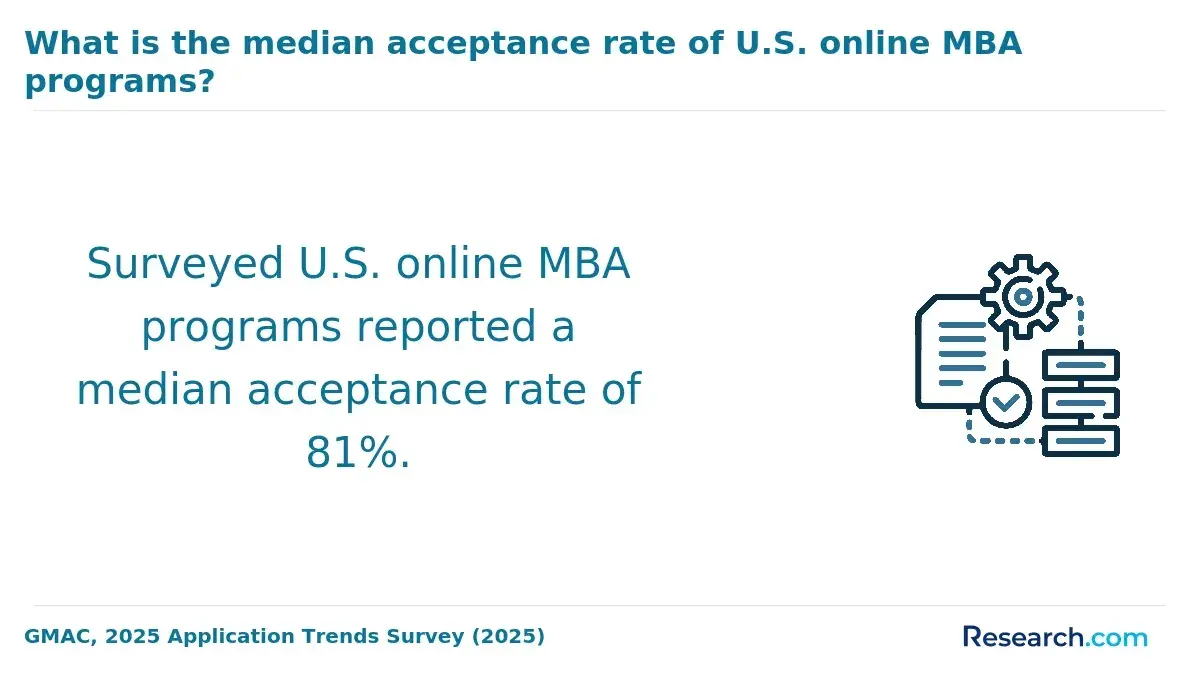
Before paying an application fee, check each school's current requirements for prerequisite courses, GMAT or GRE policies, minimum academic standards, and deadlines. If a family schedule makes a fixed application cycle difficult, online MBA programs with rolling admission offer another admissions format to investigate; verify that any program you consider also has the accounting study you want.
Completion time depends on required credits, course availability, and how many courses you take at once. A parent taking one course at a time may need longer than an accelerated student, even at the same university. If speed is essential, compare accelerated online MBA programs with the actual weekly commitments they impose; a short calendar can mean less room for illness, school breaks, or changes at work.
Published prices may be quoted per credit, course, term, or program, making headline figures difficult to compare. Ask each school for a current estimate covering all required credits, mandatory fees, materials, and any travel. Then check how employer reimbursement is paid, whether a reduced course load changes fees, and what happens financially if you pause enrollment. Without those school-specific figures, a precise cost comparison would be misleading.
Not automatically. CPA eligibility is determined by the state board where you seek licensure. Boards evaluate matters such as total education, specific accounting and business coursework, and other licensing conditions; pathways and rules can change. MBA credits may help meet an education requirement while still leaving a gap in a required accounting subject.
Before enrolling, obtain your transcripts and the proposed MBA course list, then ask the relevant state board how the courses would be evaluated. Seek clarification in writing when possible. If CPA eligibility is your primary objective, compare the remaining required courses with a specialized accounting program or individual courses rather than assuming the MBA is the most efficient route.
For someone with accounting experience, the degree may strengthen preparation for accounting manager, controller-track, financial management, or broader operations roles. Those jobs involve different mixes of reporting, internal controls, budgeting, staff supervision, and strategic decisions. Employers may also expect substantial experience or a CPA license for particular positions; an MBA is not an entry ticket to senior leadership.
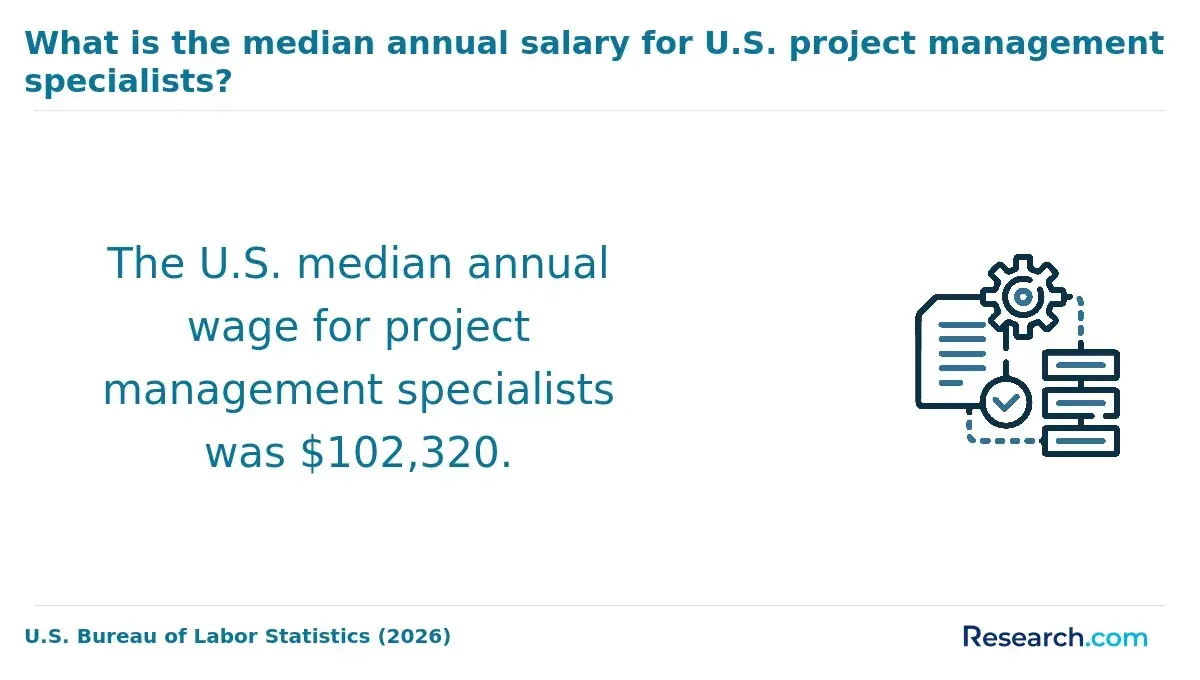
The U.S. Bureau of Labor Statistics reports a $126,520 median annual wage for management occupations in May 2025. That figure describes workers across management occupations - not accounting MBA graduates or the salary a new graduate can expect. For a useful personal comparison, examine compensation for your target job, location, experience level, and employer before estimating any potential return.
How do you choose an accredited online MBA in accounting program?
Start by checking that the institution holds recognized institutional accreditation. Then determine whether its business school has specialized accreditation, such as AACSB, ACBSP, or IACBE; institutional and business-school accreditation answer different questions. Verify each claim through the accreditor and school rather than assuming every online MBA at an accredited university has the same business-school status.
For a final comparison, ask admissions staff and current students about fixed-time classes, team meetings, accounting course availability, part-time pacing, breaks in enrollment, career-service access for online students, and an itemized cost estimate. Get answers that apply to the online accounting MBA, not a campus or general MBA. If military education benefits affect your household budget, online MBA programs for military members and veterans can provide additional options to compare; confirm benefit eligibility and program approval separately.
Other Things You Should Know About MBA
Yes, but feasibility depends on the course load and fixed-time commitments. Ask for a sample weekly schedule before enrolling and plan backup coverage for exams and group meetings.
Usually not entirely. Even courses without live lectures commonly have scheduled assignment deadlines, exams, and collaboration requirements.
Diploma wording is a school policy. Ask the registrar for the exact wording if that distinction matters to you.
Leave, withdrawal, and reentry rules vary. Check deadlines, financial consequences, and the time allowed to finish the degree before your first term.
- Employer-offered educational assistance programs can help pay for college | Internal Revenue Service https://www.irs.gov/newsroom/employer-offered-educational-assistance-programs-can-help-pay-for-college
- Education Requirements - CPA Examination https://www.labor.maryland.gov/license/cpa/cpaexam/cpaexameducreq.shtml
- Types of Financial Aid: Grants, Work-Study, and Loans | studentaid.gov https://studentaid.gov/understand-aid/types
- Undergraduate and Graduate Tuition and Fees | Purdue Global https://www.purdueglobal.edu/tuition-financial-aid/undergraduate-graduate-tuition-and-fees/
- MBA in Accounting Online at Fitchburg State University https://online.fitchburgstate.edu/degrees/business/mba/accounting/
- Tuition and College Costs - The City University of New York https://www.cuny.edu/financial-aid/tuition-and-college-costs/
- Synchronous vs. Asynchronous Learning | Saint Leo University https://www.saintleo.edu/about/stories/blog/synchronous-vs-asynchronous-learning-for-course-delivery
- Tuition | fitnyc.edu https://www.fitnyc.edu/admissions/costs/bursar/tuition.php
- Tuition in Detail - One Stop Student Services https://onestop.utk.edu/billing-payments/tuition-detail/
- What's the Difference Between Asynchronous and Synchronous Learning? | Ohio State Online https://online.osu.edu/content-hub/blogs/whats-the-difference-between-asynchronous-and-synchronous-learning/


