2027 Best Online Graduate Degrees With Conditional Admission

Co-Founder and Chief Data Scientist
A low undergraduate GPA, missing prerequisite, or pending document does not always rule out an online master's degree - but an admission offer with conditions is not the same as unconditional acceptance. The U.S. Bureau of Labor Statistics projects 23% employment growth for medical and health services managers from 2024 to 2034, illustrating why some applicants are weighing graduate study against its cost and admissions hurdles.
This guide compares ten degree fields, explains what conditional admission can require, and shows how to check whether a particular online program is both accessible and worth pursuing.
Key Things You Should Know
- Conditional admission is a program-specific offer, not a degree-field guarantee. Get the required courses, grades, deadlines, and consequences in writing before enrolling.
- Start with career fit: an MBA, technical MS, licensure-oriented counseling degree, and nursing master's have different entry requirements and outcomes.
- Compare total cost, required in-person work, and accreditation - not just an online label. Eligible graduate students can generally borrow up to $20,500 per academic year in federal Direct Unsubsidized Loans, subject to federal rules.
Top 10 Best Online Graduate Degrees With Conditional Admission - Top Online Degrees
Business / MBA Programs
An online Master of Business Administration (MBA) suits applicants seeking broad management training; an MS in management or a business specialty may offer a narrower focus. Some business schools may permit an applicant to complete foundation courses or demonstrate satisfactory initial graduate performance before full admission. An undergraduate business major is not necessarily required, but professional experience, GPA, and GMAT or GRE policies vary. Compare the exact conditions with course scheduling and total tuition: an accessible offer is less useful if required foundation work adds substantial time or cost.
Healthcare Administration & Management Programs
A Master of Healthcare Administration (MHA) or healthcare-management MBA is generally designed for organizational and operational work, not clinical licensure. Applicants changing careers may encounter conditions involving introductory accounting, statistics, or healthcare coursework; schools set their own rules. Look for applied projects and scheduling compatible with work, then check whether the curriculum fits your intended setting. Management positions commonly require relevant experience as well as education, so conditional entry to an MHA should not be mistaken for a direct route to a director role.
Information Technology Programs
An online MS in information technology may cover systems, cloud infrastructure, databases, and IT leadership. It can fit a working professional seeking broader technical responsibility or a career changer willing to complete foundations. If admission is conditional because of missing programming or networking preparation, ask whether those courses count toward the degree and whether they delay advanced classes. An IT management concentration is not interchangeable with a hands-on computing curriculum; compare required projects against the work you want to do.
Computer Science Programs
An MS in computer science typically goes deeper into algorithms, software, and computing theory than a general IT degree. Career changers should examine mathematics and programming prerequisites closely: conditional admission may allow deficiencies to be resolved, but it does not necessarily waive them. A bridge sequence can add cost and time, while a research or thesis track may serve different goals from a project-based track. Request a written plan showing which courses must be finished before you can enter the full graduate sequence.
Cybersecurity Programs
An MS in cybersecurity may emphasize technical defense, risk management, policy, or a combination. Conditional admission might address gaps in networking, operating systems, or programming, depending on the curriculum. Choose the concentration before judging accessibility: a policy-focused path will not provide the same preparation as a technical security path. Check whether labs can be completed remotely and whether scheduled exercises are required. Employers may also value demonstrable experience or certifications; the degree alone does not establish readiness for a senior security role.
Data Science / Analytics Programs
An MS in data science usually places greater weight on programming, statistics, and modeling; an MS in business analytics may emphasize organizational decisions and applied analysis. Conditional admission can be useful if a school permits applicants to finish calculus, statistics, or coding foundations, but those requirements may sit outside the degree-credit total. Ask for a course-by-course prerequisite review. Compare capstones, available computing tools, and the level of mathematics required rather than assuming that programs with similar titles prepare students for the same jobs.
Education / Educational Leadership Programs
An online Master of Education (MEd) may support curriculum, instruction, or leadership goals. Some leadership tracks are intended for licensed teachers or experienced educators; conditional admission does not necessarily remove those requirements. If the goal is principal licensure or another credential, check the program's approval and your state's rules before applying. Fieldwork, internships, or school-based projects can require local participation even when classes are online. Applicants outside education should distinguish a general MEd from a credential pathway with separate eligibility rules.
Counseling / Psychology Programs
A counseling master's designed for professional licensure differs substantially from an MA or MS in psychology that does not prepare students for clinical practice. Schools may condition admission on foundational coursework, but a provisional offer cannot replace required practica, supervised clinical work, or state licensing steps. Verify that the specific curriculum meets the educational requirements of the state where you intend to practice and that placements are feasible where you live. If your goal is psychologist licensure, investigate its separate doctoral and state requirements.
Nursing Programs
A Master of Science in Nursing (MSN) generally requires an active nursing license and specified prior nursing preparation; admission conditions do not waive professional eligibility. Tracks in leadership, education, and advanced practice have different clinical and certification implications. Ask whether the program accepts students in your state, can arrange required clinical experiences, and meets the requirements for your intended credential. An online classroom format does not eliminate in-person clinical hours. Nurses without the required degree background should examine published bridge-pathway eligibility separately.
Engineering Management Programs
An MS in engineering management combines technical project work with operations and leadership topics. It may suit experienced engineers, while an MBA may be preferable for broader business mobility. Conditional admission could involve mathematics or technical prerequisites, but some programs require an engineering or related quantitative background before considering an applicant. Compare the admission conditions, project-based requirements, and whether courses are offered often enough for part-time study. Engineering management education can support advancement; it does not replace the experience or licensure required for particular roles.
What Is Conditional Admission for Online Graduate Programs?
Conditional admission is an offer to enter a graduate program subject to stated requirements. A school might require satisfactory grades in initial courses, completion of prerequisites, a final official transcript, or proof of English proficiency where applicable. Terms differ by institution and program: an offer may permit immediate enrollment in degree courses, restrict course selection, or require foundation work first.
Also distinguish conditional admission from provisional admission, nondegree enrollment, and a bridge program. Schools may use these labels differently, and taking courses as a nondegree student does not ensure later admission or degree credit. The ten fields above are options to investigate, not a claim that every online program in each field offers conditional admission. The decisive evidence is the specific program's current graduate policy and your written offer.
Which Online Graduate Degrees Offer Conditional Admission?
Online MBA, MHA, IT, computer science, cybersecurity, analytics, education, counseling, nursing, and engineering management degrees are all worth investigating, but conditional admission must be confirmed for the individual master's program. A university-wide graduate policy may allow it while a selective program does not.
This comparison groups the fields by the admission issue most important to investigate. It is a screening tool, not a list of schools with verified conditional offers.
| Degree fields | Condition to investigate | Important limitation |
| MBA; healthcare administration | Foundation coursework, GPA review, or initial-course performance | Professional experience or program-specific selection may still apply |
| IT; computer science; cybersecurity; analytics | Programming, mathematics, statistics, or systems prerequisites | Foundation courses may add time without counting toward the master's |
| Education; counseling; nursing | Prerequisites or specified initial academic performance | Licensure, prior credentials, and placement rules remain separate requirements |
| Engineering management | Quantitative or technical preparation | Some programs require a related bachelor's degree |
Begin with the field matching your goal, then confirm that the actual online program publishes or offers a conditional pathway applicable to your circumstances. Do not infer graduate eligibility from an institution's undergraduate admissions policy.

What Are the Requirements for Conditional Graduate Admission?
A completed bachelor's degree is normally the starting requirement for master's admission. Beyond that, schools may assess undergraduate GPA, prerequisite courses, recommendations, a statement of purpose, a résumé, experience, an interview, or GRE or GMAT scores where required. Conditional admission generally addresses a defined deficiency or pending requirement; it is not a universal exception to all standards.
Before accepting an offer, ask admissions staff to identify the following terms in writing. They determine whether you can realistically progress to full standing:
- Which specific requirement prompted the condition, and what coursework or documentation will resolve it?
- What grade, graduate GPA, deadline, or credit limit applies before full admission?
- Can the required courses count toward the degree, and are financial aid and transfer-credit eligibility affected?
- What happens if you do not meet the condition, and will the department confirm completion of the condition?
Applicants concerned about their academic record can also investigate online schools that accept low GPA, but must check the specific graduate program's criteria rather than assume an institution-wide policy applies to a master's degree.
How Do You Verify Accreditation for an Online Graduate Degree?
First, verify the institution's accreditation through the U.S. Department of Education's accreditation database or the accreditor itself. Confirm the institution's current status and that the campus or institution awarding the online degree is covered. Then check any field-specific accreditation or approval relevant to your goal.
For example, counseling applicants may need to assess counseling-program accreditation alongside state licensing rules; nursing applicants should check appropriate nursing-program accreditation and state authorization. Education applicants pursuing a credential should verify state program approval. A business school may hold specialized business accreditation, but its absence is a different question from whether the university itself is institutionally accredited.
Common mistake: treating a school's accreditation badge as proof that a particular online track meets a licensing board's requirements. Ask the program and the board serving your intended state to confirm eligibility before paying a deposit.
How Do Online Graduate Programs Compare With Campus Programs?
Online delivery can make graduate study feasible without relocating, but it does not guarantee control over your schedule. The comparison below separates format from the practical commitments that matter when an offer also requires prerequisite or initial graduate courses.
| Format | Potential advantage | Commitment to check |
| Asynchronous online | Access lessons around work hours | Fixed deadlines, group projects, proctored work, and course availability |
| Scheduled online | Live discussion and predictable meeting times | Attendance across time zones and work shifts |
| Hybrid or campus | Face-to-face labs, networking, or supervision | Travel frequency, commuting cost, and required residency dates |
Clinical placements, student teaching, practicums, and internships can require in-person work near the student even if academic courses are online. Ask whether the school helps secure placements and whether students in your state may enroll. For a research-intensive goal, compare access to faculty supervision and facilities rather than assuming either delivery format is inherently better.
How Long and How Much Do Online Graduate Degrees Take?
Required credits, enrollment pace, prerequisite work, course sequencing, and a thesis, capstone, or placement determine completion time. A part-time student may take considerably longer than a full-time student in the same curriculum. Request a term-by-term plan showing both the conditional requirements and the remaining degree courses; a short individual class does not make the whole master's degree short.
Compare total program cost, not just tuition per credit. Include required graduate credits, courses that do not count toward the degree, mandatory and technology fees, materials, travel, and placement-related expenses. Ask for a written graduate transfer evaluation: previous graduate coursework may be accepted only if it meets grade, age, equivalency, and residency rules, and accepted credit must actually apply to the intended degree. Undergraduate prerequisites ordinarily are not transferable master's credits.
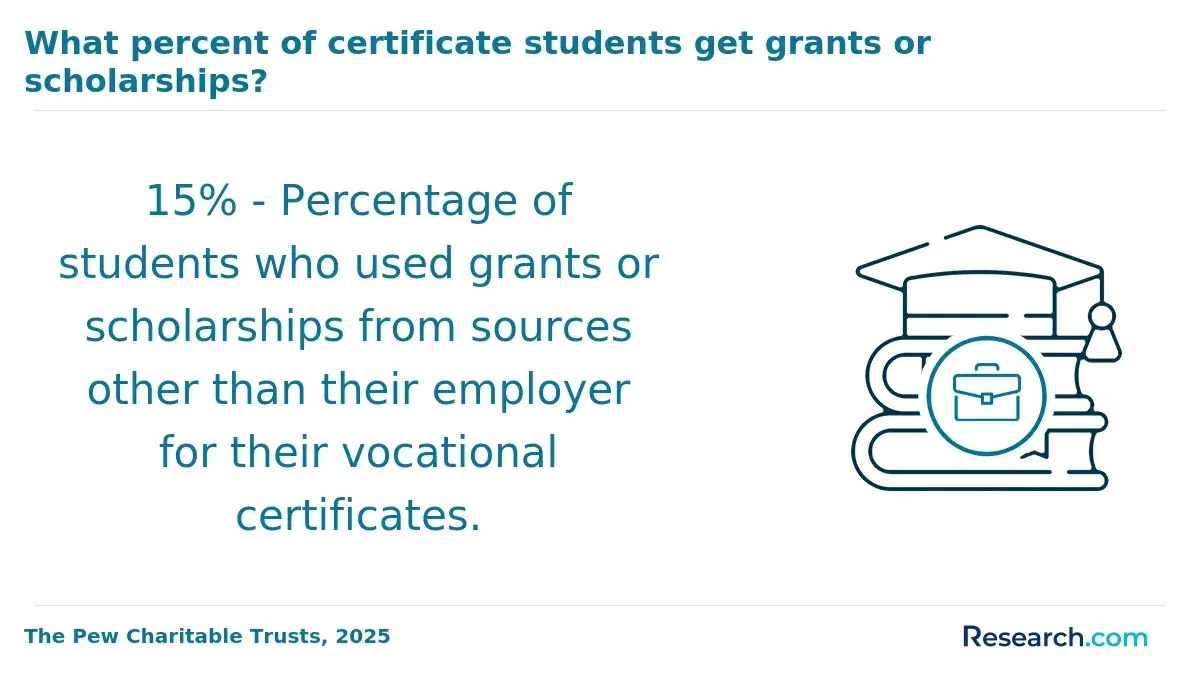
Federal aid eligibility depends on the institution, program, enrollment, and the student's circumstances; conditional or nondegree status can complicate eligibility. Ask the financial aid office before enrolling, and compare scholarships or employer assistance with borrowing. If the full degree is not necessary for your goal, 6 month certificate programs offer a shorter alternative to investigate, though their credentials and career uses differ from a master's.
What Careers Can You Pursue With These Online Graduate Degrees?
These degrees point toward different kinds of work, not guaranteed job titles. An MBA can support business analysis or management development; an MHA can complement healthcare operations experience; and technical MS degrees can build skills for software, systems, security, or analytics work. An MEd may serve educators pursuing specialization, while counseling and nursing tracks can form part of a regulated professional pathway.
Match the curriculum to the next role you can realistically pursue, taking your existing education and experience into account. Senior management roles usually call for a record of relevant work. Counseling, advanced-practice nursing, and certain education roles can also require supervised work, examinations, certification, or state licensure beyond the degree. If you mainly need an entry point rather than a specialized graduate credential, compare bachelor's-level experience, targeted training, and easy degrees that pay well against the additional cost of a master's.
What Salaries and Job Outlook Can Graduates Expect?
The Bureau of Labor Statistics reports a 2024 median annual wage of $117,960 for medical and health services managers. That is an occupational median across workers with varied backgrounds - not an expected salary for new MHA graduates. Its projected employment growth, noted in the introduction, signals demand for the occupation but does not show how many openings require a master's or accept applicants without management experience.
Use occupational wage and outlook figures as context, then examine local postings for the roles you want: required experience, licensure, technical skills, and whether graduate education is required or preferred. Compare the likely incremental value of a master's with its full cost and the experience you could gain instead. If you are still choosing an undergraduate field, fun majors in college that pay well addresses an earlier decision; undergraduate-major earnings should not be treated as graduate-program outcomes.
How Do You Choose a Reputable Online Graduate Program?
The best choice is a program whose documented conditional pathway is achievable for you and whose degree fits your career goal. An appealing field description, low advertised tuition, or an "online" label is not enough. Use this sequence to narrow your options:
- Identify your intended role and whether it requires licensure, a particular curriculum, or substantial prior experience.
- Confirm the specific master's program offers conditional admission for your situation; obtain all conditions and consequences in writing.
- Verify institutional accreditation, any relevant program approval, state authorization, and the program's in-person requirements.
- Compare written degree plans and total costs, including prerequisites, fees, placements, and any graduate credits the school has formally approved for transfer.
- Ask a faculty or program adviser how students meet the conditions and when required courses are available; confirm aid eligibility with financial aid staff.
Walk away from vague promises that admission conditions will be "worked out later," claims of guaranteed licensure or employment, or cost estimates that omit required foundation courses. If a school cannot explain when conditional standing ends or whether its curriculum meets your intended state's requirements, keep comparing.
Other Things You Should Know About
Possibly. Some programs may consider conditional admission based on later academic performance or other evidence, but each graduate department sets its own eligibility rules. Ask about the specific program and obtain any conditions in writing.
Not necessarily. You may have restrictions or requirements to complete before receiving full standing. Your offer should state the deadline, academic standard, and consequences if you do not meet them.
It depends. Initial graduate courses may count, while foundation or prerequisite courses may not. Confirm degree applicability and financial aid treatment before registering.
Only if the specific program's requirements permit it. Scheduled sessions, campus residencies, clinical placements, internships, or student teaching may still require attendance at set times or in person.
References
- Program Integrity Questions and Answers | ed.gov http://www.ed.gov/laws-and-policy/higher-education-laws-and-policy/program-integrity-information-questions-and-1
- Rule 3341-3-76 - Ohio Administrative Code | Ohio Laws https://codes.ohio.gov/ohio-administrative-code/rule-3341-3-76
- School-Determined Requirements - FSA Partner Connect https://fsapartners.ed.gov/knowledge-center/fsa-handbook/2026-2027/vol1/ch1-school-determined-requirements
- Do you offer conditional admission? | Oregon State University https://graduate.oregonstate.edu/faq/90/do-you-offer-conditional-admission
- Academic Policies | Policies and Rules | New York Tech Catalog 2026-2027 https://catalog.nyit.edu/policies_and_rules/academic_policies/
- Eligibility for financial aid | Twin Cities One Stop Student Services https://onestop.umn.edu/finances/financial-aid/eligibility-financial-aid
- Conditional and Provisional Admission | catholic.edu https://financial-aid.catholic.edu/policies/conditional-and-provisional-admission.html
- FAQs for Clinical Courses: Practicum, Internship, & Field Experience - Wake Forest Department of Counseling https://counseling.wfu.edu/faqs-for-clinical-courses-practicum-internship-field-experience/
- What is Conditional Admission? | reach.edu https://info.reach.edu/support/what-is-conditional-admission
- Conditional Admission | University of Texas at Rio Grande Valley https://www.utrgv.edu/admissions/graduate/resources/conditional-admission/index.htm