2027 Best Online Community Health Doctorate Programs for Government and Public Sector Careers

Co-Founder and Chief Data Scientist
Choosing an online community health doctorate is really a career investment decision: Will the program help you qualify for higher-level public health leadership, policy, research, or administration roles? The timing matters because the BLS projects medical and health services manager employment to grow 29% from 2023 to 2033, signaling strong demand for health systems leadership.
This guide is for working government, nonprofit, military, tribal, and public-sector professionals comparing accreditation, cost, flexibility, curriculum, and career relevance so they can choose a doctorate that fits both their schedule and public service goals.
Key Things You Should Know
- The strongest online community health doctorates for public sector careers are accredited, applied, and policy-aware; look for regional institutional accreditation, public health accreditation where relevant, faculty with government or community health experience, and curriculum in epidemiology, health equity, program evaluation, policy, budgeting, and implementation.
- Doctoral outcomes vary by role, agency, and experience: BLS 2024 data lists a May 2023 median pay of $110,680 for medical and health services managers and $81,390 for epidemiologists, but a doctorate should be evaluated as a leadership and specialization credential, not a guaranteed salary increase.
- For working professionals, the best-fit program is usually not the fastest one; compare total tuition, annual graduate federal Direct Unsubsidized Loan limits of $20,500, residency travel costs, dissertation or capstone expectations, and whether the program supports government-facing projects you can complete while employed.
What Are the Best Online Community Health Doctorate Programs for Government and Public Sector Careers?
The best online community health doctorate for a government or public sector career is usually a DrPH, PhD, DHA, or related health sciences doctorate that lets you study population health problems through a public-service lens. "Community health" can appear as a named concentration, but it may also be embedded in public health leadership, health promotion, health education, epidemiology, health policy, preventive care, or social and behavioral sciences.
Because schools change delivery formats, concentrations, tuition, and residency rules, avoid relying on a static "best" list alone. A stronger approach is to match the doctorate type to the public sector work you want to do after graduation.
The table below summarizes the main doctorate categories that commonly serve community health professionals and how each one aligns with government or public sector goals.
| Doctorate type | Best public sector fit | Typical academic focus | Best for | Potential drawback |
| DrPH in Public Health or Community Health | Federal, state, local, tribal, and nonprofit public health leadership | Applied leadership, policy, epidemiology, program evaluation, health equity, systems change | Experienced professionals who want senior public health, agency, or program leadership roles | May require residencies, practicum work, or a practice-based doctoral project |
| PhD in Public Health, Community Health, or Health Promotion | Government research offices, surveillance units, academic-public health partnerships | Research methods, theory, statistics, dissertation research, scholarly publication | Students aiming for research, evaluation, faculty, or evidence-generation roles | Often less applied than a DrPH and may take longer to complete |
| DHA or Health Administration Doctorate | Public hospitals, VA-affiliated systems, Medicaid contractors, county health systems | Healthcare leadership, finance, quality improvement, operations, health systems strategy | Professionals moving toward executive health system administration | May be less focused on community-based prevention or health behavior change |
| EdD in Health Education or Health Promotion | Public schools, extension programs, health departments, community education agencies | Adult learning, health education, curriculum, community interventions | Health educators, training leaders, and community outreach directors | May not provide as much epidemiology, policy, or biostatistics depth |
| Interdisciplinary Health Sciences Doctorate | Cross-agency roles involving data, technology, aging, nutrition, emergency preparedness, or social services | Flexible applied research, leadership, and specialized health topics | Professionals with a defined project or niche that does not fit a traditional DrPH | Public sector relevance depends heavily on electives, faculty, and capstone design |
For most government-focused community health professionals, a DrPH is the most directly aligned option because it emphasizes applied leadership and public health practice. A PhD is often the better fit if your goal is to lead research, publish, teach, or design large-scale evaluations. A DHA may make more sense if your work is closer to public healthcare administration than population-level prevention.
A high-quality online program should also let you build a doctoral project around a real public sector problem, such as chronic disease prevention, maternal and child health access, opioid response, emergency preparedness, food security, environmental health, vaccination outreach, or health disparities. That project alignment matters because government employers often value evidence that you can translate research into policy, budgets, programs, and measurable outcomes.
How Should You Compare Online Community Health Doctorate Programs for Your Public Sector Career Goals?
To compare online community health doctorate programs, start with your target public sector function rather than the school's marketing language. A program that is excellent for academic research may not be the best choice for a county health director role, and a leadership-focused doctorate may not provide enough methods training for a federal research position.
The table below shows how major decision factors affect public sector career fit. Use it to separate "nice to have" features from factors that can affect graduation, employer recognition, and return on investment.
| Comparison factor | Why it matters | Strong sign | Red flag |
| Accreditation | Government employers and financial aid rules depend on recognized accreditation | Institutional accreditation from a recognized accreditor; CEPH accreditation for applicable public health programs | Unclear accreditation, expired accreditation, or vague claims such as "internationally approved" without recognized status |
| Public sector curriculum | Government roles require policy, equity, budget, data, compliance, and implementation skills | Courses in public health policy, epidemiology, program evaluation, leadership, health equity, and community partnerships | Curriculum focused only on general leadership with little population health content |
| Doctoral project design | Your dissertation or capstone can become evidence of public sector problem-solving | Students may use workplace or agency-relevant projects with approval | Projects must fit narrow faculty interests unrelated to government practice |
| Online flexibility | Many applicants are full-time employees with agency deadlines and family obligations | Predictable synchronous sessions, part-time pacing, and clear residency dates | Frequent short-notice campus visits or hidden daytime requirements |
| Total cost | Doctoral borrowing can be significant if tuition, fees, residencies, and extension credits are not considered | Transparent per-credit tuition, fees, dissertation continuation costs, and time-to-completion expectations | Only the first-year cost is shown, or fees are difficult to find |
| Faculty and network | Public sector advancement often depends on applied credibility and professional visibility | Faculty have health department, federal agency, nonprofit, policy, hospital, or community coalition experience | No evidence of faculty work in applied public health or government-facing research |
After narrowing your options, pressure-test each program with practical questions. These steps help you compare programs based on evidence instead of brand recognition alone.
- Define your target role first: agency executive, health program director, policy analyst, epidemiology leader, research scientist, community health strategist, public hospital administrator, or nonprofit executive.
- Choose the doctorate type that fits that role: DrPH for applied public health leadership, PhD for research and teaching, DHA for public health system administration, or EdD for health education leadership.
- Verify accreditation through the school and accreditor, not only through advertisements or third-party ranking pages.
- Ask whether you can design a dissertation or capstone around your current agency, community, or public sector problem.
- Calculate total cost through graduation, including tuition, fees, travel, technology, books, dissertation continuation credits, and lost income if reduced work hours are needed.
- Review faculty biographies for public health practice, government grants, community-based research, policy work, or agency partnerships.
- Request examples of recent doctoral projects, job titles of graduates, and public sector employers represented in the alumni network.
The most common mistake is choosing the cheapest or fastest program without confirming public sector relevance. A low-cost doctorate can be a poor investment if it lacks recognized accreditation, requires impractical residencies, or does not help you produce a credible public health leadership project.
Are Online Community Health Doctorate Programs Accredited and Respected by Government Employers?
Online community health doctorate programs can be respected by government employers when they come from properly accredited institutions and provide rigorous, relevant training. Public sector employers generally care less about whether courses were online and more about whether the institution is legitimate, the degree is relevant, and the applicant can document advanced skills in analysis, leadership, policy, and program improvement.
There are two accreditation layers to check. Institutional accreditation applies to the university as a whole and is essential for federal financial aid eligibility and broad employer recognition. Programmatic accreditation, such as Council on Education for Public Health accreditation for public health schools or programs, may be especially valuable for DrPH, MPH, and other public health degrees.
Use the following checklist before applying, especially if you plan to use the degree for federal, state, local, tribal, military, or public university employment.
- Confirm that the university holds recognized institutional accreditation and that the status is current.
- Check whether the public health school or program has CEPH accreditation when the degree is marketed as public health, DrPH, MPH-linked, or population health training.
- Review whether the doctorate title matches your career goal; a "health sciences" doctorate may be respected, but it should include enough community health or public health coursework for your intended role.
- Ask admissions staff whether the transcript and diploma distinguish online delivery; many universities do not mark the diploma differently, but policies vary.
- For federal jobs, review job announcements carefully because some roles specify qualifying fields, experience, or scientific coursework rather than simply requiring a doctorate.
- For licensed professions, confirm with the relevant state board because a community health doctorate usually does not replace clinical licensure requirements.
Government employers often use structured qualification rules, so degree title alone rarely carries an application. The strongest candidates connect the doctorate to job-specific evidence: grant management, surveillance, health equity initiatives, community needs assessment, workforce development, emergency response, policy implementation, and measurable program outcomes.
Admission requirements vary by school and doctorate type, but most online community health doctorates are designed for experienced professionals rather than students coming directly from a bachelor's degree. Applicants commonly hold an MPH, MS, MHA, MSN, MSW, or another health-related master's degree, although some programs accept applicants from policy, education, social science, public administration, or clinical backgrounds.
If you are still building your graduate foundation, comparing easiest MPH online programs to get into can help you understand how master's-level public health admissions differ from doctoral admissions.
The table below outlines typical admissions materials and why each one matters for government-oriented applicants.
| Requirement | What schools usually look for | How to strengthen a public sector application |
| Master's degree | Graduate preparation in public health, healthcare, policy, social science, education, or a related field | Explain how your prior degree supports community health leadership or applied research |
| Professional experience | Several years of relevant work experience, especially for DrPH programs | Highlight agency work, community partnerships, grants, program management, policy implementation, or emergency response |
| Transcripts | Evidence of graduate-level readiness and methods preparation | Address any weak quantitative coursework by taking statistics, epidemiology, or research methods before applying |
| Statement of purpose | Clear research or practice interests and career goals | Describe a public health problem you want to solve and why the school's faculty or curriculum fits |
| Resume or CV | Progressive responsibility, leadership, service, publications, or presentations | Use measurable outcomes, such as programs launched, populations served, budgets supported, or evaluation results |
| Letters of recommendation | Academic and professional evidence of doctoral readiness | Choose recommenders who can speak to leadership, writing, data use, ethics, and public service impact |
| Writing sample or interview | Analytical writing, fit, communication skills, and maturity | Use policy memos, evaluation reports, publications, grant narratives, or applied public health writing when allowed |
GRE requirements have become less common in many online professional doctoral programs, but some research-heavy PhD programs may still require or recommend standardized test scores. If you have limited statistics, epidemiology, or research methods experience, the better strategy is usually to strengthen your academic preparation rather than rely on test waivers.
Applicants should also avoid assuming that years of work experience automatically translate into admission. Doctoral committees want to see that you can complete advanced reading, research, writing, and independent inquiry while managing a long-term project.
The best curriculum for a government or public sector career combines community health expertise with the skills public agencies use every day: evidence interpretation, policy analysis, program evaluation, budgeting, stakeholder management, ethics, data governance, emergency planning, and health equity strategy. A doctorate should deepen your ability to lead systems-level change, not simply add more introductory public health courses.
Community health overlaps with nutrition, chronic disease prevention, health education, and social determinants of health. Students interested in food policy or community nutrition may also compare lower-level preparation options such as an accelerated nutrition degree online before deciding whether a doctorate is necessary.
The table below connects common specializations to public sector career goals. Use it to identify programs whose electives, faculty, and doctoral project options match the problems you want to work on.
| Curriculum area or specialization | Best government or public sector use | Roles it may support | Skills to look for |
| Community health and health promotion | Designing prevention programs and community interventions | Community health director, health promotion manager, public health educator leader | Needs assessment, behavior change theory, coalition building, evaluation |
| Epidemiology and surveillance | Tracking disease patterns and advising public health response | Epidemiology supervisor, surveillance program lead, research analyst | Biostatistics, outbreak methods, data visualization, causal inference |
| Health policy and management | Translating evidence into laws, regulations, budgets, and agency strategy | Policy director, public health administrator, legislative health analyst | Policy analysis, budgeting, ethics, regulatory systems, strategic planning |
| Health equity and social determinants of health | Addressing disparities across race, income, geography, disability, age, and access | Health equity officer, community partnership director, population health strategist | Equity assessment, community engagement, culturally responsive evaluation |
| Environmental and occupational health | Managing risks tied to air, water, workplaces, housing, climate, and disasters | Environmental health leader, preparedness planner, occupational health program manager | Risk communication, regulation, exposure assessment, emergency preparedness |
| Informatics and health data | Improving public health reporting, dashboards, and interagency data use | Public health informatics lead, data modernization manager, quality improvement director | Data governance, interoperability, analytics, privacy, AI-aware decision-making |
AI and automation are becoming more relevant in public health because agencies increasingly use dashboards, predictive analytics, automated reporting, and digital outreach tools. That does not mean every student needs to become a data scientist, but government-focused doctoral students should understand data ethics, bias, privacy, interoperability, and how to evaluate technology claims before deploying tools in public programs.
When reviewing a curriculum, look for applied assignments that resemble real public sector work. Strong signs include policy briefs, grant proposals, community needs assessments, quality improvement plans, epidemiologic reports, budget justifications, legislative testimony simulations, and evaluation designs.
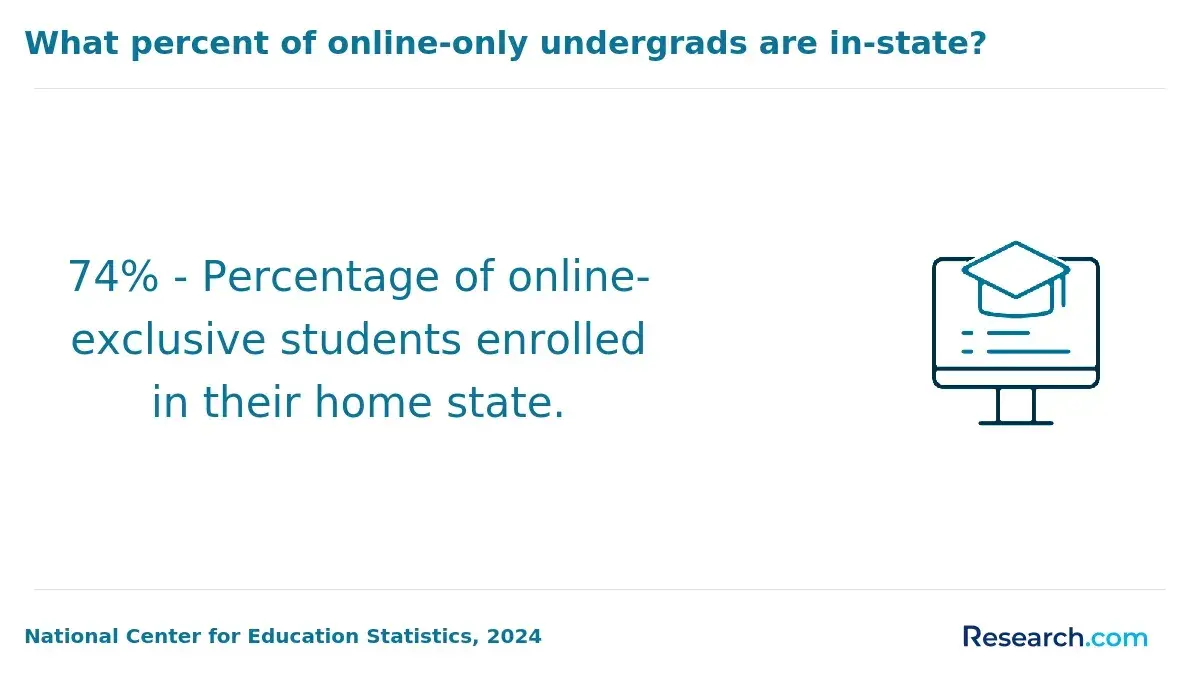
Online community health doctorates usually combine asynchronous coursework, scheduled live sessions, faculty advising, doctoral seminars, and a major independent project. "Online" rarely means completely self-paced; doctoral education depends on feedback, cohort interaction, research supervision, and deadlines that keep the dissertation or capstone moving.
The table below explains common delivery and completion models. These details can determine whether a program is realistic for a full-time public sector employee.
| Program feature | How it commonly works | What to ask before enrolling |
| Asynchronous coursework | Students complete readings, discussions, papers, and modules on weekly deadlines | How many hours per week should working students expect per course? |
| Live online sessions | Some courses include evening or weekend meetings, presentations, or seminars | Are live sessions required, recorded, and scheduled far in advance? |
| Campus residencies | Programs may require short intensives for orientation, research training, proposal defense, or networking | How many visits are required, where are they held, and what travel costs should students budget? |
| Applied practicum | Some DrPH programs require field-based or leadership practice experiences | Can your current government or nonprofit workplace serve as the practice site? |
| Dissertation | Usually research-intensive and expected in many PhD programs | What methods support is available, and how long do students typically spend after coursework? |
| Capstone or doctoral project | Often practice-based and common in professional doctorates | Can the project address a real agency, community, or public health system problem? |
The dissertation-versus-capstone choice is one of the most important decisions. A dissertation is usually better for research, teaching, and evaluation-heavy roles. A capstone or doctoral project may be better for public health administrators and program leaders who want to produce an implementation plan, policy intervention, or measurable practice improvement.
Before committing, ask for a written explanation of the doctoral project sequence. You should understand when you choose a chair, how committee members are assigned, what happens if a faculty member leaves, how proposal approval works, and whether students pay continuation tuition after finishing coursework.
Most working professionals should plan for an online community health doctorate to take several years, especially if they study part time. The exact timeline depends on transfer credits, course load, research readiness, residency requirements, and how quickly the dissertation or capstone is approved.
The table below gives a practical timeline for planning purposes. It is not a promise of completion time, but it shows where delays commonly occur.
| Enrollment pattern | Common pace | Best fit | Main risk |
| Full time | Heavier course loads with faster movement into doctoral project work | Students with flexible employment, employer support, or reduced work hours | Burnout if agency work, family responsibilities, and doctoral deadlines overlap |
| Part time | One or two courses at a time, often preferred by working professionals | Government employees, nonprofit leaders, clinicians, and administrators staying employed | Longer time in school and higher risk of losing momentum |
| Accelerated cohort | Fixed sequence with fewer breaks and structured milestones | Students who want predictability and can protect study time | Less flexibility if work emergencies or public health response duties arise |
| Dissertation-extended | Coursework ends, but research or writing continues beyond the planned schedule | Students doing complex research, agency data projects, or multi-site studies | Additional tuition, fees, and delayed career benefits |
Working full time during a doctorate is possible, but it requires a realistic plan. Public sector professionals may face legislative sessions, outbreak response, budget cycles, audits, grant deadlines, or emergency activations that collide with coursework.
These strategies can make completion more realistic for full-time employees.
- Choose a program with published course sequences so you can plan around agency workload cycles.
- Ask whether you can pause enrollment without losing standing, financial aid eligibility, or your place in the cohort.
- Select a doctoral project that connects to your professional work but does not depend on data access you cannot control.
- Discuss flexible scheduling, tuition support, or professional development leave with your employer before enrolling.
- Protect weekly writing time early; waiting until the dissertation or capstone phase often creates avoidable delays.
If your current role is unstable, your family schedule is unpredictable, or you are unsure about your doctoral topic, a slower part-time option may be more sustainable than an accelerated format.
Online community health doctorate costs vary widely by university type, residency requirements, credit count, and dissertation length. The number that matters most is not the advertised per-credit tuition; it is the total cost to finish, including fees and any extra terms needed for the dissertation or capstone.
Students considering community nutrition, prevention, or wellness leadership may want to compare doctoral study with less expensive graduate options first, including the cheapest online master's in nutrition, if their target role does not require doctoral-level preparation.
When schools publish program costs, organize them in a simple list so you can compare total price instead of isolated tuition figures.
- Per-credit tuition multiplied by all required credits
- University fees, technology fees, library fees, and graduation fees
- Residency travel, lodging, meals, parking, and time away from work
- Books, software, statistical tools, transcription, survey platforms, or research-related expenses
- Dissertation or capstone continuation credits if the project extends beyond the planned schedule
- Loan interest, origination fees, and repayment obligations after graduation
Graduate and professional students may borrow up to $20,500 per academic year through the federal Direct Unsubsidized Loan program, subject to eligibility rules. That limit is useful for planning because doctoral costs can exceed annual unsubsidized loan availability, and additional borrowing through Grad PLUS loans increases long-term repayment exposure.
The table below summarizes common funding sources and their trade-offs for public sector professionals.
| Funding source | How it may help | What to watch |
| Employer tuition assistance | Can reduce out-of-pocket cost for government, hospital, university, or nonprofit employees | Annual caps, grade requirements, service commitments, and taxable benefit rules may apply |
| Federal student loans | Provide access to funding when savings or employer support are insufficient | Borrowing for a doctorate can create long repayment obligations; compare debt to realistic career plans |
| Assistantships or fellowships | May offer tuition support, stipends, or research experience | Less common in fully online professional doctorates and may require work hours you cannot fit around employment |
| Scholarships and professional association awards | Can offset tuition or conference costs | Often competitive and may cover only a small portion of total cost |
| Veterans and military benefits | May support eligible service members, veterans, or dependents | Benefit amounts, school participation, and housing rules vary |
| Public Service Loan Forgiveness planning | May be relevant for qualifying government or nonprofit employees with eligible federal loans and repayment plans | Rules are specific; confirm eligibility through official loan servicer guidance before relying on it |
A doctorate may be worth the cost when it directly supports a realistic advancement path, strengthens your ability to compete for senior roles, and produces a portfolio of applied work. It may not be worth it if a master's degree, certificate, promotion pathway, or specialized skill credential would meet the same goal at a lower cost.
An online community health doctorate can support several public sector pathways, especially when paired with relevant experience. It is most useful for roles that require advanced judgment, leadership, applied research, policy interpretation, grant strategy, or cross-sector collaboration.
Professionals interested in public health data systems, records, compliance, or informatics may also compare a health information management degree online before choosing a doctorate, especially if their goal is technical data governance rather than population health leadership.
The table below connects government and public sector roles to the doctorate features that may be most relevant. Salary figures reflect national BLS 2024 occupational data based on May 2023 wages, so they should be interpreted as broad labor market context rather than doctorate-specific outcomes.
| Career path | Typical public sector setting | Relevant doctorate preparation | Salary context |
| Public health director or senior administrator | State, county, city, tribal, territorial, or regional health departments | Leadership, policy, budgeting, emergency preparedness, health equity, program evaluation | BLS lists a $110,680 median pay for medical and health services managers |
| Epidemiology or surveillance leader | Health departments, CDC-aligned programs, public laboratories, preparedness offices | Epidemiology, biostatistics, surveillance systems, outbreak response, data visualization | BLS lists a $81,390 median pay for epidemiologists |
| Community health program director | Local agencies, nonprofits, public hospitals, school-based programs, grant-funded initiatives | Health promotion, needs assessment, implementation science, community engagement | BLS lists a $62,860 median pay for health education specialists |
| Health policy analyst or policy director | Legislative offices, Medicaid agencies, public health policy units, advocacy organizations | Policy analysis, economics, ethics, regulatory systems, evaluation | Pay varies widely by agency level, location, and civil service classification |
| Health equity or population health strategist | Government agencies, public hospitals, accountable care organizations, foundations | Social determinants of health, equity metrics, coalition leadership, community-based research | Often classified under management, program administration, or policy roles rather than a single occupation |
| Public health researcher or evaluator | Government research units, universities, contractors, institutes, public-private partnerships | Research design, statistics, qualitative methods, grant writing, dissemination | Salary depends on whether the role is classified as scientist, analyst, faculty, or manager |
Federal, state, and local career paths differ. Federal roles may emphasize formal qualification standards, scientific expertise, and nationwide program administration. State roles often combine policy, funding oversight, surveillance, and technical assistance. Local roles are typically closer to service delivery, community engagement, emergency response, and implementation.
This degree is a strong fit if you already work in public health, healthcare, social services, emergency management, education, nutrition, environmental health, or community development and want to move into senior leadership or applied research. It may be a weaker fit if you are trying to enter the field with little experience, need clinical licensure, or want a faster credential for a narrow technical job.
Which Online Community Health Doctorate Programs Offer the Best Public Sector Career Support and Professional Networks?
The best online community health doctorate programs for public sector career support do more than offer a general career center. They connect students with faculty, alumni, agencies, conferences, applied projects, and professional communities where public health leadership opportunities actually emerge.
Use the table below to evaluate whether a program's network is relevant to government and public sector careers, not just private healthcare leadership.
| Career support feature | Why it matters for public sector students | Evidence to request |
| Faculty with public sector experience | Faculty can help students frame projects in ways that matter to agencies and communities | Faculty CVs, agency partnerships, policy work, grants, public health practice experience |
| Applied doctoral project support | Government-focused students need projects that produce usable evidence or implementation plans | Recent dissertation or capstone titles, project guidelines, IRB support, methods coaching |
| Alumni in government roles | Alumni networks can reveal whether the degree is recognized in relevant public sector settings | Graduate job titles, employer examples, alumni panels, mentorship opportunities |
| Professional association engagement | Conference presentations and memberships can build credibility beyond the university | Student presentation support, association chapters, travel funding, publication mentoring |
| Grant and policy training | Public sector leaders often manage grants, budgets, contracts, and policy implementation | Courses or workshops in grants, finance, policy briefs, legislative analysis, and evaluation reporting |
| Career advising for experienced professionals | Doctoral students may need executive positioning, not entry-level job search advice | Advising for leadership resumes, federal resumes, promotion dossiers, consulting, and teaching portfolios |
Before enrolling, ask admissions and program leadership direct questions about outcomes and networks. Strong programs should be comfortable discussing both strengths and limitations.
- What public sector employers commonly appear in your student and alumni community?
- Can students use their current health department, agency, nonprofit, or public hospital for applied projects?
- How are students matched with dissertation or capstone chairs, and what happens if faculty expertise does not fit the student's topic?
- Do students receive support for conference presentations, publications, policy briefs, or grant proposals?
- Are career services designed for experienced professionals seeking leadership advancement?
- What percentage of students complete the program, and what are the most common reasons students stop out or extend their timeline?
Be cautious if a program will not share completion expectations, project examples, accreditation details, faculty availability, or realistic workload estimates. A reputable doctorate should make the path demanding but transparent.
Other Things You Should Know About Community Health
Possibly. A PhD is often preferred for tenure-track research faculty roles, while a DrPH or professional doctorate may support adjunct, practice faculty, training, or applied public health teaching roles. Hiring standards vary by institution and department.
The CPH credential can add a recognized public health practice credential, especially for professionals whose earlier degree was not an MPH. It is not a substitute for a doctorate, but it may help demonstrate broad public health knowledge.
Often yes, but only with proper approvals. You may need employer permission, university IRB review, data-use agreements, privacy safeguards, and a backup plan if access changes.
Only if you lack the prerequisite foundation for your target doctorate. If you already have strong graduate preparation and relevant experience, a second master's may add time and cost without improving your doctoral fit.
- Highest Paying Jobs in Public Health and their Salaries - MPH Online https://www.mphonline.org/highest-paying-jobs-public-health/
- Core Competencies for Public Health Professionals | PHF https://phf.org/programs/core-competencies-for-public-health-professionals/
- Core Competencies for Public Health Professionals https://publichealthupdate.com/core-competencies-for-public-health-professionals/
- Online DrPH Programs: Compare Top Schools & More https://www.edumed.org/online-schools/public-health-degrees/doctorate-drph/
- Careers https://www.publichealthdegrees.org/careers/
- Doctor of Public Health (DrPH) | Claremont Graduate University https://www.cgu.edu/academics/program/doctor-public-health/
- 2027-2028 Doctor of Public Health Scholarships Open - Africa Health Collaborative https://africahealthcollaborative.org/2026/08/20/2027-2028-doctor-of-public-health-scholarships-open/
- What Can You Do With a Public Health Degree? (2026) | Extern https://www.extern.com/post/public-health-degree-careers-guide
- Explore Public Health Careers - Public Health https://www.publichealthonline.org/careers/
- Client Challenge https://www.springermedizin.de/analysis-of-the-doctor-of-public-health-drph-training-and-identi/26274958