
2027 Best Online Associate Degrees With Flat-Rate Tuition

Co-Founder and Chief Data Scientist
A flat tuition rate can make an online associate degree easier to budget for - but it does not necessarily make the degree cheaper. The College Board reported average published tuition and fees of $4,050 for in-district students at public two-year colleges in 2024-25.
That gives you a useful comparison point, not a substitute for a personalized cost estimate. If you are weighing online business, healthcare, technology, or other associate programs, this guide explains how flat-rate pricing works, where it may save money, and what to verify before you enroll.
Key Things You Should Know
- Flat-rate tuition is most valuable when you can complete enough applicable courses within each billing period to lower your cost per completed credit; fees and unused enrollment capacity can erase the savings.
- Compare a school's full degree estimate - not just its advertised rate - with your local community college. The College Board's 2024-25 public two-year in-district tuition-and-fees average was $4,050.
- Before choosing a program, confirm that the associate degree, its online delivery, and any required clinical work or licensure pathway match your goal; a flat rate does not resolve those questions.
Top 10 Best Online Associate Degrees With Flat-Rate Tuition
Business Programs
An online business AA or AS can suit students planning to transfer, while an AAS may emphasize accounting, office administration, or other workplace skills. Flat-rate pricing can favor students able to take several applicable courses each term. Ask whether the rate covers all required business classes and whether upper-level prerequisites affect scheduling. If a bachelor's degree is your goal, obtain a written explanation of how the associate courses would apply at your intended transfer school.
Healthcare Programs
Healthcare administration and health information associate programs may offer substantially online coursework, but their career outcomes differ. Administration can support entry-level office work; health information roles may call for specific technical training or credentials. Check whether the quoted flat rate includes software, examinations, and any practicum. A general healthcare degree is not a substitute for an accredited clinical program when your intended occupation requires one.
Information Technology Programs
IT associate degrees may cover networking, programming, cybersecurity fundamentals, and technical support. Compare an AS designed for transfer with an AAS focused on applied skills. Online labs may require particular hardware or software, and some courses have prerequisites that limit how quickly you can use a flat-rate term. A portfolio, practical experience, or employer-requested certification may matter alongside the degree; neither a flat rate nor the credential itself assures an IT job.
Nursing / Pre-Nursing Programs
A pre-nursing associate pathway generally covers prerequisites and does not qualify its holder for registered nurse licensure. An associate degree in nursing includes supervised clinical education and must meet applicable state requirements; even when lectures are online, clinical work is in person. Nursing admission may also be selective despite a college's general admission policy. Confirm clinical placement, state-board eligibility, program accreditation where relevant, and whether the flat rate applies during clinical terms.
Criminal Justice Programs
Criminal justice AA and AS degrees often support transfer, while applied programs may focus on public-safety operations. Many courses can be taught online, but internships or agency training may not be. For policing and corrections, hiring standards, background checks, and academy requirements depend on the employer and jurisdiction; the degree alone is not an appointment. Compare the flat-rate degree cost with less expensive transfer pathways if your target role requires a bachelor's degree.
Psychology / Counseling Programs
An online psychology AA or AS is usually a foundation for further study, not a route to independent counseling practice. Counseling licensure generally requires graduate education and supervised experience. These programs can make sense when their courses transfer cleanly into a planned bachelor's degree; a flat-rate term helps only if you can complete courses the receiving institution will accept toward that major. Ask for a degree-specific transfer evaluation before paying for extra classes.
What Are Online Associate Degrees With Flat-Rate Tuition?
They are associate programs in which tuition is charged as a fixed amount for a defined enrollment period or course-load band, rather than solely by the credit. "Flat rate" does not mean unlimited courses, unlimited time, or no additional fees. An AA or AS may emphasize transfer; an AAS often emphasizes workforce preparation, though the school's actual curriculum matters more than the abbreviation.
The pricing model determines whether a flat rate fits your schedule. These common structures show what to check before comparing a quoted price with per-credit tuition.
| Pricing structure | What the rate may cover | Main cost risk |
| Full-time term rate | A specified credit-load range per semester | Taking fewer courses may raise your effective cost per completed credit. |
| Subscription period | Eligible coursework during a fixed period | Courses left unfinished may require another paid period. |
| Annual flat rate | Eligible enrollment across defined terms | Summer classes, overloads, or certain programs may be excluded. |
Online also describes delivery, not complete freedom over your schedule. Ask about live sessions, proctored exams, labs, and placements. If you need study options around a job, compare the actual weekly commitments of degree programs for working adults rather than assuming every online course is asynchronous.
Which Accredited Schools Offer the Best Online Associate Degrees?
No school is the best choice solely because it advertises flat-rate tuition. Rates, eligible majors, online availability, and fees can change; without confirming those details for a specific associate program, a named school would not be a reliable flat-rate recommendation. The strongest option for you is an institutionally accredited school that documents its current flat-rate terms and offers a degree that fits your transfer or career goal.
Start with the exact associate degree in the school's catalog, then request its current tuition policy and a written estimate for your expected course load. Verify institutional accreditation through the accreditor's directory or the U.S. Department of Education's database. For a regulated occupation, check the relevant program accreditation and state-board requirements separately. A list of online accredited colleges can help you find candidates, but accreditation alone does not establish that an associate program has flat-rate tuition.
Before making a deposit, get answers to these comparison questions in writing:
- Does the flat rate apply to this exact associate major and to every term I expect to attend?
- How many applicable credits can I take under the rate, and are required courses offered often enough to reach that load?
- Which mandatory fees, materials, exams, and in-person requirements remain outside the advertised price?
- How will my accepted credits count toward this degree and, if relevant, my intended bachelor's degree?
How Much Do Online Associate Degrees With Flat-Rate Tuition Cost?
Your cost depends on the rate, the number of billing periods you need, mandatory charges, and aid, not just the price on a program page. Request a term-by-term estimate based on your transfer evaluation and realistic enrollment pace. Then compare that estimate with a per-credit option, including an in-district community college if you qualify.
The following cost categories explain why two programs with similar advertised tuition can produce different final bills. Use each category when reviewing a school's written estimate.
| Cost category | What to compare |
| Tuition | Rate per billing period, eligible credit load, and likely number of periods |
| Mandatory charges | Technology, student, course, laboratory, and examination fees |
| Required materials | Books, software, equipment, and supplies |
| Experiential requirements | Travel or other expenses connected with clinicals, internships, or campus visits |
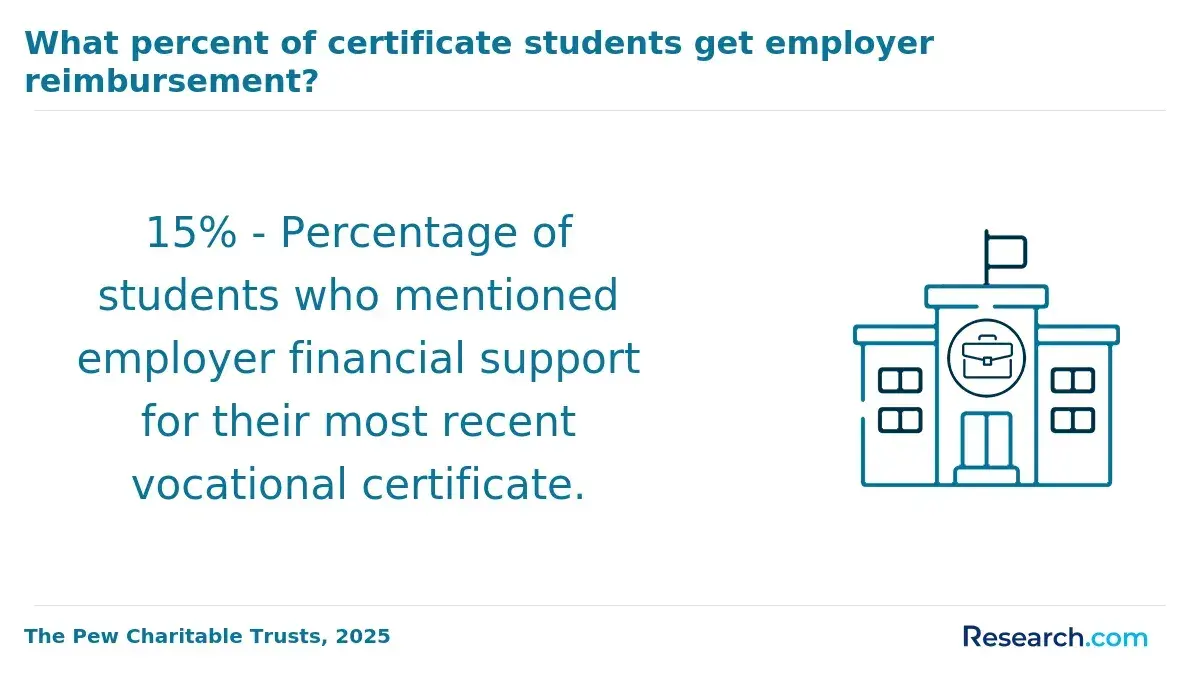
| Financial aid | Grants, scholarships, employer assistance, and the amount you would need to borrow |
Published tuition is not your net price after grants, and net price is not necessarily your total cost to finish. Confirm the school's federal-aid eligibility and submit the FAFSA when appropriate; cheapest online colleges that accept FAFSA may provide useful cost alternatives, although their associate programs and pricing models still need individual review. Be cautious of a low flat rate that requires more paid terms than your schedule can support.
How Long Does It Take to Complete an Online Associate Degree?
Many associate programs require roughly 60 semester credits, but the actual requirement is set by the school and major. A student taking a full course load may finish in about two academic years; part-time study, prerequisite sequences, limited course availability, or clinical placement can extend that timeline. Short courses do not, by themselves, shorten the whole degree.
A flat-rate program can be less expensive for a student who can complete more required work within each billing period. It can be a poor fit for someone whose work or caregiving schedule regularly limits course load. Ask an advisor to map your remaining requirements by term, including accepted transfer credits.
If you already have college credit, compare that map with other most affordable online colleges for working adults only when your longer-term goal is a bachelor's degree; that comparison should account for where your associate credits will apply.
What Admission Requirements Apply to Online Associate Degree Programs?
Colleges commonly request an application and proof of secondary-school completion or an accepted equivalent. They may use transcripts or placement measures to determine starting courses. Previous college work generally requires official transcripts for a transfer evaluation.
Admission to the college is not always admission to a particular major. Nursing and some allied-health programs may have separate prerequisites, minimum grades, testing, background checks, or limited seats. Ask whether the flat-rate tuition begins before or after admission to the major; paying for prerequisite terms at a different rate could materially change your budget.
What Coursework Do Online Associate Degree Programs Typically Include?
Most combine general education - such as writing, mathematics, and social sciences, with courses in the major. Business students might study accounting. IT students might complete programming or networking labs; healthcare students may need science prerequisites. Clinical, internship, or practicum requirements depend on the program.
Review the required-course sequence, not just the catalog total. If a prerequisite is offered infrequently, you might pay for a flat-rate period without being able to take enough applicable credits. Transfer-focused students should also confirm that courses satisfy requirements at their intended bachelor's institution, rather than transferring only as electives.
Which Careers Can Online Associate Degree Graduates Pursue?
The answer depends more on the major, local hiring requirements, and experience than on the tuition model. Business graduates may seek administrative or bookkeeping work; IT graduates may pursue support roles; a relevant healthcare program may prepare students for particular administrative or technical positions. Requirements vary by employer, and some roles call for certification.
An AA or AS in psychology, pre-nursing, or another transfer-focused subject may be most valuable as a step toward further education rather than a stand-alone occupational qualification. An associate nursing degree can be a route toward registered nurse eligibility, but graduates must also meet state requirements and pass the required licensing examination. Match the curriculum to actual job postings or transfer requirements before judging its value.
What Salaries and Job Outlook Can Graduates Expect?
Salary figures describe occupations, not the earnings of everyone who completes an associate degree. For example, the U.S. Bureau of Labor Statistics reported a median annual wage of $93,600 for registered nurses in May 2024. That figure covers working nurses across education and experience levels; it is not a projected salary for a new associate-degree graduate, and a pre-nursing degree alone does not qualify someone to practice.
For any target career, use the Bureau of Labor Statistics' Occupational Outlook Handbook to compare current wages, projected employment change, and typical entry requirements. Then check local job postings for licensing, skills, and experience expectations. A lower-cost degree offers better potential value only when it leads toward the qualification you actually need.
Which Certifications or Licenses Do Graduates Need?
Requirements follow the occupation, not the flat-rate tuition arrangement. Registered nurses need state licensure and must pass the required examination; certain health information or IT roles may value or require a professional certification. Public-safety roles can involve jurisdiction-specific training and hiring standards. Independent counseling practice requires education and supervised experience well beyond an associate degree.
Before enrolling, identify the exact credential or license your target job requires. Confirm that the program meets relevant educational requirements in the state where you intend to work, and ask who is responsible for arranging any required clinical placement. Treat a school's statement that a degree "prepares" students for an occupation as a starting point for verification, not proof of eligibility.
Other Things You Should Know About
No. It tends to work best when you can complete enough required credits during each billing period. Compare total tuition and fees through graduation at your realistic pace.
Possibly, but do not assume so. Check for required labs, clinical placements, orientations, proctored activities, or other in-person components in the specific program.
It may at an eligible institution and program, subject to your aid eligibility and enrollment. Ask the financial aid office how aid is calculated for the program's billing periods before enrolling.
They may, but acceptance and application to your intended major are different questions. Request a degree-specific evaluation from the receiving institution before relying on a transfer plan.
References
- Financial Aid Dictionary: Top Terms Related to Grants, Work-Study, and Student Loans - Federal Student Aid https://studentaid.gov/articles/financial-aid-dictionary/
- DAPIP | Homepage - Office of Postsecondary Education (OPE) https://ope.ed.gov/dapip/
- Recognition of Accrediting Agencies | Texas Higher Education Coordinating Board https://www.highered.texas.gov/recognition-of-accrediting-agencies/
- What is a Flat-Rate College Tuition? | Prescott College https://prescott.edu/what-is-a-flat-rate-college-tuition/
- 100% Online Associate Degrees | Alamo Colleges https://www.alamo.edu/online/programs/associate/
- Elective Fees and Special Charges Approval and Budget Review Policy | Policy Library https://policylibrary.gatech.edu/business-finance/elective-fees-and-special-charges-approval-and-budget-review-policy
- Determining How Students are Billed | Tuition Rates and Fees https://www.tuition.pitt.edu/about/determining-how-students-are-billed
- Flat-Rate Tuition Frequently Asked Questions - Wayne State University https://wayne.edu/registrar/flat-rate-faq
- Fully Online Programs - Blue Ridge Community College https://www.blueridge.edu/programs-courses/online-learning/online-programs/
- [PDF] Course Materials Fees - Academic Planning and Budget https://apb.ucla.edu/file/435dca80-eb37-4efe-b291-a3177911e76b


