2027 Best Media Arts Degrees for Working Adults

Co-Founder and Chief Data Scientist
Balancing a full-time job while pursuing a media arts degree can overwhelm many working adults. Nearly 60% of adult learners cite inflexible class schedules as a primary barrier to completing their education. As the media arts industry evolves rapidly, professionals must update skills to stay competitive without sacrificing employment. This challenge intensifies as demand for skilled media arts graduates grows, with employment expected to increase by 8% over the next decade. This article explores flexible, accredited media arts degree programs tailored to working adults, helping readers identify options that support both career advancement and personal commitments.
Key Things to Know About Media Arts Degrees for Working Adults
- Flexible scheduling with online and hybrid formats allows working adults to balance education and career, with over 60% of media arts programs offering part-time or evening classes.
- Accelerated pacing options enable faster degree completion, essential for adults aiming to advance without prolonged time away from work.
- Employer-aligned curricula and career services connect students to industry needs, improving job placement rates by up to 15% in media arts fields.
What Are the Best Media Arts Degrees for Working Adults?
The best media arts degrees for working adults vary depending on schedule flexibility, career alignment, and return on investment. An increasing trend is the growth of online education, which helps adult learners balance coursework with full-time jobs and other commitments. Choosing the right program can significantly impact career advancement and personal growth.
Several specializations stand out for their adaptability and relevance to employed students pursuing top media arts programs for adult learners:
- Digital Media Production: This specialization typically offers flexible online or evening classes and focuses on practical skills such as video editing, sound design, and multimedia storytelling-areas in strong demand across various industries.
- Graphic Design: Known for its adaptability to online learning, this degree equips students with skills valuable in marketing, advertising, and web design, fields that often welcome part-time or freelance professionals.
- User Experience (UX) Design: With high employer demand, this program delivers project-based, self-paced courses emphasizing real-world application and portfolio building, which suits busy schedules well.
- Animation and Visual Effects: Offering asynchronous learning and self-directed projects, this specialization accommodates those balancing work while preparing for careers in creative technology.
Employed learners aiming for the best online media arts degrees for working adults should prioritize programs emphasizing flexible delivery and practical skills. For related options in social work, consider exploring comprehensive MSW online programs designed for adult students seeking career advancement.
What Are the Admission Requirements for Working Adults in Media Arts Degree Programs?
Admission requirements for working adults in media arts degree programs often differ from those designed for traditional students to better accommodate professional and personal demands. According to a 2023 report, nearly 40% of all graduate students in the U.S. enroll part-time, which has influenced how programs tailor their admissions to support diverse life circumstances.
Common criteria in the media arts degree application process for adult learners typically include the following considerations:
- Prior Work Experience: Relevant career achievements in media and related fields may supplement or replace traditional academic prerequisites, recognizing the value of hands-on expertise.
- GPA Expectations: Many programs show flexibility with GPA requirements, placing greater emphasis on recent professional success rather than past academic records.
- Test Waivers: Standardized tests like the GRE are often waived for working adults, reducing barriers and streamlining the admission process.
- Professional Recommendations: Letters from employers or industry collaborators provide important insight into an applicant's skills and readiness for graduate study.
- Flexible Scheduling: Part-time and online formats are frequently offered to help students balance full-time employment with their academic goals.
For those seeking flexible formats beyond traditional media arts programs, exploring accelerated MSW programs can reveal additional options that accommodate working adults' needs.
What Coursework Is Required in Media Arts Degree Programs for Working Adults?
Coursework in media arts degree programs for working adults is carefully structured to balance career relevance, practical skills, and flexible learning formats. This approach supports students who juggle full-time employment while advancing their education. Notably, over 60% of adult learners in these programs pursue their degrees to gain skills that facilitate career advancement or a shift into creative industries.
Below are some common required classes in media arts programs designed to equip professionals with applicable knowledge and expertise:
- Digital Media Production: Focuses on creating and editing digital content such as video, audio, and graphics. This course helps working adults gain hands-on experience essential for roles in marketing, entertainment, and communications.
- Graphic Design and Visual Communication: Emphasizes design principles, typography, and visual storytelling. It prepares students for branding, advertising, and user experience positions critical in media arts careers.
- Media Theory and Criticism: Provides insight into media's cultural impact and ethical considerations, cultivating critical thinking and strategic decision-making skills necessary for leadership roles.
- Interactive Media and Web Design: Covers website development, user interface design, and interactive storytelling, addressing the increasing demand for web-based media expertise.
- Project Management and Professional Practices: Develops skills in managing multimedia projects, collaboration, and budgeting, enabling adults to lead initiatives effectively and meet industry expectations.
Working adults exploring options may also consider flexible programs such as an executive MBA to complement creative skills with business acumen. Understanding the typical media arts degree coursework for working adults can guide decisions about balancing education with career goals.
Working adults pursuing a media arts degree often experience varied completion times due to balancing professional and academic commitments. On average, it takes about four to five years for those employed full-time to finish their degree, though this can range broadly based on individual situations and program design.
Several elements impact how long it might take to earn a media arts degree while working:
- Program format: Flexible options like online or hybrid learning enable students to adjust study hours around their work schedules, often improving time management but sometimes extending total duration.
- Course load: Enrolling part-time to avoid burnout frequently means fewer credits each semester, which spreads coursework over more terms and lengthens the degree path.
- Prior credits: Successfully transferring previous coursework can reduce the number of classes required, shortening the overall time needed to graduate.
- Work schedule: Demanding or inflexible job hours may restrict study time, causing students to stretch their programs longer than initially planned.
- Accelerated options: Intensive courses or accelerated tracks allow motivated students to finish sooner but often require significant effort and personal sacrifice.
A professional who recently completed an online media arts degree while maintaining full-time employment shared that balancing deadlines was the biggest hurdle. He noted, "Juggling evening classes with project work and family responsibilities sometimes felt overwhelming." Despite the challenges, he found that structuring his week tightly and staying disciplined made steady progress possible. He emphasized how the flexibility of online courses helped when unexpected work demands arose, allowing him to catch up without falling behind. Reflecting on the experience, he said, "It wasn't easy, but finishing while working full-time gave me a strong sense of accomplishment and a clearer career focus."
Balancing tuition costs with work and personal life is a significant challenge for adults pursuing a Media Arts degree. Recent data shows that tuition for part-time students in creative disciplines, including media arts, has increased by nearly 15% over the last five years, underscoring the importance of budgeting carefully. Several key factors shape the overall expense of these programs for working learners.
Consider the following elements that affect the total cost:
- Tuition per credit: Costs vary widely depending on whether a student attends in-state, out-of-state, or enrolls in an online program, influencing affordability and financial planning.
- Program length: Part-time attendance and flexible course schedules often stretch out the time needed to graduate, leading to higher cumulative tuition payments.
- Fees and materials: Additional expenses like lab fees, software licenses, and textbooks can significantly increase the overall amount beyond base tuition.
- Format of instruction: While online courses can lower commuting and housing costs, they may introduce extra technology fees that impact total spending.
- Financial support: Tuition assistance from employers, scholarships, or grants can reduce out-of-pocket costs substantially, easing the financial burden on working adults.
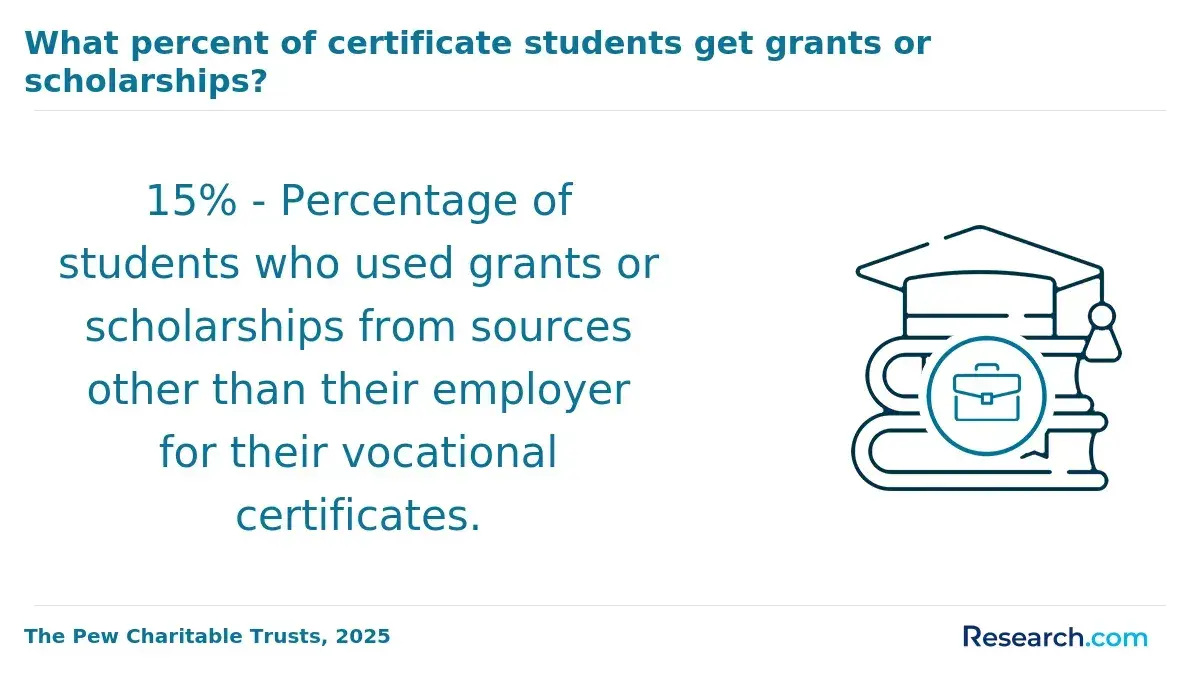
Balancing work, family, and studies can quickly become overwhelming, making financial aid a vital resource for adults pursuing a Media Arts degree. It helps ease the strain of tuition costs while managing other life obligations.
Several financial aid avenues are commonly open to working students:
- Federal financial aid: This includes Pell Grants and federal student loans, which provide funding based on eligibility rather than solely income, helping widen access to higher education.
- Employer tuition assistance: Many companies offer programs that reimburse tuition or support employees advancing their skills through relevant coursework.
- Scholarships for adult learners: Organizations and academic institutions often award scholarships to adults returning to education, recognizing their experience and dedication.
- Grants: These funds, which do not require repayment, frequently target students with financial need or those resuming studies after a break.
- Payment plans and tax benefits: Flexible tuition payment schedules allow spreading costs over time, while tax credits and deductions can help reduce overall educational expenses.
When I spoke with a professional who completed her Media Arts degree while working full-time, she shared how navigating financial aid was both challenging and empowering. "At first, figuring out what aid I qualified for felt like trying to solve a puzzle," she recalled. The combination of employer assistance and federal aid made continuing her education financially manageable. She also appreciated the flexibility of payment plans, which allowed her to budget effectively despite an irregular schedule. Reflecting on the process, she noted that persistence was key, as was reaching out for guidance when needed. Her experience highlights how tailored financial support can transform the educational journey for working adults striving to grow in their careers.
Working adults enrolled in media arts programs must balance academic demands with employment and personal obligations, making institutional support essential for success. Tailored services provide structure and resources that accommodate their unique schedules and challenges.
- Academic advising: Delivers individualized guidance to help plan course loads around professional and personal commitments, promoting consistent academic progress and timely degree completion.
- Flexible scheduling: Offers options such as evening, weekend, or online classes that enable students to attend courses without disrupting work hours or family time.
- Online learning support: Supplies technical assistance and access to digital resources to ensure smooth participation in virtual classes, which is crucial for remote or hybrid learners.
- Career services: Provides access to internship opportunities, job placement assistance, and professional development that align academic achievements with evolving career objectives.
- Mental health resources: Addresses emotional well-being by offering counseling and stress management tools, helping students maintain motivation amid competing priorities.
Accreditation signifies that a media arts program meets established academic and administrative standards set by authorized agencies. For working adults, this validation ensures that their education is rigorous, with relevant curricula and qualified instructors. Employers tend to value degrees from accredited programs more highly, boosting graduates' job prospects. Additionally, only students enrolled in accredited schools qualify for federal financial aid, a critical support for many balancing work and study. Recent data shows that nearly 40% of graduate students are adults managing education alongside full-time employment, emphasizing the demand for credible, flexible programs.
Accreditation also safeguards the long-term worth of a media arts degree for adult learners by enabling credit transfer between schools and prerequisites for licensure or professional certifications in creative industries. This formal recognition reinforces the degree's credibility, facilitating smoother career advancement and validation of skills. Adult students can invest confidently in their education knowing that their credentials maintain lasting value and recognition in a competitive job market.
Salary growth is a key motivator for working professionals considering a media arts degree, as it helps justify the time and expense involved in returning to school. Median annual salaries for individuals with a media arts degree typically range from $45,000 to $75,000, varying by role and geographic location.
- Industry Demand: Increasing needs for digital media expertise in marketing, entertainment, and technology sectors drive higher earning potential. Skills in content creation and digital design remain highly sought-after across numerous industries, positively impacting salary growth for degree holders.
- Role Advancement: Earning a media arts degree can open doors to advancement opportunities such as management positions or specialized creative roles that command better pay. Degree completion often signals readiness for increased responsibility and leadership within media fields.
- Employer Policies: Many employers encourage continuing education by offering tuition reimbursement or salary increases linked to degree attainment. These company policies can directly boost compensation for working adults pursuing a media arts degree.
- Years of Experience: Combining relevant work experience with a media arts degree generally results in greater salary increases than either factor alone. Experience enhances the practical application of academic knowledge, making candidates more valuable in the workforce.
- Specialization: Expertise in niche areas such as animation, UX design, or video production tends to command premium wages. Graduates who focus on such specialties are positioned for faster salary growth and expanded career options.
Those exploring the impact of a media arts degree on career earnings should consider flexible and accredited programs tailored for working adults. Many also research the cheapest EDD programs to find cost-effective ways to boost credentials while maintaining employment.
A media arts degree enables working adults to qualify for higher-level, more specialized, or leadership-oriented roles beyond entry-level positions by providing advanced skills in digital storytelling, design, production, and interactive media. This credential promotes career advancement by demonstrating both creative and strategic competencies required for managing complex projects and teams.
Many professionals with a media arts degree pursue roles that reflect increased responsibility and broader skill sets. The following positions highlight common career advancement opportunities for experienced individuals with media arts careers for working adults:
- Creative Director: This role involves managing the artistic vision and coordinating creative teams to deliver integrated media projects. It demands leadership, strategic thinking, and a deep understanding of evolving media technologies and trends, making it a natural step up for those with media arts expertise.
- Multimedia Producer: Multimedia producers handle the development and delivery of digital content across multiple platforms. They balance creative vision with technical production management, including budgeting and scheduling, leveraging their media arts education to oversee complex workflows.
- Media Project Manager: Project managers in media arts lead planning and execution phases to ensure deliverables meet client goals. Their degree strengthens cross-functional communication and problem-solving skills crucial for managing creative and technical teams effectively.
- UX/UI Designer: Focused on designing user-centered digital experiences, this role combines visual creativity with interactive technology knowledge. With demand rising for specialized design skills, media arts training provides the technical foundation essential for success in this field.
Job opportunities with a media arts degree are especially valuable for working professionals seeking flexible, accredited programs that accommodate full-time employment. Those interested in accelerated career growth may explore one year masters programs online that emphasize practical, advanced skills for immediate application in leadership roles.
What Graduates Say About Their Media Arts Degrees for Working Adults
- Allan: "Choosing to pursue a media arts degree online while working full-time was a game-changer for me. The flexibility allowed me to balance my job and studies without compromising income. Despite concerns about cost, the program averaged around $25,000, which felt like a solid investment given the career boost I received afterwards. I now feel more confident pitching creative concepts and have already landed a promotion. "
- Gunnar: "Reflecting on my decision to enroll part-time in a media arts degree program, I appreciate how cost-effective it turned out to be-around $20,000, a reasonable figure considering my steady paycheck. Balancing work and study was challenging but rewarding, offering me practical skills I've directly applied to my projects. Completing the program has opened doors to freelance opportunities I hadn't imagined before. "
- Jaxon: "As a working professional, opting for an online media arts degree was a strategic move to upskill without interrupting my career. While the investment was significant at about $22,000, it paid off by expanding my network and enhancing my digital storytelling abilities. This degree empowered me to transition into a higher-level role that demands creativity mixed with technical expertise. "
Other Things You Should Know About Media Arts Degrees
Many media arts programs require a portfolio with 10 to 15 original works, plus a short statement explaining your creative process. Some schools also ask for a résumé, transcript, and a 250- to 500-word artist statement.
Many media arts programs designed for working adults offer flexible scheduling options, including evening, weekend, and online classes. This approach allows students to balance work, family, and education effectively. Self-paced courses and asynchronous learning modules are common, enabling students to study and complete assignments at times that suit their personal and professional commitments.
- MFA in Film & TV Admission Requirements | www.asbury.edu https://www.asbury.edu/graduate/academics/program/mfa-film-tv-production/admission-requirements-tuition/
- GRANTS FOR ARTS PROJECTS https://www.arts.gov/grants/grants-for-arts-projects
- What Can You Do With a Media Arts and Technology Degree? https://mwcc.edu/blog/media-arts-technology-faqs/
- Careers in emerging media | University of Idaho https://www.uidaho.edu/newsroom/emerging-media-careers
- Celebrate the Past, Support the Future https://allwomeninmedia.org/foundation/scholarships/
- Faculty of Media, Arts and Humanities - for students and staff https://www.sussex.ac.uk/schools/media-arts-humanities/internal/students/support
- Media Arts | Central Community College https://www.cccneb.edu/mart
- Online Media Arts Courses | DeVry University https://www.devry.edu/online-programs/courses/media-arts.html
- Frequently Asked Questions | Institute of Advanced Media Arts and Sciences [IAMAS] https://www.iamas.ac.jp/en/master_faq/
- Media Arts (A.S.) https://www.sunyjcc.edu/programs/media-arts-as