2027 Questions to Ask About Online Media Arts Degree Programs Before You Enroll

Co-Founder and Chief Data Scientist
Choosing an online media arts degree program involves navigating a complex landscape of options, each varying widely in quality and outcomes. Nearly 45% of media arts graduates report challenges in securing relevant employment within a year of graduation, underscoring the importance of selecting a program that aligns with industry demands. Prospective students must weigh factors such as career support, curriculum rigor, and accreditation before enrolling.
This article explores essential questions about career prospects, program quality, licensure readiness, and costs to help students make informed decisions and improve their chances of success in the media arts field.
Key Benefits of Enrolling in Online Media Arts Degree Programs
- Online media arts programs offer flexibility, allowing students to access coursework anytime, which is crucial as 65% of online learners balance education with other responsibilities.
- Cost savings are significant, with online formats reducing expenses related to commuting, housing, and materials, often making degrees more affordable by 25% to 40% compared to traditional programs.
- These programs promote work-life balance by enabling students to tailor study schedules around jobs and family, improving retention rates by supporting diverse, non-traditional learners.
Is the Online Media Arts Degree Program Accredited?
Accreditation is vital for online media arts degree programs because it determines how your degree is recognized by employers, licensing agencies, and other educational institutions. Programs with accreditation meet established standards of quality and rigor, ensuring your education is credible and valuable in the job market. A National Center for Education Statistics (NCES) report highlights that students graduating from accredited institutions are 30% more likely to obtain licensure or certification relevant to their field. For media arts programs, regional accreditation from bodies like the Middle States Commission on Higher Education (MSCHE) or the Western Association of Schools and Colleges (WASC) typically signifies legitimacy. Students should look for accredited online media arts degree programs to secure the best career outcomes and licensure eligibility.
Evaluating the online media arts degree accreditation status involves checking official sources such as the U.S. Department of Education database or the Council for Higher Education Accreditation (CHEA) website. While specialized accreditors like the Accreditation Council for Business Schools and Programs (ACBSP) may accredit programs with integrated business curricula, regional accreditation remains the most crucial factor. Beware of programs that claim accreditation without clear recognition, as these may be diploma mills. Prospective students seeking quality education and licensure pathways should prioritize verified accreditation and may also explore related fields like bcba online programs for additional career options and guidance.
What Are the Admission Requirements for Online Media Arts Programs?
Admission requirements serve as a crucial filter, ensuring prospective students meet the academic and creative standards necessary for an online media arts program. Recognizing these criteria early helps applicants assess their eligibility and better prepare for the demands of the curriculum.
The typical application criteria for media arts degrees online include the following essential elements:
- High school diploma or equivalent: This foundational requirement confirms basic educational attainment and readiness for college-level courses. It is the starting point for evaluating academic preparedness.
- Application form: Provides detailed personal and academic information required by admissions committees to assess the candidate's background and fit for the program.
- Transcripts: Supply documented evidence of previous academic performance. They may highlight relevant coursework or skills related to media arts, reinforcing the applicant's preparedness.
- Portfolio submission: Offers a showcase of creative work and technical abilities, which are crucial indicators of potential success in media arts. A strong portfolio often weighs heavily in admissions decisions.
- Personal statement or essay: Gives insight into the applicant's motivation, goals, and commitment to the field. This narrative helps admissions staff understand the applicant's enthusiasm and future aspirations.
- Letters of recommendation: Validate the applicant's character, work ethic, and potential through endorsements from former instructors or employers, adding a layer of credibility.
Understanding the detailed online media arts program admission requirements can greatly improve your application quality and readiness. For students also interested in cost-efficient options, researching the cheapest online engineering degree programs may offer useful comparative insights.
These comprehensive admission components help schools evaluate if applicants are equipped to succeed academically and professionally, reflecting the holistic nature of today's online program application criteria for media arts degrees online.
What Classes Do You Take in an Online Media Arts Program?
Prospective students comparing online media arts programs must carefully examine the courses offered to ensure the curriculum fits their professional ambitions. Recent data indicates that over 60% of learners value programs with substantial practical content, emphasizing skill development.
Below are common course categories featured in these programs:
- Core classes: These foundational courses focus on essential skills like graphic design, video editing, digital storytelling, and multimedia software use. They establish both creative and technical expertise crucial for various media industry roles.
- Electives: These allow students to explore specific interests such as animation, sound production, interactive media, or web design. Electives help tailor the degree to align with niche fields or emerging technologies.
- Creative workshops: Some programs include intensive studios or labs that foster hands-on learning through real-time projects and collaborative assignments. These workshops sharpen problem-solving abilities and artistic expression.
One student pursuing an online media arts degree shared that adjusting to the mix of self-paced theory and timed assignments was initially demanding. He described the challenge of mastering complex software remotely and balancing creative freedom with technical requirements. "It was tough at first to stay motivated without in-person classes," he remarked, "but the variety of project topics kept me engaged and made the learning feel relevant. Each assignment pushed me to apply what I was learning in ways that felt practical and rewarding."
Knowing how long it takes to finish an online media arts degree helps students plan finances, schedules, and entry into the job market. Timelines vary based on enrollment status, course load, and program structure, impacting overall educational investment.
Below are typical completion timelines and their key considerations:
- Full-Time Enrollment: Most students earn their degree in about four years by taking a consistent number of credits each semester. This pace balances steady progress with manageable workload expectations.
- Part-Time Study: When balancing work or other responsibilities, students often take five to six years or more to graduate. Taking fewer classes per term extends the timeline but offers greater flexibility.
- Accelerated Programs: Some formats condense coursework into shorter terms or run classes year-round, enabling completion in two to three years. These options require strong time management and commitment due to their intensive nature.
- Programs with Practical Components: Internships, studio work, or clinical hours can add time beyond coursework but provide valuable hands-on experience. These requirements enhance job readiness and professional skills.
Many online media arts programs include internships or practicums as part of their curriculum, either as a requirement or as an optional component. These practical experiences are designed to build real-world skills such as video editing, animation, or digital storytelling through placements at media companies or simulated industry projects guided by faculty. They usually last a semester and can be completed locally or remotely, making them accessible for students regardless of location. Participation in these hands-on opportunities significantly enhances employability; research indicates that approximately 73% of media arts graduates with internship experience secure jobs within six months of graduation. Prospective students should carefully review programs to see if internships or practicums are mandatory and whether support for placement is provided, as these elements impact career readiness, skill acquisition, and sometimes meet licensure or certification standards.
When I spoke with a graduate of an online media arts degree, she shared how vital her practicum was to her growth. She explained that balancing the practicum's weekly assignments with her full-time job was initially stressful, but the real challenge was adapting to feedback from faculty and industry mentors. "It wasn't just about completing tasks," she noted, "but learning to accept critique and improving my work in ways a traditional class couldn't teach." This process built her confidence and portfolio, which she credits with landing her first job after graduation. The experience made her realize that hands-on learning, even when remote, is indispensable for truly understanding media production in a professional setting.
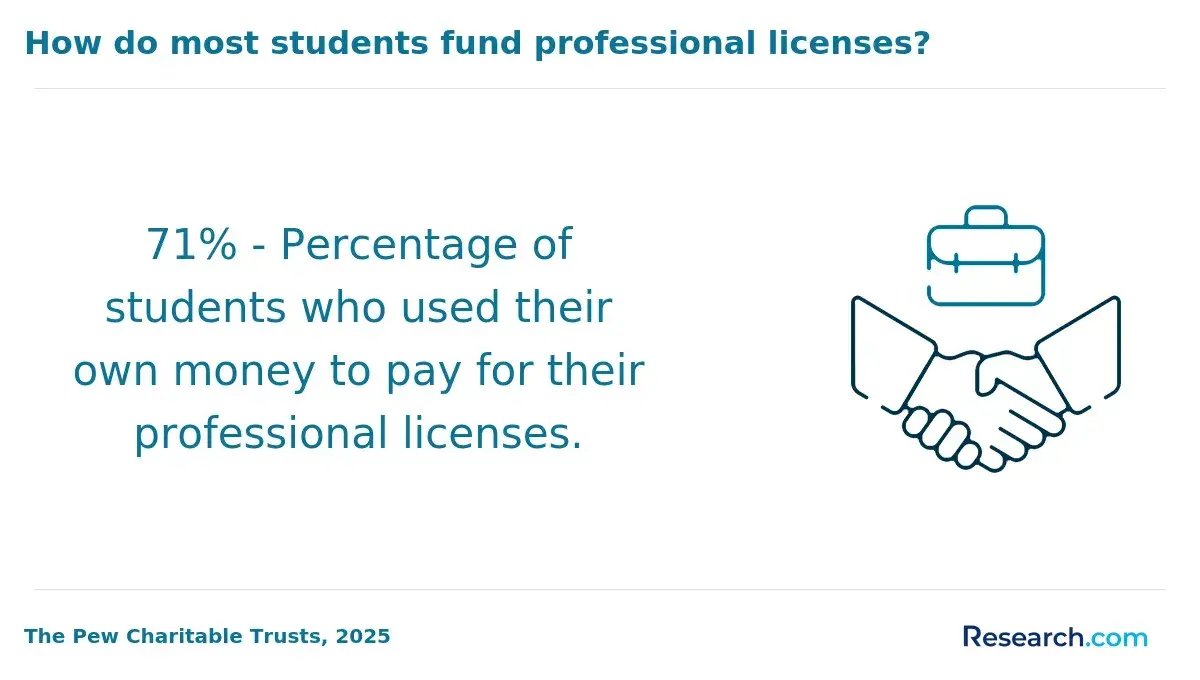
Graduates of online media arts degree programs generally do not require professional licensure to enter most careers such as graphic design, animation, or digital content creation. Unlike fields with strict licensure rules like architecture or engineering, media arts roles usually prioritize a strong portfolio, technical skills, and industry experience over formal licensing. However, some specialized areas like film production or broadcast technology offer certification options that can improve employability and credibility.
Licensing requirements for online media arts degrees often involve completing an accredited program, passing industry-specific exams, and gaining relevant experience. Many online programs design their curricula to meet accreditation standards and provide practical opportunities such as internships or practicum experiences that help students prepare for certification or licensure.
Prospective students evaluating how to get licensed with an online media arts degree should consider licensure as it can influence career paths and salary potential. Research shows that nearly 70% of media arts professionals found certifications helpful for career advancement or securing better positions. When choosing an online program, it's important to check accreditation status, access to practical experience, and preparation support for industry-recognized certifications.
Additionally, students interested in affordable education options might explore the cheapest psychology degree online as a resource for comparing program costs and outcomes across disciplines.
Careful consideration of costs is essential for prospective students evaluating online media arts programs, as it directly affects their financial planning and long-term commitments. On average, tuition for online media arts degrees ranges from $300 to $700 per credit hour, with some institutions offering lower rates for in-state students or flat-rate tuition for entire terms, making affordability an important factor when comparing programs.
These are the typical cost components you can expect when exploring affordable online media arts programs tuition:
- Tuition: This usually covers instruction and access to course materials. It varies widely depending on the institution and program length, often charged per credit hour with some programs offering discounted rates for resident students or flat-rate fees for a semester.
- Technology Fees: Many programs charge additional fees to maintain and support online learning platforms. These fees help fund software licenses, virtual classrooms, and technical support, and they can differ significantly between schools.
- Lab and Equipment Fees: Media arts students may incur fees for specialized labs or equipment access, such as software or camera rentals. These costs contribute to hands-on learning experiences essential for skill development in media production.
- Materials Fees: Practical projects often require supplies, and some programs include a materials fee to cover the cost of items like art supplies or digital assets. Students might also need to purchase or rent specific hardware or software, adding several hundred dollars to overall expenses.
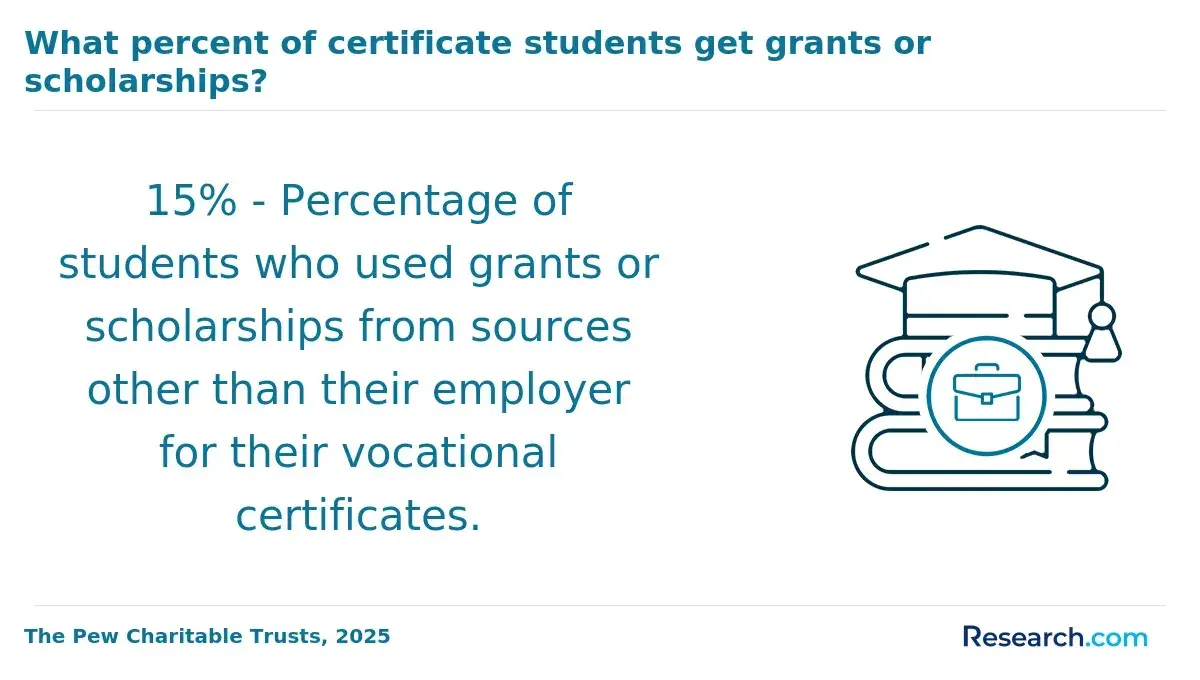
- Financial Aid and Payment Plans: Many programs offer scholarships, grants, or flexible payment options to help manage costs. Prospective students should investigate these opportunities to make programs more affordable and align expenses with their budgets.
Understanding the average cost of online media arts degrees helps students weigh financial commitments against program quality and career outcomes. Those comparing tuition and expenses alongside their professional goals may also explore alternative education paths, such as a doctorate organizational leadership online, for broader career advancement opportunities.
Understanding financial aid options is essential for prospective students considering online programs, as tuition costs and related expenses can differ widely between institutions. Nearly 85% of students pursuing creative arts degrees benefit from some form of financial aid, making it a critical resource for managing educational expenses in the media arts field.
Here are the main financial aid options available to online media arts students:
- Federal Pell Grants: These are need-based grants that do not require repayment, available primarily to undergraduate students who demonstrate financial need through the FAFSA application. Pell Grants can significantly reduce tuition costs for qualifying students.
- Federal Student Loans: These loans usually come with lower interest rates compared to private loans and must be repaid after completing the degree. Eligibility depends on factors such as enrollment status and financial need, providing flexible borrowing options for media arts students.
- State Grants and Scholarships: Offered by state governments, these financial aids often have residency or program-specific requirements and do not require repayment. They are designed to support eligible students in offsetting the cost of tuition.
- Institutional Aid: Many online media arts programs provide merit-based scholarships or need-based grants directly from the institution. These awards recognize either academic achievement or financial need and can substantially lower overall program expenses.
- Private Scholarships: Numerous organizations and foundations award scholarships focused on arts education, often targeting students in media arts programs. These may require separate applications and adherence to specific criteria within the media arts field.
Exploring scholarships and grants for online media arts programs early and thoroughly can maximize funding opportunities and reduce the financial burden. For students considering accelerated education routes, reviewing options such as 1 year master's programs online can complement financial aid planning while aligning with career goals.
Knowing the career options available with an online media arts degree helps students align their education with job market demands and long-term goals. The media arts field is projected to grow 6% over the next decade, reflecting steady opportunities for creative professionals. Below is an overview of common roles graduates can pursue.
- Graphic Designer: Graphic designers create visual content for print and digital media, using industry-standard software learned during their studies. Career growth often leads to senior designer or art director roles, where leadership and project management skills become essential.
- Digital Content Creator: This role involves producing multimedia assets such as videos, animations, and social media content. The degree equips graduates with a portfolio and technical abilities that support advancement to content strategist or creative director positions.
- Web Designer: Web designers develop website layouts and user interfaces, combining creativity with technical knowledge. With experience, they can move into UX/UI design or project coordination roles within digital teams.
- Video Editor: Video editors assemble footage to produce polished films, commercials, or online videos. Advanced expertise gained through media arts programs paves the way for positions like post-production supervisor or multimedia producer.
Knowing the salary potential for online media arts graduates helps students make informed choices about their education and future careers. Median earnings for these graduates in the U.S. typically range from $45,000 to $65,000 annually, with an 8% wage growth observed in digital media and animation roles over recent years.
Several key factors impact how much online media arts graduates can expect to earn:
- Level of education: Advanced degrees and specialized certifications often lead to higher salaries by providing deeper expertise and a competitive edge in the job market.
- Specialization: Focusing on areas such as animation, video production, or UX design influences salary levels since demand and technical requirements vary across these fields.
- Experience: Those new to the workforce start with entry-level pay, while professionals with multiple years of experience usually command better compensation and career advancement.
- Geographic location: Salaries fluctuate widely depending on location; urban tech hubs generally offer higher pay to offset living costs and attract talent.
- Work setting: Income can be affected by whether graduates work for corporations, government, or as freelancers, with each setting offering different pay scales and stability.
What Graduates Say About Enrolling in an Online Media Arts Degree
- Allen: "I was initially drawn to the online media arts degree because of its affordability-I managed to complete the program for a fraction of what traditional schools charge, around $15,000 in total. The flexibility of learning at my own pace really helped me balance work and study without compromising the quality of my education. Since graduating, I've landed a creative director role that credits much of my success to the practical skills I developed during the program."
- Vito: "Choosing the online media arts degree was a pivotal decision for me, especially given the average cost of attendance which is quite reasonable compared to on-campus options. The immersive coursework and interaction with industry professionals through virtual platforms made the experience surprisingly engaging. Reflecting on my journey, this degree opened doors to freelance opportunities and expanded my professional network significantly."
- Jacqueline: "I decided to enroll in the online media arts degree because the cost was manageable and the curriculum aligned perfectly with my career goals. The online format was challenging but rewarding, requiring discipline and self-motivation that enhanced my learning experience. Professionally, the degree has been invaluable-it gave me both the confidence and credentials needed to move into a senior role within a digital marketing agency."
Other Things You Should Know About Media Arts Degrees
Ask whether the program requires high-resolution JPEG, PNG, MP4, or PDF submissions, and whether files must follow specific size limits or naming rules. Many courses also require work to be uploaded through an LMS such as Canvas or Blackboard, with deadlines set in course time zone.
In 2027, reputable online media arts programs offer students comprehensive access to industry-standard software, such as Adobe Creative Cloud and Maya. They typically ensure students have the necessary tools and offer technical support to facilitate a seamless learning experience.
In 2027, online media arts programs will leverage advanced virtual platforms, interactive tools, and AI-driven technologies to facilitate collaboration. Students will benefit from virtual group projects, online workshops with industry professionals, and global networking events to enhance their connections and industry engagement.
- About the department - Polish-Japanese Academy of Information Technology https://pja.edu.pl/en/sztuka-nowych-mediow/magisterskie/o-wydziale/
- Digital Media Arts https://ltu.edu/programs/digital-media-arts/
- Digital Media Arts Degree Programs | Huntington University https://www.huntington.edu/digital-media-arts
- Digital Media Degrees: What Coursework is Included in a Typical Digital Media Program? | Animation Career Review https://www.animationcareerreview.com/articles/digital-media-degrees-what-coursework-included-typical-digital-media-program
- Find your program > Media Arts — bachelor's degree > Fees and Costs | UFV.ca https://www.ufv.ca/creative-arts/programs/bachelor-media-arts/fees-costs/
- Art: Digital Media Arts: Entry Level https://omni.svcc.edu/academics/programs/individual/b14.html
- Course: Practicum in Media Arts - Internal Placement (Double Credit) https://www.pgcps.org/offices/chief-academic-officer/courses-and-programs-of-study/760613-practicum-in-media-arts---internal-placement-double-credit
- Financial Aid | Online Art & Graphic Design | Sessions College https://www.sessions.edu/financial-aid/
- Digital Media Arts & Design Major https://www.lynchburg.edu/academics/majors-and-minors/digital-media-arts-and-design/
- Digital Media Arts https://www.clark.edu/academics/programs/creative-and-communication-arts/digital-media-arts/