
2027 Best Master's Degrees for In-Demand Careers

Co-Founder and Chief Data Scientist
Which master's degree is worth pursuing when a growing occupation may not actually require one? The U.S. Bureau of Labor Statistics (BLS) projects employment of data scientists to grow 34% from 2024 to 2034, but a master's degree is not the only route into that field. For working professionals and career changers, the better question is what graduate study adds beyond existing skills. This guide compares ten degree fields by career relevance, requirements, cost, and job outlook so you can identify a path that fits your goal - not just a promising job title.
Key Things You Should Know
- An MSN can support an advanced nursing path, while an MS in data science may help build specialized skills for a field with 34% projected employment growth from 2024 to 2034.
- BLS projects 29% growth for information security analysts, but many roles also depend heavily on experience and demonstrable skills.
- A master's may require prerequisites, placements, or a license beyond graduation; compare total cost and time against the qualification your intended job actually requires.
Top 10 Best Master's Degrees for In-Demand Careers - Best Degrees
Business / MBA Programs
A Master of Business Administration (MBA) is a practice-oriented option for professionals seeking broader responsibility across finance, operations, strategy, and management. Its value is usually strongest when paired with relevant work experience; an MBA alone does not qualify someone for an executive role. Compare generalist MBAs with specialized MS degrees if your goal is technical depth rather than cross-functional leadership. Check employer recruiting access, course projects, schedule, and total cost - not just a school's ranking.
Healthcare Administration & Management Programs
A Master of Healthcare Administration (MHA) or healthcare-focused MBA can prepare experienced professionals for operations, finance, quality, and organizational management. BLS projects 23% employment growth for medical and health services managers from 2024 to 2034. That outlook reflects the occupation, not a guarantee for MHA graduates; management roles commonly require healthcare experience. Choose an MHA for concentrated health-system training or an MBA for broader business mobility, and examine internship access if you are changing fields.
Information Technology Programs
An MS in information technology typically emphasizes applied systems, cloud infrastructure, networks, databases, or IT leadership. It may suit practitioners moving toward architecture or management, particularly when coursework builds on their existing technical experience. Compare it with an MS in computer science if you want deeper algorithms and software theory. For advancement, look for substantial projects and employer-relevant tools; the degree does not replace hands-on troubleshooting, implementation experience, or role-specific certifications.
Computer Science Programs
An MS in computer science can deepen expertise in software systems, artificial intelligence, security, or computing research. A research-oriented thesis fits some doctoral or laboratory goals, while a project-based track may better suit professional specialization. Applicants without a computing bachelor's degree may need programming, discrete mathematics, or other foundation courses. Because many software jobs accept bachelor's-level preparation, compare the master's cost with the value of the particular specialization you cannot readily gain through work or shorter training.
Cybersecurity Programs
An MS in cybersecurity may cover threat analysis, secure systems, governance, incident response, and risk. BLS projects 29% growth for information security analysts from 2024 to 2034, but that occupation does not universally require a master's degree. The strongest fit is often an IT professional seeking specialized or policy-facing responsibilities. Compare technical labs and applied projects with your target role; certifications and security experience may offer a less costly route to some positions.
Data Science / Analytics Programs
An MS in data science or analytics can develop statistics, programming, data engineering, and model-evaluation skills. Programs differ: some stress research and mathematical theory; others emphasize business decisions and applied projects. Check calculus, statistics, and coding prerequisites before applying. BLS projects 34% growth for data scientists from 2024 to 2034, but employers may also hire candidates with bachelor's degrees and strong portfolios. Choose a master's when its technical depth or supervised projects fill a specific skills gap.
Education / Educational Leadership Programs
A Master of Education (MEd) or educational leadership degree may support curriculum work, instructional improvement, or a pathway toward school administration. Teachers seeking a salary-lane change should first check their district's rules; aspiring principals must check state licensing and experience requirements. Some programs require school-based projects or internships even when coursework is online. Compare a leadership track with a subject-focused MEd according to the role you want, not the degree name alone.
Counseling / Psychology Programs
A licensure-oriented master's in counseling prepares students differently from a research-focused MA or MS in psychology. If your goal is professional counseling, verify state-approved coursework, supervised clinical placements, examination requirements, and the program's eligibility for the license you seek. A general psychology master's does not by itself qualify someone to practice as a psychologist; that title typically requires doctoral-level education and state licensure. Budget for placement hours and post-degree supervision as well as tuition.
Nursing Programs
A Master of Science in Nursing (MSN) can support advanced clinical practice, education, or leadership, depending on its track. Nurse practitioner pathways require an existing nursing foundation, clinical training, and additional certification and state licensure steps. An MSN in leadership is not interchangeable with a nurse practitioner program. Check entry eligibility, clinical-placement support, and state authorization before comparing prices or online schedules. Experienced registered nurses should also weigh whether an MSN, a graduate certificate, or another credential matches their intended role.
Engineering Management Programs
An MS in engineering management combines technical decision-making with project finance, operations, and leadership. It often fits engineers seeking broader responsibility without leaving technical organizations. Compare it with an MBA if you want general business mobility, or a discipline-specific engineering MS if deeper design or research expertise matters more. Prior engineering preparation is commonly important, and senior management jobs still typically depend on a record of delivering projects and leading teams - not the credential alone.
What Are the Best Master's Degrees for In-Demand Careers?
The best choice is the field that closes a verified gap between your current qualifications and a specific career goal. For licensure-oriented roles, start with MSN and counseling pathways and confirm regulatory eligibility. For technical specialization, compare computer science, cybersecurity, and data science with your existing skills. For advancement within an organization, evaluate the MBA, MHA, educational leadership, and engineering management alongside your work experience.
A useful test is whether the job you want requires graduate education, rewards a particular specialization, or mainly values experience. If neither the credential nor its coursework fills a clear gap, work-based projects, certifications, or even quick online degrees for someone still completing undergraduate education may be a better next step. "Best" should reflect career fit, accreditation, achievable schedule, total cost, and the program's actual completion requirements.
Which Master's Degrees Offer the Strongest Salary and Job Outlook?
Job outlook identifies opportunities, not the payoff from earning a master's. The BLS figures below describe U.S. occupations as a whole, including workers with different education and experience levels. Use them to shortlist fields, then check qualifications in actual job postings.
| Occupation | 2024 median annual pay | Projected employment growth, 2024-2034 | Master's-degree caveat |
| Data scientist | $112,590 | 34% | A master's can deepen skills but is not required for every role. |
| Information security analyst | $124,910 | 29% | Relevant experience and technical skills remain important. |
| Medical and health services manager | $117,960 | 23% | Healthcare experience commonly matters for management hiring. |
These medians are occupation-wide wages, not expected earnings for new graduates. To assess value, compare the education you still need with likely local openings, your current earnings, tuition, and any income you would give up while studying.
What Master's Degree Requirements Lead to Licensed Careers?
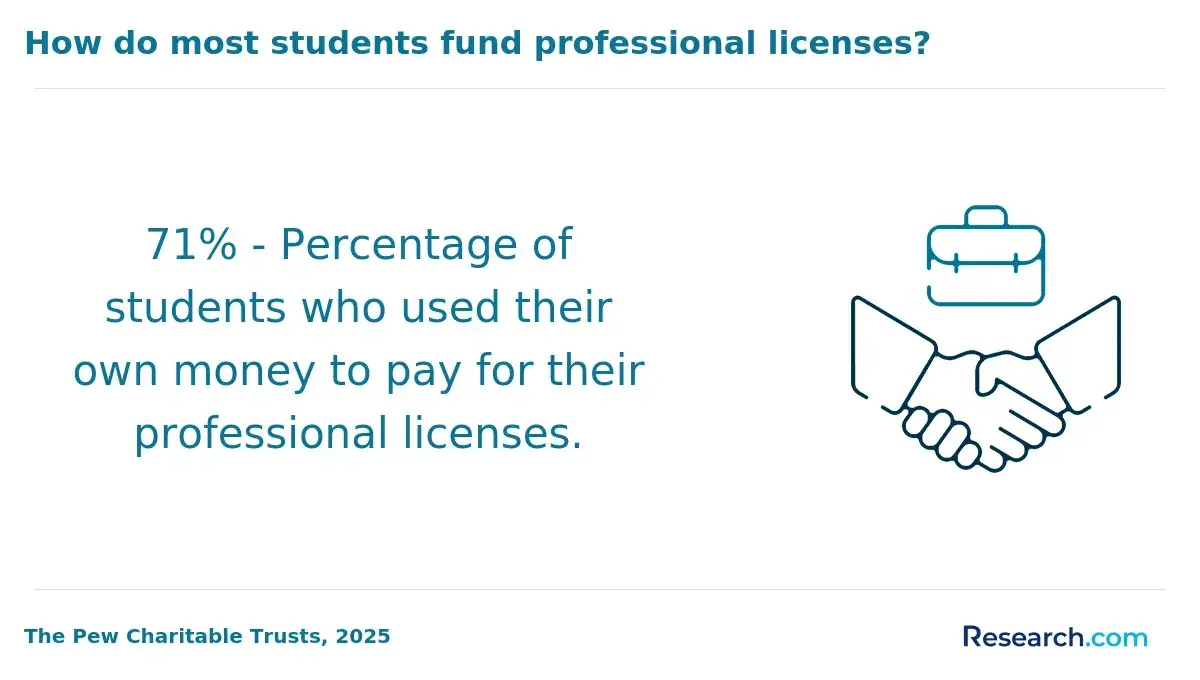
A degree and a professional license are separate qualifications. Nursing, counseling, and school leadership are especially sensitive to the state where you plan to work. An eligible program may provide required education, but examinations, supervised practice, certification, existing licenses, or experience can still be necessary.
Before enrolling, ask the program which license or endorsement its specific track is designed to support in your state. Confirm that answer with the relevant state board, including requirements for clinical hours or internships. Do not assume an online program meets your state's rules or that a general psychology degree leads to counselor or psychologist licensure.
How Do Online and Campus-Based Master's Programs Compare?
Online is a delivery format, not a promise of a flexible schedule. Asynchronous courses can reduce commuting, while scheduled online meetings may provide more live interaction. Campus programs may offer easier access to laboratories, peers, and local employers. Hybrid programs combine elements of both but may impose travel costs.
Check the calendar for synchronous classes, residencies, proctored activities, and required placements before committing. An online MSN or counseling degree, for example, may still require substantial in-person clinical work. If speed matters, compare accelerated online degree programs by the time required for the entire degree, not the length of each course; accelerated pacing can be difficult alongside full-time work.
What Do In-Demand Master's Programs Teach?
Most in-demand master's fields combine advanced coursework with applied work, but the balance varies. An MBA may use cases and team projects; data science may require statistics, coding, and a substantial analysis project; cybersecurity may emphasize labs; and an MSN or counseling degree may include supervised clinical practice. Electives or concentrations can make two programs with the same degree title quite different.
Read the curriculum from prerequisites through the final requirement. A thesis is useful for some research goals, while an applied capstone or internship may produce more directly relevant evidence for an employer. Neither is automatically better: its value depends on the work you intend to do afterward.
What Are the Admission Requirements for Master's Programs?
Master's admission normally requires a completed bachelor's degree, but programs set their own additional standards. Applicants may need prerequisite courses, a minimum GPA, recommendations, a statement of purpose, work experience, an interview, or a portfolio. GRE or GMAT policies vary by program; the absence of a test requirement does not mean admission is automatic.
Career changers should ask which foundation courses must be completed before or during enrollment and whether those courses count toward the degree. Searching for easy degrees is not a substitute for checking a specific master's program's prerequisites and academic demands. If your record has gaps, ask whether the program offers conditional admission and what conditions apply rather than assuming an institution-wide policy covers graduate applicants.
How Long Do Master's Degrees Take and What Do They Cost?
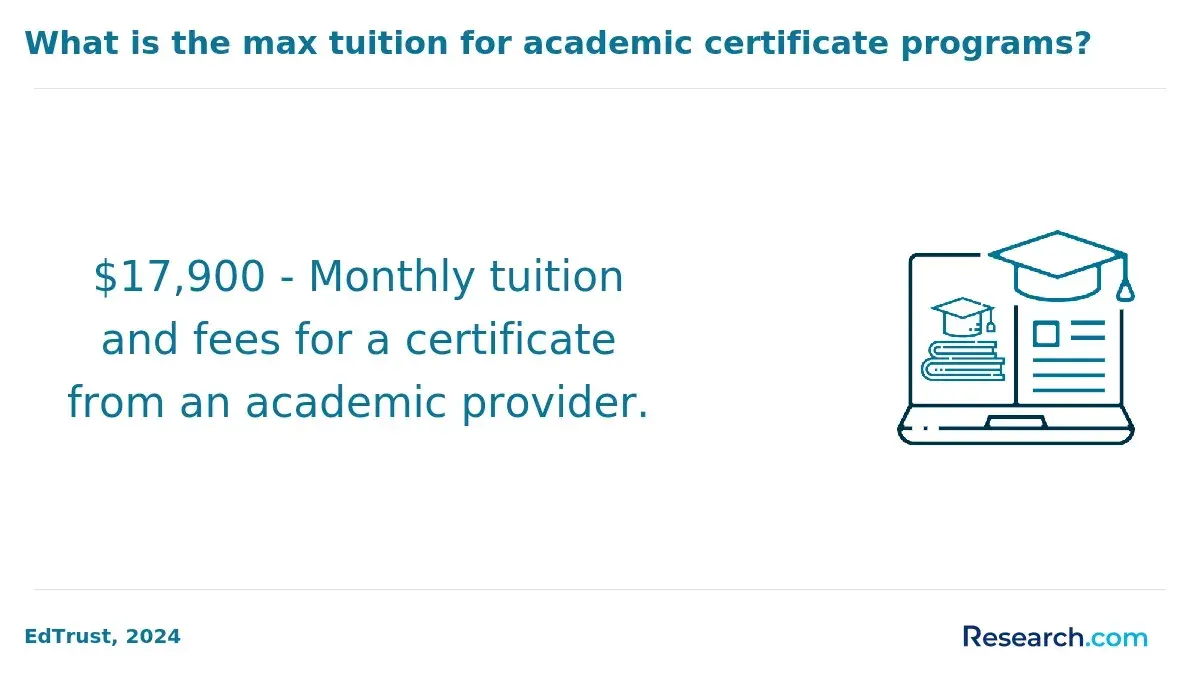
Completion time and cost depend on the whole program, not a standard master's-degree timetable. Required graduate credits, prerequisites, course sequencing, enrollment intensity, and thesis or clinical requirements can all change the finish date. A part-time student may pay less per term but study longer; an accelerated student may have less time for paid work.
Request a written estimate covering tuition for all required credits, mandatory and program fees, books or software, travel, and any clinical or residency expenses. Then ask about scholarships, assistantships, employer assistance, and federal-aid eligibility. If you have prior graduate coursework or a graduate certificate, request an evaluation of which credits apply to this degree; acceptance by the university does not mean every credit will satisfy a program requirement. Verify any combined bachelor's/master's pathway separately - ordinary undergraduate credits do not automatically become graduate transfer credits.
What Careers Can You Pursue After an In-Demand Master's Degree?
Career paths depend on both the degree and your preparation before entering it. An experienced nurse might pursue an MSN track aligned with advanced practice; a teacher might pursue educational leadership after confirming state requirements; an analyst might use an MS to build deeper statistical skills. An MBA or engineering management degree may help an established professional compete for broader responsibilities, but neither substitutes for a management track record.
For a realistic forecast, compare job postings for the role you want with postings one level below it. Note which specify a master's, which accept equivalent experience, and which require a license or certification. If entry-level experience is the real barrier, gaining that experience before paying for graduate school may be the stronger move.
How Can You Choose an Accredited Master's Program?
Start by confirming that the institution holds recognized institutional accreditation. Then check whether your field calls for programmatic accreditation or a particular state approval, especially if licensure is your goal. Verify the status of the specific program and track, not merely the university's general reputation.
Ask admissions for the current catalog, total-cost estimate, course schedule, placement responsibilities, graduate transfer policy, and documented career support. A vague answer about licensure eligibility or required in-person work is a reason to pause. Military-affiliated applicants comparing online military colleges should also verify graduate-level benefits and their chosen program's requirements directly; a school's general military-friendly designation does not establish either one.
Other Things You Should Know About
There is no universal winner. BLS projects strong growth for occupations including data scientist and information security analyst, but neither occupation requires a master's in every case. Match outlook to the role's actual hiring requirements.
Choose an MBA for broad business and management preparation; consider a specialized MS when the target role calls for deeper technical or field-specific skills. Existing experience affects the value of either choice.
Many offer online coursework, but clinical placements, internships, residencies, or scheduled sessions may still apply. Confirm every location and attendance requirement with the program.
Identify the job or license you want, check whether the degree is required or meaningfully useful, and compare total cost and lost work time with less expensive paths. Occupational median pay is not a prediction of your return.
References
- Employment Projections Home Page | bls.gov https://www.bls.gov/emp/
- Research Summary: Education and Lifetime Earnings | ssa.gov https://www.ssa.gov/policy/docs/research-summaries/education-earnings.html
- Annual Earnings by Educational Attainment - COE https://nces.ed.gov/programs/coe/indicator/cba/annual-earnings
- Do You Need A Master's Degree to Move Up in Your Field? | Tulane University School of Professional Advancement https://sopa.tulane.edu/blog/do-you-need-masters-degree-move-your-field
- The Benefits of a Master's Degree in Today's Job Market | Northeastern University Graduate Programs https://graduate.northeastern.edu/knowledge-hub/masters-degree-benefits/
- Which Jobs Require a Graduate Degree? | UCLA https://www.ucla.edu/academics/graduate-benefits/which-jobs-require-a-graduate-degree
- Career earnings by college major - The Hamilton Project https://www.hamiltonproject.org/data/career-earnings-by-college-major/
- Types of Graduate Degrees: Which Best Fits You? - Sallie https://www.sallie.com/graduate-school/degrees
- College Graduate Salaries: 2025 Projections | Bankrate https://www.bankrate.com/loans/student-loans/average-college-graduate-salary/
- Top 10 Most In-Demand Master's Degrees | accreditedschoolsonline.org https://www.accreditedschoolsonline.org/online-degrees/masters/in-demand/


