
2027 Best Career Pivot Options for People With a Software Engineering Degree

Co-Founder and Chief Data Scientist
Many individuals with a software engineering degree face uncertainty when seeking new career paths-skills acquired in coding and development don't always translate directly to traditional tech roles. Despite this, 68% of software engineering graduates successfully pivot into high-growth fields like data analysis, product management, and cybersecurity within two years of transition. Key challenges include identifying which competencies transfer effectively, finding accessible entry-level roles, acquiring relevant credentials, and strategically reframing resumes to highlight cross-domain skills. This article outlines practical steps-covering credential strategies, networking approaches, and long-term outcomes-to guide career pivots and empower readers to leverage their software engineering foundation for diverse, rewarding opportunities.
Key Things to Know About the Best Career Pivot Options for People With a Software Engineering Degree
- Software engineering graduates excel in analytical thinking and coding proficiency-skills easily transferred to roles like data analysis, product management, and cybersecurity, often accessible at junior levels.
- High-growth sectors such as artificial intelligence, cloud computing, and fintech offer scalable career paths-earning relevant certifications and participating in industry networks boost transition success.
- Reframing resumes to emphasize problem-solving and collaborative projects enhances employability-long-term outcomes favor professionals adapting through continuous learning and strategic networking.
What Career Pivot Options Are Available to People With a Software Engineering Degree?
Career pivoting is now a normalized, strategically viable move in the United States labor market-a shift driven by technological evolution, fluctuating industry needs, and personal value realignments. Data from the Bureau of Labor Statistics (BLS) shows that workers frequently transition between jobs and fields more than previous generations, making adaptability a prized professional asset. For graduates holding a Software Engineering degree, this credential signals not just technical skill but a versatile foundation prized across many sectors. This flexibility encourages a range of entry-level career pivots for Software Engineering graduates, allowing them to leverage broad problem-solving, programming, and systems design expertise beyond traditional coding roles.
Research by the National Association of Colleges and Employers (NACE) underscores that Software Engineering graduates possess key competencies-logical thinking, programming fluency, and system architecture knowledge-that transfer readily into diverse professional domains. LinkedIn Workforce Insights confirms this trend, showing that many degree holders successfully pivot into roles requiring mid-career upskilling or supplementary credentials. Those seeking certificates I can get online can often bridge into these roles faster and with greater impact.
- Data Science and Analytics: Graduates often pivot toward data-centric careers, where programming skills support statistical modeling and machine learning, fields that are expanding rapidly across industries.
- Product Management: This pivot blends technical knowledge with business strategy, ideal for those aiming to guide product development and user experience without full-time coding.
- Cybersecurity: With growing cyber threats, demand rises for professionals who understand software systems and can apply security principles, often after targeted retraining.
- Technical Consulting: This role taps communication abilities and technical expertise, serving clients with tailored technology solutions and diverse project experiences.
- Entrepreneurship and Startups: Many use their Software Engineering background to innovate, combining coding skills with leadership to launch new tech ventures.
Each of these career directions builds on Software Engineering competencies but also invites learning new skills and obtaining credentials that enhance marketability. This article approaches these pathways by exploring strategic resume reframing, credential acquisition, networking tactics, and long-term career outcomes-positioning a Software Engineering degree not as a narrow technical ticket but a springboard for varied, fulfilling professional trajectories.
Which Industries Outside the Traditional Software Engineering Field Hire Software Engineering Degree Holders?
Graduates with a software engineering degree often picture careers in traditional tech firms, yet several other industries actively recruit their skills in high volumes. Distinguishing between sectors where software engineering is a recognized credential pipeline and those requiring graduates to translate their skills strategically is key.
- Financial Services: Banks, hedge funds, and fintech startups frequently hire software engineering graduates as quantitative developers, algorithmic traders, and cybersecurity analysts. These roles rely heavily on programming and data processing, making the software engineering credential highly relevant. Pivoting here usually involves applying familiar technical skills to financial datasets and regulatory requirements.
- Healthcare and Biotechnology: Here, software engineers work as health informatics specialists, bioinformatics programmers, or medical device software developers. While some domain knowledge is necessary, core competencies in coding and data analysis remain vital. Employers value software engineering credentials but expect adaptability to healthcare regulations and privacy standards.
- Manufacturing and Industrial Automation: This sector hires software engineering graduates for embedded systems, control software, and IoT solutions in smart manufacturing, including firmware engineer and automation software developer roles. The degree is beneficial especially when combined with manufacturing process knowledge, though it is not always the sole credential considered.
- Energy and Utilities: Companies in renewable energy, oil and gas, and utilities seek software engineers for systems monitoring, optimization, and predictive maintenance. Typical roles include software developers for SCADA systems and data analysts working with sensor data. The degree forms a solid foundation but often needs pairing with sector-specific insight.
- Research and Development: Academic institutions, government labs, and private organizations employ software engineers for computational modeling, simulations, and data-heavy experimental tasks. The credential is widely respected, enabling graduates to maintain functional roles while engaging interdisciplinary fields.
- Media and Entertainment: Careers as tools developers, interactive media programmers, and game engine engineers attract software engineering graduates. Creativity pairs with technical skills here-often requiring emphasis on transferable competencies like algorithm design over formal credentials alone.
- Consulting and Professional Services: Consulting firms hire software engineers for client technology solutions such as cloud computing and enterprise software customization. Success depends on translating technical expertise into diverse business contexts, blending client management with technology delivery.
Pivoting to a new industry while staying in a familiar role-such as software development-usually demands less recredentialing than switching to significantly different functions like operations or communications. For those weighing career changes, conducting informational interviews with software engineering degree holders in adjacent industries offers invaluable insight. This process helps translate this overview into a focused list of target employers, tailored resumes, and networking strategies aligned with one's goals.
Prospective students and career changers exploring options beyond traditional tech roles can also consider complementary paths. For example, an online accelerated psychology degree may broaden understanding of user experience and human factors, further enhancing career flexibility. By leveraging these multiple competencies, software engineering graduates position themselves for high-growth sectors and fulfilling long-term outcomes in diverse industries.
What Transferable Skills Does a Software Engineering Degree Provide for Career Changers?
- Analytical Thinking: Software engineering cultivates skills in breaking down complex problems and logical reasoning. Graduates leverage these competencies in fields like business analysis, where understanding intricate workflows is crucial, and policy analysis, which demands interpreting regulatory frameworks for practical application.
- Project Management: Experience with software development cycles sharpens planning, prioritization, and resource coordination abilities. These translate well into product management and operations roles that require guiding projects and teams toward timely delivery.
- Technical Communication: Crafting clear documentation and conveying complex ideas fosters strong communication skills essential for technical writing and user experience consulting, where simplifying jargon for diverse audiences is vital.
- Collaboration and Teamwork: Group-based projects build capabilities in cooperative problem-solving, conflict resolution, and agile methodologies. Such interpersonal skills are valuable in consulting and human resources environments that depend on working across varied stakeholders.
- Quantitative Data Analysis: Knowledge of algorithms and data handling supports roles demanding data-driven decision-making, including market research and financial analysis, where identifying patterns directs strategic initiatives.
Adaptability and Continuous Learning: The dynamic nature of software engineering encourages ongoing skill development-preparing professionals for evolving sectors like healthcare technology and environmental innovation requiring swift adjustment to new tools and regulations.
To maximize these transferable skills, graduates should perform a thorough inventory of their academic projects, internships, and coursework, linking each to relevant competencies. For instance, a collaborative coding assignment might showcase teamwork and project management proficiencies, while a data structures task highlights analytical thinking. This mapping ensures candidates explicitly connect their experience to the demands of targeted roles-critical since hiring managers rarely infer these connections independently.
Communicating transferable skills effectively is itself an acquired talent. A professional who graduated with a software engineering degree recalled the challenge: "Early on, I underestimated how much I needed to reframe my technical background for new industries. It wasn't just about listing skills but telling a story that aligned my experiences with employer needs. I spent hours revising resumes and practicing interviews, learning to translate my education into language that resonated beyond coding." This realization marked a turning point in his career pivot, emphasizing the importance of strategic communication alongside technical expertise.
- Degree Evaluation: Employers in related fields often assess software engineering credentials by weighing the technical depth and problem-solving foundation the degree provides. Survey data from SHRM, NACE, and LinkedIn indicate that while the degree type signals relevant skills, hiring decisions frequently hinge on the university's reputation and the candidate's GPA-especially at larger firms with structured hiring processes. This underscores the importance of understanding how employers perceive a software engineering degree in adjacent industries.
- Credential Translation: When hiring managers outside software engineering evaluate credentials, they interpret the degree's value through the lens of their own industry. Graduates can improve this translation by tailoring their resumes to emphasize transferable competencies such as algorithmic thinking and project coordination. Selecting portfolio projects aligned with target sectors and crafting cover letters that explicitly link academic experiences to employer needs bridges the gap between disciplines, enhancing the likelihood of favorable screening outcomes.
- Implicit Bias: Some recruiters may instinctively favor traditional degrees for certain roles, discounting software engineering as less relevant. Addressing this requires proactive tactics-researching company culture, leveraging networking to build rapport, and showcasing applicable skills via certifications or practical work. Candidates should avoid relying solely on degree recognition during initial evaluations, as implicit bias can silently limit opportunities.
Employer Targeting: Early-career professionals pivoting their careers should focus on companies with established records of cross-disciplinary hiring. Using tools like LinkedIn alumni searches and corporate recruiting materials can reveal employers more receptive to diverse educational backgrounds. Gaining experience in these environments strengthens evidence of adaptability before expanding job searches. Exploring options such as the best online data science masters programs can also enhance career flexibility.
Career pivots for software engineering graduates often open doors across various functional areas-operations, communications, data, sales, product, and policy-offering roles that leverage technical expertise while developing broader business acumen. These entry points typically emphasize transferable skills gained during degree programs and internships, helping graduates avoid starting from scratch in unfamiliar sectors.
- Operations Analyst: Optimizes workflows and business processes by analyzing performance data.
- Tasks include process mapping, detecting inefficiencies, and contributing to automation initiatives.
- Requires strong analytical skills, familiarity with data analysis tools, and systems integration knowledge.
- Reports to operations managers or business analysts.
- Software engineering prepares graduates with problem-solving abilities, database experience, and scripting skills crucial for automation.
- Technical Sales Engineer: Bridges technical teams and clients by showcasing product features and offering tailored technical advice.
- Key duties involve product demos, addressing client questions, and customizing presentations.
- Needs excellent communication, technical understanding, and customer empathy.
- Often reports to sales managers or product leadership.
- Training provides software architecture and coding knowledge that builds credibility with engineers and customers alike.
- Data Analyst: Extracts insights from data to guide business decisions.
- Includes data cleaning, visualization, and insight generation.
- Requires programming (Python, SQL), statistical literacy, and visualization skills.
- Reports to data managers or BI leads.
- Software engineering education strengthens coding and logical thinking to ease transition into analytics.
- Product Coordinator: Supports product managers by tracking timelines and facilitating cross-team communication.
- Responsibilities cover documenting requirements, coordinating testing, and stakeholder updates.
- Involves project management basics and collaboration skills.
- Reports to product managers or project leads.
- Experience with development life cycles and version control enhances effectiveness.
- Policy Analyst (Tech Focus): Investigates tech-related policies and regulatory impacts within organizations or government.
- Conducts research, report writing, and stakeholder engagement.
- Needs critical thinking, research methods, and knowledge of regulatory frameworks.
- Typically reports to senior analysts or policy managers.
- Technical background informs nuanced evaluation of software policies.
Contrary to concerns about losing career momentum, data show that software engineering graduates usually advance faster-from entry to mid-level-compared to peers without technical credentials. Their analytical mindset, technological familiarity, and internship experience often reduce standard progression timelines from 5-7 years down to around 3-4 years. Employers recognize this blend of expertise and problem-solving skill, accelerating growth even in roles beyond core software engineering.
Choosing an entry-level pivot role intentionally requires matching existing strengths with potential salary growth, speed of advancement, and long-term career alignment. Roles like data analyst or operations analyst often deliver faster upward mobility and skill synergy, while policy analysis and product coordination may offer broader strategic exposure but demand supplementary learning. Prioritizing a role as a deliberate stepping stone-rather than a fallback option-enables purposeful career shifts.
When I discussed these options with a professional who launched her career post-software engineering degree, she reflected on her own transition. She recalled the uncertainty of shifting away from pure coding roles and the challenge of reframing her resume to emphasize transferable skills. Yet, she found that immersing herself in networking and targeted skill development opened surprising opportunities in product coordination-a role that allowed her to blend technical understanding with team leadership. "It wasn't just about starting over," she said; "it was about building on what I knew while learning new strengths that fit where I wanted to go." Her experience illustrated how strategic pivots can harness a software engineering foundation to unlock diverse professional paths.
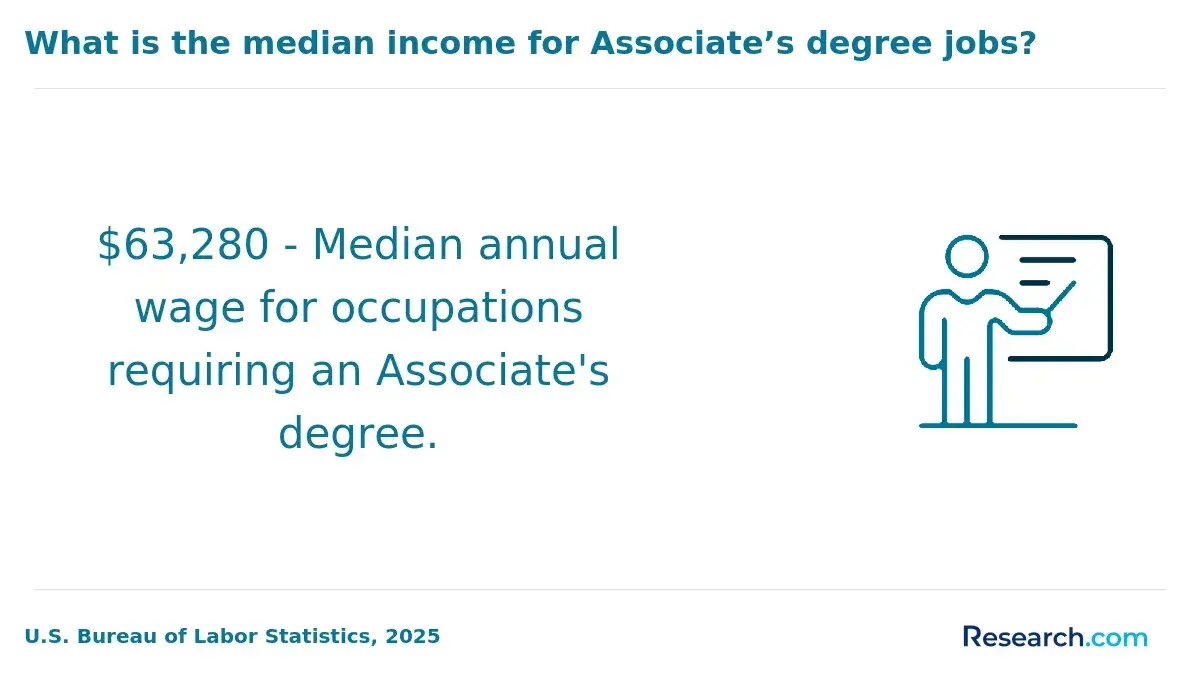
Graduates with a software engineering degree often find that pivoting into alternative career paths can lead to significantly higher compensation than standard software roles-especially as they progress beyond entry-level positions. Understanding the financial factors behind these differences is crucial for making informed career decisions.
- Financial Services: This domain typically offers early career salaries that surpass traditional software roles by 20-40%, with mid-career earnings growing even more substantially.
- Positions like quantitative analyst, algorithmic trader, or financial software developer gain from the sector's high profitability and focus on advanced analytics.
- Total rewards frequently incorporate sizable annual bonuses, profit-sharing arrangements, and strong retirement benefits, highlighting the industry's ability to financially recognize high performance.
- Management Consulting: Those moving into technology consulting or digital transformation advisory roles usually earn early career pay close to software engineering but with greater mid-career growth potential.
- Employers prize key skills such as adaptable problem-solving and technical insight cultivated through software engineering training.
- Compensation blends base salary, performance bonuses, and perks like professional development funds and flexible work options.
- Enterprise Technology Leadership: Transitioning into product management, technical program management, or solutions architecture roles within large tech firms often leads to significantly elevated pay.
- Leadership and strategic planning abilities augment the software background in these positions.
- Equity awards and profit-sharing frequently supplement base salary, pushing compensation above software engineering role averages.
- High-Growth Startups: Pivoting to senior roles such as head of engineering or technical co-founder after early engineering experience offers potentially high financial rewards.
- Equity shares can represent a major portion of total earnings-often exceeding base pay.
- Although financial volatility is higher, the potential upside can be substantial.
Careers in nonprofits, government, or other lower-margin industries generally provide lower total compensation due to tighter budgets and differing value priorities. Evaluating job offers should go beyond base salary alone-factors like bonuses, equity or profit sharing, retirement matching, health coverage, and remote work flexibility all contribute to the full package's value.
It is important to weigh the costs of entering high-paying pivot fields, including time, money, and effort spent earning additional certifications or developing new skills. For example, financial services roles often require specialized credentials and advanced quantitative abilities, while management consulting demands extensive networking and preparation for case interviews. Aligning compensation goals with the realistic investment needed ensures a sustainable and effective pivot strategy.
Multiple industry sectors show above-average employment growth, actively recruiting professionals with software engineering backgrounds due to rising digital transformation, automation, and data-driven decision-making. Recognizing why these sectors demand software engineering skills helps career pivoters identify tangible entry points that align with their expertise.
- Healthcare Technology: Accelerated by recent global health challenges, this sector requires secure, scalable software solutions for telemedicine and personalized medicine. Software engineers excel in health IT, medical device software, and managing interoperable health records, meeting demands for data analytics and application development.
- Financial Technology (FinTech): FinTech reshapes banking with blockchain, digital wallets, and automated trading platforms. Software engineers contribute by building secure systems, developing risk-assessment algorithms, and designing responsive user interfaces-all under tight regulatory frameworks.
- Renewable Energy and Clean Tech: Sustainability initiatives drive software needs in smart grids, energy management, and IoT monitoring. Engineers apply coding and systems design to integrate renewable sources and optimize energy data analytics, offering accessible career pivots for software professionals.
- Artificial Intelligence and Machine Learning: AI and ML rely heavily on software engineering fundamentals-algorithm design, data structures, and software lifecycle management-to develop models and automation tools. This sector values adaptable engineers capable of crossing traditional role boundaries.
- E-commerce and Digital Retail: Rapid growth here fuels demand for scalable back-end systems, cloud computing, and cybersecurity. Software engineers enhance platforms supporting personalized marketing, supply chain automation, and secure payment processes.
- Cybersecurity: Increasing cyber threats necessitate expertise in secure coding, vulnerability analysis, and threat modeling. Engineers contribute to building resilient applications and integrating security throughout development lifecycles.
- Autonomous Systems and Robotics: Progress in automation and robotics requires embedded system development, real-time processing, and control algorithms. Software lifecycle skills ensure reliability and safety in vehicles, drones, and industrial robots.
Targeting startup and scale-up firms within these sectors is advantageous-such companies frequently prioritize demonstrated software engineering capability and rapid learning over traditional credentials, creating a more accessible pathway for career changers. Incorporating sector-specific keywords into resumes and emphasizing relevant projects signals readiness to pivot.
Balancing the appeal of high-growth sectors with job stability and personal risk tolerance remains vital; emerging fields often bring volatility. Aligning sector selection with professional goals and financial requirements helps ensure a sustainable, rewarding transition.
Graduate certificates provide a focused alternative for software engineering degree holders aiming to shift careers efficiently. Unlike traditional graduate degrees that often span two or more years and require substantial financial investment, graduate certificates are shorter-usually completed within 6 to 12 months-and more affordable. The National Center for Education Statistics (NCES) highlights these credentials as streamlined pathways concentrating on specific skills relevant to high-demand industries. This approach aligns well with the graduate certificate benefits for software engineering degree holders seeking expedited career pivot success.
The career signal of graduate certificates-while generally less potent than full master's degrees-can still significantly enhance employability, according to findings from the American Council on Education. Their effectiveness depends heavily on rigorous program accreditation, employer recognition, and positive graduate outcomes. Credential inflation is a concern; one must carefully evaluate these factors before investing time and tuition.
Common certificate categories pursued by career-pivoting software engineering graduates include:
- Data Analytics: Leverages quantitative and programming skills with strong labor market demand and salary premiums, supported by a reported 15% annual rise in demand by the U.S. Bureau of Labor Statistics.
- Project Management: Builds leadership capabilities valued across tech and non-tech realms.
- User Experience (UX) Research: Integrates technical and design thinking for creative-technical transitions.
- Financial Analysis: Appeals to those targeting finance or fintech roles with potential higher compensation.
- Public Health and Nonprofit Management: Enables entry into mission-driven fields, often with more modest salary benefits.
Evaluating these programs involves a framework centered on:
- Accreditation: Assures educational rigor and employer credibility.
- Employer Recognition: Verified through hiring preferences and industry links.
- Alumni Outcomes: Success rates and salary data demonstrate return on investment.
- Cost-Benefit Analysis: Balances tuition and opportunity cost against projected career gains.
Timing the pursuit of a graduate certificate should complement the broader career pivot plan. Options include earning certificates before applying to clear credential gaps, while applying to show active skill building, or post-hire as ongoing professional development. This decision tree helps match credential acquisition strategies to individual pivot circumstances.
Software engineering graduates should also consider diverse educational options available-such as exploring real estate degree online programs-as part of a multifaceted career flexibility approach. This reflects the broad value graduate certificates add when thoughtfully selected and strategically timed.
Professional certifications serve as critical labor market signals-validating specific skills that extend beyond the foundational knowledge demonstrated by academic credentials. Unlike degree programs, which attest broadly to educational background, certifications show employers that candidates possess targeted expertise aligned with new roles outside traditional software engineering. This distinction is vital for those validating a career change with software engineering certifications, especially in fields where hands-on experience outweighs theoretical knowledge.
A certification's competitive advantage depends heavily on recognition within the pivot field. In domains such as project management or data analytics, certifications commonly hold more hiring weight than academic degrees alone. Before investing in any credential, identify which certifications carry value by scanning job postings, reviewing LinkedIn profiles of successful professionals, and conducting informational interviews to confirm industry demand.
- Project Management Professional (PMP): Requires 35 hours of project management education plus relevant work experience; preparation takes 3-6 months; exam fees near $555 for non-members. Valued across industries seeking project managers.
- Certified Analytics Professional (CAP): Combines education and professional experience; entails a 3-4 month exam preparation; costs about $695. Recognized in data science and analytics roles.
- SHRM-CP (Society for Human Resource Management Certified Professional): Focuses on HR roles; requires professional HR experience; fees range $300-$400; preparation varies. Useful for software engineers pivoting to HR management.
- Salesforce Administrator: No formal experience required; study takes 1-3 months; exam fee around $200. In demand for CRM-related positions.
- Certified ScrumMaster (CSM): Requires two-day training plus passing an exam; course costs range $500-$1,000. Trusted in agile project management.
Sequencing certification pursuit wisely within the pivot plan is essential. Starting preparation early and indicating in-progress certifications on resumes or during interviews signals ongoing professional development-strengthening candidacy before formal certification is awarded. For those evaluating educational investments alongside shorter credential courses, consider also exploring the most valuable masters degrees to supplement or complement software engineering credentials.
Freelance, contract, and project-based work provide an effective route for software engineering degree holders aiming to enter new industries by leveraging technical expertise while acquiring relevant domain knowledge. The gig economy continues to expand-Upwork recently reported a 22% increase in new freelancer signups year-over-year-reflecting a thriving market for flexible projects that accelerate career pivots.
- Accessible Roles: Early-stage career changers can pursue freelance opportunities in content creation, research support, data entry and analysis, virtual assistance, communications consulting, and project coordination. These roles help software engineering graduates develop tangible deliverables and demonstrate skills such as analytical thinking, problem-solving, and clear technical communication.
- Portfolio Development: Completing freelance projects yields concrete outputs like reports, presentations, datasets, or written content, which serve as evidence of transferable competencies. These artifacts enhance resumes and help convince employers of candidates' readiness for full-time roles in different fields.
- Professional Endorsements: Contract engagements often lead to client testimonials and recommendations, which support a strong professional reputation-an important advantage when applying for new career paths.
- Credential Differentiation: Highlighting a software engineering degree signals system-level thinking, coding expertise, and project management capabilities, setting candidates apart in freelance marketplaces and signaling added value beyond domain-specific experience.
- Practical Setup: Starting on established platforms such as Upwork or Fiverr grants access to vetted clients and project options. New freelancers should price competitively to accumulate positive reviews before incrementally raising rates.
- Financial Considerations: Freelancing requires sufficient financial reserves and risk tolerance due to income fluctuations and absent traditional benefits. It may be less suitable for pivots targeting regulated sectors like government or healthcare, which have limited freelance opportunities.
For those with adequate runway, transforming freelance contracts into portfolio assets-combined with strategic credential positioning-can significantly shorten the time to credibility and transition into full-time roles within desired industries.
Networking plays a crucial role for software engineering graduates transitioning to new industries-especially since they often start without embedded connections in their target sectors. Studies from Harvard Business Review, MIT Sloan Management Review, and labor market sociology emphasize how weak ties and referral hiring increase access to hidden job opportunities. Intentional networking requires precise, actionable steps rather than vague advice.
- Alumni Network Activation: Locate software engineering alumni who have pivoted successfully. Contact them with concise messages that highlight shared educational roots and seek their insights or guidance on entering your desired field.
- Professional Association Entry: Join relevant industry groups to attend events and webinars. Approach these with prepared questions and follow up to nurture authentic relationships.
- Informational Interview Campaigns: Create a list of potential contacts and request brief interviews using clear, respectful language-for example, "I admire your career path in [field] and would value 15 minutes to learn from your experience."
- LinkedIn Strategic Connection-Building: Send personalized connection requests referencing mutual interests or experiences. Share targeted content to stay visible while engaging genuinely without overselling yourself.
- Community of Practice Engagement: Engage in specialized forums or groups relevant to your pivot. Contribute thoughtful input to build credibility and increase recognition.
Common networking challenges - such as imposter syndrome, fear of rejection, or discomfort with self-promotion - can be eased with simple, genuine conversational frameworks. Introduce yourself by emphasizing skills, express learning curiosity, and focus on relationship-building rather than immediate job seeking. Establish a routine-setting aside weekly time for outreach and tracking progress-to make networking a sustainable habit. Data indicates that 85% of jobs fill through networking, highlighting these strategies' importance in career pivots.
What Graduates Say About the Best Career Pivot Options for People With a Software Engineering Degree
- Pedro: "Graduating with a software engineering degree opened doors I hadn't even considered before. One of my biggest revelations was how transferable competencies-like problem-solving and coding logic-make pivoting into data science much more accessible. I also found that targeting high-growth sectors such as AI and cloud computing amplifies your long-term career outcomes if you pair it with the right certifications. It's a journey, but the credential strategies I adopted eventually paid off handsomely."
- Marvin: "Reflecting on my path from software engineering, I realized that accessible entry-level roles such as QA analyst or developer support positions are fantastic stepping stones to more specialized fields. Reframing your resume to emphasize adaptability and teamwork rather than just technical skills also helps recruiters see your broader potential. Networking consistently-even in informal online communities-can dramatically widen your opportunities in emerging tech sectors. These insights changed how I approached my career pivot."
- Bennett: "Approaching my software engineering degree with a professional lens, I focused early on leveraging both technical skills and interpersonal prowess. Long-term career outcomes are greatly influenced by not only your skills but how well you cultivate relationships-networking is crucial. Additionally, prioritizing roles in cybersecurity or fintech-both high-growth sectors-maximizes job security, while obtaining relevant credentials ensures that your expertise remains current and competitive. This structured approach has truly shaped my career trajectory."
Other Things You Should Know About Software Engineering Degrees
Software engineering graduates should emphasize transferable skills such as problem-solving, coding proficiency, and project management rather than solely highlighting specific technologies. Tailoring the resume to focus on relevant achievements, quantifiable impacts, and cross-functional collaboration can make candidates more attractive to employers in diverse industries. Including portfolio projects or contributions to open-source software can also demonstrate versatility and practical experience.
Acquiring certifications like Certified ScrumMaster (CSM) or AWS Certified Solutions Architect can be beneficial for software engineers pivoting careers. These credentials enhance skills in project management and cloud computing, aligning with tech industry demands and facilitating a smoother transition to new roles.
Graduate programs offer structured learning to acquire domain-specific knowledge beyond software engineering, which helps legitimize career pivots. Fields such as data science, business analytics, or cybersecurity provide credentials recognized by employers and access to professional networks. Completing graduate studies can bridge skill gaps efficiently and enhance employment prospects in new sectors.
Graduates leverage their technical background to enter roles like product management, technical sales, or user experience design by combining their software knowledge with domain-specific skills. Building expertise through certifications, workshops, or on-the-job experience in adjacent areas is essential. Networking within technology communities also facilitates access to these hybrid opportunities where engineering insights are highly valued.
- 5 best entry level tech jobs in 2024 https://www.airswift.com/blog/entry-level-tech-jobs
- What Industries Hire Software Engineers The Most? - Proxify https://proxify.io/knowledge-base/hiring-strategies/what-industries-hire-software-engineers-the-most
- Going Freelance as a Software Engineer — Some Advice | by Alex Suzuki | Classy Code Blog https://blog.classycode.com/going-freelance-as-a-software-engineer-some-advice-13c4064c72ce
- 10 tips to succeed at becoming a freelance software engineer | Free-Work https://www.free-work.com/en-gb/tech-it/blog/it-skills/how-to-become-a-freelance-software-engineer-10-tips-to-succeed
- The Role of Certifications in Advancing an Engineering Career | First Achieve https://www.firstachieve.com/blogs/the-role-of-certifications-in-advancing-an-engineering-career/
- 25 Alternative Career Options for Software Engineers https://productschool.com/blog/career-development/alternative-career-options-software-engineers
- Best Jobs for a Career Change | How to Switch to a Tech Job https://www.computerscience.org/resources/tech-jobs-for-career-switchers/
- Software engineering: work for someone or become a freelance contractor? | Galvanize https://www.galvanize.com/blog/software-engineering-work-for-someone-or-become-a-freelance-contractor/
- Leverage as a Software Engineer https://www.haardik.dev/writings/leverage-as-a-software-engineer
- Mastering the Art of Networking: Strategies for Tech and Engineering Professionals - 180 Engineering https://180engineering.com/mastering-the-art-of-networking-strategies-for-tech-and-engineering-professionals/


