2027 Which Software Engineering Degree Careers Offer the Best Long-Term Salary Growth?

Co-Founder and Chief Data Scientist
Choosing a career path in software engineering involves more than just starting salaries. Many entry-level roles offer competitive pay, but long-term salary growth depends on factors like skill specialization, leadership opportunities, and industry demand.
According to the U. S. Bureau of Labor Statistics, employment in software development is projected to grow 25% through 2031, outpacing many other occupations. This growth fuels upward salary mobility for professionals who advance into senior, architectural, or managerial positions. This article examines which software engineering degree careers provide the strongest long-term salary growth and the reasons behind their sustained financial advantage.
Key Benefits of Software Engineering Degree Careers That Offer Long-Term Salary Growth
- Software engineering careers typically see salary increases averaging 6% annually as professionals gain experience and master advanced technical skills.
- Continuous skill development, including expertise in emerging technologies, directly correlates with sustained salary growth over a 10- to 20-year span.
- Long-term growth opportunities such as leadership roles and specialized fields support financial stability and progression beyond initial salary benchmarks.
Which Software Engineering Careers Have the Highest Long-Term Salary Growth?
Certain software engineering careers demonstrate stronger long-term salary progression than others, reflecting their growing importance in the tech industry. Research shows that software developers typically experience nearly double the national average salary growth rates over a decade, highlighting substantial earning potential within specialized fields.
Below are three software engineering careers known for the strongest salary growth over time:
- Cloud Engineer: As businesses continue adopting cloud infrastructure, cloud engineers see notable salary increases tied to managing complex, scalable systems. Their expertise in cloud technologies becomes increasingly valuable, driving steady long-term compensation growth.
- Security Engineer: The escalating need for robust cybersecurity fuels sustained salary growth for security engineers. Their critical role in protecting digital assets ensures their skills remain in high demand, supporting consistent earning progression.
- AI/Machine Learning Engineer: Rapid advances in artificial intelligence create strong long-term salary prospects for AI and machine learning engineers. Growing demand for AI-driven solutions fuels ongoing increases in compensation for professionals in this field.
For students exploring software engineering careers, considering roles with robust long-term salary progression is key. Programs offering certificate programs that pay well can further enhance earning potential along these career paths.
How Does Salary Growth Progress Over Time in Software Engineering Careers?
Salary growth in software engineering careers generally advances steadily over time, reflecting cumulative experience and increasing responsibilities. While progression speed varies by individual, the overall trend shows incremental raises rather than sudden leaps.
Research shows annual wage growth in software engineering can range from 5% to 8% during the prime years of a career, often leading to a doubling or more of initial salaries over 10 to 20 years. This consistent increase demonstrates how compensation evolves alongside developing professional stature.
Typical salary progression unfolds in stages across a software engineering career. Early periods tend to feature frequent but smaller raises, laying a foundation of skills and experience. Mid-career, pay increases usually become larger though less frequent, coinciding with expanded responsibilities and recognized expertise.
In later phases, earnings growth slows somewhat but remains steady, often associated with leadership or specialized technical roles, maintaining positive upward momentum throughout a career lifespan.
Which Entry-Level Software Engineering Jobs Lead to High-Paying Careers?
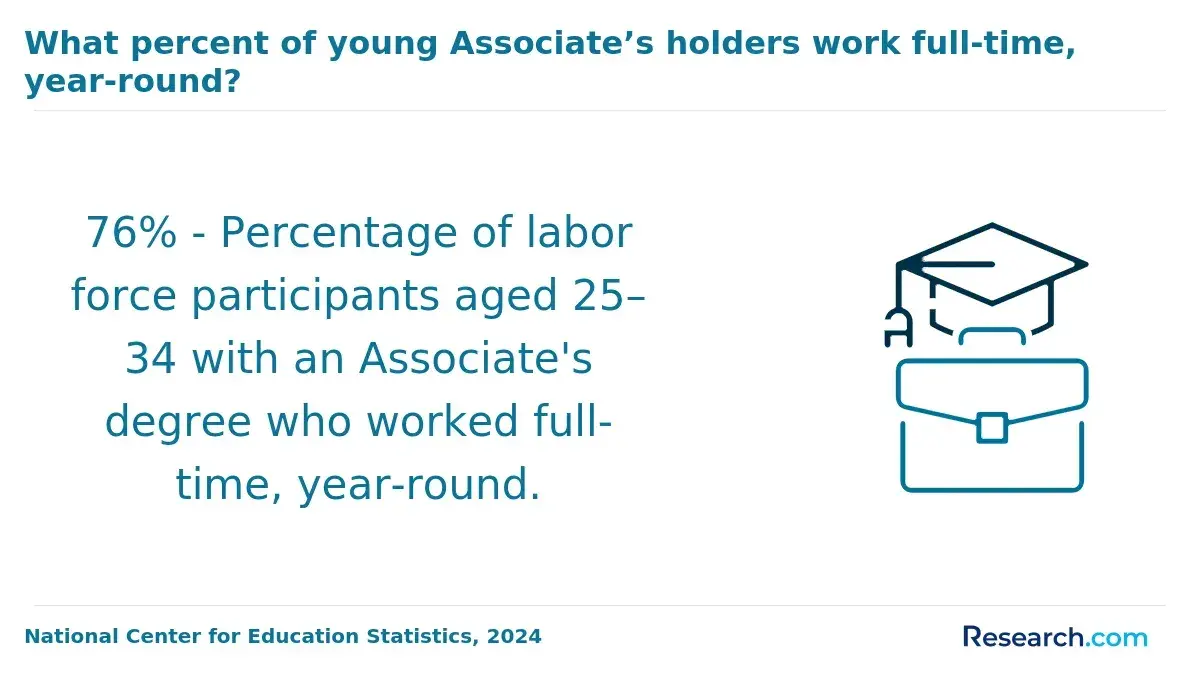
Entry-level software engineering positions often set the stage for robust salary progression as professionals gain experience and assume greater responsibilities. These roles typically offer starting salaries that range between $65,000 and $90,000 annually in the United States, reflecting both market demand and growth possibilities.
Below are several entry-level roles notable for their long-term earning potential:
- Junior Software Developer: Involving core coding tasks such as writing and testing software, this position serves as a gateway into higher-paying development and leadership roles over time.
- Software Quality Assurance Engineer: Focused on verifying software functionality and reliability, this role provides deep insights into product quality that can lead to lucrative advanced positions within testing and automation.
- Entry-Level DevOps Engineer: By bridging development and operations to streamline deployments, professionals in this role often see increasing compensation as their expertise becomes vital to efficient workflows.
- Junior Front-End Developer: Concentrating on user interfaces and interactivity, this job can quickly evolve into specialized, well-paid roles in user experience design or full-stack development.
A new software engineering graduate shared that navigating early career choices felt overwhelming given the variety of roles available. He emphasized how crucial it was to work through intense debugging sessions and collaborative projects, which "really sharpened problem-solving skills."
He described initially feeling uncertain about which direction would lead to higher pay, but gradually recognized that gaining diverse experience early on was key to unlocking better opportunities. "The challenge was balancing learning with productivity," he noted, "but that pressure helped me grow faster than I expected."
Industries vary widely in their compensation trends, with some sectors offering markedly stronger long-term salary growth for software engineering graduates due to expansive market demands and comprehensive pay structures. For example, software developers in finance and insurance tend to earn about 20% more than the average across other fields, reflecting lucrative sector-specific rewards.
These differences highlight the importance of targeting the best salary growth sectors for software engineering graduates.
Here are some of the leading industries known for notable salary progression:
- Technology: This sector consistently leads with innovation-driven pay scales, where rapid advancements in cloud computing and artificial intelligence fuel steady increases in compensation.
- Financial Services: With significant bonuses and performance incentives, firms in banking, investment, and fintech elevate earnings beyond base salaries, rewarding key contributions.
- Healthcare Technology: Expanding digital health initiatives and regulatory complexities drive demand, boosting salary growth as companies compete for adaptable software engineers.
- Government and Defense: Structured salary increments aligned with tenure and project complexity offer stable long-term earning potential in these high-responsibility areas.
Exploring the best salary growth sectors for software engineering graduates offers valuable insight for those seeking careers with strong future earning prospects. For related educational options, consider exploring a 2-year psychology degree online as a complementary field.
Long-term salary growth in software engineering depends on a variety of broad career and workplace factors that shape earning trajectories over time. These influences go beyond initial job levels or specific technical skills, affecting how compensation evolves as professionals advance in their roles. Several key elements contribute to this progression.
Here are some important factors that impact salary development in software engineering careers:
- Experience Accumulation: Increasing years in the field often enhance an engineer's effectiveness, problem-solving skills, and leadership capabilities. This ongoing development usually aligns with incremental pay raises as their value to organizations rises.
- Role Complexity: Handling more demanding projects or leadership roles typically leads to higher compensation. Greater responsibility signals expertise and trust, which employers reward financially over time.
- Market Demand: The supply and demand balance for specific skills and expertise in different regions or sectors affects salary growth. Engineers in highly sought-after areas frequently benefit from stronger earning potential as companies compete for talent.
- Organizational Structure: Larger companies with formal salary bands and defined career paths often provide clearer and more substantial long-term pay increases compared to smaller firms.
- Performance Impact: Consistently delivering valuable results and innovations can accelerate salary advancements, reflecting recognition of an engineer's critical contributions.
A professional with a Software Engineering degree shared how her salary growth was shaped more by the challenges she undertook than by titles or standard pay scales. Early on, she found that volunteering for complex projects, even without guaranteed compensation changes, helped build her expertise and visibility within the company.
Over time, this led to management acknowledging her contributions in raises and promotions. She remarked, "It was stressful taking on more responsibility without immediate reward, but proving impact was crucial." Her experience highlights how perseverance and demonstrated value can influence long-term earnings beyond formal structures or skill lists.
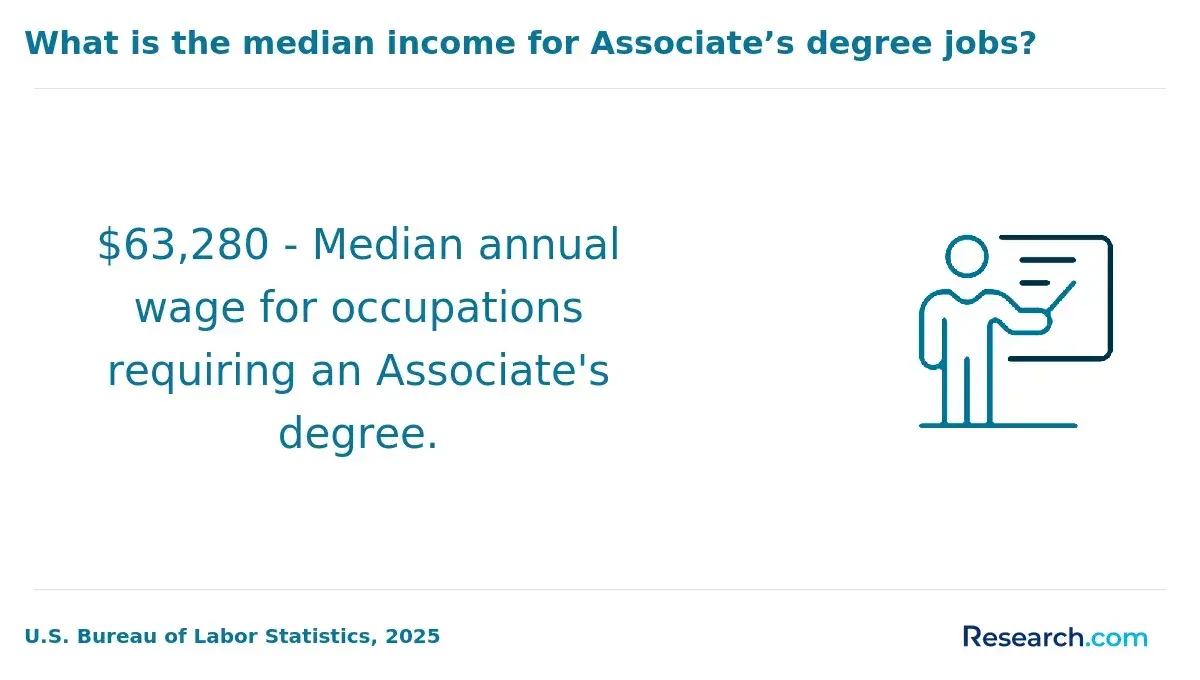
Specializing in key areas within software engineering can significantly boost long-term earnings by aligning skills with high-demand industry needs. Professionals with expertise in advanced fields often see career salary increases 20% to 40% higher than those with more general backgrounds.
This gap highlights the value employers place on specialized knowledge in transforming business operations.
Several factors illustrate how skills and specializations contribute to salary growth over time:
- Technical Depth: Mastery in complex fields such as cloud computing or cybersecurity makes an individual more valuable, often leading to sustained salary advancement as expertise becomes harder to replace.
- Problem-Solving Ability: Applying specialized knowledge to design solutions for challenging technical issues enhances an engineer's impact, which employers reward through compensation increases.
- Adaptability to Innovation: Staying current with emerging tools and frameworks allows professionals to lead cutting-edge projects, driving higher salary trajectories.
- System Architecture Experience: Skills in building scalable, robust systems contribute to long-term growth by enabling engineers to take on broader, more strategic roles within organizations.
Ultimately, continuous skill development and focused specialization help software engineering professionals advance faster in income, reflecting the increasing complexity and strategic importance of their work.
Advanced degrees and professional certifications often lead to higher long-term earnings in software engineering careers by opening doors to expanded responsibilities and specialized roles. Individuals with a master's or PhD in software engineering or related fields typically earn about 20-30% more over the course of their careers compared to those holding only a bachelor's degree.
This wage premium reflects the value employers place on deeper technical expertise and leadership capabilities that advanced qualifications demonstrate. Similarly, certifications in emerging areas such as cloud computing or cybersecurity signal current industry competencies that can drive higher compensation.
The influence of advanced education on salary differs by career specialization and sector within software engineering. In highly specialized fields like artificial intelligence or computer vision, holding a graduate degree significantly impacts salary growth and advancement opportunities.
Conversely, in more general development roles, practical experience and certifications may carry equal or greater weight in determining long-term earnings. Continuous learning through certifications also offers a dynamic path to increasing income without the extended time commitment of advanced degrees, particularly in fast-evolving technology domains.
Job stability significantly influences long-term salary growth within software engineering careers by enabling consistent employment that fosters valuable experience and trust from employers. Individuals who remain with the same company or field tend to receive ongoing raises and bonuses, resulting in steady income progression.
Industry data shows software professionals with job tenure exceeding five years can enjoy about a 20% higher salary growth rate compared to those frequently changing positions. This stable employment foundation supports stronger long-term earning potential with stable software engineering careers.
Continuous employment allows for the accumulation of skills and institutional knowledge, often rewarded through annual reviews, promotions, and incremental pay increases over time. This pattern shapes smoother salary progression, as job stability correlates with more predictable and compounding financial rewards across a career. In contrast, frequent transitions may disrupt income growth due to adjustment periods or weaker negotiating positions.
For students and professionals exploring career paths, recognizing these dynamics can be crucial, much like the strategic advantages one might gain from pursuing an online accounting degree in related fields.
After 10 or more years in software engineering, many professionals reach peak earning potential, combining technical mastery with leadership roles. According to the U.S. Bureau of Labor Statistics, median salaries for experienced software developers and engineers often surpass $140,000 annually, with higher earners exceeding $180,000.
Long-term salary growth in software engineering roles reflects a sustained impact on their organizations and fields.
Here are some notable high-paying career paths commonly pursued after a decade of experience:
- Principal Software Engineer: These professionals lead complex system designs and set technical standards across projects, often influencing entire product lines with their deep expertise and problem-solving skills.
- Software Architect: Architects focus on the overarching design and integration of software systems, ensuring scalability and robustness while guiding teams through strategic technical decisions.
- Engineering Manager: Combining technical and leadership skills, engineering managers oversee software development teams, balancing project execution with aligning development goals to broader business strategies.
- Senior Technical Director: These senior leaders shape company-wide technology roadmaps, manage multiple teams or departments, and drive innovation with significant influence over product and business directions.
- Specialized Roles: Expertise in fields such as machine learning engineering, cybersecurity leadership, and product management within technology companies also offers strong, long-term salary growth and industry demand.
Many professionals interested in advancing their technical careers may also explore online real estate classes as a path for diversification or investment, which can complement their financial growth alongside software engineering careers.
Choosing a software engineering career path with strong salary growth requires looking beyond starting salaries to long-term earning potential. Data shows median wages for software developers can differ by over 40% depending on specialty and industry, emphasizing the value of planning for sustained financial advancement.
This understanding is crucial for students focusing on long-term salary progression in software engineering jobs.
Several key factors influence how to assess career paths with strong earning prospects:
- Industry Demand Trends: Rapidly evolving sectors like cloud computing and cybersecurity tend to offer greater opportunities for salary increases as market needs expand and innovate.
- Role Progression Patterns: Careers that define clear advancement routes or promote skill specialization often translate into consistent pay raises over time.
- Market Stability: Choosing sectors with ongoing investments in technology ensures more reliable growth in compensation as businesses continue to prioritize software solutions.
- Emerging Technologies: Engagement in fields involving artificial intelligence or blockchain can position engineers for future roles with higher salaries due to increasing industry adoption.
When weighing these elements, software engineers can make more informed decisions aligned with long-term financial goals rather than short-term entry pay. For those considering further education to strengthen their career path, exploring an online clinical psychology masters can also enhance workplace skills and versatility.
What Graduates Say About Software Engineering Degree Careers That Offer Long-Term Salary Growth
- Pedro: "Choosing a software engineering degree was a game changer for me because it not only opened doors to diverse tech roles but also ensured steady long-term salary growth. The ROI was clear early on, as the skills I gained translated directly into lucrative job offers and rapid career progression. I truly believe investing in this degree gave me a competitive advantage that pays off well beyond graduation."
- Marvin: "Reflecting on my journey, the impact of earning a software engineering degree has been profound both professionally and financially. This field continually evolves, demanding a solid foundation that I got from my education, and that foundation has afforded me consistent salary increases over time. It's not just about the immediate job; it's about positioning yourself for growth in a thriving industry."
- Bennett: "From a more professional standpoint, the software engineering degree offers impressive long-term salary potential, but it's essential to stay adaptable and continuously update your skills. The initial investment paid off because the degree sharpened my problem-solving and coding expertise, allowing me to tackle complex projects that employers highly value. My advice: focus on learning deeply, and the financial rewards will follow."
Other Things You Should Know About Software Engineering Degrees
Geographic location significantly impacts salary trajectories in software engineering careers. Regions with a higher cost of living and concentrated tech industries, such as Silicon Valley, Seattle, and New York, tend to offer greater initial compensation and more opportunities for raises. However, salary growth can also be influenced by remote work trends and localized demand for specialized skills.
Switching roles within software engineering is common and can either enhance or stall long-term salary growth depending on the roles chosen. Transitioning to in-demand specializations or roles with leadership responsibilities typically improves earning prospects. Conversely, frequent lateral moves without skill development may slow salary progression.
Continuous learning is critical to maintaining and increasing salary over time in software engineering. Staying updated with evolving technologies and industry trends allows professionals to qualify for advanced roles and projects that command higher pay. Employers value engineers who proactively expand their expertise.
A master’s degree in computer science, software engineering, or artificial intelligence can support higher long-term earnings, especially for senior and specialized roles. Many employers value 30 to 36 graduate credits, and some research or machine-learning positions prefer a thesis-based program from an accredited institution.
- Factors Affecting Your Salary as a Software Engineer: Insights and Strategies - VeriiPro Blog https://veriipro.com/blog/factors-affecting-your-salary-as-a-software-engineer-insights-and-strategies/
- Highest Paying Software Engineer Jobs in 2026 https://rockstardeveloperuniversity.com/highest-paying-software-engineer-jobs/
- How Much Software Engineers Make in 2026? https://www.flexhire.com/blog/yana/how-much-software-engineers-make
- Advice From a Software Engineer With 8 Years of Experience https://betterprogramming.pub/advices-from-a-software-engineer-with-8-years-of-experience-8df5111d4d55
- 10 Highest Paying Software Engineering Jobs & Salaries (2025) | Nexford University https://www.nexford.edu/insights/highest-paying-software-engineering-jobs
- Top 15 Highest Paying Software Engineer Jobs (2026) https://www.igmguru.com/blog/highest-paying-software-engineer-jobs
- Importance of Software Engineering: Top 7 Benefits | University of Strathclyde ISC https://isc.strath.ac.uk/blog/importance-of-software-engineering
- Compensation Trends in Software Engineering | Selby Jennings https://www.selbyjennings.com/en-us/industry-insights/hiring-advice/compensation-trends-in-the-software-engineering-industry
- The Software Engineer Career Path â and the Skills You Need - tripleten.com/blog https://tripleten.com/blog/posts/software-engineer-career-path
- Top 10 highest paid software engineering jobs & salaries https://netnexus.co.uk/top-10-highest-paid-software-engineering-jobs-salaries/