
2027 Bedside RN to Clinical Implementation Specialist: Transferable Skills, Experience Gaps, and Education Options
Audited and Verified:
Our Editorial and Data Verification Process
Research.com uses government datasets, official education statistics and primary institutional information to support its career and degree guides. Our review process checks factual accuracy, occupational definitions, source dates and the requirements associated with the credentials discussed.
How This Article Was Fact-Checked
Our editorial team verifies salary estimates, employment projections, education requirements and program information against original data providers and official organizations. Salary figures are checked against the relevant occupational definitions and reporting periods. Information about licensure, accreditation and required in-person training is reviewed separately.
Fact-checked and verified on:

Co-Founder and Chief Data Scientist
Bedside RNs often know exactly where a new clinical system helps - or disrupts - patient care. Turning that insight into a clinical implementation career takes more than EHR familiarity: employers need people who can test workflows, train users, manage change, and support a safe rollout.
This guide is for experienced RNs considering that transition. It explains what the job involves, how to demonstrate relevant experience, and when a project, certificate, or degree is worth the investment.
Key Things You Should Know
- An additional degree is not universally required: RN experience plus documented implementation work may be enough for some employer roles; other positions prefer a BSN, informatics training, or project experience.
- The largest gap is usually project delivery, not clinical knowledge: seek evidence of workflow testing, training, issue tracking, and go-live support before paying for another degree.
- There is no single national salary figure for this job title: compare offers by duties, location, travel, on-call expectations, and whether the position is with a health system or vendor.
What does a clinical implementation specialist do after working as a bedside RN?
A clinical implementation specialist helps an organization introduce or change technology, equipment, or care workflows. For an RN, the work might involve an EHR module, medication-administration process, remote-monitoring product, or clinical documentation tool. The specialist translates clinical needs into usable workflows and helps staff adopt them without losing sight of patient safety.
Depending on the employer, the job can include interviewing clinicians, mapping existing workflows, reviewing system configuration with technical teams, testing realistic scenarios, preparing training, supporting a go-live, and tracking problems afterward. The specialist may recommend a change, but clinical leadership, IT, vendors, and the organization retain their respective approval and safety responsibilities.
This is an operational role, not a substitute for advanced practice or a doctoral nursing project. RNs comparing doctoral nursing projects and practice hours should decide separately whether those academic requirements serve their goals; they are not a standard prerequisite for implementing a clinical system.
Which bedside RN skills transfer to clinical implementation specialist jobs?
Bedside experience is most valuable when an RN can explain how a proposed change affects real work. An RN who understands handoffs, medication safety, documentation, escalation, and competing demands can identify problems that look minor on a screen but matter during a busy shift.
Transferable strengths include teaching patients and colleagues, communicating across disciplines, prioritizing safety risks, and noticing where a workflow fails under pressure. For applications and interviews, replace broad claims such as "strong EHR skills" with specific, authorized examples: a training session delivered, a workflow concern escalated, or a process change evaluated. Describe your contribution accurately; being an end user is not the same as leading an implementation.
Clinical expertise also has limits. A nurse pursuing postgraduate FNP certificates organized by duration is preparing for a different, regulated practice role. Implementation hiring generally centers on clinical workflow and project competence rather than a new patient-care population focus.
What education is required to become a clinical implementation specialist?
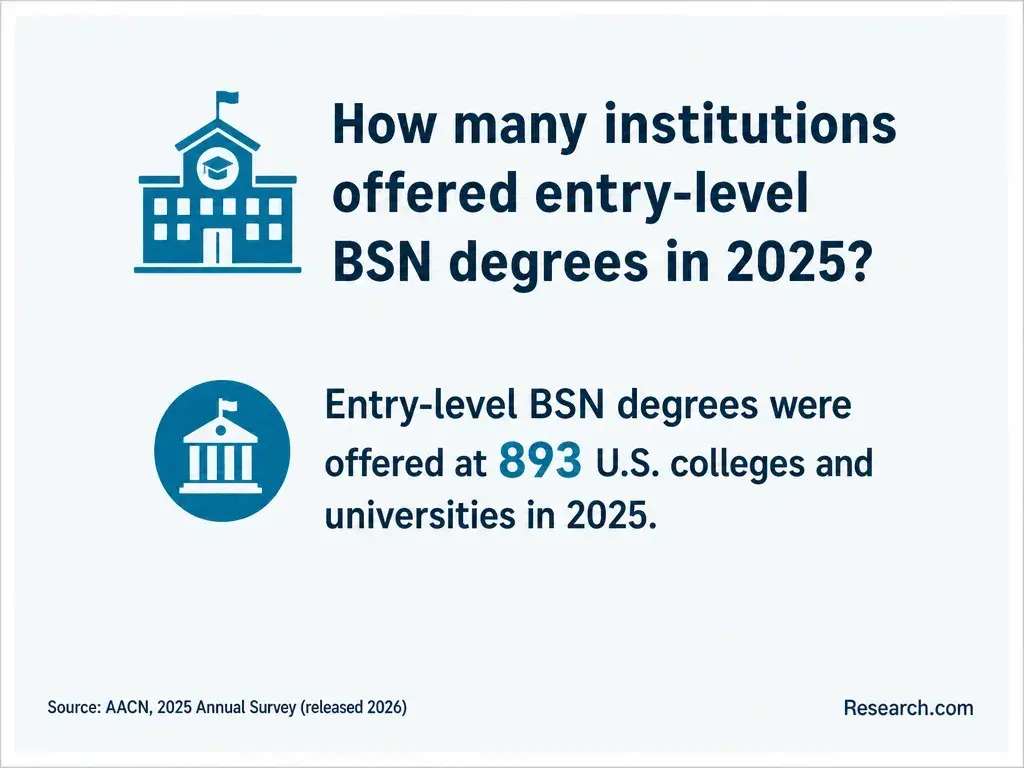
There is no single educational requirement across employers because "clinical implementation specialist" is a job title, not a licensed occupation. Some postings seek a clinically experienced RN; others specify a BSN, a related bachelor's degree, informatics preparation, or experience with a particular product. Read the duties alongside the degree requirement: a training-heavy position and a technical configuration position may use the same title but call for different preparation.
For an RN with an associate degree, an RN-to-BSN may help meet a stated bachelor's-degree requirement. An MSN can make sense for broader informatics or leadership ambitions, but it is not automatically necessary for an initial implementation role. Bridge programs from an ADN to an MSN are worth considering only after confirming that their time, cost, and curriculum match the jobs you actually want.
The strongest transition plan targets work an RN has not yet done, rather than repeating clinical education. Compare several local health-system and vendor postings, then look for opportunities to build the missing evidence in your current organization.
Common gaps - and practical ways to address them - include:
- Workflow analysis: join a unit-based review and document the current process, proposed change, and concerns raised by users.
- Testing and issue tracking: ask to participate in approved system testing; learn how defects are recorded, prioritized, retested, and closed.
- Training and change management: help create or deliver approved staff education and gather feedback on what users still need.
- Project coordination: learn how milestones, decision owners, dependencies, and go-live support are organized.
Start with a super-user opportunity or an informatics, education, or quality team project if one is available. Do not put patient records, screenshots containing protected information, or confidential employer materials in a portfolio without permission. A fast academic route - for example, 12-month FNP program options - does not replace this implementation experience and serves a different career goal.
Choose education according to the hiring gap it would close. These routes differ in purpose; none guarantees an implementation job.
| Option | When it may fit | Important limit |
| Employer training or a focused certificate | You already meet degree requirements and need project, training, or informatics skills. | A certificate does not substitute for demonstrated delivery experience. |
| RN-to-BSN | You hold an associate degree and target employers that require a bachelor's degree. | Check whether the curriculum includes useful informatics or project work. |
| MSN in nursing informatics or a related non-APRN field | You want broader informatics, improvement, or leadership responsibilities. | Cost and time may outweigh the benefit for an entry-level implementation move. |
| Health informatics or health administration degree | Your target jobs emphasize systems, analytics, or operations over nursing-specific study. | Verify that coursework and projects match the employer's technical expectations. |
An RN comparing affordable online BSN-to-MSN bridge programs should calculate total tuition and fees, expected time away from work, and any required fieldwork. First check whether a smaller, employer-supported project would make you competitive without graduate study.
Online study can work well for an RN on rotating shifts when lectures are asynchronous and projects can be completed around work. It is not automatically flexible: live classes, group assignments, proctored assessments, fieldwork, and campus visits may still have fixed times. Campus-based study may offer easier access to labs, peers, and local employer contacts, but travel and scheduling can make it harder to sustain.
Ask for a sample term schedule and the rules for completing any practicum or applied project at your workplace. Confirm who arranges the site, what permissions are needed, and whether employer data can be used. If a program advertises a short completion time, check the credit load and required attendance rather than assuming it fits a full-time RN schedule. The same scheduling caution applies when comparing online DNP timelines for working nurses, although a DNP is not the default route into implementation.
Relevant curricula commonly cover clinical information systems, workflow analysis, data quality, privacy and security, project management, change management, and training or evaluation methods. A strong applied assignment asks students to define a user problem, map a workflow, identify risks, propose measures, and explain how stakeholders would assess a change - not merely describe a technology.
Course titles vary, so inspect syllabi and project requirements. If a program emphasizes research or advanced nursing practice instead, determine how much of it you would use in an implementation job. For example, comparing GPA and experience policies for DNP study addresses admission to doctoral study; those policies say little about whether the curriculum teaches system testing or go-live support.
An RN license is not universally required for every implementation position. A role designated for an RN, involving nursing judgment or clinical practice, may require an active license and employer verification. A vendor role focused on training or product rollout may accept other clinical backgrounds. Check the posting and the work performed, not the title alone, and maintain the authorization required for any nursing duties you undertake.
Employers may value an informatics, project-management, or product-specific credential, but certification is generally distinct from licensure and does not replace onboarding or demonstrated competence. Verify an awarding organization's current eligibility rules before paying for exam preparation. Shorter online PMHNP certificate programs, for instance, prepare eligible nurses for a separate advanced practice pathway, not for a clinical implementation credential.
Clinical implementation specialists work for hospitals and health systems, EHR and medical-device vendors, consulting firms, and other organizations introducing clinical products or processes. A health-system role may focus on internal users and ongoing optimization; a vendor role may involve multiple client sites, travel, demonstrations, and deadlines tied to customer launches.
The U.S. Bureau of Labor Statistics does not publish a distinct wage series for the title "clinical implementation specialist." Registered nurse wages describe a broader licensed occupation, not what this particular job pays, so they should not be presented as an implementation salary or job-growth forecast. Compare actual postings and offers in your market, including base pay, bonuses, travel reimbursement, on-call coverage, benefits, and the value of a different schedule. Do not assume the pay associated with comparing lower-cost NP programs applies to a non-APRN implementation role.
How can RNs evaluate reputable clinical implementation programs?
Start with the jobs you intend to pursue, then ask each program for evidence that its curriculum addresses the missing skills. Confirm the institution's accreditation, the exact award and track, total charges, required attendance, project supervision, and whether the school can enroll you from your state. If the award is a nursing degree, verify the applicable nursing program accreditation separately; institutional accreditation and nursing program accreditation are different.
Ask to see examples of permitted student deliverables, how projects are evaluated, and what career support is available to working RNs. Request outcomes for the relevant program and cohort rather than relying on school-wide employment claims. Compare the full cost with a shorter course or employer-funded assignment before enrolling. Affordability lists for another objective, such as psychiatric NP program affordability comparisons, cannot establish the value of an implementation program.
Other Things You Should Know About Nursing
It depends on the employer. An internal health-system position may be based mainly at one organization, while a vendor or consulting role may require visits to client sites. Ask for the expected travel percentage and go-live schedule before accepting an offer.
Some do during system launches, upgrades, and post-launch support. Clarify whether evening or weekend work is routine, temporary, on-call, or compensated separately.
Describe your role, methods, and approved results in general terms. Obtain employer permission before sharing internal documents, screenshots, metrics, or work products, and never disclose protected patient information.
Try clinical informatics specialist, clinical applications specialist, EHR trainer, clinical systems analyst, and implementation consultant. Compare duties carefully: titles alone do not reveal how clinical, technical, or travel-intensive a position is.
- Transitions from One Electronic Health Record to Another - PMC https://pmc.ncbi.nlm.nih.gov/articles/PMC7657707/
- EHR implementation - Health IT Playbook - HealthIT.gov https://playbook.healthit.gov/playbook/full/
- ten14_11a1.pdf | dol.gov https://www.dol.gov/node/161335
- What Skills Do You Need for a Career in Health Informatics? | About the University of Cincinnati https://www.uc.edu/blog/what-skills-do-you-need-for-a-career-in-health-informatics.html
- What Do Health Information Technology Specialists Do? | UW Online Collaboratives https://uwex.wisconsin.edu/stories-news/what-health-information-technology-specialists-do/
- Nursing Degree Levels & Career Advancement Guide | Sacred Heart University https://onlineprograms.sacredheart.edu/resources/nursing-career-advancement/
- 3 Keys to Healthcare Technology Implementation Success | Sickbay https://sickbay.com/3-keys-to-healthcare-technology-implementation-success/
- Clinical Informatics Specialist: Job Description and Guide | USF Health Online https://www.usfhealthonline.com/resources/health-informatics/clinical-informatics-specialist/
- Specialist, Clinical Implementations (Clinical Licensure Required) - REMOTE at Molina Healthcare https://careers.molinahealthcare.com/job/united-states/specialist-clinical-implementations-clinical-licensure-required-remote/21726/102166602128
- ADS Careers | Implementation and Training Specialist https://www.adsc.com/careers-implementation-and-training-specialist


