2027 Are There Any One-Year Online Art Studies Degree Programs Worth Considering?

Co-Founder and Chief Data Scientist
An online Art Studies program can be a practical way to build art-historical knowledge, strengthen visual analysis, develop a portfolio, or connect creative practice with digital media. The harder question is whether you can earn a true Art Studies degree in only one year. For most students, the answer is no—at least not if they are starting from scratch and seeking an accredited bachelor’s or master’s degree.
That does not mean accelerated study is impossible. Some learners can shorten their timeline with transfer credits, prior coursework, summer terms, or certificate programs that focus on studio practice, art history, digital arts, or professional development. The right path depends on what you need the credential to do: qualify you for a job, prepare you for graduate study, refresh creative skills, or support a career change.
This guide explains what one-year online Art Studies options actually look like, why full degrees are rare in this format, what alternatives exist, how to evaluate program quality, and what costs, admissions requirements, financial aid options, and learning expectations to review before enrolling.
Key Points About One-Year Online Art Studies Degree Programs
- One-year online Art Studies degrees focus on intensive coursework, often emphasizing digital media and contemporary art trends, contrasting with traditional programs' broader historical and technique-based scope.
- These accelerated programs typically attract working professionals seeking career advancement or skill enhancement without geographical constraints or full-time commitments.
- Students should expect fewer in-person studio experiences and must proactively engage with virtual critiques, digital portfolios, and specialized software to succeed in the digital art landscape.
Is It Feasible to Finish a Art Studies Degree in One Year?
Finishing an online Art Studies degree in one year is usually not feasible unless a student already has substantial prior college credit or is pursuing a shorter credential rather than a full degree. Most bachelor’s degrees require around 120 credits typically spread over four years, while master’s degrees demand 18-33 credits usually completed in two years. Even when courses are offered online and in accelerated terms, the total credit requirement, portfolio expectations, and project workload make a one-year timeline difficult.
The most realistic one-year scenarios are limited. A student who has already completed many transferable credits may be able to finish the remaining requirements for a bachelor’s program faster than a first-time student. An associate degree in art might be achievable in one year if taken full-time, but these programs are less prevalent online. Certificate programs are more commonly designed for one-year completion because they are narrower in scope and do not carry the same general education or degree requirements.
Art Studies also involves learning that does not always compress neatly. Courses may require studio projects, critique sessions, art-history research, digital production, portfolio development, or access to specific materials and tools. Master’s programs may add research, thesis, capstone, or exam requirements that extend the timeline even when the coursework itself is accelerated.
Before assuming a one-year timeline is possible, ask admissions staff three direct questions: how many credits are required, how many credits can be transferred, and how many terms are needed to complete all required courses in sequence. A program advertised as “accelerated” may still take longer than one year depending on prerequisites, course availability, and whether the student can enroll full time.
Are There Available One-year Online Art Studies Degree Programs?
There are currently no accredited one-year online Art Studies degree programs available in the United States. Students who want a short online option in this field are more likely to find certificates, graduate certificates, professional development programs, or degree-completion pathways rather than a full bachelor’s or master’s degree that can be finished in one year.
This distinction matters. A certificate can help with skill development, portfolio improvement, or preparation for further study, but it is not the same credential as a degree. A full degree generally carries broader academic requirements and may be more useful for graduate admissions, certain employer screens, or long-term academic progression. Students who need a recognized degree should verify that the program is accredited and should not rely on marketing language alone.
For students comparing faster pathways outside Art Studies, fast online degree completion programs for working adults may offer broader examples of how accelerated study works in other fields.
- University of Northern Colorado - Studio Art Graduate Certificate: This fully online certificate program is designed for completion within one year, spanning three academic terms. It emphasizes studio practice and research and requires a brief two-week on-campus summer intensive in Greeley, Colorado. It is not a degree, but it may support professional development, portfolio growth, or preparation for postgraduate study.
- University of Florida - Online BA in Digital Arts and Sciences: This accredited bachelor’s degree combines art, technology, and communication. Delivered entirely online, it includes topics such as digital storytelling and art appreciation. Admission requires a portfolio, and the standard completion time is four years, though transfer students can accelerate their pace depending on accepted credits and course planning.
- Arizona State University - Online BA in Art (Art Studies): This online program covers traditional and digital arts and involves 120 credits typically over four years. Coursework includes drawing, painting, sculpture, and animation. It is fully online, but it does not offer a one-year accelerated degree option.
In short, a one-year online Art Studies “degree” is not a realistic expectation for most applicants. A one-year certificate or an accelerated degree-completion plan may be realistic, depending on prior credits and the school’s policies.
Why Consider Taking Up One-year Online Art Studies Programs?
One-year online Art Studies programs are worth considering when the goal is targeted learning rather than earning a full degree from the beginning. These programs can help students build specific creative, historical, or digital skills without committing to the timeline of a traditional undergraduate or graduate degree. They are especially useful when the credential supports a defined next step, such as improving a portfolio, preparing for graduate applications, or adding visual arts knowledge to an existing career.
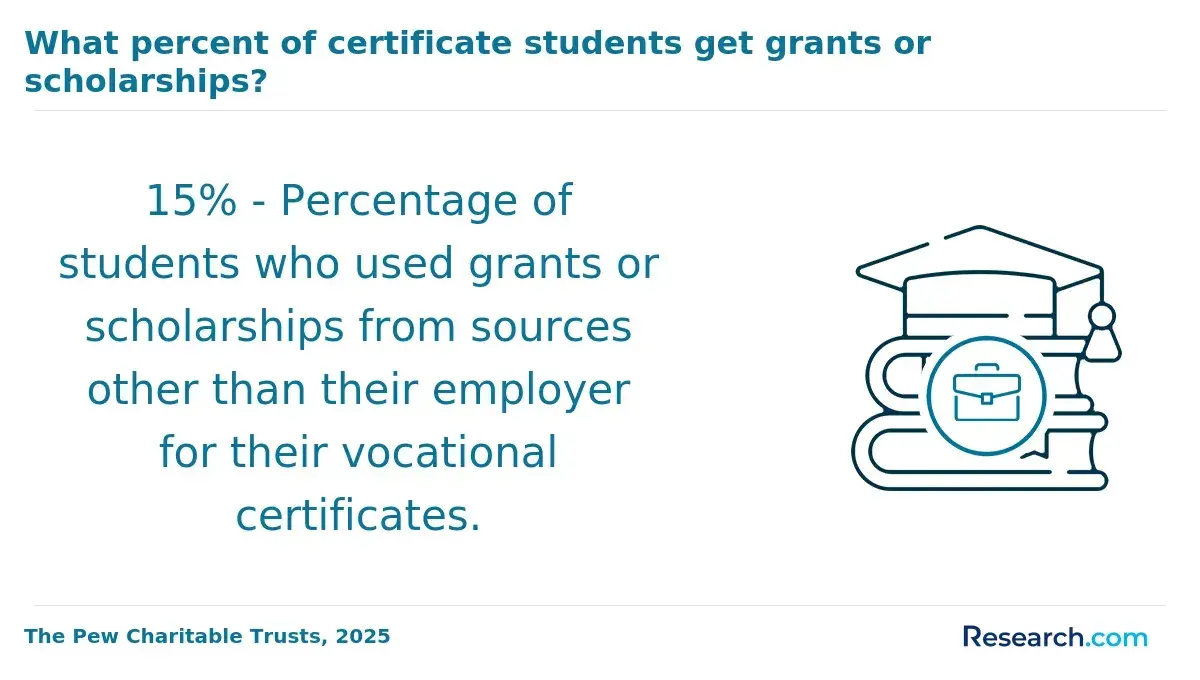
- Career enhancers: Professionals in education, design, museums, media, marketing, or cultural organizations may use a focused Art Studies program to add art-historical context, visual literacy, or studio-based thinking to their current work.
- Skill refreshers: Practicing artists and creative professionals can use a short online format to revisit foundations, explore digital media, study contemporary art movements, or strengthen critique and research skills without pausing their careers for several years.
- Pathway to further studies: Some students use one-year certificates or intensive programs to test academic readiness, develop a stronger portfolio, or complete focused preparation before applying to a master’s program.
- Flexible study for working adults: Online delivery can make art study more accessible for learners balancing employment, caregiving, or location constraints. However, students should still expect regular project deadlines, critique participation, and independent studio time.
The main advantage is speed; the main trade-off is depth. A one-year program can sharpen specific skills, but it may not provide the breadth, studio hours, electives, general education, or academic recognition of a full degree. If your priority is simply finding a manageable online credential in a related area, this guide to what's the easiest degree to get can help you compare broader options.
What Are the Drawbacks of Pursuing One-year Online Art Studies Programs?
The biggest drawback of a one-year online Art Studies program is compression. Art education benefits from time: time to experiment, revise, receive critique, study movements and methods, and build a coherent body of work. A short online format can be efficient, but it may also limit the depth of artistic development and the range of experiences available to students.
- Intense workload: Condensed terms can require frequent readings, studio assignments, critiques, research tasks, and portfolio submissions. Students who work full time may find the pace difficult to sustain.
- Limited hands-on access: Online formats may restrict access to campus studios, specialized equipment, exhibition spaces, and in-person demonstrations. Students often need to supply their own materials and maintain a usable workspace at home.
- Fewer critique and networking opportunities: Virtual critique can be valuable, but it may not fully replace in-person studio culture, informal peer feedback, gallery visits, faculty mentorship, or local arts networking.
- Less time for internships or exhibitions: A one-year schedule may leave little room for internships, community arts projects, assistantships, or exhibition preparation, all of which can strengthen a portfolio and resume.
- Screen fatigue and technical barriers: Online studio discussions, digital submissions, video critiques, and software-based projects can create heavy screen time. Unreliable technology can also interrupt learning.
- Credential limitations: If the program is a certificate rather than a degree, it may not meet requirements for graduate admission, employer degree preferences, or academic advancement.
Students can reduce these risks by confirming technology and material requirements before enrollment, setting up a dedicated workspace, scheduling weekly studio hours, participating actively in critique groups, and asking whether the program offers portfolio advising or faculty feedback beyond standard coursework.
What Are the Eligibility Requirements for One-year Online Art Studies Programs?
Eligibility requirements vary widely because “one-year online Art Studies programs” may refer to certificates, degree-completion options, post-baccalaureate study, or graduate certificates rather than a standard degree format. Applicants should review the exact credential level first, then check whether the program expects prior credits, a portfolio, prerequisite coursework, or professional experience.
Common requirements may include the following:
- Prior college credits: Accelerated degree-completion pathways often require a substantial number of transferable college credits. Without transfer credit, a one-year bachelor’s completion plan is rarely realistic.
- Professional experience: Some advanced or graduate-level programs may value relevant experience in art, design, education, museums, media, or related creative fields.
- Prerequisite coursework: Programs may expect previous study in art history, studio art, design, color theory, drawing, or other foundational areas.
- Portfolio review: Many art-related programs assess creative readiness through a portfolio. Applicants should follow format, image quality, statement, and deadline instructions carefully.
- Placement exams: Some schools use exams or assessments to determine whether applicants are ready for advanced coursework.
- Interviews: Interviews may be used to discuss artistic goals, academic preparation, or fit with the program’s format.
- Background checks: These are less common for online Art Studies coursework but may apply if internships, field placements, youth programs, or community-based work are involved.
- Bachelor's programs: These usually require a high school diploma or equivalent; some accept transfer credits from community colleges.
- Master's programs: These typically require a bachelor’s degree in a related field and may involve portfolio reviews or letters of recommendation.
- Post-Baccalaureate programs: These often require a bachelor’s degree plus specific coursework in art or design.
Applicants should also ask whether the program is designed for beginners or for students who already have art training. A program that is technically open to all applicants may still move too quickly for students without prior studio, art history, or digital media experience.
For students thinking beyond Art Studies into advanced academic credentials, some PhD no dissertation online options may be relevant depending on the field and institution, though doctoral pathways should be evaluated separately from art certificates or bachelor’s programs.
What Should I Look for in One-year Online Art Studies Degree Programs?
Because true one-year online Art Studies degrees are rare, the evaluation process should begin with credential verification. Confirm whether the program is a degree, certificate, graduate certificate, or noncredit professional course. Then review accreditation, curriculum, faculty, format, portfolio support, and total cost before applying.
- Accreditation: Start with institutional accreditation so the credential is recognized for transfer, financial aid, and academic progression. For art and design programs, NASAD (National Association of Schools of Art and Design) accreditation can also signal discipline-specific quality, though availability varies by institution and program.
- Credential type: Do not assume that an “accelerated art program” is a degree. Read the catalog language carefully and confirm what appears on the transcript or certificate after completion.
- Faculty expertise: Look for instructors with relevant teaching experience, active creative practice, exhibition history, digital media expertise, curatorial work, or scholarship in art history and theory.
- Curriculum balance: Strong programs combine technical development with conceptual thinking, critique, visual analysis, and art-historical context. Some focused programs typically offer 18-30 credits involving studio work alongside art history and theory courses.
- Delivery format: Check whether the program is fully online or includes short residencies, campus intensives, synchronous critiques, or required live sessions. If an on-campus component exists, calculate travel and lodging needs before committing.
- Studio and technology requirements: Ask what materials, software, hardware, camera tools, or workspace you must provide. Online art study can shift significant supply and setup costs to the student.
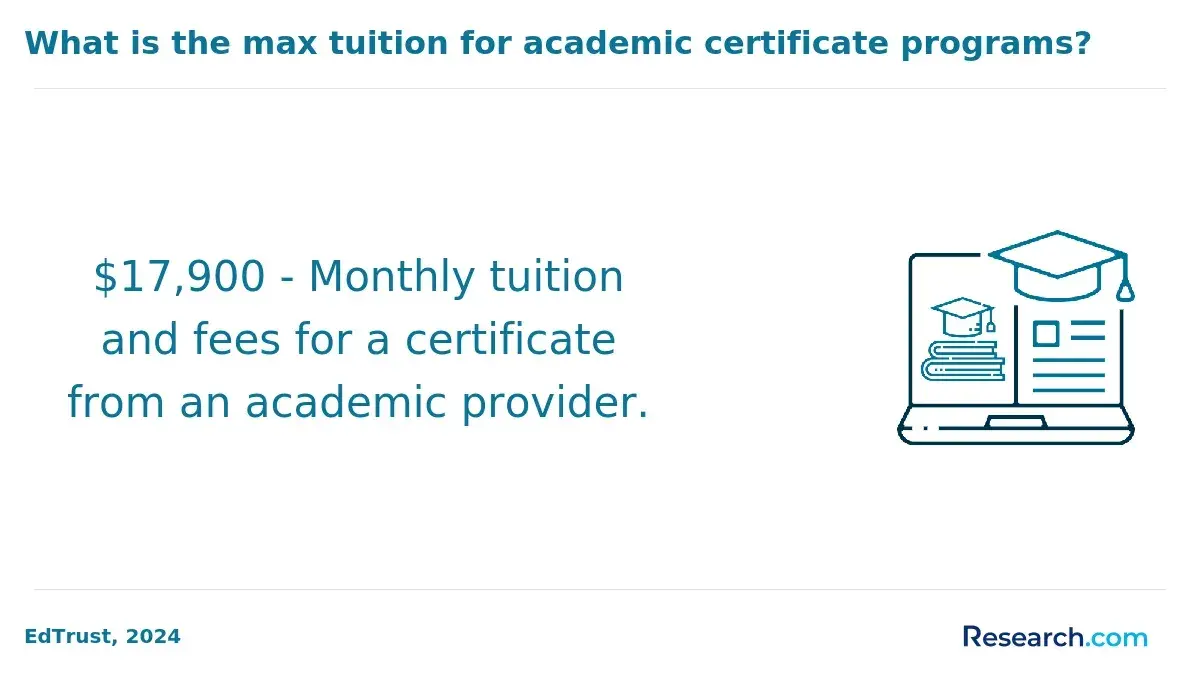
- Credit transfer and tuition: Tuition varies widely, with in-state rates from $129 to $668 per credit hour. Transfer policies can significantly affect both completion time and total price, so request an official credit evaluation when possible.
- Portfolio development: If your goal is employment, graduate school, or freelance work, the program should include portfolio feedback, critique, documentation guidance, and opportunities to present finished work.
- Student support services: Reliable technical assistance, academic advising, library access, career guidance, and faculty availability are especially important in compressed online formats.
Cost should be considered alongside quality and recognition. Students comparing low-cost institutions may find useful starting points in this guide to the best cheap online colleges that accept FAFSA.
How Much Do One-year Online Art Studies Degree Programs Typically Cost?
One-year online Art Studies degree programs are uncommon in the U.S., so cost estimates depend on the type of credential and the institution offering it. A short certificate may cost less overall than a full degree because it requires fewer credits, while an accelerated degree-completion pathway can still be expensive if tuition is charged per credit and the student takes a heavy course load.
Tuition rates for one-year online art degrees depend on whether the institution is public or private and the student's residency status. In-state students may pay between $9,600 and $15,000 for a single year at public schools, while private institutions often charge substantially more. Additional fees for technology, art materials, software, digital tools, printing, documentation, and occasional studio access can increase the total cost.
Students should look beyond the advertised tuition rate. Ask for the total program cost, not just the per-credit rate. Confirm whether online students pay separate technology fees, whether supplies are included, whether campus intensives require travel, and whether any courses require specialized software or equipment.
A one-year program may cost less in total than a four-year degree, but the annual cost can be comparable or higher because the coursework is concentrated. Traditional degrees may also provide longer access to scholarships, financial aid, advising, internships, and staged portfolio development. Before enrolling, verify accreditation, aid eligibility, refund policies, and whether credits can transfer into a future degree.
What Can I Expect From One-year Online Art Studies Degree Programs?
Students in a one-year online Art Studies program should expect a focused, fast-moving learning experience. The program may emphasize art history, visual culture, studio practice, digital media, critique, research, or portfolio development depending on the credential. Because the timeline is short, students must be ready to work consistently and manage multiple assignments at once.
The curriculum is usually more streamlined than a traditional degree. Instead of a broad four-year sequence with general education, electives, studio exploration, and advanced specialization, a one-year format typically concentrates on selected outcomes. Students may complete readings, discussion posts, visual analysis papers, digital projects, studio assignments, critiques, and a final portfolio or capstone-style project.
Common learning outcomes may include stronger visual analysis, improved creative problem-solving, better presentation of artwork, familiarity with current digital tools, and a clearer understanding of contemporary art concepts. Students may also become more comfortable explaining artistic choices, responding to critique, and documenting work for academic or professional use.
The online format requires self-direction. Students need to photograph or scan work properly, meet digital submission standards, participate in virtual critiques, and communicate regularly with instructors. Those without a reliable workspace, internet connection, or time for independent studio work may struggle with the pace.
The main limitation is depth. A one-year program can be valuable for targeted growth, but it may not offer the same range of mentorship, studio access, internships, exhibitions, or advanced electives as a longer degree. Students comparing affordability and completion time may also want to review cheapest bachelors degree pathways before choosing a shorter art-focused option.
Are There Financial Aid Options for One-year Online Art Studies Degree Programs?
Financial aid may be available for one-year online Art Studies programs, but eligibility depends on the institution, accreditation status, credential type, enrollment intensity, and whether the program qualifies for aid. Degree programs at accredited schools are more likely to support federal financial aid than noncredit courses or standalone professional certificates.
- Federal and state aid: By completing the FAFSA, students may qualify for Pell Grants, low-interest federal loans, and state-specific assistance. Eligibility generally requires enrollment in an accredited program, U.S. citizenship or eligible noncitizen status, and maintaining satisfactory academic progress.
- Scholarships: Scholarships for art students may be based on artistic merit, academic achievement, financial need, or a combination of factors. Examples include the Adobe Design Circle Scholarship and competitions like Doodle for Google. Students should prepare portfolios and applications early because deadlines can fall well before the academic term begins.
- Private and institutional grants: Colleges, universities, art foundations, and community organizations may offer grants with different requirements and timelines. The school’s financial aid office is the best source for confirming which awards apply to a specific program.
- Employer tuition assistance: This may be less common for Art Studies than for career-specific fields, but it is worth asking about if the program supports a current role in education, design, communications, museums, or creative services.
Aid disbursement schedules vary. Some programs distribute funds by term, while others may release aid at the start of the program. Students should confirm when funds arrive, what costs are covered, whether supplies can be included in the cost of attendance, and what happens if they withdraw from an accelerated term.
What Art Studies Graduates Say About Their Online Degree
- Steve: "The accelerated online Art Studies format helped me stay focused while building a stronger understanding of contemporary art practices. The pace was demanding, but the structure pushed me to finish projects, participate in critiques, and think more clearly about gallery and curatorial work."
- Liane: "Online study gave me the flexibility to keep working while developing both practical projects and theoretical knowledge. I had to be disciplined with my schedule, but the format made it possible to study seriously without relocating or putting my career on hold."
- Jude: "My Art Studies coursework helped me become more reflective about my creative process. The strongest parts were the emphasis on critical thinking, portfolio development, and explaining the ideas behind my work in a professional way."
Other Things You Should Know About Pursuing One-Yeas Art Studies Degrees
In 2027, online one-year Art Studies degrees are increasingly recognized by employers, especially when accredited by reputable institutions. Employers value the skills and discipline demonstrated by online program graduates, making it an appealing option for those aiming to start or advance their art careers quickly.
Yes. Many one-year online art studies programs require a portfolio for admission, often 10 to 20 works showing drawing, design, or mixed-media ability. Some schools also ask for a statement of purpose and a minimum GPA, usually around 2.5 or 3.0, before reviewing applicants.
References
- Online Degree Completion Program: BFA in Performing Arts - Manhattan School of Music https://www.msmnyc.edu/admission/college-programs/online-degree-completion-program-bfa-in-performing-arts/
- Why you should study art online https://www.open.edu.au/advice/insights/why-you-should-study-art-online
- OCAD | The Online College of Art & Design | Study Your Way https://artcoursework.com/
- Why Choose a One-Year Online Master's Degree Program? https://www.schiller.edu/blog/why-choose-a-one-year-online-masters-degree-program/
- Financial Aid | School of Visual Arts | SVA NYC https://sva.edu/life-at-sva/financial-resources/financial-aid
- Frequently Asked Questions (FAQs) | UAL Online https://ualonline.arts.ac.uk/faqs
- Types of Financial Aid https://www.academyart.edu/finances/types-of-financial-aid/
- 10 Reasons an Online Art Degree May Be Right for You https://theartcareerproject.com/10-reasons-online-art-degree/
- Pros & Cons of Online Degree Courses in 2025 https://amityonline.com/blog/pros-and-cons-of-online-degree-courses
- Explore degree-level courses... https://www.oca.ac.uk/