2027 Accredited Online Sports Management Bachelor's Degree Programs: How to Verify Quality

Co-Founder and Chief Data Scientist
Choosing an accredited online sports management bachelor's degree program can be daunting-many prospective students find themselves overwhelmed by schools boasting impressive credentials but lacking recognized accreditation. Without proper verification, graduates risk earning credentials that employers may not value, limiting career opportunities.
Shockingly, a recent survey found that nearly 30% of online sports management programs operated without valid accreditation from recognized bodies, underscoring the importance of due diligence. This article will explore how to verify accreditation status, evaluate program quality, and identify trustworthy institutions, guiding readers toward informed decisions for career advancement in sports management.
Key Benefits of Knowing How to Verify the Quality of Accredited Online Sports Management Bachelor's Degree Programs
- Verifying accreditation helps students avoid diploma mills-illegitimate programs that grant degrees without proper education, risking wasted time and money for nearly 20% of online sports management enrollees.
- Confirming recognized credentials ensures credits transfer smoothly and that degrees meet employer and licensure standards, critical for career advancement in sports management fields.
- Identifying poor-value or fraudulent programs prevents financial loss and educational setbacks, enabling students to invest confidently in regionally accredited sports management bachelor's degrees.
What Accreditation Bodies Are Authorized to Certify Online Sports Management Bachelor's Degree Programs in the United States?
Accreditation ensures that colleges and universities meet established standards of quality and academic rigor, which is crucial for students seeking an online Sports Management bachelor's degree. Two key types of accreditation apply: institutional, which assesses the entire school, and programmatic, which evaluates specific fields or programs.
Understanding the differences helps avoid diploma mills and unrecognized credentials.
- Regional Accreditation: Recognized by the U.S. Department of Education, regional accreditation agencies for online sports management degrees include the Higher Learning Commission (HLC), Southern Association of Colleges and Schools Commission on Colleges (SACSCOC), New England Commission of Higher Education (NECHE), WASC Senior College and University Commission (WSCUC), Middle States Commission on Higher Education (MSCHE), and Northwest Commission on Colleges and Universities (NWCCU). Each body oversees institutions in particular geographic areas, ensuring academic quality and operational integrity for online programs.
- Programmatic Accreditation: Some Sports Management programs may hold specialized accreditation from nationally recognized accrediting bodies for sports management programs or related business fields. This recognition indicates adherence to industry-specific standards, which can enhance credibility with employers and professional licensing boards.
- Credit Transfer and Recognition: Regional accreditation significantly affects whether credits from an online Sports Management program transfer smoothly to other schools, supporting academic mobility. Employers and licensing entities often prefer degrees from regionally accredited institutions due to their validated quality, influencing career advancement opportunities.
- Verification Tools: The definitive source for confirming accreditation status is the U.S. Department of Education's Database of Accredited Postsecondary Institutions and Programs (DAPIP). Prospective students should consult this tool before enrolling to ensure their chosen program meets recognized standards. Those interested in related fields might also explore recommendations for an accelerated medical assistant program as another pathway.
How Can Prospective Students Verify Whether an Online Sports Management Bachelor's Program Holds Valid, Current Accreditation?
To verify the accreditation of an online sports management bachelor's degree program, begin with trusted government and educational resources. The U.S. Department of Education's Database of Accredited Postsecondary Institutions and Programs (DAPIP) and the Council for Higher Education Accreditation (CHEA) database are authoritative starting points for confirming valid accreditation.
These databases list recognized accrediting bodies and the institutions they accredit, providing a foundation for checking program legitimacy.
- Use Official Databases: Search the institution's name on the DAPIP and CHEA websites to ensure it is accredited by a recognized agency. Both sources offer updated institutional rosters, which help in verifying the school's legitimacy before enrolling.
- Cross-Reference Accrediting Bodies: Check the accrediting organization's own website to confirm it is officially recognized by federal or national authorities. Most legitimate accreditors publish public lists of institutions they accredit, specifying effective accreditation dates and scope, such as whether the sports management program itself is covered.
- Check Accreditation Details: Review important elements like the accreditation's start and expiration dates and any sanctions or warnings. It is essential to confirm that the accreditation applies to the entire institution or specifically to the sports management program, ensuring credit transferability, employer recognition, and licensure eligibility.
- Identify Red Flags: Beware of schools claiming accreditation from agencies not recognized by DAPIP or CHEA, as these may be diploma mills or fake accreditors. Such claims often resemble genuine ones but lack official standing, risking poor educational value.
- Contact Accrediting Agencies: If verification results are unclear or conflicting, contact the accrediting body directly by phone or email. Accrediting agencies can provide clarity on program status and recent changes to accreditation.
Following these steps helps students avoid worthless credentials and select quality online sports management programs. For individuals balancing work and study while seeking affordable options, exploring other professional fields like cheapest online nurse practitioner programs may also be useful.
What Is the Difference Between Regional and National Accreditation for Online Sports Management Bachelor's Programs, and Which Matters More?
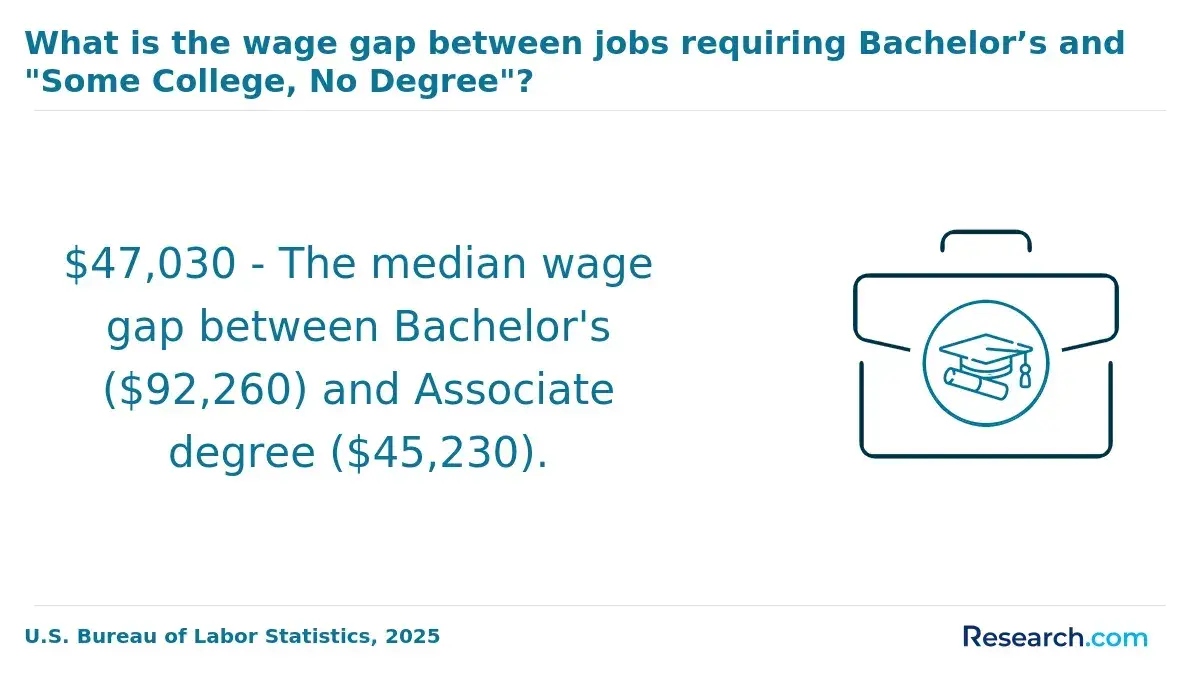
The historical difference between regional and national accreditation lies primarily in the types of schools each recognized. Regional accreditation traditionally applied to nonprofit, degree-granting universities and colleges, most of which offer four-year programs.
National accreditation, on the other hand, was common among technical and vocational institutions that often provided certificates or associate degrees instead of bachelor's degrees. Though the U.S. Department of Education no longer officially distinguishes between regional and national categories, practical impacts persist for students pursuing online sports management bachelor's degrees.
- Credit Transferability: Credits earned from regionally accredited institutions are more widely accepted by other colleges and universities, facilitating smoother transfers. Nationally accredited schools usually have stricter, more limited transfer policies, which can hinder academic progress.
- Employer Recognition: Employers frequently favor degrees from regionally accredited schools due to their rigorous academic standards and comprehensive curricula. Graduates from nationally accredited programs may encounter doubts from employers unfamiliar with these accrediting bodies or who question the depth of career-focused training.
- Graduate School Eligibility: To enter most graduate programs or pursue advanced study, a regionally accredited bachelor's degree is often required. National accreditation can limit these opportunities because some universities do not recognize the degree for admission.
- Institution Types: Regionally accredited programs are mostly offered by traditional colleges and universities with a broad range of academic offerings. National accreditation typically applies to career-focused schools that emphasize specialized, vocational training over liberal arts or research-centered education.
Because these factors directly affect credit transfer, job prospects, and advanced education, regionally accredited sports management programs generally provide greater long-term value. A professional who enrolled in an online sports management bachelor's program emphasized how critical it was to confirm accreditation beforehand.
He recalled feeling overwhelmed by the number of options and potential scams, noting, "I spent hours checking the U.S. Department of Education's database and cross-referencing each school's status." His vigilance paid off, allowing him to avoid unrecognized credentials and focus on completing a program that employers respected, which played a key role in launching his career in the sports industry.
Are There Programmatic Accreditation Standards Specific to Online Sports Management Bachelor's Degrees That Students Should Look For?
Accreditation from organizations like the Commission on Sport Management Accreditation (COSMA) ensures that an online sports management bachelor's degree program meets rigorous standards involving curriculum quality, faculty qualifications, and student success metrics. This specialized accreditation highlights programs designed to align closely with industry needs.
- Credential Recognition: Although programmatic accreditation for online sports management bachelor's degrees in the United States is not universally required for licensure or certification, it often enhances a graduate's marketability. Programs with COSMA or similar recognition better prepare students for professional certifications and competitive employment opportunities.
- Employer Preferences: Sports-related licensing boards and employers frequently favor applicants from programs with programmatic accreditation, associating these credentials with stronger preparedness and professional readiness. Graduates from non-accredited programs may encounter obstacles in demonstrating their qualifications and industry competence.
- Regional vs. Programmatic: Regional accreditation remains critical for federal financial aid access and credit transfer, while programmatic accreditation focuses specifically on the quality of sports management education. Together, these layers assure academic rigor and relevance in specialized fields.
- Professional Guidance: Consulting associations such as the North American Society for Sport Management (NASSM) help students identify the most valued accreditations within their intended career paths. Prospective students should consider these insights to avoid low-value or diploma mill programs.
For individuals interested in advancing their credentials beyond a bachelor's degree, affordable options such as a master's in healthcare administration provide pathways to enhance expertise across related fields.
How Do Online Sports Management Bachelor's Programs Demonstrate Curriculum Quality and Academic Rigor Comparable to On-Campus Peers?
Online bachelor’s programs maintain quality by using the same standards as on-campus degrees. Accreditation, faculty, and assessments keep rigor consistent.
- Curriculum Evaluation: Accrediting organizations examine online sports management programs by reviewing course content, instructional methods, and academic outcomes. They expect clear goals that align with current industry standards and require evidence that students meet these benchmarks through systematic assessments.
- Faculty Credentials: Quality programs employ instructors with relevant degrees and professional experience. Accrediting bodies verify qualifications and look for ongoing development to ensure teaching stays current and effective.
- Instructional Design: A well-structured online curriculum features organized syllabi, diverse learning materials, and interactive assignments that emulate in-person classes. This ensures students encounter comparable rigor and engagement levels.
- Independent Curriculum Review: Prospective students can assess academic rigor by examining posted course catalogs, syllabi, and faculty biographies on university websites. These resources disclose course objectives, reading materials, and instructor expertise, providing insights into program demands.
- Third-Party Metrics: External data like student-to-faculty ratios and graduation rates, as reported by sources such as the Integrated Postsecondary Education Data System (IPEDS), offer additional signals of program quality. Lower ratios and higher completion rates typically reflect more personalized support and effective instruction.
- Firsthand Perspectives: Requesting a sample syllabus or speaking directly with current students gives applicants valuable insight into course workload and instruction style, assisting in informed decisions before committing to enrollment.
One professional who built his career after completing an online Sports Management bachelor's degree shared that balancing work, studies, and family felt challenging at times. However, he valued the clear course expectations and meaningful assignments.
"Seeing detailed syllabi upfront helped me anticipate the intensity, and talking to classmates gave me confidence that the program was rigorous yet manageable." His experience underscores how transparency and student feedback help validate that an online degree matches the demands of traditional campus programs.
What Faculty Credentials and Qualifications Should an Accredited Online Sports Management Bachelor's Program Require?
Regional accrediting bodies generally mandate that faculty in online sports management bachelor's programs possess terminal degrees, typically master's or doctorates, in relevant areas like sports management or business. This academic foundation ensures instructors have the expertise necessary to maintain program quality and rigor.
Beyond degrees, professional experience in sports-related industries enhances teaching by bridging theoretical concepts with practical, real-world insights. When assessing faculty qualifications, prospective students should carefully examine institutional biographies, which often list academic backgrounds and career achievements. LinkedIn profiles offer additional context, showing continuous career development, certifications, and networking activity.
Faculty members actively publishing research or maintaining professional portfolios further demonstrate a commitment to staying current in the evolving field of sports management. The balance between full-time and adjunct faculty significantly impacts the learning experience. Full-time instructors typically offer more consistent availability for mentorship and personalized support throughout a student's academic journey.
While adjuncts may bring specialized industry knowledge, programs relying heavily on part-time faculty might provide less continuity and responsiveness. It is advisable to ask admissions representatives specifically what portion of courses are led by full-time faculty with proper academic credentials to better understand the program's commitment to quality education.
- Terminal Degree Requirements: Instructors are expected to hold advanced degrees related to sports management to ensure academic depth and subject matter expertise.
- Professional Experience: Faculty should combine academic credentials with hands-on industry experience to enrich classroom learning with applicable skills.
- Faculty Evaluation: Reviewing institutional bios, LinkedIn profiles, and published work helps verify qualifications and active engagement in sports management trends.
- Full-Time Faculty Ratio: Higher percentages of full-time faculty usually translate to better student support, mentorship, and program stability compared to heavy reliance on adjuncts.
- Direct Inquiries: Contacting admissions about the share of courses taught by full-time credentialed faculty clarifies how much guidance students may expect.
How Are Student Learning Outcomes Measured and Reported in Accredited Online Sports Management Bachelor's Programs?
Student learning outcomes (SLOs) are specific statements that describe what graduates should know, do, and value upon completing an accredited online sports management bachelor's degree program. Accrediting agencies mandate that these programs clearly define, regularly assess, and publicly report their SLOs to maintain high academic standards and transparency.
Assessment methods commonly used in online sports management programs include capstone projects that integrate knowledge through real-world problem-solving, standardized exams testing foundational skills, internship evaluations measuring practical workplace readiness, and licensure pass rates where applicable.
Prospective students should consult institutional websites, accreditation self-study reports, and the Integrated Postsecondary Education Data System (IPEDS) for graduation and retention data. Resources such as the U.S. Department of Education's Database of Accredited Postsecondary Institutions and Programs (DAPIP), the College Scorecard, and the Council for Higher Education Accreditation are also vital for verifying accreditation status and academic quality.
Benchmark figures like graduation rates above national averages typically indicate strong programs, while significantly lower rates may suggest challenges with academic support or program reliability.
- Clear Outcome Definitions: Accredited programs specify measurable learning outcomes aligned with sports management competencies to guide curriculum and assessment.
- Multiple Assessment Tools: Combining capstones, standardized tests, internships, and licensure outcomes offers a thorough measure of student achievement.
- Public Reporting: Programs must publish outcome data online and in accreditation documents, promoting transparency and accountability.
- Reliable Data Sources: IPEDS and other official databases provide graduation and retention statistics essential for evaluating program quality.
- Interpreting Outcomes: Understanding benchmark graduation and retention rates helps identify high-quality versus underperforming programs.
What Role Does the U.S. Department of Education Play in Overseeing the Accreditation of Online Sports Management Bachelor's Programs?
The U.S. Department of Education oversees the accreditation of online sports management bachelor's degree programs by officially recognizing accrediting agencies. This federal recognition ensures that accreditors meet quality standards that protect students and uphold academic integrity.
Importantly, recognition enables institutions accredited by these agencies to participate in Title IV federal financial aid programs, which directly affects affordability for students pursuing online programs like sports management. As part of this oversight, the Department relies on the National Advisory Committee on Institutional Quality and Integrity (NACIQI) to advise on accreditor recognition by evaluating their effectiveness and compliance with federal criteria.
If an accrediting agency loses federal recognition, schools relying solely on that agency can no longer offer Title IV aid. This often leads to reduced student enrollment and may force institutions to close or seek new accreditation. Recent policy developments have increased scrutiny on distance education, requiring online sports management programs to maintain rigorous standards for faculty qualifications, student support, and learning outcomes comparable to traditional programs.
While federal recognition creates a baseline quality assurance that guards against diploma mills and unrecognized credentials, it does not guarantee superior academic quality or reputation. Students should complement this initial federal accreditation check by reviewing programmatic accreditation, faculty expertise, transfer policies, and career outcomes to ensure true value.
The broader accreditation landscape, informed by data from sources such as the U.S. Department of Education's DAPIP, IPEDS, and the College Scorecard, highlights important distinctions between regional and national accreditation and their effect on credit transferability, employer recognition, and licensure eligibility.
Those interested in comparing credentials may also explore related fields, such as online biology degree programs, to understand accreditation standards across disciplines and ensure informed decisions.
- Federal Recognition: The U.S. Department of Education recognizes accreditors, establishing a trusted baseline that enables institutions to participate in federal financial aid programs essential for student affordability.
- NACIQI's Role: This advisory committee evaluates the quality and effectiveness of accrediting agencies and helps determine whether they meet federal requirements for recognition.
- Consequences of Loss: When an accreditor loses recognition, schools lose access to Title IV aid, which can threaten their viability and impact current and prospective students.
- Distance Education Oversight: New policies demand more rigorous standards for online programs, ensuring that sports management degrees delivered remotely maintain proper quality and student support.
- Baseline Quality Assurance: Federal oversight protects students from fraudulent or substandard providers but does not equate to high program quality or reputation on its own.
How Can Students Use the College Scorecard and IPEDS to Evaluate the Quality of Affordable Online Sports Management Bachelor's Programs?
Students seeking affordable online sports management bachelor's degrees can effectively utilize the U.S. Department of Education's College Scorecard and IPEDS Data Center to find detailed data on completion rates, average student debt, median earnings after graduation, and loan repayment rates. Specifically, using the College Scorecard's field of study filter helps isolate outcomes relevant to sports management graduates rather than general institutional averages.
Within the IPEDS Data Center, indicators such as retention rates, graduation within 150% of expected time, and Pell Grant recipient success are essential in evaluating a program's support and completion likelihood. These metrics offer insight into how well a school structures its academic environment to help diverse students succeed, which is critical when using IPEDS data for evaluating affordable sports management bachelor's degrees.
Comparing multiple programs side by side using both free federal tools allows students to identify reputable schools with strong academic and financial outcomes, avoiding diploma mills or unaccredited options. Prospective students should also consider accreditation status and programmatic standards that affect credit transfer, employer recognition, and future licensure eligibility for a holistic assessment.
- Field-Specific Filtering: College Scorecard enables filtering by sports management to view tailored completion, debt, earnings, and loan repayment data, giving a clear picture of field-specific outcomes.
- Key IPEDS Metrics: Retention rates, graduation within 150% of time, and Pell Grant recipient performance highlight program effectiveness in supporting diverse student populations through to degree completion.
- Debt and Earnings Insight: Analyzing average student debt alongside median earnings post-graduation helps gauge the financial return on investment and overall affordability of a program.
- Side-by-Side Comparison: Utilizing both College Scorecard and IPEDS allows thorough comparisons across programs, helping students avoid low-value or nonaccredited degrees.
Students considering advanced healthcare degrees may also find value in reviewing data for online PharmD programs as part of broader educational planning.
What Are the Warning Signs That an Online Sports Management Bachelor's Program May Be a Diploma Mill or Lack Legitimate Accreditation?
Diploma mills are entities that offer degrees with minimal or no academic requirements, primarily aiming to profit from unsuspecting students. They often claim accreditation from bogus or unrecognized agencies to appear credible, misleading those seeking online sports management bachelor's degrees. Unlike legitimate accreditors acknowledged by the Council for Higher Education Accreditation (CHEA) or the U.S. Department of Education, diploma mills lack rigorous academic oversight.
Beware of programs promising instant or guaranteed degrees, no substantial coursework, or aggressive enrollment tactics. Accreditation claims from agencies not verified by CHEA or the Department of Education's Database of Accredited Postsecondary Institutions and Programs (DAPIP) typically indicate fraudulent operations. Employers, licensing authorities, and graduate programs frequently reject credentials from unaccredited institutions.
Recent research reveals over 15% of online degree providers operate without recognized accreditation, increasing risks for students pursuing worthless credentials. Careful investigation of online sports management programs is essential to avoid financial loss and career setbacks.
- Instant Or Guaranteed Degrees: Legitimate programs require time and meaningful coursework; promises of quick degrees are a warning sign.
- Unrecognized Accreditation: Always verify accreditation through CHEA or the Department of Education's databases to ensure authenticity.
- Minimal Or No Coursework: Genuine bachelor's degrees involve substantial academic effort, not just fee payment for credentials.
- High-Pressure Enrollment: Diploma mills use intense marketing to rush decisions, limiting students' ability to research the program properly.
- Verification Tools: Use CHEA and DAPIP to cross-check accrediting agencies before committing financially.
How Does Accreditation Status Affect Credit Transferability for Students in Online Sports Management Bachelor's Programs?
Students transferring credits between colleges benefit greatly when both institutions hold regional accreditation. This form of accreditation signals adherence to rigorous academic standards, prompting regionally accredited schools to generally accept transfer credits from one another without issue. In contrast, credits from nationally accredited or unaccredited Sports Management programs are often denied, forcing students to repeat coursework and incur extra time and expenses.
Those beginning their education at community colleges must carefully check that their chosen four-year online Sports Management program is regionally accredited and compatible with their current institution's accreditation. This precaution helps avoid credit loss and costly delays. Tools like the State Authorization Reciprocity Agreement (SARA) and articulation agreement databases can clarify which credits will transfer smoothly, as these resources outline recognized pathways and formal agreements between schools.
Completing even a single semester at a non-accredited program can severely limit transfer options, increasing financial and academic burdens. The National Student Clearinghouse Research Center reports nearly 40% of college students transfer at least once, underscoring the importance of verifying accreditation early in the educational journey.
- Regional Accreditation Advantages: Ensures that credits earned at one regionally accredited school are accepted by others, facilitating efficient academic progression in Sports Management.
- Challenges with National and Non-Accredited Programs: Credits from these programs are frequently rejected by regional institutions, leading to repeated courses and higher costs.
- Verification Tools: SARA and articulation agreements provide critical guidance on transfer pathways in the Sports Management field, supporting informed enrollment decisions.
- Risks of Non-Accredited Coursework: Even brief enrollment at an unaccredited school can obstruct credit transfer and extend time to degree completion.
- Transfer Prevalence: With nearly 40% of students transferring schools, early accreditation checks are vital to avoid academic setbacks and financial strain.
What Graduates Say About How to Verify the Quality of Accredited Online Sports Management Bachelor's Degree Programs
- Benny: "Choosing this online sports management bachelor's degree was a no-brainer once I confirmed its accreditation-it gave me peace of mind about the quality and recognition of my education. The program was affordable without compromising on the curriculum, which made balancing finances and studies much easier. Since graduating, I've landed a managerial role with a professional sports team, and I truly credit the practical knowledge I gained through this accredited program. Benny"
- Greyson: "What stood out to me was the weekly start dates and the program's verified accreditation, which ensured flexibility and legitimacy for my busy schedule. The cost was reasonable compared to other options, making higher education accessible at a crucial point in my career. Reflecting on my journey, obtaining this degree online opened doors to networking opportunities I hadn't anticipated, significantly boosting my confidence and career trajectory. Greyson"
- Cooper: "I approached selecting an online sports management bachelor's degree very professionally, verifying accreditation was paramount, as I wanted my credentials to carry weight in the industry. The program's cost was transparent and competitive, which helped me commit fully without financial stress. Completing this degree has elevated my resume and proven to employers my dedication to the field, setting a solid foundation for my career advancement. Cooper"
Other Things You Should Know About Sports Management Degrees
State licensing boards and employers typically check accreditation through federally recognized agencies listed in the U.S. Department of Education's Database of Accredited Postsecondary Institutions and Programs (DAPIP). They verify if the degree comes from a regionally or nationally accredited institution with a reputable sports management program, ensuring the credential meets professional and regulatory standards.
Students enrolled in programs accredited by agencies recognized by the U.S. Department of Education can qualify for federal financial aid. Poorly accredited or unaccredited programs are generally ineligible for such funding, limiting access to grants and loans. Therefore, accreditation quality directly affects a student's ability to receive financial assistance while pursuing an online sports management degree.
Accredited online sports management bachelor's programs undergo periodic reviews every few years, typically every five to ten years, depending on the accrediting agency. During these evaluations, programs must demonstrate continued compliance with academic standards. If accreditation is revoked, students may lose access to federal aid, and employers might reject the degree, so verifying current accreditation status is essential before enrollment.
References
- Is there Accreditation Specific to Sports Management Programs? - Sports Management Degree Guide https://www.sports-management-degrees.com/faq/is-there-accreditation-specific-to-sports-management-programs/
- Commission on Sport Management Accreditation - (COSMA) https://www.chea.org/commission-sport-management-accreditation
- www.shorter.edu: Verifying that you are not a robot... https://www.shorter.edu/online-sports-management-ranks-high-twice/
- Regional Accreditation vs. National Accreditation https://www.watermarkinsights.com/resources/blog/an-overview-of-regional-vs-national-accreditation/
- Regional vs National Accreditation: What This Means for You https://www.uopeople.edu/blog/regional-vs-national-accreditation-whats-the-difference/
- Ope - Dapip https://ope.ed.gov/dapip
- Why study for a Sports Management degree https://brive.com/blog/studies/sports-management-degree/
- Best Online Bachelor’s in Sports Management Programs - Top Management Degrees https://www.topmanagementdegrees.com/rankings/top-sports-management-bachelors-online/
- Understanding the Difference Between Regional and National Accreditation https://www.qahe.org/article/understanding-the-difference-between-regional-and-national-accreditation/