2027 Accredited Colleges That Defer Tuition Until Employer Reimbursement

Co-Founder and Chief Data Scientist
If your employer reimburses college costs only after you finish a class, paying tuition upfront can be the biggest barrier to enrolling. The IRS permits employers to provide up to $5,250 in annual educational assistance that may be excluded from an employee's taxable income when program rules are met.
This guide helps working adults identify accredited colleges with employer-reimbursement deferral options, understand who remains responsible for the bill, compare billing models, and verify the details before registering.
Key Things You Should Know
- Some accredited colleges offer employer-reimbursement tuition deferral, but it is usually a conditional billing arrangement, not free tuition, and the student remains responsible if the employer does not pay.
- Franklin University, Excelsior University, and University of Maryland Global Campus are established accredited institutions with published or institutionally administered employer-reimbursement deferral pathways; deadlines, deposits, fees, and eligibility rules can change by term.
- The $5,250 annual IRS educational-assistance exclusion is not an employer reimbursement guarantee, compare your employer's annual cap, grade requirement, employment requirement, and payment timing against the college's deferred-payment due date.
Which accredited colleges currently allow students to defer tuition until employer reimbursement?
A small number of accredited colleges publicly describe employer-reimbursement deferment or delayed-payment options. These arrangements are most common at institutions serving adult, online, military-affiliated, and corporate-partnership learners. They are not the same as federal financial aid, and availability can depend on the employer, program, course format, and term.
The colleges below are practical starting points for a working adult who needs to bridge the period between enrollment and an employer's reimbursement decision. Confirm the policy in writing before registering because the school may revise eligibility requirements or suspend a program for a particular term.
| College | Institutional accreditation | Published arrangement to ask about | Best fit | Important verification point |
| Franklin University | Higher Learning Commission | Employer tuition reimbursement deferment program | Adult learners pursuing online undergraduate or graduate study | Ask for the current deferred balance deadline, administrative charges, and employer-document requirements. |
| Excelsior University | Middle States Commission on Higher Education | Employer reimbursement deferment arrangement | Working adults completing flexible online degrees or credit-bearing courses | Confirm whether a deposit, reimbursement agreement, or employer approval letter is required before the term begins. |
| University of Maryland Global Campus | Middle States Commission on Higher Education | Employer tuition assistance and reimbursement-related payment options | Online students whose employers offer education benefits | Verify whether the option is available for your employer and whether the balance is due after the course or after the full term. |
These are not necessarily the only options. Some public universities operate employer direct-billing programs for selected local employers, while other schools handle reimbursement deferral case by case through their student accounts office. A college's accreditation alone does not mean it offers tuition deferral.
Choose a deferred-tuition college when your employer has a documented reimbursement benefit, you can meet its academic conditions, and its payment deadline safely extends beyond the employer's normal payment cycle. Consider federal aid, a payment plan, or a lower-cost course load instead if your employer reimburses only part of tuition or pays several months after the school's final due date.
How does employer tuition reimbursement work when colleges delay billing students?
Employer tuition reimbursement generally means the employee pays, enrolls, completes the coursework, submits proof of payment and grades, and then receives reimbursement from the employer. A college tuition deferral changes the first part of that sequence: the college temporarily postpones collection of some or all tuition while the employee waits for reimbursement.
In most arrangements, the student signs a promissory agreement or payment authorization. That agreement usually makes clear that the student - not the employer - is legally responsible for any unpaid amount. If the claim is denied because of a low grade, resignation, missed filing deadline, ineligible course, or exhausted annual benefit, the college can bill the student.
The following sequence shows the documents and decision points that matter most.
- Obtain the employer's written tuition-reimbursement policy and confirm your remaining annual benefit.
- Ask the employer whether preapproval is required and whether a minimum grade, continued employment, or eligible major rule applies.
- Submit the college's deferral application before its billing deadline, usually with employer verification and a signed payment agreement.
- Complete the course and preserve your grade report, itemized account statement, and proof of successful completion.
- File the reimbursement claim promptly, then pay the college by its deferred-payment due date if employer payment has not arrived.
This option is strongest for employees with predictable benefits and stable employment. It is weaker for people in probationary periods, workers whose benefits require repayment after leaving the company, and students taking courses that may not meet the employer's job-relatedness or grade rules.
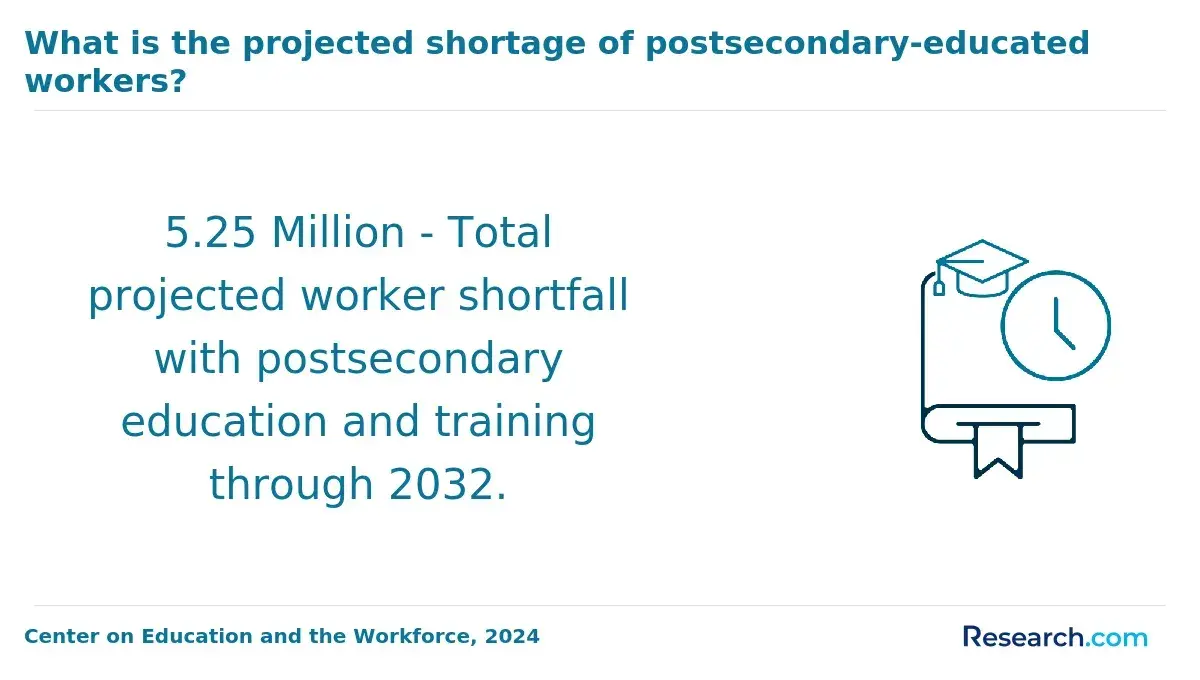
What accreditation and federal recognition should these deferred tuition colleges have?
Start with institutional accreditation from an accrediting agency recognized by the U.S. Department of Education and/or the Council for Higher Education Accreditation. Institutional accreditation evaluates the college as a whole, including academic quality, governance, financial practices, student support, and learning resources. It is the baseline check for transferability, employer confidence, and access to many forms of federal student aid.
For the colleges discussed here, the key institutional accreditors are the Higher Learning Commission for Franklin University and the Middle States Commission on Higher Education for Excelsior University and University of Maryland Global Campus. Accreditation status can change, so verify it directly in the U.S. Department of Education's Database of Accredited Postsecondary Institutions and Programs and in the accreditor's directory.
Use this distinction to avoid a common and costly mistake: institutional accreditation and programmatic accreditation answer different questions.
| Type of review | What it generally covers | Why it matters for reimbursement students |
| Institutional accreditation | The college overall | Helps establish that the school is a recognized postsecondary institution and may support transfer-credit and employer-benefit review. |
| Programmatic accreditation | A specific discipline, such as nursing, business, engineering, or counseling | May be necessary for licensure, certification, clinical placement, or employer recognition in regulated fields. |
| State authorization | Permission to educate students in a state | Especially important for online learners and programs leading to professional licensure. |
Do not assume that a business, information technology, or general studies program needs specialized accreditation to be worthwhile. However, a student pursuing nursing, teaching, counseling, social work, engineering, or another regulated path should separately confirm program accreditation and state licensure eligibility before using an employer benefit.
Colleges that defer tuition need evidence that a student has a realistic reimbursement source. Their verification process protects the school from carrying unpaid balances and helps prevent students from confusing an informal manager promise with a formal employer benefit.
Requirements vary, but schools commonly request the following information before approving a deferral.
- A current employer tuition-reimbursement policy showing benefit limits, eligibility rules, and reimbursement timing.
- An employer approval letter, benefits portal confirmation, or signed form identifying the employee and approved coursework.
- A completed college deferment application and signed agreement accepting personal responsibility for any balance.
- Proof of registration, course cost, and sometimes a required down payment or administrative fee.
- Updated documentation after the term, such as grades, proof of course completion, or evidence that a reimbursement claim was submitted.
The main red flag is vague verification. A legitimate college should be able to explain exactly what it needs, when it needs it, which charges qualify, and what happens if the employer payment is late. It should not tell students that employer reimbursement is guaranteed or imply that an employer will pay without written authorization.
Students should also check whether fees, books, technology charges, repeat-course costs, and prior balances are excluded from the deferral. Employers often reimburse tuition only, while colleges may require students to pay non-tuition charges immediately.
The timing mismatch is the core risk. Employers commonly reimburse after a course ends and after the employee submits final grades, while colleges may require deferred tuition shortly after the term closes. A plan works only when the school's extended due date is later than the employer's realistic, not ideal, claim processing date.
Before enrolling in an accelerated format, calculate the timeline course by course. An accelerated associate degree can reduce time to completion, but shorter terms may create more frequent tuition bills and more reimbursement claims in the same benefit year.
This comparison helps identify whether a timing gap is manageable or likely to create an unexpected balance.
| Billing model | When the college expects payment | When the employer commonly reimburses | Primary risk |
| Standard upfront billing | Before or at the start of the term | After successful completion | The employee must finance the full amount initially. |
| Employer-reimbursement deferral | At a later school-set date, often after the course or term | After grades and claim review | Employer processing may outlast the school's extension. |
| Employer direct billing | The employer is invoiced under an agreement | Not dependent on employee reimbursement first | Participation may be limited to named employers or approved programs. |
| Installment plan | Multiple scheduled payments during the term | After course completion | Payments may still be due before reimbursement arrives. |
Ask both parties for dates, not general assurances. Get the college's final deferred due date, late-fee date, registration-hold date, and collection date. Then ask the employer when a complete claim is normally paid and whether the cycle changes at year-end or when annual benefit funds are exhausted.
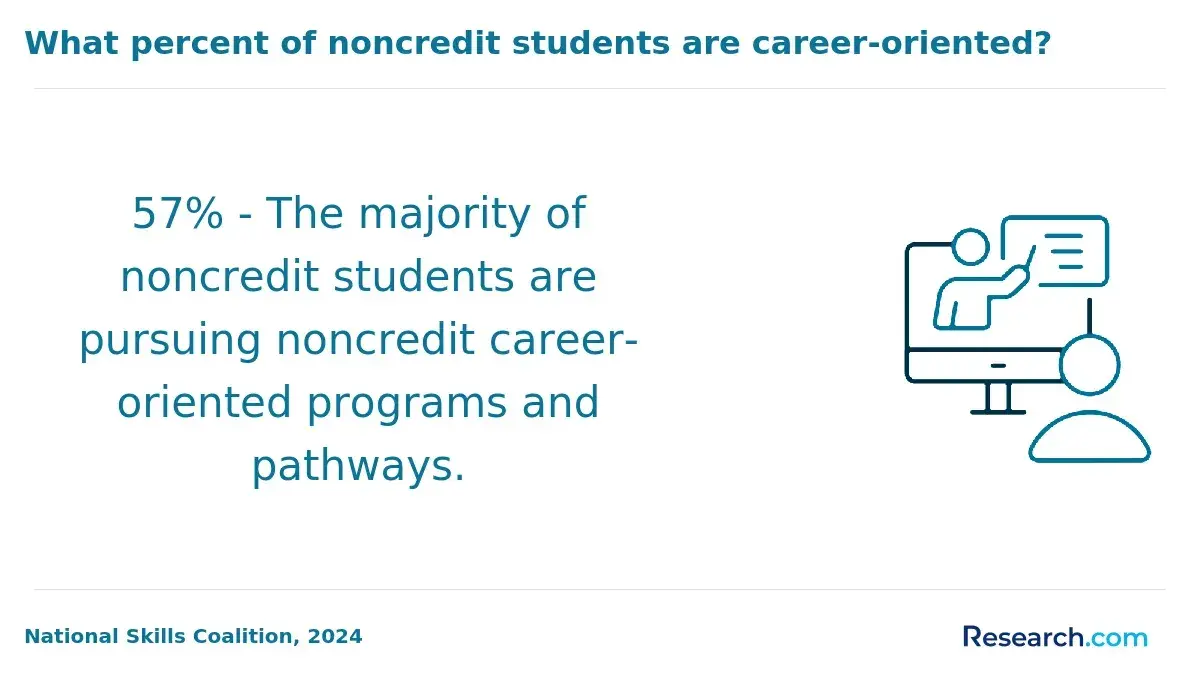
Tuition deferral can reduce an immediate cash burden, but it can also hide the fact that the student is taking on a short-term obligation. The most serious consumer-protection issue is misunderstanding who owes the debt. Unless the employer directly contracts with the college, the student generally remains responsible for tuition and related charges.
Watch for these risks before signing a deferred-payment agreement.
- Benefit caps that cover less than tuition, required fees, books, or technology charges.
- Grade requirements that make a completed course ineligible for reimbursement.
- Employment requirements that end eligibility after resignation, layoff, leave, or a change from full-time to part-time status.
- Late fees, registration holds, transcript holds where permitted, or collection activity if the employer pays after the college's deadline.
- Repayment clauses requiring employees to repay the employer if they leave within a specified period after reimbursement.
- Marketing that describes a deferral as "employer paid" without clearly explaining the student's backup obligation.
A lower sticker price can be safer than a generous-looking deferral arrangement if it leaves less unpaid exposure. This is especially important for students rebuilding financial stability or returning to school after justice involvement; reviewing what can a felon go to college for may help a prospective student compare accessible degree paths alongside employer-benefit rules.
Protect yourself by keeping copies of the employer policy, approval notice, college agreement, itemized bill, grades, and reimbursement submission. If a college's disclosures are unclear, ask its bursar or student accounts office to explain the consequence of a denied or delayed claim in writing.
Accreditors generally do not endorse a particular tuition-deferral program or employer reimbursement arrangement. Their concern is broader: whether an institution operates ethically, provides accurate consumer information, maintains sound financial practices, and delivers the education it promises. A school should not use reimbursement language in a misleading way or obscure a student's financial responsibility.
Institutional accreditation is therefore an important quality signal, but it is not a guarantee that a billing arrangement is favorable. The accreditor does not set your employer's reimbursement cap, decide whether a course is eligible, or enforce the exact due date in an individual student contract.
Programmatic accreditors focus on curriculum, faculty qualifications, learning outcomes, professional standards, and field-specific resources. For a business administration student, specialized business accreditation may be a useful quality factor in some cases, but it is not normally required for employer tuition reimbursement. For licensure-oriented programs, programmatic accreditation may be far more consequential than a payment deferral because a nonqualifying program can undermine the career value of the expense.
The practical order is simple: verify institutional accreditation first, verify programmatic accreditation when your career path requires it, and then evaluate the reimbursement agreement as a separate financial decision.
Do not rely solely on an admissions conversation, a search result, or an employer portal listing. Accreditation and billing options are independently verifiable, and checking both before registration can prevent a transfer-credit problem or an unexpected payment demand.
Use this process to document your decision.
- Search the U.S. Department of Education's accreditation database for the institution's current name, location, and institutional accreditor.
- Check the accreditor's own directory to confirm the school's status and note any public actions or disclosures.
- For regulated careers, ask the department whether the specific program meets the educational requirements for your intended state and license.
- Request the current employer-reimbursement deferment form, policy, and payment agreement from the college's bursar or student accounts office.
- Ask the employer benefits team to confirm in writing that your institution, program, course level, and planned term are eligible.
- Compare the employer's maximum reimbursement and payment date with the college's total charges and final deferred-payment deadline.
Ask for documentation that identifies the exact term. A webpage can describe a general program while the agreement you sign controls the actual balance, deadline, fee, and consequences of nonpayment. Save dated copies before your course begins.
These options solve different cash-flow problems. The right choice depends on whether the employer pays the school directly, reimburses you later, or provides no education funding at all. A student should not choose a program solely because it advertises delayed payment; the total cost, academic fit, and employer eligibility still matter.
The comparison below separates the four arrangements that are often described interchangeably.
| Option | Who pays the college first | Who carries the timing risk | When it makes sense |
| Tuition deferral for reimbursement | The college temporarily carries the unpaid balance | The student if reimbursement is late, denied, or incomplete | You have a documented reimbursement benefit and a compatible due date. |
| Employer direct billing | The employer under a school agreement | Usually the employer and college, subject to the agreement | Your employer is an approved partner and will authorize the charge. |
| Tuition installment plan | The student over several scheduled payments | The student | You can pay gradually and do not depend on a later reimbursement check. |
| Federal aid or private financing | Aid source, lender, and/or student | The student, subject to aid and loan terms | You need financing beyond an employer benefit or have no qualifying benefit. |
Direct billing is usually the lowest-risk reimbursement model because the employee does not need to float the same tuition balance, although the employer may still impose grade or service requirements. Deferral is a middle-ground option. Installment plans are often more widely available but may not align with reimbursement timing.
If speed is your priority, compare the course calendar as carefully as the billing structure. A fastest degree to get may reduce the number of terms you must fund, but compressed classes can require quicker employer approvals and leave less time to correct a denied claim.
What questions should working adults ask colleges and employers before using deferred tuition?
The best time to identify a reimbursement gap is before enrolling, not after grades are posted. Ask the college and employer separately because each party may assume the other has explained a condition that affects your bill.
Bring these questions to the college's student accounts office and your employer's benefits administrator.
- Is employer-reimbursement tuition deferral available for my exact program, course format, and upcoming term?
- What amount is deferred, and which charges must I pay upfront?
- What documents are required before registration, and what is the final application deadline?
- What is the exact deferred-payment due date, and when do late fees, holds, or collections begin?
- Will the college bill my employer directly, or will I be solely responsible for submitting a reimbursement claim?
- Does my employer require preapproval, a minimum grade, continued employment, or an eligible field of study?
- What is my remaining annual benefit after taxes, previous claims, and any employer-imposed caps?
- Does the employer require me to repay reimbursement if I leave the company?
Working adults balancing employment, family obligations, and study may also prefer a short, focused learning option before committing to a degree. Reviewing 6-week online courses with certificates can help you assess whether your employer covers nondegree credentials and whether a compressed schedule fits your reimbursement policy.
A smart final check is to calculate your worst-case cost: assume the employer pays nothing and determine whether you could pay the deferred balance without high-cost borrowing. If the answer is no, reduce the course load, seek direct billing, wait for written approval, or select a program with a lower upfront obligation.
Other Things You Should Know About Business Administration
Often, yes, but the employer sets the rules. Confirm that online coursework, the institution, the degree level, and business administration as a field of study are eligible. Some employers require preapproval or limit reimbursement to job-related education.
No. In most deferred-tuition arrangements, the student remains responsible for the balance. Read the signed agreement for the due date, fees, and consequences if reimbursement is delayed or denied.
If you leave your job during the tuition deferral period, most colleges require you to pay the deferred tuition immediately. Some schools may offer a brief grace period, typically 30 days, to settle the outstanding tuition balance.
Possibly. The interaction can affect your aid package and school billing, so disclose employer assistance to the financial aid office. Do not assume reimbursement will replace every cost or that it will arrive before aid-related balances are due.
- Tuition Deferment and Employer Reimbursement https://www.keystone.edu/admissions/tuition-aid/tuition-deferment-employer-reimbursement/
- Employer Tuition Reimbursement Program | University Bulletin 2019-2020 https://2019bulletin.loyno.edu/graduate/employer-tuition-reimbursement-program.html
- U.S. Department of Education, Federal Student Aid. (2026). Institutional eligibility. Federal Student Aid Handbook, Volume 2, Chapter 1.https://fsapartners.ed.gov/knowledge-center/fsa-handbook/2026-2027/vol2/ch1-institutional-eligibility
- U.S. Department of Education, Federal Student Aid. (2026). Satisfactory academic progress.https://fsapartners.ed.gov/knowledge-center/fsa-handbook/fsa-assessments/satisfactory-academic-progress
- U.S. Department of Education. (2025). Accreditation in the United States.https://www.ed.gov/laws-and-policy/higher-education-laws-and-policy/college-accreditation/accreditation-in-the-u