2027 Should You Transfer Before or After Earning 60 Credits?

Co-Founder and Chief Data Scientist
Transferring before or after 60 credits can change your cost, timeline, financial aid, and graduation plan. The stakes are real. College Board reported average 2024-25 tuition and fees of $4,050 at public two-year colleges versus $11,610 for in-state public four-year colleges.
That gap makes timing especially important for community college students, online learners, military students, and anyone changing majors. This guide explains when transferring early makes sense, when waiting is safer, and how to avoid losing credits, money, or time.
Key Things You Should Know
- Transferring after about 60 semester credits is often best when those credits complete an associate degree or a guaranteed transfer pathway, but it is not always best for majors with strict course sequences.
- Transferring before 60 credits can be smarter if your target program limits transfer credits, requires early major admission, or will not apply your current courses toward the bachelor's degree.
- College Board's 2024-25 data shows public two-year tuition and fees average $4,050, while in-state public four-year tuition and fees average $11,610, so staying longer at a community college can reduce tuition only if credits apply cleanly.
Should You Transfer Before or After 60 Credits?
The best time to transfer is usually after earning 60 transferable semester credits if you are following a clear community college-to-university pathway, staying in the same major, and completing lower-division general education requirements. In many state systems, 60 credits roughly equals two years of full-time study and may align with an associate degree, junior standing, or a block transfer agreement.
However, transferring before 60 credits can be the better move if your target bachelor's program has sequenced prerequisites, studio or lab requirements, cohort admission, clinical placements, or school-specific general education rules. In those cases, staying too long at your current school can create "excess credits" that appear on your transcript but do not shorten your time to graduation.
The decision is less about the number 60 and more about how each course applies to your intended degree. Use the table below to compare the most common timing choices and the trade-offs that matter most.
| Transfer timing | When it usually makes sense | Main risk | Best fit |
| Before 30 credits | You chose the wrong school, need a specialized major, or want to enter a sequenced program early. | You may be reviewed more like a first-year applicant and need stronger high school records. | Students changing direction early or targeting competitive majors. |
| Between 30 and 59 credits | You have proven college performance but have not yet completed an associate degree. | Some general education or elective credits may transfer unevenly. | Students who need flexibility and want to avoid taking unnecessary courses. |
| At 60 credits | Your courses match a transfer map, articulation agreement, or associate degree pathway. | Major prerequisites may still be missing if you focused only on general education. | Community college students planning for junior standing. |
| After 60 credits | You need to finish a credential first, raise your GPA, or complete required prerequisites. | Credits beyond the receiving school's limit may transfer as unused electives. | Students with a confirmed degree audit from the destination school. |
As a practical rule, transfer after 60 credits only if your target college confirms that those credits apply to your bachelor's requirements. If the school cannot tell you how credits will count before enrollment, ask for a preliminary transfer evaluation or degree audit before making your decision.
How Many Credits Do Colleges Require?
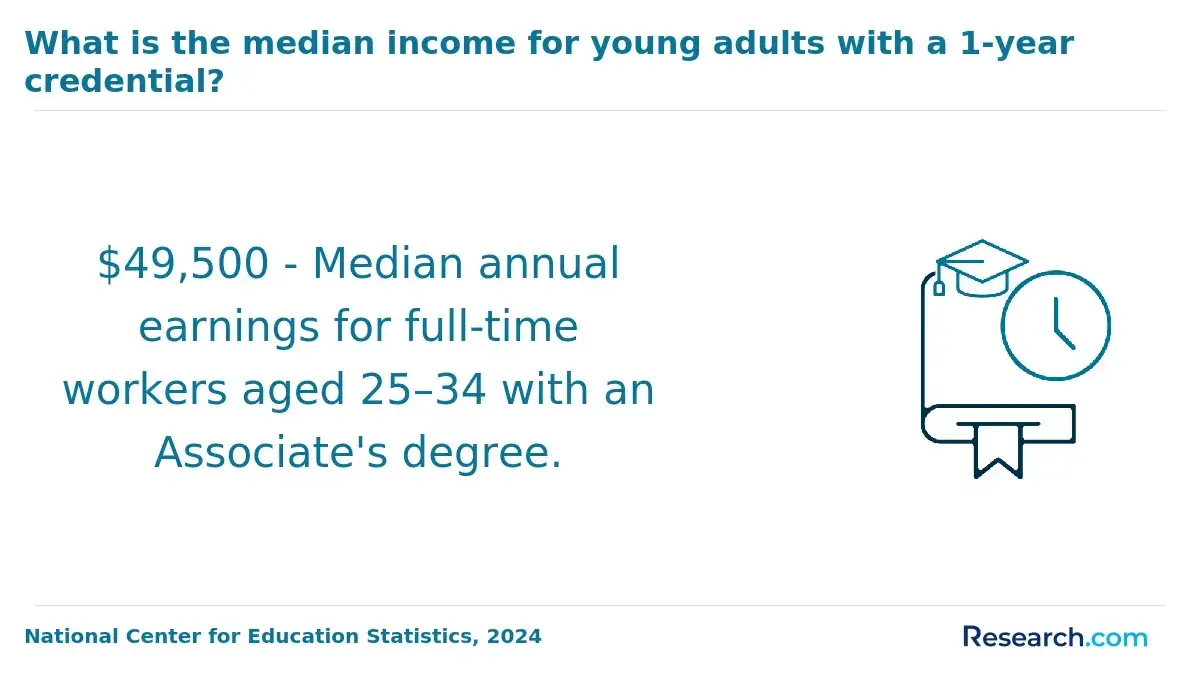
Most bachelor's degrees require about 120 semester credits, so 60 credits is commonly treated as the halfway point. Associate degrees usually require about 60 credits, which is why many students complete one before transferring into a four-year program.
Credit requirements vary by degree type, academic calendar, and program structure. The table below shows the typical credit ranges students should understand before planning a transfer.
| Program or milestone | Typical semester credits | What it means for transfer students |
| Certificate | 12 to 30 | May transfer as electives, but often does not replace bachelor's general education or major requirements. |
| Associate degree | 60 | Often aligns with lower-division coursework, especially in structured transfer programs. |
| Junior standing | 60 | May affect admissions category, housing, scholarships, and remaining degree requirements. |
| Bachelor's degree | 120 | Usually requires a mix of general education, major courses, electives, and upper-division credits. |
| Upper-division requirement | Often 30 to 45 | These credits usually must be completed at the four-year institution or through approved upper-level coursework. |
If you are still choosing a starting point, compare how different 2-year degrees align with your intended bachelor's major. A transfer-focused associate of arts or associate of science may be more portable than a career-focused associate of applied science, depending on the receiving school.
One common mistake is assuming that "60 credits earned" means "60 credits accepted toward my major." A receiving college may accept credits to the transcript but apply only some of them to graduation requirements.
What Happens to Unused Transfer Credits?
Unused transfer credits are credits a receiving college accepts but does not apply directly to your degree plan. They may appear as free electives, general electives, lower-level electives, or non-applicable credits. This can be frustrating because the credits are real, but they may not reduce the number of courses you still need to graduate.
The most common reasons credits go unused are predictable, so checking for them early can save time and money.
- Duplicate content: Two courses cover similar material, so only one satisfies a requirement.
- Wrong course level: A lower-division course transfers, but the bachelor's program requires an upper-division version.
- Major mismatch: Courses fit your old major but not your new one.
- Grade minimums: The receiving school may require a minimum grade, often a C or higher, for transfer credit.
- Credit caps: Some colleges limit the number of community college, military, exam-based, or prior-learning credits that can apply.
Unused credits can also affect financial aid. Federal aid rules include satisfactory academic progress standards, which consider attempted credits and maximum time frame. If you accumulate many credits that do not apply to your program, you may need to appeal or pay out of pocket for remaining coursework.
Before enrolling, ask the destination school for a written explanation of how each completed course will apply: general education, major prerequisite, elective, or not applicable. That document is more useful than a simple statement that the school "accepts transfer credits."
How Do Transfer Policies Differ by School?
Transfer policies differ because each college controls its curriculum, residency rules, accreditation standards, and degree requirements. Public institutions within the same state often have clearer pathways, while private, out-of-state, and highly specialized programs may evaluate credits course by course.
These policy differences are the main reason two students with the same transcript can receive very different transfer evaluations. The table below explains what to compare before assuming your credits will travel.
| Policy area | What to check | Why it matters |
| Maximum transfer credits | The total number of credits the school will apply toward the degree. | A school may accept more credits on the transcript than it allows toward graduation. |
| Residency requirement | The minimum credits you must complete at the new institution. | This can limit how much time you actually save by transferring late. |
| Major admission rules | Whether you must apply separately to a business, nursing, engineering, education, or arts program. | Admission to the university does not always mean admission to the major. |
| General education transfer | Whether the school accepts a completed gen ed package or reviews each course. | Block transfer can be more predictable than course-by-course review. |
| Course age limits | Whether science, technology, health, or business courses expire after a certain period. | Older credits may not satisfy current prerequisites. |
Red flags include vague credit promises, no published transfer equivalency tool, no articulation agreement, and advisors who cannot explain how credits apply to your specific major. A transfer-friendly college should be willing to discuss credit application before you commit.
Does Accreditation Affect Credit Transfer?
Accreditation can strongly affect whether credits transfer. In the U.S., institutional accreditation is a basic quality review used by colleges, employers, licensing boards, and financial aid agencies. A school's accreditation status does not automatically guarantee transfer, but credits from properly accredited institutions are generally easier to evaluate.
Programmatic accreditation can also matter. Nursing, education, engineering, social work, counseling, and some business programs may have specialized accreditor expectations that shape which prerequisites, clinical hours, labs, or field experiences count.
Before transferring, verify accreditation in a direct and practical way:
- Search the current school and destination school in the U.S. Department of Education's recognized accreditation database.
- Check whether your intended major requires programmatic accreditation for licensure, certification, or employer recognition.
- Ask the receiving school whether credits from your current institution have transferred before and how they were applied.
- Confirm whether online, hybrid, branch-campus, or competency-based courses are covered under the same accredited institution.
The mistake to avoid is choosing a school only because it advertises "accredited" status. Accreditation type, current standing, program approval, and state authorization can all matter, especially for licensed professions.
How Do Online and Campus Credits Transfer?
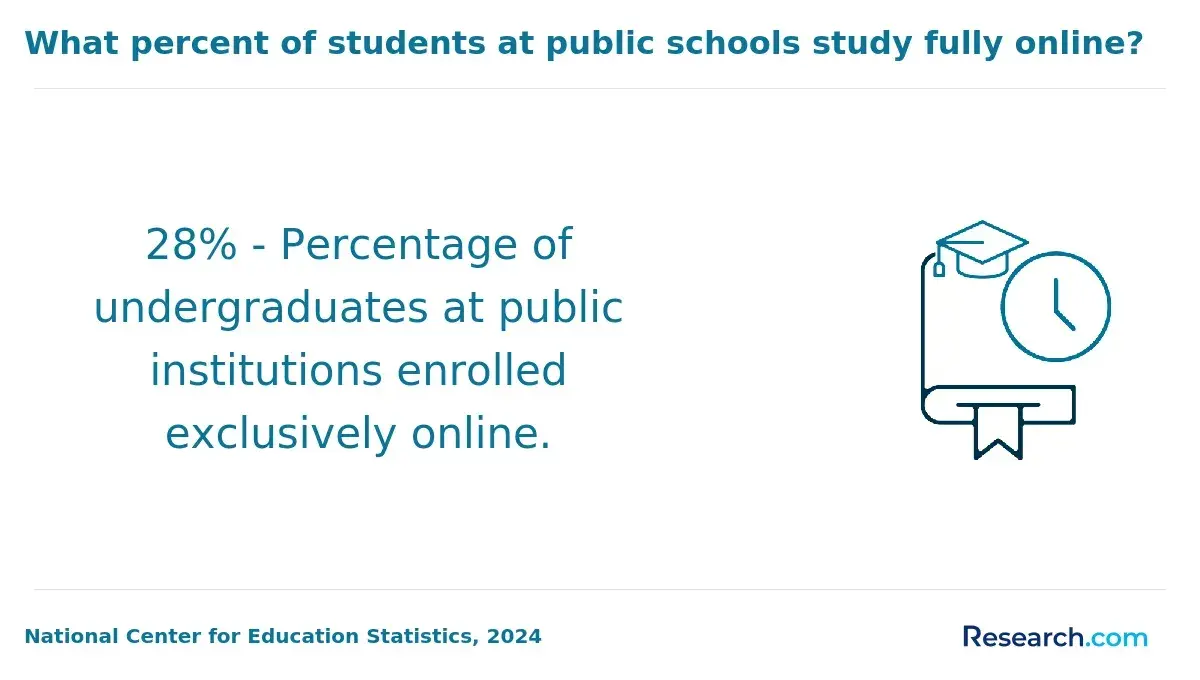
Online and campus credits can transfer similarly when they come from an accredited institution and appear on an official transcript with the same course numbers, credit hours, and grades. Many universities do not label transcripted credits as "online" when the course is part of the regular catalog.
The bigger issue is not whether a class was online. It is whether the course matches the receiving school's curriculum and whether the program has hands-on requirements. Labs, clinicals, practicums, student teaching, studio work, and supervised field experiences may have stricter rules.
Online learning has also become a normal part of transfer planning. If you need to finish prerequisites quickly after a credit evaluation, an accelerated online bachelor's degree pathway may help, but only if the program confirms that your prior credits apply to required courses rather than just electives.
Compare formats based on your real constraints, not just convenience.
| Format | Transfer advantage | Potential drawback | Best for |
| Fully online | Flexible scheduling and wider access to programs outside your area. | Some majors still require in-person labs, internships, or clinical placements. | Working adults, parents, military students, and students with limited campus access. |
| Hybrid | Combines online flexibility with campus-based requirements. | Travel may still be required on specific days or weeks. | Students in applied, health, education, or lab-based programs. |
| Campus-based | Direct access to facilities, faculty, advising, and peer networks. | May be harder to schedule around work or family obligations. | Students who need structured support or hands-on learning environments. |
Ask whether online transfer students receive the same advising, registration priority, career services, and financial aid support as campus students. A flexible format is only useful if the institution can support you through graduation.
What Admission Materials Do Transfer Students Need?
Transfer admissions usually focus more on your college record than your high school record, especially once you have completed a meaningful number of credits. Still, requirements vary by institution and by how many credits you have earned.
Most transfer applicants should prepare the following materials before applying:
- Official college transcripts: Send transcripts from every college attended, even if you withdrew or earned only a few credits.
- High school transcript or GED record: Some schools still require this for applicants with fewer completed college credits.
- Course syllabi: These may be needed when the receiving school cannot match a course by title alone.
- Transfer application: Use the school's transfer application rather than the first-year application when available.
- Personal statement: Explain your academic goals, major choice, and reason for transferring if the school requests one.
- Financial aid documents: Update the FAFSA and list the destination school so it can prepare an aid offer.
- Major-specific materials: Competitive programs may require portfolios, auditions, prerequisite checks, interviews, or separate applications.
If timing is your biggest concern, some online colleges starting soon offer frequent start dates. That can be helpful after a transfer delay, but you should still wait for a credit evaluation before registering for classes.
A common mistake is applying only to the university and forgetting that the major may have a second admissions process. This is especially important for nursing, engineering, teacher education, architecture, social work, and business programs.
How Long Does a Transfer Add to Graduation?
A transfer can add no time, one term, a full year, or more to graduation depending on credit fit. The cleanest transfers happen when students complete the exact lower-division courses required for the bachelor's program and enter with junior standing. Delays happen when credits transfer as electives, prerequisites are missing, or required courses are offered only once per year.
The most important timeline question is not "How many credits will transfer?" but "How many requirements will remain?" A student with 60 accepted credits may still need three years if many required major courses must be taken in sequence.
Several factors commonly extend a transfer student's timeline:
- Sequential prerequisites: Chemistry, calculus, accounting, engineering, language, and nursing sequences often must be completed in order.
- Limited course availability: Some upper-division courses are offered only in fall or only in spring.
- Separate major admission: You may need to complete prerequisites before officially entering the major.
- Residency requirements: The college may require a minimum number of credits completed after transfer.
- Part-time enrollment: Work and family obligations can stretch the timeline even when credits transfer well.
To estimate your real graduation date, request a degree plan showing remaining courses by term. If an advisor cannot map the sequence, ask the department for help before enrolling.
What Costs Change When You Transfer?
Transferring can change tuition, fees, housing, transportation, books, technology costs, lost work hours, scholarships, and financial aid timing. Staying at a lower-cost college longer can save money, but only when the credits apply directly to the bachelor's degree.
College Board's 2024-25 pricing data helps show why students often consider delaying transfer: published tuition and fees average $4,050 at public two-year colleges, $11,610 for in-state students at public four-year colleges, $30,780 for out-of-state students at public four-year colleges, and $43,350 at private nonprofit four-year colleges. The savings can be significant, but unused credits can erase part of that benefit.
Consider these cost categories before deciding when to move:
- Tuition difference: Compare cost per credit at your current school and destination school.
- Fees: Online, lab, technology, health, athletic, and program fees can change the real price.
- Living costs: A campus transfer may add housing, meal plan, commuting, or relocation expenses.
- Scholarships: Some transfer scholarships require a minimum GPA, associate degree, or credit threshold.
- Financial aid eligibility: Confirm FAFSA participation, aid deadlines, and satisfactory academic progress rules.
- Opportunity cost: Delayed graduation can affect earnings, promotions, licensure timing, or graduate school plans.
If affordability is the main reason you are considering online study, compare online colleges that accept FAFSA and verify that they also accept your transfer credits toward your intended major.
The biggest cost mistake is focusing only on sticker tuition. A slightly more expensive school may be cheaper overall if it accepts more credits toward the major and gets you to graduation sooner.
How Do You Choose a Transfer-Friendly College?
A transfer-friendly college is transparent, timely, and specific. It does not simply say that it "accepts transfer students." It shows how credits apply, publishes policies clearly, offers transfer advising, and helps students build a realistic path to graduation.
Use these questions when comparing colleges. They are designed to reveal whether the school can support your transfer goal before you pay deposits or register for courses.
- Will you provide a preliminary degree audit before I enroll?
- How many of my credits apply to general education, major requirements, electives, and graduation requirements?
- Do you have an articulation agreement or transfer map with my current school?
- What is the maximum number of credits I can transfer from a two-year college?
- How many credits must I complete at your institution?
- Does my intended major have separate admission requirements?
- Are any of my completed courses too old to count?
- Which courses should I take next if I delay transfer for one more term?
- Are transfer students eligible for scholarships, honors programs, internships, and career services?
- Can you provide a term-by-term graduation plan?
If you may continue to graduate study later, planning ahead matters. For example, students comparing a bachelor's transfer plan with a future low cost masters degree online should ask whether prerequisite, GPA, accreditation, or licensure requirements will affect the next step.
Choose the school that gives you the clearest path, not necessarily the school that accepts the highest number of credits. The better outcome is the one with the fewest wasted credits, the most predictable graduation timeline, and the strongest fit for your academic and career goal.
Other Things You Should Know About Transferring
Often, yes, but not always. Many colleges use 60 semester credits as the benchmark for junior standing, but your standing depends on how the receiving school applies those credits to its degree requirements.
No. Transferring before finishing an associate degree can be smart if your target bachelor's program requires early prerequisites or if your current courses will not apply well. The risk is leaving behind a credential that could have strengthened your transfer application or scholarship eligibility.
Yes. A school may accept credits as electives but still require you to complete its own version of a course for your major, accreditation standard, grade requirement, or upper-division requirement.
Ask the destination college for a preliminary credit evaluation, compare remaining degree requirements, check major admission rules, estimate total cost, and build a term-by-term graduation plan before enrolling.
References
- Top 5 FAQs about Transferring Schools & Colleges - Greene's College Oxford https://greenesoxford.com/top-5-faqs-about-transferring-schools-colleges/
- What Are Credit Hours In College? https://www.citizensbank.com/student/articles/what-are-credit-hours-in-college.aspx
- The Best Schools for Transferring - Top Tier Admissions https://toptieradmissions.com/the-best-schools-for-transferring/
- What Affects Money Transfer Fees? | Pesa https://www.pesa.co/blog/what-affects-money-transfer-fees
- A Guide to Transferring Colleges Successfully | SoFi https://www.sofi.com/learn/content/guide-to-transferring-colleges/
- Transfers Between Colleges: The Complete Guide to Switching Schools Successfully https://orieladmissions.com/transfers-between-colleges/