2027 Digital Arts: Complete Student Guide

Co-Founder and Chief Data Scientist
Choosing a digital arts program is really a choice about portfolio, technology, cost, and career fit. Digital artists now work across animation, games, web media, advertising, film, user experience, and immersive content. The U. S. Bureau of Labor Statistics reported a 2024 median pay of $99,060 for special effects artists and animators, showing why the field attracts creative students with technical interests. This guide is for prospective students comparing degrees, formats, costs, and outcomes so they can choose a program that supports their goals without overpaying or underpreparing.
Key Things You Should Know
- Digital arts degrees range from short certificates to BFAs, BAs, BS degrees, and MFAs; the right choice depends on whether you need a fast portfolio credential, broad creative training, technical production skills, or graduate-level specialization.
- College Board's 2024 pricing data shows average published tuition and fees of $11,610 for in-state public four-year colleges and $43,350 for private nonprofit four-year colleges, so total cost should be compared against portfolio quality, software access, internship support, and transfer-credit policies.
- BLS 2024 data places median pay at $99,060 for special effects artists and animators, $61,300 for graphic designers, and $95,380 for web developers and digital designers, but earnings vary widely by portfolio, location, industry, and technical skill depth.
What is digital arts in college?
Digital arts in college is the study and practice of creating visual, interactive, motion-based, and multimedia work with digital tools. Programs usually combine traditional art foundations, design thinking, storytelling, software training, and production workflows. Depending on the school, the major may be called digital art, digital media arts, digital design, animation, interactive media, game art, visual effects, or new media.
The central difference between digital arts and a general art major is the production environment. Students still learn composition, color, drawing, critique, and visual culture, but they also use tools such as Adobe Creative Cloud, 3D modeling software, game engines, motion graphics platforms, tablets, audio tools, and collaborative production systems.
This field is a good fit if you want a creative career that requires both visual judgment and technical execution. It may be less ideal if you mainly want fine arts studio practice without software-heavy work, or if you want a computer science path focused more on programming than visual communication.
Students should understand the main areas within digital arts before choosing a school because programs often emphasize different outcomes. The table below summarizes common focus areas and what they prepare students to produce.
| Digital arts focus | What students learn | Best fit for students interested in |
| Animation and motion design | 2D animation, 3D animation, storyboarding, character movement, compositing, editing | Film, streaming media, advertising, explainer videos, games |
| Game art and interactive media | Asset creation, environments, character design, user interaction, game-engine workflows | Video games, simulations, XR, interactive storytelling |
| Graphic and visual design | Typography, branding, layout, illustration, digital publishing, visual identity systems | Marketing, publishing, agencies, in-house design teams |
| Web and digital experience design | Interface design, responsive layouts, user experience basics, digital prototyping | Web products, apps, UX-adjacent creative roles |
| Visual effects and 3D production | Modeling, texturing, lighting, rendering, compositing, production pipelines | Film, television, advertising, visualization, immersive media |
One current trend shaping digital arts education is the use of artificial intelligence in ideation, image generation, editing, and production support. Students should not choose a program that treats AI as a replacement for fundamentals. The better programs teach ethical use, copyright awareness, prompt-based workflows, and how to refine AI-assisted work into original, portfolio-ready creative output.
What degrees are available in digital arts?
Digital arts credentials are available at several levels, and each level serves a different purpose. A certificate can help you build targeted software skills, while a bachelor's degree usually provides the broadest mix of art foundations, production practice, general education, and portfolio development. Graduate study is usually for specialization, teaching, leadership, or advanced studio work.
The table below compares common degree options so you can match the credential to your goal rather than assuming the longest program is always the smartest choice.
| Credential | Typical purpose | Common applicants | Main trade-off |
| Certificate | Short training in software, digital design, animation basics, or portfolio refresh | Career changers, working adults, students testing the field | Fast and focused, but may not meet degree requirements for some employers |
| Associate degree | Introductory training plus general education, often with transfer potential | Cost-conscious students, community college students, early-career creatives | Lower upfront cost, but career options may be more limited without a portfolio or bachelor's transfer plan |
| Bachelor of Arts | Broad liberal arts and digital media study with flexibility for electives or minors | Students combining digital arts with communication, business, writing, or humanities | Flexible, but may have fewer intensive studio hours than a BFA |
| Bachelor of Fine Arts | Studio-intensive professional preparation with significant portfolio development | Students pursuing animation, illustration, VFX, game art, or design production | Strong creative focus, but less room for non-art electives |
| Bachelor of Science | Technical digital media, interactive design, UX, web, or production systems | Students who want more technology, coding, or applied media production | Useful for technical roles, but may feel less studio-centered |
| Master of Fine Arts | Advanced creative practice, research, critique, teaching preparation, or specialization | Experienced artists, future faculty, advanced studio practitioners | High commitment and cost; best when tied to a clear professional or academic goal |
A bachelor's degree is often the most balanced option for students who want access to internships, faculty critique, collaborative projects, and a four-year portfolio arc. However, students with strong self-discipline, prior creative experience, or a narrow software goal may get better value from a certificate or associate-to-bachelor's transfer pathway.
Digital arts is not always the highest paying degree compared with engineering, computer science, or some health fields, so students should evaluate return on investment through a creative-career lens. The strongest ROI usually comes from combining artistic ability with marketable technical skills, such as motion design, 3D production, UX fundamentals, web design, game engines, or production management.
Is digital arts accreditation important?
Accreditation is important because it helps verify that a college meets recognized academic and administrative standards. For most digital arts students, the first thing to check is institutional accreditation, especially if they plan to use federal financial aid, transfer credits, apply to graduate school, or work for employers that verify degree legitimacy.
Programmatic accreditation can also matter, but it is not equally common across all digital arts areas. Some art and design programs may seek accreditation from specialized bodies, while others operate within accredited universities without a separate program-level designation. Lack of specialized accreditation is not automatically a red flag, but lack of recognized institutional accreditation should make you pause.
Before enrolling, students should verify accreditation and academic quality using a practical checklist. These steps are especially important for online programs, private colleges, and schools with aggressive marketing.
- Confirm that the institution is recognized by an accreditor accepted by the U.S. Department of Education or the Council for Higher Education Accreditation.
- Ask whether credits transfer to public universities or partner schools, especially if you are starting with an associate degree or certificate.
- Review faculty portfolios, student work, senior projects, and alumni outcomes rather than relying only on promotional language.
- Check whether the curriculum includes current software, critique-based learning, production collaboration, and portfolio development across multiple courses.
- Ask whether the school owns or licenses the required tools, or whether students must pay separately for hardware, software, cloud storage, rendering, and equipment.
Common red flags include vague career claims, no clear portfolio requirement, outdated software lists, limited student work samples, unclear transfer-credit policies, and programs that promise employment outcomes. Accreditation can reduce risk, but it does not guarantee job placement; your portfolio, internships, networking, and technical fluency still matter.
Are online digital arts programs better than campus programs?
Online digital arts programs are not automatically better or worse than campus programs. The better choice depends on your learning style, equipment access, schedule, budget, and desired specialization. Online study can be excellent for motivated students who can manage independent production work, while campus study may be stronger for students who benefit from studios, labs, peer critique, and in-person collaboration.
Students comparing formats should focus on learning conditions rather than assuming one format is more respected. The table below shows how online and campus digital arts programs typically differ in ways that affect student experience and career preparation.
| Factor | Online digital arts program | Campus digital arts program |
| Schedule | Often more flexible for working students and caregivers | More structured with fixed studio, lab, and critique times |
| Equipment | Student may need a powerful computer, tablet, software, camera, or home studio setup | May provide labs, tablets, production rooms, printers, studios, or equipment checkout |
| Critique and feedback | Can be strong if courses include live reviews, recorded critiques, and instructor markup | Often easier to build critique habits through studio culture and peer review |
| Networking | Depends heavily on virtual events, alumni access, Discord or Slack communities, and internships | May offer local industry events, exhibitions, showcases, and campus recruiting |
| Best for | Self-directed students who need flexibility and can build a professional workspace | Students who want hands-on facilities, real-time collaboration, and physical studio access |
If you prefer online study, compare schools by portfolio outcomes, faculty feedback, software support, internship access, and student services. Lists of the best online schools can be useful starting points, but you should still verify whether a specific digital arts program has the tools, critique structure, and production focus you need.
Online programs are usually a stronger choice when you already have reliable hardware, can manage deadlines independently, and need to keep working while studying. Campus programs are often a stronger choice when you need access to specialized facilities, thrive on in-person critique, or want a highly collaborative animation, game, or studio environment.
What courses are in a digital arts program?
Digital arts courses usually move from foundations to tools, then into advanced production and portfolio development. A strong curriculum does not simply teach software buttons; it teaches students how to solve visual problems, receive critique, collaborate on projects, and present professional work.
The table below outlines common course categories and why each one matters. Course names vary by institution, but the learning progression is similar in many bachelor's programs.
| Course area | Common topics | Why it matters |
| Art and design foundations | Drawing, color theory, composition, typography, visual communication | Builds the visual judgment needed to create work that looks intentional, not just technically polished |
| Digital tools and production | Image editing, vector graphics, layout, video editing, motion graphics, digital illustration | Develops practical fluency with tools used in creative workplaces |
| Animation and 3D | Storyboarding, character animation, modeling, texturing, lighting, rendering | Prepares students for motion, entertainment, game, and visualization work |
| Interactive and web media | Interface design, prototyping, basic coding, user experience, responsive design | Connects visual design to digital products and user-centered work |
| Art history and media theory | Visual culture, contemporary media, ethics, criticism, digital society | Helps students understand context, audience, originality, and responsible creation |
| Professional practice | Portfolio, capstone, internships, client projects, contracts, presentation skills | Turns student work into career-facing evidence of skill |
When reviewing a curriculum, look for repeated portfolio checkpoints rather than one final portfolio course at the end. Good programs build critique into many courses, so students improve gradually and avoid graduating with disconnected assignments that do not show a clear creative identity.
Students should also pay attention to how programs handle AI, copyright, and authorship. AI-assisted tools can speed up brainstorming and production tasks, but employers still need artists who understand composition, editing, storytelling, accessibility, brand systems, and ethical use of source material.
What are the admission requirements for digital arts programs?
Admission requirements for digital arts programs vary by school and degree level. Certificates may require only an application and proof of prior education, while bachelor's and BFA programs may ask for transcripts, essays, recommendations, and a portfolio. Selective art schools often treat the portfolio as one of the most important parts of the application.
Most applicants should prepare for several common requirements. The list below explains what schools may request and why each item matters in admissions review.
- High school diploma, GED, or prior college transcript showing academic readiness for college-level work.
- Application form and fee, although some schools waive fees during certain admissions periods.
- Portfolio of creative work, which may include drawing, digital illustration, photography, animation, design, video, 3D models, or mixed media.
- Personal statement explaining creative interests, career goals, influences, and why the program fits your direction.
- Letters of recommendation, often from teachers, counselors, art instructors, supervisors, or mentors who can discuss work habits and creative growth.
- Placement testing or general education requirements, especially at community colleges and some transfer-oriented programs.
A strong portfolio does not have to be perfect or professionally produced. Admissions reviewers usually want to see observation, experimentation, originality, persistence, and the ability to improve. If you do not have much digital work yet, include traditional art, photography, sketches, design studies, or personal projects that show visual thinking.
One common mistake is applying only to dream schools without checking portfolio expectations, transfer policies, and net price. A better approach is to build a balanced school list: one or two selective programs, several realistic options, and at least one affordable program where you would still be comfortable studying.
Before applying, ask admissions advisors specific questions instead of only asking whether you are likely to be accepted. Useful questions include how portfolios are reviewed, whether first-year students receive faculty critique, which software is required, how internships are supported, and whether transfer students can finish on time.
How long does a digital arts degree take?
The length of a digital arts degree depends on the credential, enrollment status, transfer credits, and studio sequence. Studio majors can be harder to accelerate than lecture-heavy programs because courses may build in strict order from foundations to intermediate production to capstone work.
The table below gives typical completion ranges. Actual timelines vary, so students should ask each school for a degree plan based on their transfer credits and intended enrollment pace.
| Program type | Typical full-time length | What can extend the timeline |
| Certificate | Several months to 1 year | Part-time pacing, limited course availability, portfolio revisions |
| Associate degree | About 2 years | Developmental courses, part-time enrollment, transfer planning issues |
| Bachelor's degree | About 4 years | Studio prerequisites, major changes, internship timing, capstone sequencing |
| Master's degree | About 2 to 3 years | Thesis or exhibition requirements, assistantships, part-time study |
Students who want to finish faster should not only ask about accelerated calendars. They should ask whether studio prerequisites are offered every term, whether summer courses count toward the major, and whether portfolio review can delay entry into upper-division courses.
A self-paced bachelor's degree may appeal to working adults, but digital arts students should be cautious. Self-paced formats work best for general education or software basics; advanced creative work still benefits from deadlines, critique, collaboration, and instructor feedback.
Transfer credit can shorten the timeline, especially for general education courses. However, studio credits may not transfer cleanly if the receiving school requires a specific foundation sequence or portfolio review. Before enrolling anywhere, ask for a written transfer evaluation and a term-by-term completion estimate.
How much does a digital arts degree cost?
The cost of a digital arts degree includes more than tuition. Students may also pay for technology, software, materials, printing, storage, rendering, travel, portfolio hosting, and exhibition expenses. For online students, the largest hidden cost is often building a home production setup that meets software requirements.
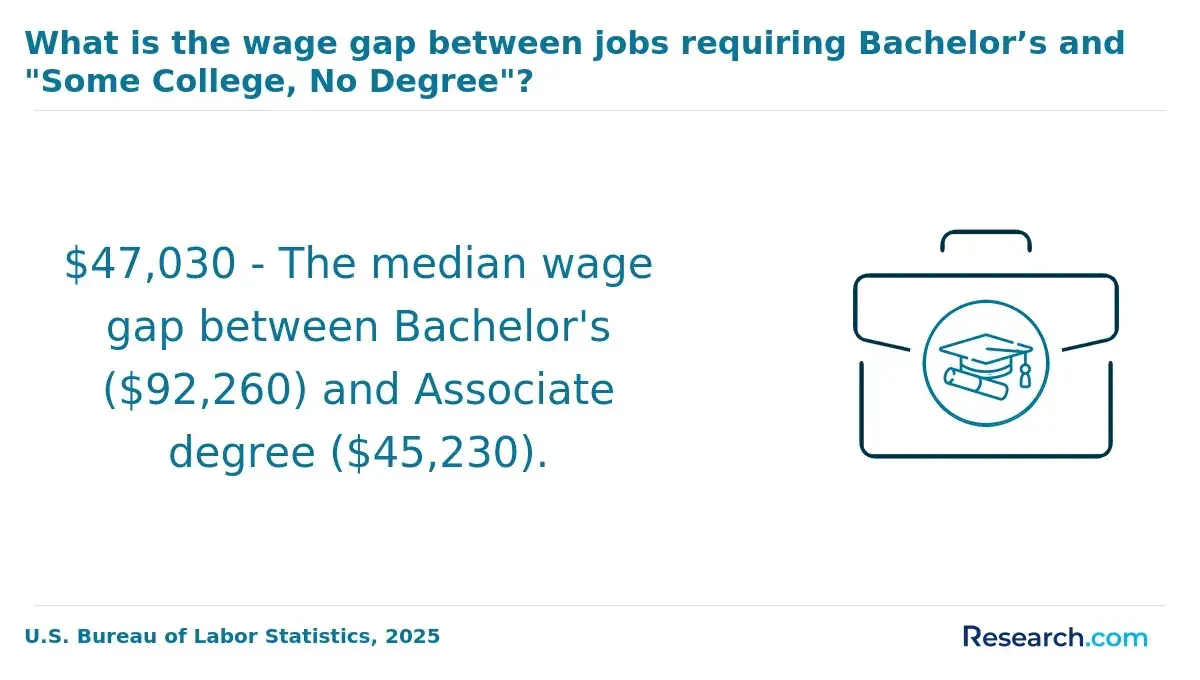
College Board's 2024 Trends in College Pricing data gives a useful baseline for published tuition and fees at four-year institutions. These figures do not include every student's aid package, living costs, or program-specific digital arts expenses, but they help students compare sticker prices before financial aid.
- Average published tuition and fees at public four-year in-state colleges: $11,610
- Average published tuition and fees at public four-year out-of-state colleges: $30,780
- Average published tuition and fees at private nonprofit four-year colleges: $43,350
Those numbers are starting points, not final costs. Your net price may be lower after grants and scholarships, or higher if you need housing, a high-performance laptop, drawing tablet, camera, external drives, or specialized production fees.
To compare programs fairly, students should estimate total cost of attendance and likely borrowing. This step matters because a lower-tuition program can become expensive if it requires extra semesters, while a higher-tuition program may be more reasonable if it offers strong scholarships, included software, and reliable internship support.
- Request the net price after grants and scholarships, not just the published tuition.
- Ask for a list of required hardware, software, materials, subscription fees, and equipment costs for each year of the program.
- Check whether general education credits can be completed at a lower-cost community college before transfer.
- Compare graduation requirements to see whether portfolio review, limited course rotations, or capstone sequencing could add time.
- Look for paid internships, work-study roles, lab assistant jobs, or campus media positions that build experience while reducing costs.
If affordability is your main concern, it may help to compare digital arts with other easy degrees to get online that pay well, but avoid choosing solely by speed. Creative careers depend heavily on portfolio strength, so the cheapest or fastest option is not always the best value if it leaves you without competitive work samples.
What jobs can you get with a digital arts degree?
A digital arts degree can lead to creative, technical, and hybrid roles. Employers usually care about portfolio quality, software fluency, collaboration, reliability, and the ability to revise work based on feedback. The degree can help you build those assets, but the portfolio often carries the most weight in hiring.
The table below summarizes common job paths for digital arts graduates. Titles vary by company, and entry-level workers often start with assistant, junior, production, or coordinator titles before moving into specialized roles.
| Career path | Typical responsibilities | Useful skills |
| Graphic designer | Create branding, layouts, marketing assets, social media graphics, presentations, and visual systems | Typography, layout, Adobe tools, brand consistency, client communication |
| Motion designer | Produce animated graphics, title sequences, ads, explainers, and social video content | Animation timing, After Effects, editing, storyboarding, audio awareness |
| Animator | Create 2D or 3D movement for characters, products, environments, or visual sequences | Drawing, rigging, timing, 3D software, acting principles, production workflow |
| Game artist | Build characters, props, environments, textures, UI assets, or concept art for games | Game engines, 3D modeling, digital painting, asset optimization, teamwork |
| Web or digital designer | Design visual interfaces, digital campaigns, landing pages, and web experiences | Responsive design, prototyping, UX basics, accessibility, visual hierarchy |
| Visual effects artist | Create compositing, simulations, digital environments, cleanup, or effects shots | Compositing, 3D, lighting, rendering, problem-solving, pipeline discipline |
| Art director | Guide visual style, manage creative concepts, review work, and coordinate design teams | Leadership, critique, branding, production planning, client presentation |
Students who prefer independent work may find some digital arts paths appealing, especially roles centered on production, editing, illustration, animation, 3D modeling, or visual design. If that sounds like you, comparing digital arts roles with other high paying jobs for introverts can help you think realistically about work environment, collaboration level, and communication expectations.
To improve career readiness, students should build a portfolio for a specific direction rather than trying to show every possible skill. A focused portfolio for motion design, for example, should not look identical to a portfolio for game environments or brand identity.
Several mistakes can weaken job prospects even when the degree is legitimate. Students should avoid graduating with only class assignments, ignoring internships, using outdated software, presenting work without process notes, and relying on AI-generated images without showing original creative judgment. A better strategy is to document sketches, iterations, critiques, final outcomes, and the problem each project solved.
How much do digital arts graduates earn?
Digital arts earnings vary because the field includes lower-paid entry-level design work, specialized animation and VFX roles, web design, advertising, entertainment, freelance work, and senior creative leadership. Salary should be treated as a range of possibilities influenced by portfolio, location, industry, employer size, and technical specialization.
BLS 2024 occupational wage data provides a useful salary snapshot for several roles connected to digital arts. These medians are not guarantees for new graduates, but they help students compare career directions and understand why technical specialization can affect earning potential.
| Related occupation | 2024 median annual pay | How to interpret the figure |
| Special effects artists and animators | $99,060 | Higher median pay reflects specialized production skills used in animation, games, visual effects, and media industries |
| Web developers and digital designers | $95,380 | Digital design combined with web, interface, and technical skills can support stronger earning potential in product and web environments |
| Graphic designers | $61,300 | This broader category includes many entry-level and generalist design roles, so portfolio specialization and industry choice matter |
| Art directors | $106,500 | This is typically a more senior role requiring experience, leadership, and a strong record of creative judgment |
The strongest salary strategy is not simply choosing the most expensive school or the flashiest major title. Students should build a portfolio aligned with roles that have market demand, learn production tools deeply, gain internship or freelance experience, and develop communication skills for critique, client work, and team collaboration.
Job outlook also differs by role. BLS projections released for the 2024 to 2034 period show employment for special effects artists and animators growing at about the average rate for all occupations, while web developers and digital designers are projected to grow faster than average. For students, this suggests that combining visual creativity with interactive, web, or technical production skills may broaden opportunities.
Freelance income can be less predictable than salaried work, especially early on. If you plan to freelance, take business-related electives when possible and learn contracts, pricing, taxes, licensing, revisions, client communication, and project scoping. Creative skill gets the work noticed; business skill helps make the work sustainable.
Other Things You Should Know About
It can be worth it if the program helps you build a strong portfolio, learn current tools, get critique, complete internships, and graduate at a manageable cost. It may not be worth it if the program is expensive, poorly connected to your target career, or weak on portfolio development.
Drawing helps, especially for animation, concept art, illustration, and storyboarding, but not every digital arts role requires advanced drawing. Design, motion graphics, web media, editing, and 3D production may rely more on composition, software skill, visual problem-solving, and iteration.
Yes, some employers and clients hire based on portfolio, experience, and software ability. However, a degree can provide structured training, feedback, internships, networking, and access to facilities that are harder to build alone.
Look for recognized institutional accreditation, strong student portfolios, current software, experienced faculty, critique-based courses, internship support, transparent costs, transfer policies, and a curriculum that matches your preferred career path.
References
- Art Degrees On Campus & Online https://www.fullsail.edu/area-of-study/art-design
- How long does it take to complete a degree program? - ArtCenter College of Design https://www.artcenter.edu/about/get-to-know-art-center/frequently-asked-questions/details/how-long-does-it-take-to-complete-a-degree-program.html
- Digital Arts Minor Requirements https://catalog.calarts.edu/pages/kNLZA3LVoEMDSZIKBapK
- Study Digital Arts in the USA | Study in the USA https://www.studyusa.com/en/field-of-study/604/digital-arts
- Admissions — Digital Arts at Dartmouth http://digitalarts.cs.dartmouth.edu/admissions
- Why Art School Accreditation is Important | All Art Schools https://www.allartschools.com/art-school-accreditation/
- Studying Digital Art - School Blog TAI https://taiarts.com/en/blog/study-digital-art/
- Digital Arts https://www.wits.ac.za/course-finder/undergraduate/humanities/digital-arts/
- National Association of Schools of Art and Design Commission on Accreditation - (NASAD) https://www.chea.org/national-association-schools-art-and-design-commission-accreditation
- Courses - Digital Arts https://www.digitalneumenia.sk/study/courses/