2027 What Is an Accelerated Degree Program?

Co-Founder and Chief Data Scientist
Finishing a degree faster can reduce time away from work, but it also increases pressure and requires careful program selection. This guide is for adults, transfer students, career changers, and recent graduates comparing accelerated associate, bachelor's, and master's options. The need is real: the National Student Clearinghouse Research Center reported in 2024 that 36.8 million U.S. adults under 65 had some college credit but no credential.
You will learn how accelerated programs work, what they cost, how accreditation matters, and when a faster path is a smart investment.
Key Things You Should Know
- Accelerated degree programs compress the academic calendar through shorter terms, year-round enrollment, transfer credit, credit for prior learning, or combined degree pathways; they can shorten completion time but usually require heavier weekly study loads.
- Cost savings depend on the school's tuition model, transfer-credit policy, and financial aid rules; College Board's 2024 data shows average published tuition and fees ranged from $4,050 at public two-year colleges to $43,350 at private nonprofit four-year colleges.
- Accreditation, licensure alignment, and career relevance matter more than speed; a fast degree from a poorly matched or unrecognized program can delay employment, graduate admission, or professional licensing.
What is an accelerated degree program and how does it differ from traditional degrees?
An accelerated degree program is a college program designed to help students complete an associate, bachelor's, master's, or sometimes doctoral credential in less time than a standard academic path. The program may use shorter courses, more frequent start dates, summer terms, heavier course loads, transfer credits, competency-based learning, or combined undergraduate-to-graduate sequencing.
The main difference is not that accelerated programs teach "less." A legitimate accelerated program should still cover the same learning outcomes required for the credential. The difference is how the learning is scheduled, how quickly credits are accumulated, and how much independent work students complete each week.
The table below summarizes the practical differences students usually feel when comparing accelerated and traditional degree paths. Use it to identify whether the faster calendar supports your situation or creates avoidable risk.
| Factor | Accelerated degree program | Traditional degree program |
| Typical pace | Shorter terms, year-round study, or heavier credit loads | Semester or quarter calendar with standard full-time loads |
| Best fit | Motivated students with clear goals, transfer credits, and stable schedules | Students who need more time for work, caregiving, campus life, or academic support |
| Course workload | Often condensed into 5- to 8-week modules | Often spread across 15-week semesters or similar terms |
| Financial impact | May reduce living costs and time out of the workforce, but can increase short-term cash flow pressure | May be easier to finance term by term, but can extend opportunity costs |
| Risk to evaluate | Burnout, weaker transfer policies, or licensure mismatch | Longer completion time and higher cumulative living expenses |
Accelerated programs make the most sense when the student already knows the credential needed for a specific job, promotion, license, or graduate-school requirement. They make less sense when a student is undecided, needs extensive remediation, or wants a slower exploratory college experience.
How long do accelerated degree programs usually take at the associate, bachelor's, and master's levels?
Completion time depends on degree level, transfer credit, enrollment intensity, program structure, and whether the field has clinical, internship, student-teaching, or licensure requirements. A "fast" program is not automatically better if it does not give you enough time to master prerequisite skills or complete required supervised hours.
The table below shows common U.S. timelines for accelerated programs compared with traditional routes. These are planning ranges, not promises, because schools set different credit, residency, and sequencing rules.
| Degree level | Traditional full-time timeline | Common accelerated timeline | What usually makes acceleration possible |
| Associate degree | About 2 years | 12 to 18 months | Summer enrollment, prior credits, compressed terms, or competency-based courses |
| Bachelor's degree | About 4 years | 2 to 3 years for many transfer students; sometimes 3 years for first-time students | Transfer credits, AP or CLEP credit, year-round study, or 3-year bachelor's models |
| Master's degree | About 2 years | 10 to 18 months in many non-clinical fields | Intensive terms, cohort schedules, no thesis option, or bridge programs |
| Combined bachelor's-to-master's | About 6 years total | About 5 years total in many programs | Graduate courses count toward both undergraduate and graduate requirements |
| Doctoral or professional degree | Varies widely | Varies widely; acceleration is highly field-specific | Prior graduate credits, applied capstones, or professional practice models |
Adult learners should pay special attention to transfer-credit rules because they often determine the real timeline. Students comparing career-focused, shorter pathways may also want to review options such as one-year degrees for seniors, especially when the goal is a practical credential rather than a long residential experience.
A good rule is to ask schools for a written degree-completion plan before enrolling. The plan should show which credits transfer, which courses are still required, when each course is offered, and whether any course sequence could delay graduation.
What types of accelerated degree formats exist, including online, hybrid, and campus-based options?
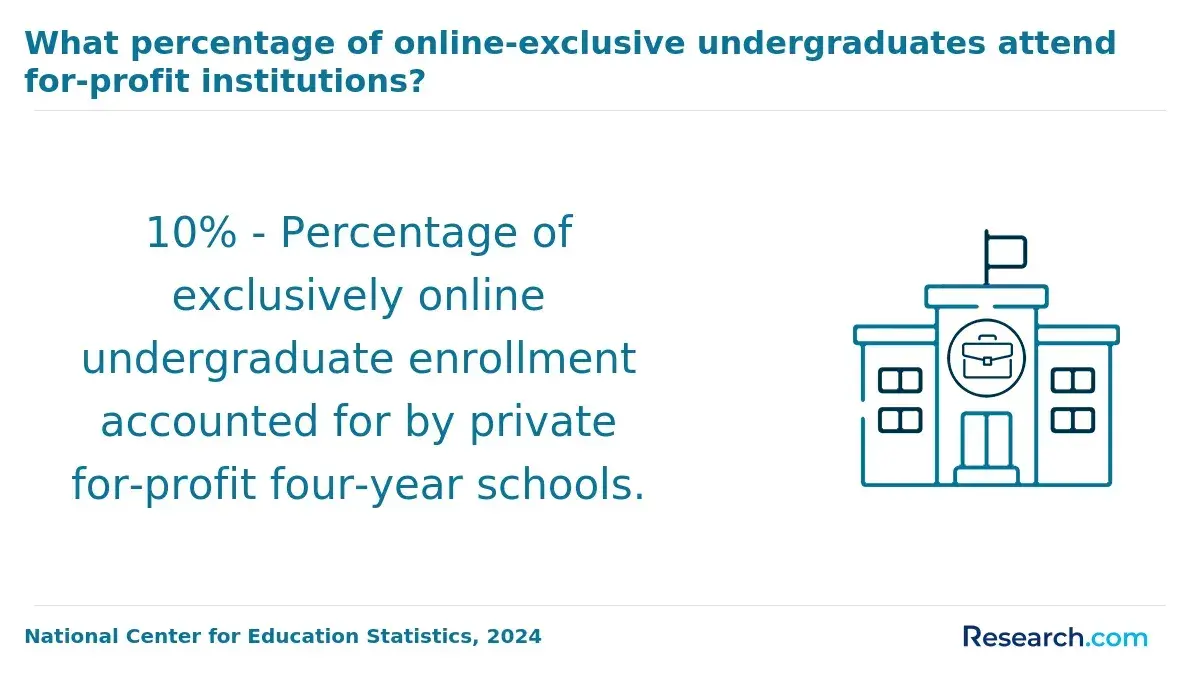
Accelerated degree programs are offered online, hybrid, and campus-based. The best format depends on the student's schedule, learning style, career field, and need for labs, clinical hours, networking, or face-to-face support.
The table below compares the major accelerated formats. It can help you match the delivery model to your actual constraints rather than choosing only by advertised speed.
| Format | How it works | Best for | Trade-offs |
| Fully online accelerated | Courses are delivered remotely, often in 5- to 8-week terms | Working adults, military students, parents, and students far from campus | Requires strong time management and careful accreditation review |
| Hybrid accelerated | Combines online coursework with scheduled campus, lab, residency, or clinical meetings | Nursing, education, counseling, business, and applied fields needing hands-on work | Less flexible than fully online programs and may require travel |
| Campus-based accelerated | Students attend in person on a compressed or year-round schedule | Students who want structured support, labs, faculty access, or campus networking | Harder to combine with full-time work |
| Competency-based | Students progress by demonstrating mastery rather than only completing seat time | Experienced professionals with strong prior knowledge | Not ideal for students who need frequent instructor-led pacing |
| Dual-degree or bridge pathway | Courses count toward two degree levels or bridge one field into another | Students with a clear graduate or professional goal | May lock students into a narrow sequence early |
Online acceleration has become more common because colleges can offer multiple start dates and shorter sessions without requiring relocation. Still, students should not assume "online" means lower quality or lower cost. Many strong online programs are offered by public and private nonprofit institutions; if institutional mission and accreditation matter to your search, compare a not for profit online university with other accredited options before deciding.
For fields tied to licensing, such as nursing, teaching, counseling, social work, or certain healthcare roles, format is especially important. A fully online academic course may be acceptable, but clinical placements, supervised practice, state authorization, and licensure exam eligibility can vary by state.
What admission requirements and prior credits are typically needed for accelerated degree programs?
Admission requirements vary by degree level and school, but accelerated programs often expect students to arrive academically prepared. Because the pace is faster, schools may screen for prior coursework, minimum GPA, professional experience, or evidence that the student can manage condensed classes.
Most accelerated programs evaluate both eligibility and readiness. Before applying, review the following requirements because they can affect admission, cost, and completion time.
- Prior college credits: Transfer-friendly bachelor's completion programs may require an associate degree or a minimum number of transferable credits.
- Minimum GPA: Many programs set a GPA threshold, and selective healthcare, business, or graduate programs may expect stronger academic records.
- Prerequisite courses: Nursing, engineering, education, accounting, and data-related programs may require specific foundational courses before entry.
- Standard application materials: Transcripts, a resume, recommendation letters, essays, and proof of English proficiency may be required depending on the applicant.
- Professional experience: Some accelerated graduate or competency-based programs are built for working adults and may value relevant employment history.
- Licensure or background checks: Programs involving schools, hospitals, counseling sites, or public safety may require immunizations, background checks, or field-placement clearance.
Prior learning can be a major advantage, but students should confirm how each school awards and limits credit. Common credit sources include community college coursework, military training, industry certifications, AP or IB exams, CLEP exams, portfolio assessment, and employer-sponsored training.
The biggest mistake is assuming that "credits accepted" means "credits applied to the major." A school may accept credits as electives but still require core courses in residence. Ask for a transfer evaluation that shows exactly how each credit applies to graduation requirements.
How does coursework, scheduling, and academic intensity work in an accelerated curriculum?
Accelerated coursework is usually more concentrated than traditional coursework. A 3-credit course that normally runs for a full semester may be compressed into half the time, which means readings, assignments, exams, group projects, and discussions arrive quickly.
The intensity is manageable for many students, but it must be planned honestly. The following features are common in accelerated curricula and should be considered before enrolling.
- Shorter academic terms: Courses may run 5, 6, 7, or 8 weeks, requiring students to engage with material almost every day.
- Sequential course design: Some programs require students to pass one course before the next begins, leaving little room to recover from a missed prerequisite.
- Year-round enrollment: Summer and winter terms can shorten completion time but reduce breaks.
- Heavy weekly workload: Students may need to reserve substantial weekly study time even for a single accelerated course.
- Cohort schedules: Some programs move groups of students through the same course sequence, which can improve support but reduce flexibility.
- Applied assignments: Career-focused programs may use projects, simulations, case studies, labs, or fieldwork instead of only exams.
The table below shows how schedule intensity can differ by enrollment choice. It is useful for estimating whether your work, family, and study obligations can realistically coexist.
| Enrollment pattern | Typical student profile | Academic intensity | Main risk |
| One accelerated course at a time | Full-time worker or caregiver | Moderate to high | Program may still take longer than advertised |
| Two accelerated courses per term | Student with flexible work schedule | High | Falling behind can affect multiple courses at once |
| Year-round full-time load | Student prioritizing fastest completion | Very high | Burnout and reduced time for internships or networking |
| Competency-based self-paced model | Experienced learner with strong independence | Variable | Progress can stall without external deadlines |
Students who succeed in accelerated programs usually build a weekly calendar before classes start. That calendar should include work hours, caregiving responsibilities, study blocks, assignment deadlines, exam preparation, and recovery time.
Are accelerated degree programs accredited, and how can students verify school and program quality?
Accelerated degree programs can be fully accredited, but speed itself does not prove quality. Accreditation confirms that an institution or program has been reviewed against recognized standards, but students still need to verify that the credential fits their career goal.
Use the following steps before applying or paying a deposit. This process helps reduce the risk of choosing a program that is fast but not useful.
- Check institutional accreditation through the U.S. Department of Education's recognized accreditation database or the school's accreditor website.
- Look for programmatic accreditation when the field expects it, such as nursing, education, counseling, business, public health, social work, or engineering.
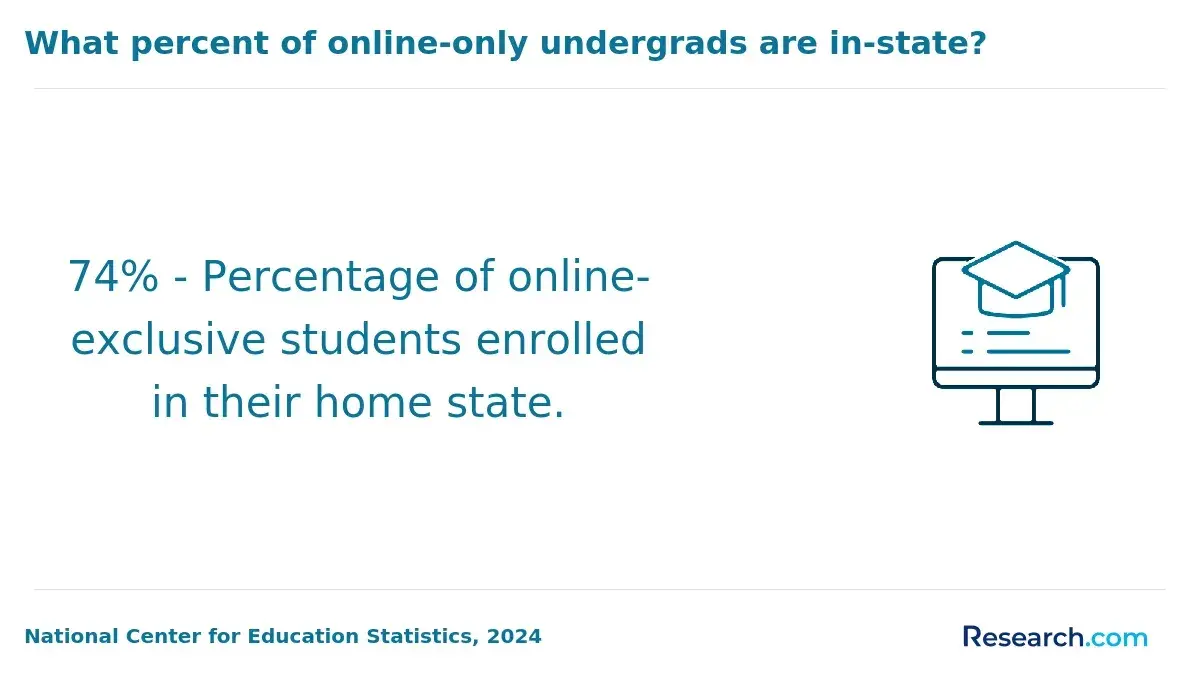
- Confirm state authorization if you will study online from a different state than the school's main campus.
- Ask whether the program meets licensure requirements in the state where you plan to work.
- Review graduation, retention, loan repayment, and employment information when the school publishes it.
- Speak with admissions, financial aid, and the academic department rather than relying only on marketing pages.
Several red flags deserve attention. Be cautious if a school promises unusually fast completion with no transcript review, avoids naming its accreditor, guarantees employment or salary outcomes, pressures you to enroll immediately, or refuses to provide a written cost and credit-transfer estimate.
Quality also depends on academic support. Strong accelerated programs usually offer advising, tutoring, library access, career services, technology support, faculty availability, and clear escalation processes when students struggle.
What do accelerated degree programs cost, and how do they compare financially to traditional paths?
The cost of an accelerated degree depends on tuition rate, fees, transfer credits, course load, books and technology, clinical or lab expenses, and the amount of time a student spends out of the workforce. Faster completion can reduce living expenses and opportunity costs, but it does not automatically reduce tuition.
College Board's 2024 Trends in College Pricing and Student Aid provides a useful baseline for published tuition and fees. These figures are not the exact price of an accelerated program, but they show why institution type and residency status can strongly affect total cost.
- Public two-year colleges: $4,050 average published tuition and fees for the academic year.
- Public four-year in-state colleges: $11,610 average published tuition and fees for the academic year.
- Private nonprofit four-year colleges: $43,350 average published tuition and fees for the academic year.
The table below breaks down the major financial variables. Use it to compare total cost, not just the tuition number shown on a program page.
| Cost factor | Why it matters in an accelerated program | Question to ask |
| Tuition model | Per-credit, per-term, and flat-rate tuition can produce very different totals | Is tuition charged per credit, per course, per term, or by subscription period? |
| Transfer credits | More accepted credits can reduce both time and tuition | Which credits apply directly to my degree requirements? |
| Fees | Technology, graduation, lab, clinical, and assessment fees can add up | What mandatory fees are not included in advertised tuition? |
| Financial aid pace | Accelerated calendars may affect aid disbursement and satisfactory academic progress | How will my course load and calendar affect federal aid eligibility? |
| Work schedule | Heavy coursework may reduce earning capacity during the program | Can I keep my current job while meeting course expectations? |
| Time to completion | Finishing sooner may reduce rent, commuting, childcare, and delayed earnings | What is the realistic completion date based on my transfer evaluation? |
Graduate students should compare accelerated options against lower-cost alternatives, especially when the salary gain is uncertain. If price is a primary concern, reviewing affordable online masters programs can help you separate genuine savings from programs that are only faster.
The smartest financial comparison is total net cost plus opportunity cost. A program with higher tuition may still make sense if it accepts more credits and gets you back to full-time earnings sooner, while a cheaper program may be better if it lets you work steadily and avoid unnecessary debt.
What careers can accelerated degree graduates pursue, and how do outcomes compare to traditional programs?
Accelerated degree graduates can pursue many of the same careers as traditional graduates when the school is accredited and the degree aligns with employer or licensure expectations. Employers usually care more about the credential, skills, experience, portfolio, and licensing eligibility than whether the academic calendar was accelerated.
The table below shows common accelerated pathways and the types of careers they may support. Outcomes still depend on field, location, experience, internships, networking, and labor market conditions.
| Accelerated pathway | Common career directions | Important outcome factor |
| Associate degree completion | Healthcare support, business administration, information technology support, transfer to bachelor's study | Whether the credential is terminal or designed for transfer |
| Bachelor's completion | Management, accounting support, human resources, IT, public service, education-related roles | How well prior credits and work experience align with the target role |
| Accelerated nursing or healthcare degree | Registered nursing, healthcare administration, allied health roles | Clinical placement quality and state licensure eligibility |
| Accelerated business or management degree | Operations, project coordination, sales management, entrepreneurship, analyst roles | Internships, applied projects, and measurable work experience |
| Accelerated master's degree | Leadership, analytics, education, public health, counseling-adjacent, technology, or specialized professional roles | Whether the degree is required, preferred, or optional in the target industry |
For some students, a full accelerated degree is not the best first step. Career changers who need a specific technical skill may benefit from shorter online certifications before committing to a degree, especially in fields where employers value portfolios, software skills, or vendor credentials.
Accelerated graduates should be ready to explain their program clearly in interviews. A strong answer focuses on accreditation, academic rigor, projects completed, relevant experience, and why the compressed format helped them meet a specific professional goal.
What salary expectations, job outlook, and industry demand are associated with accelerated degree pathways?
Salary expectations for accelerated degree graduates should be based on occupation, industry, location, experience, and credential requirements rather than program speed. An accelerated degree may help a student qualify sooner, but it does not guarantee a particular salary.
The U.S. Bureau of Labor Statistics reports May 2024 median annual wages and 2024-2034 employment projections for many occupations. The table below includes selected roles commonly connected to accelerated pathways, showing why program choice should start with the career target.
| Occupation | Relevant accelerated pathway | May 2024 median annual wage | Projected employment growth, 2024-2034 |
| Registered nurse | Accelerated BSN or nursing bridge program | $93,600 | 5% |
| Accountant or auditor | Accelerated bachelor's or master's in accounting | $81,680 | 5% |
| Software developer | Accelerated bachelor's in computer science or related field | $133,080 | 15% |
| Medical and health services manager | Accelerated bachelor's or master's in healthcare administration | $117,960 | 23% |
| Human resources specialist | Accelerated bachelor's in business, HR, or organizational leadership | $72,910 | 6% |
These figures are useful for comparing fields, not predicting an individual outcome. A student entering software, healthcare management, or nursing may see stronger demand than a student entering a slower-growing field, but local hiring conditions, licensing, internships, and prior experience still matter.
Several trends affect accelerated degree value. Employers are paying closer attention to job-ready skills, AI literacy is becoming relevant in business and technology roles, healthcare demand remains tied to an aging population, and many working adults prefer flexible online programs that let them study without relocating. The best accelerated programs respond to these trends with applied projects, current tools, career services, and employer-aligned curricula.
How can students decide if an accelerated degree program is the right fit for their goals and circumstances?
An accelerated degree is the right fit when speed supports a clear goal and the student can handle the workload without sacrificing learning, health, finances, or licensure eligibility. It is the wrong fit when the program is chosen mainly because it sounds fast.
Use the following decision checklist before applying. It turns the major risks into concrete questions you can answer with admissions, financial aid, academic advising, and potential employers.
- Define the career goal first, including job titles, required degree level, required license, and preferred skills.
- Verify accreditation and, if relevant, programmatic approval for the state where you plan to work.
- Request a written transfer-credit evaluation before estimating graduation date or cost.
- Calculate total net cost, including fees, books, technology, travel, childcare, and reduced work hours.
- Ask for a term-by-term course map that shows prerequisites and course availability.
- Confirm whether the program includes internships, clinical placements, capstones, portfolios, or employer-connected projects.
- Compare the accelerated path with a traditional, part-time, certificate, or employer-funded option.
- Talk to current students or alumni if possible, especially about workload and support.
The table below can help you decide whether to move forward, slow down, or choose another route. It summarizes fit based on common student circumstances.
| Your situation | Accelerated degree may be a good fit if | Consider another option if |
| You have many prior credits | The school applies them directly to major or general education requirements | Most credits transfer only as electives |
| You work full time | The program offers predictable online or evening scheduling | Courses require frequent daytime attendance or unpredictable group work |
| You need licensure | The program confirms state eligibility in writing | The school cannot clearly explain licensing requirements |
| You want the lowest cost | Acceleration reduces total terms, fees, and time out of work | A slower public or employer-funded option has a much lower net cost |
| You are changing careers | The program includes applied projects, advising, and career support | You need exploration, internships, or foundational coursework before committing |
Students considering advanced credentials should be especially careful with unusually short doctoral claims. Some professional doctorates may use applied projects instead of traditional dissertations, but options such as 1-year PhD programs online no dissertation USA should be evaluated closely for accreditation, field norms, faculty support, and employer recognition.
Common mistakes include focusing only on speed, ignoring transfer-credit details, assuming online programs always meet licensure rules, borrowing without comparing net cost, and enrolling before confirming that the degree matches the target job. The better approach is to choose the fastest credible path that still protects academic quality, career mobility, and financial stability.
Other Things You Should Know About
Yes, it can be respected if it comes from an accredited institution and matches the role's education requirements. Employers usually evaluate the school, degree level, skills, experience, and licensing eligibility more than the course calendar.
They are often more intense because the same academic work is compressed into shorter terms. Students need strong time management, reliable study hours, and the ability to keep up with frequent deadlines.
Many accredited accelerated programs are eligible for federal financial aid, but aid depends on enrollment status, program eligibility, satisfactory academic progress, and the school's calendar. Always confirm details with the financial aid office before enrolling.
Students who are undecided, need extensive academic support, have unpredictable schedules, or need a program for licensure that has not been approved in their state should be cautious. A slower or more structured path may produce better results.
References
- Learnsic https://learnsic.com/blog/guide-to-accelerated-bachelors-degrees
- Best Online & Hybrid Degree Programs for International Students https://www.edvisehub.com/best-online-hybrid-degree-programs-for-international-students/
- How Many Credits to Get an Associate's Degree: Full Requirements https://www.edvisorly.com/student-guides/how-many-credits-to-get-an-associates-degree
- Benefits of Pursuing an Accelerated Bachelor's Degree - Graduate Programs for Educators https://www.graduateprogram.org/blog/benefits-of-pursuing-an-accelerated-bachelors-degree/
- Course Schedule and Course Pacing: Does it Affect Student Success in Online Asynchronous Courses? - OJDLA https://ojdla.com/articles/course-schedule-and-course-pacing-does-it-affect-student-success-in-online-asynchronous-courses
- Top Degrees in Demand for the Future: 2026 & Beyond https://skillifysolutions.com/blogs/career-growth/top-degrees-in-demand-for-the-future/
- Accelerated Degree Pros and Cons| University of Bridgeport https://www.bridgeport.edu/news/accelerated-degree-pros-and-cons/
- Accelerated Degrees: A Reliable Pathway to Education and Career Advancement https://www.qahe.org/article/accelerated-degrees-a-reliable-pathway-to-education-and-career-advancement/
- Scheduling Courses for Flexibility and Student Success https://www.facultyfocus.com/articles/trends-in-higher-education-scheduling-courses-for-flexibility-and-student-success/