2027 Social Work Professional Accountability vs Blame in Team Reviews
Audited and Verified:
Our Editorial and Data Verification Process
Research.com uses government datasets, official education statistics and primary institutional information to support its career and degree guides. Our review process checks factual accuracy, occupational definitions, source dates and the requirements associated with the credentials discussed.
How This Article Was Fact-Checked
Our editorial team verifies salary estimates, employment projections, education requirements and program information against original data providers and official organizations. Salary figures are checked against the relevant occupational definitions and reporting periods. Information about licensure, accreditation and required in-person training is reviewed separately.
Fact-checked and verified on:

Co-Founder and Chief Data Scientist
A missed referral or incomplete safety plan can reveal an individual mistake, a broken workflow, or both. Social work teams need to examine what happened without turning a case review into either a search for someone to blame or an excuse to avoid responsibility.
This guide is for students, practitioners, supervisors, and agency leaders who participate in reviews. It explains how to assess decisions fairly, protect client information, respond to unsafe practice, and choose improvements that can be checked later.
Key Things You Should Know
- Accountability asks what each person was responsible for, what information and support they had, and what must change; blame assigns fault before examining those facts.
- A useful review examines three connected levels: client impact, individual decisions, and organizational conditions.
- System problems do not erase professional duties. Address immediate safety and reporting obligations first, then document a limited, confidential review with named follow-up responsibilities and a date to check whether changes worked.
What is professional accountability in social work team reviews?
Professional accountability means being able to explain a practice decision against the worker's role, available information, ethical duties, agency procedures, and applicable law. In a team review, it also means acknowledging an error, addressing its effects where possible, accepting appropriate supervision or corrective action, and checking whether the response improved practice.
The standard must fit the job. A case manager, field student, clinical supervisor, and program director may share concern for a client while having different authority over assessment, referrals, supervision, and staffing. Before judging a decision, establish who owned it and who could change the conditions around it. These distinctions matter across MSW careers across different practice settings; a job title alone does not establish a worker's license or permitted scope.
How does accountability differ from blame in social work reviews?
Accountability is evidence-based and forward-looking: it identifies a duty, examines the decision in context, addresses harm, and assigns a proportionate response. Blame starts with a presumed culprit. Conversely, calling every mistake a "system issue" can also defeat accountability if it prevents examination of an avoidable individual action.
The comparison below helps teams recognize which kind of conversation they are having. Neither column determines whether a separate personnel or regulatory process is required.
| Review question | Accountability-focused approach | Blame-focused approach |
| What happened? | Reconstructs a timeline from records and participants' accounts. | Begins with an accusation or hindsight-based judgment. |
| Why did it happen? | Examines decisions, workload, handoffs, policies, and available options. | Attributes the outcome mainly to a person's character or motivation. |
| What follows? | Matches coaching, process changes, or formal action to the findings. | Stops at criticism or a warning without testing a remedy. |
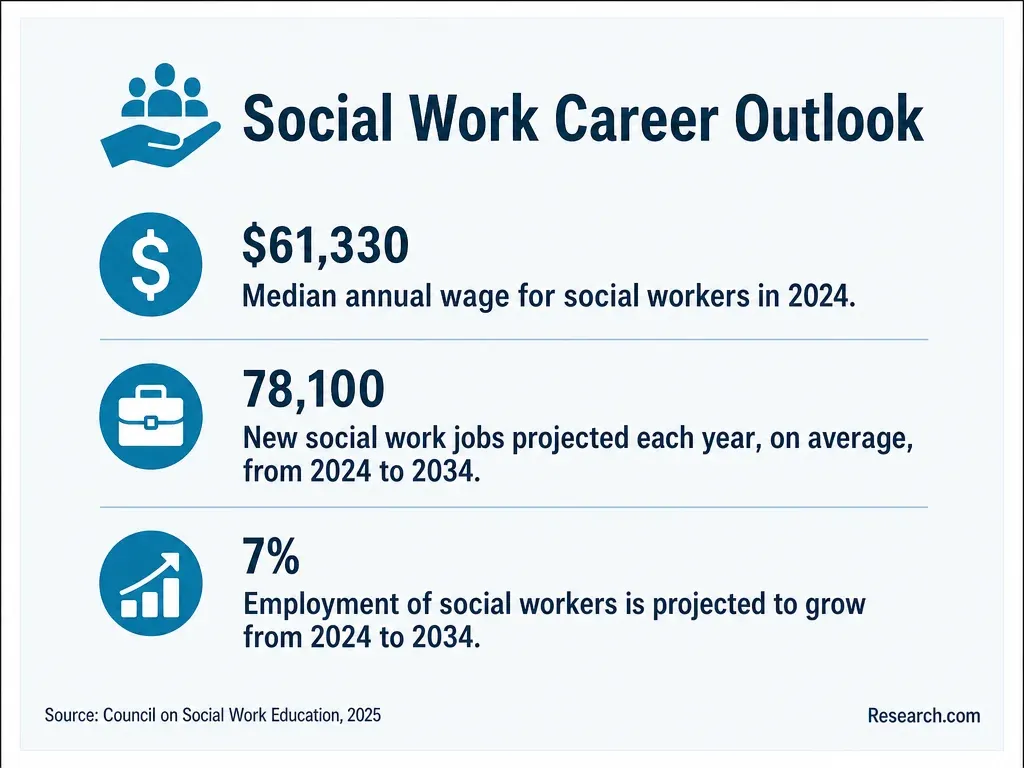
Staffing and retention pressures may help explain a workflow failure, but they do not prove that a particular decision was safe. When agencies discuss compensation as one possible workforce factor, state-level salary context for MSW careers is more informative than assuming one agency's pay reflects the entire profession.
What does accountability without blame look like in a case review?
Consider a hypothetical review in which a referral was not completed before a scheduled handoff. The facilitator first establishes what the record shows, what the worker understood, whether the client was informed, and whether an immediate follow-up is needed. The worker can acknowledge a missed step without the team assuming negligence before it checks the handoff procedure and caseload coverage.
Suppose the review finds that the worker did not use an available escalation route and that the shared referral queue gave no indication of who had accepted the task. A fair finding can name both failures: the worker needs feedback on escalation, while a manager must clarify queue ownership. The review should record the action, responsible person, and follow-up date - not an unverified claim that the client was unaffected.
If a supervisor is also assessing post-degree clinical practice, keep this agency review distinct from board-required supervision records. Comparing social work clinical experience expectations can help frame questions, but the applicable licensing board decides what supervision and documentation qualify.
Assess two questions separately: Was the action appropriate given the worker's role and information? and Did the organization make the appropriate action feasible and reliable? A worker may need coaching for an omitted note while the agency also needs a workable documentation process. Neither finding cancels the other.
Look for patterns before assigning a system-wide cause: repeated handoff gaps, unclear coverage, inaccessible referral services, inconsistent training, or documentation demands that conflict with direct-service time. Ask whether proposed fixes would still work during absences or high caseloads. Escalate resource decisions to someone with authority over staffing and policy rather than assigning an individual worker responsibility for changes they cannot make.
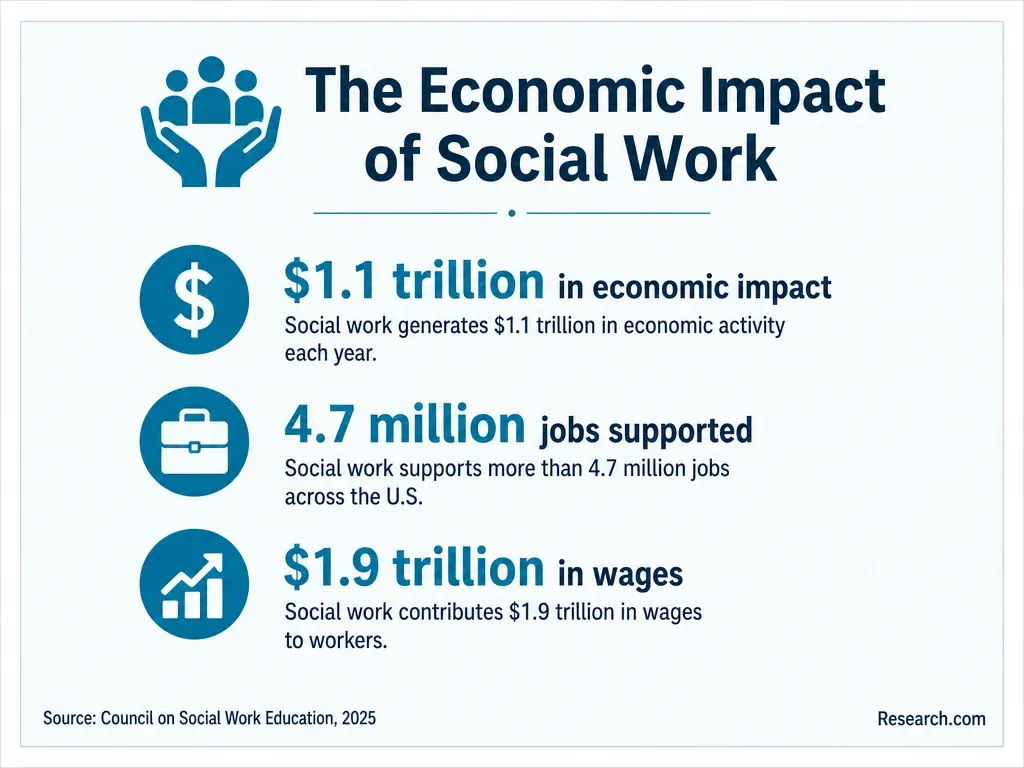
Additional education is not a substitute for repairing an agency workflow. If a team proposes graduate study as the remedy for a competence gap, first identify the missing skill and consider supervision or targeted training; comparing MSW tuition against professional goals matters only when the intended role actually calls for that degree.
What education and licensing requirements apply to social workers and supervisors?
Requirements depend on the position and state. A BSW can prepare graduates for generalist roles; an MSW supports more advanced preparation and may meet an educational requirement for certain licenses. Graduation does not itself issue a license. Clinical authority generally involves a separate state-defined pathway, which may include an examination and qualifying post-degree supervised experience. Agency case-review leadership, academic field instruction, and clinical supervision toward licensure are different functions with different eligibility rules.
Before accepting a supervisory duty, verify the worker's license category and scope, the employer's role requirements, and - if licensing hours are involved - the board's rules for the supervisor, setting, documentation, and experience. Prospective BSW students can start with BSW accreditation and program selection, but should confirm the exact program status and applicable state requirements directly with the responsible authorities.
Other Things You Should Know About Social Work
Yes. Identify the specific factual error and submit a correction or written response through the agency's record-review process. Do not independently change a finalized record unless policy authorizes it.
Only when participation fits the approved learning role and the agency permits access. The field instructor should clarify what the student may discuss and how feedback will be handled.
No. If law or policy calls for a safeguarding, personnel, compliance, or licensing investigation, follow that process. A learning-focused review may occur separately when appropriate.
Take the concern seriously, explain available complaint or appeal routes within your role, and ensure the client's account reaches the appropriate decision-maker. Do not present an internal review as the final word on the client's experience.
- Privacy and occupational health services - PMC - NIH https://pmc.ncbi.nlm.nih.gov/articles/PMC2563391/
- NASW Standards for Social Work Case Management | nycourts.gov https://www.nycourts.gov/reporter/webdocs/nasw_standards_socialwork_casemgt.htm
- Making Just Culture a Reality: One Organization's Approach | ahrq.gov https://psnet.ahrq.gov/perspective/making-just-culture-reality-one-organizations-approach
- Patient safety | who.int https://www.who.int/news-room/fact-sheets/detail/patient-safety
- NASW Standards for Social Work Case Management | socialworkers.org https://www.socialworkers.org/Practice/NASW-Practice-Standards-Guidelines/NASW-Standards-for-Social-Work-Case-Management
- Global Social Work Statement of Ethical Principles | International Federation of Social Workers https://www.ifsw.org/global-social-work-statement-of-ethical-principles/