
Best Veterinary Assistant Training Programs & Trade Schools - Top Veterinary Assistant Schools in Missouri for 2026

Co-Founder and Chief Data Scientist
Choosing the right veterinary assistant trade school in Missouri can shape your future career and open doors to rewarding opportunities. This article introduces a carefully crafted veterinary assistant trade school programs ranking created by the Research.com team of data scientists. It’s designed to help you make an informed decision about which programs truly stand out.
Whether you’re just starting or seeking certification, earning a diploma in this field brings valuable skills and confidence. Explore your options here and take a positive step toward a fulfilling career helping animals.
Key benefits of finishing veterinary assistant trade school in Missouri
- Graduates can expect to earn between $14 and $18 per hour, with annual salaries ranging from about $26,000 to $39,000, offering a solid start in Missouri's veterinary field.
- Many graduates find diverse career paths such as working in animal hospitals, clinics, or specialty care, gaining valuable hands-on experience that opens doors to advancement.
- Completing an online veterinary assistant program offers flexibility and convenience, allowing students to balance work and study while still receiving quality training recognized by Missouri employers.
What can I expect from veterinary assistant trade schools in Missouri?
Expect a well-rounded education combining classroom learning with practical experience when you enroll in a veterinary assistant trade school program in Missouri. At schools like South Tech High School, graduates describe spending their first year mostly in classrooms-up to 75%-learning animal care basics, clinical procedures, and medical terminology. By the second year, they dive deeper into hands-on lab work, gaining confidence through real-life practice.
Many programs, including those at Metropolitan Community College, offer flexible formats such as online, hybrid, or in-person courses. Graduates appreciate this adaptability, especially those balancing work or family, as it allows them to study at their own pace without sacrificing quality.
Hands-on experience is a highlight. Students often complete externships at veterinary clinics, helping with animal restraint, assisting exams, and administering medication. This direct exposure prepares them for the fast-paced environment of animal hospitals, making the learning process both exciting and rewarding.
Admission usually requires a high school diploma, and programs typically last 12 to 16 months. Graduates feel ready to step into entry-level roles, encouraged by the strong job outlook for veterinary assistants in Missouri.
Where can I work after finishing veterinary assistant trade schools in Missouri?
After finishing a veterinary assistant trade school program in Missouri, graduates typically find job opportunities in private veterinary clinics and animal hospitals across cities like Kansas City and St. Louis, as well as smaller towns. Many share how rewarding it feels to assist veterinarians with companion animals and sometimes livestock, directly applying skills learned at popular Missouri trade schools. These roles often offer both full-time and part-time options, fitting different lifestyles.
Other common workplaces include animal shelters and kennels, where graduates help care for rescued pets, support adoption processes, and assist with daily feeding and cleaning duties. For example, some graduates from well-known Missouri trade schools express pride in working at shelters like Wayside Waifs, citing the emotional fulfillment of making a difference in animals' lives.
Specialty clinics, pet hospitals, and rehabilitation centers also hire veterinary assistants trained through trade programs, allowing graduates to work with exotic or recovering animals. Entry-level jobs usually come with on-the-job training, making these positions accessible even without prior experience.
How much can I make after finishing veterinary assistant trade schools in Missouri?
After finishing a veterinary assistant trade school program in Missouri, graduates typically earn around $32,684 annually, which breaks down to about $16 per hour. This figure comes from recent data collected in August 2025 and reflects what most entry-level veterinary assistants can expect when starting their careers in the state.
Many graduates from popular Missouri trade schools share that their starting pay usually falls between $26,000 and $39,000 per year, depending on the employer and location. For example, those working in busier urban clinics, like in St. Louis, report earning closer to $33,600 annually or about $16.76 per hour. Some clinics offer between $15 and $18 per hour, which feels encouraging for new assistants eager to gain hands-on experience.
While Missouri ranks 50th nationwide for veterinary assistant salaries, graduates appreciate the clear growth path. As they build skills and take on specialized duties, their pay can increase, sometimes reaching up to $45,000 per year. This steady progression keeps many motivated to keep advancing after trade school.
Best Veterinary Assistant Training Programs & Trade Schools - Top Veterinary Assistant Schools in Missouri for 2026
# 1 position
Crowder College - Veterinary/Animal Health Technology/Technician and Veterinary Assistant.
associateCrowder College offers a program in Veterinary/Animal Health Technology/Technician and Veterinary Assistant that prepares students to assist veterinarians and animal specialists in patient care and clinical procedures. The curriculum covers animal nursing, health, nutrition, clinical pathology, radiology, anesthesiology, surgical assisting, and office administration. The program is accredited by the Higher Learning Commission. Annual in-state tuition is $6,180.
# 2 position
Jefferson College - Veterinary/Animal Health Technology/Technician and Veterinary Assistant.
associateJefferson College offers a program in Veterinary/Animal Health Technology/Technician and Veterinary Assistant, preparing students to assist veterinarians and animal health professionals in patient care and clinical procedures. The curriculum covers animal nursing, health, nutrition, handling, clinical pathology, radiology, anesthesiology, dental prophylaxis, surgical assisting, laboratory procedures, and office administration. The program is accredited by the Higher Learning Commission, with an annual in-state tuition of $4,500.
# 3 position
Moberly Area Community College - Veterinary/Animal Health Technology/Technician and Veterinary Assistant.
associateMoberly Area Community College offers a program in Veterinary/Animal Health Technology/Technician and Veterinary Assistant that prepares students to assist veterinarians and animal health professionals in patient care and clinical procedures. The curriculum includes training in animal nursing, clinical pathology, radiology, anesthesiology, surgical assisting, and office administration. The program is accredited by the Higher Learning Commission, with an annual in-state tuition of $4,020.
# 4 position
Metropolitan Community College-Kansas City - Veterinary/Animal Health Technology/Technician and Veterinary Assistant.
associateMetropolitan Community College-Kansas City offers a program in Veterinary/Animal Health Technology/Technician and Veterinary Assistant, preparing students to assist veterinarians and zoological professionals with patient care and clinical procedures. The curriculum covers animal nursing, health, nutrition, clinical pathology, radiology, anesthesiology, surgical assisting, and office administration. The program is accredited by the Higher Learning Commission, and the annual in-state tuition is $3,630.
# 5 position
Metropolitan Community College-Kansas City - Veterinary/Animal Health Technology/Technician and Veterinary Assistant.
certificate or diplomaThe Veterinary/Animal Health Technology/Technician and Veterinary Assistant program at Metropolitan Community College-Kansas City prepares students to assist veterinarians and animal specialists in patient care, clinical procedures, and owner communication. The curriculum includes animal nursing, health, nutrition, clinical pathology, radiology, anesthesiology, surgical assisting, and office administration. The program's in-state tuition is $3,630 annually and is accredited by the Higher Learning Commission.
Key Findings
- Applicants usually need a high school diploma or equivalent, with some programs requiring specific high school credits and a "C" average in core subjects.
- Programs combine classroom instruction with hands-on lab experience, often lasting several months to a year depending on full-time or part-time attendance.
- Tuition for certificate programs at public schools like Metropolitan Community College ranges from $2,000 to $5,000, with private schools generally charging more.
- Starting salaries for veterinary assistants in Missouri range from $27,000 to $31,000 per year, increasing to $35,000 to $40,000 with experience.
- The job market is strong, especially in cities like St. Louis and Kansas City, with many graduates finding work quickly after completing their program.
How long does it take to complete veterinary assistant trade schools in Missouri?
Most veterinary assistant trade school programs in Missouri can be completed in about six months, making them a practical choice for those eager to enter the workforce quickly. Graduates from well-known Missouri trade schools often highlight how this timeframe balanced intensive hands-on training with flexible class schedules, allowing them to manage work or family commitments alongside their studies.
For example, students report that the compact nature of these programs keeps motivation high-knowing they will soon be applying their skills in real veterinary clinics. The curriculum typically covers essential tasks like animal care, lab procedures, and client communication within this condensed period.
This efficient timeline is especially helpful in Missouri's trade schools, where practical experience is emphasized. Many graduates recall feeling confident stepping into entry-level roles shortly after finishing, appreciating the program's focus on relevant skills rather than prolonged theoretical coursework.
What's the difference between online and on-campus veterinary assistant trade school programs?
The key difference between online and on-campus veterinary assistant trade school programs in Missouri lies in how you engage with coursework and hands-on training. Online programs, like those from Penn Foster College and Drury University, let you study from home, fitting lessons around work or family. Graduates often mention the convenience of accessing classes anytime, but they also highlight the importance of completing an externship at a local clinic to gain real-world skills under a licensed veterinarian's supervision.
On the other hand, on-campus programs such as Midwest Institute in Earth City require you to be physically present for classes and labs. Students appreciate the direct interaction with instructors and immediate access to animals and equipment, which builds confidence through hands-on practice. Many find the structured schedule and face-to-face networking with local vets invaluable for career growth, despite the higher tuition costs.
Choosing between the two depends on your lifestyle and how you prefer to learn practical skills in Missouri's veterinary field.
What is the average cost of veterinary assistant trade schools in Missouri?
The average cost of veterinary assistant programs in Missouri typically ranges from $1,500 to $3,000 for in-person trade schools, which is a manageable investment for many aspiring veterinary assistants. Graduates from these programs often share how the reasonable tuition fees, combined with hands-on training at community colleges or technical schools, made their path into the field feel accessible and encouraging. When budgeting, keep in mind additional expenses such as textbooks costing between $40 and $70 and uniforms priced from $30 to $200, which are necessary for practical coursework.
Some students choose the Certified Veterinary Assistant (CVA) online program offered by the Missouri Veterinary Medical Association, which tends to cost between $600 and $1,800, providing flexibility for those balancing work or family commitments. This can ease the financial pressure while maintaining credible certification recognized across the state. These different pricing options highlight the variable tuition fees for veterinary assistant schools in Missouri, allowing students to select routes fitting their financial situation and schedule.
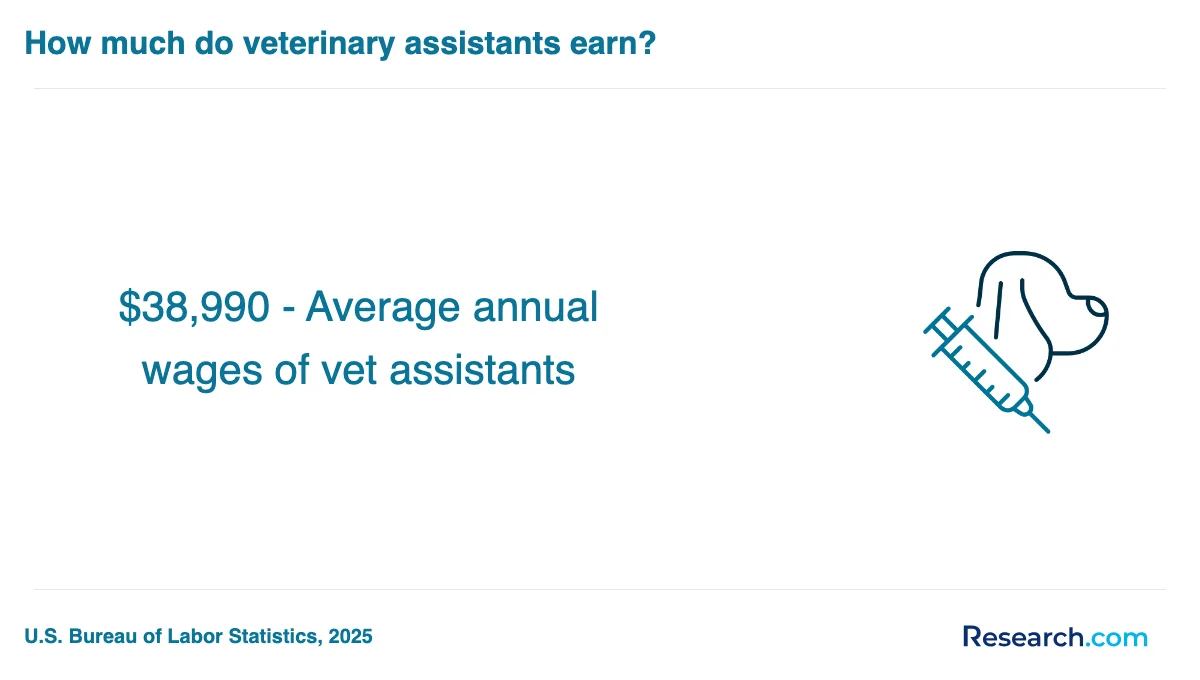
Understanding the true value of this education also means considering career outcomes. Many graduates find satisfaction knowing their tuition led to reliable entry-level positions with an average annual salary near $37,480 in Missouri. For those curious about the broader educational pathway, exploring what are the educational requirements for a veterinarian can provide insight into future advancement in the veterinary field, helping plan long-term goals.
What financial aid is available for veterinary assistant trade schools in Missouri?
Veterinary assistant students in Missouri often find several financial aid options to help manage school costs. Many graduates from trade schools in St. Louis and St. Charles recall how completing the FAFSA opened doors to federal aid programs like Pell Grants and student loans, which are based on financial need and available at accredited schools.
Some students attending The Academy of Pet Careers in St. Charles benefited from the school's approval by multiple funding organizations. Their admissions teams helped them access local workforce development grants, veterans' benefits, and even employer tuition reimbursement programs, making the financial burden feel more manageable.
While scholarships specifically for veterinary assistant trade programs are smaller than those for veterinary medicine degrees at the University of Missouri, students still find institutional and industry scholarships valuable. For those who don't qualify for federal aid, private loans are an option, though graduates often advise caution due to higher interest rates.
Flexible payment plans offered by many Missouri trade schools also provide relief, helping students confidently pursue veterinary assistant careers without overwhelming debt.
What are the prerequisites for enrolling in veterinary assistant trade schools in Missouri?
To enroll in a veterinary assistant trade school program in Missouri, you typically need a high school diploma or GED. This basic requirement ensures you're prepared for the coursework and practical training ahead. Many trade schools in Missouri, such as those popular in St. Louis and Kansas City, emphasize a clear passion for animal care as part of their admissions process.
Graduates often share that demonstrating responsibility and a good work ethic during application boosts acceptance chances. Some schools may also require:
- Proof of immunizations, especially tetanus and rabies, to protect you during hands-on work
- Background checks or drug screenings, since you'll be working closely with animals and in clinical settings
- Basic math and reading skills tests to ensure you can follow medication dosages and care instructions
Applicants who've volunteered at shelters or veterinary clinics often find their experience highlighted during interviews, making the process smoother. One graduate from a well-known Missouri trade school mentioned how her volunteer hours helped her feel confident and ready from day one.
Overall, Missouri programs look for candidates who are both academically prepared and genuinely committed to animal welfare, making the prerequisites straightforward but meaningful.
What are the typical courses in veterinary assistant trade schools in Missouri?
Veterinary assistant trade school programs in Missouri focus on practical courses that prepare you for real-world veterinary settings. Graduates from schools like South Tech High School and St. Louis Community College often highlight how hands-on clinical experience with live animals boosted their confidence and skills.
Core courses typically include:
- Animal anatomy and physiology to understand how different species' bodies function.
- Medical terminology tailored for veterinary contexts, ensuring clear communication with vets and staff.
- Animal care and handling, teaching safe restraint and basic grooming.
- Clinical procedures such as administering medications and assisting during exams or surgeries.
Students also engage in laboratory procedures, learning to collect and analyze blood or urine samples-essential skills for diagnostics. Emergency care training prepares you to react calmly to urgent animal health issues.
Additional classes cover veterinary office administration, including record-keeping and client communication, making sure you're ready for daily clinic operations. Some programs even add pharmacy procedures and disease prevention to round out your expertise.
What are the available specializations in veterinary assistant trade schools in Missouri?
Veterinary assistant specialization programs in Missouri offer focused tracks that help students tailor their education to their career goals. Most graduates from Metropolitan Community College (MCC) and Drury University find value in the Clinical Animal Care focus, where they practice hands-on skills in animal handling, assisting in exams, and routine procedures at local clinics or animal hospitals.
The Missouri veterinary assistant courses and training also include pathways such as Shelter and Rescue Animal Care, where students gain experience working in shelters, learning vaccination protocols and behavior assessment. Some appreciate the opportunity to prepare for less common roles like Research Facility Support, working alongside lab technicians to care for research animals, or Exotic Animal and Wildlife Care, involving hands-on exposure to birds, reptiles, and wildlife rehabilitation.
Additional electives such as Veterinary Practice Management and Pet Grooming introduce administrative skills and customer service, rounding out practical knowledge. Graduates often highlight how these options prepare them effectively for diverse job settings.
For students weighing their options, exploring the full range of specializations helps clarify the best fit within the veterinary field, aligning with both personal interests and job market demands. Considering the evolving roles in animal care, this guide on the vet career path offers valuable insights as well.
How do you choose the best veterinary assistant trade school program in Missouri?
Start by focusing on accreditation when selecting the best veterinary assistant programs in Missouri. Accreditation from respected organizations like AVMA or NAVTA ensures your education meets industry standards, which past graduates from the University of Central Missouri found critical in landing their first jobs. The flexibility of program formats is also key; many working students appreciate online options like those offered at Missouri Valley College, where the balance of practical training and coursework aligns with real-world demands. Cost is another major factor-knowing that the University of Central Missouri's online program costs $3,799 helped many students budget effectively while accessing quality education.
Look for programs that prepare you for certification exams, such as the Approved Veterinary Assistant credential by NAVTA, which enhances employability. Graduates from top-rated veterinary assistant schools Missouri often mention how hands-on experiences and solid local clinic connections, as seen at the Academy of Pet Careers in St. Louis, made a real difference in their confidence and job readiness. For comprehensive learning paths, consider exploring accredited online diploma courses that align with your career goals.
What career paths are available for veterinary assistant trade school graduates in Missouri?
Graduates of veterinary assistant trade school programs in Missouri typically launch their careers in veterinary clinics and animal hospitals, where they provide hands-on support to veterinarians by caring for animals, managing cleaning tasks, and handling administrative duties. Many find these roles rewarding as they directly contribute to animal welfare.
Career opportunities for veterinary assistants in Missouri also extend to places like animal shelters, where graduates assist with vaccinations and routine care, fueling a passion for community service and animal advocacy. Others enjoy the different challenges offered by research facilities or wildlife centers such as zoos and aquariums, gaining experience with exotic animals and scientific procedures.
For those focused on career growth, the veterinary technician certification path in Missouri offers a clear advancement route. Graduates from popular trade schools often use their assistant experience to pursue this next level, unlocking roles with more responsibility and higher pay. Additionally, some transition into specialized fields like anesthesia or emergency care, or take administrative roles overseeing clinic operations.
Many Missouri students who start in veterinary assisting enhance their qualifications through programs like the Certified Veterinary Assistant (CVA), which improves job prospects. For practical skills and quick entry into the workforce, exploring two year programs in medical field can also be an efficient step to build a career in animal care.
What is the job market for veterinary assistant trade school graduates in Missouri?
Veterinary assistant trade school graduates in Missouri enter a job market marked by strong opportunities and steady growth. With Missouri projected to have 420 annual job openings and a total of 2,680 positions statewide by 2026, this represents a 32% increase-well above the national average. Graduates from well-known trade schools in Missouri often share positive experiences of quickly finding roles in diverse settings like veterinary clinics, research labs, and animal shelters.
The veterinary assistant job outlook in Missouri is promising for those who pursue certification, such as the Approved Veterinary Assistant (AVA). Employers favor candidates with practical training from local trade programs, which helps graduates stand out in this competitive field.
When considering your education path, it's helpful to compare different study options. For example, exploring trade programs vs vocational school can clarify which route fits your career goals best.
Veterinary assistant salary and employment trends Missouri reveal moderate pay averages between $16.17 and $17.10 per hour, with wages rising as experience and certifications grow. Many graduates enjoy stable employment thanks to large employers like VCA, which operate multiple facilities across the state.
Frequently Asked Questions about veterinary assistant
After completing a veterinary assistant trade school in Missouri, preparing for the job market involves several key steps. First, graduates should obtain certification such as the Approved Veterinary Assistant (AVA) credential, which can enhance employability. According to the Missouri Department of Labor, the veterinary assisting field is expected to grow by about 16% through 2030, signaling strong demand.
Networking is also important; joining professional groups like the Missouri Veterinary Medical Association can provide job leads and mentorship. Additionally, gaining hands-on experience through internships or volunteering at local clinics improves practical skills and job prospects.
Building a strong resume and practicing interview skills tailored to veterinary settings further increase chances of employment in Missouri's competitive market.
Employers in Missouri seek veterinary assistant graduates with strong practical skills and a solid understanding of animal care. Key abilities include proficiency in handling animals safely, knowledge of medical terminology, and competence in assisting with routine procedures. According to the Missouri Department of Labor, communication skills are also critical, as veterinary assistants often interact with pet owners and veterinary teams.
Attention to detail is highly valued, particularly in maintaining accurate records and managing inventory. Time management and the ability to work in fast-paced environments are essential due to the demanding nature of veterinary clinics. These skills help graduates stand out in Missouri's competitive job market.
Finding internships relevant to a veterinary assistant trade school program in Missouri involves several practical steps. Start by contacting your trade school's career services office, as many schools have established relationships with local veterinary clinics and animal hospitals. These partnerships often provide students with reliable internship opportunities.
Additionally, the Missouri Veterinary Medical Association (MVMA) offers resources and networking events that can help connect students with internship placements. According to MVMA, internships typically last between 8 to 12 weeks and provide hands-on experience essential for certification exams.
Online job boards like Indeed and local classifieds may also list veterinary assistant internships in Missouri. It is important to apply early and prepare a professional resume highlighting any relevant coursework or volunteer experience.
Volunteering at animal shelters or rescue organizations can also lead to internship opportunities through networking and demonstrated commitment to animal care.
Obtaining a veterinary assistant trade school diploma in Missouri can significantly enhance career mobility within the state's growing animal care industry. Graduates gain practical skills and knowledge aligned with industry standards, making them more competitive candidates for entry-level positions in veterinary clinics, animal hospitals, and shelters.
According to the Missouri Department of Economic Development, the veterinary assistant role is expected to grow by approximately 15% through 2030, faster than the average for all occupations. This growth creates opportunities for diploma holders to advance into supervisory roles or specialized technical positions.
Additionally, many employers in Missouri prefer candidates with formal training, which can lead to higher starting wages and better job stability. While certification is not mandatory statewide, completing a diploma program often serves as a stepping stone for further education or certification, thus broadening advancement prospects.
Students enrolled in veterinary assistant trade schools in Missouri can enhance their education by taking on part-time jobs that provide practical experience. Common opportunities include working as veterinary receptionists, kennel attendants, or animal care technicians. These roles help students develop hands-on skills such as animal handling, basic clinical support, and customer communication.
According to the U.S. Bureau of Labor Statistics, Missouri employs over 4,000 veterinary assistants and laboratory animal caretakers, with a median hourly wage around $13.50 in 2023. Gaining part-time experience in local veterinary clinics or animal shelters can improve job prospects after graduation.
Additionally, roles in pet boarding facilities or grooming centers can complement classroom learning, offering exposure to animal behavior and care outside clinical settings.
To choose the best Veterinary Assistant degree program near me or near Missouri, start by considering the curriculum and hands-on training opportunities offered by programs and universities in your area. Look for accreditation and state-of-the-art facilities that provide real-life experience with animals, and compare programs using resources like Research.com to evaluate the quality of education and student satisfaction. Additionally, inquire about job placement rates to ensure successful employment prospects after graduation.
Related Veterinary Assistant Rankings for Nearby States
- Best Veterinary Assistant Training Programs & Trade Schools - Top Veterinary Assistant Schools in Iowa for 2026
- Best Veterinary Assistant Training Programs & Trade Schools - Top Veterinary Assistant Schools in Oklahoma for 2026
- Best Veterinary Assistant Training Programs & Trade Schools - Top Veterinary Assistant Schools in Kentucky for 2026
- Best Veterinary Assistant Training Programs & Trade Schools - Top Veterinary Assistant Schools in Tennessee for 2026
- Best Veterinary Assistant Training Programs & Trade Schools - Top Veterinary Assistant Schools in Indiana for 2026
- Best Veterinary Assistant Training Programs & Trade Schools - Top Veterinary Assistant Schools in Minnesota for 2026
- Best Veterinary Assistant Training Programs & Trade Schools - Top Veterinary Assistant Schools in Wisconsin for 2026
- Best Veterinary Assistant Training Programs & Trade Schools - Top Veterinary Assistant Schools in Ohio for 2026
- Best Veterinary Assistant Training Programs & Trade Schools - Top Veterinary Assistant Schools in Michigan for 2026
- Best Veterinary Assistant Training Programs & Trade Schools - Top Veterinary Assistant Schools in Alabama for 2026
Top Trending Rankings
References
- 5 Career Paths for Veterinary Assistants - HCI College https://www.hci.edu/hci-news/23660-5-career-paths-for-veterinary-assistants
- Your Veterinary Assistant Career Guide (Salary, Job Duties, & Requirements) | Penn Foster https://www.pennfoster.edu/blog/your-veterinary-assistant-career-guide-salary-job-duties-requirements
- Train for a Veterinary Assistant Career with ICH! - Integrity College of Health https://ich.edu/blog/train-for-a-veterinary-assistant-career-with-ich/
- 12 Alternative Career Paths for Veterinary Techs https://unity.edu/careers/alternative-career-paths-vet-techs/
- Veterinary Assistant Career Exploration and Expansion https://blackstone.edu/veterinary-assistant-career-exploring/
- Veterinary Assistant https://www.cpp.edu/cpge/professional-development/online-learning/career-training/vet-assistant.shtml
- Should I train to work as a Veterinary Assistant? - San Joaquin Valley College https://www.sjvc.edu/blog/is-a-career-as-a-veterinary-assistant-right-for-me/
- Certified Veterinary Assistant Program - Missouri Veterinary Medical Association https://www.movma.org/default.aspx
- Veterinary Assistant Schools in Missouri | Become a Vet Assistant https://vetcareerschools.com/near-you/veterinary-assistant/missouri/
- Vet Assistant Schools in MO - Near You & Awesome https://vettechnicians.org/vet-assistant/mo/


