Most Affordable Trade School & Training Programs - Leading Certification Courses in Newark for 2026

Co-Founder and Chief Data Scientist
Choosing the right trade school in Newark can be exciting and overwhelming. This article introduces a carefully crafted trade school programs ranking developed by the Research.com team of data scientists to help you find affordable, quality options for 2026.
By exploring this ranking, you’ll gain insights into schools that offer valuable diplomas and certifications, opening doors to rewarding careers. Taking this step can boost your confidence and set you on a path to success without unnecessary financial stress.
Discover your opportunities and make an informed choice for a brighter future.
Key benefits of finishing trade school programs trade school in Newark
- Expected salary: Trade school graduates in Newark earn competitive wages, with electricians making between $40,000 and $100,000+ annually depending on experience, and HVAC technicians, plumbers, and automotive service techs starting around $40,000 to $45,000 and growing to $60,000 or more.
- Popular career paths: Many Newark graduates pursue skilled trades like electrician, HVAC technician, plumber, or automotive service technician, all offering strong job demand and opportunities for advancement.
- Online education benefits: Online trade school diplomas offer flexible schedules and faster completion, making it easier for working adults in Newark to start their careers without interrupting life.
- Most Affordable Trade School & Training Programs - Leading Certification Courses in Newark for 2026
- What can I expect from trade school programs trade schools in Newark?
- Where can I work after finishing trade school programs trade schools in Newark?
What can I expect from trade school programs trade schools in Newark?
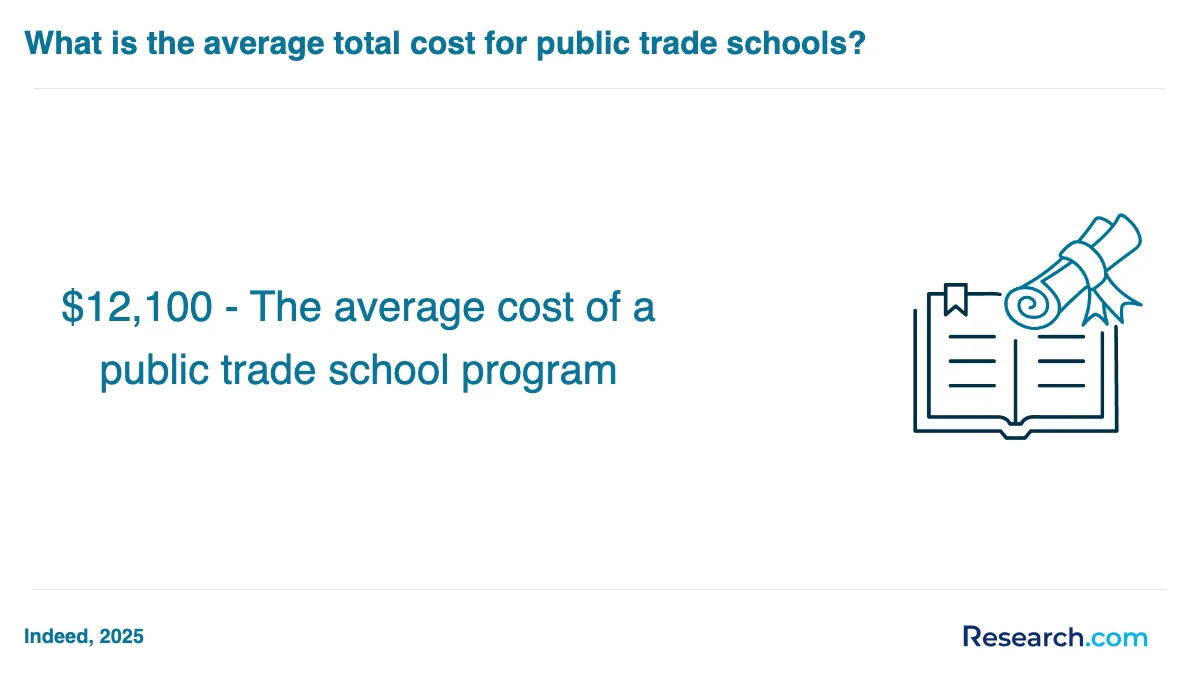
The average cost of a trade school program in Newark typically ranges from $3,000 to $7,000, depending on the length and specialization of the course. Graduates from popular programs like the Building Trades Specialist consistently share stories of manageable tuition paired with financial aid options, making training accessible and affordable. Many students find this investment worthwhile given the focused six-month curriculum that combines hands-on work with essential classroom theory.
Students describe their experience as a balancing act between mastering safety protocols and real-world technical skills, emphasizing how this practical approach boosts their confidence on job sites. For instance, one graduate notes the value of workshops covering tool identification alongside career services that prepare them for job interviews, turning classroom learning into immediate career opportunities.
Trade schools in Newark also often include certifications such as OSHA and CPR at no extra cost, a bonus that graduates highlight as crucial for landing quality positions quickly. This blend of targeted education and affordability paints a promising picture for prospective students seeking to launch a rewarding career without excessive debt.
Where can I work after finishing trade school programs trade schools in Newark?
After finishing a trade school program in Newark, many graduates find themselves stepping confidently into well-paying roles right in their community. Those trained in HVAC or automotive programs often land jobs in local repair shops or with service contractors, quickly becoming dependable technicians who enjoy steady work and the pride of hands-on problem-solving. Graduates from healthcare-related programs, like medical assisting or pharmacy technician courses, share stories of how their training paved the way to meaningful careers in Newark's bustling hospitals and clinics.
Others pursuing culinary arts find vibrant opportunities in Newark's restaurants or catering businesses, often sharing enthusiasm about working near the city's major transportation hubs which bring constant demand. Beauty program graduates describe fulfilling days in salons or spas, supported by state licensing that opens steady doors. Many also highlight positions within Newark's public schools in roles like custodians or clerks, where starting wages reflect the value placed on their skilled work. Trade schools here create pathways that turn students' ambitions into real-world success.
After finishing a trade school program in Newark, graduates often find themselves stepping into a world of promising financial opportunities. Many new professionals from local trade schools, such as those specializing in electrical or HVAC training, report starting wages around $24 per hour, which can grow significantly with experience and certifications. Imagine beginning your career earning nearly $50,000 a year and steadily progressing to over $70,000, simply by building on the hands-on skills gained during your studies.
Some graduates share how working as plumbers or automotive technicians in Newark quickly opened doors to higher-paying jobs, especially when overtime and specialized tasks come into play. For those who choose to stay in the education realm and become vocational instructors, average salaries can reach just under $70,000 annually, showcasing the value of extended experience and leadership.
These figures reflect real stories from Newark trade school alumni who have transitioned confidently into well-paying trades, making their education investment worthwhile while enjoying financial stability early in their careers.
- Candidates need a high school diploma, GED, or proof of homeschooling to apply, and many schools require tests or interviews for admission.
- Application deadlines often close in early February for fall start dates, and late applications may only be accepted if spots remain.
- Total program costs range from about $5,000 to $18,000, with financial aid options available to lower expenses.
- Typical starting salaries for graduates are between $38,000 and $52,000, with experienced workers earning $60,000 or more annually.
- Many programs offer part-time options, support for students with disabilities, and flexible schedules for working adults.
Completing a trade school program in Newark often takes between 9 and 24 months, but many graduates happily note how quickly they transitioned from enrollment to employment. For example, students pursuing short-term certificates like Nail Technology can finish in as little as 5 months, while those studying Medical Assisting or Dental Assisting often wrap up within 9 to 10 months. This compact timeline fits perfectly for those eager to start working and earning.
Others aiming for an associate degree at Newark trade schools typically invest around 16 months to 2 years. Graduates describe this timeframe as well balanced, providing enough depth to build confidence while still accelerating career entry compared to traditional college.
Factors such as full-time versus part-time attendance and previous experience influence completion speed. Many find evening programs especially convenient, allowing them to maintain jobs or family responsibilities during the day.
Popular Newark trade schools integrate hands-on internships, making education feel practical and engaging, which helps students stay motivated and see clear progress toward their future careers.
The difference between online and on-campus trade school programs in Newark often centers on flexibility and hands-on experience. Online students at places like DeVry University enjoy the freedom to study remotely, fitting coursework around jobs or family life without sacrificing the quality of instruction. Graduates recall appreciating this balance, noting how virtual exams and interactive sessions helped them stay engaged despite a busy schedule. At NJIT, students benefit from consistent expert teaching whether online or in person, with diplomas holding equal weight, which reassures many aiming for credible credentials.
Meanwhile, on-campus programs at Essex County Schools of Technology immerse students in practical training alongside peers and instructors, offering direct mentorship and immediate feedback. Many share how their confidence grew through hands-on work in cutting-edge labs and stronger local industry connections. Hybrid formats blend these advantages, allowing Newark students to gain convenience without missing essential in-person skill-building.
The average trade school tuition in Newark varies widely but generally falls between $15,000 and $38,000. Many students appreciate that this Newark NJ trade school cost breakdown reflects a far more affordable path compared to traditional four-year colleges, which often exceed $150,000. Graduates from local institutions like Lincoln Tech share how the investment, typically around $20,000 to $35,000, allowed them to enter skilled trades confidently without excessive debt burdens.
Some community college options near Newark offer even more budget-friendly alternatives, with schools such as Brookdale Community College and Raritan Valley Community College reporting average net prices closer to $6,334 to $9,032. These costs usually cover tuition and basic fees, though students often factor in extras like books, transportation, and accommodation. Understanding this small nuance can make a significant difference when planning finances.
Trade programs differ by field; for instance, automotive or welding courses might cost between $5,000 and $15,000, while medical assisting programs, which can be shorter or offered online, sometimes cost under $5,000. For those exploring cost-saving options, scholarships and financial aid can greatly ease expenses while accessing quality education. Some even explore cheap construction training programs online to supplement their training without overstretching their budgets.
Students enrolling in trade school programs in Newark often find numerous financial aid options that ease the journey toward a skilled career. Graduates from well-known Newark technical schools recall feeling hopeful upon receiving the Federal Pell Grant, a no-repayment award that helped them cover essential costs without added debt. Many also accessed the Federal Supplemental Educational Opportunity Grant (FSEOG), which provided targeted support for those with greater financial challenges, turning uncertainty into opportunity.
Local success stories often highlight state support through programs like the Tuition Aid Grant (TAG), which offered significant tuition relief based on need, boosting confidence for students balancing education and family commitments. Female and minority students pursuing construction trades praised the New Jersey Governor's Industry Vocations Scholarship (NJGIVS), which funded up to $2,000 annually-enabling them to focus on skills rather than bills.
Moreover, some Newark trade schools extended personalized scholarships, such as $2,000 awards for short-term technical programs, creating a sense of belonging and investment in their futures. Many students emphasize that completing the FAFSA early was a game-changer, unlocking access to federal loans and community grants that made education feel attainable rather than overwhelming.
Enrolling in a trade school program in Newark usually requires a high school diploma or GED, a common gateway that opens doors for many eager learners. Graduates from Essex County College often recall how having this credential boosted their confidence, knowing it met the baseline for federal financial aid and program eligibility.
Some programs, especially in fields like healthcare or technical trades, ask more from applicants:
- Completion of a Diagnostic Admissions Assessment in Literacy and Mathematics, like at Essex County Schools of Technology, where students discovered their readiness and uncovered strengths.
- Participation in interviews or tailored evaluations, which offered applicants the chance to showcase their motivation and skills beyond academics.
- For artistic or specialized technical programs, auditions or portfolio reviews highlighted talents, making the experience feel personal and rewarding.
Applicants often find that meeting deadlines and submitting transcripts feels manageable when they know these steps bring them closer to a promising career. Many graduates describe this journey as empowering, where clear prerequisites challenge but also support their ambitions in Newark's vibrant trade education scene.

Trade schools in Newark offer courses that prepare you for hands-on careers in thriving industries. Graduates often describe their training as immersive and practical, feeling ready to step directly into jobs after completion.
Typical courses include:
- Healthcare programs like Medical Assisting, Nursing Assistant, and Practical Nursing provide clinical skills and real patient care experience, with schools like Dawn Career Institute making sure students gain confidence through supervised practice.
- Skilled trades such as HVAC Technician, Automotive Technology, and Advanced Esthetician teach essential technical expertise-imagine troubleshooting air conditioning systems or perfecting skincare services under expert guidance in Newark's local labs.
- Technology courses including Software Engineering cover programming languages, frameworks, and data structures, with institutions like Per Scholas helping learners build portfolios for tech jobs in a growing digital market.
- Fundamental training in electrical work, plumbing, and construction equips students with safety protocols, blueprint reading, and hands-on skills crucial for building projects, often enhanced by internships providing real-world experience.
In Newark, trade school programs offer a rich variety of specializations that cater to diverse interests and career ambitions, combining traditional skilled trades with modern technical fields. Graduates often describe their time at Essex County Schools of Technology as empowering, where they gained hands-on experience in classics like carpentry, plumbing, cosmetology, culinary arts, and automotive technology. These fields remain vital to Newark's infrastructure and community services.
Many students also embrace cutting-edge areas like computer science, green energy, robotics, and graphic arts, reflecting a forward-thinking approach to career readiness. Imagine a graduate who mastered both plumbing and sustainable energy systems, ready to tackle challenges in a shifting economy.
Healthcare programs in allied health, dental, and animal sciences attract those passionate about helping others, with state-licensed training directly connecting students to local job markets. The business and creative sectors also show strong promise, offering specializations such as business management, law and public safety, music production, and fashion design-often including meaningful internships.
Engineering-focused students benefit from options at the Newark College of Engineering at NJIT, which blends degree programs with practical certificate courses in construction, manufacturing, and industrial technology, closely mirroring traditional trade school pathways. These diverse options support nearly any interest for prospective students aiming for growth in Newark's economy.
For those exploring their future, resources like trade schools careers help align local specializations with broader job trends, ensuring informed decisions about the most promising fields.
Choosing the best trade school program in Newark means focusing on what fits your career dreams and lifestyle. Graduates often reflect on how schools with strong industry ties helped them secure apprenticeships or job interviews with local employers, which made their transition into the workforce smoother and more confident. When comparing programs, look at hands-on training opportunities offered by Newark schools known for their practical approach, making learning engaging and relevant.
Cost is a big factor. Many prospective students find relief exploring scholarship options or considering programs highlighted in reviews for affordability, including well-regarded options listed on low cost welding trade school online resources. Such paths often balance quality education and manageable expenses, helping you avoid overwhelming debt.
When thinking about how to compare Newark trade schools, accreditation and support services are key. Graduates speak highly of smaller class sizes and personalized counseling, which turned the often-daunting process into an encouraging journey. Easy access to campus via public transit and strong academic advising create an environment where your potential can really flourish.

Trade school graduates in Newark find a broad range of trade school career options in Newark, thanks to hands-on training at institutions like Essex County Schools of Technology and New Community Career & Technical Institute. Many graduates quickly land roles as automotive technicians, electricians, plumbers, or medical assistants, reflecting the strong ties between these programs and local employers. Imagine yourself completing an apprenticeship while earning certifications like NOCTI, stepping confidently into a flourishing job market.
Vocational programs leading to jobs Newark often emphasize real-world skills and industry connections, opening doors to careers in:
- building trades and construction
- advanced manufacturing and welding
- graphic arts and web design
- public safety and law enforcement support
- computer networking and technical services
These career paths are supported by growing demand in the region, particularly as many skilled workers near retirement. Graduates often experience a rewarding sense of accomplishment, knowing their training translates directly to well-paid, stable employment opportunities. For more details on these opportunities, explore vocational trade programs that prepare students for the diverse trades thriving in Newark today.
The job market for trade school graduates in Newark is thriving, with many graduates finding rewarding work shortly after completing their programs. Entry level trade jobs in Newark NJ span sectors like construction, welding, HVAC, and commercial truck driving, where demand is continuously growing. Graduates from local trade schools often share success stories of quickly securing positions due to Newark's robust job listings-over 7,285 active postings reflect this booming market.
Skilled trades job outlook Newark 2026 is especially optimistic, fueled by urban revitalization projects and Newark's strategic location near major transport hubs. Many graduates praise hands-on learning experiences that prepared them for real-world challenges, making employers eager to hire them.
- Strong demand in health care and social assistance creates diverse job options beyond traditional trades.
- Competent welders benefit from a reported nationwide shortage, opening doors in fabrication and manufacturing.
- Salaries exceeding $80,000 are attainable in many high-growth fields.
Understanding these opportunities, local students are convinced by the benefits of vocational education, which fast-tracks their career paths and offers stability in Newark's evolving economy.
Most Affordable Trade School & Training Programs - Leading Certification Courses in Newark for 2026
# 1 position
Essex County College - Physical Therapy Assistant.
associateEssex County College offers a Physical Therapy Assistant program with a hybrid format, combining in-person and distance education. The program trains students to assist physical therapists by implementing treatment plans, conducting interventions, and using relevant equipment. Coursework includes anatomy, physiology, biomechanics, neuroscience, and professional ethics. Annual in-state tuition is $5,346. Graduates have median earnings of $54,592 one year after completion. The program is accredited by the Middle States Commission on Higher Education.
# 2 position
Essex County College - Opticianry/Ophthalmic Dispensing Optician.
associateEssex County College offers a hybrid Opticianry/Ophthalmic Dispensing Optician program preparing students to fit corrective eyewear and assist patients in frame selection. The curriculum covers optics, eye anatomy, prescription interpretation, contact lens fitting, and administrative tasks. Annual in-state tuition is $5,346. Graduates have a median earning of $37,740 one year after completion. The program is accredited by the Middle States Commission on Higher Education.
# 3 position
Essex County College - Computer and Information Sciences, General.
associateEssex County College offers a Hybrid program in Computer and Information Sciences, General, focusing on computing, computer science, and information systems. The program is accredited by the Middle States Commission on Higher Education. Annual in-state tuition is $5,346. This general program is undifferentiated by specific titles or content and should not be confused with specialized computer science or information science programs.
# 4 position
Essex County College - Legal Assistant/Paralegal.
associateThe Legal Assistant/Paralegal program at Essex County College offers a hybrid format with some distance education options. It prepares students to perform legal research, drafting, investigatory, record-keeping, and administrative tasks under attorney supervision. Coursework includes legal research, document drafting, pleading, courthouse procedures, and legal specializations. The program is accredited by the Middle States Commission on Higher Education. Annual in-state tuition is $5,346.
# 5 position
Essex County College - Finance, General.
associateEssex County College offers a hybrid Finance, General program that prepares students to manage financial and monetary aspects of businesses and organizations. The curriculum covers accounting principles, financial instruments, capital planning, asset and debt management, budgeting, financial analysis, and investments. Annual in-state tuition is $5,346. The program is accredited by the Middle States Commission on Higher Education.
# 6 position
Essex County College - Business Administration and Management, General.
associateEssex County College offers a fully online Business Administration and Management, General program designed to prepare students to plan, organize, direct, and control business functions. The curriculum covers management theory, human resources, accounting, purchasing, logistics, marketing, and business decision-making. Annual in-state tuition is $5,346. Graduates have median earnings of $32,638 one year after completing the program. The program is accredited by the Middle States Commission on Higher Education.
# 7 position
Essex County College - Criminal Justice/Police Science.
associateEssex County College offers a hybrid Criminal Justice/Police Science program designed to prepare students for roles in law enforcement, including patrol, investigations, traffic and crowd control, and evidence management. The program covers crime prevention, weapon operation, and report preparation. Annual in-state tuition is $5,346. Graduates have a median earning of $31,908 one year after completion. The program is accredited by the Middle States Commission on Higher Education.
# 8 position
Essex County College - Accounting.
associateThe Accounting program at Essex County College offers a hybrid format with some distance-education options. It prepares students in accounting principles, financial and managerial accounting, auditing, tax accounting, and professional ethics. The program includes instruction in budgeting, consulting, reporting procedures, and business information systems. Annual in-state tuition is $5,346. Graduates have a median earning of $29,026 one year after completion. The program is accredited by the Middle States Commission on Higher Education.
# 9 position
Essex County College - Accounting Technology/Technician and Bookkeeping.
associateEssex County College offers a hybrid program in Accounting Technology/Technician and Bookkeeping designed to prepare students for technical administrative roles in accounting and financial management. The curriculum covers transaction posting, record-keeping systems, accounting software, and general accounting principles. Annual in-state tuition is $5,346. Graduates report median earnings of $29,026 one year after completion. The program is accredited by the Middle States Commission on Higher Education.
# 10 position
Essex County College - Opticianry/Ophthalmic Dispensing Optician.
certificate or diplomaEssex County College offers a hybrid Opticianry/Ophthalmic Dispensing Optician program preparing students to fit corrective eyewear and assist patients with frame selection. Instruction covers optics, eye anatomy, instrument use, and prescription interpretation. The program includes training in contact lens fitting, prosthesis, pathology identification, and administrative tasks. Annual in-state tuition is $5,346. Graduates have median earnings of $37,740 one year after completion. The program is accredited by the Middle States Commission on Higher Education.
Frequently Asked Questions about trade school programs
Preparing for the job market after completing trade school in Newark involves more than just technical skills. Graduates should focus on building a professional resume that highlights certifications and hands-on experience obtained during their program. According to the U.S. Bureau of Labor Statistics, trade occupations are projected to grow by 8% from 2022 to 2032, signaling strong employment opportunities for skilled workers.
Networking is also essential. Attending local job fairs and connecting with Newark trade organizations can open doors to apprenticeships and entry-level positions. Many trade schools in Newark offer career services that assist with interview preparation and job placement.
Staying updated with industry standards and considering additional certifications can further increase employability and earning potential in competitive markets.
Employers in Newark highly value technical proficiency and hands-on experience when hiring trade school graduates. According to the New Jersey Department of Labor, skills in electrical work, plumbing, HVAC, and welding rank among the most in-demand. Beyond technical ability, employers also emphasize strong problem-solving skills and attention to detail.
Communication and teamwork are crucial soft skills, as many trade jobs require collaboration on job sites. The Bureau of Labor Statistics notes that candidates demonstrating reliability and punctuality have better job placement rates. Furthermore, adaptability and willingness to learn new technologies, such as digital diagnostic tools, increase employability in Newark's evolving trade sectors.
Finding internships in Newark that align with your trade school program involves several strategic steps. Start by leveraging your school's career services, which often maintain local employer contacts interested in trade students. Many Newark-based companies in construction, healthcare, and technology fields offer internships that complement trade programs.
The New Jersey Department of Labor and Workforce Development provides resources and job listings specific to Newark, helping students connect with internship opportunities relevant to their skills. According to a 2023 report, over 40% of Newark trade school students secured internships through local workforce programs.
Networking is crucial; attend local job fairs and industry events to meet employers actively seeking interns. Additionally, websites like NJPlacesToWork can list internships available specifically for technical and skilled trades within Newark.
In Newark, earning a trade school diploma can significantly impact career mobility and advancement. According to the New Jersey Department of Labor, graduates with trade credentials often see faster employment rates, with many securing jobs within six months of completion. Skilled trades such as electrical, HVAC, and healthcare support are in high demand locally, leading to competitive salaries and opportunities for promotion.
Trade school diplomas also provide practical skills tailored to specific industries, making diploma holders attractive to employers seeking immediate expertise. The U.S. Bureau of Labor Statistics reports that many trades experience above-average wage growth, which supports upward mobility for Newark residents.
Moreover, Newark's ongoing infrastructure projects and expanding healthcare sector increase demand for trained professionals, enhancing prospects for diploma holders to progress into supervisory roles. Overall, the diploma acts as a gateway to stable, higher-paying jobs in the regional economy.
Part-time job opportunities in Newark that complement trade school education are plentiful, especially in fields aligned with hands-on skills. For example, students in automotive technology programs often find positions as mechanic assistants or service technicians at local repair shops. These roles provide valuable on-the-job experience and typically pay between $12 and $18 per hour, according to 2023 labor statistics from the New Jersey Department of Labor.
In the construction and electrical trade, part-time work as apprentices or helpers on projects can boost both earning potential and practical knowledge. Employers often seek individuals enrolled in training programs, offering flexible schedules to accommodate classes.
Healthcare trade students in Newark may secure part-time roles as medical assistants or phlebotomy technicians, with wages ranging from $14 to $20 per hour based on the 2022 Occupational Outlook Handbook.
Overall, Newark's diverse industries provide several part-time opportunities that effectively reinforce trade school curricula while supporting students financially.
To choose the most affordable degree program near Newark, NJ, first identify academic institutions offering programs "near me" by considering location, tuition rates, and available financial aid options. Utilize tools like Research.com to compare and evaluate different programs and universities based on cost-effectiveness and program quality. Additionally, you can seek advice from current students or alumni from universities near Newark, NJ to gain insights into their experiences and financial considerations.
- Experiential Opportunities – Career Resources and Exploration | Rutgers University – Newark https://careers.newark.rutgers.edu/channels/experiential-opportunities/
- Benefits of Attending a Trade School - Dawn Career Institute - Newark, DE https://dawncareerinstitute.edu/2019/09/04/benefits-of-attending-a-trade-school/
- CTE Academies - Newark Vocational https://www.nps.k12.nj.us/nwv/cte/
- Career Training and Trade School in Union, NJ https://www.lincolntech.edu/campus/union-nj
- Newark’s new $300 million trade school opening without gym or auditorium https://www.nj.com/mosaic/2025/06/newarks-new-300-million-trade-school-opening-without-gym-or-auditorium.html
- Essex County Schools of Technology | Newark, NJ | Home https://www.essextech.org/
- In-Demand Trade School Programs in NJ & PA | Pennco Tech https://www.penncotech.edu/
- Trade Schools in Newark, New Jersey | Top Trade Schools https://toptradeschools.com/states/new-jersey/newark/
- Home - https://mynycp.org/
- Career Tech NJ - Career Tech NJ https://careertechnj.org/