
Most Affordable Trade School & Training Programs - Leading Certification Courses in Neosho for 2026

Co-Founder and Chief Data Scientist
Choosing the right trade school in Neosho can be a game-changer for your future. This article introduces a carefully crafted trade school programs ranking by the Research.com team of data scientists, designed to help you make an informed decision about which programs truly stand out.
By exploring the most affordable options, you’ll discover opportunities to earn valuable diplomas or certifications that open doors to rewarding careers. Whether you’re starting fresh or shifting paths, this guide aims to inspire confidence and clarity in your educational journey.
Key benefits of finishing trade school programs trade school in Neosho
- Trade school graduates in Neosho can expect competitive salaries, with typical earnings ranging from $45,000 to $78,410 annually depending on their trade, such as electricians or nuclear medical technologists.
- Popular career paths include plumbers, HVAC technicians, pipefitters, and electricians, many of whom attend Crowder College in Neosho and find well-paying jobs locally.
- Online trade school programs offer flexibility and convenience, allowing students to balance work or family while earning certifications, making it easier to start a rewarding career without relocating.
- Most Affordable Trade School & Training Programs - Leading Certification Courses in Neosho for 2026
- What can I expect from trade school programs trade schools in Neosho?
- Where can I work after finishing trade school programs trade schools in Neosho?
What can I expect from trade school programs trade schools in Neosho?
Students considering trade school programs in Neosho find the average annual cost to range between $4,172 and $5,936, with a typical net price around $5,297. This affordability often comes as a welcome relief to those balancing budgets, making hands-on education accessible without overwhelming financial strain.
Graduates often reflect on the value of the investment, noting how the combination of tuition and available financial aid made their education feel within reach. At popular institutions like Crowder College, learners experience a supportive atmosphere where small class sizes foster personalized attention, helping them master skills in automotive technology or veterinary assisting with confidence.
Envision a student at Crowder working closely with instructors while using industry-grade equipment, knowing that each dollar spent aligns with practical career preparation. Post-graduation, many appreciate the ongoing career support and job placement help, underscoring that the cost of education here is truly an investment in a rewarding professional future.
Where can I work after finishing trade school programs trade schools in Neosho?
After finishing a trade school program in Neosho, graduates find a wealth of employment opportunities waiting in local industries. Many step directly into roles like welders, electricians, or HVAC technicians, buoyed by hands-on skills acquired in schools known for their practical training. One graduate shared how their welding certification led them to a secure job at a manufacturing plant within weeks of completing the program.
Others pursue apprenticeships across trades such as construction or industrial maintenance, often earning while learning and gaining valuable experience that opens doors to higher pay. The range of apprentice positions available locally reflects the vibrant demand from businesses eager to invest in new talent.
Roles in machine operation, drilling, and technical support in Neosho's manufacturing sector are another pathway, valued for the technical credentials earned through trade schools. Even public institutions like the Neosho School District offer roles for skilled trade graduates, such as maintenance and facilities staff, underscoring the broad reach of career possibilities.
After finishing a trade school program in Neosho, graduates often find themselves stepping into rewarding careers with solid earning potential. For many, the average annual salary hovers around $62,986 or roughly $30.28 per hour, which reflects a comfortable middle ground to start building a financially stable future. Graduates from schools such as Crowder College or Missouri Career Center share stories of landing jobs that pay between $47,400 and $76,400 annually, showing that dedication and honing skills really pay off.
Practical experience in trades like pipefitting and HVAC can boost these numbers considerably. For instance, some pipefitter graduates report starting wages from $30 to $45 an hour, while HVAC lead installers enter the field earning between $25 and $35 per hour. These rates often translate into annual incomes ranging from the mid-$40,000s to well over $90,000 for those who steadily build their expertise.
Students appreciate how accessible these opportunities are in Neosho's local job market, where skilled workers in construction and welding consistently find rewarding roles. Earning a trade certificate feels empowering, especially knowing employers value hands-on skills and experience, turning education directly into a paycheck that can support a fulfilling life.
- Neosho offers trade programs in fields like HVAC, welding, electrical technology, health sciences, agriculture, computer science, and construction.
- Admission is generally open-access with a 100% acceptance rate at Crowder College; most programs require a high school diploma or GED.
- Annual costs average around $5,297 for in-district students, with financial aid and state funding available for qualifying Neosho high school graduates.
- Programs range from a few months for certificates to two years for associate degrees, with options for full-time and flexible schedules.
- Starting salaries for graduates range from $35,000 to $45,000 annually, with experienced workers in high-demand trades earning $50,000 or more.
Completing a trade school program in Neosho often fits within a practical timeframe, designed for students eager to enter the workforce without delay. Graduates from programs like cosmetology at Neosho Beauty College share how full-time attendance-about 30 hours weekly-helped them finish the required 1,500 clock hours in just under a year, around 50 weeks. This intense pace feels rewarding, as they quickly transition into their chosen careers.
At Neosho County Community College, students pursuing construction technology or welding certificates describe a clear path: one year for Level 1 certificates and two for Level 2 or associate degrees. Those enrolling full-time appreciate the steady rhythm, balancing coursework and real-life commitments. Part-time learners, on the other hand, find value in stretching programs up to two years, allowing them to manage work and family while progressing steadily.
Overall, many in Neosho find that trade schools blend efficiency and accessibility, with most certificates completed in one to two years, making education a reachable and fulfilling journey.
Online and on-campus trade school programs in Neosho differ mainly in how students experience their education. Graduates from Crowder College recall that online learning offered a unique flexibility, allowing them to manage work and family while progressing through courses at their own pace. This asynchronous setup made it possible to study late at night or during breaks-something especially valuable for busy adults.
On the other hand, those who pursued on-campus programs highlight the hands-on opportunities that come from daily interaction with instructors and peers. In trades like automotive technology or healthcare, graduates appreciated the chance to use real tools and equipment in specialized workshops, building confidence through direct practice.
Support also varies: on-campus students benefit from face-to-face advising and instant feedback, creating a sense of community, while online learners rely on virtual services such as email and video calls, which still feel accessible but more independent.
Tuition at Crowder stays the same either way, but online students often enjoy savings on commuting and housing, making both paths rewarding in their own ways.
Understanding the average trade school cost in Neosho requires looking at broader Missouri trends as local figures specifically for Neosho are not separately reported. Graduates from popular trade schools around Neosho often recall that tuition and fees typically fall near the statewide average of $15,105. This aligns with many programs offering one- or two-year certificates, where students invest in gaining practical, career-ready skills without excessive financial burden.
For many enrolling in Neosho Missouri trade school tuition and fees remain comfortably within the $13,000 to $16,000 range, a fact that eases the stress of budgeting for education. However, these numbers are just the beginning. Graduates highlight that additional expenses like student fees ($500-$1,000), equipment costs that vary greatly by trade, and materials further influence the overall investment. One former student shared how careful planning helped manage costs when purchasing specialized tools for their program.
The total cost of attendance, including living expenses and transportation, can reach $17,000 to $35,000, but financial aid often plays a critical role in lifting this weight. Many Neosho learners report receiving awards averaging $6,109, making trade school accessible and worthwhile. For those considering flexible or remote study options, exploring low cost solar technician training online can present alternative routes to quality education without the full local expenses.
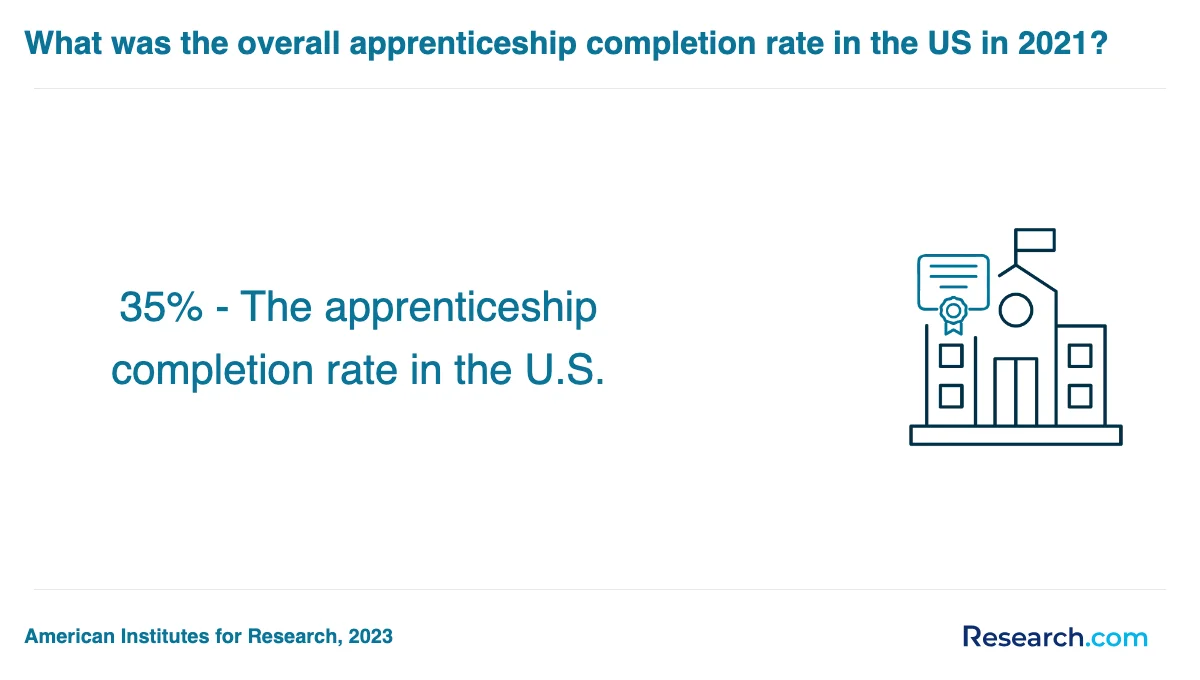
Students pursuing trade school programs in Neosho often find that financial aid can transform the daunting cost of education into an achievable investment. Many graduates from Neosho County Community College recall how the Missouri A+ Program lifted the burden of tuition and fees for two full years, allowing them to focus on mastering hands-on skills without constant financial stress. Meeting the criteria-a 2.5 GPA and full-time enrollment-opened doors they once thought closed.
Others have benefited from the Access Missouri Financial Assistance Program, which provides need-based grants ranging from $500 to $1,700 annually. A recent graduate shared how this support bridged a crucial gap between their federal aid and living expenses, made possible through a simple FAFSA submission.
Beyond state aid, federal Pell Grants and the Federal Work-Study Program add essential financial relief, enabling students to gain work experience while studying. Institutional scholarships at technical schools further brighten students' prospects, offering reassurance that commitment and effort can be rewarded tangibly in Neosho's supportive educational landscape.
Enrolling in a trade school program in Neosho often begins with meeting clear, practical prerequisites that ensure students are ready for hands-on training and real-world challenges. For many, attending schools like Neosho Beauty College means being at least 16 years old when starting and sometimes 17 by licensing exams, aligning with local and state guidelines. Graduates frequently mention how this age standard helped them feel mature and focused entering their programs.
Academic readiness plays a key role too. A high school diploma or GED is typically required, with proof like a diploma or official transcript. For those still in high school, programs such as those offered by CTEC demand at least a 10th-grade education plus permission from their school and a pre-enrollment evaluation. Graduates often recall how dual enrollment boosted their confidence and skill before full-time study.
- An admissions interview to discuss goals and financial planning is common.
- Some programs require basic English and math proficiency, especially in fields like construction or automotive technology.
- Applicants interested in cosmetology complete specific applications, like the Missouri Board of Cosmetology's form.
Financial considerations also enter the picture, as federal aid requires U.S. citizenship or permanent residency-graduates appreciate discussing payment options early to avoid surprises. Overall, these prerequisites reflect a thoughtful balance of readiness and support, helping incoming students start their trade education journey with clarity and enthusiasm.
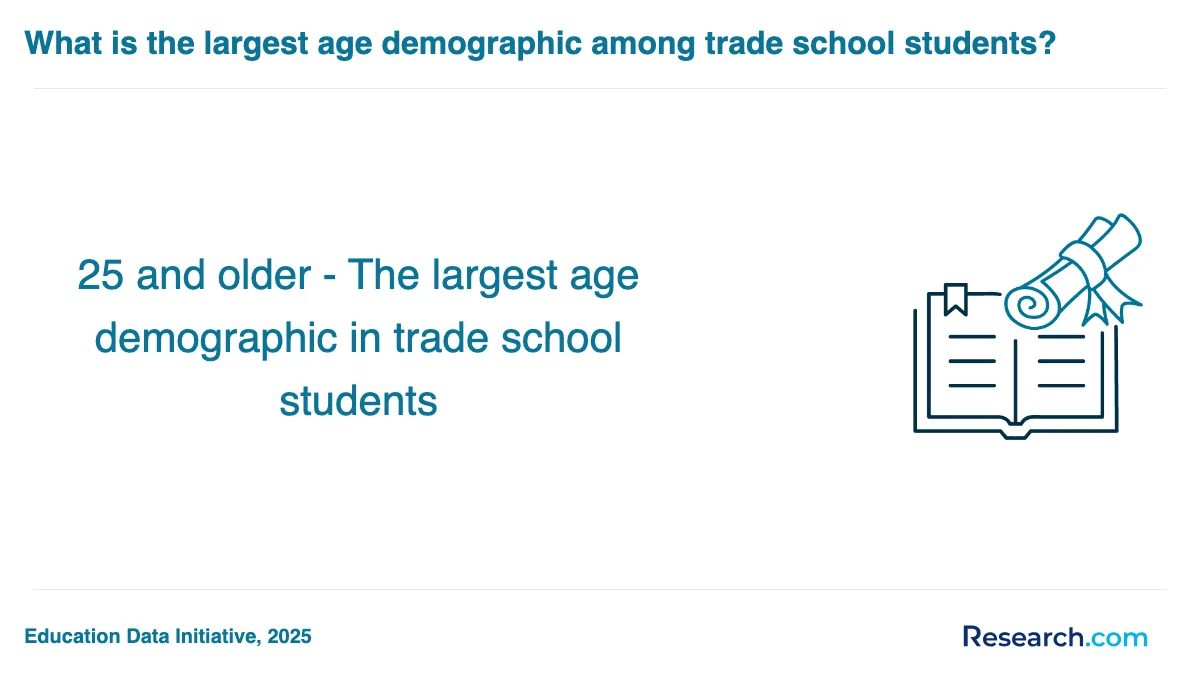
Trade school programs in Neosho are crafted to equip students with practical skills that lead directly to rewarding careers. Graduates often recall hands-on experiences that made learning both engaging and relevant to real job environments. At Neosho County Community College, construction technology courses like OSHA 10 Safety Orientation and Basic Home Repair ground students in essential skills recognized nationwide through NCCER certification.
Popular courses commonly include:
- Automotive technology focusing on mechanical and electrical repair, preparing students for technician roles in about a year.
- Healthcare fundamentals such as medical terminology and patient care, sometimes offered with dual enrollment for college credit at Crowder College.
- Business and teaching programs emphasizing professional development and mentoring through local employer partnerships.
Many find joy in learning by doing, from drywall repair projects to simulated healthcare environments, which build confidence and job readiness. Crowder College also offers options like commercial truck driving and advanced manufacturing, aligning training closely with Neosho's regional workforce demands. These programs help turn ambition into tangible skills, ready for today's evolving job market.
Trade school programs in Neosho offer a variety of specializations tailored to real-world careers, reflecting the practical focus sought by many local students. Graduates from Neosho Beauty College often share how their training in cosmetology and esthetics gave them confidence stepping directly into roles like Cosmetologist or Esthetician, mastering skills from makeup application to salon management. The hands-on nature of their education prepares them well for licensing exams and thriving in a growing personal care market.
At Neosho County Community College, students pursuing construction technology find opportunities to develop expertise in carpentry, electrical work, and plumbing through NCCER-based certificates. Many recall enjoying the blend of classroom theory and practical site experience, equipping them to confidently enter a strong regional construction job market.
Crowder College's CTEC strengthens local vocational pathways with programs in agriculture, allied health, business, and pre-veterinary medicine, ensuring graduates leave ready for immediate employment. Hands-on learning and job placement help students feel supported as they launch their careers.
For those interested in emerging fields, exploring affordable online landscaping technology trade programs can also expand choices beyond campus offerings in Neosho.
Choosing the best trade school program in Neosho means starting with your career goals, whether that's construction, cosmetology, or manufacturing. Graduates from popular Neosho programs often share how knowing their desired path helped them navigate local options and gain valued certifications like the NCCER for construction trades. This hands-on credential is recognized nationwide, making job hunting smoother and fostering pride in their skills.
When how to compare Neosho trade schools, consider accreditation, tuition, and student support services. Many students found smaller class sizes and access to real equipment vital for their confidence and learning experience. Programs partnering with local businesses offer internships that turned classroom lessons into real work success, fueling graduates' optimism as they entered the workforce.
Financial aid options such as Neosho's A+ Program provide valuable tuition help, easing stress. Exploring high paying trade jobs related to your program can also inspire motivation throughout training.
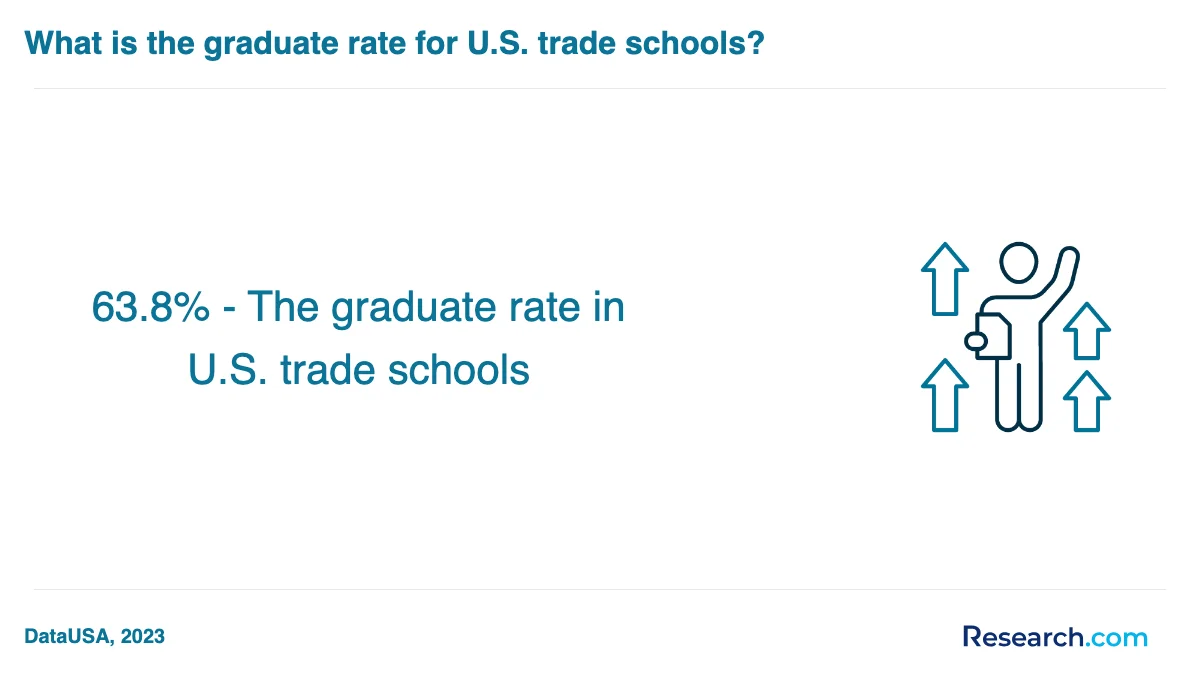
Trade school graduates in Neosho find a diverse range of career opportunities rooted in practical skills gained locally. Many have shared how programs at Crowder College and CTEC helped them step directly into fulfilling roles, reflecting the strength of the Neosho trade school job market. For instance, graduates from construction technology programs often enter as carpenters or electricians, equipped with nationally recognized NCCER certification, which boosts their confidence and employer trust.
Healthcare fields also offer rewarding paths. Graduates trained in practical nursing or medical assisting frequently secure positions in nearby clinics or hospitals, appreciating the hands-on training and certifications designed to meet Missouri's employer expectations.
Automotive technology opens doors to careers as automotive technicians or service managers, with many students valuing the intensive, real-world experience gained in Neosho. Other trade options like welding, HVAC, and business office technology build strong foundations for steady career growth. Many find that job placement help from local technical centers accelerates their entry into the workforce.
Exploring some of the most affordable online freight broker training programs can also expand career horizons for those interested in logistics alongside traditional trades, adding flexibility to their career opportunities for trade school graduates in Neosho.
The trade school job opportunities in Neosho are notably strong, reflecting a vibrant local economy hungry for skilled workers in fields like construction, welding, and HVAC. Graduates from well-known Neosho trade schools often find themselves swiftly employed, thanks to hands-on training and internship programs that connect them directly to employers.
Many graduates share stories of receiving multiple job offers shortly after completing their programs, highlighting the hiring demand for skilled trades Neosho employers continuously express. Common roles available include plumber, pipefitter, and commercial truck driver, each providing a dependable income and career growth.
Popular programs in the area focus on practical skills, enabling students to join the workforce with confidence. For those considering options in related fields, taking a baking and pastry arts class online is an example of expanding skills in a growing market.
- Nationwide, construction alone adds about 154,900 jobs yearly, impacting Neosho's local opportunities.
- The shortage of welders nationally means graduates in this trade command strong attention.
- Nearly 100 open trade-related jobs in Neosho demonstrate the consistent local demand.
This context makes pursuing trade education in Neosho a wise choice for students seeking stable, rewarding careers that grow with the community's development.
Most Affordable Trade School & Training Programs - Leading Certification Courses in Neosho for 2026
# 1 position
Crowder College - Veterinary/Animal Health Technology/Technician and Veterinary Assistant.
associateCrowder College offers a program in Veterinary/Animal Health Technology/Technician and Veterinary Assistant that prepares students to assist veterinarians and animal specialists in patient care and clinical procedures. The curriculum covers animal nursing, health, nutrition, clinical pathology, radiology, anesthesiology, surgical assisting, and office administration. The program is accredited by the Higher Learning Commission. Annual in-state tuition is $6,180.
# 2 position
Crowder College - Computer Systems Networking and Telecommunications.
associateCrowder College offers a hybrid Computer Systems Networking and Telecommunications program that prepares students to become network specialists and managers. The curriculum covers operating systems, applications, systems design, networking theory, network management, security, and troubleshooting. The program is accredited by the Higher Learning Commission. Annual in-state tuition is $6,180, providing an affordable option for students seeking expertise in computer networking and telecommunications.
# 3 position
Crowder College - Criminal Justice/Police Science.
associateCrowder College offers a Criminal Justice/Police Science program with a hybrid format, allowing some distance education. The curriculum trains students in various law enforcement duties, including patrol, investigations, evidence management, and crime prevention. The annual in-state tuition is $6,180. The program is accredited by the Higher Learning Commission and prepares individuals for roles in public security and police work.
# 4 position
Crowder College - Heating, Air Conditioning, Ventilation and Refrigeration Maintenance Technology/Technician.
associateCrowder College offers a program in Heating, Air Conditioning, Ventilation and Refrigeration Maintenance Technology/Technician that trains students to repair, install, service, and maintain these systems. The curriculum includes instruction in diagnostic techniques, testing equipment, and the principles of mechanics, electricity, and electronics related to system repair. The program’s annual in-state tuition is $6,180 and it is accredited by the Higher Learning Commission.
# 5 position
Crowder College - Automobile/Automotive Mechanics Technology/Technician.
associateThe Automobile/Automotive Mechanics Technology/Technician program at Crowder College offers hybrid learning options to prepare students for repairing, servicing, and maintaining various automobile systems. The curriculum covers brake, electrical, engine, suspension, steering, transmission, and heating and air conditioning systems. Annual in-state tuition is $6,180. Graduates earn a median salary of $22,203.70 one year after completion. The program is accredited by the Higher Learning Commission.
# 6 position
Crowder College - Welding Technology/Welder.
associateCrowder College offers a Welding Technology/Welder program with a hybrid format, including some distance-education options. The curriculum covers arc welding, resistance welding, brazing, soldering, cutting, high-energy beam welding, welding metallurgy, structural design, safety, and relevant codes and standards. The program prepares students to apply technical skills in metal joining and cutting. Annual in-state tuition is $6,180. The program is accredited by the Higher Learning Commission.
# 7 position
Crowder College - Accounting.
associateThe Accounting program at Crowder College offers a hybrid format, combining in-person and distance education options. It prepares students for careers in accounting and related business functions through comprehensive instruction in principles, financial and managerial accounting, auditing, tax, and business information systems. The program is accredited by the Higher Learning Commission. Annual in-state tuition is $6,180, providing affordable access to specialized accounting education and training.
# 8 position
Crowder College - Heating, Air Conditioning, Ventilation and Refrigeration Maintenance Technology/Technician.
certificate or diplomaCrowder College offers a program in Heating, Air Conditioning, Ventilation and Refrigeration Maintenance Technology/Technician that trains students to repair, install, service, and maintain HVAC and refrigeration systems. The curriculum covers diagnostic techniques, testing equipment, and principles of mechanics, electricity, and electronics related to system repairs. The annual in-state tuition is $6,180. The program is accredited by the Higher Learning Commission.
# 9 position
Crowder College - Welding Technology/Welder.
certificate or diplomaCrowder College offers a Welding Technology/Welder program with a hybrid format, including some distance-education options. The program prepares students to apply technical skills in welding processes such as arc welding, resistance welding, brazing, and soldering. Instruction covers materials, metallurgy, safety, structural design, and welding codes. Annual in-state tuition is $6,180. The program is accredited by the Higher Learning Commission.
# 10 position
Crowder College - Nursing Assistant/Aide and Patient Care Assistant/Aide.
certificate or diplomaCrowder College offers a hybrid Nursing Assistant/Aide and Patient Care Assistant/Aide program that prepares students to perform routine nursing-related tasks under the supervision of registered or licensed practical nurses. The program is accredited by the Higher Learning Commission. Annual in-state tuition is $6,180. This program combines distance education with in-person training to equip students for work in hospitals or long-term care facilities.
Frequently Asked Questions about trade school programs
Preparing for the job market after completing a trade school program in Neosho involves several practical steps. First, graduates should leverage local resources such as the Missouri Department of Economic Development, which reports a steady demand for skilled trades in the region, especially in areas like welding, automotive repair, and HVAC.
It is important to build a professional network by attending job fairs and connecting with local employers who frequently hire trade school graduates. Many schools in Neosho also offer career counseling and resume workshops that help students align their skills with employer expectations.
Certification and licensing are critical; obtaining credentials recognized in Missouri increases employability. The U.S. Bureau of Labor Statistics notes that certified trade workers earn up to 20% more on average. Finally, gaining hands-on experience through internships or apprenticeships available locally can significantly improve job prospects.
Employers in Neosho highly value trade school graduates who demonstrate practical, job-specific skills alongside strong soft skills. According to the U.S. Bureau of Labor Statistics, mastery in technical abilities-such as welding, electrical work, or HVAC systems-is crucial since it directly impacts job performance and safety. Local employers also emphasize problem-solving skills and adaptability, reflecting the dynamic nature of manufacturing and service sectors in Neosho.
Communication skills rank among the top soft skills sought, with 72% of employers reporting they favor candidates who can work well in teams and follow instructions accurately, as noted by the National Association of Manufacturers. Time management and reliability are similarly important, ensuring projects meet deadlines without sacrificing quality.
Hands-on experience gained through internships or apprenticeships significantly boosts a graduate's employability, with many local businesses preferring candidates who have demonstrated real-world application of their trade skills.
Finding internships in Neosho that align with your trade school program involves several strategic steps. Start by contacting the career services office at your trade school, as many maintain partnerships with local businesses seeking interns. Networking through instructors and alumni can also uncover hidden opportunities not widely advertised.
Local chambers of commerce and industry associations in Neosho often list internship openings on their websites or newsletters. Additionally, websites like Missouri Job Center provide localized listings, including internships for trades such as welding, automotive technology, and healthcare.
According to the National Association of Colleges and Employers, connecting early and applying proactively increases your chances significantly. Explore companies in key Neosho industries and reach out directly to inquire about internship possibilities.
A trade school diploma in Neosho plays a significant role in enhancing career mobility for many individuals. Graduates often acquire directly applicable skills that meet local industry demands, especially in fields like manufacturing, automotive technology, and health services. According to the U.S. Bureau of Labor Statistics, vocational credentials can increase employment opportunities by 15-20% compared to those without specialized training.
Locally, Neosho employers frequently prefer candidates with trade school education due to their practical experience. This leads to faster job placement and opportunities for promotions. A report from the Missouri Department of Higher Education notes that trade school graduates in the region can expect a 10% higher starting wage than peers with only a high school diploma.
Moreover, with industries in Neosho embracing new technologies, trade diplomas offer pathways to advanced certifications, enabling workers to shift into supervisory or specialized technical roles. This adaptability contributes to long-term career advancement and improved job security in the area.
Part-time job opportunities in Neosho that complement trade school education are mainly found in industries related to the skills students gain. For example, students studying automotive technology can seek employment at local repair shops or dealerships, gaining hands-on experience aligned with their coursework. According to the Missouri Economic Research and Information Center, Neosho has a steady demand for skilled labor in manufacturing and healthcare, making part-time roles in these sectors beneficial.
Jobs in construction, electrical maintenance, and HVAC services also match trade programs, allowing students to apply their knowledge practically while earning income. These opportunities support skill development essential for future full-time employment.
To choose an affordable degree program near you in Neosho, MO, consider community colleges and public universities, as they often offer lower tuition rates compared to private institutions. Research programs near Neosho, MO by visiting campuses, speaking with admissions counselors, and reviewing courses and financial aid options, which can often be explored by utilizing resources like Research.com. Ensure you assess both the quality and cost of the programs, and prioritize those that align with your career goals while being affordable and accessible near me.
- Outreach and Workforce Development - Neosho County Community College - Modern Campus Catalog™ https://catalog.neosho.edu/content.php
- Neosho School District - Educational Programs https://www.neoshosd.org/13171_2
- Neosho County Community College > Home https://www.neosho.edu/
- Benefits for attending a trade school | NSHSS | National Society of High School Scholars https://www.nshss.org/resources/blog/blog-posts/benefits-for-attending-a-trade-school/
- Client Challenge https://reese.warrensburgr6.org/o/rec/article/1072020
- Find The Best Missouri Trade Schools https://www.accreditedschoolsonline.org/vocational-trade-school/missouri/


