Most Affordable Trade School & Training Programs - Leading Certification Courses in Midwest for 2026

Co-Founder and Chief Data Scientist
Choosing the right trade school can shape your future, especially in the Midwest where opportunities are growing. This article introduces a carefully crafted trade school programs ranking created by the Research.com team of data scientists. It’s designed to help you make an informed decision about which programs offer the best value and quality.
By exploring these options, you’ll discover affordable paths toward valuable skills and certifications. Earning a trade school diploma can open doors to rewarding careers and personal growth, making this guide a helpful step toward your success.
Key benefits of finishing trade school programs trade school in Midwest
- Trade school graduates in the Midwest can earn competitive salaries, such as electricians making between $45,000 and $130,000 annually, truck drivers earning about $52,800, and skincare specialists around $38,000 per year, offering strong financial opportunities.
- Popular career paths include electrician programs, heavy truck driving, bus and truck mechanics, and personal care roles like barbers and cosmetologists, giving many options to fit your interests and skills.
- Getting a trade school diploma online provides flexibility and convenience, allowing you to learn at your own pace while balancing work or family, making it easier to start your career sooner.
- Most Affordable Trade School & Training Programs - Leading Certification Courses in Midwest for 2026
- What can I expect from trade school programs trade schools in Midwest?
- Where can I work after finishing trade school programs trade schools in Midwest?
What can I expect from trade school programs trade schools in Midwest?
The average cost of a trade school program in the Midwest typically ranges from about $5,000 to $15,000, depending on the field of study and the school chosen. Graduates often share how this investment feels manageable compared to traditional college expenses, and many highlight the value in quickly gaining practical skills that lead to steady employment.
Imagine attending a trade school where you can complete your HVAC or welding training in under a year, with hands-on workshops led by instructors who have years of real-world experience. Many students appreciate flexible schedules, making it easier to balance work or family while learning vital skills.
Financial aid counseling and scholarship assistance are commonly available options, helping reduce upfront costs. Graduates often express pride in entering in-demand fields like medical assisting or truck driving without carrying overwhelming debt, feeling confident that their education is industry-relevant and tailored to Midwest job markets.
Where can I work after finishing trade school programs trade schools in Midwest?
Graduates from Midwest trade schools step into vibrant career paths filled with opportunity and growth. Many find themselves building new homes or revitalizing neighborhoods as carpenters, electricians, or plumbers, powering Midwest communities with their skilled hands. With ongoing infrastructure projects across states like Ohio and Michigan, these roles offer not just jobs but the fulfillment of shaping the region's future.
Others dive into welding, a field where the shortage of skilled workers means graduates are quickly snapped up by manufacturing plants and fabrication shops. These hands-on roles bring pride as you see your work become part of America's industrial backbone.
Wind turbine technicians, especially those certified through schools known for their renewable energy programs, experience rapid career growth. Picture working outdoors in Iowa's wind farms, maintaining turbines that drive clean energy forward-all while earning competitive wages and a strong sense of purpose.
Many graduates also thrive as HVAC technicians, commercial truck drivers, and diesel mechanics, securing stable jobs in the region's robust logistics and manufacturing sectors. These success stories reflect the commitment and readiness Midwest trade school students gain, opening doors to enriching, well-paid careers close to home.
After finishing a trade school program in the Midwest, many graduates experience the excitement of stepping into well-paying careers with strong job prospects. In states like Illinois, graduates typically earn about $65,069 annually, which means a solid $31.28 per hour. Imagine starting your first job in Chicago, where that number can climb to an average of $69,228 a year-enough to feel truly independent and confident.
Graduates from popular trade schools in the region often share how their earnings quickly grow as they gain experience. For example, those who become First-Line Supervisors in transportation report salaries around $64,650 annually, while skilled truck drivers start near $52,800, enjoying stable incomes right after training.
Even in personal care fields like cosmetology, graduates find rewarding pay with flexibility-skincare specialists make about $18.30 per hour, enough to fuel their passion and build strong client relationships.
Trade school grads benefit not just from competitive salaries but also from lower education costs and minimal debt, making each paycheck feel like a victory worth celebrating.
- Admission to Midwest trade schools is flexible with rolling enrollment and classes starting every five weeks.
- Most programs require a high school diploma or GED; some scholarships need a minimum GPA of 2.5 to 3.0 and may require ACT or SAT scores.
- Program lengths range from one month to a year or more, covering trades like welding, HVAC/R, CDL truck driving, and medical assisting.
- The average program cost varies between $5,000 and $20,000, with financial aid, scholarships, and grants widely available.
- Median starting salaries are about $40,000-$45,000 for welders, $45,000-$50,000 for HVAC techs, and $50,000-$60,000 for commercial truck drivers.
Most Midwest trade school programs are designed to help you start your new career quickly, typically completing your training in just 7 to 12 months. Imagine stepping into the skilled trades with confidence after finishing your welding course at Midwest Technical Institute in only 7 months, just like many recent graduates who celebrated finishing faster than they expected and jumping right into rewarding jobs.
Automotive and diesel mechanic programs at places like Universal Technical Institute in Illinois take just under a year-about 45 to 51 weeks-offering hands-on experience that prepares you for real work situations swiftly. Many students find the flexible day and evening schedules particularly helpful, allowing them to balance life commitments while moving forward with their education.
Whether it's healthcare, cosmetology, or truck driving, finishing your training in 6 to 12 months opens the door to new opportunities and financial independence. Graduates frequently share how proud they feel achieving their goals so quickly and how trade schools in the Midwest make this possible with supportive, practical programs tailored to fast success.
Choosing between online and on-campus trade school programs in the Midwest means deciding how you want to experience your education. Online programs offer inspiring flexibility-imagine finishing your business administration courses from home, balancing work and family while progressing at your own pace. Graduates from schools like Clovis Community College appreciate the freedom to learn without commuting, giving them confidence and control over their schedules.
On the other hand, on-campus programs bring the energy of hands-on learning, essential for trades like welding or HVAC. Picture working alongside instructors and classmates, using real tools, and immediately applying skills in a buzzing workshop. Students from popular Midwest schools find this face-to-face environment fuels motivation, builds teamwork, and sharpens practical expertise crucial for industries requiring certification and licensing.
Both paths offer unique advantages: online programs empower busy adults with convenience, while on-campus settings provide immersive, tactile training. Whichever you choose, you join a vibrant community dedicated to launching rewarding careers in the heart of the Midwest.
The average trade school cost in Midwest generally ranges from $3,800 to $16,000 total, with many programs falling between $5,000 and $15,000 depending on the trade and length of study. Graduates from popular Midwest trade schools often share how the affordable investment felt empowering-allowing them to focus on skill-building without the crushing burden of excessive debt. For example, those who completed automotive technology diplomas typically invested between $5,000 and $12,000, while welding programs hovered around $5,000 to $15,000. Medical assisting programs sometimes start as low as $2,000 but can go up to $20,000 based on specialization and duration.
Many Midwest trade school students find that the overall tuition is manageable, especially when considering the Midwest trade school tuition and fees cover comprehensive training within just months to a couple of years. Beyond tuition, graduates often recall budgeting carefully for books, supplies, and necessary tools, which adds some cost but remains far less than four-year university expenses. The story of a recent graduate who entered welding after just two years at a Midwest technical school reflects the achievable dream of swift career entry with controlled costs.
Financial aid, scholarships, and grants create even more accessible opportunities for students choosing this path. Many graduates highlight how these resources made the difference between doubt and determination to pursue their passion. To explore affordable options tailored for specific fields, prospective students can find inspiration through cheap online trade schools programs for electricians and similar trades.
When comparing costs, it's encouraging to note that Midwest trade school graduates typically accumulate much less student loan debt-averaging around $8,075-versus students at public universities who may carry debts nearing $32,000. This financial advantage strengthens confidence as students embark on fulfilling, well-paid careers shortly after completing their programs.

Trade school students in the Midwest have incredible financial aid opportunities that make pursuing skilled careers both accessible and encouraging. Many rely on federal aid through the FAFSA, which opens each December, unlocking grants like the Pell Grant, loans, and work-study programs that help cover costs throughout their education journey.
At well-known schools like Midwest Technical Institute, students can secure scholarships based on their passion for trades-imagine submitting a short video to showcase your dedication, rather than stressing over grades. Many graduates tell of how these awards lifted financial burdens and fueled their confidence to chase careers in welding, HVAC/R, medical assisting, and more.
Local organizations and utility cooperatives also support students, offering scholarships specifically to those connected to their communities. These funds not only ease tuition worries but often feel like a vote of confidence from neighbors invested in your success.
By combining federal grants, scholarships, and private aid, Midwest trade school students power through their programs with optimism and strong support behind them.
Enrolling in a Midwest trade school program is an exciting step toward building a rewarding career, and meeting the prerequisites opens the door to this promising journey. Most trade schools in the region require a high school diploma, GED, or equivalent, ensuring you're prepared for hands-on learning. Many graduates recall submitting official transcripts and feeling proud when their minimum GPA, often between 2.0 and 3.0, met admission standards at schools like Midwestern University or Friends University.
Age is another factor; students usually need to be 18 years or older to begin their program. Picture yourself on the first day, already feeling ready to tackle challenges thanks to this clear-cut requirement.
Beyond academics, physical readiness often plays a role. For example, students at Midwest Line College prepare physically to climb utility poles or work at heights-tasks demanding fitness and courage.
- Completed application form and an enrollment fee (often around $50)
- Proof of medical insurance if required
- Drug and alcohol screening in safety-sensitive programs
- Demonstrated motivation through interviews or written statements
These prerequisites help ensure you are fully equipped-mentally, academically, and physically-to thrive in your trade, setting you up for success and personal growth as many Midwestern graduates have experienced.
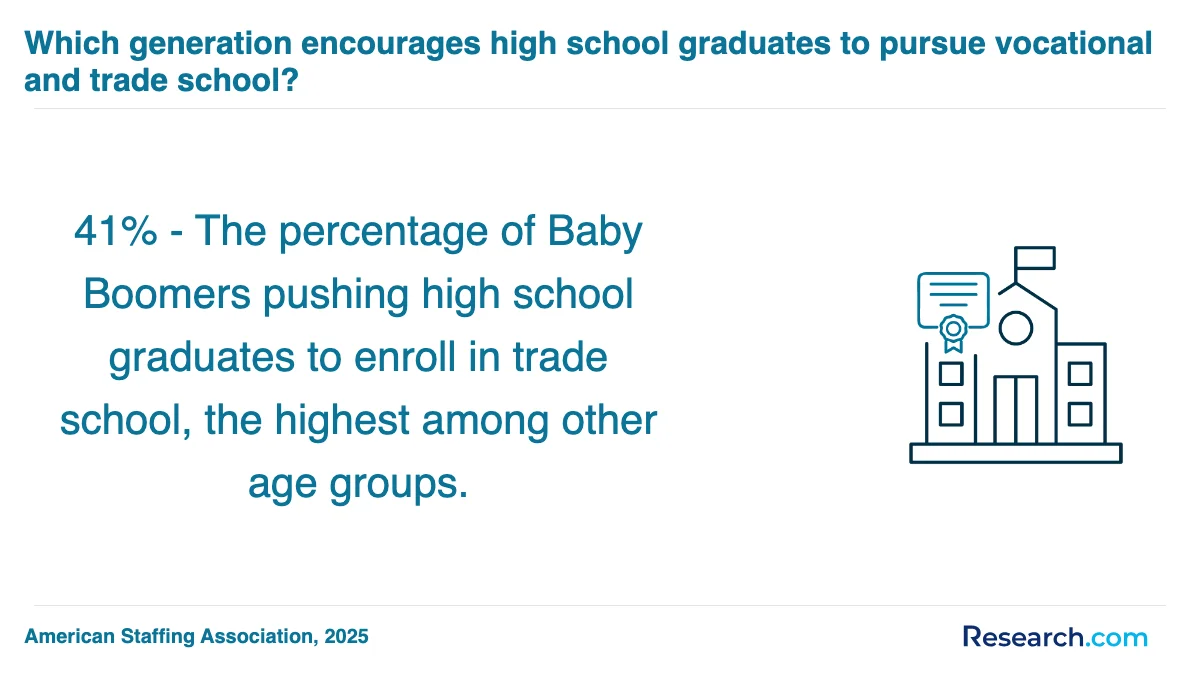
Trade school programs in the Midwest offer a vibrant array of courses that open the door to skilled, in-demand careers quickly and affordably. Graduates from schools like Midwest Technical Institute celebrate how programs blend hands-on training with expert instruction, making learning both engaging and practical.
Typical courses include:
- Mechanical trades: welding, HVAC/R, and pipefitting-with some programs completed in under a year, giving students fast-tracked skills employers need.
- Allied health: medical assisting, dental assisting, and veterinary assisting, where students practice anatomy and patient care crucial for direct support roles.
- Transportation: CDL truck driving courses, diesel technology, and heavy machinery-perfect for those ready to join Midwest's thriving logistics and manufacturing sectors.
- Beauty and wellness: cosmetology programs that teach hair, skin, and nail care, empowering students to turn passion into a career of styling and customer service.
- Veterinary services: training to assist with animal care, reflecting the deep connection many Midwesterners have with their communities and pets.
Midwest trade schools like MTI emphasize fast, focused learning that transforms ambition into action-graduates often share how this approach gave them confidence and real skills in just months, ready to build rewarding careers.
Trade schools in the Midwest offer a vibrant range of specializations designed to launch students into fulfilling careers quickly. Graduates from schools like Midwest Technical Institute often share how hands-on programs in mechanical trades such as welding, HVAC/R, and electrical work prepare them for thriving roles in construction and manufacturing within months. These programs turn passion into skilled expertise with real-world applications.
Allied health fields also attract many eager learners, with options including medical assisting, dental assisting, phlebotomy, and medical coding. Students appreciate the combination of classroom theory and clinical training, which builds confidence to work in busy clinics and hospitals throughout the region.
Popular choices also include professional truck driving programs, where CDL courses are completed in under 30 days. Graduates express pride in joining the crucial network of drivers supporting Midwest logistics.
Other specializations like cosmetology and massage therapy nurture creativity and wellness skills, offering students a joyful path into beauty and therapeutic careers.
- Mechanical trades: welding, HVAC/R, electrical
- Allied health: medical and dental assisting, phlebotomy, medical coding
- Professional truck driving: CDL training and over-the-road experience
- Cosmetology and massage therapy
Many find that these programs reflect local job market needs, making it easier to find rewarding employment after graduation. If you're exploring careers in the trades, the Midwest trade schools offer pathways rich with opportunity and personal growth.
When deciding on the best trade school program in Midwest, start by focusing on programs that match your career passion-whether it's welding, HVAC/R, or medical assisting. Graduates from schools like Midwest Technical Institute often share how the hands-on experience and supportive atmosphere fueled their confidence and skill growth, making their training feel truly worthwhile. This is a key factor when exploring the best trade schools in the Midwest.
Look closely at admissions policies that value your genuine interest and motivation over test scores. Many Midwest schools recognize that enthusiasm drives success, which eases the pressure for students wary about academic records but eager to learn.
Financial aid and scholarships frequently appear at these schools, helping students manage costs-graduates often describe this support as a crucial boost that made their goals achievable.
For guidance on how to choose a Midwest trade school program, consider how schools like Midwest Institute provide accessibility and partner with local employers, ensuring smooth transitions into careers. You can also explore more on what is the best trade school in the us to expand your options.
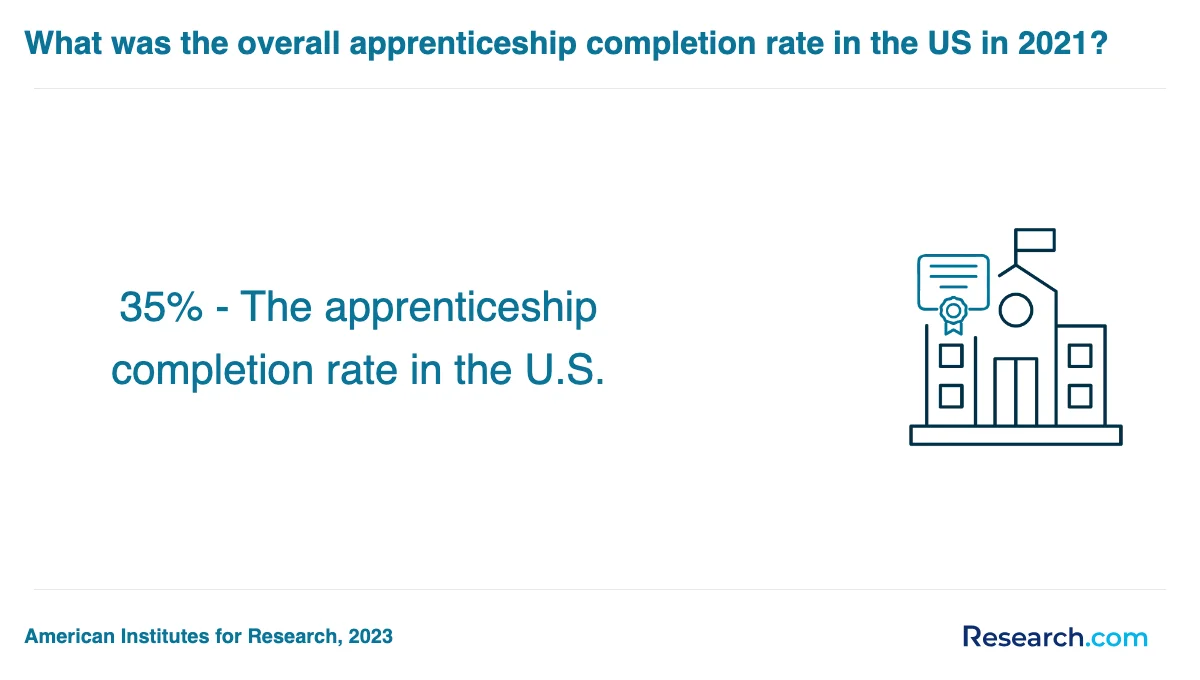
Trade school graduates in the Midwest find a wealth of skilled trade career opportunities in Midwest that match the region's booming industries and hands-on training focus. Many graduates from popular local schools share stories of quickly stepping into rewarding roles such as construction workers, welders, and HVAC technicians, thanks to accelerated programs that emphasize practical skills. These careers bring real-world impact, from building new homes to keeping essential systems running smoothly.
In the Midwest, trade school graduate jobs and salaries stand strong, especially in fields like welding-with some programs boasting perfect job placement rates-commercial truck driving, and electrical work. Graduates often highlight the satisfaction of entering the workforce rapidly and confidently, supported by schools offering personalized job placement assistance.
Other standout career paths include:
- Wind turbine technicians, where growth is soaring alongside the green energy sector
- Legal assistants and paralegals, opening doors in law offices with solid pay
- Healthcare support roles like dental or medical assisting with excellent employment outcomes
- Cosmetology and veterinary assisting, combining passion with stability
Many students seeking quick, affordable routes into skilled fields also explore cheap online appliance repair courses, expanding opportunities without geographic limits. With Midwest trade schools fostering high job placement rates and practical skills, graduates step confidently into careers that offer both purpose and prosperity.
Trade school graduates in the Midwest enjoy a thriving job market filled with rewarding opportunities across a variety of skilled trades. The demand for skilled trades in Midwest 2026 remains strong, fueled by booming sectors like construction, welding, and renewable energy. Graduates from well-known trade schools often share stories of quickly landing positions thanks to employers eager for qualified workers.
Consider the construction industry, where new projects mean steady work and competitive pay. Graduates from programs focusing on practical skills find themselves joining rapidly growing teams, contributing directly to shaping their communities. Welding specialists benefit from a nationwide shortage of 400,000 welders, especially in manufacturing hubs in the Midwest, turning their training into real-world success.
Transportation careers, including commercial truck driving, also offer stable income with average salaries around $54,320 annually. Renewable energy roles, notably wind turbine service technicians, boast a projected 60% job growth rate through 2033, with median wages over $61,000. Many graduates discover that attending the most affordable online construction training programs in their region boosts their job outlook for trade school graduates in Midwest, providing a fast, low-debt path to fulfilling work.
Most Affordable Trade School & Training Programs - Leading Certification Courses in Midwest for 2026
# 1 position
Metropolitan Community College Area - Electrician.
associateThe Electrician program at Metropolitan Community College Area offers a hybrid format with some distance education options. It prepares students to install, operate, maintain, and repair electrical systems and apparatus in residential, commercial, and industrial settings. The curriculum covers electronics principles, wiring, power transmission, safety, and applicable codes. Annual in-state tuition is $3,285, and median earnings one year after completion reach $64,751. The program is accredited by the Higher Learning Commission.
# 2 position
Metropolitan Community College Area - Automobile/Automotive Mechanics Technology/Technician.
associateThe Automobile/Automotive Mechanics Technology/Technician program at Metropolitan Community College Area offers a hybrid learning format. It prepares students to repair, service, and maintain various automobile systems, including brakes, electrical, engines, transmissions, and heating/air conditioning. The program is accredited by the Higher Learning Commission. Annual in-state tuition is $3,285, and median earnings one year after completion reach $52,060.
# 3 position
Metropolitan Community College Area - Legal Assistant/Paralegal.
associateThe Legal Assistant/Paralegal program at Metropolitan Community College Area is a hybrid course designed to prepare students for research, drafting, investigatory, and administrative tasks under attorney supervision. The curriculum includes legal research, document drafting, pleading, courthouse procedures, and legal specializations. Annual in-state tuition is $3,285. The program is accredited by the Higher Learning Commission, providing recognized credentials for students pursuing a legal support career.
# 4 position
Metropolitan Community College Area - Heating, Air Conditioning, Ventilation and Refrigeration Maintenance Technology/Technician.
associateThe Heating, Air Conditioning, Ventilation and Refrigeration Maintenance Technology/Technician program at Metropolitan Community College Area prepares students to repair, install, service, and maintain heating, air conditioning, and refrigeration systems. The hybrid program includes instruction in diagnostic techniques, testing equipment use, and principles of mechanics, electricity, and electronics. Annual in-state tuition is $3,285. The program is accredited by the Higher Learning Commission.
# 5 position
Metropolitan Community College Area - Industrial Mechanics and Maintenance Technology/Technician.
associateThe Industrial Mechanics and Maintenance Technology/Technician program at Metropolitan Community College Area offers hybrid learning with some distance-education options. It prepares students to repair and maintain industrial machinery and equipment, including cranes, pumps, engines, pneumatic tools, conveyor systems, and refinery systems. The program’s annual in-state tuition is $3,285. It is accredited by the Higher Learning Commission.
# 6 position
Metropolitan Community College Area - Welding Technology/Welder.
associateThe Welding Technology/Welder program at Metropolitan Community College Area offers hybrid learning with some distance-education options. It prepares students to work with various welding techniques, including arc welding, brazing, cutting, and welding metallurgy. The program covers safety, structural design, and industry codes and standards. Annual in-state tuition is $3,285. The program is accredited by the Higher Learning Commission.
# 7 position
Metropolitan Community College Area - Accounting.
associateThe Accounting program at Metropolitan Community College Area prepares students for careers in accounting and related business functions. It covers principles and theory, financial and managerial accounting, cost accounting, tax accounting, auditing, and reporting procedures. Students learn about business information systems, professional standards, ethics, and applications in various organizations. Annual in-state tuition is $3,285. The program is accredited by the Higher Learning Commission.
# 8 position
Metropolitan Community College Area - Computer and Information Sciences, General.
associateThe Computer and Information Sciences, General program at Metropolitan Community College Area is fully online, offering flexible distance learning. The annual in-state tuition is $3,285. This general program covers computing, computer science, and information science and systems without focusing on specific specializations. Graduates have a median earnings of $48,719 one year after completion. The program is accredited by the Higher Learning Commission.
# 9 position
Metropolitan Community College Area - Medical Insurance Coding Specialist/Coder.
associateThe Medical Insurance Coding Specialist/Coder program at Metropolitan Community College Area is fully online, offering specialized training in medical data entry, classification, and record-keeping related to diagnostic, treatment, billing, and insurance documentation. The curriculum covers medical records software, anatomy, medical terminology, coding procedures, and relevant Medicare regulations. Annual in-state tuition is $3,285. The program is accredited by the Higher Learning Commission, with median earnings of $44,112 one year after completion.
# 10 position
Metropolitan Community College Area - Business Administration and Management, General.
associateMetropolitan Community College Area offers a fully online Business Administration and Management, General program. It prepares students to plan, organize, and direct organizational functions, covering management theory, human resources, accounting, purchasing, marketing, and business decision-making. The program is accredited by the Higher Learning Commission. Annual in-state tuition is $3,285, and median earnings one year after completion are $43,956.
Frequently Asked Questions about trade school programs
After completing a trade school program in the Midwest, preparing for the job market requires a strategic approach. First, graduates should leverage career services offered by their school, such as resume workshops and job placement assistance. According to the National Center for Education Statistics, schools with strong employer connections see higher employment rates among graduates.
Building a professional network is also essential. Attending local job fairs and joining industry associations can improve job prospects significantly. In states like Ohio and Michigan, trades such as welding and HVAC report employment growth of over 10% through 2028, according to the Bureau of Labor Statistics.
Finally, obtaining relevant certifications beyond the diploma may increase competitiveness and earning potential. Staying informed about labor market trends in the Midwest will help graduates align their skills with in-demand occupations.
Employers in the Midwest highly value both technical and soft skills in trade school graduates. According to the National Center for Education Statistics, proficiency in hands-on abilities such as electrical work, welding, and HVAC installation ranks among the top sought-after technical skills. Additionally, communication skills and reliability are crucial, with a 2023 survey from the National Association of Manufacturers revealing that 68% of Midwest employers prioritize teamwork and problem-solving abilities.
Time management and adaptability are also important, especially as industries evolve with new technology. Trade school graduates who combine practical expertise with strong interpersonal skills tend to have the best job prospects in the region.
Finding internships in the Midwest related to your trade school program involves strategic research and use of available resources. Many trade schools maintain partnerships with local businesses, so check with your school's career services office for internship listings. In states like Illinois and Ohio, over 60% of trade students secure internships through direct school connections, according to the National Center for Education Statistics.
Additionally, statewide workforce development boards offer internship programs targeting skilled trade fields, including manufacturing and healthcare. Websites such as the Midwest's regional labor market portals also provide databases specifically for vocational internships.
Networking locally with employers at trade expos and job fairs can reveal hidden opportunities. Finally, registering with platforms focused on trade apprenticeships, such as those promoted by the U.S. Department of Labor, improves your chances to secure relevant experience.
In the Midwest, a trade school diploma can significantly enhance career mobility and advancement. According to the National Center for Education Statistics, many trade programs offer direct pathways to skilled employment sectors such as manufacturing, automotive, and healthcare, which are vital to the regional economy.
Graduates with trade diplomas often experience faster entry into the workforce, typically within six months, compared to traditional degrees. The median annual wage for these trades in the Midwest is consistently higher than jobs requiring only a high school diploma, as reported by the Bureau of Labor Statistics.
Further, employers in the Midwest tend to value practical skills and certifications from trade schools, improving promotion opportunities. Research from the Center on Education and the Workforce highlights that individuals with technical credentials see a 10-20% wage premium, reflecting upward social mobility.
Part-time job opportunities in the Midwest that complement trade school education often align closely with the skills students are developing. For example, students enrolled in HVAC or electrical programs frequently find part-time work as apprentices or assistants to licensed professionals, gaining valuable hands-on experience. According to the U.S. Bureau of Labor Statistics (BLS), these roles tend to offer flexible hours and competitive wages, averaging $15 to $20 per hour in many Midwestern states.
Retail and customer service jobs in hardware or home improvement stores also complement trade studies by enhancing product knowledge and communication skills.
Additionally, many students find part-time work through local unions or trade organizations, which often list entry-level positions designed to fit around class schedules.
There are several affordable degree programs available in the Midwest, where you can find many public universities offering competitive tuition rates. These institutions often have diverse programs that meet the needs of students seeking quality education without the high costs. For more detailed information, Research.com can be a helpful resource to explore affordable options near me and near Midwest.
- Midwest Technical Institute (MTI) | Vocational & Technical College https://www.midwesttech.edu/
- Trade School Career Training Programs in St. Louis, MO https://www.midwestinstitute.edu/programs/
- Midwestern Career College | Career Training http://mccollege.edu/
- Finishing Trades Institute – Upper Midwest https://www.ftium.edu/
- Skilled Trades Career Opportunities in the Midwest | by Chris Kane | Medium https://medium.com/@chris_64736/skilled-trades-career-opportunities-in-the-midwest-d380ff54522d
- Top Trade Schools in the Country | Explore The Trades https://explorethetrades.org/blog/here-are-the-top-10-trade-schools-in-the-country/
- Career Paths | Northwest Technical College https://www.ntcmn.edu/career-paths/
- Academic Programs | Mid-State Technical College https://www.mstc.edu/programs
- What Is a Trade School? Benefits of Career-Focused Training https://intercoast.edu/articles/what-is-a-trade-school/