
Most Affordable Trade School & Training Programs - Leading Certification Courses in Charlotte for 2026

Co-Founder and Chief Data Scientist
Choosing the right trade school in Charlotte can be a life-changing decision. This article introduces the most affordable trade schools for 2026, helping you explore valuable opportunities close to home.
The featured trade school programs ranking, created by the Research.com team of data scientists, offers clear insights so you can make an informed choice about which programs truly stand out.
By reading this guide, you’ll discover options that fit your budget while paving a path toward a rewarding career. Earning a trade diploma or certification opens doors to stable jobs and personal growth.
Key benefits of finishing trade school programs trade school in Charlotte
- Strong earning potential: Trade school graduates in Charlotte can earn impressive salaries, with averages around $65,586 annually and hourly wages near $31.53. Entry-level jobs like service apprentices start at about $55,000, while specialized roles such as vocational trainers earn over $118,000, showing great financial opportunities.
- Popular career paths: Many graduates pursue skilled trades like HVAC technician, electrician apprentice, or fiber installer. These fields offer steady demand, chances for certification, and salary growth, making them practical and rewarding choices in Charlotte's job market.
- Flexibility of online programs: Earning a trade diploma or certification online can save time and costs while allowing work and study balance. Graduates of online programs from well-known Charlotte schools often report success quickly entering the workforce without needing to attend on-campus classes.
- Most Affordable Trade School & Training Programs - Leading Certification Courses in Charlotte for 2026
- What can I expect from trade school programs trade schools in Charlotte?
- Where can I work after finishing trade school programs trade schools in Charlotte?
What can I expect from trade school programs trade schools in Charlotte?
The average cost of a trade school program in Charlotte varies widely, but many students appreciate that these programs often come with affordable tuition, especially when compared to traditional four-year degrees. Some graduates recall enrolling in Accelerated Career Training at Central Piedmont Community College, where programs costing just a few thousand dollars enabled them to complete in under four months.
Others attending schools like Aspire Trade High School found value not only in the reasonable tuition but also in the hands-on experience gained through specialized labs in fields like HVAC, welding, and culinary arts.
For many, free or reduced-cost tuition options made the decision easier, particularly for veterans and working adults pursuing career shifts. The ability to quickly earn industry credentials without hefty student debt brought both relief and motivation. Graduates consistently highlight that the combination of cost-effectiveness, practical skill-building, and career services helped them transition confidently into Charlotte's workforce.
Where can I work after finishing trade school programs trade schools in Charlotte?
After completing a trade school program in Charlotte, graduates find themselves stepping into a city ripe with hands-on opportunities. Imagine working as an HVAC technician or electrician, fixing systems in new residential developments or bustling commercial sites around Charlotte. Many recent grads from local trade schools share stories of landing roles with reputable contractors or manufacturers almost immediately after their apprenticeships, thanks to strong connections fostered by these schools.
Others pursue careers as plumbers or welders, serving the city's expanding infrastructure needs. Graduates with certifications in applied cybersecurity or advanced manufacturing often transition into fast-growing tech and energy sectors, securing positions where their practical skills are highly valued. The region's emphasis on mentorship and job shadowing means most students don't just learn skills-they build relationships that translate into steady employment.
For those seeking stability and growth, Charlotte's trade school pathways lead to roles offering competitive wages, health benefits, and genuine upward mobility, making the choice to study locally both practical and empowering.
Graduates from trade schools in Charlotte step into a job market where the average annual salary is around $65,586, translating to about $31.53 per hour. Many fresh out of programs at well-known local schools find themselves starting between $49,300 and $79,600. Imagine someone who just completed a HVAC certification feeling the excitement of landing a job that pays well above the typical entry-level wage, witnessing their paycheck grow as their skills sharpen.
Some graduates, like those pursuing electrical or plumbing trades, see even higher rewards-averaging $118,743 annually. A recent graduate from a popular Charlotte trade school shared how their vocational training opened doors to a career earning over $100,000 within a few years.
For those aiming higher, specialized roles such as International Trade Specialists promise salaries nearing $100,000, with top professionals earning upwards of $139,000. This demonstrates the remarkable potential that Charlotte's trade programs offer to those willing to invest in their careers beyond entry-level skills.
- Trade schools in Charlotte generally have an open admissions policy, requiring a high school diploma or GED, with few programs needing additional tests or prerequisites.
- The average total cost for full-time programs is about $5,000, including $3,500 for tuition and $1,500 for books and supplies, with no on-campus housing fees.
- Some short-term training options are free for eligible unemployed or underemployed students, lasting between 9 to 16 weeks.
- Financial aid is available through FAFSA, and scholarships may be offered after completing around 300 clock hours; application fees are typically about $25.
- The average starting salary for graduates ranges from $38,000 to $50,000 annually, with experienced tradespeople earning over $60,000 depending on the field.
Time is often the biggest concern for those considering trade schools in Charlotte, and the good news is many programs are designed for quick completion. Graduates from accelerated career training programs find themselves ready to work in as little as 9 to 16 weeks, balancing classroom lessons with hands-on experience. This means someone eager to start a new healthcare or skilled trades career can see results before many traditional degrees finish their first semester.
For more specialized fields like HVAC/R or CDL training, Charlotte students often enroll in 17-week courses, gaining nationally recognized certifications that open doors immediately after graduation. Those attending Charlotte Technical College for electrical training experience a slightly longer journey-up to a year full-time-divided into progressive skill levels, but they emerge confident and skilled.
Truck driving programs in Charlotte offer even quicker paths: three to four weeks of focused instruction prepare students to hit the road fast. Some apprenticeships take years but provide paid training, making the wait worthwhile for many.
The key difference between online and on-campus trade school programs in Charlotte centers on how students experience learning. Online programs offer impressive flexibility, allowing students to juggle family, work, and school by accessing classes and materials anytime. Graduates from Edgecombe Community College often share how this freedom helped them stay motivated without sacrificing their busy lives. Yet, the lack of hands-on practice can feel limiting, especially for trades that demand physical skills.
On the other hand, attending on-campus programs at places like Gaston College or York Technical College immerses students in a vibrant, hands-on environment. These graduates recall the value of working directly with tools and instructors, gaining real-time feedback that boosted their confidence. The energy of being surrounded by peers who share their ambition also plays a big role in keeping motivation high.
For many Charlotte students, choosing between these paths means weighing the prized convenience of online learning against the rich, tactile experience of in-person training, each shaping their career journey in its own meaningful way.
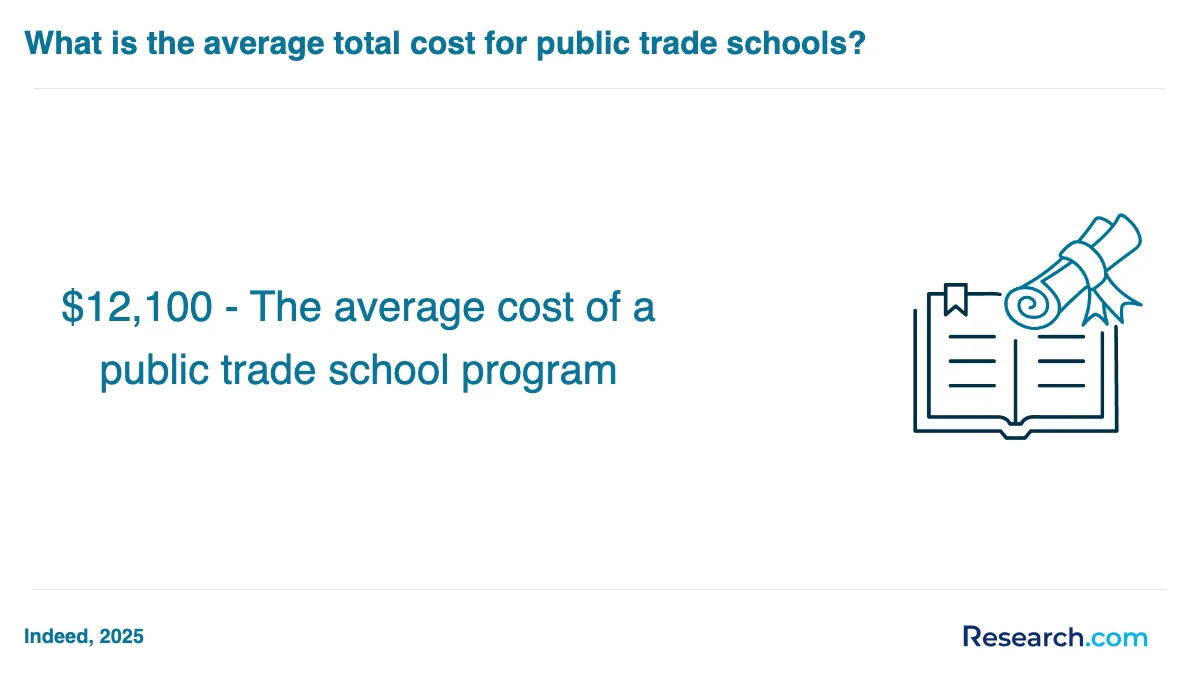
Understanding the average trade school tuition in Charlotte reveals a broad spectrum influenced by program length and type. Public trade schools in this area generally charge between $3,000 and $10,000 per year, making them an accessible option for many. Graduates often share how this affordability allowed them to focus on gaining skills without overwhelming financial stress. Private trade schools, while more costly-ranging from $15,000 to $30,000 annually-offer specialized courses and facilities that some students find well worth the investment.
Charlotte NC trade school cost breakdown gets clearer when examining examples from local institutions. For instance, students at York Technical College report net prices around $6,489 annually, a sum that balances quality with feasibility. Meanwhile, Gaston College attendees often face costs closer to $8,199. Many graduates appreciate that these figures include tuition and materials, though budgeting must also consider additional living expenses and mandatory fees, which can add several hundred dollars monthly.
For those seeking quicker entry into the workforce, shorter certification programs can be enticing, sometimes priced as low as $295 to $750. Scholarships and financial aid opportunities further reduce costs for qualifying North Carolina residents, making trade school degrees increasingly attainable. Students interested in welding or other in-demand trades might explore low cost online welding certification programs to complement their local studies or offset expenses.

Trade school students in Charlotte often find relief through a variety of financial aid options tailored to their unique needs. A graduate from Central Piedmont Community College recalls how completing the Free Application for Federal Student Aid (FAFSA) unlocked access to the Federal Pell Grant, providing up to $7,395 that significantly eased tuition burdens. This non-repayable aid, based on financial need, can be a game-changer for many striving in skilled trades.
State grants for North Carolina residents further soften costs, complementing federal aid and making enrollment at local trade schools more affordable. Students pursuing careers at Paul Mitchell The School Charlotte often benefit from military-specific scholarships and GI Bill benefits, reflecting the city's support for veterans transitioning to the workforce.
Beyond grants, flexible payment plans offered by Charlotte's trade schools allow students to manage tuition in installments, reducing financial stress. Many graduates share that alongside scholarships-like the $1,000 workforce development awards from the North Carolina Home Builders Association-these options create real possibilities to pursue passions in carpentry, plumbing, or welding without overwhelming debt.
Work-study programs and carefully chosen student loans serve as additional tools, enabling students to work while studying or borrow responsibly. These combinations often turn ambitious dreams into achievable careers for Charlotte's trade school community.
Enrolling in a trade school program in Charlotte often feels more accessible than many expect. The baseline prerequisite is usually a high school diploma or GED, a straightforward key to unlock technical training. Graduates share how this basic step-accepted widely, including at Charlotte Technical College-helped launch their hands-on careers without unnecessary hurdles.
Many Charlotte trade schools embrace open admissions policies, eliminating stress around GPA or test scores. This means acceptance often hinges on meeting the diploma requirement and completing a simple registration, offering hope to those eager to build practical skills quickly.
Some enrollment essentials include:
- Submitting official transcripts to verify education
- Paying a modest application fee, typically $25 for adult career programs or $5 for continuing education
- Completing academic assessments like the CASAS test, although past standardized test takers or those with degrees often skip this step
Certain programs might ask for specific prerequisites-say, being at least sixteen years old or having completed some English or math coursework. Many students attest that career counseling at Charlotte trade schools helped them navigate these requirements, aligning their interests with programs suited to their skills and goals.
Trade school programs in Charlotte equip students with practical skills tailored to thriving industries. Healthcare courses at ECPI University, for example, allow graduates to confidently handle patient care, medical terminology, and clinical procedures, turning classroom lessons into real-life hospital experiences.
Information technology training, like the tuition-free courses at Goodwill University, immerses students in cyber security, networking, and programming basics. Graduates often share how these hands-on experiences made complex tech concepts feel accessible and immediately useful in fast-paced IT jobs.
Skilled trades programs offer tangible skills that spark excitement. Automotive students learn to diagnose engines and master brake systems, while those in welding focus on essential techniques such as arc welding. HVACR courses bring theory to life with hands-on AC/DC circuit work and installation exercises.
- Construction skills are honed through practical carpentry, electrical, and plumbing training at Goodwill's Construction Skills Training Center.
- Soft skills, like communication and problem-solving, taught in Central Piedmont Community College's "Working Smart" class, prepare students for real workplace challenges.
These courses are crafted to give you the confidence and experience you need to thrive in Charlotte's dynamic job market.
Trade school programs in Charlotte offer a broad spectrum of specializations, perfectly aligned with the city's economic landscape. Graduates from these programs often share stories of hands-on experiences in fields like skilled trades, healthcare, technology, and automotive sectors, fueling their confidence as they enter the workforce.
Many students appreciate training in welding, electrical work, HVAC, and forklift operation certifications at schools like OMITT Trade School. These practical skills open doors to steady jobs in Charlotte's booming construction and manufacturing sectors. Meanwhile, others gravitate toward healthcare programs such as the Certified Nursing Assistant (CNA) courses at the Urban League, which emphasize compassionate patient care and quick, effective training.
Technology-focused students at East Coast Polytechnic Institute (ECPI) find themselves mastering cyber and information security or electronics engineering, responding to growing local demand in IT. For those fascinated by automotive and robotics, Universal Technical Institute's NASCAR Technical Institute offers specialized training that taps into Charlotte's motorsports scene.
To explore low cost online electrician trade school programs can be an excellent option for students balancing work and study, particularly within these local specialization areas.
Choosing the best trade school programs in Charlotte starts with accreditation. Graduates from schools like ECPI rave about how verified credentials boosted their confidence with employers and opened doors for federal aid. When evaluating Charlotte trade schools, prioritize those emphasizing hands-on training. For example, students at Carolinas Electrical Training Institute often describe their immersive electrical apprenticeships as pivotal moments that made theory tangible and job-ready skills second nature.
Program length and flexibility matter deeply for many Charlotte learners balancing work and life. Some have found accelerated tracks invaluable for swiftly entering the workforce, while others cherish part-time schedules that respect their busy routines. Cost considerations also shape choices-there are standout options like CETI's tuition-free programs that inspire hopeful learners, alongside traditional schools offering financial counseling.
Additionally, check out job placement success and online reviews to gauge real student satisfaction. For those seeking affordable pathways, exploring cheap online electrical lineworker trade school programs can be a smart move toward your future career.

Trade school graduates in Charlotte find a diverse range of career paths tailored to local industry demands. Many choose in-demand skilled trades in Charlotte NC like auto collision repair, carpentry, electrical work, HVAC, plumbing, or welding-sectors boasting steady job openings and room for advancement. Graduates often share how hands-on training at popular Charlotte trade schools helped them confidently enter these high-demand roles.
Others dive into fields fueled by Charlotte's growing tech and creative scenes. Careers in computer science, digital media arts, and culinary arts attract those looking for dynamic, rewarding opportunities. Common stories from alumni highlight how programs focusing on IT support, web development, or pastry arts accelerated their careers.
Accelerated programs offer quick paths to work in emerging industries such as solar installation or appliance repair. Students praise the inclusion of soft skills like teamwork and problem-solving, enhancing their readiness for Charlotte employers.
- Skilled trades with hands-on certifications
- Technology and digital media careers
- Culinary arts and hospitality roles
- Fast-track jobs in high-growth sectors
Exploring trade school career opportunities in Charlotte means tapping into practical education enriched by mentorships and job shadowing, often leading to job offers upon graduation. To learn more about programs that fit your goals, check out this best community college online resource tailored for aspiring students.
Trade school graduates in Charlotte encounter a thriving job market, with pathways opening in construction, healthcare, and advanced manufacturing sectors. Many graduates from local technical programs report moving quickly into roles such as electricians, HVAC technicians, and welders-fields fueled by Charlotte's ongoing construction boom. The practical, hands-on training offered by popular trade schools in the area aligns closely with employer needs, making graduates highly competitive.
Healthcare support roles remain promising, with medical assistants and dental hygienists often securing stable positions soon after graduation. These graduates describe opportunities to contribute directly to patient care in a growing city, reflecting the positive Charlotte NC employment outlook for skilled trades.
Advanced manufacturing also draws graduates into rewarding careers as CNC machinists and industrial technicians, with wages ranging typically between $45,000 and $60,000. Students pursuing these careers sometimes complement their training through affordable online maintenance technician training, enhancing their job prospects.
- Strong employer demand across industries
- Competitive wages and clear career paths
- Valued practical skills and hands-on experience
Most Affordable Trade School & Training Programs - Leading Certification Courses in Charlotte for 2026
# 1 position
Central Piedmont Community College - Accounting.
associateThe Accounting program at Central Piedmont Community College offers a hybrid format with some distance-education options. It prepares students for professional accounting roles by covering principles, financial and managerial accounting, auditing, tax accounting, and business information systems. The program’s annual in-state tuition is $2,792. Graduates have median earnings of $45,092 one year after completion. The program is accredited by the Southern Association of Colleges and Schools Commission on Colleges.
# 2 position
Central Piedmont Community College - Automobile/Automotive Mechanics Technology/Technician.
associateCentral Piedmont Community College offers a hybrid Automobile/Automotive Mechanics Technology/Technician program designed to train students in repairing, servicing, and maintaining various automobile systems. The curriculum covers brake, electrical, engine, suspension, steering, transmission, and heating and air conditioning systems. Annual in-state tuition is $2,792. Graduates earn a median salary of $44,653 one year after completion. The program is accredited by the Southern Association of Colleges and Schools Commission on Colleges.
# 3 position
Central Piedmont Community College - Criminal Justice/Safety Studies.
associateCentral Piedmont Community College offers a hybrid Criminal Justice/Safety Studies program focusing on the criminal justice system, its organization, and legal and public policy contexts. The curriculum covers criminal law, police and correctional systems, administration of justice, judiciary, and public attitudes on criminal justice issues. Annual in-state tuition is $2,792. The program is accredited by the Southern Association of Colleges and Schools Commission on Colleges. Median earnings one year after completion are $44,616.
# 4 position
Central Piedmont Community College - Information Technology.
associateCentral Piedmont Community College offers a hybrid Information Technology program focusing on designing technological information systems to support business and research needs. The curriculum covers computer hardware and software, algorithms, databases, telecommunications, user tactics, application testing, and human interface design. The program’s annual in-state tuition is $2,792. Graduates earn a median salary of $40,854 one year after completion. It is accredited by the Southern Association of Colleges and Schools Commission on Colleges.
# 5 position
Central Piedmont Community College - Welding Technology/Welder.
associateThe Welding Technology/Welder program at Central Piedmont Community College offers a hybrid learning format, combining in-person and distance education. The program prepares students in various welding techniques, including arc welding, brazing, and cutting, while covering safety and industry standards. Annual in-state tuition is $2,792. Graduates have median earnings of $40,149 one year after completion. The program is accredited by the Southern Association of Colleges and Schools Commission on Colleges.
# 6 position
Central Piedmont Community College - Computer Numerically Controlled (CNC) Machinist Technology/CNC Machinist.
associateCentral Piedmont Community College offers a hybrid Computer Numerically Controlled (CNC) Machinist Technology program that trains students to operate CNC machine tools for cutting, drilling, shaping, and finishing parts. The curriculum includes CNC programming, blueprint reading, machining operations, technical math, CAD/CAM systems, and safety practices. Annual in-state tuition is $2,792. The program is accredited by the Southern Association of Colleges and Schools Commission on Colleges. Median earnings one year after completion are $40,149.
# 7 position
Central Piedmont Community College - Electrician.
associateThe Electrician program at Central Piedmont Community College is a hybrid course designed to prepare students to install, operate, maintain, and repair electrical systems in residential, commercial, and industrial settings. It covers electronics, power transmission, safety, job estimation, and applicable codes. The annual in-state tuition is $2,792. The program is accredited by the Southern Association of Colleges and Schools Commission on Colleges.
# 8 position
Central Piedmont Community College - Heating, Air Conditioning, Ventilation and Refrigeration Maintenance Technology/Technician.
associateCentral Piedmont Community College offers a hybrid program in Heating, Air Conditioning, Ventilation and Refrigeration Maintenance Technology/Technician. The curriculum prepares students to repair, install, service, and maintain HVAC and refrigeration systems, covering diagnostic techniques, testing equipment, and principles of mechanics, electricity, and electronics. The annual in-state tuition is $2,792. The program is accredited by the Southern Association of Colleges and Schools Commission on Colleges.
# 9 position
Central Piedmont Community College - Business Administration and Management, General.
associateCentral Piedmont Community College offers a hybrid Business Administration and Management, General program designed to prepare students to plan, organize, direct, and control organizational functions. The curriculum covers management theory, human resources, accounting, purchasing, logistics, marketing, and business decision-making. The program is accredited by the Southern Association of Colleges and Schools Commission on Colleges. Annual in-state tuition is $2,792, and median earnings one year after completion are $36,962.
# 10 position
Central Piedmont Community College - Office Management and Supervision.
associateCentral Piedmont Community College offers a hybrid Office Management and Supervision program designed to prepare students for managing business office operations and personnel. The curriculum covers employee supervision, labor relations, budgeting, scheduling, office systems, records management, and public relations. Annual in-state tuition is $2,792. Graduates earn a median salary of $36,962 one year after completion. The program is accredited by the Southern Association of Colleges and Schools Commission on Colleges.
Frequently Asked Questions about trade school programs
Preparing for the job market after completing a trade school program in Charlotte involves several key steps. First, graduates should obtain all relevant certifications and licenses related to their trade, as these increase employability. According to the U.S. Bureau of Labor Statistics, many skilled trades in North Carolina see employment growth above the national average, making certifications crucial.
Networking is also important. Joining local trade associations or attending Charlotte-area job fairs can connect graduates with employers actively seeking skilled workers. Additionally, practical experience through internships or apprenticeships enhances job prospects.
Finally, developing a professional resume that highlights hands-on skills and completed projects is essential. Labor market reports from Charlotte's Workforce Development Office indicate trades such as HVAC, welding, and electrical work remain in high demand, so tailoring applications to these sectors improves chances of success.
Employers in Charlotte highly value technical skills acquired through trade schools, such as electrical work, HVAC, welding, and plumbing expertise. According to the Charlotte Regional Business Alliance, these skills are in demand due to the city's growing construction and manufacturing sectors.
Besides technical knowledge, soft skills like reliability, communication, and problem-solving stand out. A 2023 survey by the National Association of Manufacturers found that 85% of North Carolina employers prioritize strong work ethics and teamwork in trade school graduates.
Safety awareness is also key. Trade professionals must follow strict regulations to ensure job site safety. Local businesses regularly seek graduates who understand Occupational Safety and Health Administration (OSHA) standards.
Finding internships in Charlotte that align with your trade school program involves several strategic steps. Begin by leveraging your school's career services; many trade schools in Charlotte have connections with local businesses and can offer tailored internship listings. According to the Charlotte Chamber of Commerce, industries like manufacturing, healthcare, and automotive provide numerous internship opportunities annually.
Additionally, explore platforms such as Handshake and internships.com, which frequently list Charlotte-based internships relevant to skilled trades. Networking events hosted by industry groups like the Charlotte Regional Business Alliance also help connect students with employers. Finally, contacting local companies directly can uncover unadvertised opportunities.
In Charlotte, a trade school diploma significantly enhances career mobility and advancement for many workers. According to the North Carolina Department of Commerce, the city's growing industries like construction, healthcare, and automotive technology have high demand for skilled laborers, making trade credentials highly valuable.
Trade school graduates often report faster entry into the workforce, with some fields offering median wages over $40,000 annually, per data from the U.S. Bureau of Labor Statistics. These credentials provide practical skills that employers prioritize, leading to greater job stability and opportunities for promotions.
Additionally, many Charlotte trade programs partner with local employers, which improves job placement rates and facilitates career growth. This connection between education and employment enhances social mobility and supports long-term financial security for graduates.
In Charlotte, part-time job opportunities that complement trade school education are abundant and diverse. Many students in fields such as automotive technology, HVAC, and electrical work find part-time roles as apprentices or helpers, gaining valuable hands-on experience while earning income. According to the U.S. Bureau of Labor Statistics, Charlotte's trade industries, including construction and manufacturing, offer growth in part-time positions, supporting around 8% job growth annually.
Retail and food service positions also provide flexible schedules suitable for students, while some employers offer tuition assistance. Additionally, technical roles such as medical assistants or dental hygienists often have part-time openings tied to local clinics and practices around Charlotte, facilitating practical skill development alongside coursework.
To find the most affordable degree program near me in Charlotte, NC, you can start by researching local community colleges and universities in the area as they often offer competitive tuition rates. Utilize resources like Research.com to compare the costs and programs offered by institutions near Charlotte, NC, ensuring they fit your budget and academic goals. Visit or contact these institutions directly to inquire about financial aid options, scholarships, and any tuition discounts specific to residents of the area.
- Most Affordable Trade School & Training Programs - Leading Certification Courses in Statesboro for 2026
- Most Affordable Trade School & Training Programs - Leading Certification Courses in Ocala for 2026
- Most Affordable Trade School & Training Programs - Leading Certification Courses in Dearborn for 2026
- Trade Schools in Charlotte: What to Consider - Charlotte Observer - Careers & Education https://www.charlotteobserver.com/careers-education/trade-schools-in-charlotte-what-to-consider/
- Omitt Trade School | https://www.omitttradeschool.com/
- Career and Technical Education | Central Piedmont https://www.cpcc.edu/admissions/career-and-technical-education
- Charlotte Mecklenburg Schools Career & Technical Education https://discovercte.com/
- North Carolina Trade School – Unlock Your Potential at NCTS https://northcarolinatradeschool.com/
- Aspire Trade High School – The first charter trade high school in the Charlotte metro area for grades 9-12. https://aspiretradehs.org/
- Vocational Training Centers - NCIA https://www.ncianet.org/vocational-training-center/


