
Most Affordable Certificate Programs - Leading Certification Courses in Washington for 2026

Co-Founder and Chief Data Scientist
Looking for affordable certificate programs in Washington? This article introduces a helpful trade school certificate programs ranking created by the Research.com team of data scientists. It’s designed to guide you toward quality programs that fit your budget and goals.
Getting a trade school diploma or certification can open doors to new career opportunities and personal growth. Whether you're starting fresh or upgrading your skills, this guide will make choosing the right program easier and more confident.
Explore your options and take a positive step toward your future today.
Key benefits of getting trade school certificate in Washington
- Expected salary: Graduates with trade school certificates in Washington often earn between $48,100 and $66,800 annually, with some healthcare and technical fields reaching over $81,000 to $100,000 per year.
- Popular career paths: Common trades include HVAC technicians, automotive service technicians, and solar photovoltaic installers, offering solid salaries and strong job growth in Washington's workforce.
- Online certification benefits: Online trade school programs provide flexible schedules, allowing students to learn at their own pace and balance work or family commitments while gaining valuable skills from respected Washington-based schools.
- Most Affordable Certificate Programs - Leading Certification Courses in Washington for 2026
- What can I expect from trade school certification programs in Washington?
- Where can I work with trade school certification in Washington?
What can I expect from trade school certification programs in Washington?
Expect to invest anywhere from $3,000 to $15,000 for most trade school certification programs in Washington, depending on the field and length of study. Graduates from Spokane Community College's HVAC or welding certificates often share how their tuition stayed manageable while still gaining hands-on learning that prepared them for real jobs.
Many students find relief in financial aid options-federal grants, scholarships, and GI Bill benefits-that ease the upfront cost, making these programs feel within reach. Picture a single parent juggling evening classes in medical billing while using scholarships to cut expenses, or a veteran tapping into GI Bill funds to dive into IT certifications without overwhelming debt.
This affordability combined with practical skills creates a confident, energizing experience. It's not just about money; it's about stepping into a new career path with the support and flexibility Washington trade schools offer-day, evening, weekend, or online options-that fit busy lives perfectly.
Where can I work with trade school certification in Washington?
After finishing a trade school certification program in Washington, graduates often find themselves stepping into vibrant roles that truly bring their skills to life. Imagine landing a job as an IT support professional or a web developer in Seattle's bustling tech scene, where startups and major companies alike are eager for fresh talent. Graduates from popular trade schools in the area share excitement about jumping straight into projects, crafting websites, or securing networks that power local businesses.
Healthcare certifications open doors to rewarding positions like medical assistants or pharmacy technicians, where graduates feel the daily fulfillment of helping patients and supporting growing clinics in cities like Spokane or Tacoma. Those trained in construction or skilled trades are frequently hired by contractors or government agencies, proudly building homes and infrastructure while earning strong, dependable wages.
Business administration and digital marketing grads enjoy roles managing office workflows or launching marketing campaigns, often collaborating creatively in vibrant workspaces. The hands-on learning experience at these Washington trade schools makes graduates confident and ready to thrive everywhere from medical offices to tech startups.
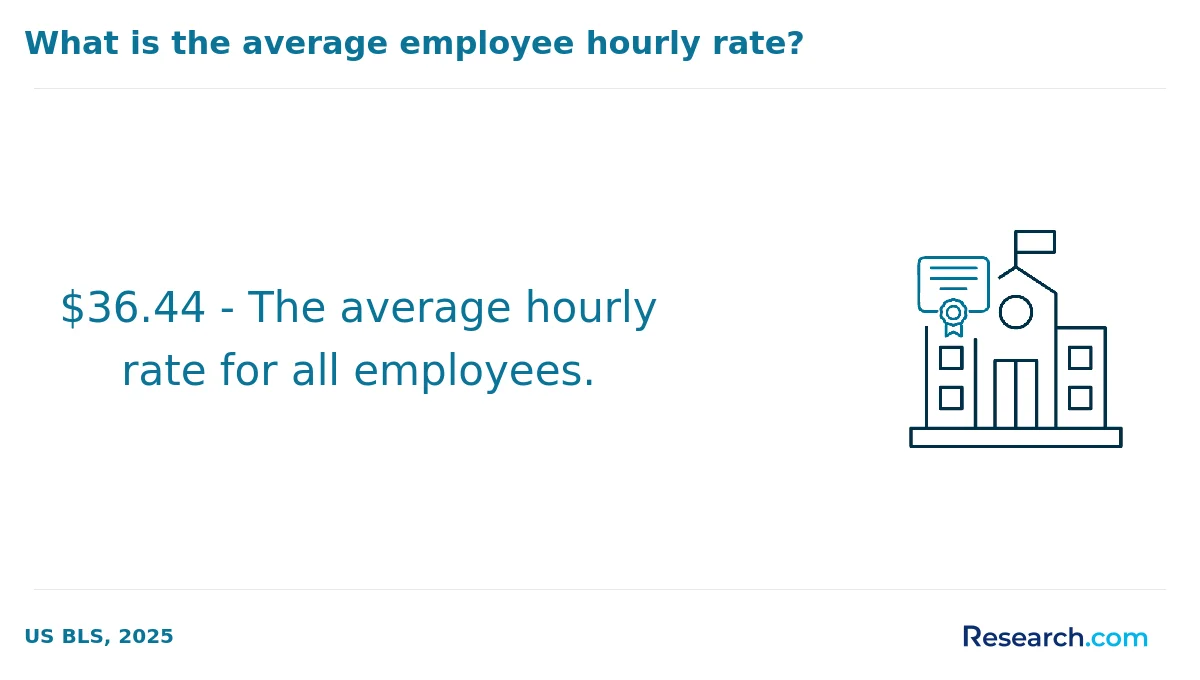
After completing a trade school certification program in Washington, you could be stepping into a rewarding career with an average salary around $76,053 per year-that's about $36.56 an hour-according to recent data from September 2025. Imagine walking out of your training at a well-known Washington trade school and landing a job where entry-level pay starts at roughly $57,200 annually. Graduates often share stories of feeling empowered, knowing their skills quickly translate into solid income.
Some find themselves working as medical sonographers earning about $81,350 a year, especially after gaining certification like the ARDMS, while others as dental hygienists enjoy flexible schedules with pay averaging $81,400 annually. Veterans of trade programs in Washington often mention the excitement of watching their earnings rise steadily as they gain experience or specialize, sometimes reaching over $92,300. With local industry demands and popular programs nearby, the journey after trade school can open doors to both financial stability and professional fulfillment.
- Alex: Completing the welding certification at Seattle Technical College was a game-changer. The hands-on training prepared me expertly, and within weeks I landed a job at a local shipyard. The supportive instructors and practical curriculum boosted my confidence and skills like nothing else could.
- Samantha: Earning my HVAC certification through Spokane Community College opened doors I never imagined. The flexible schedules and expert guidance helped me balance life and study. Now working in residential HVAC repair, I'm proud to contribute to my community with a rewarding career!
- Jamal: The electrician program at Tacoma Vocational School was tough but incredibly rewarding. The mix of theory and real-world labs equipped me for immediate employment in Washington's booming construction sector. I'm grateful for the network and mentorship that made all the difference.
- Trade schools in Washington must be licensed if programs last longer than three days and charge tuition.
- Admission usually requires a high school diploma or GED, with some programs needing background checks or specific experience.
- Costs range from $3,000 to $15,000, with healthcare and technology programs generally more expensive than business or hospitality courses.
- Graduates in fields like medical assisting and HVAC typically earn between $35,000 and $55,000 in their first year.
- Experienced professionals in popular trades can make $60,000 to $85,000 or more, based on specialization and location.
Imagine finishing a trade school certification in Washington in just a few thrilling weeks-many students do! For instance, graduates of Spokane Community College's Skilled Trades Program celebrate completing its intense, 11-week full-time course that runs Monday through Thursday. They quickly step into rewarding entry-level roles in construction or welding with confidence and practical skills.
Other eager learners dive into programs like automotive repair or culinary arts that can wrap up in several months to a year. This flexible timeframe lets you tailor your study to your own pace, whether you're hungry for a fast track or prefer soaking in knowledge steadily.
Electrician trainees experience a rhythmic cycle of classroom instruction with 48 hours every two years, keeping skills sharp and certifications current.
For adventurous spirits, some certifications linked to apprenticeships blend hands-on work with shorter classroom bursts, spanning anywhere from one to six years, but the certificate portion itself remains focused and manageable.
Washington's trade schools offer varied paths designed to jump-start exciting careers in just weeks or months, making your future both tangible and immediate.
Imagine juggling work and family while earning a trade certification in Washington-online programs at places like Washington Technical Institute make this a reality. Graduates rave about the freedom to study anytime and anywhere, with no strict schedules holding them back. For instance, some wrap up paralegal certificates in as little as four months by speeding through multiple-choice exams, all from home.
On the flip side, campuses like Washington State Trade Academy offer a vibrant, hands-on environment where students connect face-to-face with instructors and peers. These graduates often cherish the energy of labs and workshops, where real tools and teamwork bring lessons to life.
Both paths deliver solid skills, but while online learners relish tailoring education around their lives, on-campus students thrive on structure and personal interaction. It's a choice between flexibility and full-bodied immersion-Washington's trade schools offer exciting routes for every kind of adventurer seeking certification.
When exploring the average trade school cost in Washington, expect a vibrant range between public institutions charging roughly $7,000 to $18,000 per year and private schools asking for anywhere from $12,000 up to $35,000 annually. Imagine a student diving into automotive technology at Seattle Central College, spending just under $7,800 a year, while another enrolling in medical assisting at Spokane Community College budgets around $7,920 annually. These real-life investment examples highlight how Washington trade school tuition and fees can vary widely yet remain within reachable limits.
For those looking for wallet-friendly options, apprenticeship programs like those at the Construction Industry Training Council cost about $1,325 per quarter, offering an exciting alternative. Meanwhile, some lucky high school students at Northwest Career & Technical Academy enjoy free tuition, though they might still face certification exam fees. These scenarios prove that flexible financial choices abound depending on your path.
Graduates from popular programs walk away energized, knowing their trade school certification costs here usually stay below the hefty price tag of a traditional four-year degree. Washington's costs largely align with the U.S. average of $12,000-$20,000 per year, making it a great place to start your skilled career adventure. To find out more about programs that suit your budget and goals, check out the best online trade school programs.
Imagine starting your trade certification at South Seattle College and discovering the Washington College Grant backing your dreams. Many students share the relief of having their tuition covered completely-no more sleepless nights worrying about costs. This grant supports low- and middle-income families and guarantees funding as long as you pick a participating institution.
At Bates Technical College, students often boost their budgets with the Career & Technical Scholarship (CTS), which offers up to $1,500 per quarter. One graduate mentioned how this scholarship didn't just cover tuition but also eased expenses like rent and groceries, especially critical during tough quarters.
For those pursuing tighter financial paths, the Opportunity Grant takes a weight off by paying for up to 45 credits plus essentials like books, making courses at places like Clover Park Technical College much more accessible. Plus, programs like State Work Study let students earn as they learn, creating a hands-on approach to financial independence.
Foster youth or homeless students can find extra support through Passport to Careers, proving Washington's commitment to everyone's success in trade fields. And remember, the key first step is filing your FAFSA or WASFA to unlock these opportunities.
Jumping into a trade school certification program in Washington feels like stepping onto a dynamic career path, but first, a few clear checkpoints await you. Most popular schools, like Lake Washington Institute of Technology, ask applicants to show a high school diploma or GED-proof you've got the basics down. Imagine a graduate who proudly handed over their official transcript or diploma, unlocking their chance to learn welding or plumbing.
Here's what you typically need:
- A high school diploma or GED certificate.
- Documents verifying graduation-transcripts, diplomas, or sometimes a formal letter with your details.
- Age 17 or older, though some schools welcome 16.5-year-olds with parental consent and a release letter.
- Specific health or program-related prerequisites, like physical fitness for handy trades or a valid driver's license for tech apprenticeships.
For many, the journey includes upfront coursework-like completing 15 academic credits and maintaining at least a 2.0 GPA, which opens doors to certification. These requirements ensure you're ready to thrive as a confident, capable student. Graduates often recall feeling a rush of accomplishment once these hurdles were cleared, fueling their excitement for hands-on learning in their chosen field.
Trade school certificate courses in Washington offer an exciting blend of hands-on learning and career-ready skills tailored for high-demand fields. Graduates from popular Washington trade schools often share how their programs provide immersive experiences, like mastering dental hygiene techniques that combine anatomy lessons with real clinical practice, or diving deep into medical billing systems that decode healthcare documentation essentials.
Business enthusiasts can jump into vocational program curriculum Washington state thrives on, featuring courses in business management, marketing, accounting, and customer experience. These fast-paced programs empower students to quickly gain practical knowledge, often focusing on tools like Microsoft Office and real-world economics.
For those drawn to tech and skilled trades, options include manufacturing technology, automotive service, and cybersecurity. Imagine learning CNC Mills operation alongside robotics programming or going through automotive diagnostic training hands-on, all designed with accrediting bodies like NATEF in mind. Many graduates praise the short, flexible course lengths that fit around busy schedules.
Working adults appreciate that these programs frequently offer online, blended, or in-person formats. For anyone curious about affordable options, exploring cheap appliance repair online training can be a gateway into this dynamic vocational world.
Choosing the best trade school programs in Washington means looking beyond just the name on the diploma. Imagine a graduate from Seattle Central College, excited about hands-on carpentry training that's not only state-licensed but nationally accredited, opening doors to top employers across the state. The right program blends practical skills with solid industry connections, just like students from the University of Washington Professional & Continuing Education who find jobs through built-in networking-making the future feel a little less uncertain and a lot more promising.
Cost matters too, especially if you're juggling bills or a family. Some discover that community colleges, like Spokane Community College, offer wallet-friendly options while still delivering quality. For those hunting budget-friendly options, it's worth exploring scholarships and aid programs or looking into affordable online hvac trade school programs closely related to affordable trade school certification Washington.
Flexibility can turn a dream into reality. Graduates often share how a mix of online and in-person classes helps them balance work with study, making it easier to build the future they want. So, dive into programs that offer support like tutoring or career counseling to make sure your journey feels as achievable as it does exciting.
Trade school career opportunities in Washington open the door to hands-on, rewarding jobs where graduates build real skills that employers crave. Imagine starting as a residential carpenter in Seattle after completing carpentry and cabinet-making certificates at Seattle Central College, or stepping into an automotive repair role following training from South Seattle College's automotive technology program that partners directly with major manufacturers. These vocational certificate jobs in Washington state also extend into plumbing, electrical work, welding, HVAC, and beyond, often combined with paid apprenticeships that lead to secure, well-paid positions.
Beyond the trades, many graduates dive into booming fields like healthcare administration, business management, and IT. For example, certificates in medical billing or computer networking elevate graduates to roles in clinics or IT support, with plenty of growth in the Puget Sound region. If you seek flexible options, exploring maintenance technician certification online can open additional paths in infrastructure and industry maintenance.
Whether on job sites or in offices, the variety in trade school pathways lets you build a career that fits your passion and Washington's evolving workforce needs.
Graduates of trade school certification programs in Washington find themselves stepping into a thriving job market energized by strong demand and healthy salaries. The job market for trade school graduates in Washington consistently rewards hands-on skills, with 92% securing employment within a year of finishing their training at popular trade schools. Imagine a graduate from a Seattle-based HVAC program quickly landing a role with a local company, earning over $100,000 within a year-this success story isn't rare.
Washington trade school certification employment trends reveal booming sectors like construction and renewable energy. Roles such as solar photovoltaic installer and wind turbine technician are growing rapidly, with projected increases up to 45% by 2030. Healthcare trades also stand out, offering stable jobs and strong salaries in fields like dental hygiene and medical sonography.
Graduates appreciate how schools like those focusing on flexible schedules combine real-world training with in-demand skills, ensuring they're job-ready from day one. If you're passionate about hands-on careers, exploring options like an automotive mechanic school online can open rewarding doors.
Most Affordable Certificate Programs - Leading Certification Courses in Washington for 2026
# 1 position
American University - Language Interpretation and Translation.
certificate or diplomaThe Language Interpretation and Translation program at American University offers a hybrid format with some distance education options. It prepares students for careers as professional interpreters and translators, covering multiple languages and specialized topics like simultaneous interpretation and business translation. The annual in-state tuition is $56,543. Graduates earn a median salary of $52,493 one year after completion. The program is accredited by the Middle States Commission on Higher Education.
# 2 position
Career Technical Institute - Medical Administrative/Executive Assistant and Medical Secretary.
certificate or diplomaThe Medical Administrative/Executive Assistant and Medical Secretary program prepares individuals to support physicians, nurses, and healthcare administrators. It covers business and medical communications, medical terminology, healthcare operations, public relations, software applications, and scheduling. Training includes record-keeping, policy compliance, and professional ethics. The program is accredited by the Council on Occupational Education. Median earnings for graduates one year after completion are $20,308.
Frequently Asked Questions about trade school certificates
After completing trade school certification programs in Washington, preparing for the job market involves strategic steps to increase employment chances. First, graduates should update and tailor their resume to highlight specific skills gained, such as welding, electrical work, or HVAC expertise. According to the Washington State Employment Security Department, industries like construction and manufacturing anticipate steady job growth, making networking crucial. Joining local trade associations or union groups helps connect with potential employers. Additionally, many community colleges offer job placement assistance and career counseling, which can be valuable resources. Certifications from accredited programs often meet employer standards, boosting hiring potential.
Continuing education and obtaining additional licenses, like OSHA safety certifications, improve a candidate's competitiveness. Utilizing Washington's WorkSource centers can provide access to job listings and workshops focused on interview skills. Research indicates that trade school graduates in Washington have a higher employment rate compared to general educational attainment, emphasizing the value of practical skills paired with proactive job search efforts.
Employers in Washington highly value practical skills in trade school certification graduates. According to the Washington State Employment Security Department, technical proficiency in areas like electrical work, plumbing, and welding is essential. These skills demonstrate immediate job readiness and reduce on-the-job training time.
Additionally, employers emphasize problem-solving abilities and adaptability. The fast-evolving nature of trades means graduates must troubleshoot issues efficiently and adapt to new technologies. Communication skills are also critical, enabling clear interaction with teams and clients.
Safety knowledge remains a top priority. Adhering to Occupational Safety and Health Administration (OSHA) standards is mandatory in most trade fields, ensuring safe and compliant work environments.
Soft skills such as punctuality, teamwork, and professionalism significantly affect employability, as noted by local industry experts. These combined skills increase a graduate's value in Washington's competitive job market.
Finding internships in Washington relevant to your trade school certification program involves several strategic steps. Start by contacting your trade school's career services, which often maintain partnerships with local businesses offering internships tailored to specific trades.
Additionally, explore job boards such as the Washington State Department of Labor & Industries apprenticeship portal, which lists apprenticeship and internship opportunities. According to the U.S. Bureau of Labor Statistics, Washington has numerous openings in skilled trades, making internships accessible in fields like construction, automotive, and healthcare.
Networking through local trade unions and professional organizations can also open doors. Attending Washington-based trade fairs and industry events increases your chances of connecting directly with employers.
Finally, online platforms like LinkedIn and industry-specific sites may post internship opportunities targeted at trade students in Washington.
Trade school certification programs in Washington play a significant role in career mobility and advancement. These credentials equip students with specific technical skills that are highly valued by local employers, especially in industries like manufacturing, healthcare, and construction. According to the Washington State Employment Security Department, certificate holders often see faster employment growth compared to those with only a high school diploma.
Moreover, certifications can lead to higher wages. The Washington Student Achievement Council reports that individuals with trade certificates typically earn 10-20% more annually than non-certified workers. These programs also provide pathways for upskilling, allowing workers to qualify for supervisory roles or specialized positions.
Overall, trade school certificates in Washington serve as practical tools for improving job prospects and facilitating upward career movement within the state's diverse economy.
Part-time job opportunities in Washington can effectively complement trade school certification program education by providing practical experience and financial support. Many students find roles as apprentice electricians, HVAC assistants, or automotive technicians, aligning closely with their training. According to the Washington State Employment Security Department, positions in skilled trades often offer flexible hours for students.
Retail and warehouse roles also provide valuable customer service and logistics skills useful for trade careers. The Bureau of Labor Statistics notes that Washington's trade occupations are growing, highlighting increasing demand for qualified workers.
Additionally, healthcare-related certifications can be complemented by part-time roles as medical assistants or pharmacy aides, offering relevant hands-on experience.
To find the most affordable degree program near me, begin by researching local community colleges and public universities, as they often offer lower tuition rates compared to private institutions. In the area near Washington, DC, consider exploring programs at George Mason University or the University of the District of Columbia, both of which have a range of affordable offerings. Using resources like Research.com can help identify and compare programs and costs effectively, ensuring you find a program that fits your budgetary needs.
- Communities of Opportunity - Workforce Opportunities https://www.coopartnerships.org/workforce-opportunities
- Trade School Careers https://auto.edu/blog/trade-school-careers
- Trade School Programs & Courses https://www.best-trade-schools.net/programs/
- The Stigma of Choosing Trade School Over College | Department of Human Resources https://sfdhr.org/stigma-choosing-trade-school-over-college
- Vocational vs. Trade School: Choosing the Right Path https://www.genesiscareer.edu/vocational-vs-trade-school-guide/
- Nces https://nces.ed.gov/
- Trade and Vocational School in Washington https://chartercollege.edu/locations/washington/
- Career and Technical Education Applicants https://ospi.k12.wa.us/certification/teacher-certificate/career-and-technical-education-applicants
- Apprenticeship FAQs | Washington Career Paths https://wacareerpaths.com/apprenticeships/apprenticeship-faqs-2/
- Financial Aid | Lake Washington Institute of Technology https://www.lwtech.edu/admissions/pay-for-college/financial-aid/index.aspx





