
Most Affordable Associate Degree Programs - Leading Certification Courses in New Jersey for 2026

Co-Founder and Chief Data Scientist
Exploring affordable associate degree programs in New Jersey can open doors to new career opportunities without overwhelming financial strain. This article introduces a carefully curated ranking of associate degree programs created by the Research.com team of data scientists to guide you toward the best trade schools worth considering.
Whether you’re starting fresh or seeking skills for a career change, understanding your options is essential. Getting an associate degree can bring personal growth and practical benefits, making your educational journey both rewarding and manageable.
Read on to discover programs that align with your goals and budget, helping you take confident steps toward a brighter future.
Key benefits of associate degrees in New Jersey
- Expected salary: Graduates with associate degrees in New Jersey can earn around $41,956 annually on average, with potential to rise to over $60,000 in technical and health science fields.
- Popular career paths: Many students from Bergen Community College and Rowan College of South Jersey find rewarding early careers earning $32,000 to $34,000 yearly in areas like healthcare, engineering technology, and skilled trades.
- Online degree benefits: Earning an associate degree online offers flexibility and convenience, helping students balance work and study while gaining valuable skills, often leading to similar salary outcomes as on-campus graduates.
- Most Affordable Associate Degree Programs - Leading Certification Courses in New Jersey for 2026
- What can I expect from associate degree programs in New Jersey?
- Where can I work after finishing associate degree programs in New Jersey?
What can I expect from associate degree programs in New Jersey?
The average cost of an associate degree program in New Jersey tends to be quite affordable, especially when compared to four-year institutions. Community colleges, such as Bergen Community College and Ocean County College, offer tuition rates that are significantly lower for in-county residents, making it financially accessible for many students. Graduates from these schools often share how manageable tuition fees, combined with available financial aid and scholarships, eased their path to earning a degree without overwhelming debt.
Students can expect tuition to vary, but generally, community colleges provide the most budget-friendly options. For example, a part-time student balancing work and family at Rowan College of South Jersey appreciated the flexible payment plans and evening classes, which helped manage both costs and scheduling.
Many programs also align with credit transfer agreements to four-year institutions like Rutgers, reducing overall expenses for students who plan to continue their education. This pathway allows for cost-efficient progress toward a bachelor's degree without leaving New Jersey.
Where can I work after finishing associate degree programs in New Jersey?
Graduates from popular associate degree schools across New Jersey often find rewarding employment in several thriving sectors. For instance, many healthcare graduates secure positions as Radiologic Technologists or Dental Hygienists at local hospitals and urgent care centers, where they take pride in directly improving patient outcomes. These roles are in strong demand statewide, from Newark to Jersey City.
Business-minded graduates frequently land roles such as Administrative Assistants or Data Analysts in bustling corporate offices and government agencies. Many share how their training at well-known New Jersey community colleges prepared them to confidently support teams and manage data crucial for decision-making.
Technical and trade graduates find fulfilling careers as Field Service Technicians or in airport logistics, where hands-on skills learned at New Jersey's technical institutions come alive in busy, real-world environments. Others enjoy meaningful public service work as Court Services Officers or in animal control, contributing directly to their communities with the foundation from their associate degrees.
Graduates of associate degree programs in New Jersey can generally expect an average annual salary of around $41,956, with typical hourly wages near $20.17. Salary ranges vary depending on the industry and region, with entry-level roles starting closer to $31,500 per year and more experienced or specialized positions reaching approximately $43,700.
For example, graduates from Bergen Community College often report starting salaries near $31,992, reflecting early-career opportunities in practical fields. Meanwhile, those from County College of Morris tend to see median salaries closer to $39,300, showing consistent growth potential. Several associate degree holders in administrative roles have achieved salaries above average, with supervisors earning up to $71,834 annually and assistants averaging about $49,267.
These figures emphasize positive outcomes for New Jersey students, highlighting how local education translates into real earning power. Earning an associate degree here often opens doors to rewarding careers with solid financial prospects compared to just a high school diploma.
- Maria: Earning my Associate Degree in Nursing from a New Jersey trade school was life-changing. The hands-on training prepared me to confidently work in a local hospital. The supportive instructors and small class sizes made learning practical skills easier, and now I'm thriving as a registered nurse in my community.
- Jamal: Getting an Associate Degree in Automotive Technology opened doors I never imagined. The program's focus on real-world repairs and diagnostics gave me the expertise needed to join a top auto shop in New Jersey. The trade school environment was motivating and directly connected me to local employers.
- Sophia: Pursuing an Associate Degree in Graphic Design at a New Jersey community college was an inspiring journey. The creative freedom combined with technical skill-building led to my first job at a digital marketing firm. Studying at a trade school gave me both confidence and career clarity in a competitive market.
- Associate degrees in New Jersey are mostly offered by community colleges and include A.A., A.S., and A.A.S. types, with A.A. and A.S. focused on transfer and A.A.S. preparing for immediate careers.
- Admission usually requires a high school diploma or GED, sometimes with test scores, minimum GPAs of 2.5-3.0, and entrance exams for specific programs like nursing.
- Annual tuition for in-state students ranges from $4,500 to $6,000, with total two-year costs between $9,000 and $12,000, excluding $1,000 to $2,000 yearly for books and fees.
- Graduates of A.A. and A.S. degrees can transfer up to 60 credits to four-year New Jersey colleges, entering as juniors and meeting most general education needs.
- Starting salaries for associate degree holders range from $38,000 to $55,000, with health care and tech jobs offering initial pay and growth potential exceeding $70,000 after experience.
Completing an associate degree program in New Jersey typically takes about two years of full-time study, which aligns with the experience of many graduates from popular community colleges across the state. These students usually take 15 to 16 credits each semester, allowing them to finish within four semesters. For example, those attending well-known associate degree schools in New Jersey often share how steady course loads and manageable class sizes helped them progress confidently through their programs.
Part-time students, balancing work or family commitments, may extend their studies to three to five years as they take fewer credits per semester. Some graduates appreciate this flexibility, finding it easier to juggle priorities without sacrificing progress.
New Jersey also offers accelerated options at several institutions, where motivated students have completed their degrees in as little as 12 to 18 months by enrolling in summer sessions and transferring prior credits. These programs cater well to goal-driven individuals eager to enter the workforce sooner while maintaining quality education.
Trade school students in New Jersey experience similar timelines, often completing technical associate degrees in around two years, with some programs offering even faster pathways. Graduates frequently highlight how practical, focused coursework enabled them to gain skills quickly and confidently apply them in their careers.
Challenges like changing majors or course withdrawals may extend the process, but many students value the support services in New Jersey's associate degree schools that help them stay on track and achieve their educational goals.
The main difference between online and on-campus associate degree programs in New Jersey is how students engage with their coursework and campus life. Online students at community colleges like Bergen Community College or Rowan College of South Jersey enjoy flexible schedules, often completing assignments asynchronously via platforms like Blackboard. This allows those balancing jobs or family commitments to learn on their own time, delivering a sense of freedom and control over their education. A graduate from Atlantic Cape Community College shared how this flexibility was key to finishing their degree while working full-time.
In contrast, on-campus programs require attending scheduled classes in person, offering hands-on experiences and direct interaction with faculty and peers. Students at schools such as Ocean County College benefit from access to labs, libraries, and extracurricular activities that enrich learning and foster connections. Many graduates from these programs appreciate the traditional college atmosphere for deepening friendships and networking opportunities.
Cost and accessibility also differ; online degrees often come with lower fees and no need for commuting, making them especially appealing across New Jersey. However, those craving a vibrant campus environment might prefer the structure and resources of on-campus study.
The average cost of associate degree programs in New Jersey generally ranges between $5,000 and $10,000 per year, with public community colleges offering the most affordable options for in-state students. For example, many graduates from New Jersey community colleges find the tuition and fees, typically around $5,000-$6,000 annually, to be a manageable investment in their education and future. Rowan College of South Jersey-Cumberland Campus is a model for this, charging approximately $5,820 in 2023, making it an accessible choice for students balancing budgets with academic goals.
At the public university level, figures tend to be slightly higher but remain competitive. Thomas Edison State University, known for flexible associate degree offerings, charged an annual in-state tuition of $6,638 in 2023. Graduates from such programs often emphasize the value of affordable tuition combined with flexible learning schedules, highlighting the ease of pursuing their degrees while working. This demonstrates how New Jersey community college tuition and fees provide meaningful opportunities to advance without the financial strain experienced elsewhere.
It's important to remember that the published tuition isn't the final amount many students pay. Financial aid programs like NJ STARS, EOF, and TAG significantly reduce out-of-pocket expenses, leading to positive personal experiences for students who can access such support. For those exploring a variety of fields, prospective students may also want to consider the best college degrees to pursue, ensuring their investment aligns with promising career paths.
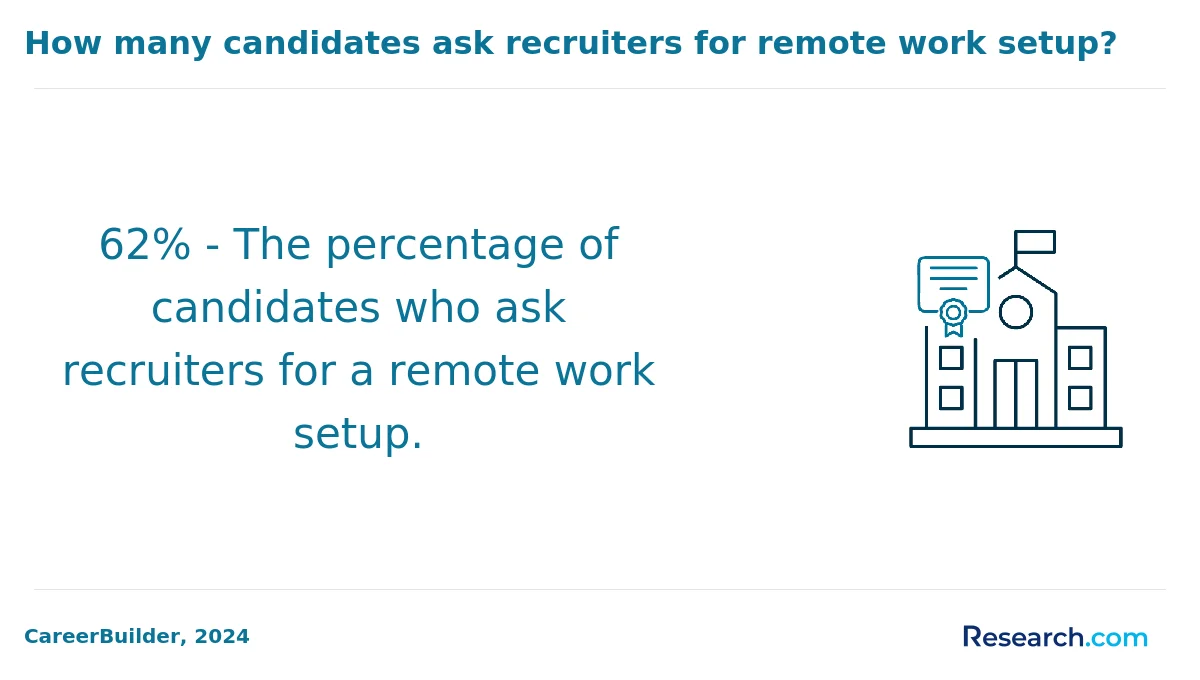
Students pursuing associate degrees in New Jersey benefit from several robust financial aid options that significantly reduce or eliminate tuition costs. For instance, the Tuition Aid Grant (TAG) offers between $2,176 and $14,404 annually based on financial need, providing real relief to many attending institutions like Bergen Community College or Essex County College. Graduates often recall how TAG funding made full-time study manageable and reduced reliance on part-time jobs.
The Community College Opportunity Grant (CCOG) delivers tuition-free education to eligible students, including NJ Dreamers, at local community colleges, a program that many first-generation students appreciate for opening doors previously thought closed. This support, alongside the Garden State Guarantee (GSG), which caps tuition for families earning up to $100,000, creates predictable and affordable costs for students at schools such as Rowan College at Burlington County.
Federal aid is accessible through FAFSA submissions, with Pell Grants and FSEOG supplements easing expenses further. Many associate degree holders credit these layered aids with enabling them to focus fully on their studies rather than financial worries, reflecting New Jersey's commitment to accessible higher education.
To enroll in an associate degree program in New Jersey, you must meet clear prerequisites that ensure readiness for college-level work. Graduates from popular institutions like Bergen Community College and Ocean County College often recall the straightforward process of submitting a high school diploma or equivalent, such as a GED. Home-schooled applicants provide transcripts summarizing their courses and grades, reflecting the state's emphasis on foundational education.
Typical requirements include:
- Submission of a completed application form with a non-refundable fee, common at schools across New Jersey.
- Assessment of high school GPA and course records, sometimes supported by standardized test scores.
- Completion of placement tests for subjects like math or English to identify the best class level.
For specialized programs, such as allied health or technical fields at Camden County College, students often need a minimum number of specific course credits-30 semester credits for an Associate in Science, or 20 for an Associate in Applied Science.
Many students value opportunities for advanced placement or transfer credits, allowing faster progress based on AP or IB exam results. Others pursuing career-focused paths share how verifying prior work experience or credentials helped them gain credit and advanced standing.
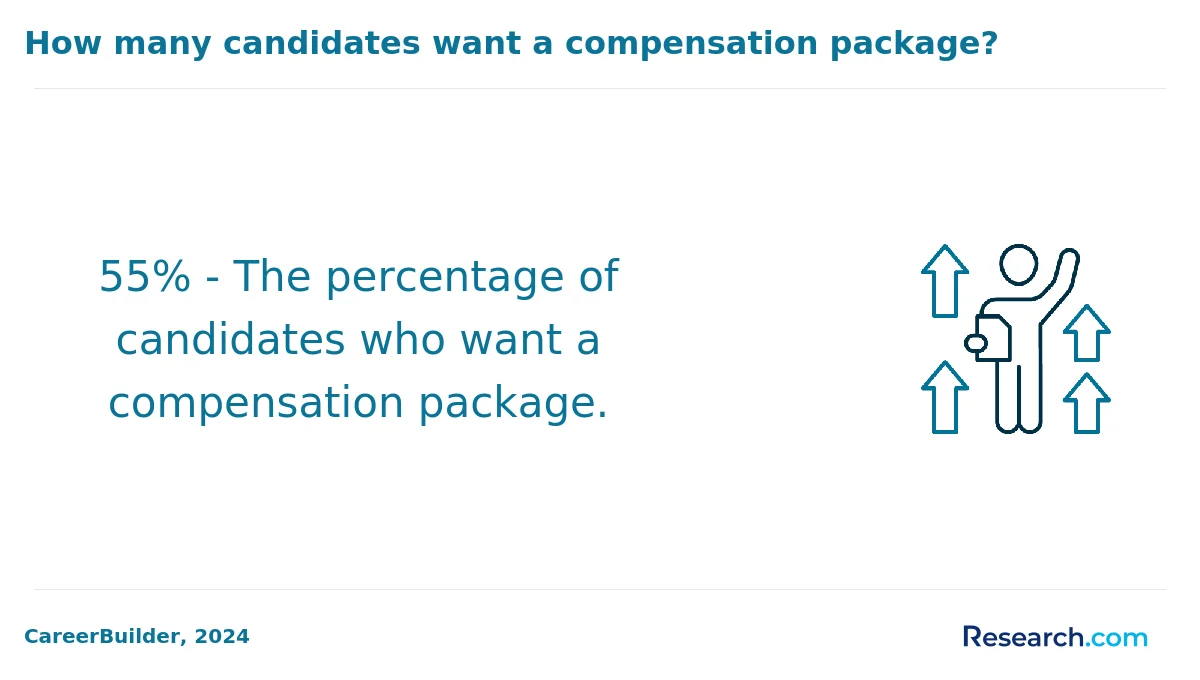
Associate degree programs in New Jersey typically include a comprehensive mix of courses designed to meet state educational standards. Students must complete a range of general education courses for New Jersey associate degrees that cover written and oral communication, mathematics, natural sciences with lab work, technology or information literacy, social sciences, and humanities. Graduates from popular community colleges often share how these courses built a solid foundation in critical thinking and communication skills-essential for both workplace readiness and transfers to four-year institutions.
In addition to general education, specialized courses tailored to specific fields are required. For example, students in an Associate in Applied Science (AAS) Nursing program undertake classes in anatomy, physiology, and clinical nursing practice, while those studying Computer Information Systems focus on programming, networking, and database management. The blend of general education and major-specific classes aligns well with associate degree course requirements in New Jersey, fostering both academic growth and career-specific expertise.
These structured programs motivate students to maintain a minimum 2.0 GPA and often mandate that technical courses be completed within a set timeframe, ensuring that knowledge stays relevant and up-to-date. Many feel confident pursuing further studies or entering the workforce immediately after graduation.
For students exploring advanced studies, it helps to be aware of available options like easiest online masters that fit well with associate degree pathways.
Choosing the best associate degree programs in New Jersey requires focusing on key elements such as accreditation, affordability, and flexibility. Graduates from Essex County College praise how its MSCHE accreditation assures them nationwide recognition of their credits, which was vital when transferring to four-year schools. Similarly, affordability plays a crucial role; many find that attending affordable community colleges in New Jersey like Rowan College at Burlington County, with tuition around $147 per credit for county residents, made pursuing higher education financially manageable without sacrificing quality.
Flexibility also impacts the decision heavily. For example, students balancing jobs and families appreciate Ocean County College's blended learning options, which allow attending courses both online and on campus without disrupting their daily routines. Additionally, considering program specialization is critical; nursing aspirants often choose programs with strong NCLEX pass rates and hands-on clinical experiences. This practical approach helps graduates feel confident and prepared for their careers.
Lastly, examining student outcomes such as job placement and transfer success guides many. Prospective students can also explore pathways like the shortest masters degree online to continue advancing after completing an associate degree.
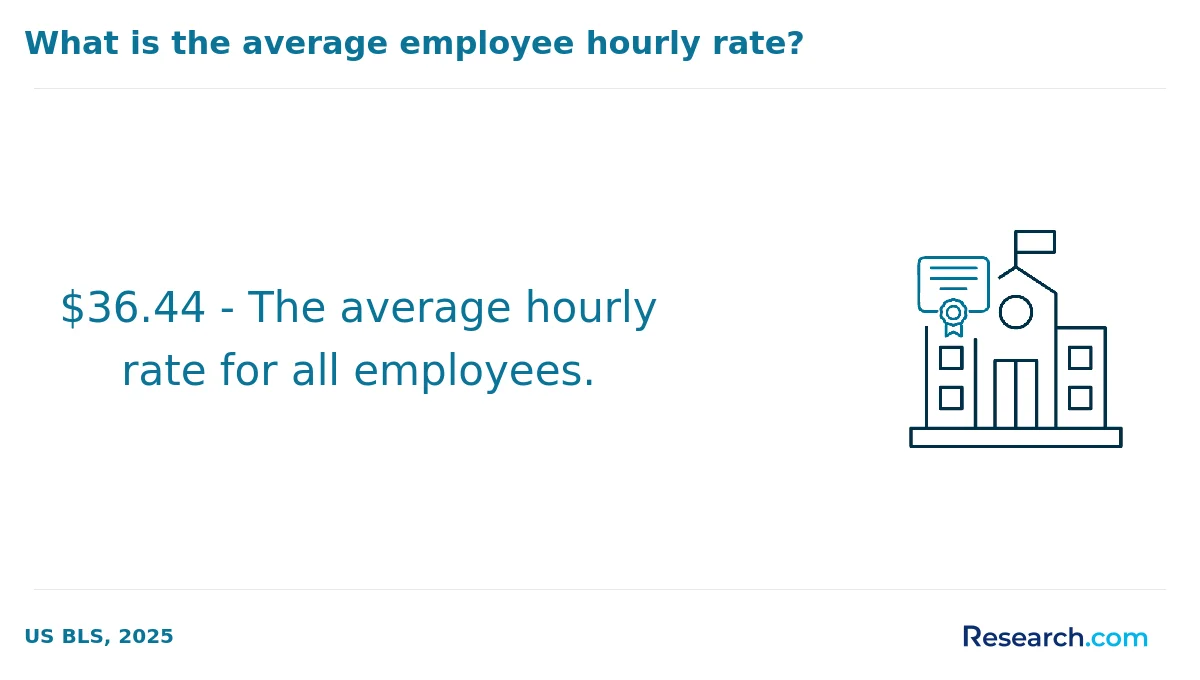
Associate degree jobs in New Jersey span vibrant sectors like healthcare, education, technology, and business, offering rewarding career paths directly after graduation. Healthcare remains a top choice, with graduates from well-known community colleges finding roles as radiologic technologists or dental hygienists, where certifications enhance their opportunities and competitive starting salaries provide financial confidence.
Education also attracts many, with graduates gaining positions as substitute teachers or child care directors, especially when backed by credits earned in popular New Jersey associate degree schools. These graduates take pride in impacting local communities while building experience for future advancement.
In-demand associate degree careers New Jersey include specialized trades and technology-oriented jobs such as field service technicians and data analysts. Graduates often highlight the practical, hands-on training received, which employers highly value in today's job market.
Many students choose New Jersey community colleges because of their strong partnerships with industries, which streamline transitions into career roles or further education through articulation agreements. Opportunities in business and public service also abound, offering roles like administrative specialists or assistant managers.
For those exploring affordable options, consider schools with low tuition programs that accept financial aid to make your educational journey more manageable.
The job market for associate degree graduates in New Jersey offers a blend of steady opportunities and some limitations. While the market is considered "not very active" with fewer job postings specifically requiring associate degrees, those who graduate from popular associate degree schools in New Jersey still find pathways to gainful employment. Graduates often report positive experiences entering fields like healthcare, information technology, and technical trades, where demand remains consistent. For example, vocational-technical schools in the state actively prepare students to meet employer needs through hands-on experience and certifications.
In terms of earnings, the associate degree salary potential New Jersey graduates can expect averages around $24.02 per hour, with annual salaries ranging from $30,500 to $63,500. Cities such as Laurelton and Newark tend to offer slightly higher wages, although relocating within New Jersey offers limited pay enhancement due to relatively uniform salary scales.
Job seekers benefit from considering the state's commitment to increasing educational attainment-65% of the workforce is aimed to hold a postsecondary credential by 2025-so demand for technical skills and associate degree job opportunities in New Jersey is projected to grow. Many graduates from community colleges describe a mix of immediate employment and promising paths toward further education.
Exploring the best skilled trades careers is especially recommended for associate degree holders seeking reliable, rewarding jobs in New Jersey's evolving market.
Most Affordable Associate Degree Programs - Leading Certification Courses in New Jersey for 2026
# 1 position
Middlesex College - Business Administration and Management, General.
associateThe Business Administration and Management, General program at Middlesex College offers a hybrid format with some distance-education options. It prepares students to plan, organize, direct, and control business functions, covering management theory, human resources, accounting, logistics, marketing, and decision-making. The program’s annual in-state tuition is $4,524. Graduates earn a median salary of $33,090 one year after completion. It is accredited by the Middle States Commission on Higher Education.
# 2 position
Middlesex College - Computer and Information Sciences, General.
associateMiddlesex College offers a hybrid program in Computer and Information Sciences, General, providing a blend of in-person and distance education. The curriculum covers computing, computer science, and information science systems without focusing on specialized titles. The annual in-state tuition is $4,524. The program is accredited by the Middle States Commission on Higher Education, ensuring recognized academic standards for students pursuing this field.
# 3 position
Middlesex College - Information Technology.
associateMiddlesex College offers a hybrid Information Technology program focusing on designing technological information systems that support business and research data needs. The curriculum covers computer hardware and software, algorithms, databases, telecommunications, application testing, and human interface design. The program’s annual in-state tuition is $4,524. It is accredited by the Middle States Commission on Higher Education, ensuring a recognized standard of quality education.
# 4 position
Middlesex College - Legal Assistant/Paralegal.
associateThe Legal Assistant/Paralegal program at Middlesex College offers a hybrid format with some distance-education options. It prepares students to perform research, drafting, investigatory, record-keeping, and administrative tasks under attorney supervision. The curriculum includes legal research, document drafting, appraising, pleading, courthouse procedures, and legal specializations. Annual in-state tuition is $4,524. The program is accredited by the Middle States Commission on Higher Education.
# 5 position
Middlesex College - Accounting.
associateThe Accounting program at Middlesex College offers a hybrid format, combining in-person and distance education. It prepares students for professional accounting roles through comprehensive instruction in principles, theory, auditing, tax accounting, and business information systems. The curriculum also covers legal aspects, ethics, and applications in various organizational settings. Annual in-state tuition is $4,524. The program is accredited by the Middle States Commission on Higher Education.
# 6 position
Middlesex College - Marketing/Marketing Management, General.
associateThe Marketing/Marketing Management, General program at Middlesex College offers a hybrid format with some distance-education options. The program prepares students to manage consumer audience development and product distribution. Coursework covers buyer behavior, marketing research principles, demand analysis, pricing theory, strategic planning, advertising, sales management, and consumer relations. Annual in-state tuition is $4,524. The program is accredited by the Middle States Commission on Higher Education.
# 7 position
Middlesex College - Criminal Justice/Police Science.
associateThe Criminal Justice/Police Science program at Middlesex College offers a hybrid format with some distance-education options. It prepares students for duties such as patrol, investigations, traffic and crowd control, evidence management, and crime prevention. The program is accredited by the Middle States Commission on Higher Education. Annual in-state tuition is $4,524, and median earnings one year after completion are $32,712.
# 8 position
Rowan College at Burlington County - Diagnostic Medical Sonography/Sonographer and Ultrasound Technician.
associateRowan College at Burlington County offers a hybrid Diagnostic Medical Sonography/Sonographer and Ultrasound Technician program. The curriculum trains students to use ultrasound techniques to collect diagnostic sonographic data, including patient care and equipment operation. The program is accredited by the Middle States Commission on Higher Education. Annual in-state tuition is $4,968, and graduates earn a median salary of $81,015 one year after completion.
# 9 position
Rowan College at Burlington County - Computer and Information Sciences, General.
associateRowan College at Burlington County offers a hybrid program in Computer and Information Sciences, General, allowing some distance-education options. The program focuses on computing, computer science, and information science and systems without specializing in any specific area. Annual in-state tuition is $4,968. The program is accredited by the Middle States Commission on Higher Education.
# 10 position
Rowan College at Burlington County - Baking and Pastry Arts/Baker/Pastry Chef.
associateRowan College at Burlington County offers a hybrid Baking and Pastry Arts/Baker/Pastry Chef program designed to prepare students as professional bakers and pastry specialists in commercial settings. The curriculum covers bread and pastry making, handling, storage, decorating, and industry operations including packaging, marketing, and counter service. The program’s annual in-state tuition is $4,968, and it is accredited by the Middle States Commission on Higher Education.
Frequently Asked Questions about associate degree programs
After earning an associate degree in New Jersey, preparing for the job market involves a combination of practical steps and strategic planning. Graduates should begin by refining their resumes to highlight relevant skills and internships gained during their studies. According to the New Jersey Department of Labor, sectors such as healthcare, information technology, and manufacturing offer strong employment opportunities for associate degree holders.
Networking is also crucial. Joining local professional organizations or attending job fairs hosted by community colleges can connect graduates with potential employers. Additionally, leveraging New Jersey's One-Stop Career Centers provides access to workshops and job listings tailored for associate degree graduates.
Continuing education or obtaining industry certifications can further improve employability, as employers often seek candidates with both formal education and specialized skills.
Employers in New Jersey highly value technical proficiency and practical skills in associate degree graduates. According to the New Jersey Department of Labor, skills like computer literacy, proficiency in Microsoft Office, and basic data analysis are frequently requested.
Communication remains a critical strength, with employers emphasizing clear written and verbal skills. Teamwork and problem-solving abilities are also top priorities, essential for collaborative work environments.
Additionally, adaptability and time management are often highlighted, reflecting the dynamic nature of many New Jersey industries. Soft skills paired with technical knowledge greatly increase job prospects for graduates.
Finding internships in New Jersey that align with your associate degree program involves several strategic steps. Start by exploring resources at your college's career services office, which often maintain partnerships with local employers and can connect you to relevant internships. Many community colleges in New Jersey, such as those in the County College of Morris and Bergen Community College systems, provide internship placement support.
Utilize online platforms focused on New Jersey, like the New Jersey Department of Labor's apprenticeship and internship programs. According to NJ Labor data, sectors like healthcare, information technology, and manufacturing offer numerous internship openings for associate degree students. Additionally, joining professional organizations linked to your field can help network with companies that offer practical experience.
Local job fairs and virtual events in New Jersey also provide opportunities to meet internship providers directly. Remember to tailor your resume and cover letter for each application, highlighting skills gained during your coursework.
In New Jersey, earning an associate degree can significantly enhance career mobility and advancement opportunities. According to the New Jersey Department of Labor, individuals with associate degrees typically experience lower unemployment rates and higher earning potential compared to those with only a high school diploma.
The state's diverse economy rewards technical and healthcare skills often taught in two-year programs. For example, fields like nursing, information technology, and business administration offer clear pathways for promotion once an associate credential is obtained.
Additionally, many New Jersey community colleges have partnerships with four-year institutions, allowing for smooth transfer and further educational advancement, which can further boost career prospects.
Part-time job opportunities in New Jersey can effectively complement associate degree education by providing practical experience and supplemental income. Fields such as healthcare, information technology, and business administration are popular among associate degree students. According to the New Jersey Department of Labor, part-time roles like medical assistants, IT support specialists, and administrative assistants are growing steadily, with employment projections increasing by 10% through 2030. These positions often require skills taught in associate degree programs, enhancing both learning and career prospects.
Retail and customer service jobs are also common, offering flexible hours; however, they tend to have less direct relevance to specialized degree areas. Seeking part-time roles related to one's field of study can strengthen resumes and improve job market competitiveness in New Jersey.
To choose the most affordable degree program near me, consider comparing tuition costs, financial aid options, and the overall expenses of programs offered by local universities. Research.com is a helpful resource to explore the availability and rankings of programs near New Jersey, which can help in evaluating potential choices. It is important to balance affordability with the quality of education offered by universities and their relevance to your career goals.
- Most Affordable Associate Degree Programs - Leading Certification Courses in New York for 2026
- Most Affordable Associate Degree Programs - Leading Certification Courses in Maryland for 2026
- Most Affordable Associate Degree Programs - Leading Certification Courses in Rhode Island for 2026
- Most Affordable Associate Degree Programs - Leading Certification Courses in Virginia for 2026
- Most Affordable Associate Degree Programs - Leading Certification Courses in West Virginia for 2026
- Most Affordable Associate Degree Programs - Leading Certification Courses in New Hampshire for 2026
- Most Affordable Associate Degree Programs - Leading Certification Courses in North Carolina for 2026
- Most Affordable Associate Degree Programs - Leading Certification Courses in South Carolina for 2026
- Most Affordable Associate Degree Programs - Leading Certification Courses in Maine for 2026
- Most Affordable Associate Degree Programs - Leading Certification Courses in Indiana for 2026
- Options for Students with an Associate Degree | LSU Online https://online.lsu.edu/newsroom/articles/what-can-i-do-after-earning-associate-degree/
- Record NJ high school vo-tech students earn associate degrees - NJBIZ https://njbiz.com/nj-vocational-students-earn-associate-degrees-2025/
- Associates Degree in General Studies | Georgian Court University | Lakewood, New Jersey https://georgian.edu/academics/associates-degree-in-general-studies/
- Research - Our Methodology https://research.com/our-methodology
- Report: Fewer Students Earning College Degrees - NJBIA https://njbia.org/report-fewer-students-earning-college-degrees/
- NJ Pathways to Career Opportunities Initiative | New Jersey Council of County Colleges https://www.njcommunitycolleges.org/initiatives/nj-pathways/
- How to Go from an Associate’s Degree to a Bachelor’s Degree | George Fox University https://www.georgefox.edu/adult-degree/articles/associate-to-bachelor-degree.html
- Online vs Traditional Degrees: Similarities and Differences https://www.aiu.edu/blog/online-vs-traditional-degrees/
- Online Associate Degree Programs | SNHU https://www.snhu.edu/online-degrees/associate
- How to find internships as a college student: 5 Tips | Halbert Hargrove https://www.halberthargrove.com/news-guidance/how-to-find-internships-as-a-college-student/


