
Most Affordable Associate Degree Programs - Leading Certification Courses in Fulton for 2026

Co-Founder and Chief Data Scientist
Finding the right associate degree program in Fulton can feel overwhelming. This article aims to simplify that process by showcasing a carefully crafted associate degree programs ranking developed by the Research.com team of data scientists. Their data-driven approach helps highlight trade school programs that offer great value and opportunities.
Whether you're starting a new career or upgrading your skills, an associate degree can open many doors. Reading this guide will empower you to make informed decisions and invest in a future that suits your goals and budget.
Key benefits of associate degrees in Fulton
- Associate degree graduates in Fulton can earn from about $38,000 to over $50,000 per year, with healthcare roles like dental hygienists earning even higher salaries, offering strong financial rewards.
- Popular career paths include liberal arts, health professions, and technical sciences, giving you a variety of options to choose a field that fits your interests and skills.
- Online associate degrees provide flexibility and convenience, allowing graduates to balance work, family, and study while still gaining valuable skills recognized by local employers.
- Most Affordable Associate Degree Programs - Leading Certification Courses in Fulton for 2026
- What can I expect from associate degree programs in Fulton?
- Where can I work after finishing associate degree programs in Fulton?
What can I expect from associate degree programs in Fulton?
The average cost of an associate degree program in Fulton typically ranges around the affordability mark that students appreciate. Graduates from institutions like William Woods University often reflect on their manageable tuition fees, which combined with financial aid and scholarships, made pursuing their 61-credit-hour programs quite feasible. Many find that this investment is not just about the cost but the value of a curriculum that balances general education and specialized coursework, such as the 18 credits of electives tailored to personal interests.
Students studying at East Central College or MACC frequently mention how the cost aligns with their goals-whether entering the workforce swiftly or transferring to a four-year school without financial strain. The accessibility of these programs, coupled with supportive services like career counseling and advising, enhances the overall experience and keeps expenses reasonable.
The affordability of Fulton's associate degrees often leaves students feeling empowered and optimistic about their futures, knowing they are receiving quality education without overwhelming debt.
Where can I work after finishing associate degree programs in Fulton?
Graduates from associate degree programs in Fulton frequently find themselves stepping confidently into diverse entry-level roles across various industries. Many who studied at local institutions like William Woods University share how their associate degrees opened doors to jobs such as sales associate, retail clerk, and warehouse technician, reflecting the high demand in Fulton's job market.
Healthcare careers notably stand out; graduates often become medical records technicians or health information specialists, roles that combine meaningful patient interaction with technical skills. These positions offer both job stability and growth, with some alumni expressing pride in contributing directly to community wellbeing.
Others gravitate toward business and administrative roles, working as customer service representatives or office assistants. Graduates mention how their coursework and hands-on training gave them a competitive edge, helping them secure positions that foster professional development and steady income.
Trade and technical paths also attract those with an associate degree, especially in fields like computer networking and manufacturing. Many graduates appreciate how their education helps them advance quickly on the job while building practical expertise in Fulton's evolving economic landscape.
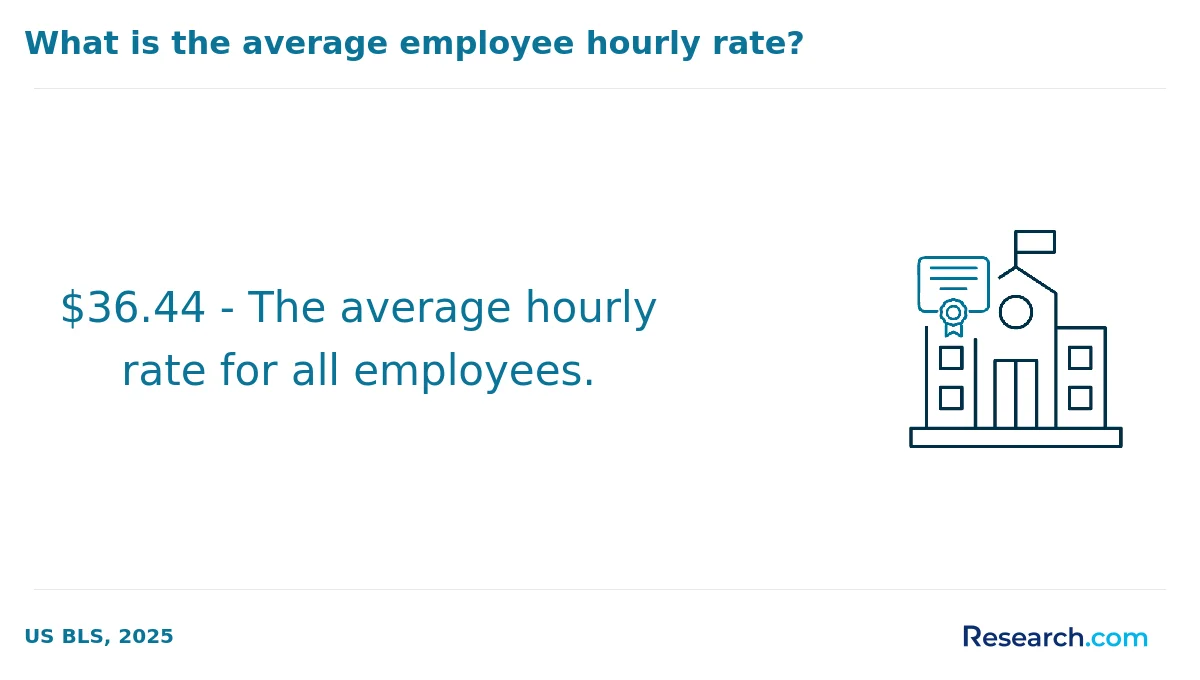
After finishing an associate degree program in Fulton, graduates often find themselves earning salaries that reflect both opportunity and growth. Many entry-level associates begin with around $18.44 per hour, which translates to about $38,355 annually, a common starting point for roles in retail, administrative support, or business. Those who studied at well-known Fulton institutions share how this starting salary often brings relief and motivation as they step confidently into the workforce.
Graduates pursuing more specialized roles, like a School Support Associate (ASL Specialist), report earning closer to $48,792 yearly, a boost that highlights the value of focused skills in education. Others working in business or service industries, particularly as senior service associates, see averages of $47,634 per year, reflecting the practical experience gained during their studies.
Public sector positions, popular among Fulton's associate degree alumni, offer even more promise, with starting hourly rates around $25.49 and annual salaries above $53,000. These roles provide a clear path for growth and stability, making an associate degree an investment with real financial rewards in Fulton's local job market.
- Samantha: Earning my Associate Degree in Culinary Arts at Fulton Technical College transformed my passion for cooking into a rewarding career. The hands-on training was invaluable, and soon after graduation, I landed a chef position at a popular local restaurant. Trade school truly prepares you for real-world success!
- Marcus: My experience studying Automotive Technology in Fulton was incredible. The program's practical approach made me confident under the hood, and the supportive instructors pushed me to excel. Now I work as a certified auto technician at a leading dealership, proud to use my skills daily.
- Jasmine: Getting my Associate Degree in Business Administration from Fulton Community College opened doors I never imagined. The small class sizes and personalized attention helped me thrive. After graduating, I secured a management role at a retail company, thankful for my trade school education and its focus on career readiness.
- Associate degrees in Fulton include AA, AS, and AAS with popular fields like business, nursing, and engineering technology.
- Most programs require a high school diploma, completion of Missouri's CORE 42 transfer curriculum, and passing a civics exam with at least 70%.
- Programs typically require 60 credit hours and can be finished in about two years, with some offering part-time and online options.
- Annual tuition for public colleges ranges from $4,000 to $6,000, with total program costs between $8,000 and $15,000 including books and supplies.
- Entry-level salaries after graduation range from $32,000 to $50,000, with median earnings in Missouri between $38,000 and $55,000 depending on the field.
Most associate degree programs in Fulton are designed to be completed within two years of full-time study, aligning with standards at local community colleges and trade schools. Graduates from these institutions often share how maintaining around 15 credit hours per semester helped them graduate on time, balancing coursework with part-time jobs or family life. One graduate recalled how pacing five classes each fall and spring made the goal feel achievable without overwhelming stress.
For those attending part-time, the experience is different but equally valid. Students juggling work or caregiving responsibilities might take 6-9 credit hours per semester, often extending the program to three years or more. Despite this longer timeline, many find pride in steadily progressing, inspired by the "15 to Finish" initiative's lessons that emphasize steady momentum without rushing.
Some Fulton students take advantage of accelerated options, like summer sessions or online courses, completing degrees in as little as 18 months. While demanding, this path suits those eager to enter the workforce quickly. Ultimately, flexibility in pacing allows each student to find a rhythm that fits their life, making associate degrees attainable and fulfilling in Fulton's supportive educational environment.
The key difference between online and on-campus associate degree programs in Fulton lies in how students engage with their education. Online learners at places like William Woods University enjoy the freedom to study anytime and anywhere, balancing coursework around jobs or family life without sacrificing academic rigor. These graduates often appreciate how virtual classrooms still connect them with professors and peers, creating a flexible yet supported experience.
Conversely, on-campus students immerse themselves in a structured environment, attending classes in person within Fulton's familiar settings. Missouri State University's on-campus programs foster direct interactions with instructors and classmates, while offering access to campus facilities and vibrant social events. Graduates value this hands-on atmosphere that builds strong networks and steady routines.
Both approaches maintain equal academic standards, ensuring students at either William Woods or Missouri State gain a quality education. The choice reflects personal preferences-whether one thrives in the adaptability of online study or the community spirit on campus.
The average cost of associate degree in Fulton varies notably depending on the type of institution and mode of study. Graduates from popular Fulton Missouri community college tuition and fees reflect a practical cost-conscious choice. Public two-year colleges in the area typically average around $11,600 per year, including room and board, making them an accessible option for many local students. For those attending on-campus programs, the additional $6,000 to $10,000 for living expenses is a significant consideration but often well worth the immersive experience and networking opportunities these schools offer.
Many students pursuing an online associate degree program at a public institution find tuition and fees considerably more affordable, averaging $3,501 annually for in-state learners. This reduced tuition allows students to better manage their finances by living off-campus or with family. Out-of-state online students will see higher costs, approximately $8,256 per year. These flexible online pathways let students balance education with work or family, a factor often appreciated by non-traditional learners.
Private two-year schools around Fulton generally carry a higher price tag, averaging around $22,388 per year for tuition and fees. While this may seem steep compared to public options, many graduates recount the focused support and smaller class sizes as a worthwhile investment. Additionally, students should budget for books, supplies, and technology fees, which often add to the total cost.
For those exploring further education, looking into specialized options through 1 year master programs online can help chart a clear, cost-effective academic pathway after an associate degree.
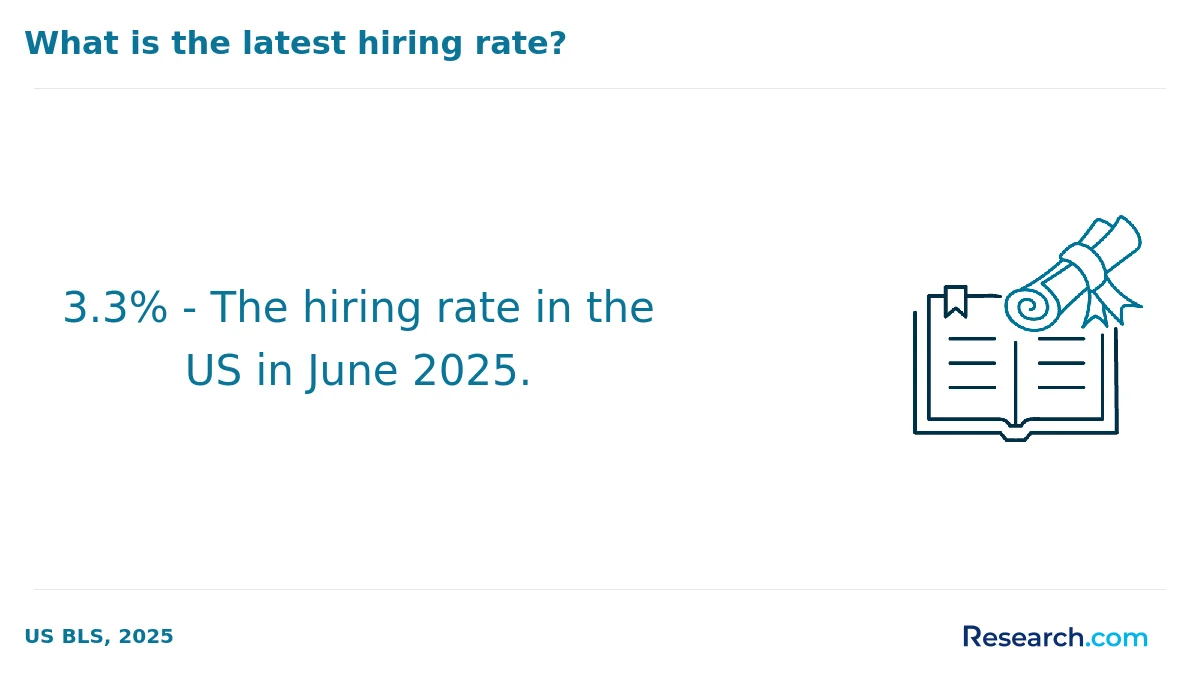
Many students pursuing an associate degree in Fulton find financial aid to be a vital support on their educational journey. The process often begins with completing the Free Application for Federal Student Aid (FAFSA), which opens doors to federal grants, work-study, and state programs. Graduates from institutions like Georgia State University's Perimeter College frequently share how filing the FAFSA early eased their financial worries and helped secure crucial aid.
The HOPE Scholarship, fueled by the Georgia Lottery, is a standout benefit for Georgia residents. Covering up to 96.19% of tuition costs and providing as much as $101 per credit hour, it makes attending local colleges less daunting. Students often express relief knowing this scholarship can significantly stretch their budgets during their studies.
For those nearing graduation, the Georgia College Completion Grant offers additional encouragement. With a lifetime benefit of up to $2,500, it rewards sustained effort and dedication. Many associate degree students in Fulton have found this grant instrumental in overcoming final financial hurdles.
On the federal side, the Pell Grant remains a cornerstone of aid, bringing hope to those with greater financial need. Its maximum award, approaching $7,000 for 2025-2026, can transform the cost landscape, as attested by graduates who balanced work and study. Local colleges also complement these options with unique scholarships and work-study roles, making the path to an associate degree more accessible and promising.
Enrolling in an associate degree program in Fulton requires meeting several foundational prerequisites that ensure you're ready for college-level work. Most students from local popular schools share that having a high school diploma or GED equivalent was their first milestone, a universal gatekeeper for admission.
Beyond that, institutions in Fulton expect you to:
- Maintain a minimum GPA, typically around 2.0, though competitive programs may ask for 2.5 or higher.
- Complete prerequisite courses in subjects like English, Math, and Biology, which were helpful for those pursuing healthcare or technical fields.
- Earn at least 60 college credits to graduate, with some residency requirements around 15 to 20 credits completed locally.
- For specialized programs, such as paramedicine, hold a current EMT license and pass entrance exams like the ATI TEAS with a minimum score.
Graduates often reflect on how these well-defined steps gave them confidence and structure, helping them advance smoothly through associate degree schools in Fulton while balancing work and family life.
The common courses in Fulton associate degree programs reflect a well-rounded associate degree curriculum in Fulton Missouri, blending foundational skills with career-focused classes. Graduates often describe how their coursework started with essential subjects like communication, critical thinking, and quantitative reasoning-skills that proved valuable both in daily life and professional settings. For instance, students at William Woods University engage deeply with a core of 43 credits, including written and oral communication, mathematics, ethics, natural sciences, and social sciences, all crafted to build confidence and versatility.
Beyond core classes, students appreciate the chance to select electives that align with their passions or career goals. These electives may include psychology, business, technology, or art, allowing learners to tailor their educational journey. Local community colleges also offer hands-on courses in fields such as health sciences, welding, HVAC, and criminal justice, merging classroom learning with practical experience. Many graduates express that this curriculum balance equips them well for immediate employment or continued studies.
For those exploring options, easy associate degrees often provide flexible pathways, which can be explored further through resources like easy associate degrees.
Choosing the best associate degree program in Fulton starts with understanding your goals-whether aiming for quick workforce entry or planning to transfer to a four-year institution. Graduates from popular Fulton colleges often share how career-oriented programs like Allied Health helped them land jobs swiftly, while those in transfer programs appreciated the seamless credit transitions. It's wise to compare tuition and fees for Fulton associate degrees, as many local schools offer programs ranging from $6,000 to $8,000, with financial aid easing the load. One graduate fondly recalled balancing night classes with work, highlighting the value of flexible online and in-person options widely available in Fulton.
Look for schools with strong accreditation and curricula that build essential skills in communication and problem-solving. Also, consider programs with established transfer agreements or solid employer partnerships nearby, which recent graduates often credit for smooth job placement and further study. To explore career prospects, check data on employment rates and explore highest paying bachelor's degrees related to your field of interest.
Career opportunities for associate degree holders in Fulton span diverse fields, offering graduates meaningful and stable employment. Many who studied at well-known Fulton colleges share how their associate degrees opened doors in healthcare roles such as dental hygienists or diagnostic medical sonographers, professions noted for competitive salaries and growth. These roles often come with the rewarding experience of helping patients daily, which adds personal satisfaction beyond the paycheck.
Entry-level jobs with an associate degree in Fulton also thrive in legal and business support environments. Graduates often find themselves excelling as paralegals or administrative professionals in county offices or local firms, appreciating the direct impact they have in streamlining operations and aiding communities. A sample of roles includes:
- Records coordinators
- Office managers
- Administrative assistants
The technology sector is another promising route, with graduates stepping into roles like service desk analysts or quality assurance specialists. These positions satisfy those who enjoy problem-solving while helping businesses grow digitally. Many students from Fulton's colleges highlight how their education prepared them for fast-paced digital support roles.
Fulton's job market values versatility, and graduates pursuing careers in human resources or probation services also find success. Opportunities abound for those eager to engage in public service and community improvement. For guidance on selecting the right program, consider exploring top accredited non profit online colleges that align with your goals and local job market demands.
The job market for associate degree graduates in Fulton is encouraging and full of opportunities across vital sectors like healthcare, technology, business administration, and public service. Graduates from well-known associate degree schools in Fulton often share how their practical skills and certifications gained during their two-year programs eased their transition into roles such as dental hygienists, service desk analysts, and administrative assistants. Many find employment quickly, thanks to the county's demand for qualified candidates in both public and private sectors.
Several trends highlight this positive outlook:
- Healthcare roles, particularly physical therapist assistants and dental hygienists, remain in strong demand and offer competitive salary potential in Fulton.
- Technology and logistics sectors are growing steadily, with entry-level IT and customer support roles widely available.
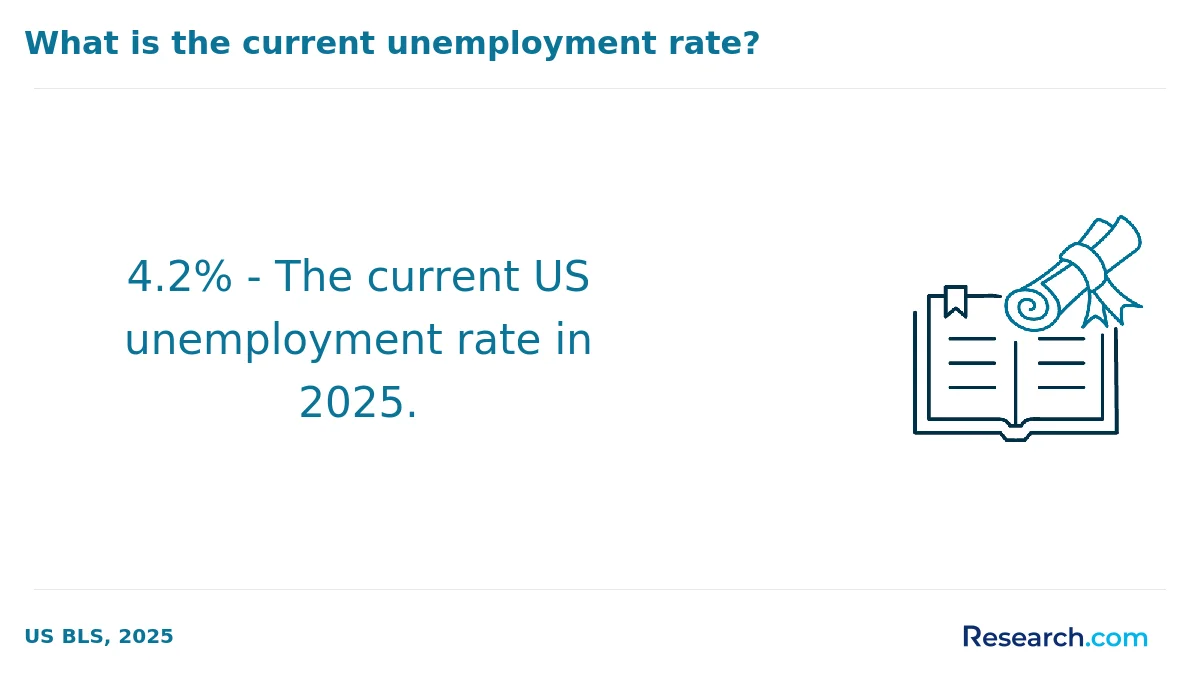
- The unemployment rate in Georgia, at 3.6%, supports a healthy job market environment for new associate degree graduates.
These successful experiences inspire new students considering local associate degree programs to feel confident about their future. Exploring options for the cheapest online bachelors degree after associate graduation is also a pathway some take to enhance career prospects further.
Most Affordable Associate Degree Programs - Leading Certification Courses in Fulton for 2026
# 1 position
Itawamba Community College - Industrial Mechanics and Maintenance Technology/Technician.
associateItawamba Community College offers a hybrid Industrial Mechanics and Maintenance Technology/Technician program designed to equip students with technical skills to repair and maintain industrial machinery, including cranes, pumps, engines, and conveyor systems. The program’s annual in-state tuition is $3,420. Graduates earn a median salary of $64,343 one year after completion. The college is accredited by the Southern Association of Colleges and Schools Commission on Colleges.
# 2 position
Itawamba Community College - Electrician.
associateItawamba Community College offers a hybrid Electrician program that prepares students to install, maintain, and repair electrical systems in residential, commercial, and industrial settings. The curriculum covers electronics, wiring, power transmission, safety, and applicable codes. The program’s annual in-state tuition is $3,420. Graduates earn a median salary of $61,039 one year after completion. It is accredited by the Southern Association of Colleges and Schools Commission on Colleges.
# 3 position
Itawamba Community College - Physical Therapy Assistant.
associateItawamba Community College offers a Physical Therapy Assistant program in a hybrid format, preparing students to implement treatment plans and assist patients under a physical therapist's supervision. The curriculum includes anatomy, physiology, kinesiology, biomechanics, and clinical documentation. The program is accredited by the Southern Association of Colleges and Schools Commission on Colleges. Annual in-state tuition is $3,420, and median earnings one year after completion are $45,207.
# 4 position
Itawamba Community College - Computer Science.
associateItawamba Community College offers a fully online Computer Science program focusing on computer theory, computing problems, and system design from a scientific perspective. The curriculum includes principles of computational science, programming, and applications for various end-use situations. The annual in-state tuition is $3,420. The program is accredited by the Southern Association of Colleges and Schools Commission on Colleges.
# 5 position
Itawamba Community College - Legal Assistant/Paralegal.
associateItawamba Community College offers a Legal Assistant/Paralegal program that prepares students to perform research, drafting, investigatory, record-keeping, and administrative tasks under attorney supervision. The curriculum includes legal research, drafting legal documents, appraising, pleading, courthouse procedures, and legal specializations. The program’s annual in-state tuition is $3,420. It is accredited by the Southern Association of Colleges and Schools Commission on Colleges.
# 6 position
Itawamba Community College - Heating, Air Conditioning, Ventilation and Refrigeration Maintenance Technology/Technician.
associateItawamba Community College offers a hybrid Heating, Air Conditioning, Ventilation and Refrigeration Maintenance Technology/Technician program. This program prepares students to repair, install, service, and maintain heating, air conditioning, and refrigeration systems. Instruction includes diagnostic techniques, testing equipment use, and principles of mechanics, electricity, and electronics. Annual in-state tuition is $3,420. The program is accredited by the Southern Association of Colleges and Schools Commission on Colleges.
# 7 position
Itawamba Community College - Interior Design.
associateItawamba Community College offers a fully online Interior Design program that prepares students to professionally plan, design, and furnish residential and commercial spaces. The curriculum includes computer applications, drafting, lighting, acoustics, furniture, textiles, and structural design principles. Students also study building codes and period styles. The program is accredited by the Southern Association of Colleges and Schools Commission on Colleges. Annual in-state tuition is $3,420.
# 8 position
Itawamba Community College - Office Management and Supervision.
associateItawamba Community College offers a fully online Office Management and Supervision program that prepares students to manage business office operations and personnel. The curriculum covers employee supervision, labor relations, budgeting, scheduling, office systems maintenance, records management, and public relations. The program’s annual in-state tuition is $3,420. It is accredited by the Southern Association of Colleges and Schools Commission on Colleges.
# 9 position
Itawamba Community College - Accounting.
associateItawamba Community College offers a fully online Accounting program designed to prepare students for the accounting profession and related business functions. The curriculum covers accounting principles, financial and managerial accounting, cost accounting, budgeting, tax accounting, auditing, and ethics. The program is accredited by the Southern Association of Colleges and Schools Commission on Colleges. Annual in-state tuition is $3,420 for this distance-only program.
# 10 position
Itawamba Community College - Marketing/Marketing Management, General.
associateItawamba Community College offers a Marketing/Marketing Management, General program that prepares students to manage the development of consumer audiences and product distribution. The curriculum covers buyer behavior, marketing research principles, demand analysis, pricing theory, strategic marketing planning, sales operations, and consumer relations. The program’s annual in-state tuition is $3,420 and it is accredited by the Southern Association of Colleges and Schools Commission on Colleges.
Frequently Asked Questions about associate degree programs
After completing an associate degree in Fulton, preparing for the job market involves several strategic steps. First, graduates should refine their resumes to highlight relevant skills and practical experience gained during their studies. According to the U.S. Bureau of Labor Statistics, associate degree holders have a 12% higher employment rate in technical fields compared to those without postsecondary education.
Internships and part-time work in Fulton-based industries can provide valuable networking opportunities and practical insights. Additionally, attending local job fairs and utilizing Fulton's workforce development centers can connect graduates with employers actively hiring in healthcare, manufacturing, and IT sectors.
Continuing skill development through certifications often improves employability. For example, IT graduates might pursue CompTIA or Microsoft certifications to stand out. Staying informed about local labor market trends by consulting resources such as the Georgia Department of Labor can also guide job seekers toward growing industries.
Employers in Fulton commonly seek associate degree graduates who possess a combination of technical and soft skills. According to the U.S. Bureau of Labor Statistics and local workforce reports, key technical skills include proficiency in computer literacy, data analysis, and industry-specific software such as Microsoft Office Suite or basic programming for IT-related fields.
In addition to hard skills, communication and teamwork are highly valued. A 2023 survey from the National Association of Colleges and Employers (NACE) found that over 80% of Fulton employers emphasize critical thinking and problem-solving abilities in hiring decisions.
Time management and adaptability also rank among the top sought-after attributes, especially in fast-changing industries like healthcare and manufacturing prevalent in Fulton.
Finding internships in Fulton that align with your associate degree program involves several practical steps. Start by contacting career services at local community colleges such as Fulton Montgomery Community College, which often maintain internship listings linked to regional employers.
Utilize online job boards like Indeed and Handshake, filtering results specific to Fulton and your field. According to the U.S. Department of Labor, internships increase job placement chances by up to 60%, emphasizing their value in career development.
Consider networking through local chambers of commerce and industry groups, which frequently offer internship opportunities within Fulton's growing manufacturing and healthcare sectors.
Applying early and tailoring your resume to your program's skills improves your chances of securing relevant internships.
An associate degree in Fulton significantly enhances career mobility and advancement opportunities for local job seekers. According to the U.S. Census Bureau, residents with an associate degree in the Fulton metropolitan area earn approximately 15-20% more annually than those with only a high school diploma. This degree often serves as a key credential for entry-level positions in healthcare, technology, and skilled trades industries, which are growing sectors in Fulton.
Additionally, many employers in Fulton prioritize candidates with associate degrees for promotions and leadership training programs. The Georgia Department of Labor reports that associate degree holders in the region experience a lower unemployment rate compared to workers without postsecondary education. This combination of higher pay and job stability demonstrates the degree's practical value for career growth locally.
Students pursuing associate degrees in Fulton can benefit from various part-time job opportunities that complement their education. Healthcare roles such as medical assistants and pharmacy technicians are commonly sought after, especially given the region's expanding health sector. These positions provide practical experience in medical settings, enhancing classroom learning. Retail and customer service jobs also offer flexible hours and skill-building in communication and management, useful for many degree fields.
According to the U.S. Bureau of Labor Statistics, Fulton County's unemployment rate hovered around 3.4% in early 2024, reflecting a steady job market conducive to part-time work. Local colleges and career centers frequently list openings aligned with associate degree skills, helping students balance work and study effectively.
To find the most affordable degree program near me, near Fulton, MS, consider researching local colleges and universities that offer programs tailored to your field of interest. Research.com can be a helpful resource for assessing program costs and comparing them among institutions. Additionally, visiting nearby campuses and speaking with admissions counselors can provide insights into tuition fees and available financial aid options.
- 20 In-Demand Jobs You Can Get With a Two-Year Degree | BestColleges https://www.bestcolleges.com/blog/in-demand-jobs-you-can-get-with-a-two-year-degree/
- Fulton Schools bachelor's degree outcomes - Ira A. Fulton Schools of Engineering https://engineering.asu.edu/bachelors-degree-outcomes/
- FREE Community College - Fulton-Montgomery Community College https://fmcc.edu/admissions-aid/free-cc
- What Are Employers Looking for When Reviewing College Students’ Resumes? https://www.naceweb.org/talent-acquisition/candidate-selection/what-are-employers-looking-for-when-reviewing-college-students-resumes
- How Should I List Multiple Degrees After My Name? | ProFellow https://www.profellow.com/askdrjohnson/how-should-i-list-multiple-degrees-after-my-name/
- Online Degree vs. Traditional | University of Arkansas Grantham https://www.uagrantham.edu/blog/pros-cons-online-degree-vs-traditional-university/
- Top 5 Skills Employers Look For | Nth Degree https://newmanu.edu/top-5-skills-employers-look-for
- Certification - Fulton County School System https://www.fultonschools.org/all-departments/human-resources/certification
- Online vs Traditional Degrees: Similarities and Differences https://www.aiu.edu/blog/online-vs-traditional-degrees/
- Petersonsdata https://petersonsdata.com/


