Best Trade School & Training Programs - Leading Certification Courses in State College for 2026

Co-Founder and Chief Data Scientist
Choosing the right trade school in State College can shape your future career and open up exciting opportunities. This article introduces a carefully crafted trade school programs ranking developed by the Research.com team of data scientists to help you make an informed decision.
Exploring this guide will highlight valuable programs worth considering, so you can confidently pursue a diploma or certification that matches your goals. Whether starting fresh or switching paths, finding the right trade school can lead to rewarding work and personal growth.
Let’s make your next step a positive one.
Key benefits of finishing trade school programs trade school in State College
- Expected salary: Trade school graduates in State College can start with salaries between $39,000 and $62,000 annually, depending on careers like machinists, carpenters, or HVAC technicians, offering a strong financial foundation early on.
- Popular career paths: Graduates often pursue fields such as healthcare support, automotive technology, electrical work, and skilled trades, all providing steady job opportunities and chances to grow with experience and certifications.
- Online diploma benefits: Earning a trade certification online offers flexibility and convenience, making it easier for students to balance learning with personal responsibilities while still accessing quality education from respected State College trade schools.
- Best Trade School & Training Programs - Leading Certification Courses in State College for 2026
- What can I expect from trade school programs trade schools in State College?
- Where can I work after finishing trade school programs trade schools in State College?
What can I expect from trade school programs trade schools in State College?
Students considering trade schools in State College typically face program costs averaging between $10,000 and $20,000, depending on the credential type. Graduates from institutions like South Hills School of Business & Technology often reflect on the value received, noting that the investment corresponds with focused hands-on training and flexible scheduling that fits their busy lives.
Many students appreciate programs with high lab-to-lecture ratios, which allow them to develop practical skills rapidly, often using state-of-the-art equipment relevant to fields like HVAC, medical assisting, or electrical technology. Financial aid options are frequently available, helping to make these costs more manageable for those who qualify.
Students share feeling motivated by real-world learning environments, such as welding workshops or business simulation labs, where theory directly translates into workplace confidence. The strong industry connections maintained by schools in State College also add tangible value, turning tuition dollars into measurable career opportunities through internships and job placements.
Where can I work after finishing trade school programs trade schools in State College?
After completing a trade school program in State College, graduates quickly find themselves in diverse and rewarding local careers. For example, those from healthcare programs often share their satisfaction working in nearby hospitals and dental offices, appreciating the tangible community impact of their roles. Business and administrative graduates frequently secure positions in local banks or small enterprises, where they enjoy contributing to the day-to-day operations that keep the regional economy vibrant.
Technology and engineering program alumni report working with cutting-edge startups or established firms, benefiting from the region's connection to Pennsylvania State University's innovation ecosystem. They often express pride in applying their skills to solve real-world problems, such as designing networks or operating sophisticated CAD software.
Skilled trades graduates, including electricians and construction workers, commonly engage with local contractors or public utilities, finding steady employment fueled by ongoing development in the area. Career fairs in State College further enhance these opportunities, linking graduates directly with employers eager to hire trained professionals, ensuring that their hard work translates promptly into meaningful jobs.
Graduates from trade school programs in State College typically start with salaries around $39,785 per year, a realistic and achievable figure for entry-level positions in hands-on fields like HVAC, electrical work, and plumbing. Many students from well-known local trade schools share that beginning to earn soon after completing their programs brings a sense of relief and accomplishment, especially compared to peers facing longer college paths.
One common experience among these graduates is quickly landing jobs that offer not just base pay but additional benefits like overtime, health insurance, and even tuition reimbursement. These perks can push their total compensation well beyond starting salaries, making the trade career route financially rewarding right from the start.
For those willing to gain experience and seek certifications, which is often encouraged by instructors at top State College trade schools, salaries can rise to $50,000 to $70,000 or more. Students often cite feeling motivated seeing their hard work directly translate into pay increases and steady career growth within the local job market.
While the average salary for all jobs in State College is higher at $117,567 annually, trade graduates appreciate the faster transition into the workforce and the ability to build practical skills that employers value immediately.
- Admission requires a high school diploma or equivalent, with programs offering multiple start dates throughout the year.
- Program lengths vary: diplomas and certificates often take less than a year, while associate degrees usually require about two years.
- Tuition for associate degrees ranges from $16,000 to $24,000, with over 90% of students receiving financial aid such as Pell Grants and school-specific grants.
- Job placement rates can be as high as 98% within months of graduation, and the median starting salary is approximately $52,500 annually.
- Trade schools work closely with local employers to provide internships and ensure programs match workforce needs.
Completing a trade school program in State College generally takes between six months and two years, depending on the credential sought. For instance, graduates from the Pennsylvania Institute of Technology often celebrate finishing certificate programs in under a year, appreciating how quickly they can enter the workforce with job-ready skills. This swift pathway appeals to those eager to start earning without delay.
On the other hand, students pursuing associate degrees at institutions like Thaddeus Stevens College of Technology typically spend about two years studying full-time. Many of these students find satisfaction in the deeper knowledge and broader qualifications they receive, which can open doors to advanced career opportunities they hadn't previously considered.
Some students who need even faster solutions benefit from short-term training options lasting six weeks to six months, especially in fields like healthcare and IT. These flexible programs allow them to balance work or family commitments while gaining valuable skills.
Overall, the variety of program lengths in State College trade schools reflects diverse student needs, enabling many to find a path that fits their pace and goals.
The key difference between online and on-campus trade school programs in State College is how and where students engage with their coursework. Those opting for online programs appreciate the flexibility to study from home and juggle jobs or family duties, making it possible to access courses in fields like business or IT without commuting. Graduates from online tracks often mention the relief of managing their own schedules, especially when evenings and weekends are available through schools such as South Hills School of Business & Technology.
Conversely, on-campus programs at local centers like State High Career and Technical Center immerse students in hands-on training. For trades like welding or HVAC, graduates recall the confidence gained from using equipment firsthand and collaborating in labs. This direct experience, coupled with connections to local employers for internships, creates a more tactile and interactive learning environment that many find energizing and vital for mastering technical skills.
Choosing between these options depends on personal learning preferences and the nature of the trade, with State College offering distinctly tailored pathways to fit diverse student lifestyles and goals.
The average trade school tuition in State College typically ranges between $7,000 and $16,000 per year, reflecting a broad spectrum of pricing that aligns with state and national data for vocational education. Graduates from popular local trade schools often remark how affordable public institutions, such as community colleges offering in-state rates around $7,000 to $8,700, make gaining skilled trades credentials accessible without overwhelming debt. These programs, generally aimed at certificates or associate degrees, are particularly appealing to students balancing work and study due to their manageable costs.
However, the State College trade school cost comparison reveals that private and for-profit schools tend to charge considerably higher tuition, sometimes exceeding $16,000 annually. Graduates who chose these routes often highlight the more specialized programs available, which can justify the increased investment depending on career goals. Still, many emphasize the importance of thorough financial planning, especially considering additional expenses such as books, supplies, and transportation, which commonly add $1,200 to $1,500 annually.
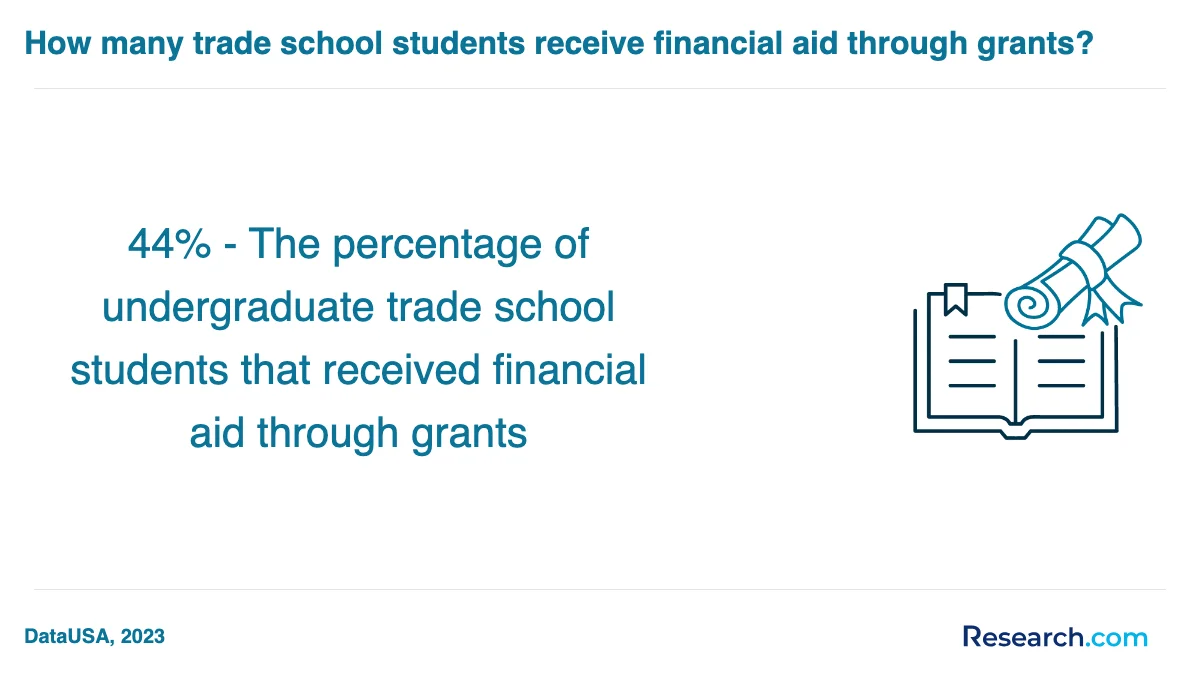
Many students pursuing trade schools in State College find relief through financial aid opportunities. Scholarships and grants play a crucial role in offsetting costs, making these programs more attainable. Those interested in exploring career options post-study might consult resources on trade schools careers to align financial decisions with future outlooks.

Trade school students in State College benefit from a variety of financial aid options that make pursuing their careers more accessible. Graduates from well-known local trade schools often emphasize how crucial completing the FAFSA was to unlocking federal aid, such as the Pell Grant. For many, receiving up to $7,395 in need-based support helped cover tuition without the stress of immediate repayment.
State-specific grants through the Pennsylvania Higher Education Assistance Agency (PHEAA) further assist students. Those attending popular programs in State College report that submitting the PA State Grant Form after the FAFSA process unlocked additional funding, easing the burden of expenses like supplies and part-time living costs. Students taking mostly online courses in these programs noticed some reductions in aid but appreciated the flexibility it allowed.
Many also find scholarships from community groups and trade-specific organizations invaluable. These awards often target trade students directly, creating opportunities for covering gaps between tuition and living costs. Moreover, students with disabilities pursuing vocational tracks frequently receive vocational rehabilitation grants from the Pennsylvania Department of Labor and Industry, significantly boosting their confidence and financial stability during training.
To enroll in a trade school program in State College, the foundational prerequisite is a high school diploma, GED, or a recognized equivalent such as a Pennsylvania Home School Diploma. Graduates often recall this as a straightforward first step that opens doors to hands-on learning in fields like HVAC or automotive repair.
Applicants frequently face placement or admissions tests like COMPASS or Wonderlic, which assess readiness for technical coursework. One graduate shared how the Wonderlic test helped pinpoint the right starting level, making their training more manageable and confidence-building from day one.
Age requirements usually start at 16, though some specialized trades demand older applicants due to safety standards. It's wise to confirm exact policies early; graduates attest that clarifying these details relieved anxiety during enrollment.
- GPA expectations may vary; some programs require a minimum 2.0, while others admit students conditionally with support systems in place.
- Submitting official transcripts, completing applications, and attending interviews with admissions representatives are standard-interviews often include campus tours, helping applicants visualize their future.
Students with disabilities should discuss accommodations upfront. Graduates emphasize that transparent communication with admissions ensures a supportive learning environment while recognizing essential physical or intellectual trade requirements.
Trade school programs in State College typically cover practical, career-focused courses designed to prepare students for immediate employment. For example, graduates from South Hills School of Business & Technology often highlight hands-on experiences in business administration fields such as accounting, marketing, management, and office technology. These courses seamlessly combine theory with real-world applications, which many find motivating and confidence-building.
At the local Career and Technical Center (CTC), students appreciate the opportunity to explore diverse trades, including:
- engineering and construction trades
- automotive technology
- culinary arts
- health sciences with training in medical assisting
CTC's focus on skills like welding, electrical work, and HVAC is praised for making learning tangible and relevant to local job markets. New Castle School of Trades also receives positive feedback for tailored programs in rigging, forklift operation, and electrical services, where job placement assistance helps graduates transition smoothly into employment. Overall, State College trade schools emphasize practical skills paired with career readiness, which students find both encouraging and empowering.
Trade school programs in State College offer diverse specializations tailored to meet practical workforce demands. Graduates from South Hills School of Business & Technology often share how business tracks empower them with skills in office administration, management, and entrepreneurship, enabling quick entry into vibrant office roles or small business startups. Technology-focused students gain hands-on expertise in IT and networking, achieving Associate in Specialized Technology degrees that make them standout candidates for technical positions. Healthcare specializations are particularly dynamic here, with graduates citing certifications in medical coding, sonography, and respiratory therapy as key to launching rewarding clinical or administrative careers.
Skilled trades remain equally vital, with schools like Pennco Tech providing immersive programs in automotive, electrical, plumbing, HVAC, carpentry, and welding. These programs often include apprenticeships, offering real-world experience and direct connections to local employers. Graduates find purpose working in construction or manufacturing sectors, fulfilling tangible roles that build community infrastructure. For creatively inclined students, graphic arts programs prepare them to thrive in design studios and media companies, mastering visual communication across multiple platforms.
Such wide-ranging choices reflect State College's commitment to career readiness. Students exploring trade careers here benefit from education that balances practical skills with real workforce engagement, often leading to steady employment and job satisfaction.
Choosing the best trade school program in State College starts with pinpointing your career interests and analyzing the curriculum quality. Graduates from popular institutions often highlight how hands-on learning and instructors with real industry experience elevated their confidence and skillset, preparing them effectively for the workforce. This approach is critical when applying the best trade school selection criteria in State College because practical training directly impacts job readiness.
Comparing schools involves more than tuition fees; consider accreditation, job placement rates, and whether programs offer flexible options like evening classes or certificates. For example, some trade schools in State College excel in creating strong employer connections that helped graduates quickly find employment, fostering a positive, motivating experience. Veterans and working adults especially benefit from schools that understand the need for adaptable schedules.
When researching, explore resources such as the school for construction trades to better understand how to compare trade schools in State College and identify programs that fit your personal goals and lifestyle.
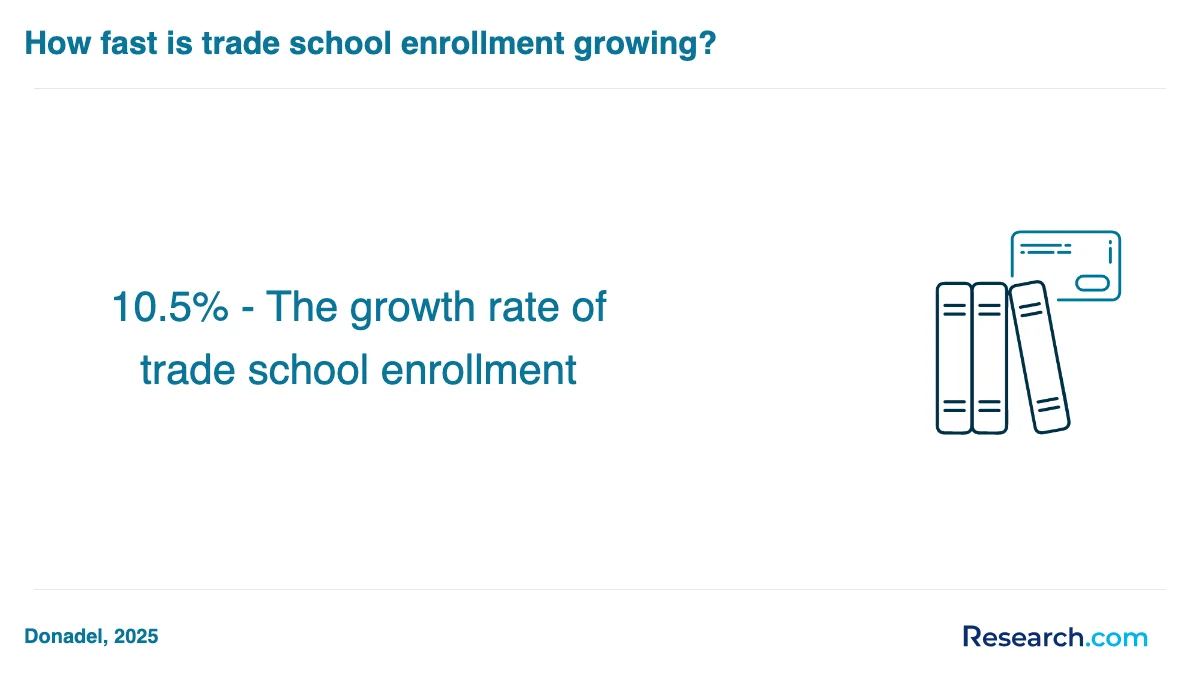
Trade school graduates in State College have access to diverse career opportunities that align with local industry demands. Graduates from institutions like South Hills School of Business & Technology and State High's Career and Technical Center often find rewarding paths in healthcare, business, skilled trades, and transportation. Many healthcare program completers quickly join clinics or hospitals as medical assistants or phlebotomists, filling vital roles in the region.
Business and technology fields offer roles such as IT support specialists and digital marketing assistants, with graduates benefiting from hands-on training tailored to local business needs. Skilled trades-automotive technology, welding, and HVAC-remain essential and high-demand. The practical skills taught at State College trade school programs ensure graduates are well-equipped for hands-on problem solving in these fields.
Commercial driving programs prepare students for a fast entry into logistics careers, reflecting steady demand for drivers. Adult learners also see tangible benefits, with 40% gaining employment post-training. To explore additional options, those seeking unique delivery logistics careers might consider most affordable online freight broker training.
These State College trade school programs and job outlook realities highlight genuinely accessible paths that connect education closely with employer needs, creating meaningful career opportunities for trade school graduates in State College.
The job market for trade school graduates in State College is notably strong, with around 161 active trade job postings as of August 2025. Graduates enrolling in programs at local institutions often find opportunities in fields such as industrial electrician roles, journeyperson positions, and heavy equipment sales. This steady demand reflects the region's focus on construction, manufacturing, and infrastructure development, industries vital to State College's economy.
Graduates from these trade schools report high satisfaction due to practical, hands-on training that directly aligns with employer needs. Common experiences include:
- Working with industry-standard equipment during training, easing the transition to full-time roles.
- Strong job placement support through local employer partnerships.
- Access to labor unions promoting competitive wages and benefits.
Employment opportunities for skilled trades in State College also extend into emerging sectors like renewable energy; for instance, wind turbine technician roles are growing rapidly. The practical skills gained in these programs prepare students for such future-focused careers. For prospective students looking to budget their education, programs like those featuring the cheapest online carpentry trade school programs can offer affordable pathways with promising job prospects.
Best Trade School & Training Programs - Leading Certification Courses in State College for 2026
# 1 position
South Hills School of Business & Technology - Diagnostic Medical Sonography/Sonographer and Ultrasound Technician.
associateThe Diagnostic Medical Sonography/Sonographer and Ultrasound Technician program at South Hills School of Business & Technology offers a hybrid format with some distance education options. The program trains students to use medical ultrasound techniques for diagnostic purposes under physician supervision. It covers sonographic data processing, patient care, equipment operation, and professional ethics. Annual in-state tuition is $19,208. Median earnings one year after completion are $47,900.9. It is accredited by the Accrediting Commission of Career Schools and Colleges.
# 2 position
South Hills School of Business & Technology - Diagnostic Medical Sonography/Sonographer and Ultrasound Technician.
certificate or diplomaThe Diagnostic Medical Sonography/Sonographer and Ultrasound Technician program at South Hills School of Business & Technology offers a hybrid format with some distance-education options. It trains students to perform medical ultrasound techniques under physician supervision, covering patient care, sonographic data processing, and professional ethics. The program’s annual in-state tuition is $19,208. Graduates have median earnings of $47,900.90 one year after completion. It is accredited by the Accrediting Commission of Career Schools and Colleges.
# 3 position
South Hills School of Business & Technology - Business Administration and Management, General.
associateSouth Hills School of Business & Technology offers a hybrid Business Administration and Management, General program designed to prepare students to plan, organize, direct, and control business functions. The curriculum covers management theory, human resources, accounting, purchasing, logistics, marketing, and decision-making. The program is accredited by the Accrediting Commission of Career Schools and Colleges. Annual in-state tuition is $19,208 with some distance education options available.
# 4 position
South Hills School of Business & Technology - Accounting.
associateThe Accounting program at South Hills School of Business & Technology offers a hybrid format with some distance-education options. It prepares students to practice accounting and perform related business functions, covering topics such as financial, managerial, and cost accounting, tax accounting, auditing, and professional ethics. The annual in-state tuition is $19,208. The program is accredited by the Accrediting Commission of Career Schools and Colleges.
# 5 position
South Hills School of Business & Technology - Computer Science.
associateThe Computer Science program at South Hills School of Business & Technology offers a hybrid learning format, combining in-person and distance education. It emphasizes computer theory, problem-solving, and system design, including computational science and programming principles. The annual in-state tuition is $19,208. Graduates have median earnings of $29,648 one year after completion. The program is accredited by the Accrediting Commission of Career Schools and Colleges.
# 6 position
South Hills School of Business & Technology - Medical Insurance Coding Specialist/Coder.
certificate or diplomaThe Medical Insurance Coding Specialist/Coder program at South Hills School of Business & Technology offers hybrid learning options. It prepares students for specialized data entry, classification, and coding related to medical diagnostics, billing, and insurance. Coursework includes medical terminology, anatomy, physiology, medical software, and regulations for Medicare and insurance. The program is accredited by the Accrediting Commission of Career Schools and Colleges. Annual in-state tuition is $19,208.
# 7 position
South Hills School of Business & Technology - Criminal Justice/Law Enforcement Administration.
associateThe Criminal Justice/Law Enforcement Administration program at South Hills School of Business & Technology offers a hybrid format with some distance education options. It prepares students for leadership roles in public law enforcement through courses in organizational management, law enforcement history, operational command, labor relations, budgeting, and legal responsibilities. The program is accredited by the Accrediting Commission of Career Schools and Colleges. Annual in-state tuition is $19,208, and median earnings one year after completion are $25,408.20.
Frequently Asked Questions about trade school programs
Preparing for the job market after completing trade school in State College involves several key steps. Graduates should begin by building a strong resume that highlights hands-on training and any certifications earned during their program. Networking is crucial; many local employers in industries such as manufacturing and construction value personal referrals. According to the Pennsylvania Department of Labor, trade school graduates in State College have an employment rate of nearly 85% within six months of graduation.
Additionally, students should utilize their school's career services for job placement assistance and internship opportunities. Staying updated on industry trends and obtaining relevant licenses can further improve employability in the competitive job market.
Employers in State College highly value practical skills that trade school graduates bring to the workforce. According to the National Center for Education Statistics, technical proficiency in areas like HVAC, electrical work, and welding ranks among the top sought-after skills. Additionally, problem-solving abilities and adaptability are frequently emphasized by local employers, as trades often require quick thinking on job sites.
The Pennsylvania Department of Labor highlights that communication and teamwork skills are equally important, with 67% of employers reporting these as critical for trade graduates. Punctuality and a strong work ethic also remain consistent expectations.
Trade schools in State College focus on developing these skills to meet regional labor market demands, preparing students effectively for employment.
Finding internships in State College relevant to your trade school program involves multiple strategies. Start by consulting your school's career services, which often maintain partnerships with local businesses and can connect students to internships aligned with their trade.
Utilize online platforms like Handshake or Indeed, filtering for internships in the trades and specifying State College as your location. Local chambers of commerce and industry associations may also list internship opportunities, especially in skilled trades such as electrical, plumbing, or HVAC.
Networking is crucial. Attend job fairs, workshops, and community events where employers seek interns. Many trade internships in State College arise through direct employer contacts rather than public listings.
According to the National Association of Colleges and Employers, about 60% of internships in the U.S. lead to job offers, emphasizing the importance of securing quality internship experiences.
In State College, a trade school diploma significantly enhances career mobility by equipping students with practical skills that are in demand locally. According to the Pennsylvania Department of Education, industries such as manufacturing, healthcare, and construction actively seek graduates from accredited trade programs, increasing job placement rates.
Data from the State College Workforce Development Office shows that individuals with trade diplomas often experience a 15-25% higher likelihood of employment within six months post-graduation compared to those with only a high school diploma.
This credential also facilitates advancement, as many employers prioritize certified technical skills for promotions and higher wages. Moreover, trade school graduates benefit from shorter training periods, enabling faster re-entry into the workforce.
Part-time job opportunities in State College that complement trade school education are diverse and practical. Many students find positions in local construction firms, retail hardware stores, and automotive repair shops, allowing them to apply technical skills while earning income. According to the U.S. Bureau of Labor Statistics, sectors like construction and automotive services have grown steadily in the region. On-campus roles, such as facility maintenance or technical support, also provide hands-on experience related to trade skills. Additionally, food service and hospitality jobs often offer flexible schedules, which suit trade students' classes and hands-on training hours. These jobs can enhance time management and customer service skills.
Indeed, there are respected degree programs near State College, PA, particularly at Pennsylvania State University, which offers a diverse range of undergraduate, graduate, and doctoral programs across various fields of study. For those searching for top academic institutions near me, Penn State is renowned for its research initiatives and academic excellence, making it a prominent choice for many students. To explore specific programs and fields of interest, Research.com can be a helpful resource in identifying suitable options and determining their rankings.
- Trade school: A comprehensive guide https://www.collegeessayguy.com/blog/trade-school-guide
- Trade Schools, What Are The Benefits - InterCoast Colleges https://intercoast.edu/articles/benefits-of-trade-schools/
- Benefits for attending a trade school | NSHSS | National Society of High School Scholars https://www.nshss.org/resources/blog/blog-posts/benefits-for-attending-a-trade-school/
- Learn A Trade - SUNY https://www.suny.edu/trades/
- Trade Schools Overview | ACT https://www.act.org/content/act/en/students-and-parents/career-planning/career-planning-resources/trade-schools.html
- 1/30/25 - Hands-On Learning vs. Traditional Education: Why the Trades Offer the Best of Both Worlds - Gould Construction Institute https://www.gwgci.org/hands-on-learning-vs-traditional-education-trades/